Site type guide
Stone Circle
Crawlable taxonomy page generated from the current site detail schema and used in the internal linking graph.
Countries to explore next
Traditions represented here
43 sites
Browse this type across countries, traditions, and sacred landscapes.

Adam's Calendar stone ring
Mbombela, Mpumalanga, South Africa
Adam's Calendar stone ring is a stone circle of sacred significance. Approximate coordinates: -25.63181, 30.75963. Attributes: built, cultural, archaeological, ceremonial.
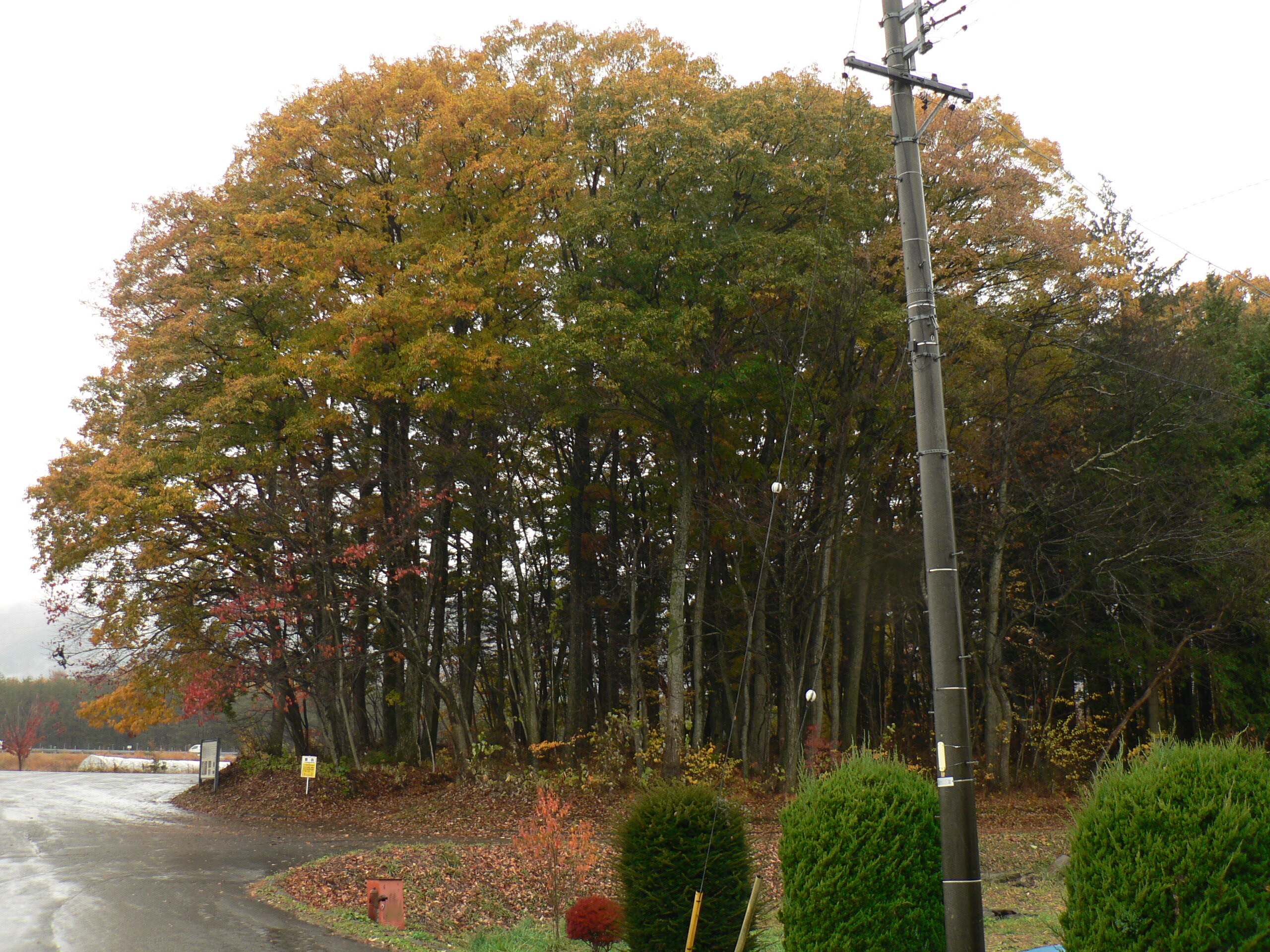
Akyū Ruins
Hara, Nagano Prefecture, Japan
Six thousand years ago, the Jomon people gathered here to tend sacred fires beneath the gaze of Mount Tateshina. At the heart of their ceremonial ground stood a single stone, deliberately aligned toward the mountain they venerated. Today the ruins lie buried beneath a highway, preserved for eternity—but above them, a quiet forest holds the memory of what once made this ridge a place where worlds could meet.
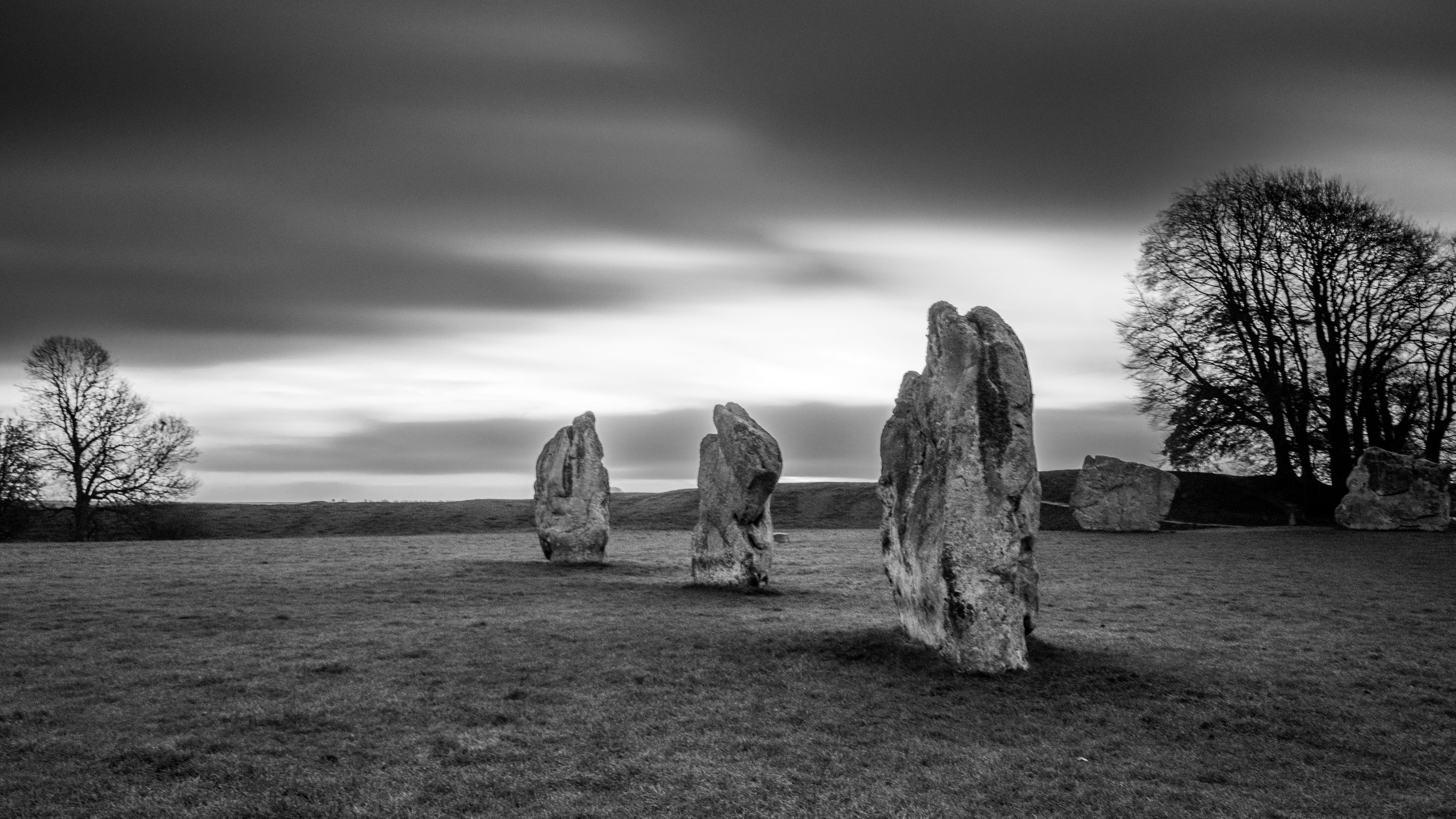
Avebury
Avebury, England, United Kingdom
Avebury is a stone circle of sacred significance. Approximate coordinates: 51.42890, -1.85487. Attributes: built, cultural, archaeological, ceremonial. Tradition: Pagan. Recognized as a UNESCO World Heritage Site. Avebury () is a Neolithic henge monument containing three stone circles, around the village of Avebury in Wiltshire, in south-west England. One of the best-known prehistoric sites in Britain, it contains the largest megalithic stone circle in the world. It is both a tourist attraction and a place of religious importance to contemporary pagans. Constructed over several hundred years in the third millennium BC, during the Neolithic, or New Stone Age, the monument comprises a large henge (a bank and a ditch) with a large outer stone circle and two separate smaller stone circles situated inside the centre of the monument. Its original purpose is unknown, although archaeologists believe that it was most likely used for some form of ritual or ceremony. The Avebury monument is a part of a larger prehistoric landscape containing several older monuments nearby, including West Kennet Long Barrow, Windmill Hill and Silbury Hill. By the Iron Age, the site had been effectively abandoned, with some evidence of human activity on the site during the Roman period. During the Early Middle Ages, a village first began to be built around the monument, eventually extending into it. In the late medieval and early modern periods, local people destroyed many of the standing stones around the henge, both for religious and practical reasons. The antiquarians John Aubrey and William Stukeley took an interest in Avebury during the 17th and 18th centuries, respectively, and recorded much of the site between various phases of destruction. Archaeological investigation followed in the 20th century, with Harold St George Gray leading an excavation of the bank and ditch, and Alexander Keiller overseeing a project to reconstruct much of the monument. Avebury is managed by the National Trust. It has been designated a Scheduled Ancient Monument, as well as a World Heritage Site, in the latter capacity being seen as a part of the wider prehistoric landscape of Wiltshire known as Stonehenge, Avebury and Associated Sites. About 480 people live in 235 homes in the village of Avebury and its associated settlement of Avebury Trusloe, and in the nearby hamlets of Beckhampton and West Kennett. Located in England, United Kingdom.
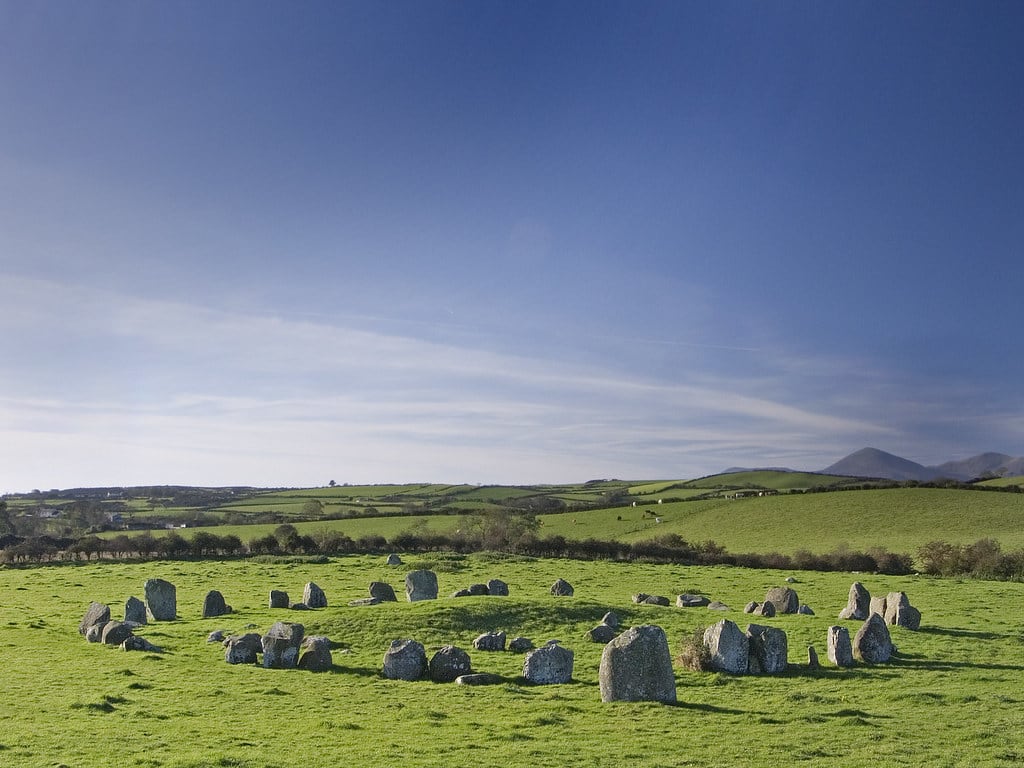
Ballynoe Stone Circle, Downpatrick, Ireland
Downpatrick, Northern Ireland, United Kingdom
Ballynoe Stone Circle, Downpatrick, Ireland is a stone circle of sacred significance. Approximate coordinates: 54.29072, -5.72588. Attributes: built, cultural, archaeological. Located in Northern Ireland / Tuaisceart Éireann, United Kingdom.
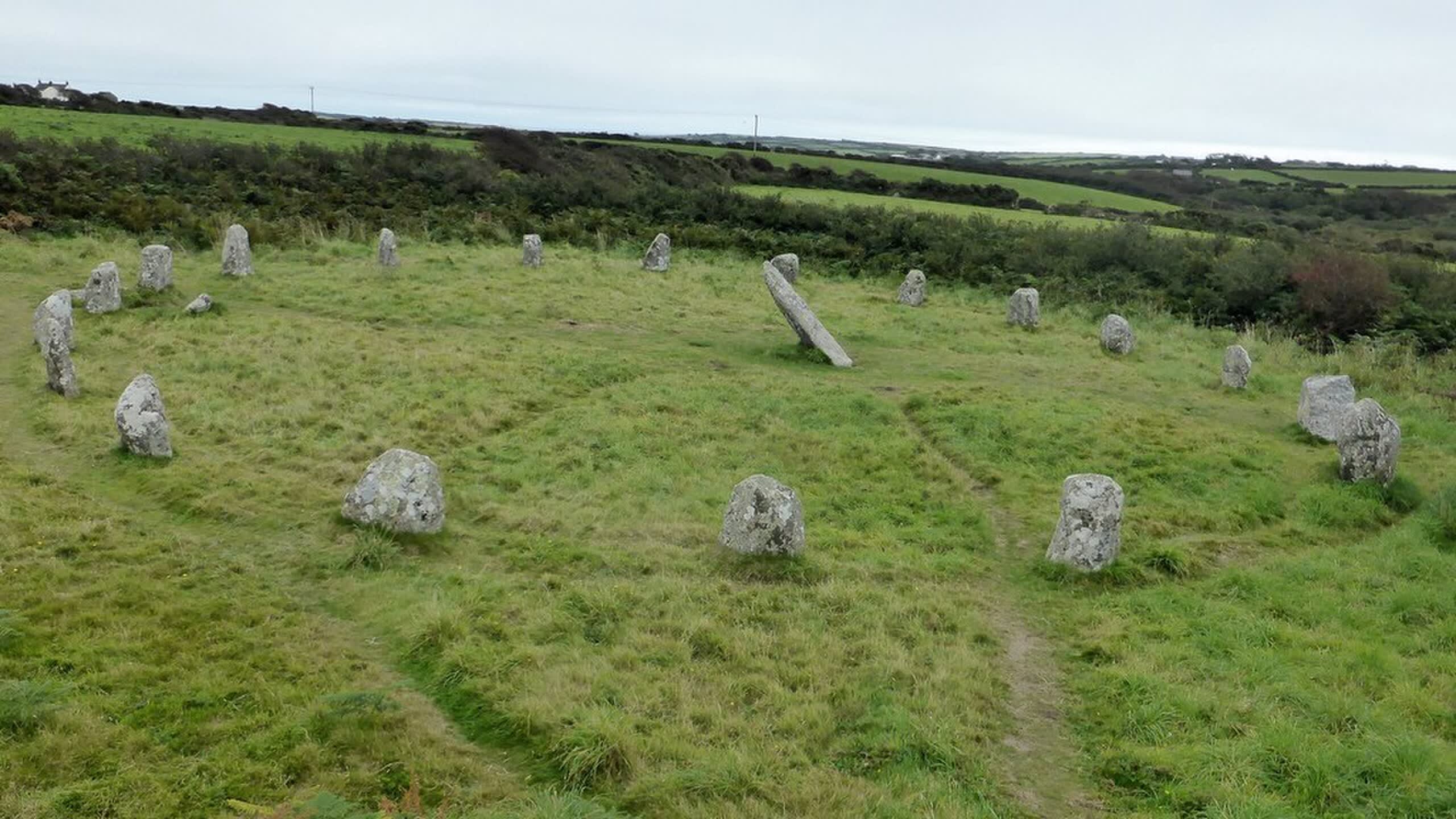
Boscawen-un Stone Circle
St Buryan, Cornwall, United Kingdom
Boscawen-un Stone Circle is a stone circle of sacred significance. Approximate coordinates: 50.08983, -5.61929. Attributes: built, cultural, archaeological, ceremonial. Located in England, United Kingdom.
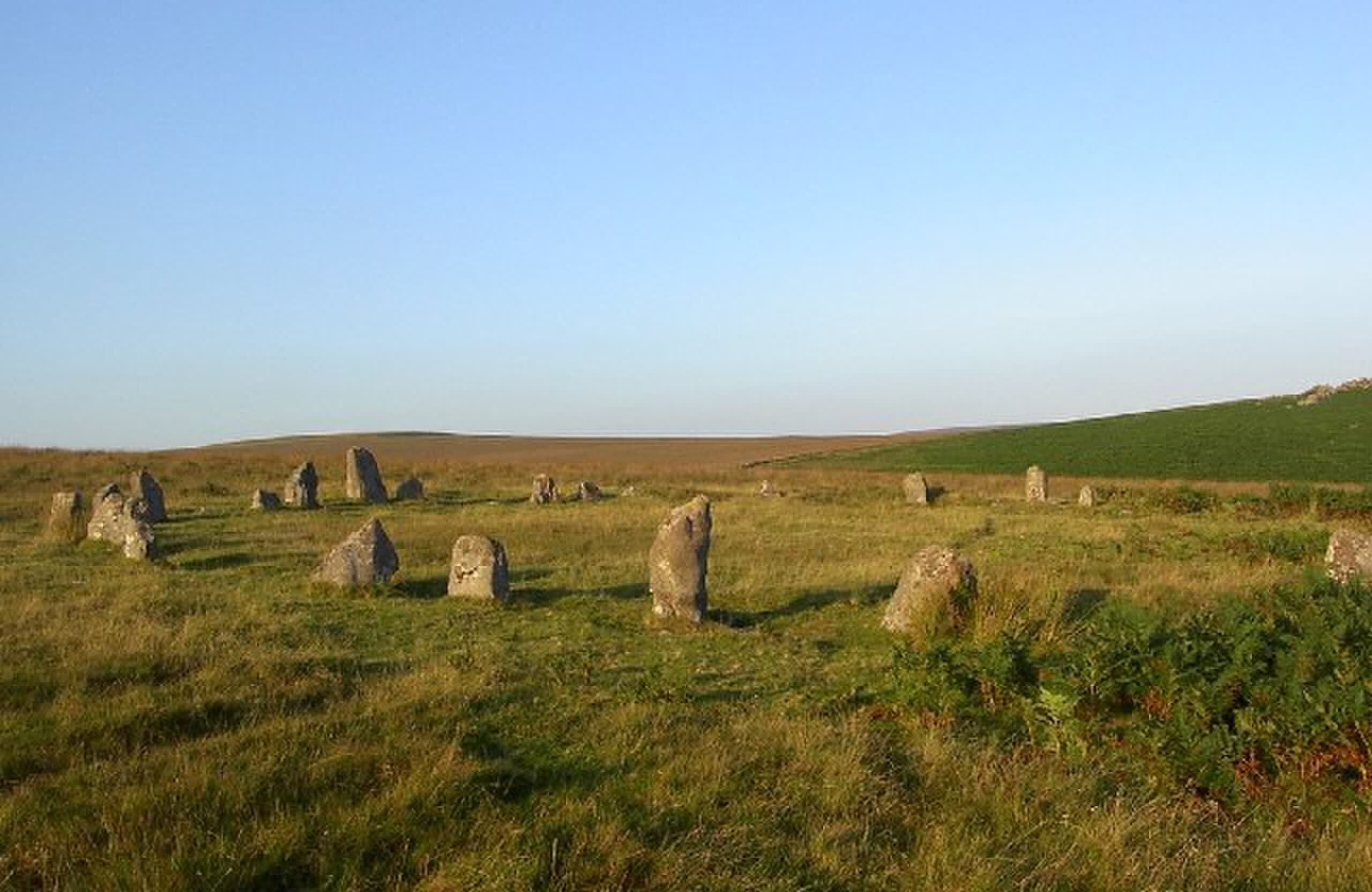
Brisworthy Stone Circle
Shaugh Prior, Devon, United Kingdom
Brisworthy Stone Circle is a stone circle of sacred significance. Approximate coordinates: 50.47159, -4.02406. Attributes: built, cultural, archaeological. Brisworthy stone circle (grid reference SX564654) is a stone circle on Dartmoor, Devon. It is located three miles east of the A386, northeast of the village of Shaugh Prior. It is three hundred metres from Ringmoor stone row and cairn circle, and is one of the archaeological sites found in the Upper Plym Valley. Located in West Devon, England, United Kingdom.
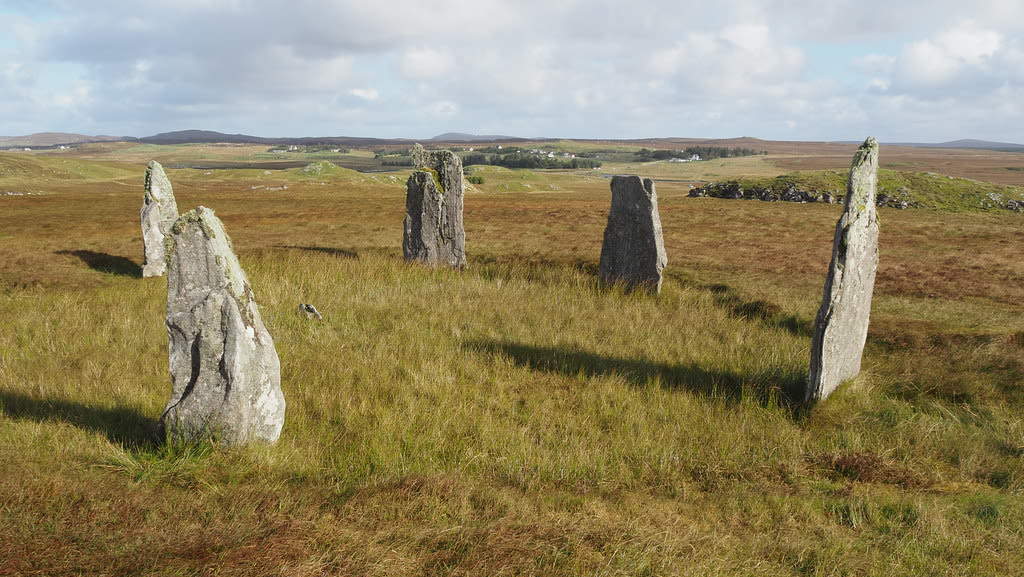
Callanish 4 Stone Circle
Callanish, Alba / Scotland
Callanish 4 Stone Circle in Callanish, , Alba / Scotland.
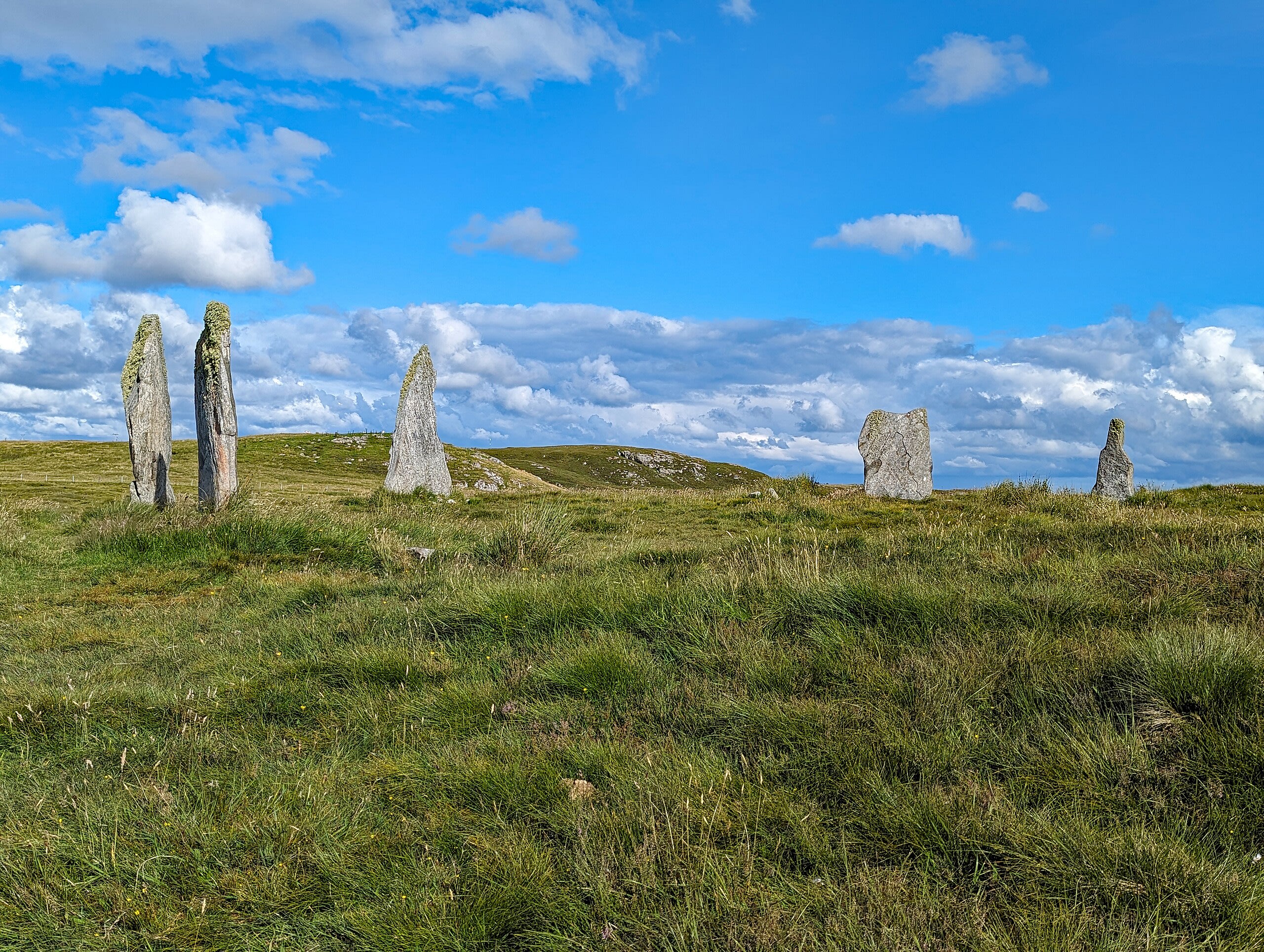
Callanish II Stone Circle
Callanish, Alba / Scotland
Callanish II Stone Circle in Callanish, , Alba / Scotland.
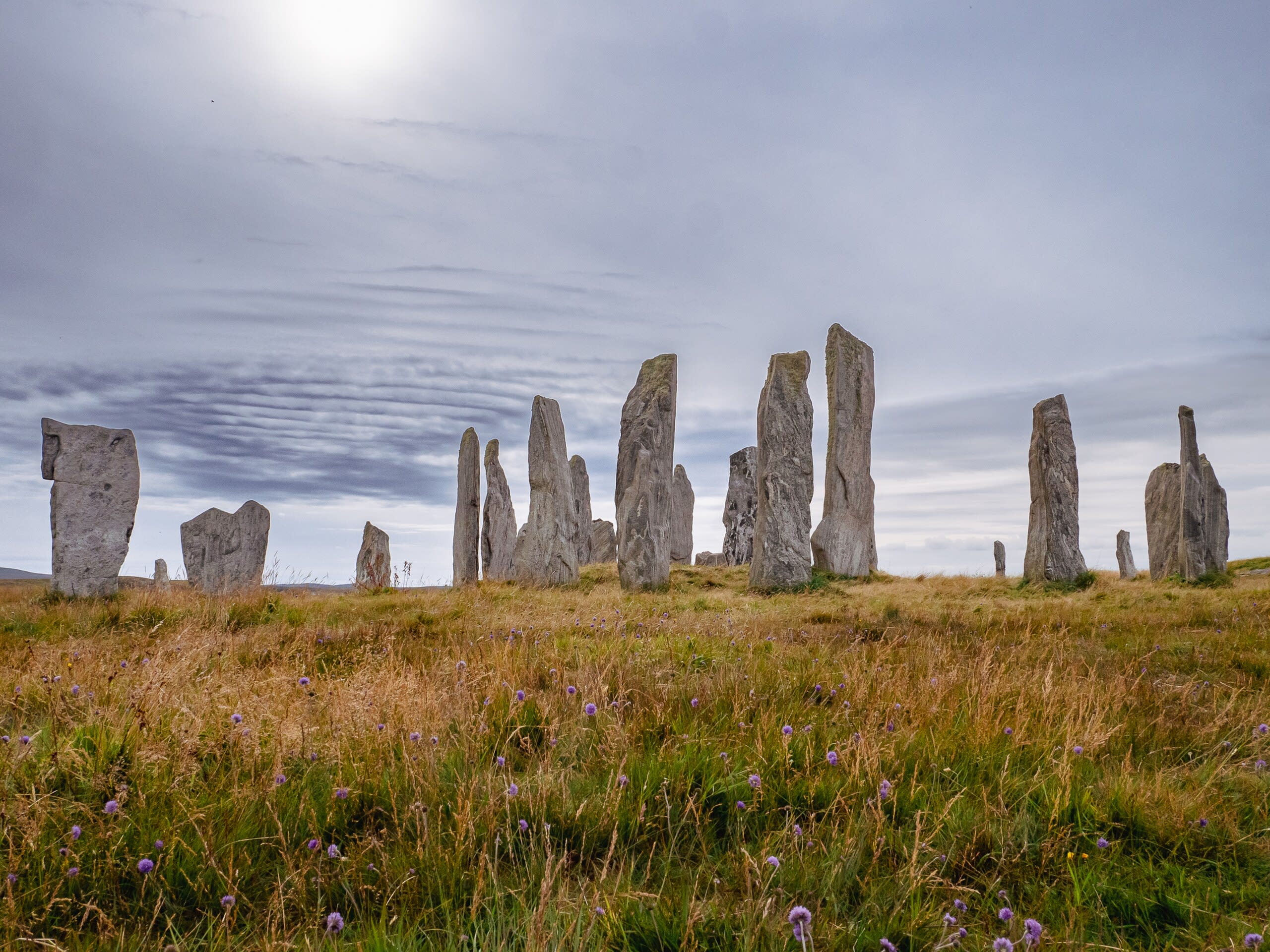
Callanish Standing Stone Circle
Callanish, Alba / Scotland
Callanish Standing Stone Circle in Callanish, , Alba / Scotland.
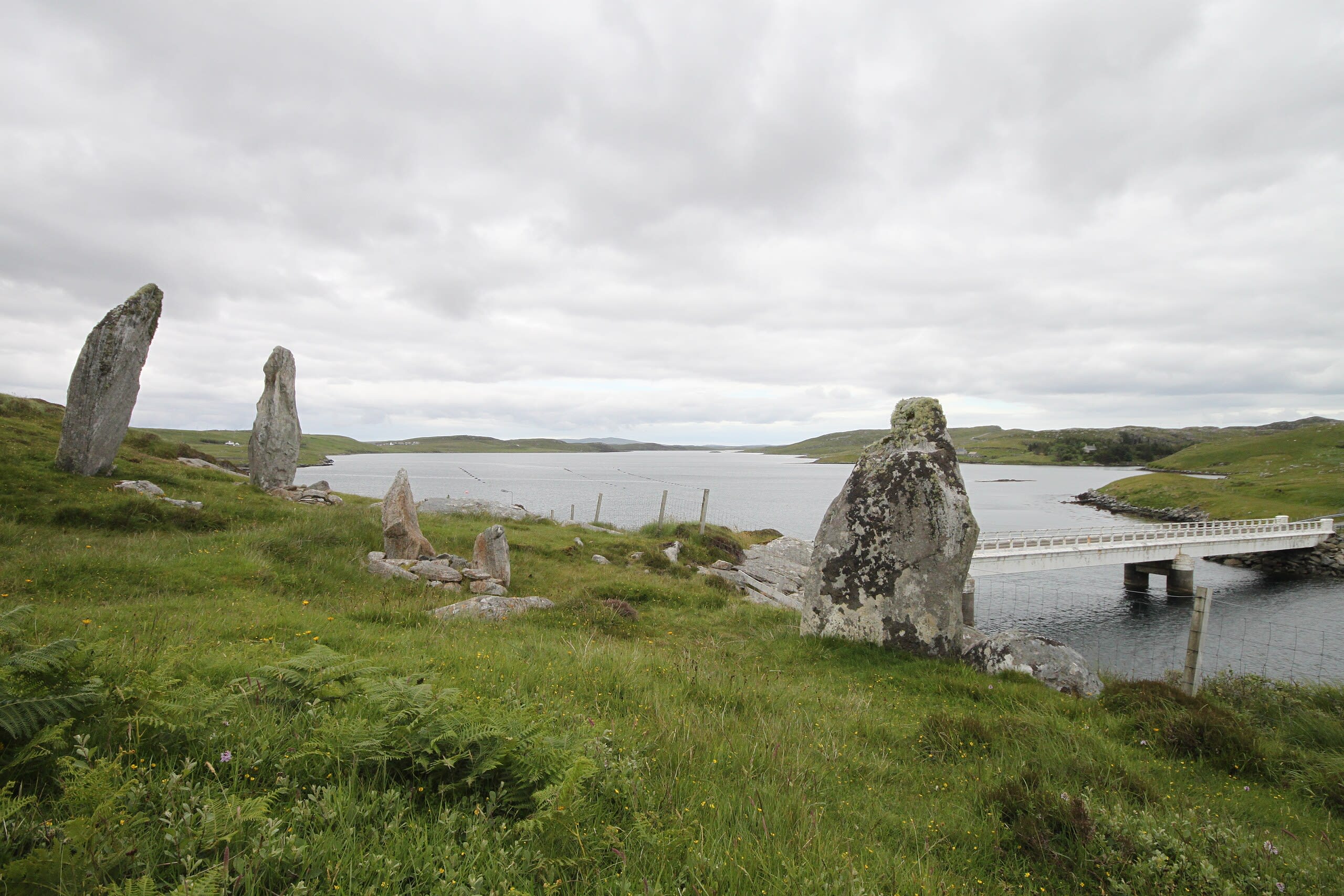
Callanish Stone Circle 8
Callanish, Alba / Scotland
Callanish Stone Circle 8 in Callanish, , Alba / Scotland.
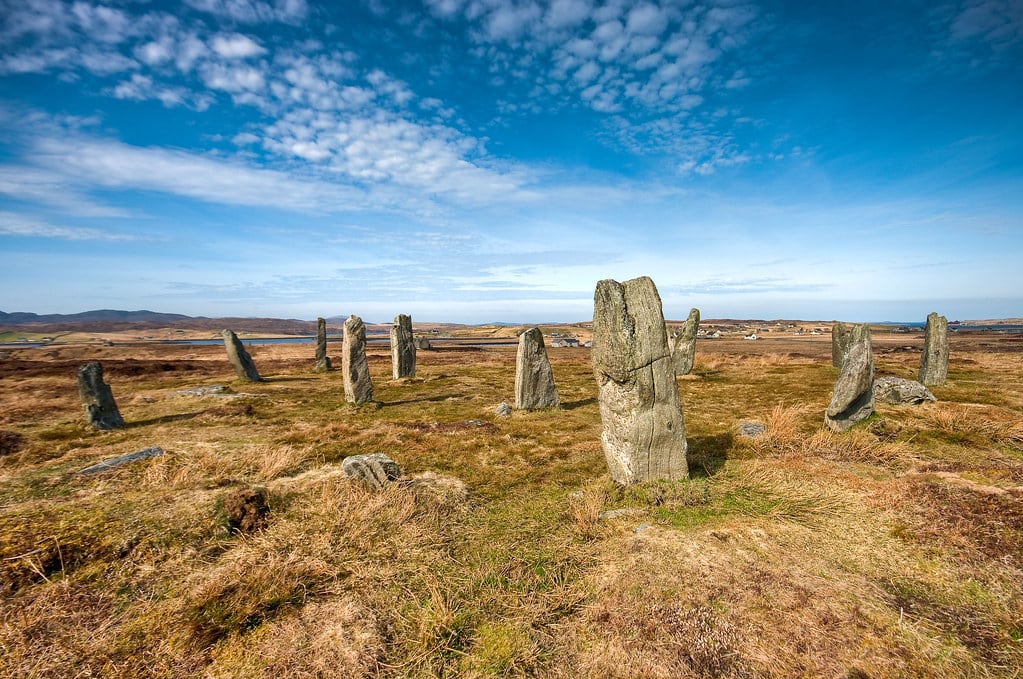
Callanish Stone Circle III
Callanish, Alba / Scotland
Callanish Stone Circle III in Callanish, , Alba / Scotland.
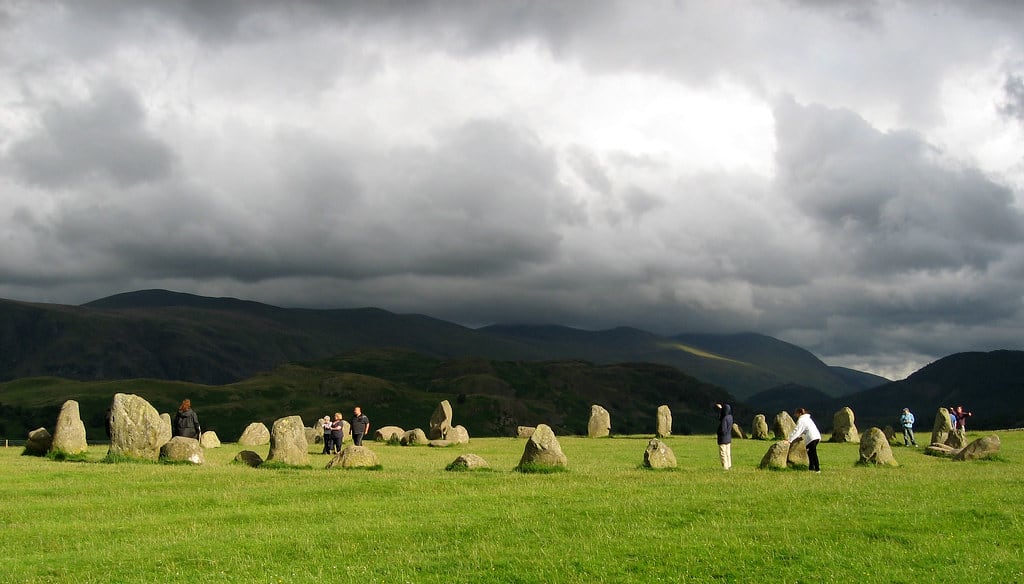
Castlerigg stone ring
Keswick, Cumbria, United Kingdom
Castlerigg stone ring is a stone circle of sacred significance. Approximate coordinates: 54.60282, -3.09840. Attributes: built, cultural, archaeological. Located in England, United Kingdom.
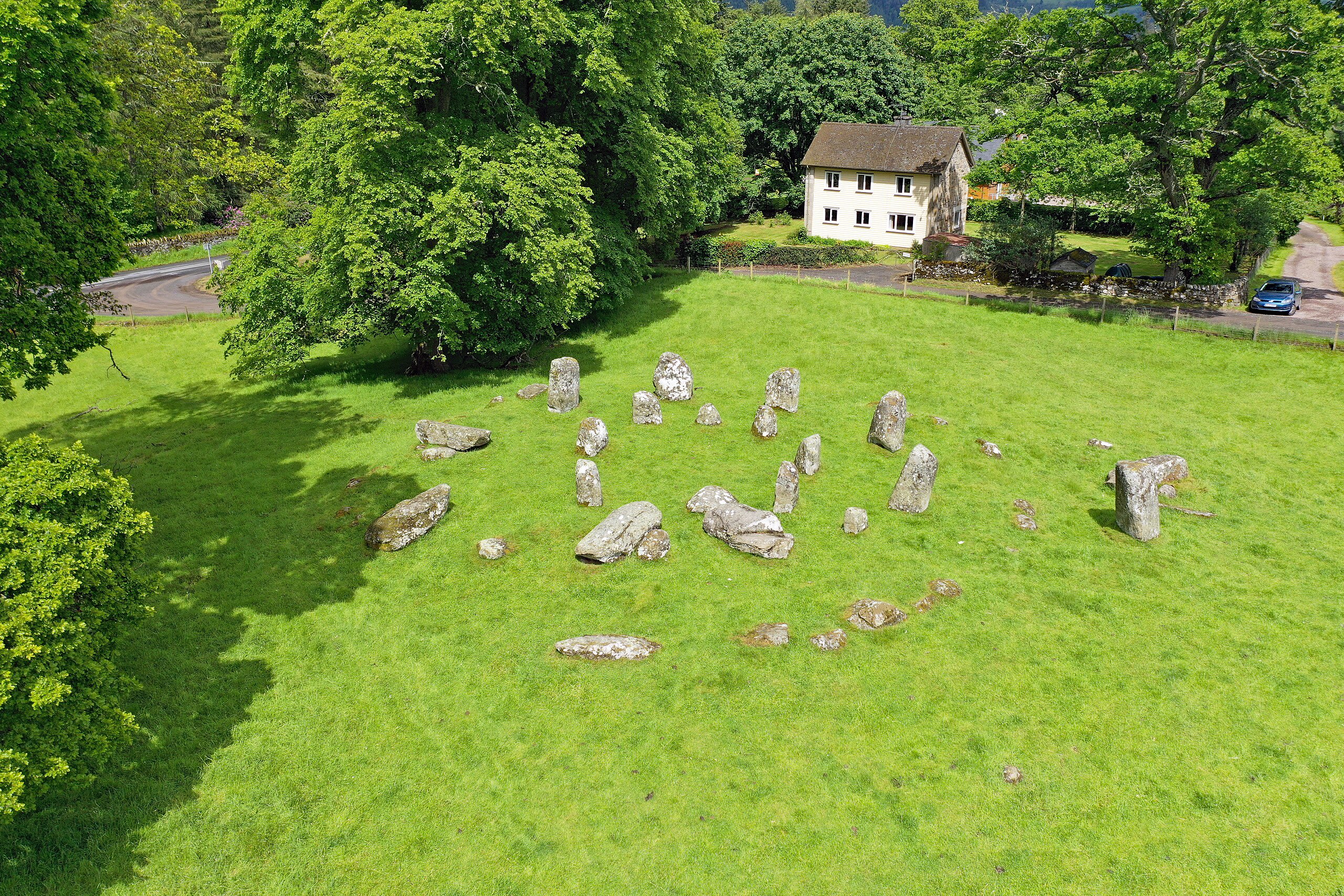
Croft Moraig Stone Circle, Aberfeldy
Aberfeldy, Alba / Scotland, United Kingdom
Croft Moraig Stone Circle, Aberfeldy is a stone circle of sacred significance. Approximate coordinates: 56.60181, -3.96030. Attributes: built, cultural, archaeological. Located in Alba / Scotland, United Kingdom.
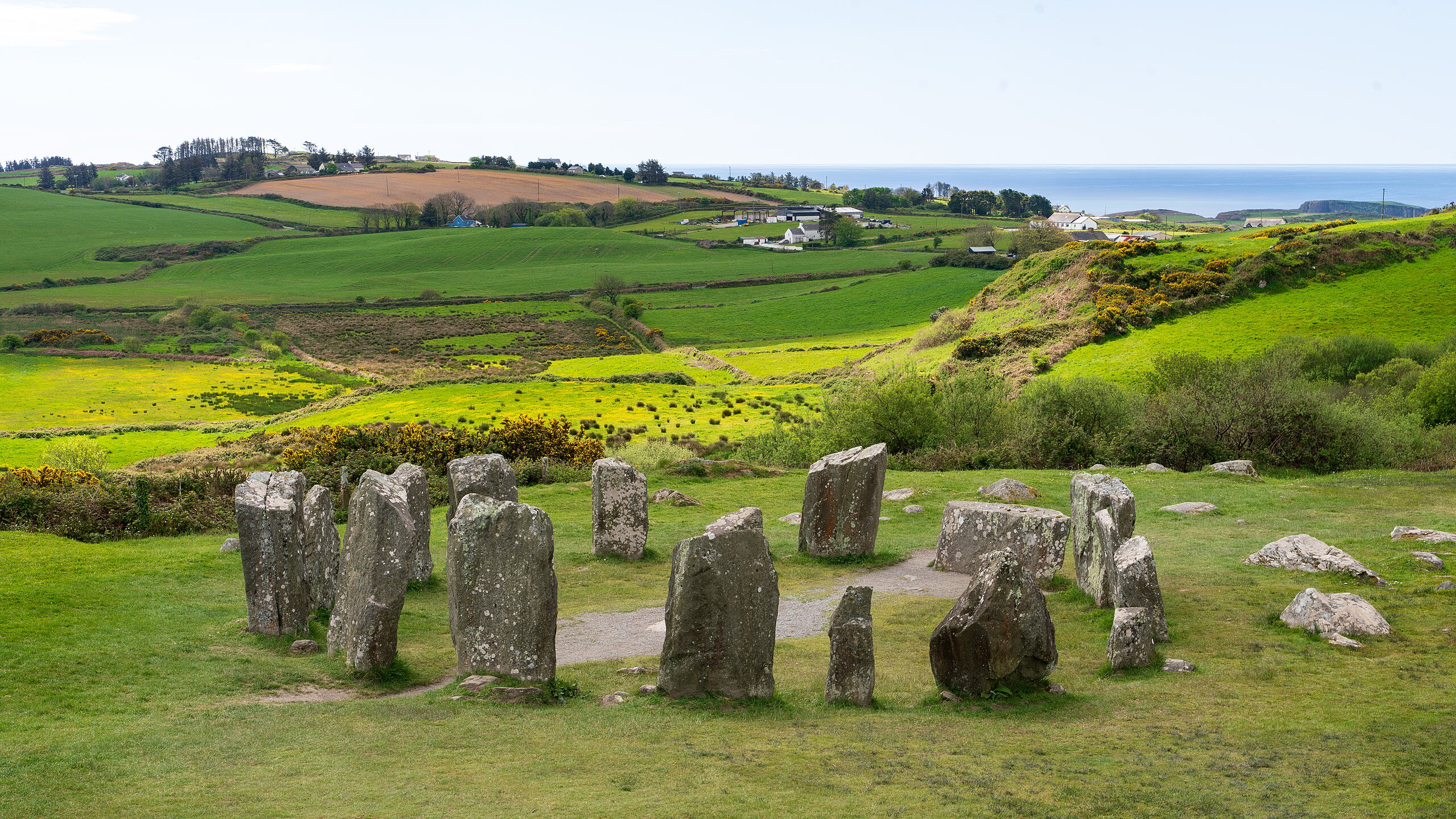
Drombeg Stone Circle, Glandore, Ireland
County Cork, West Cork, Ireland
Drombeg Stone Circle, Glandore, Ireland is a stone circle of sacred significance. Approximate coordinates: 51.56457, -9.08738. Attributes: built, cultural, archaeological, ceremonial. Located in West Cork, Éire / Ireland.
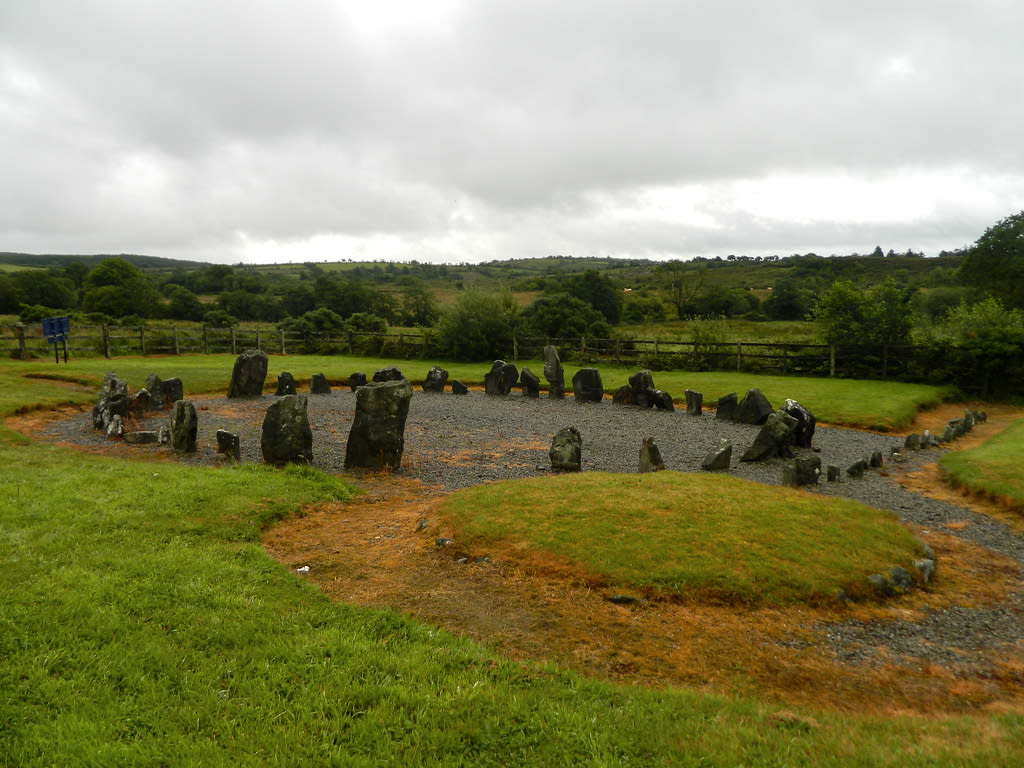
Drumskinny Stone Circle, Drumskinny, Ireland
County Fermanagh, Northern Ireland, United Kingdom
Drumskinny Stone Circle, Drumskinny, Ireland is a stone circle of sacred significance. Approximate coordinates: 54.58431, -7.69009. Attributes: built, cultural, archaeological. Located in Northern Ireland / Tuaisceart Éireann, United Kingdom.
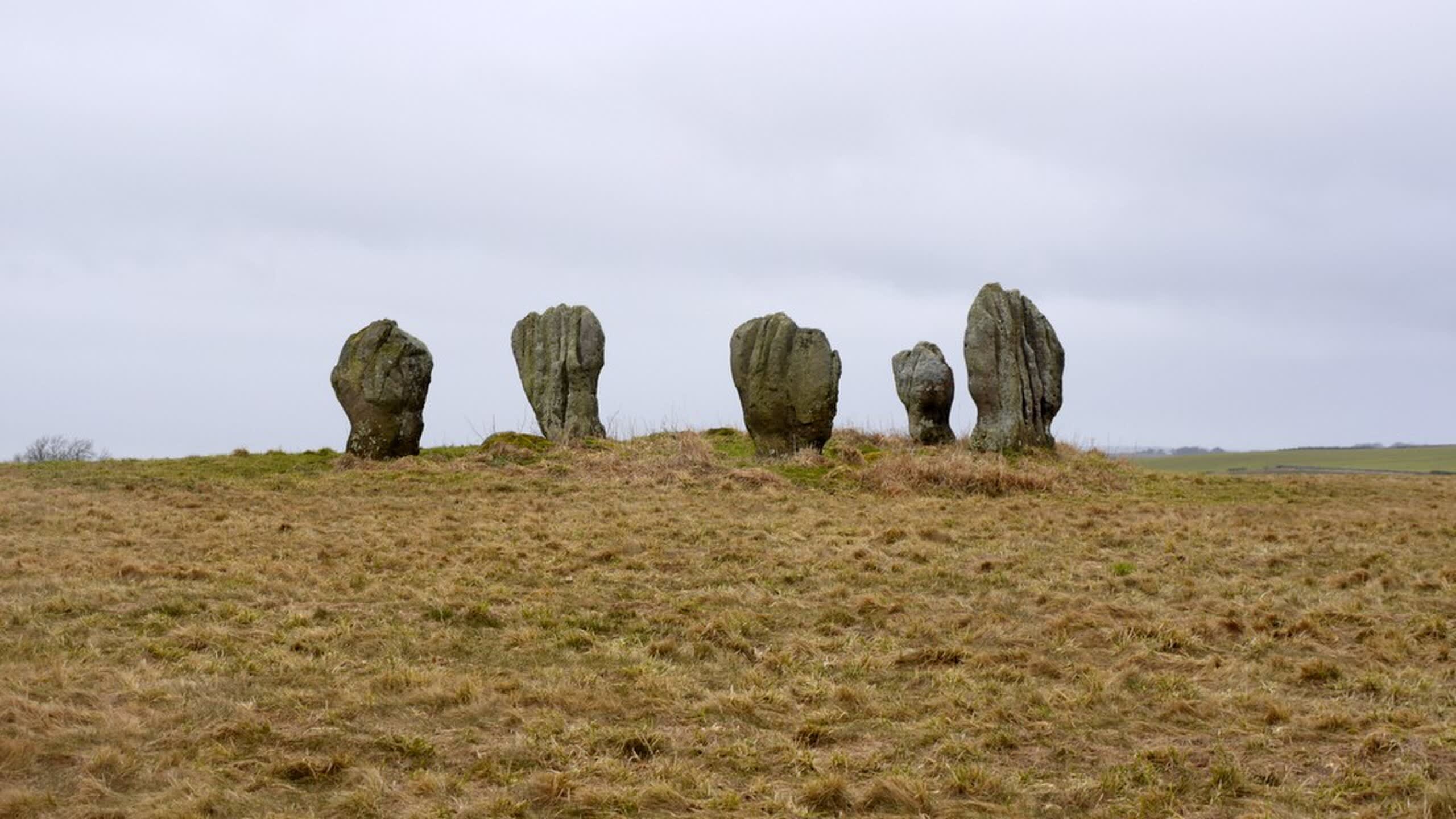
Duddo Five Stones, Duddo
Duddo, England, United Kingdom
Duddo Five Stones, Duddo is a stone circle of sacred significance. Approximate coordinates: 55.68681, -2.11204. Attributes: built, cultural, archaeological. Located in England, United Kingdom.
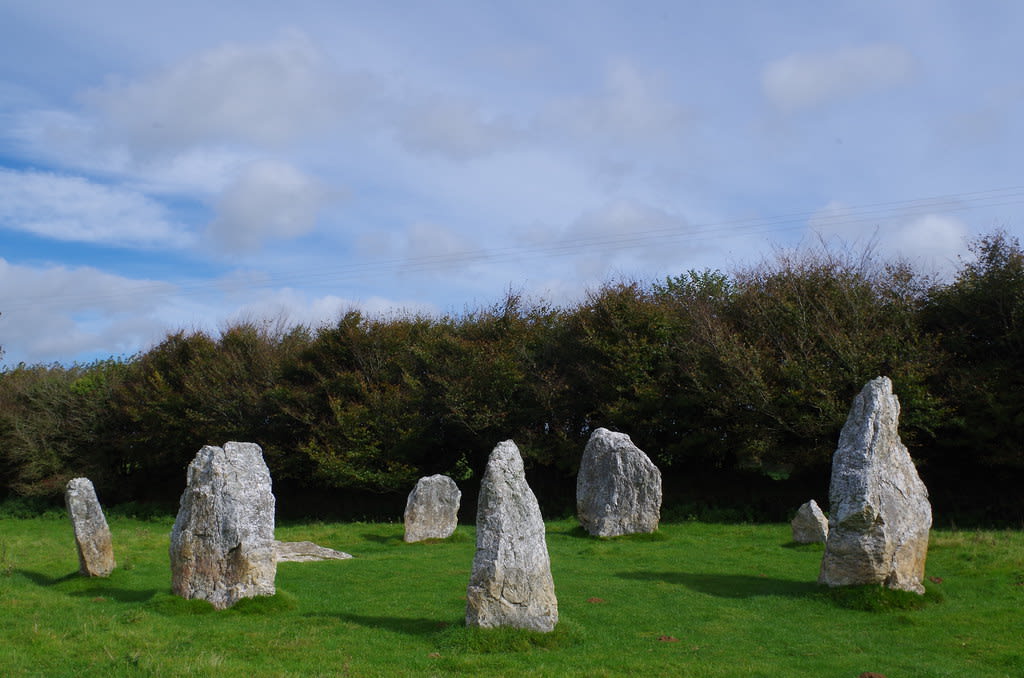
Duloe Stone Circle
Tredinnick, England, United Kingdom
Duloe Stone Circle is a stone circle of sacred significance. Approximate coordinates: 50.39808, -4.48351. Attributes: built, cultural, archaeological. Duloe stone circle or Duloe circle is a stone circle near the village of Duloe, located 5 miles (8.0 km) from Looe in southeast Cornwall, England, UK. Located in England, United Kingdom.

Easter Aquorthies Stone Ring
Aberdeenshire, Scotland, United Kingdom
Easter Aquorthies Stone Ring is a stone circle of sacred significance. Approximate coordinates: 57.27702, -2.44555. Attributes: built, cultural, archaeological. Located in Alba / Scotland, United Kingdom.
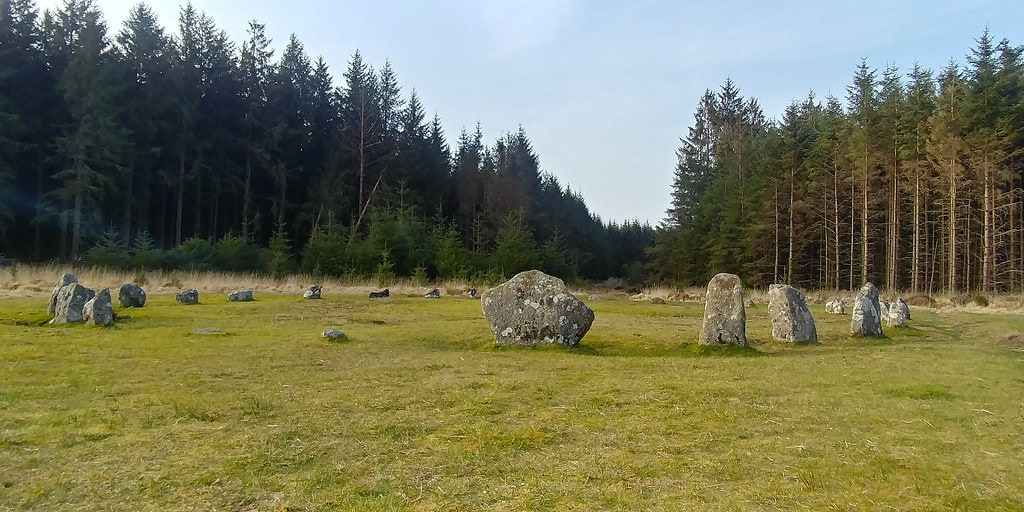
Fernworthy Stone Circle
West Devon, England, United Kingdom
Fernworthy Stone Circle is a stone circle of sacred significance. Approximate coordinates: 50.64118, -3.90377. Attributes: built, cultural, archaeological. Located in West Devon, England, United Kingdom.
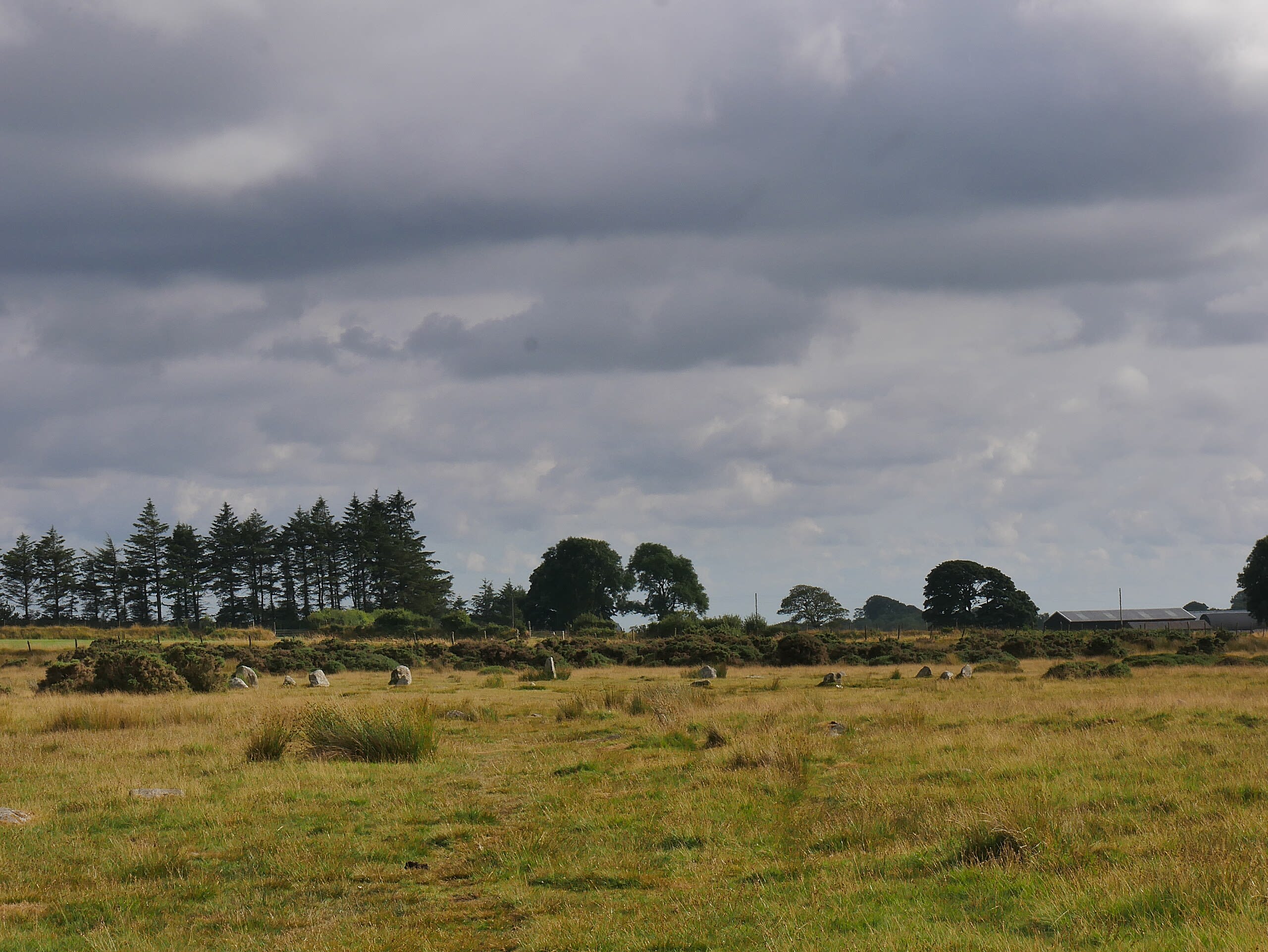
Gors Fawr stone ring, Mynachlog-ddu, Dyfed, England
Mynachlog-ddu, Pembrokeshire, United Kingdom
Gors Fawr stone ring, Mynachlog-ddu, Dyfed, England is a stone circle of sacred significance. Approximate coordinates: 51.93157, -4.71464. Attributes: built, cultural, archaeological, ceremonial. Located in Cymru / Wales, United Kingdom.
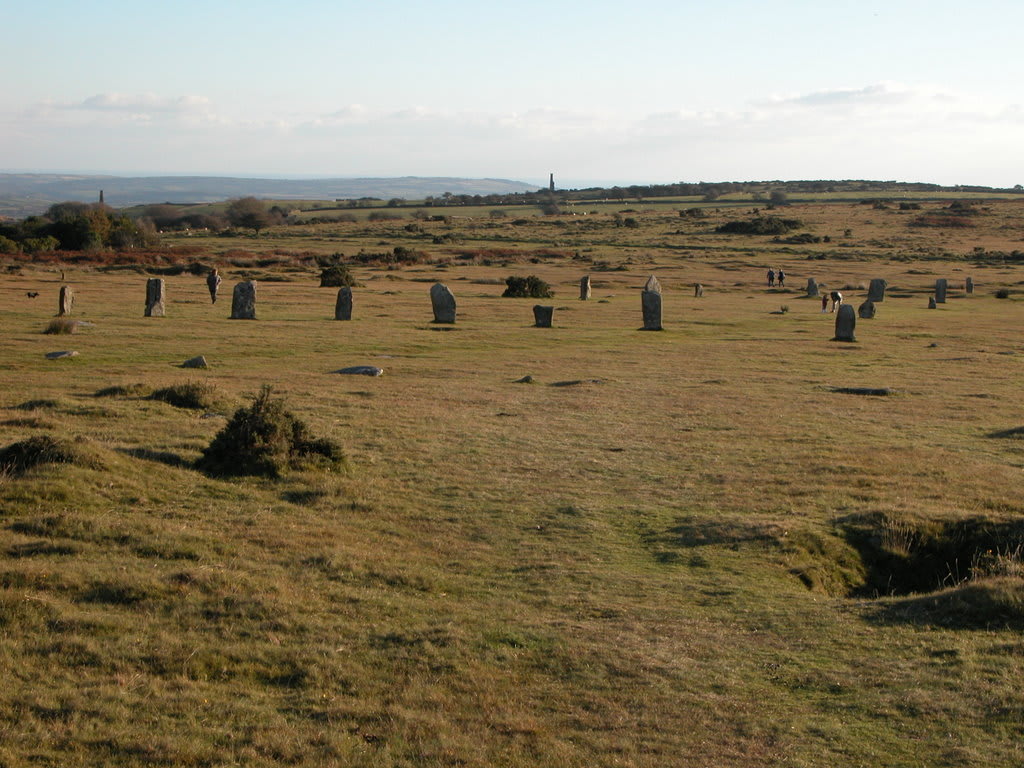
Hurlers Stone Circles
Cornwall, England, United Kingdom
Hurlers Stone Circles is a stone circles of sacred significance. Approximate coordinates: 50.51661, -4.45806. Attributes: built, cultural, archaeological, ceremonial. Located in England, United Kingdom.

Karahunj stone ring
Syunik Province, Armenia
Karahunj stone ring is a stone circle of sacred significance. Approximate coordinates: 39.55173, 46.02873. Attributes: built, cultural, archaeological. Located in Սյունիքի մարզ, Հայաստան.

Kealkil
County Cork, West Cork, Ireland
Kealkil is a stone circle of sacred significance. Approximate coordinates: 51.74519, -9.37057. Attributes: built, cultural, archaeological. Located in West Cork, Éire / Ireland.
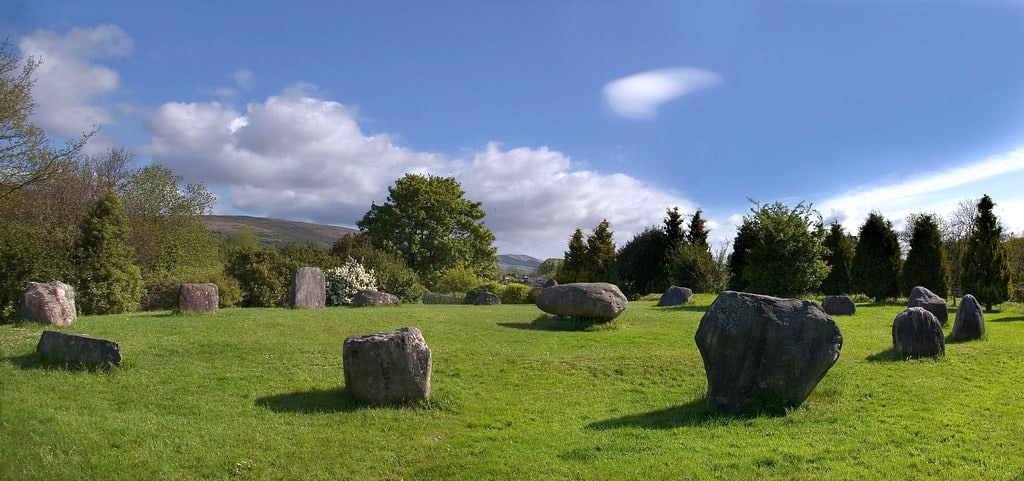
Kenmare Stone Circle, Kenmare, Ireland
Kenmare, Kenmare Municipal District, Ireland
Kenmare Stone Circle, Kenmare, Ireland is a stone circle of sacred significance. Approximate coordinates: 51.87847, -9.58813. Attributes: built, cultural, archaeological. Located in Kenmare Municipal District, Éire / Ireland.
Keswick
Cumberland, England, United Kingdom
Keswick is a stone circle of sacred significance. Approximate coordinates: 54.60282, -3.09840. Attributes: built, cultural, archaeological. Keswick may refer to: Located in England, United Kingdom.
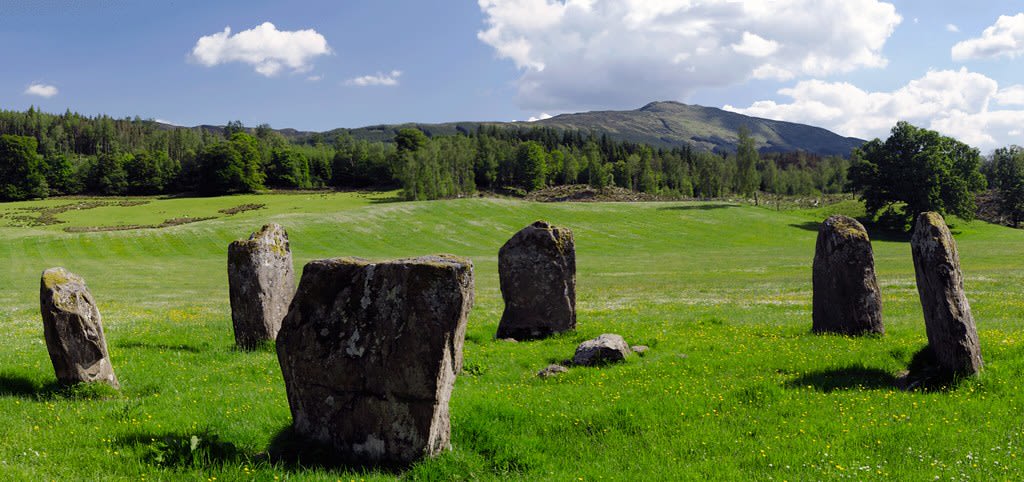
Kinnell stone circle, Killin
Killin, Alba / Scotland, United Kingdom
Kinnell stone circle, Killin is a stone circle of sacred significance. Approximate coordinates: 56.46561, -4.31094. Attributes: built, cultural, archaeological. Located in Alba / Scotland, United Kingdom.
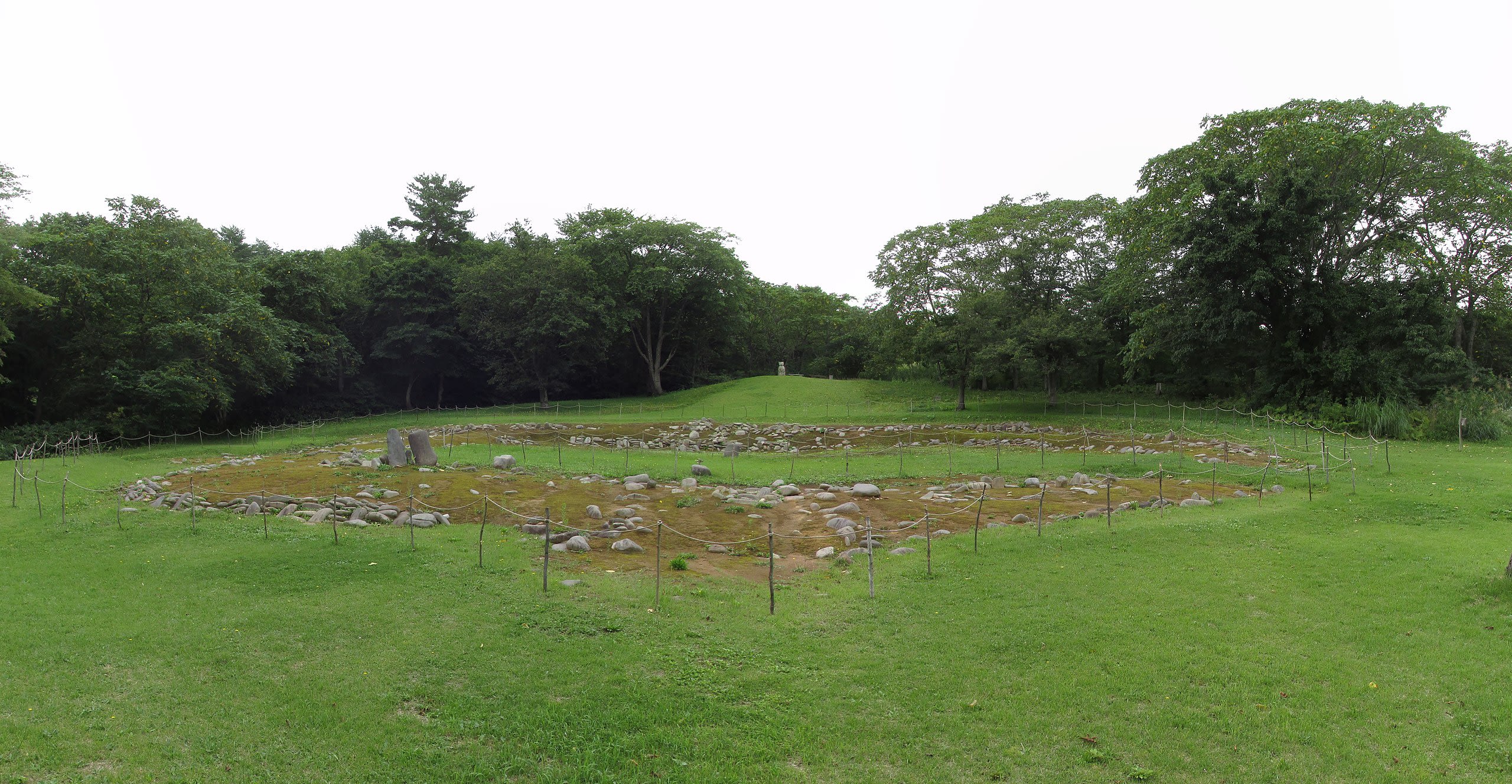
Komakino Stone Circle
Aomori, Aomori Prefecture, Japan
Four thousand years ago, Jomon communities leveled a hilltop and arranged nearly three thousand stones in a configuration so distinctive that archaeologists named it the 'Komakino style'—a vertical arrangement with flanking flat stones found at no other site in Japan. More than a hundred burial pits lie beneath the circles, marking this ridge as a threshold between worlds where the living gathered to honor their dead.
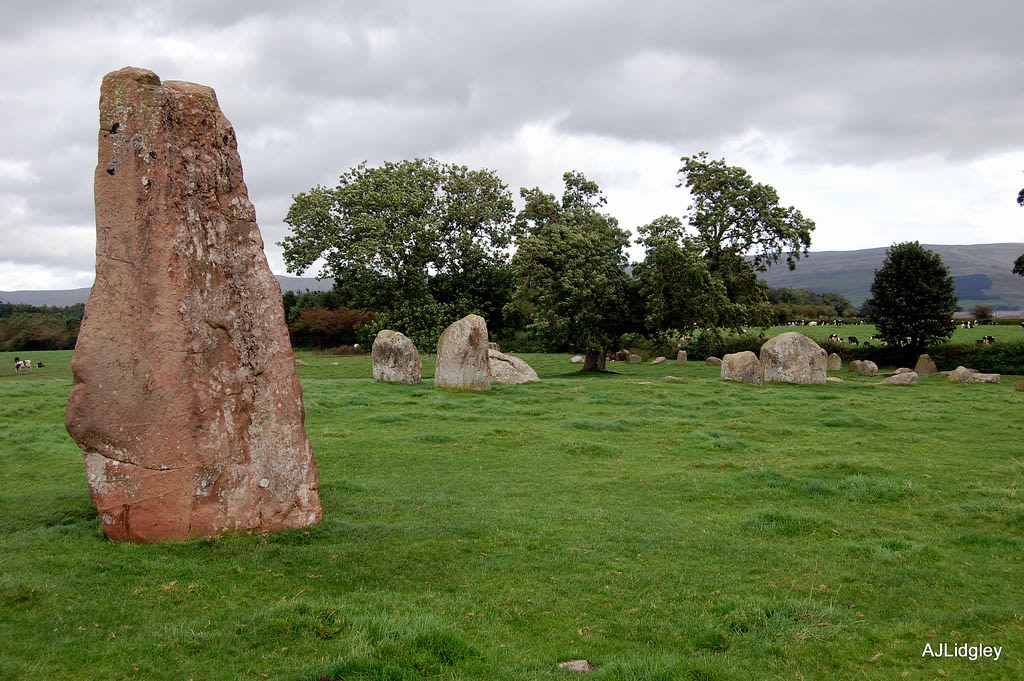
Long Meg and Her Daughters stone ring
Little Salkeld, England, United Kingdom
Long Meg and Her Daughters stone ring is a site of sacred significance. Approximate coordinates: 54.72772, -2.66694. Located in England, United Kingdom.
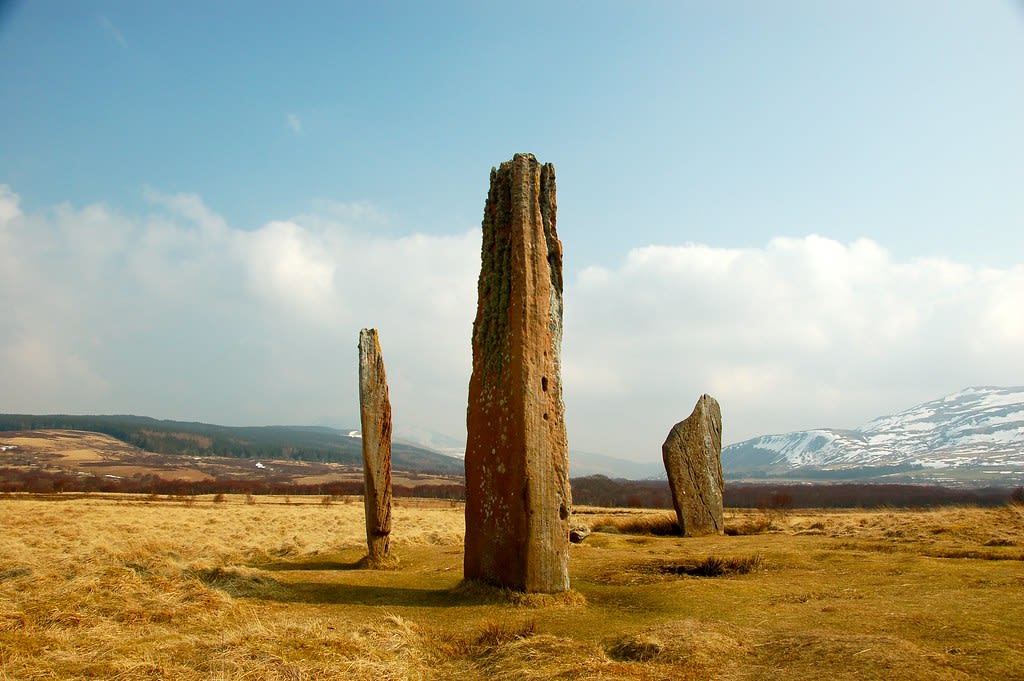
Machrie Moor Stone Circles
Machrie, North Ayrshire, United Kingdom
Machrie Moor Stone Circles in Machrie, North Ayrshire, United Kingdom.
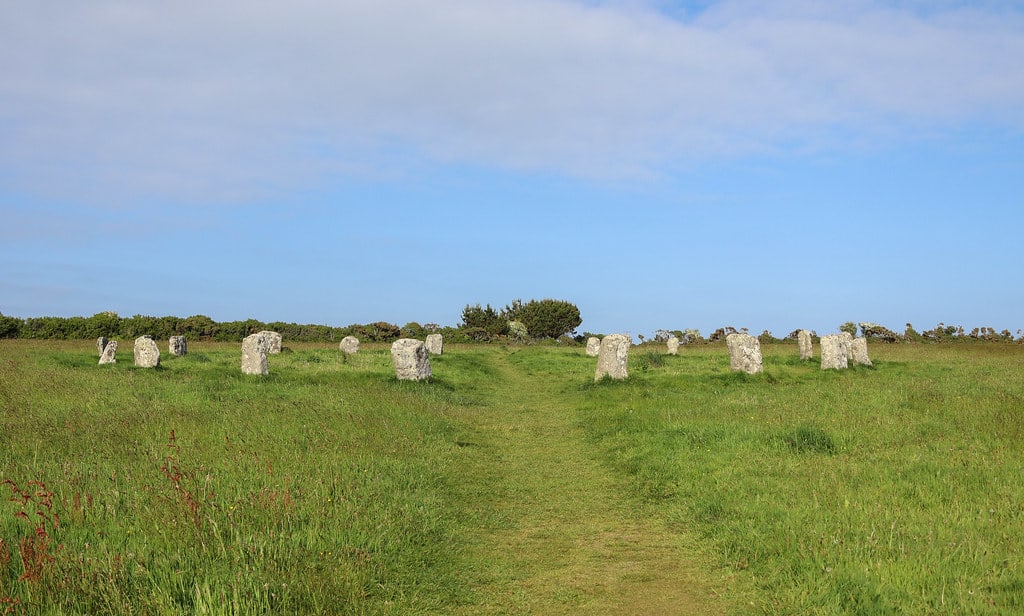
Merry Maidens Stone Circle
Lamorna, England, United Kingdom
Merry Maidens Stone Circle is a site of sacred significance. Approximate coordinates: 50.06513, -5.58873. Located in England, United Kingdom.
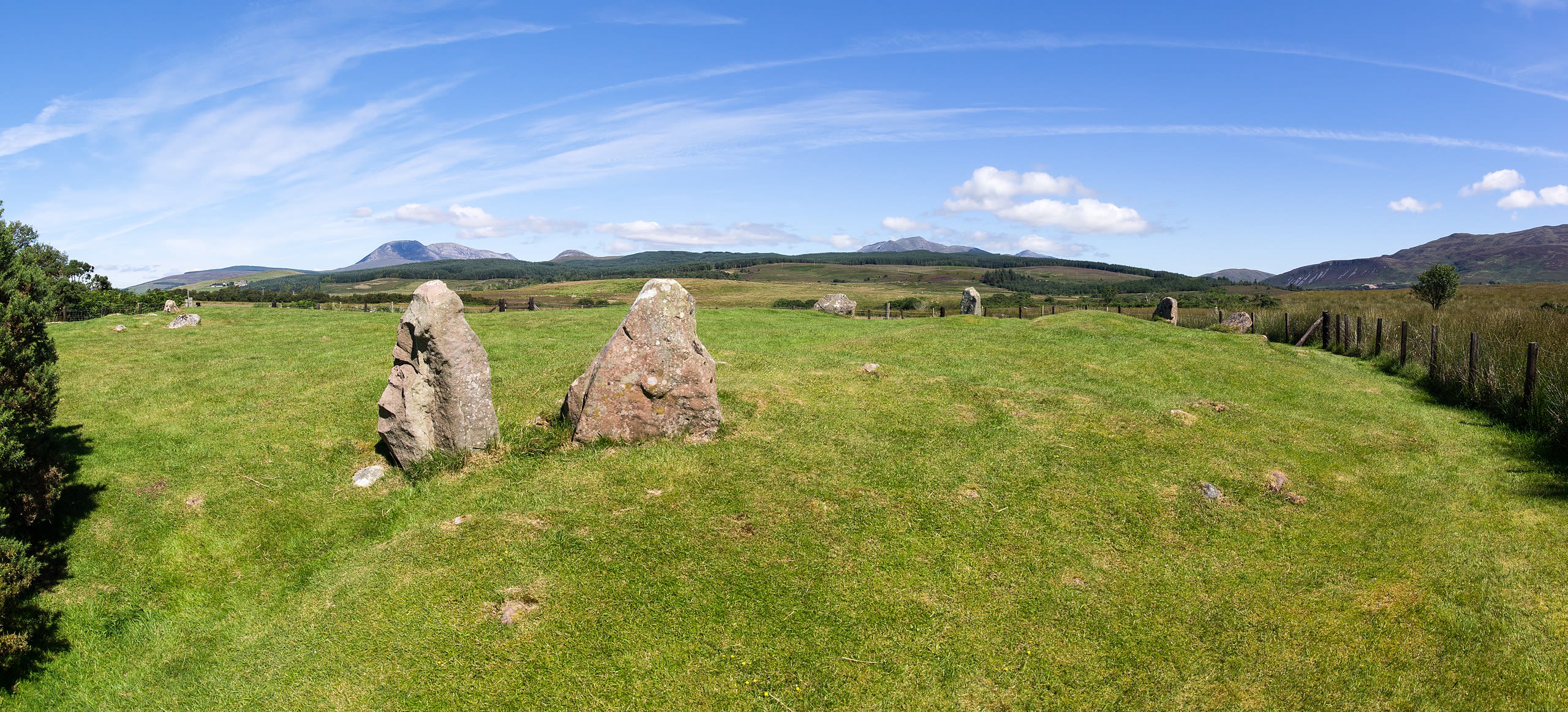
Moss Farm Road Stone Circle
Machrie, North Ayrshire, United Kingdom
Moss Farm Road Stone Circle in Machrie, North Ayrshire, United Kingdom.
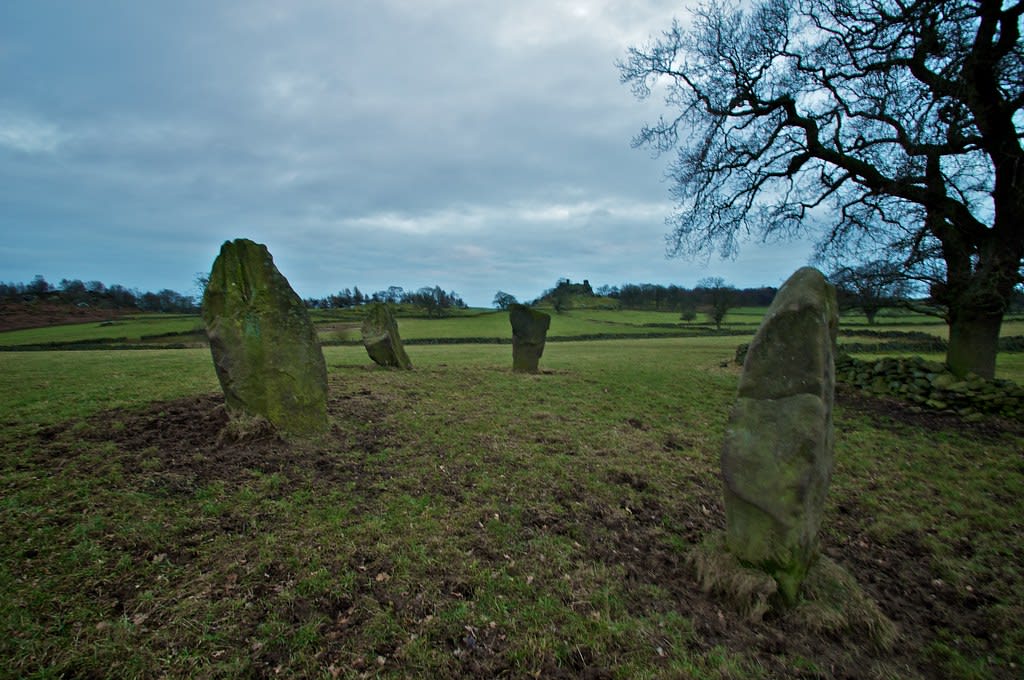
Nine Stones Close Stone Circle, Youlgreave
Derbyshire Dales, England, United Kingdom
Nine Stones Close Stone Circle, Youlgreave is a site of sacred significance. Approximate coordinates: 53.16046, -1.66443. Located in Derbyshire Dales, England, United Kingdom.
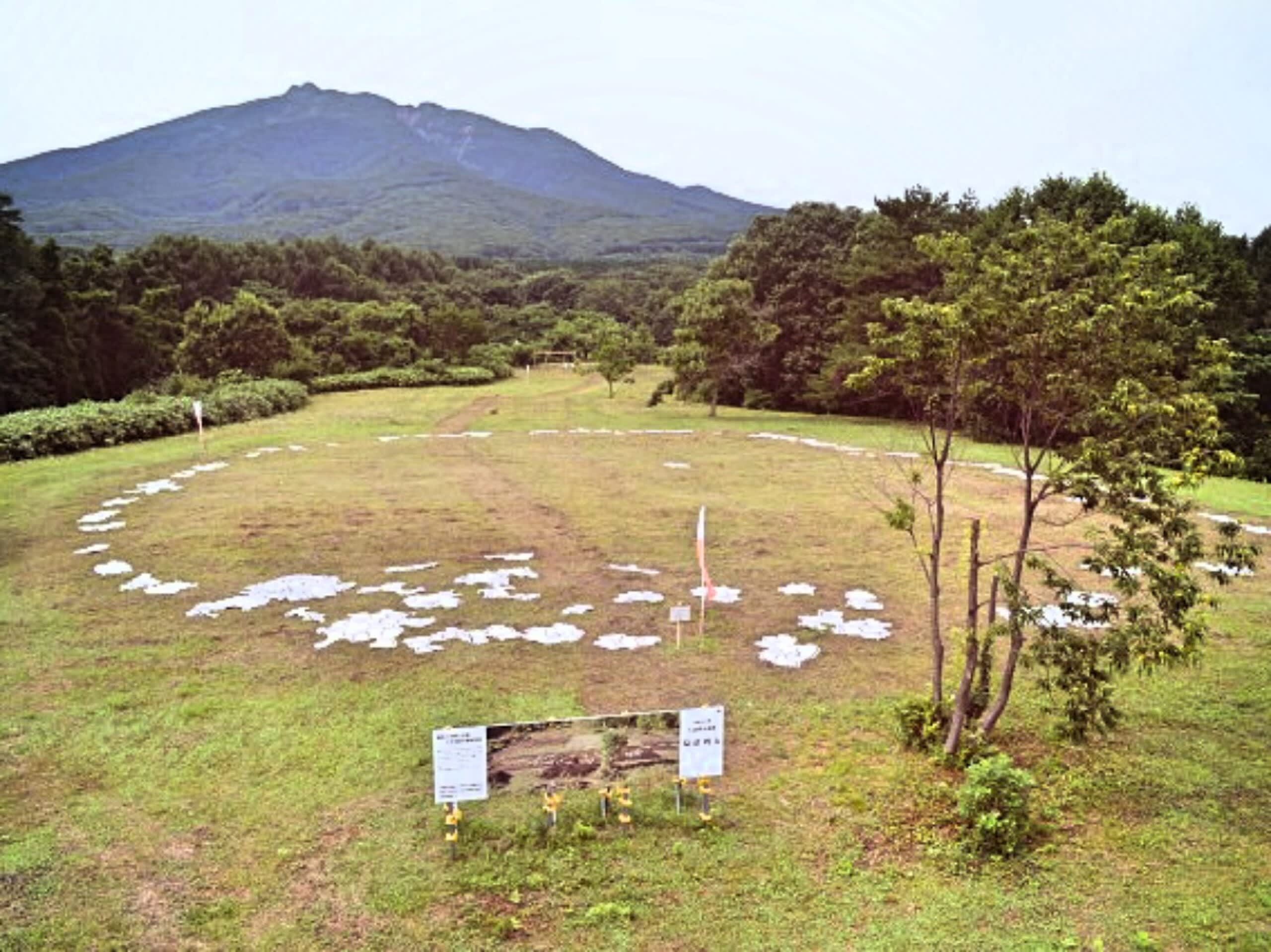
Ōmori Katsuyama Stone Circle
Hirosaki, Aomori Prefecture, Japan
Three thousand years ago, the Jomon people positioned this stone circle with extraordinary precision: on the shortest day of the year, the setting sun descends directly behind the summit of Mount Iwaki. This alignment was no accident. The ellipse of 77 stone assemblages, the large ceremonial dwelling on the exact axis between circle and mountain, the 250 mysterious disc-shaped stones—all speak to a community that understood their place within a cosmos shaped by sacred peak and turning sun.
Ōyu Stone Circles
Kazuno, Akita Prefecture, Japan
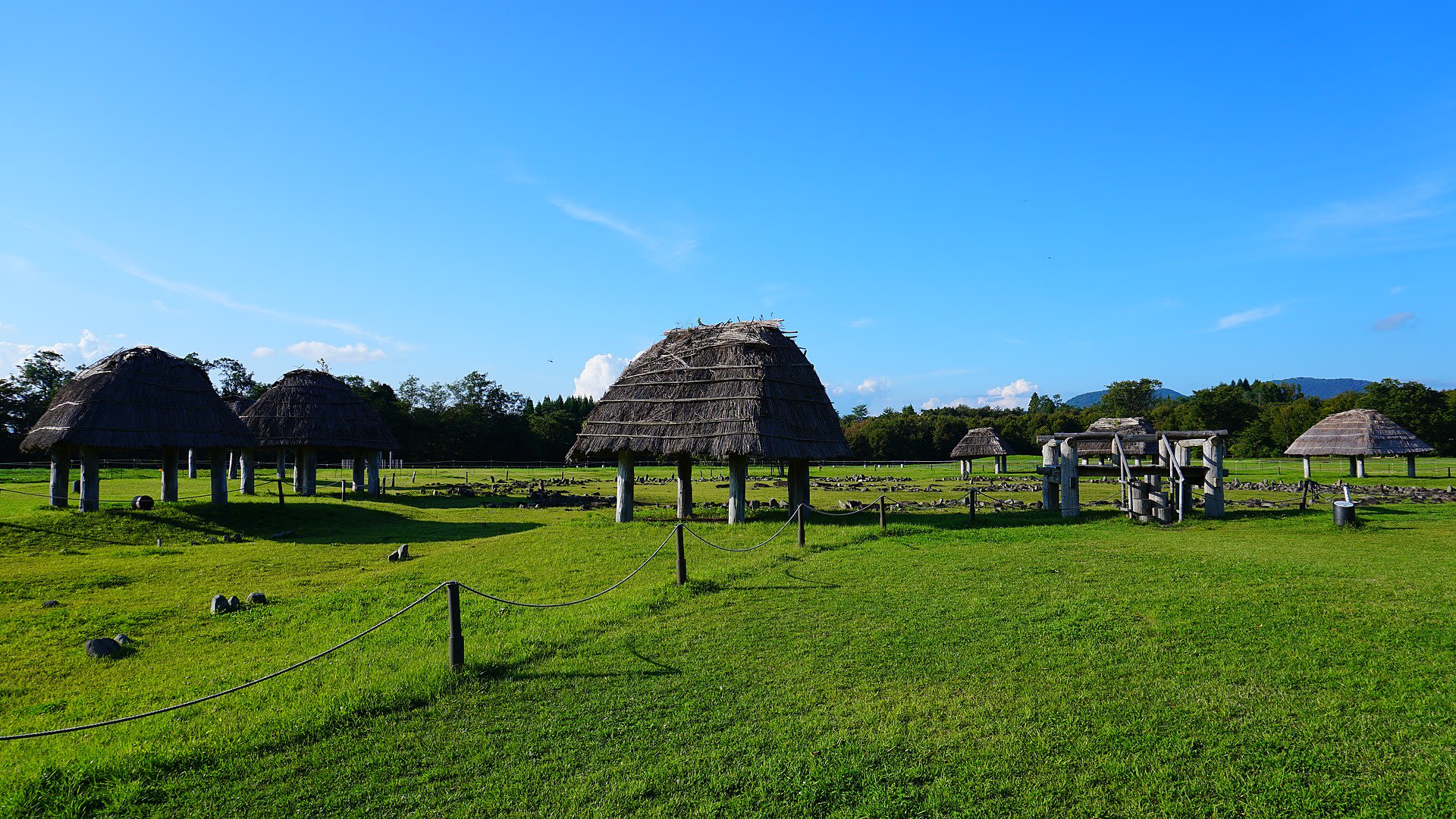
On a plateau above the Oyu River in northern Japan, two stone circles have watched the summer solstice sun set along the same axis for 4,000 years. The Manza circle spans 46 meters; the smaller Nonakado reaches 42 meters. Both contain sundial-like stonework pointing to the moment when the year's longest day ends. For the Jomon people who built them, these circles served as cemetery, calendar, and place of ceremony where earth and sky aligned.
Pobull Fhinn
Lochmaddy, Alba / Scotland
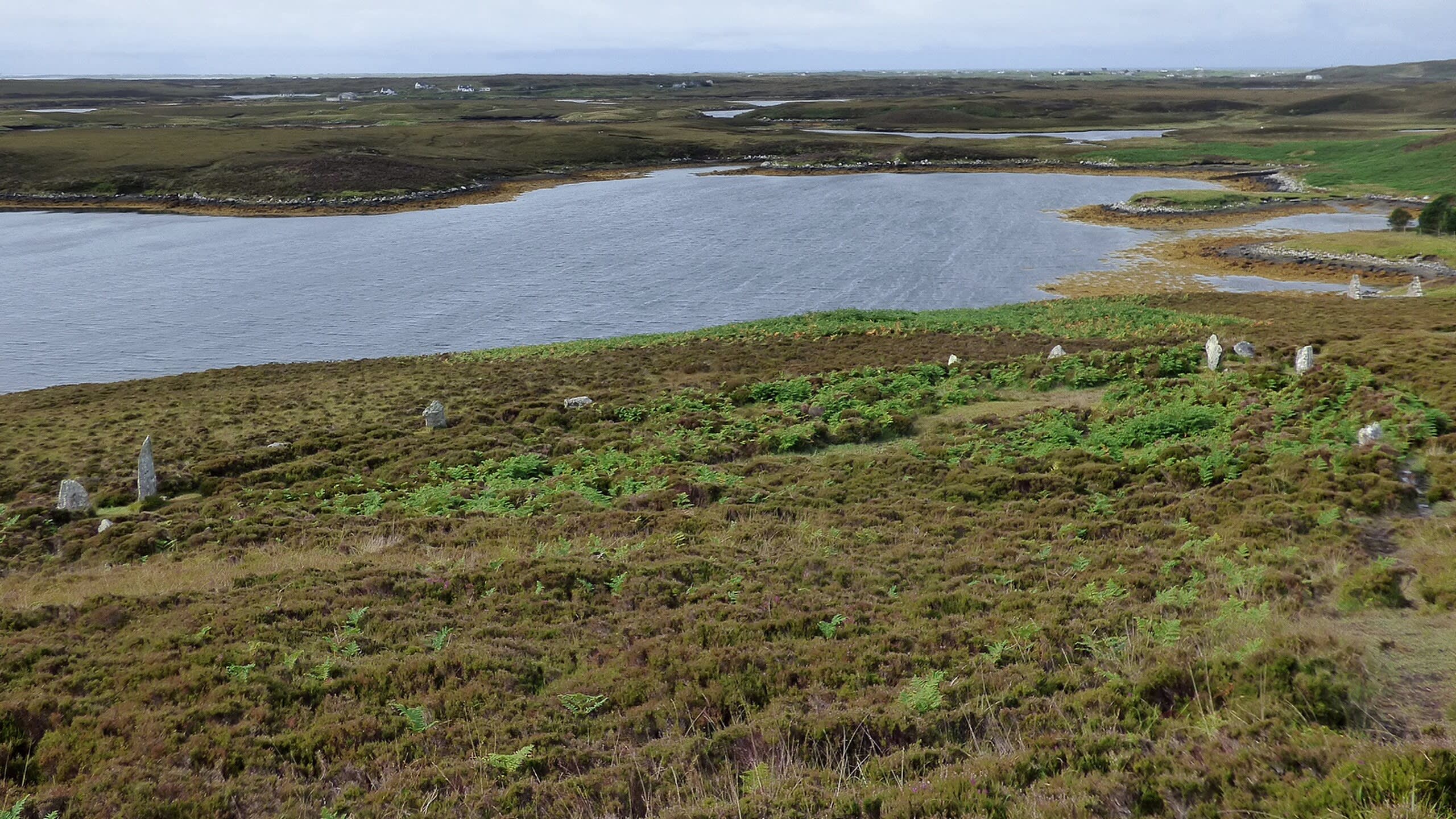
Pobull Fhinn in Lochmaddy, , Alba / Scotland.
Rollright Stones
West Oxfordshire, England, United Kingdom
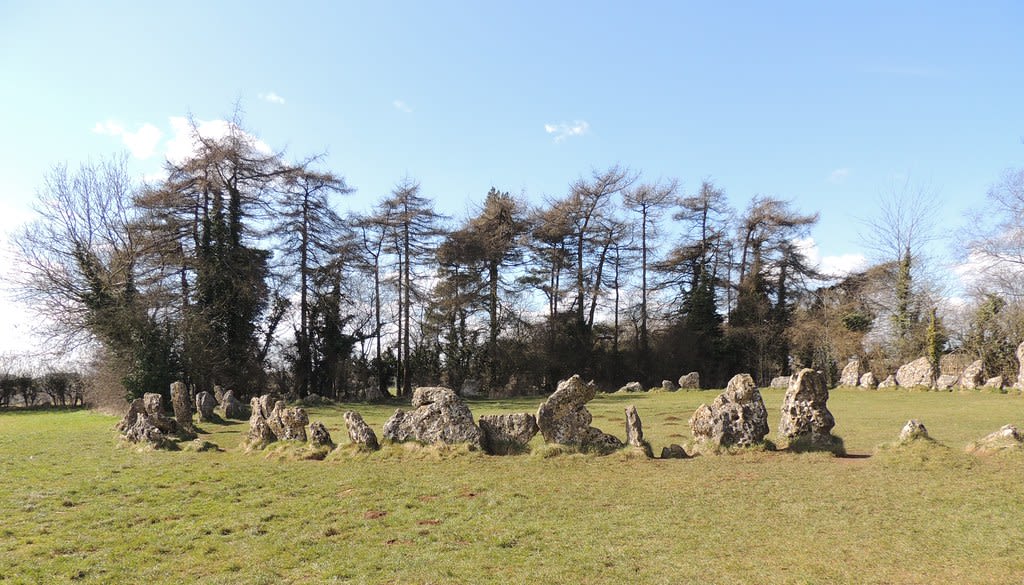
Rollright Stones is a site of sacred significance. Approximate coordinates: 51.97551, -1.57081. The Rollright Stones are a complex of three Neolithic and Bronze Age megalithic monuments near the village of Long Compton, on the borders of Oxfordshire and Warwickshire. Constructed from local oolitic limestone, the three monuments, now known as the King s Men and the Whispering Knights in Oxfordshire and the King Stone in Warwickshire, are distinct in their design and purpose. They were built at different periods in late prehistory. During the period when the three monuments were erected, there was a continuous tradition of ritual behaviour on sacred ground, from the 4th to the 2nd millennium BCE. The first to be constructed was the Whispering Knights, a dolmen that dates to the Early or Middle Neolithic period. It was likely to have been used as a place of burial. This was followed by the King s Men, a stone circle that was constructed in the Late Neolithic or Early Bronze Age; unusually, it has parallels to other circles located further north, in the Lake District, implying a trade-based or ritual connection. The third monument, the King Stone, is a single monolith. Although its construction has not been dated, the dominant theory amongst archaeologists is that it was a Bronze Age grave marker. The British philologist Richard Coates has proposed that the name Rollright is from the Brittonic phrase *rodland rïx wheel enclosure groove , where *rïx groove refers to a narrow valley near Great Rollright and *rodland wheel enclosure refers to the King s Men circle. By the Early Modern period, folkloric stories had developed about the Stones, telling of how they had once been a king and his knights who had been turned to stone by a witch. Such stories continued to be taught amongst local people well into the 19th century. Meanwhile, antiquarians such as William Camden, John Aubrey and William Stukeley had begun to take an interest in the monuments. Fuller archaeological investigations were undertaken in the 20th century, culminating in excavations run by George Lambrick in the 1980s. The site is listed by Historic England as a scheduled monument and was first designated in 1882. In the 20th century, the stones became an important site for adherents of various forms of Contemporary Paganism, as well as for other esotericists, who hold magico-religious ceremonies there. They also began to be referred to more widely in popular culture, being featured in television, literature, music and art. Located in West Oxfordshire, England, United Kingdom.
Standing Stones of Stenness
Stenness, Orkney Islands, United Kingdom
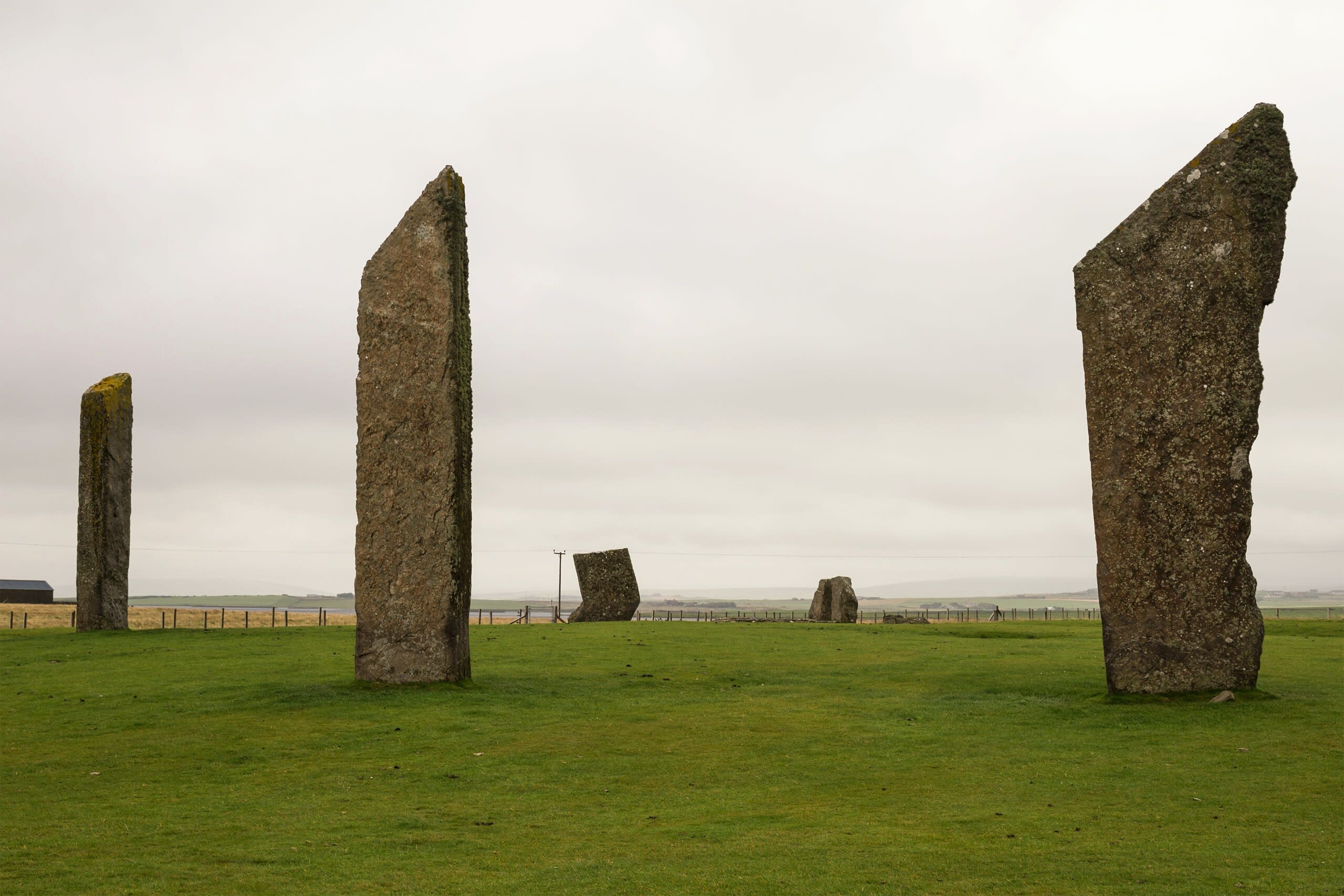
Standing Stones of Stenness in Stenness, Orkney Islands, United Kingdom.
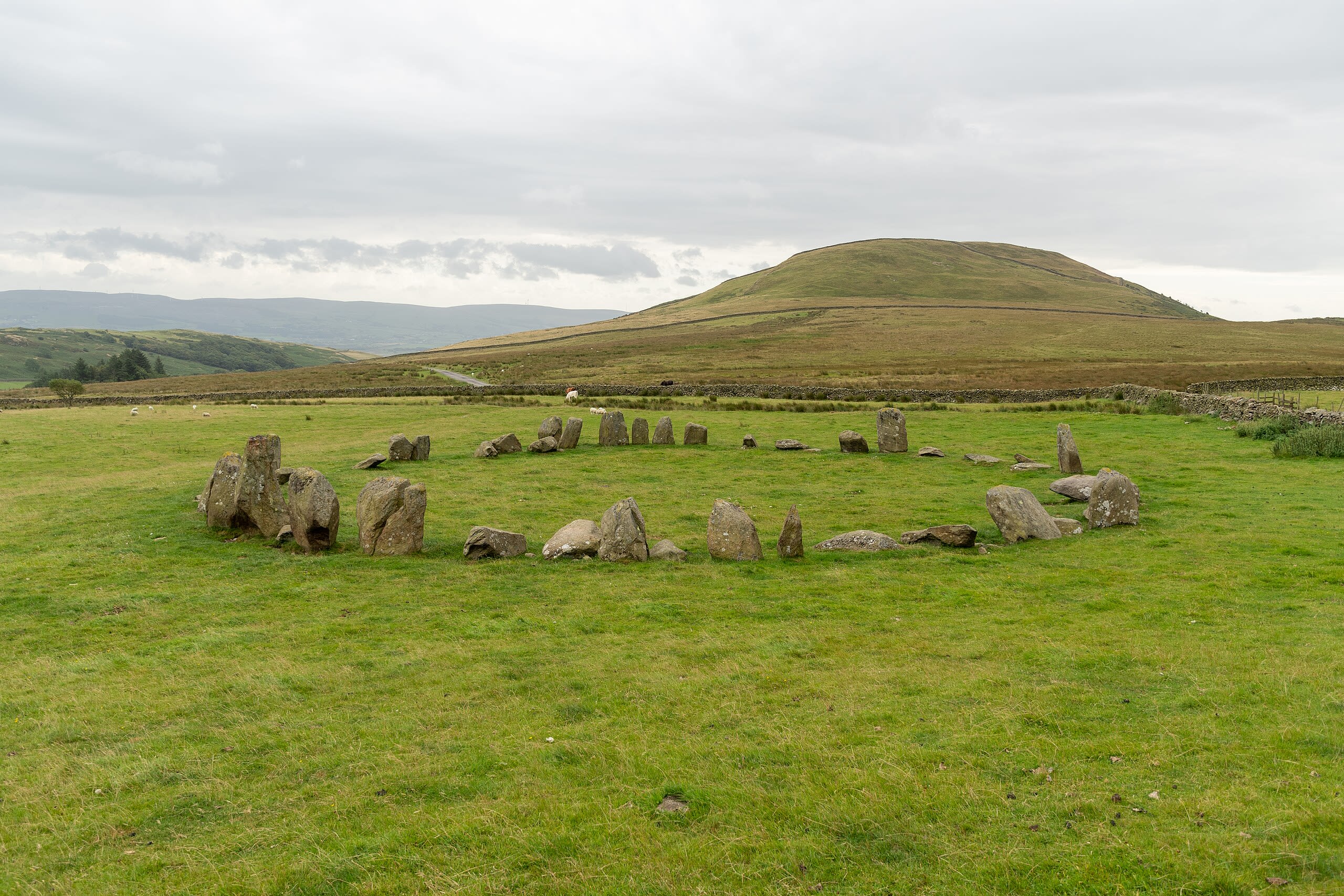
Swinside Stone Circle
Cumberland, England, United Kingdom
Swinside Stone Circle is a site of sacred significance. Approximate coordinates: 54.28249, -3.27393. Located in England, United Kingdom.
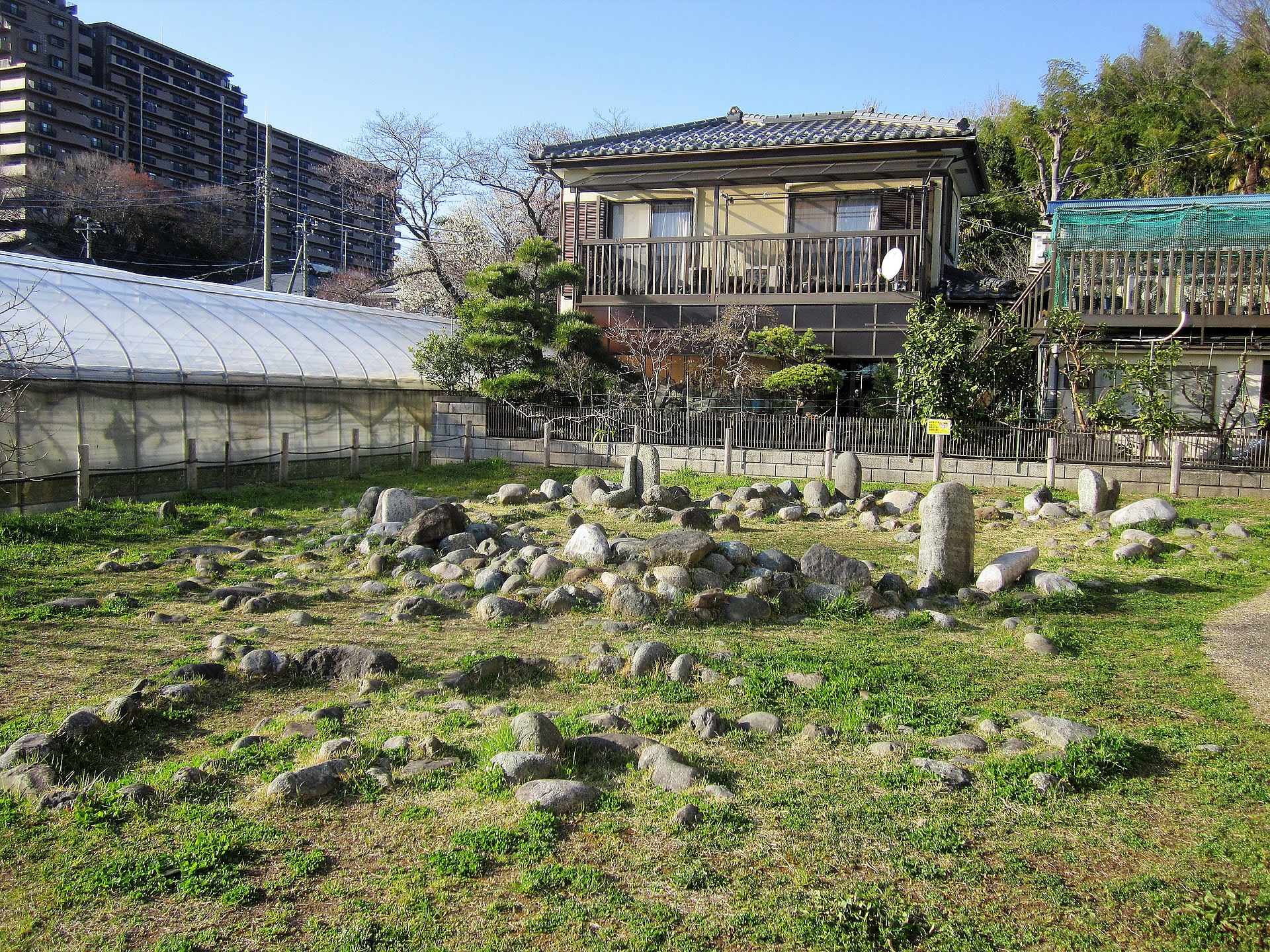
Tabata Stone Circle
Machida, Tokyo, Japan
Five minutes from a Tokyo train station, a ring of stones marks where Jomon peoples gathered three thousand years ago. They built their ceremonial circle directly over the graves of thirty ancestors, aligning it so the winter solstice sun would set precisely over Mount Hirugatake in the Tanzawa range. It remains the only Jomon period stone circle in the Tokyo metropolitan area—a quiet reminder that the sacred can persist beneath modern landscapes.
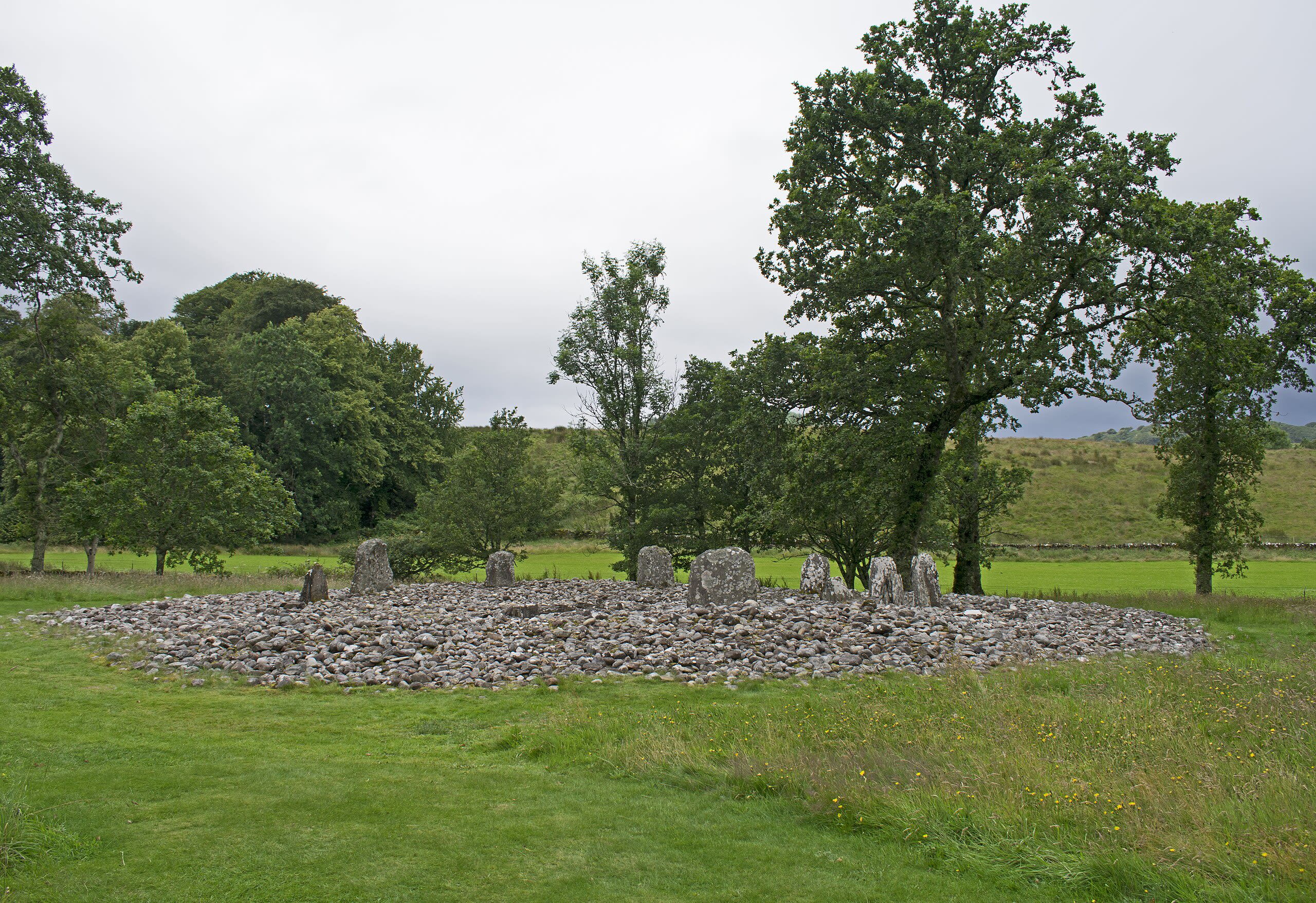
Temple Wood Stone Circle
Kilmartin, Argyll and Bute, United Kingdom
Temple Wood Stone Circle in Kilmartin, Argyll and Bute, United Kingdom.
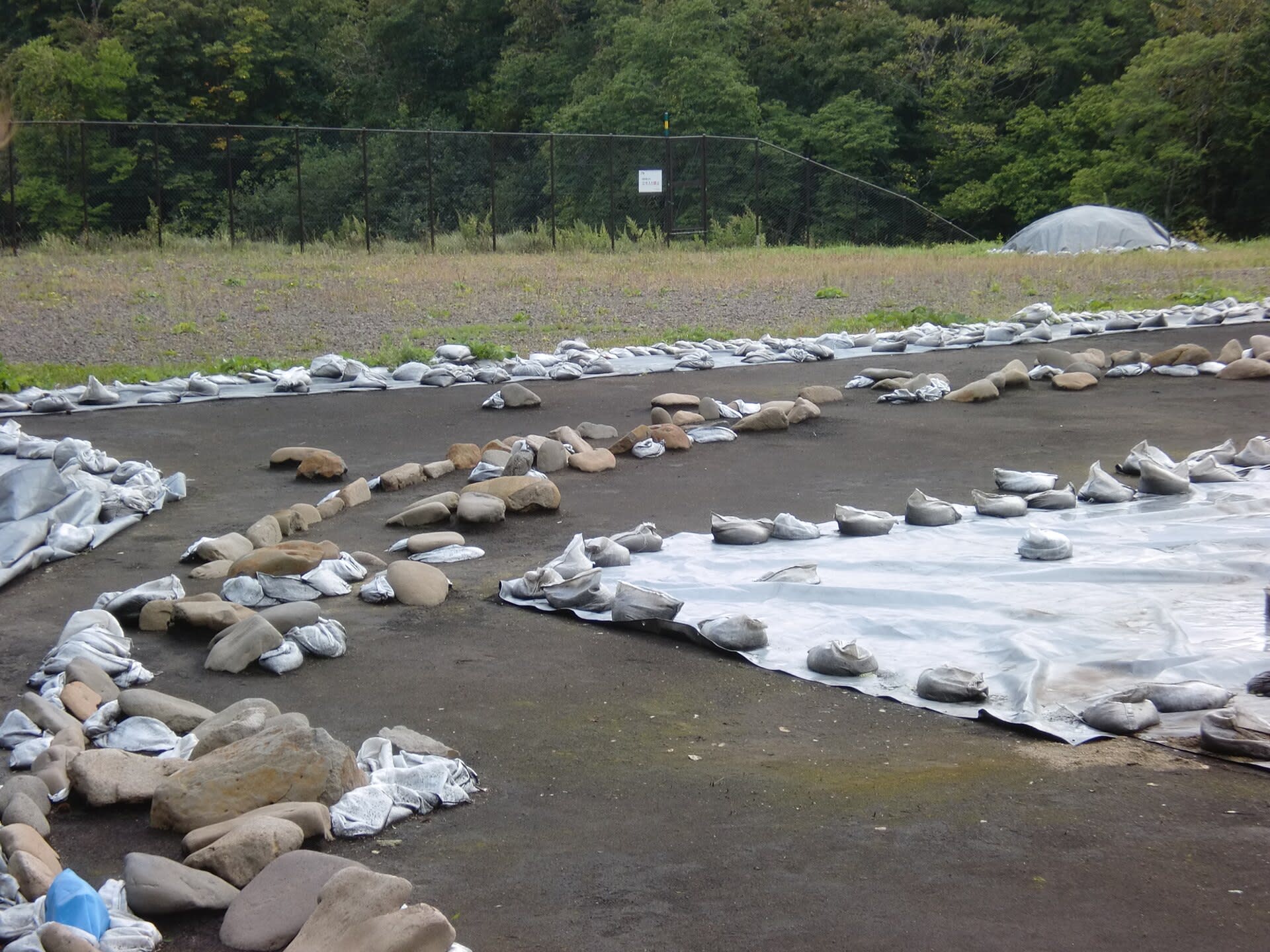
Washinoki Stone Circle
Mori, Hokkaidō, Japan
Beneath a highway tunnel in southwestern Hokkaido lies Japan's largest stone circle, a 4,000-year-old Jomon burial site that was nearly destroyed by modern construction. Discovered in 2003, the Washinoki Stone Circle contains 602 carefully arranged stones in a double-ring formation, with outer stones aligned on their long axes and inner stones pointing toward the center. The volcanic ash that buried it for centuries preserved evidence of sophisticated ritual architecture.
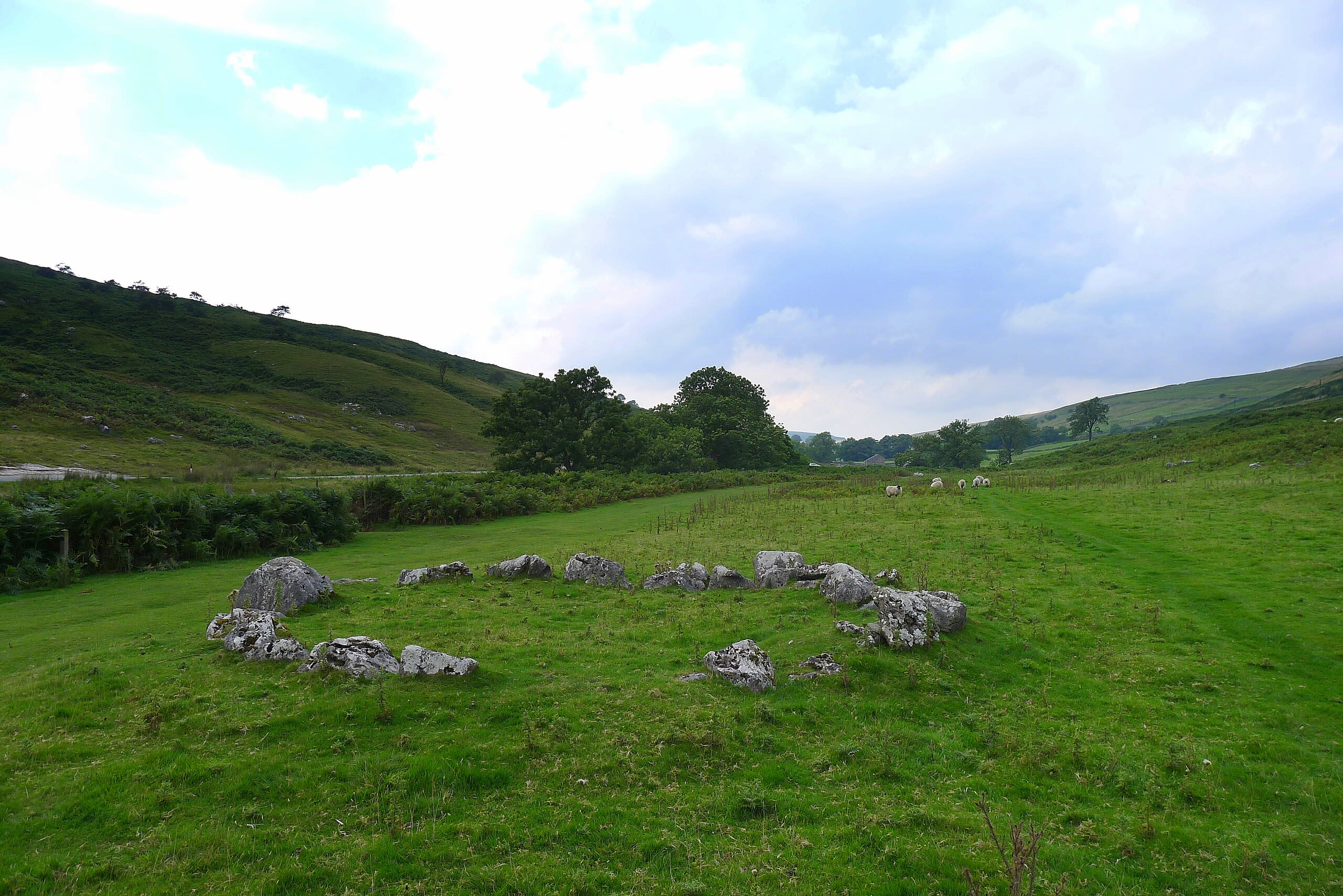
Yockenthwaite stone circle
Buckden, England, United Kingdom
Yockenthwaite stone circle is a site of sacred significance. Approximate coordinates: 54.20990, -2.15508. Located in England, United Kingdom.
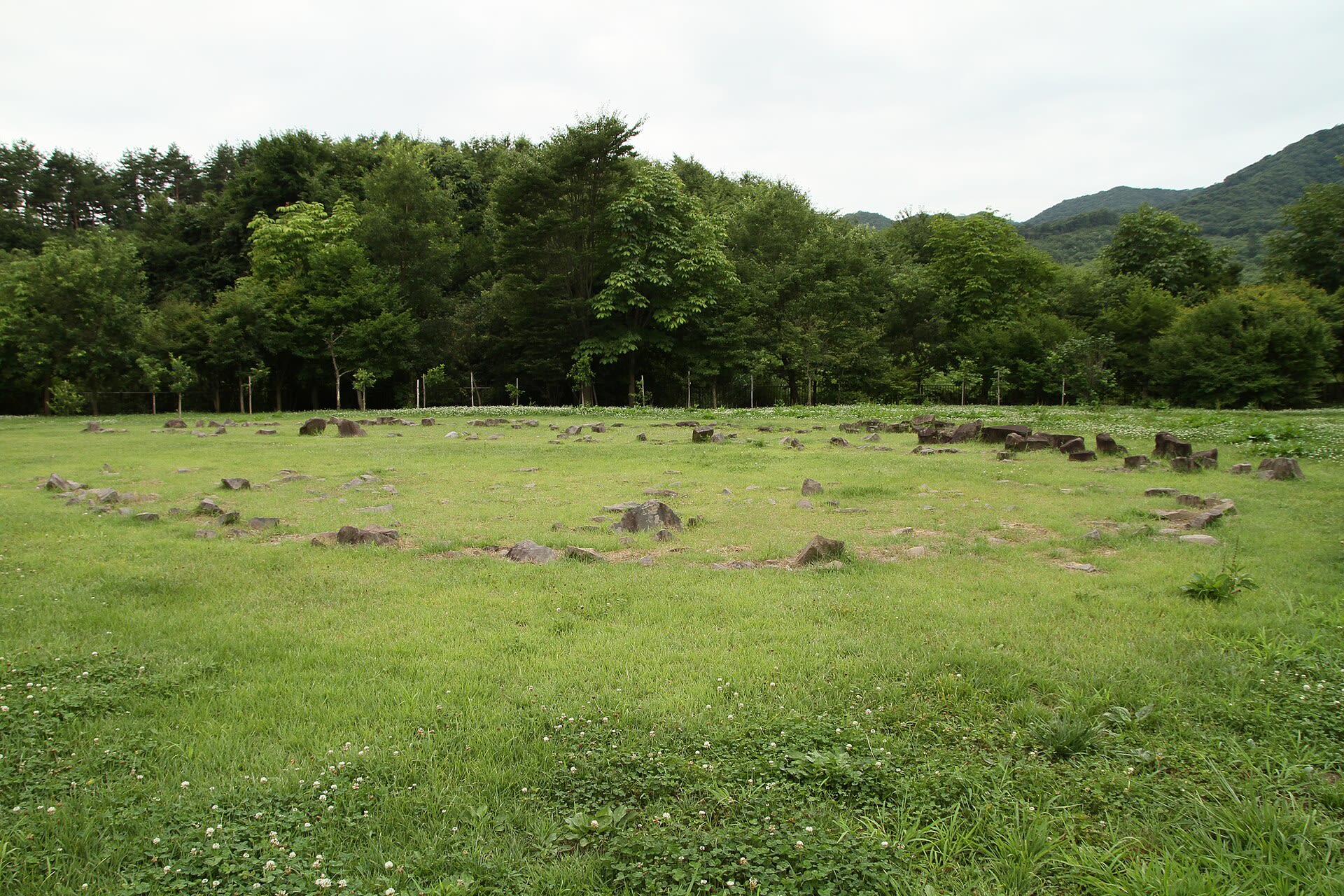
Yubunezawa Stone Circle
Takizawa, Iwate Prefecture, Japan
Four thousand years ago, Jomon peoples of northern Japan established this ground exclusively for the dead and for ceremony. No homes stood here, no everyday debris accumulated—only the careful placement of nine hundred stones over ancestral graves. The vernal equinox sunset aligns with Mount Yachiyama on the horizon, suggesting that spring's return was marked in this place where the boundary between living and dead grew thin.