Tradition guide
Pagan
7 sacred sites available through this shared spiritual lineage.
Countries with strong presence
Common site types
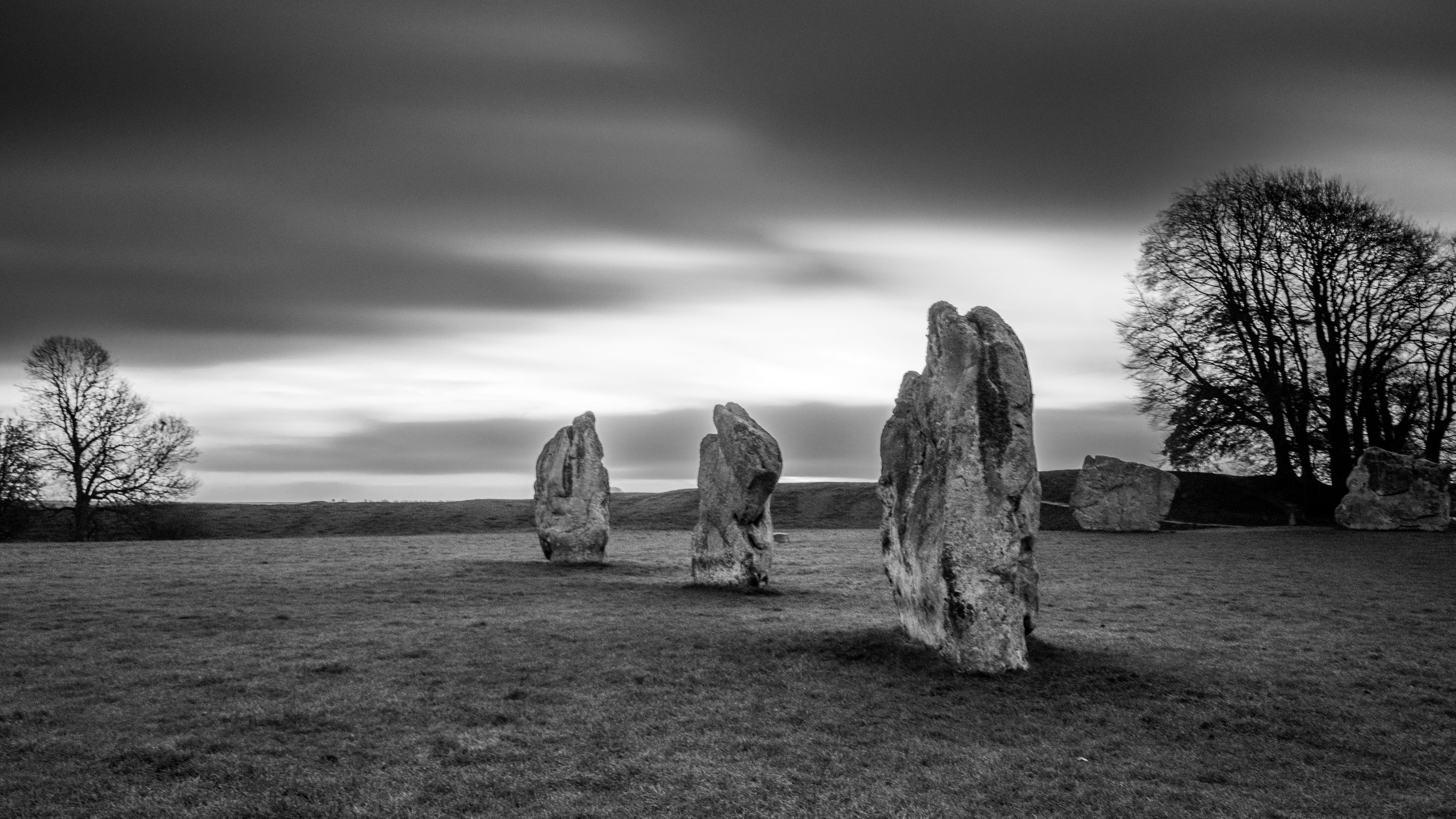
Avebury
Avebury, England, United Kingdom
Avebury is a stone circle of sacred significance. Approximate coordinates: 51.42890, -1.85487. Attributes: built, cultural, archaeological, ceremonial. Tradition: Pagan. Recognized as a UNESCO World Heritage Site. Avebury () is a Neolithic henge monument containing three stone circles, around the village of Avebury in Wiltshire, in south-west England. One of the best-known prehistoric sites in Britain, it contains the largest megalithic stone circle in the world. It is both a tourist attraction and a place of religious importance to contemporary pagans. Constructed over several hundred years in the third millennium BC, during the Neolithic, or New Stone Age, the monument comprises a large henge (a bank and a ditch) with a large outer stone circle and two separate smaller stone circles situated inside the centre of the monument. Its original purpose is unknown, although archaeologists believe that it was most likely used for some form of ritual or ceremony. The Avebury monument is a part of a larger prehistoric landscape containing several older monuments nearby, including West Kennet Long Barrow, Windmill Hill and Silbury Hill. By the Iron Age, the site had been effectively abandoned, with some evidence of human activity on the site during the Roman period. During the Early Middle Ages, a village first began to be built around the monument, eventually extending into it. In the late medieval and early modern periods, local people destroyed many of the standing stones around the henge, both for religious and practical reasons. The antiquarians John Aubrey and William Stukeley took an interest in Avebury during the 17th and 18th centuries, respectively, and recorded much of the site between various phases of destruction. Archaeological investigation followed in the 20th century, with Harold St George Gray leading an excavation of the bank and ditch, and Alexander Keiller overseeing a project to reconstruct much of the monument. Avebury is managed by the National Trust. It has been designated a Scheduled Ancient Monument, as well as a World Heritage Site, in the latter capacity being seen as a part of the wider prehistoric landscape of Wiltshire known as Stonehenge, Avebury and Associated Sites. About 480 people live in 235 homes in the village of Avebury and its associated settlement of Avebury Trusloe, and in the nearby hamlets of Beckhampton and West Kennett. Located in England, United Kingdom.
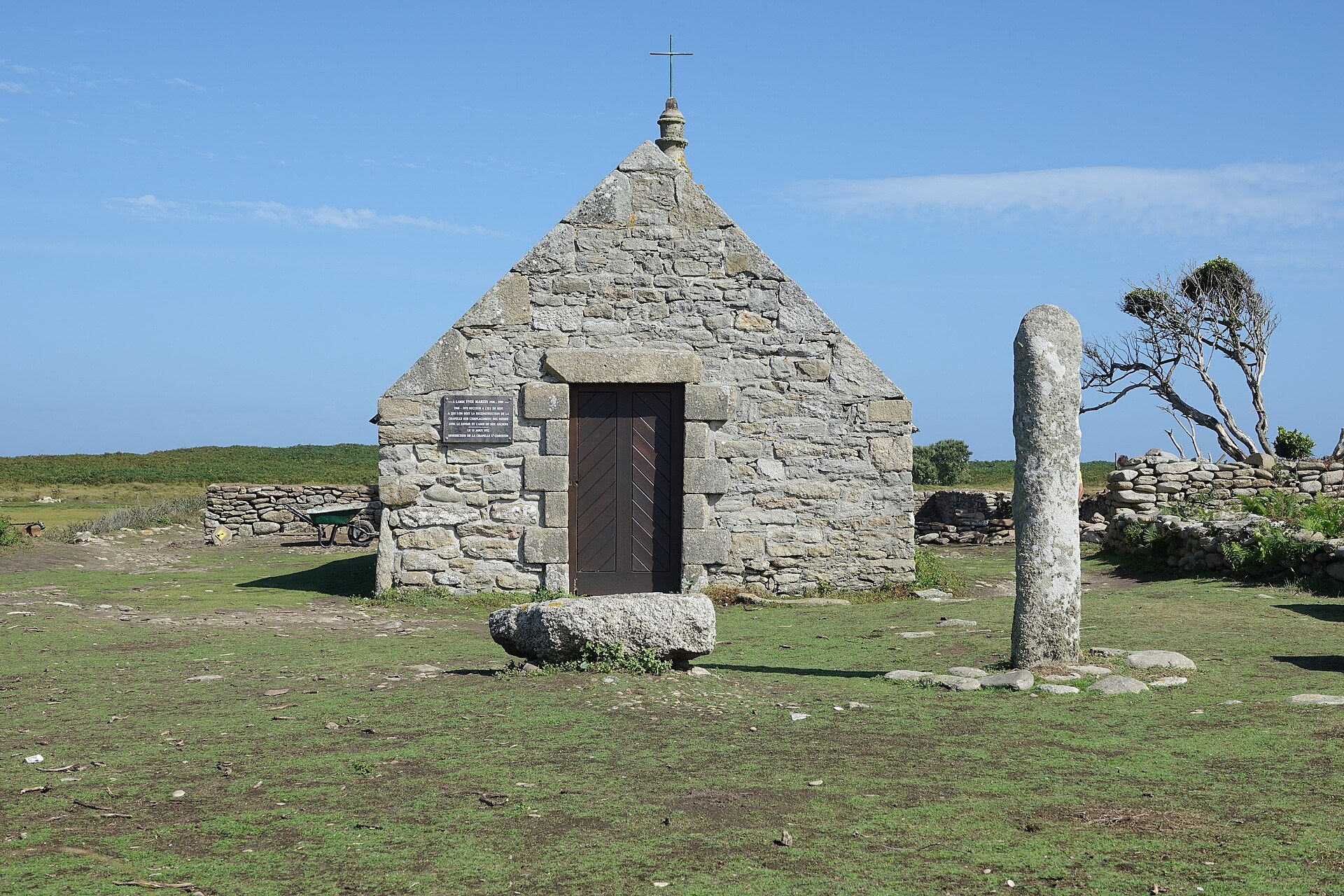
Chapelle Seinaint Corentin, Ile de Sein
Île-de-Sein, Brittany, France
Ile de Sein is a pagan holy island of sacred significance. Approximate coordinates: 48.03896, -4.85201. Attributes: natural, cultural, archaeological. Tradition: Pagan. Located in Quimper, Bretagne, France.
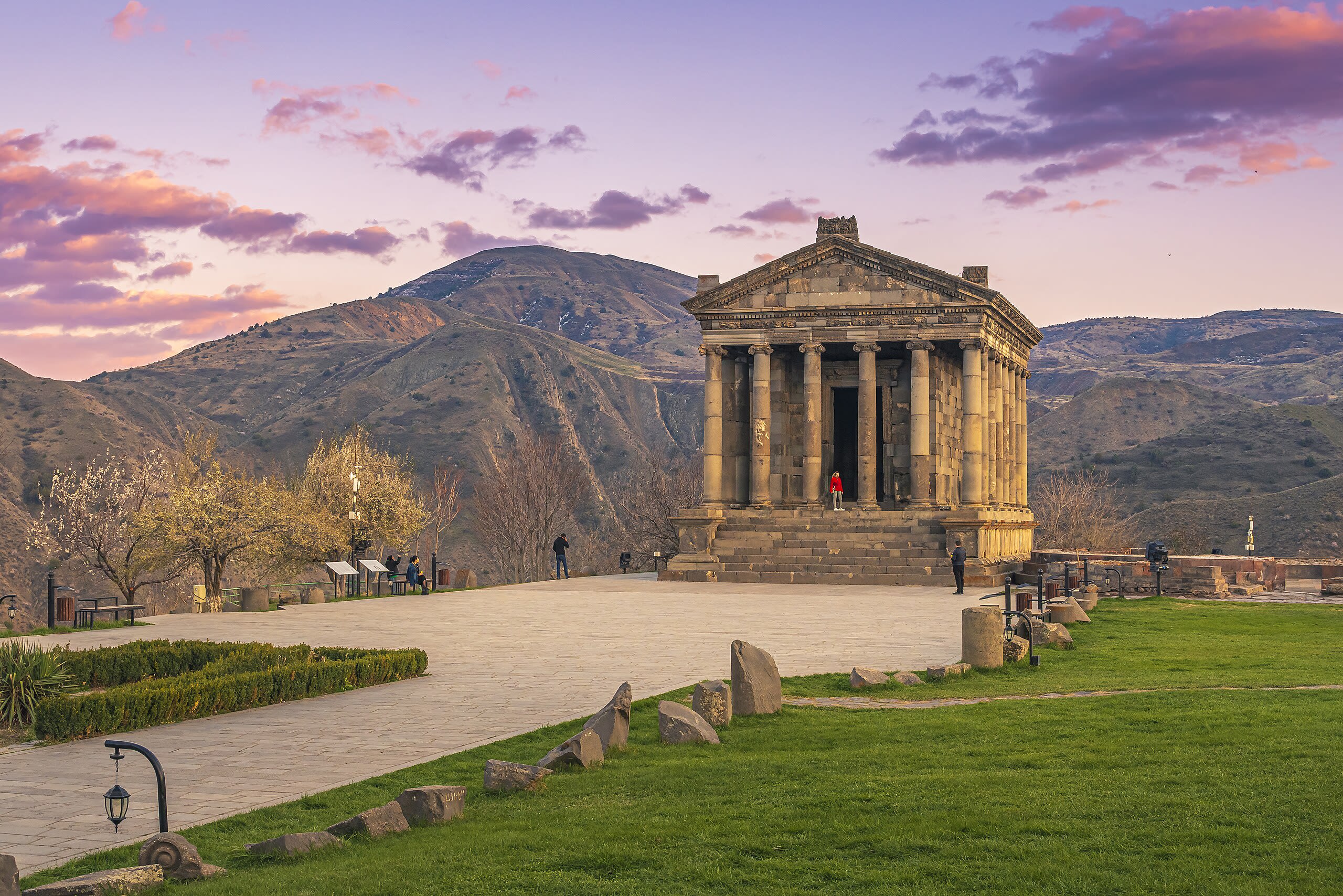
Garni Temple
Garni, Kotayk Province, Armenia
Garni Temple is a temple of sacred significance. Approximate coordinates: 40.11233, 44.73031. Attributes: built, cultural, archaeological. Tradition: Pagan. Associated figure: Mihr (Mithra). Mythological context: Greco-Roman. The Garni Temple is a classical colonnaded structure in the village of Garni, in central Armenia, around 30 km (19 mi) east of Yerevan. Built in the Ionic order, it is the best-known structure and symbol of pre-Christian Armenia. It has been described as the easternmost building of the Greco-Roman world and the only largely preserved Hellenistic building in the former Soviet Union. Built in the Ionic order, it is conventionally identified as a pagan temple built by King Tiridates I in the first century AD as a temple to the sun god Mihr (Mithra). A competing hypothesis sees it as a second century tomb. It collapsed in a 1679 earthquake, but much of its fragments remained on the site. Renewed interest in the 19th century led to excavations in the early and mid-20th century. It was reconstructed in 1969–75, using the anastylosis technique. It is one of the main tourist attractions in Armenia and the central shrine of Hetanism (Armenian neopaganism). Located in Կոտայքի մարզ, Հայաստան.
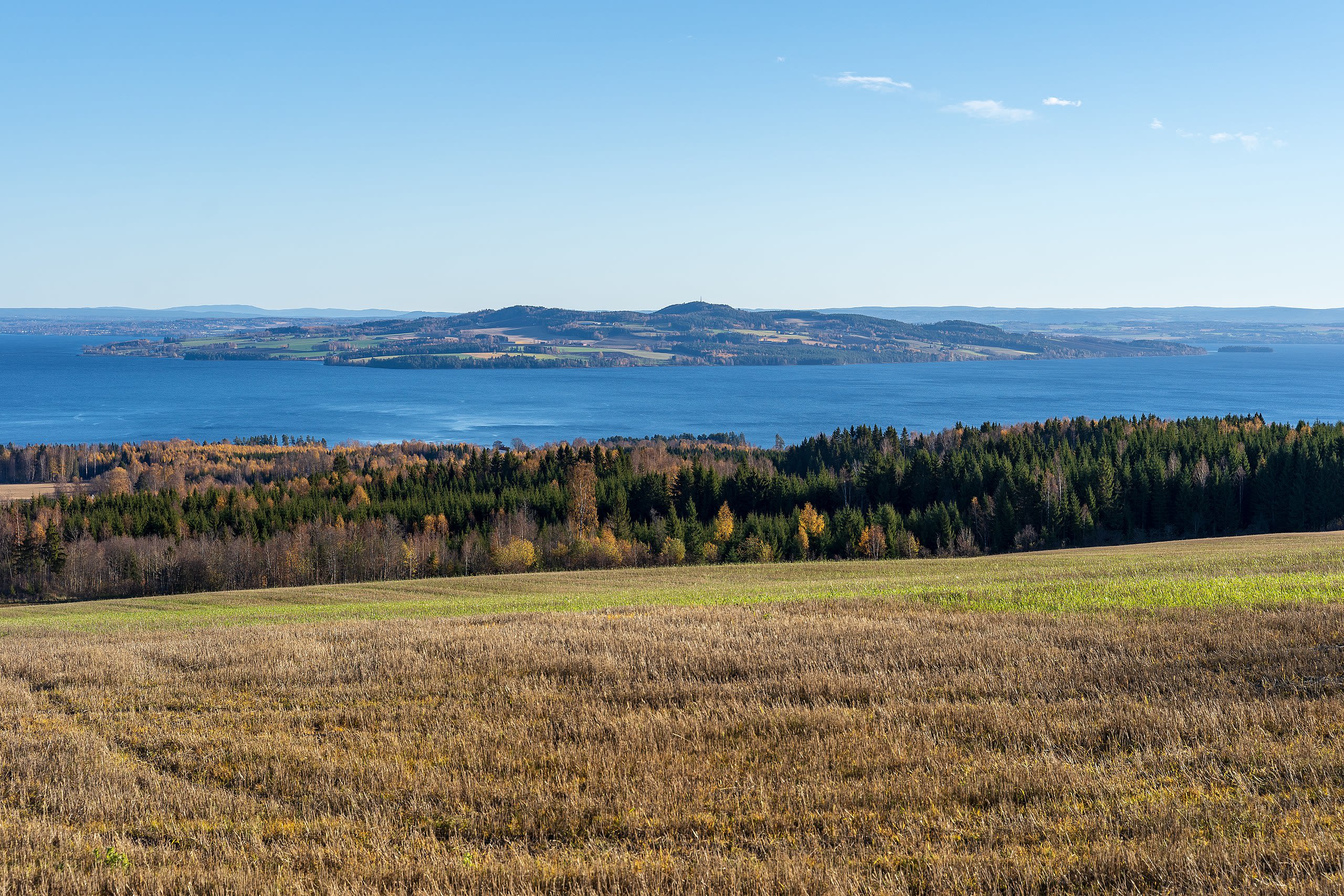
Helgøya Island
Ringsaker, Innlandet, Norway
Helgøya Island in Ringsaker, Innlandet, Norway.
Mære Church Site
Steinkjer, Trøndelag, Norway
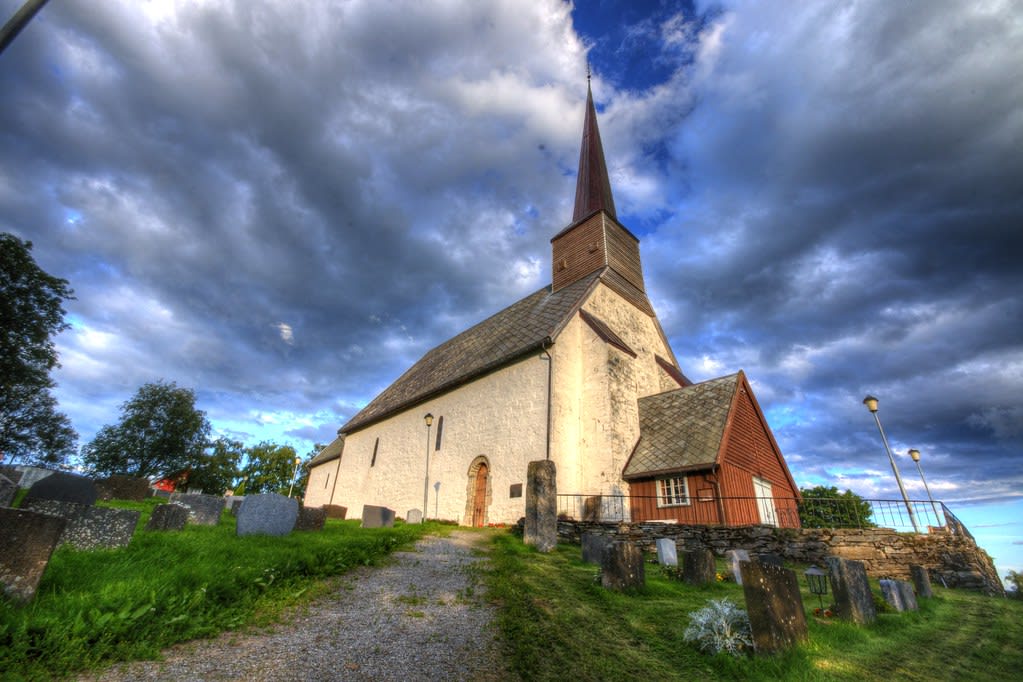
Mære Church Site in Steinkjer, Trøndelag, Norway.
Menhir de Champ-Dolent
Dol-de-Bretagne, Brittany, France
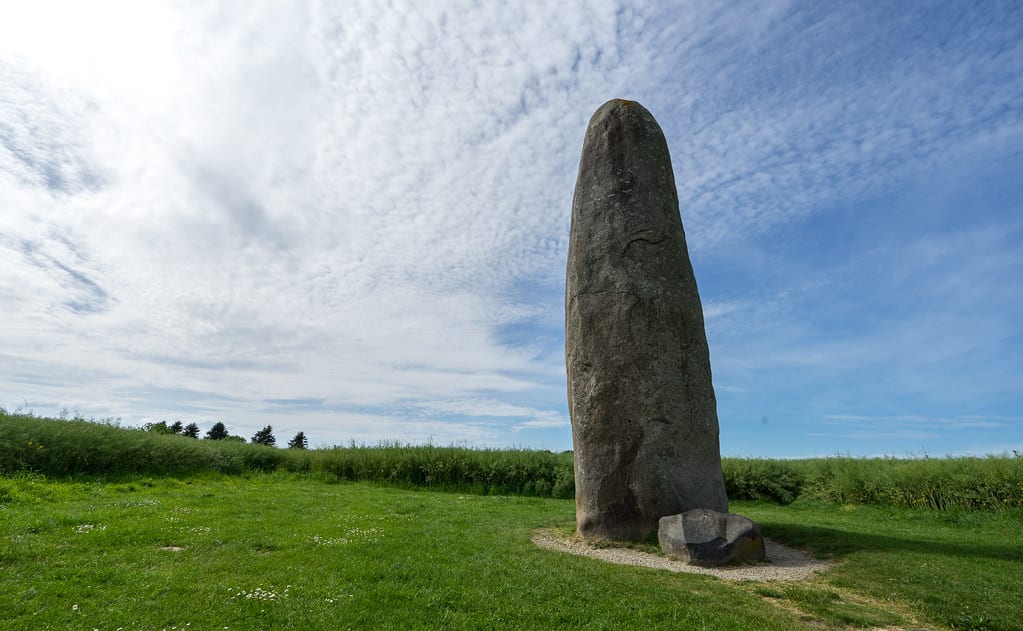
Nine and a half meters of pinkish granite rise from a field near Dol-de-Bretagne—100 tonnes hauled four kilometers by people who left no written record. Legend says the stone fell from the sky to separate two brothers about to kill each other, blood flowing enough to turn a millwheel. Another legend says it is sinking, slowly, into the earth—and when it disappears, the world will end. Historic Monument since 1889.
Urnes Stave Church
Luster, Vestland, Norway
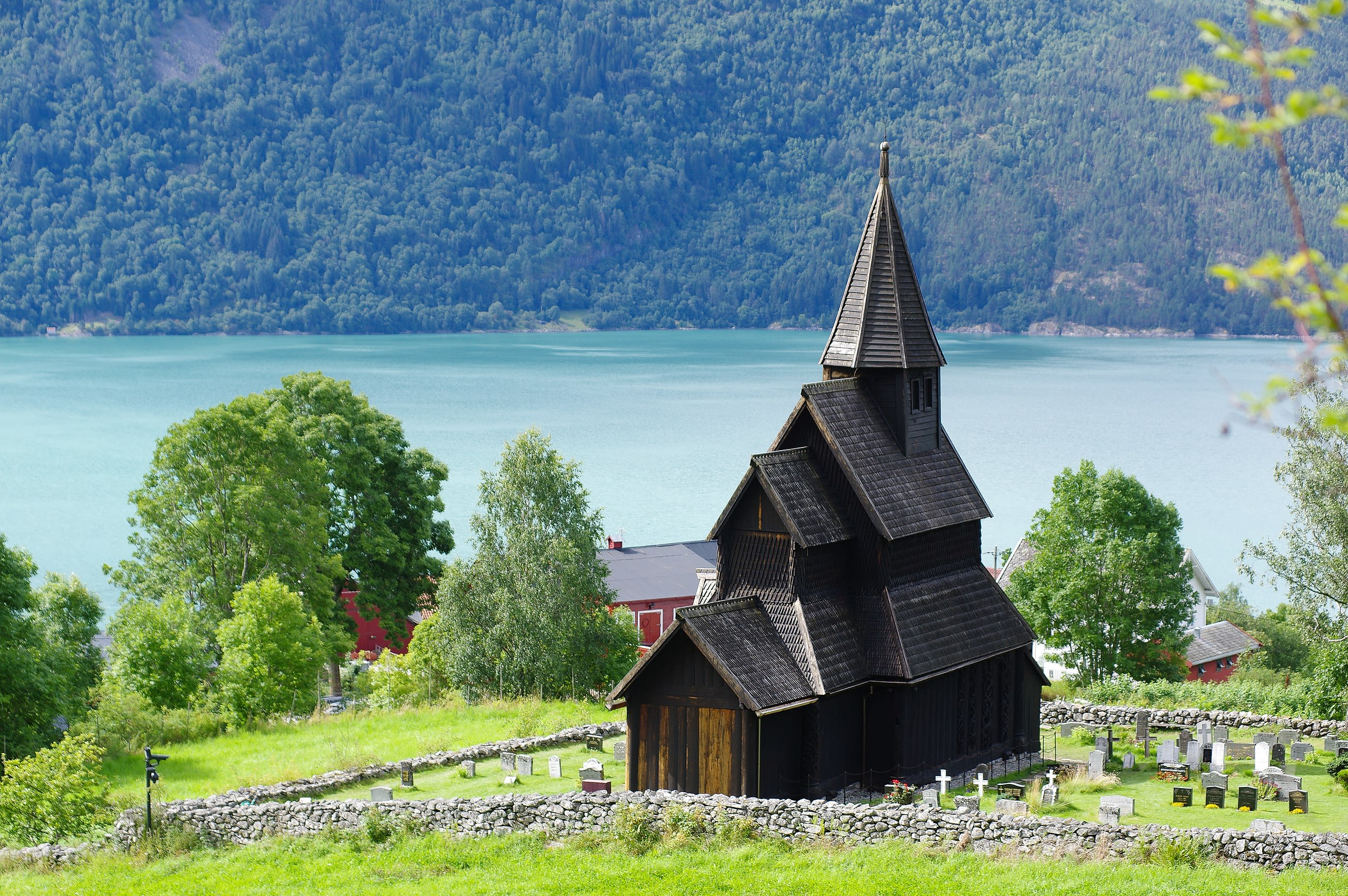
Urnes Stave Church in Luster, Vestland, Norway.