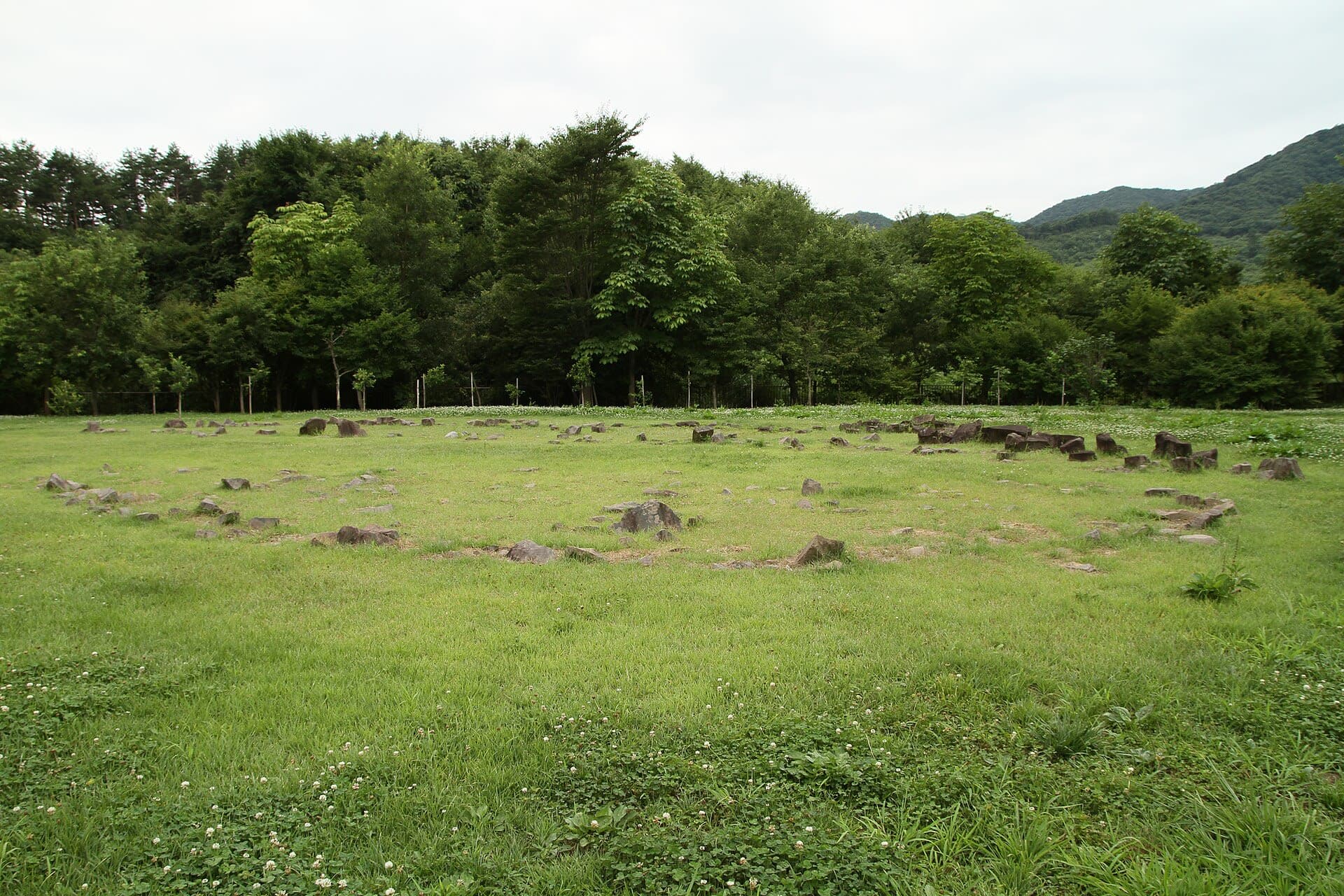
Yubunezawa Stone Circle
A Jomon cemetery set apart from daily life, where the spring sun descends behind sacred peaks
Takizawa, Iwate Prefecture, Japan
At A Glance
- Coordinates
- 39.7444, 141.0889
- Suggested Duration
- One to two hours allows for exploration of both the replica circle and the archaeological center exhibits.
- Access
- Located 5km north-northeast of Takizawa City Hall. Car access is recommended. The Takizawa City Buried Cultural Properties Center is adjacent to the site. Free admission to both.
Pilgrim Tips
- Located 5km north-northeast of Takizawa City Hall. Car access is recommended. The Takizawa City Buried Cultural Properties Center is adjacent to the site. Free admission to both.
- No specific requirements. Comfortable walking shoes are appropriate for the outdoor site.
- Photography is permitted throughout the site.
- The original stones are preserved underground and cannot be accessed. The replica provides a faithful representation of their arrangement and scale.
Overview
Four thousand years ago, Jomon peoples of northern Japan established this ground exclusively for the dead and for ceremony. No homes stood here, no everyday debris accumulated—only the careful placement of nine hundred stones over ancestral graves. The vernal equinox sunset aligns with Mount Yachiyama on the horizon, suggesting that spring's return was marked in this place where the boundary between living and dead grew thin.
The Yubunezawa Stone Circle reveals something profound about how the Jomon peoples understood sacred space. Unlike sites where ritual features emerge within settlements, this ground stood alone. Archaeologists found no houses, no everyday pottery, no debris of daily life. The Jomon communities of this region deliberately separated their burial ground from where they lived, creating a place reserved exclusively for the dead and for the ceremonies that connected living to ancestors.
Approximately nine hundred andesite stones were arranged across an ellipse measuring twenty meters north-to-south and fifteen meters east-to-west. The overall form follows the pattern of Jomon stone circles throughout the Tohoku region, but Yubunezawa's internal arrangements are distinctive—linear and rectangular groupings within the circular whole, patterns whose meaning we cannot recover.
Beneath the stones lie numerous intentionally dug pits. This was a major communal cemetery serving peoples from across the region. The vernal equinox alignment—when the setting sun descends precisely over Mount Yachiyama as viewed from the circle's center—suggests that spring's return, when the earth awakens from winter, held special significance for commemorating the dead.
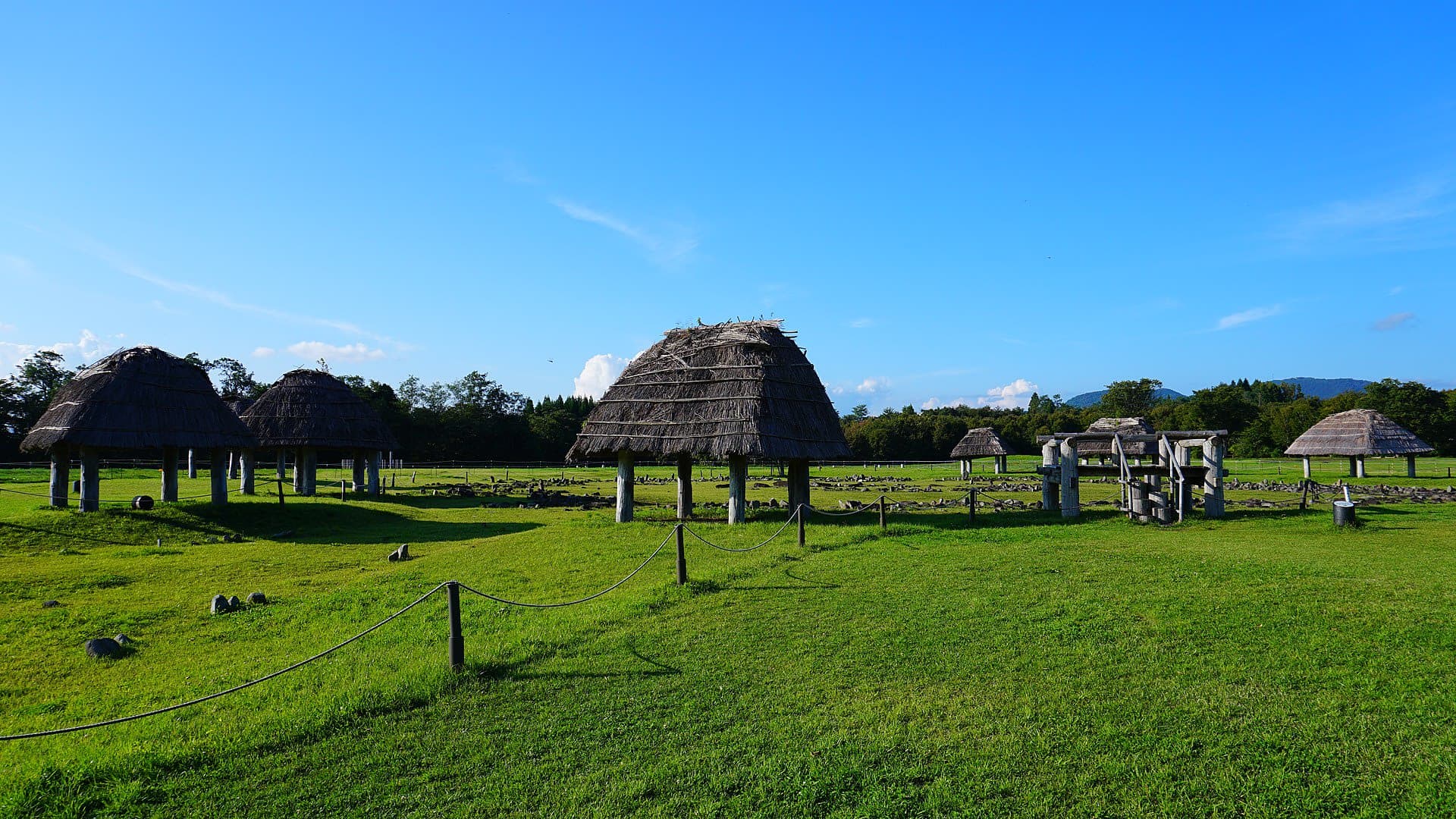
Today the original stones rest preserved underground. Above them rises a full-scale replica of 823 stones, allowing visitors to walk among what Jomon peoples created and feel toward what they intended.
Context And Lineage
Yubunezawa was discovered in 1990 during survey for a housing development. The decision for in-situ preservation followed quickly, and the site opened as a public park in 1998. It was designated as an Iwate Prefectural Cultural Property in 2013.
The Jomon period left no written records. Yubunezawa has no founding narrative, no named builder, no documented moment of establishment. What the archaeological record reveals is a site that appears to have been sacred from its beginning—no evidence of earlier residential use, no transition from settlement to cemetery. The communities that created it seem to have identified this location as appropriate for the dead and for ceremony from the outset.
Why this particular spot was chosen remains speculative. The view toward Mount Yachiyama, the vernal equinox alignment, the nature of the terrain—any or all of these may have factored into the selection. What is clear is that the choice was made with intention, and that intention was shared across the region: the cemetery served not a single village but multiple communities.
No continuous tradition connects Yubunezawa to contemporary practice. The site predates historical record by millennia. Yet the patterns visible here—separating sacred ground from everyday space, honoring ancestors in dedicated locations, marking seasonal transitions—anticipate themes that would appear in later Japanese religious traditions.
Why This Place Is Sacred
Yubunezawa was deliberately set apart—a place where the concerns of daily survival gave way to the concerns of death, memory, and seasonal return. The separation from residential space and the vernal equinox alignment mark it as ground understood to be qualitatively different.
The concept of the thin place—a location where the membrane between ordinary and sacred reality grows permeable—finds expression at Yubunezawa through deliberate separation and careful alignment.
The absence of residential structures is significant. The Jomon peoples who used this site lived elsewhere. They came here for specific purposes: to bury their dead, to conduct ceremonies, to mark moments in the calendar that warranted gathering on sacred ground. This separation suggests they understood certain activities as requiring different space than everyday life.
The vernal equinox alignment connects death to renewal. When the setting sun descends over Mount Yachiyama on the spring equinox, day and night stand equal. The earth begins its return to warmth and growth. For a community that buried its dead here, this moment—winter yielding to spring, dormancy yielding to life—may have carried profound resonance with the cycle of death and whatever lies beyond it.
The complexity of the stone arrangements adds mystery. Within the overall elliptical form, individual stones were placed in linear and rectangular patterns. These arrangements were intentional—the effort required ensures that—but their meaning remains unclear. Were they family groupings? Ceremonial pathways? Representations of cosmic structure? The stones keep their counsel.
Archaeological evidence indicates Yubunezawa was constructed during the Late Jomon period, approximately 4,000 years ago. From its beginning, it appears to have served ceremonial and mortuary purposes—no evidence of earlier residential use has been identified.
Unlike sites that transitioned from settlement to ceremony, Yubunezawa appears to have been conceived as sacred ground from its establishment. Its use continued through an extended period of the Late Jomon, with the complexity of stone arrangements suggesting additions and modifications over generations.
Traditions And Practice
The burial ceremonies and seasonal gatherings that animated Yubunezawa fell silent four thousand years ago. No active practice continues at the site. Visitors engage through contemplation, museum study, and walking among the replica stones.
Archaeological evidence indicates burial ceremonies at a communal cemetery serving the regional population. The vernal equinox alignment with Mount Yachiyama suggests seasonal observances connected to spring's return. The complexity of stone arrangements—linear and rectangular groupings within the overall ellipse—indicates ritual activities whose specific nature we cannot reconstruct.
The deliberate separation from residential space suggests that activities conducted here required different ground than everyday life. The Jomon peoples of this region appear to have understood certain practices as belonging to dedicated sacred space.
No religious practice continues at Yubunezawa. The site serves educational and heritage purposes.
Without active tradition to guide practice, visitors must find their own modes of engagement. Walking among the replica stones allows the body to feel the scale of Jomon ceremony. Standing at the center and facing Mount Yachiyama creates connection to the alignment that may have timed gatherings here. The vernal equinox (around March 20) offers the opportunity to witness the sunset as Jomon peoples witnessed it—the sun descending toward the peak at the turning of seasons.
Jomon spirituality
HistoricalYubunezawa represents a sophisticated Late Jomon ceremonial center demonstrating deliberate separation of sacred from residential space. The site served as a major communal cemetery for the regional population. The vernal equinox alignment with Mount Yachiyama suggests calendrical observation tied to seasonal ceremonies marking spring's return.
Burial ceremonies at communal cemetery. Vernal equinox observances aligned with sunset over Mount Yachiyama. Ritual activities requiring dedicated sacred space separate from residential areas.
Experience And Perspectives
Visitors walk among 823 replica stones that recreate the original arrangement in full scale. The adjacent archaeological center provides context through exhibits. The view toward Mount Yachiyama remains, as does the spring equinox alignment.
The experience of Yubunezawa begins with scale. Eight hundred twenty-three stones spread across an ellipse larger than many imagine—twenty meters in one direction, fifteen in the other. Walking among them, the visitor begins to feel the enormity of the undertaking: each stone selected, carried, placed with intention by peoples whose specific intentions we cannot fully know.
The replica faithfully recreates what lies protected beneath. The original stones—nine hundred of them—rest underground, preserved for future study. What rises above is accurate in arrangement and proportion, allowing visitors to experience the circle's dimensions and the puzzling internal patterns: linear groupings here, rectangular arrangements there, a complexity that defies simple interpretation.
The adjacent Takizawa City Buried Cultural Properties Center transforms experience through knowledge. Here, artifacts from the excavation provide tangible connection to Jomon ceremony. Here, the burial function of the pits beneath the stones is documented. The visitor who moves between the outdoor replica and the indoor exhibits finds their understanding deepening in both directions—the objects illuminating the site, the site giving context to the objects.
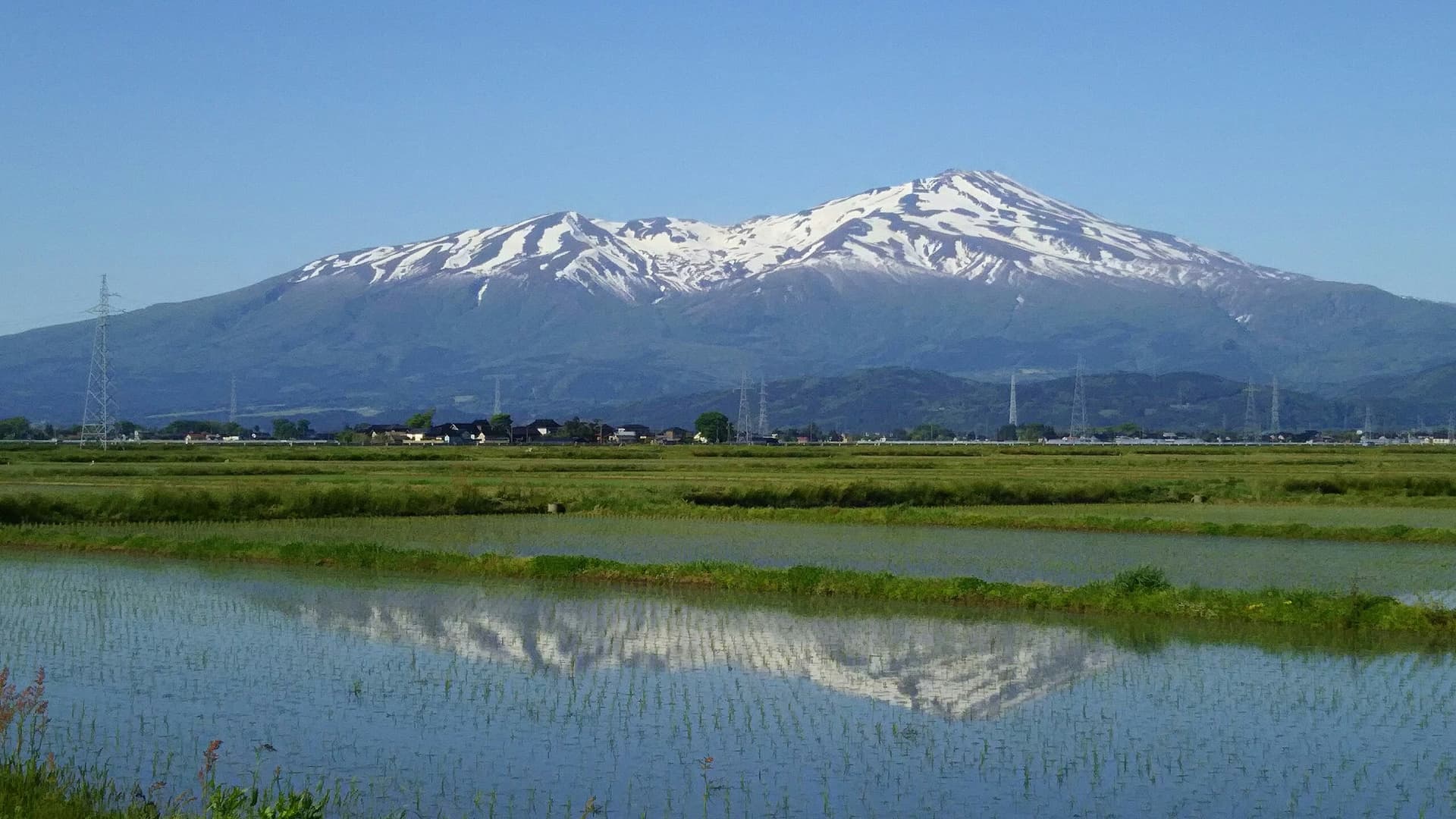
Mount Yachiyama remains visible to the west. On the spring equinox, visitors who time their arrival for late afternoon can witness what Jomon peoples witnessed: the sun descending toward the peak, entering the alignment that may have given this cemetery its calendrical anchor.
Begin at the archaeological center to establish context. Move to the replica circle with understanding of what the stones cover—a cemetery where communities gathered to honor their dead. Face Mount Yachiyama. Consider visiting near the vernal equinox (March 20-21) to experience the sunset alignment.
Yubunezawa can be approached as archaeological evidence of Jomon spatial organization, as a contemplative space for reflecting on human responses to death and seasonal change, or as part of the broader tradition of large stone circles in the Tohoku-Hokkaido cultural sphere.
Archaeologists recognize Yubunezawa as an important example of Late Jomon ceremonial architecture demonstrating deliberate separation of sacred and residential space. This spatial organization provides significant insight into Jomon worldview. The site contributes to understanding the development and regional variations of large stone circles in the Tohoku-Hokkaido cultural sphere. Scientific analysis confirmed the burial function of pits beneath the stones. The site was designated as an Iwate Prefectural Cultural Property in 2013.
No continuous tradition connects to this prehistoric site. The ceremonial practices visible in the archaeological record—separating burial ground from daily life, honoring ancestors in dedicated space, marking seasonal transitions—anticipate patterns in later Japanese religious traditions, though direct lineage cannot be established.
The specific meaning of the complex linear and rectangular stone patterns within the overall elliptical form is not understood. Why this location was chosen and how communities coordinated to maintain this separate sacred site over time remains speculative.
Visit Planning
Located approximately 5km north-northeast of Takizawa City Hall, the site is most easily accessed by car. The adjacent archaeological center provides context and facilities. Free admission to both the park and the center.
Located 5km north-northeast of Takizawa City Hall. Car access is recommended. The Takizawa City Buried Cultural Properties Center is adjacent to the site. Free admission to both.
Accommodations are available in Takizawa City and nearby Morioka.
No active worship requires religious protocol. The site is a free public park. The primary etiquette concerns respectful engagement with a heritage site.
Yubunezawa is an archaeological site preserved as a public park, not an active place of worship. No religious community claims it; no ceremonies occur that visitors might interrupt. The etiquette is simple: treat the site with the respect due to a place where the dead were honored for centuries.
No specific requirements. Comfortable walking shoes are appropriate for the outdoor site.
Photography is permitted throughout the site.
Not applicable—no active tradition governs offerings.
None. The site offers free admission year-round.
Sacred Cluster
Nearby sacred places create the location cluster described in the growth plan. This block is intentionally crawlable and links into the wider regional graph.