Tradition guide
Greek Orthodox
23 sacred sites available through this shared spiritual lineage.

Agia Triada Monastery
Chania, Region of Crete, Greece
Agia Triada Monastery is a monastery of sacred significance. Approximate coordinates: 35.56057, 24.13502. Attributes: built, cultural. Tradition: Greek Orthodox. Associated figure: Holy Trinity. Agia Triada Monastery ((in Greek) Μονή Αγίας Τριάδος) or the Monastery of Agia Triada Tsangarolon is a Greek Orthodox monastery in the Akrotiri peninsula in the Chania regional unit, Crete, Greece. It also contains a museum. The monastery, whose name means Holy Trinity , was built in the 17th century by two brothers of the Venetian Zangaroli family on the site of a pre-existing church. The monks produce and sell wine and olive oil on the premises. Located in Χανιά, Αποκεντρωμένη Διοίκηση Κρήτης, Ελλάς.
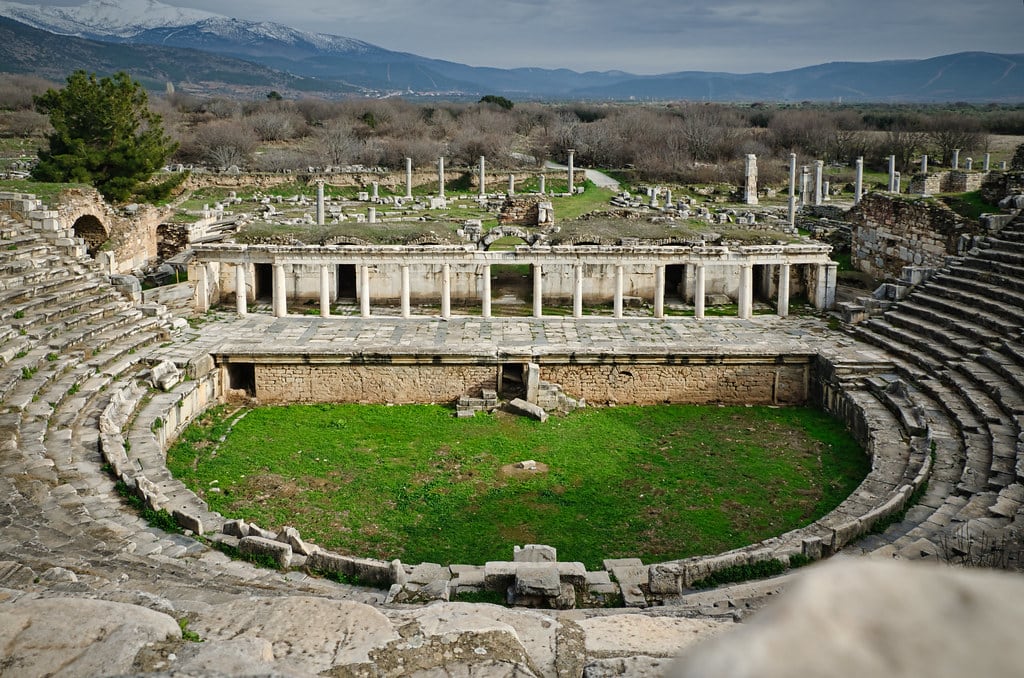
Aphrodisias
Karacasu, Aydın, Turkey
Aphrodisias is a ancient city of sacred significance. Approximate coordinates: 37.70918, 28.72357. Attributes: built, cultural, archaeological. Tradition: Hellenistic Greek. Associated figure: Aphrodite. Mythological context: Greek Mythology. Recognized as a UNESCO World Heritage Site. Aphrodisias (; Ancient Greek: Ἀφροδισιάς, romanized: Aphrodisiás) was a Hellenistic Greek city in the historic Caria cultural region of western Asia Minor, today s Anatolia in Turkey. It is located near the modern village of Geyre, about 100 km (62 mi) east/inland from the coast of the Aegean Sea, and 230 km (140 mi) southeast of İzmir. Aphrodisias was named after Aphrodite, the Greek goddess of love, who had here her unique cult image, the Aphrodite of Aphrodisias. According to the Suda, a Byzantine encyclopedic compilation, before the city became known as Aphrodisias (c. 3rd century BC) it had three previous Greek names: Lelégōn Pólis (Λελέγων πόλις, City of the Leleges ), Megálē Pólis (Μεγάλη Πόλις, Great City ), and Ninóē (Νινόη). Sometime before 640, in the Late Antique period when it was within the Byzantine Empire, the city was renamed Stauropolis (Σταυρούπολις, City of the Cross ). In 2017, it was inscribed on the UNESCO World Heritage Site list. Located in Karacasu, Ege Bölgesi, Turkey.
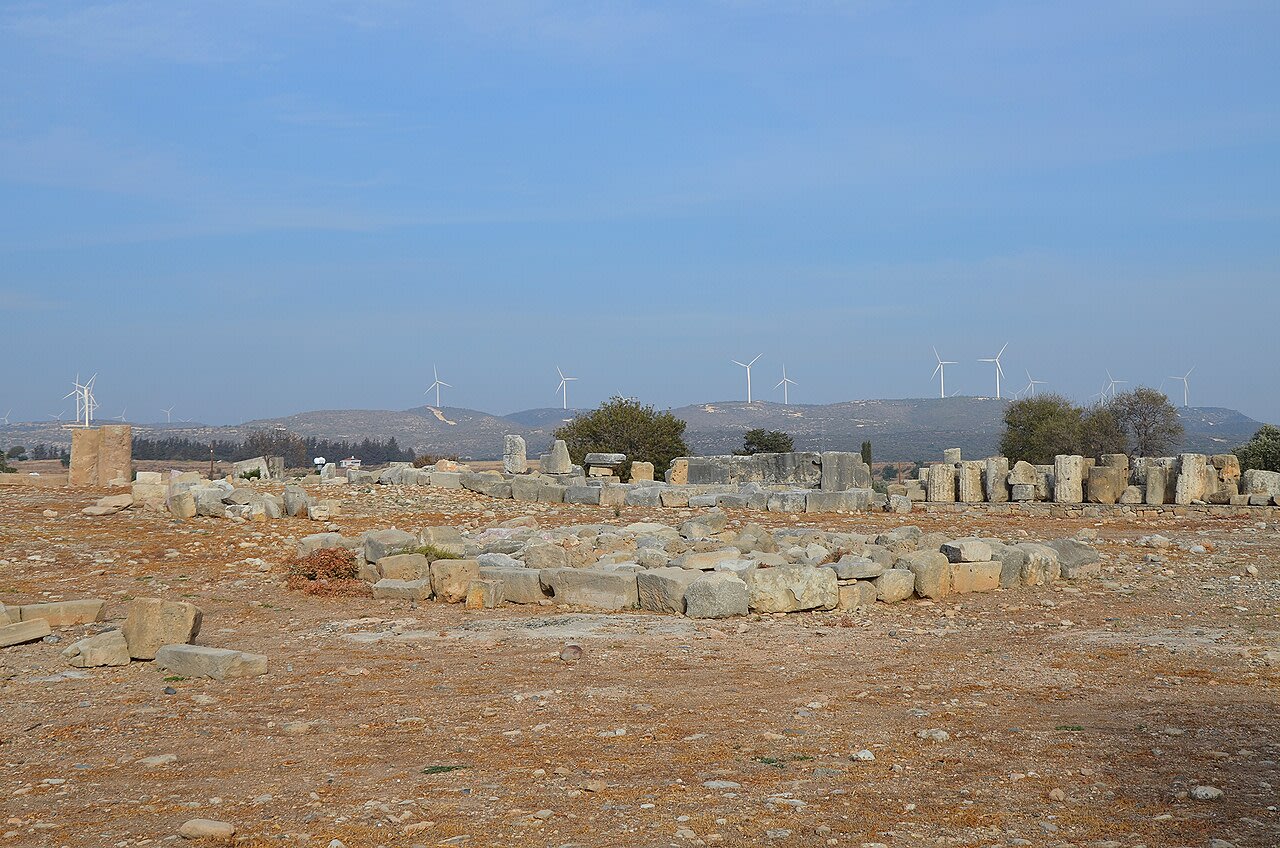
Archaeological Site of Palaepaphos
Kouklia, Cyprus, Cyprus
Archaeological Site of Palaepaphos in Kouklia, Cyprus, Cyprus.
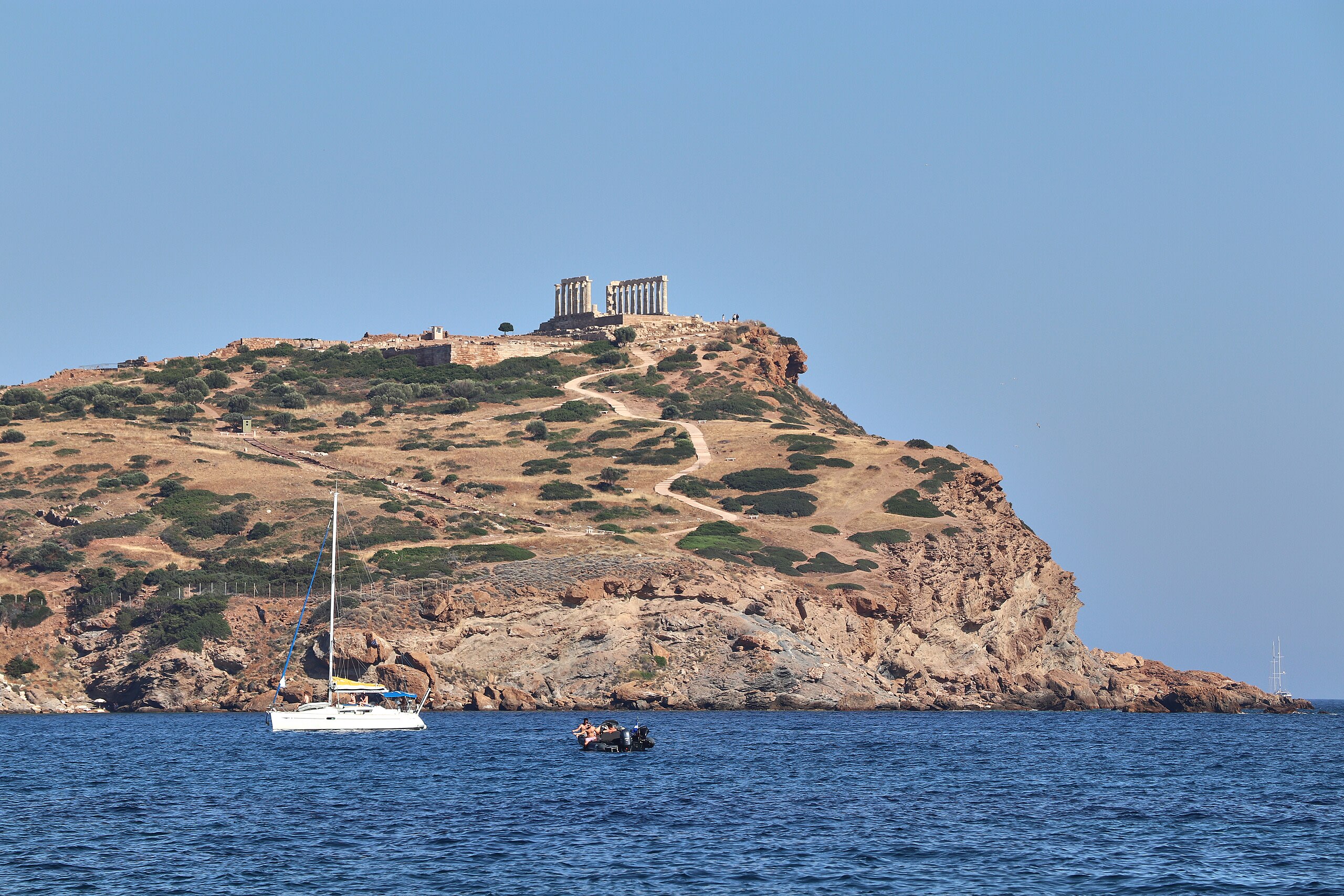
Cape Sounion
Lavreotiki Municipal Unit, Attica, Greece
Cape Sounion is a temple of sacred significance. Approximate coordinates: 37.65016, 24.02458. Attributes: built, cultural, archaeological, pilgrimage. Tradition: Greek. Associated figure: Poseidon. Mythological context: Greek Mythology. Located in Δημοτική Ενότητα Λαυρεωτικής, Αποκεντρωμένη Διοίκηση Αττικής, Ελλάς.
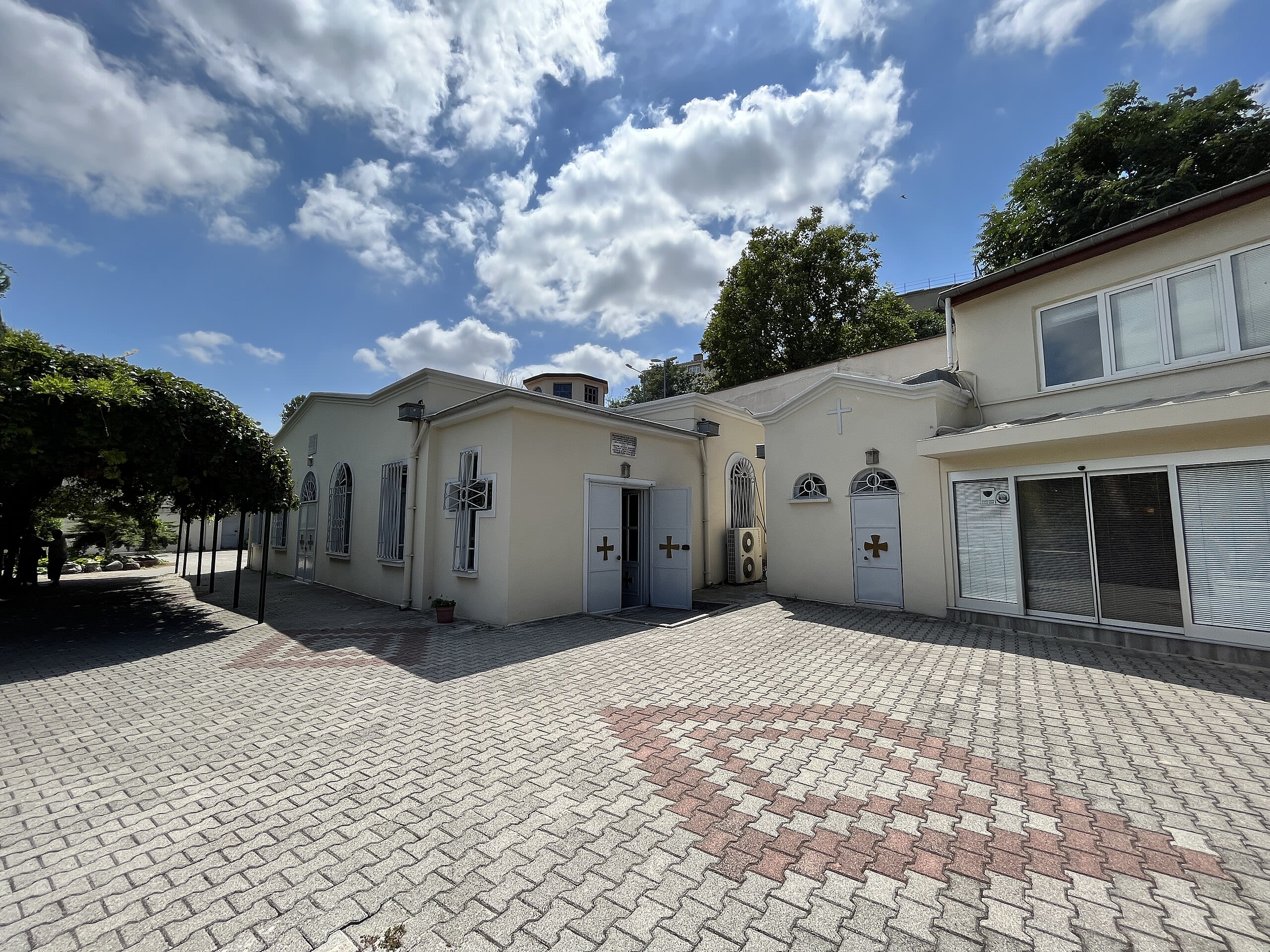
Church of St. Mary of Blachernae (Ayın Biri Kilisesi), Istanbul, Turkey
Istanbul, Istanbul, Turkey
Church of St. Mary of Blachernae (Ayın Biri Kilisesi), Istanbul, Turkey is a church of sacred significance. Approximate coordinates: 41.03869, 28.94281. Attributes: built, cultural. Tradition: Greek Orthodox. Associated figure: St. Mary of Blachernae. Located in Fatih, Marmara Bölgesi, Turkey.
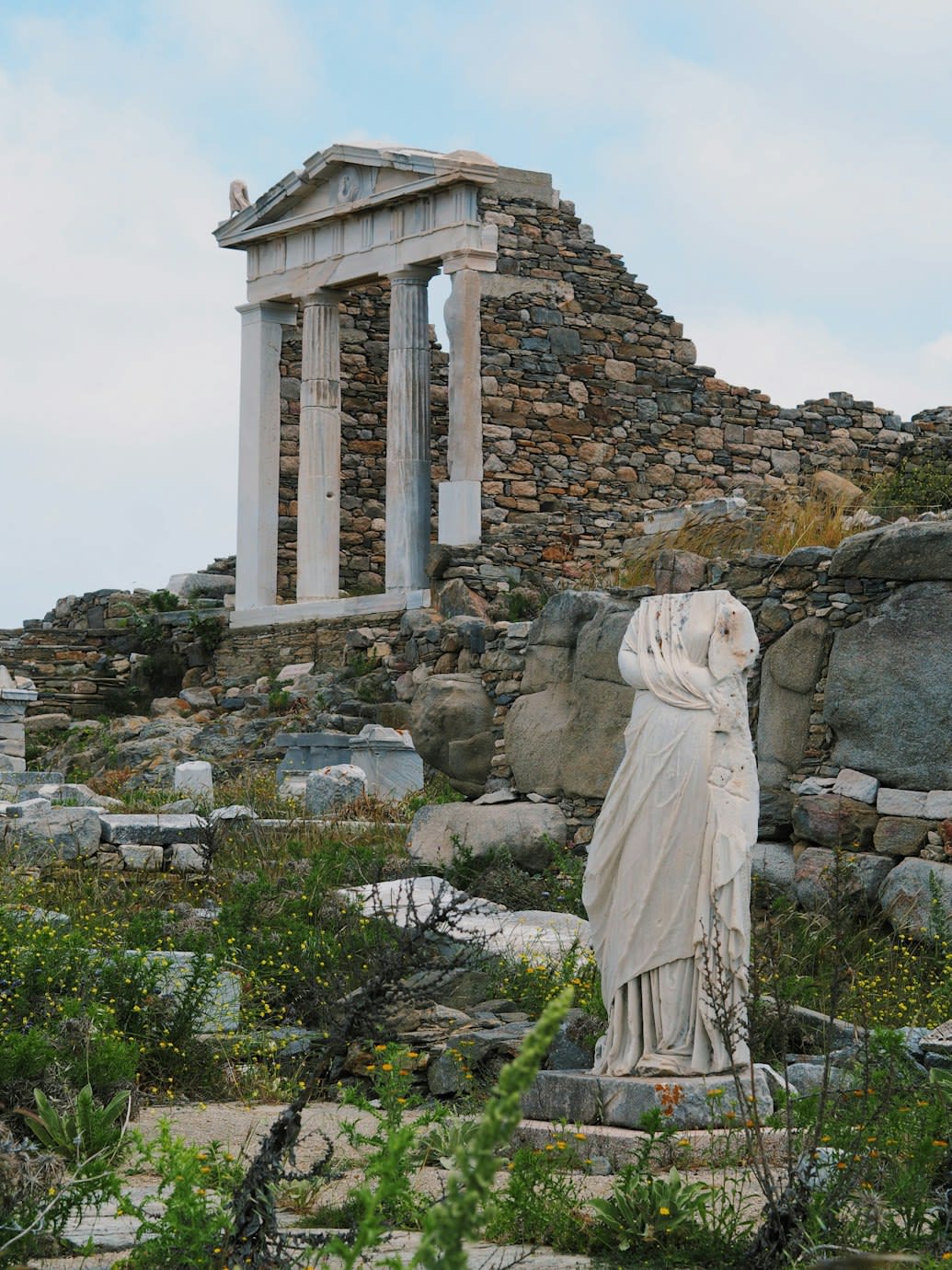
Delos
Municipality of Mykonos, Aegean, Greece
Delos is a mythological and archaeological of sacred significance. Approximate coordinates: 37.40112, 25.26923. Attributes: built, natural, cultural, archaeological, ceremonial. Tradition: Greek Mythology. Associated figure: Apollo, Artemis, Dionysus, Zeus, Athena. Mythological context: Birthplace of Apollo and Artemis. Recognized as a UNESCO World Heritage Site. Delos (; Greek: Δήλος [ˈðilos]; Attic Greek: Δῆλος Dêlos, Doric Greek: Δᾶλος Dâlos), is a small Greek island near Mykonos, close to the centre of the Cyclades archipelago. Though only 3.43 km2 (1.32 sq mi) in area, it is one of the most important mythological, historical, and archaeological sites in Greece. The ongoing excavations in the island are among the most extensive in the Mediterranean, and many of the artifacts found are displayed at the Archaeological Museum of Delos and the National Archaeological Museum of Athens. Delos had a position as a holy sanctuary for a millennium before Olympian Greek mythology made it the birthplace of Apollo and Artemis. From its Sacred Harbour are visible the three conical mounds that have identified landscapes sacred to a goddess (presumably Athena). Another site, retaining its Pre-Greek name Mount Cynthus, is crowned with a sanctuary of Zeus. In 1990, UNESCO added Delos to the World Heritage List, citing its exceptional archaeological site which conveys the image of a great cosmopolitan Mediterranean port , its influence on the development of Greek architecture, and its sacred importance throughout Ancient Greece. Located in Δήμος Μυκόνου, Αποκεντρωμένη Διοίκηση Αιγαίου, Ελλάς.
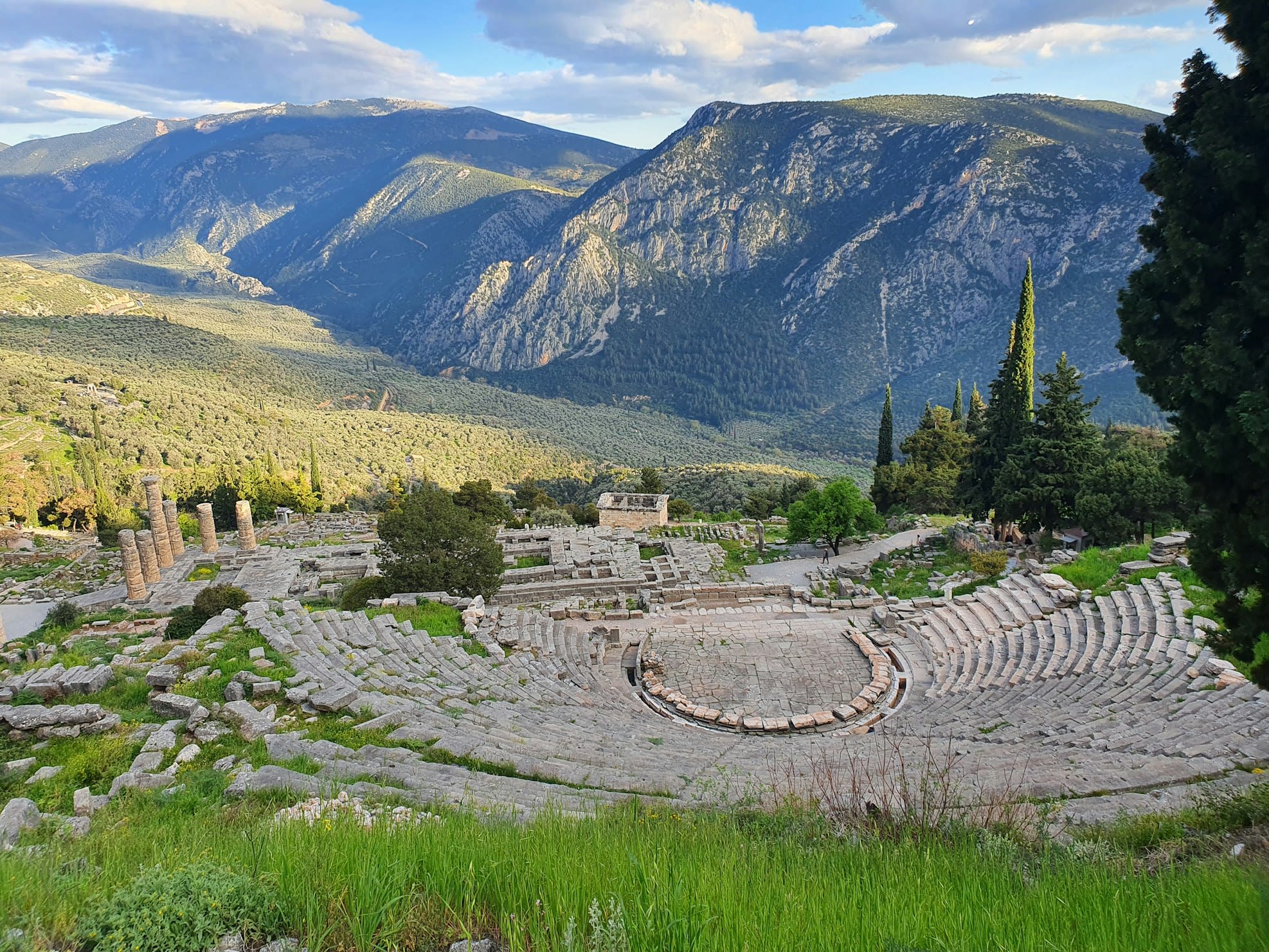
Delphi
Municipal Unit of Delphi, Thessaly and Central Greece, Greece
Delphi is a ancient sacred precinct of sacred significance. Approximate coordinates: 38.48235, 22.50123. Attributes: built, natural, cultural, archaeological, pilgrimage, ceremonial. Tradition: Ancient Greek. Associated figure: Apollo. Mythological context: Greek Mythology. Recognized as a UNESCO World Heritage Site. Delphi (; Greek: Δελφοί [ðelˈfi]), in legend previously called Pytho (Πυθώ), was an ancient sacred precinct and the seat of Pythia, the major oracle who was consulted about important decisions throughout the ancient classical world. The ancient Greeks considered the centre of the world to be in Delphi, marked by the stone monument known as the Omphalos of Delphi (navel). According to the Suda, Delphi took its name from the Delphyne, the she-serpent (drakaina) who lived there and was killed by the god Apollo (in other accounts the serpent was the male serpent (drakon) Python). The sacred precinct occupies a delineated region on the south-western slope of Mount Parnassus. It is now an extensive archaeological site, and since 1938 a part of Parnassos National Park. The precinct is recognized by UNESCO as a World Heritage Site in having had a great influence in the ancient world, as evidenced by the various monuments built there by most of the important ancient Greek city-states, demonstrating their fundamental Hellenic unity. Adjacent to the sacred precinct is a small modern town of the same name. Located in Δημοτική Ενότητα Δελφών, Αποκεντρωμένη Διοίκηση Θεσσαλίας - Στερεάς Ελλάδος, Ελλάς.
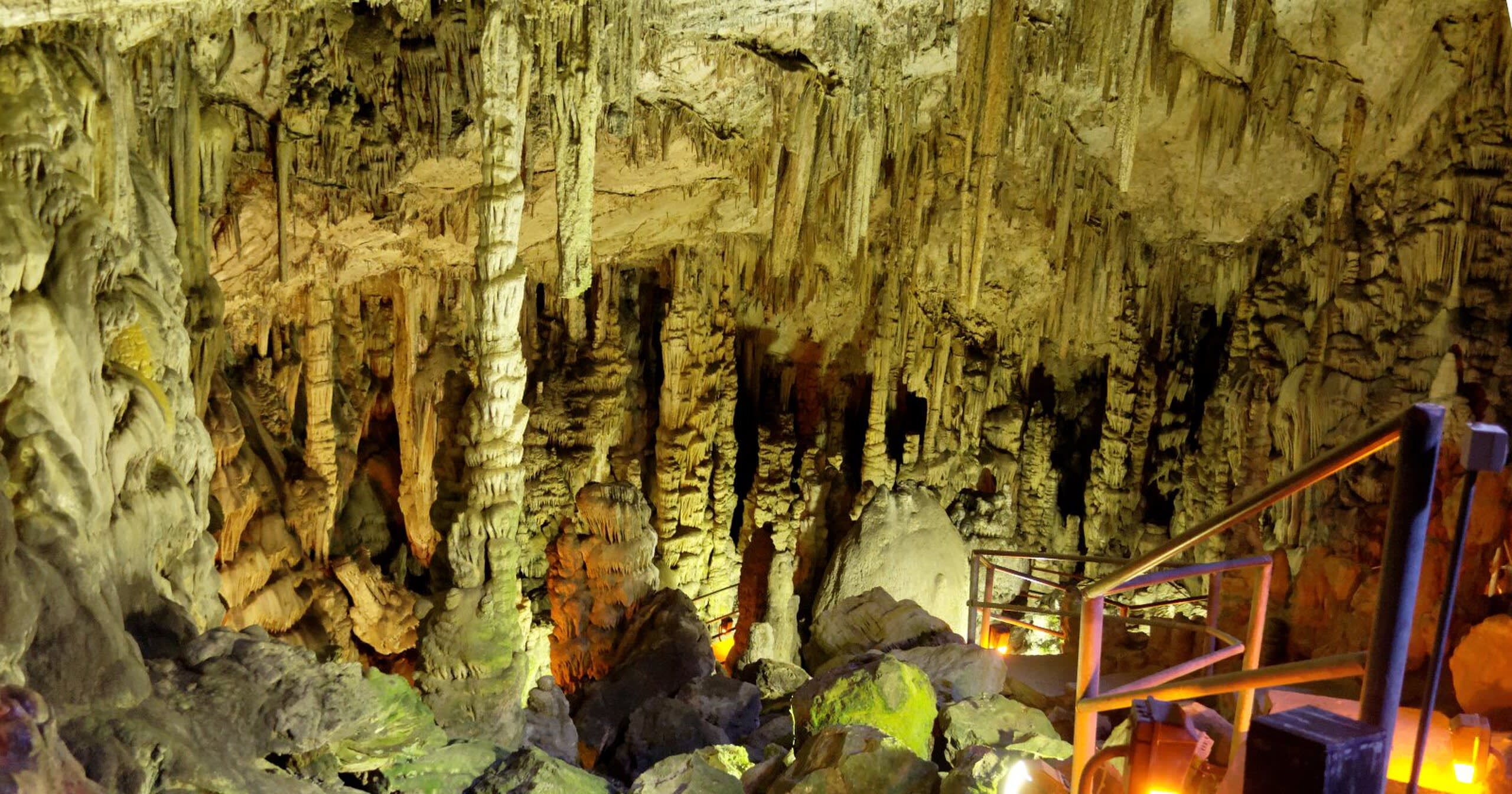
Diktaion Andron Cave
Psichro, Region of Crete, Greece
Diktaion Andron Cave is a cave of sacred significance. Approximate coordinates: 35.16262, 25.44525. Attributes: natural, cultural, archaeological, pilgrimage, ceremonial. Tradition: Greek Mythology. Associated figure: Zeus. Mythological context: Birthplace of Zeus. Located in Δήμος Οροπεδίου Λασιθίου, Αποκεντρωμένη Διοίκηση Κρήτης, Ελλάς.
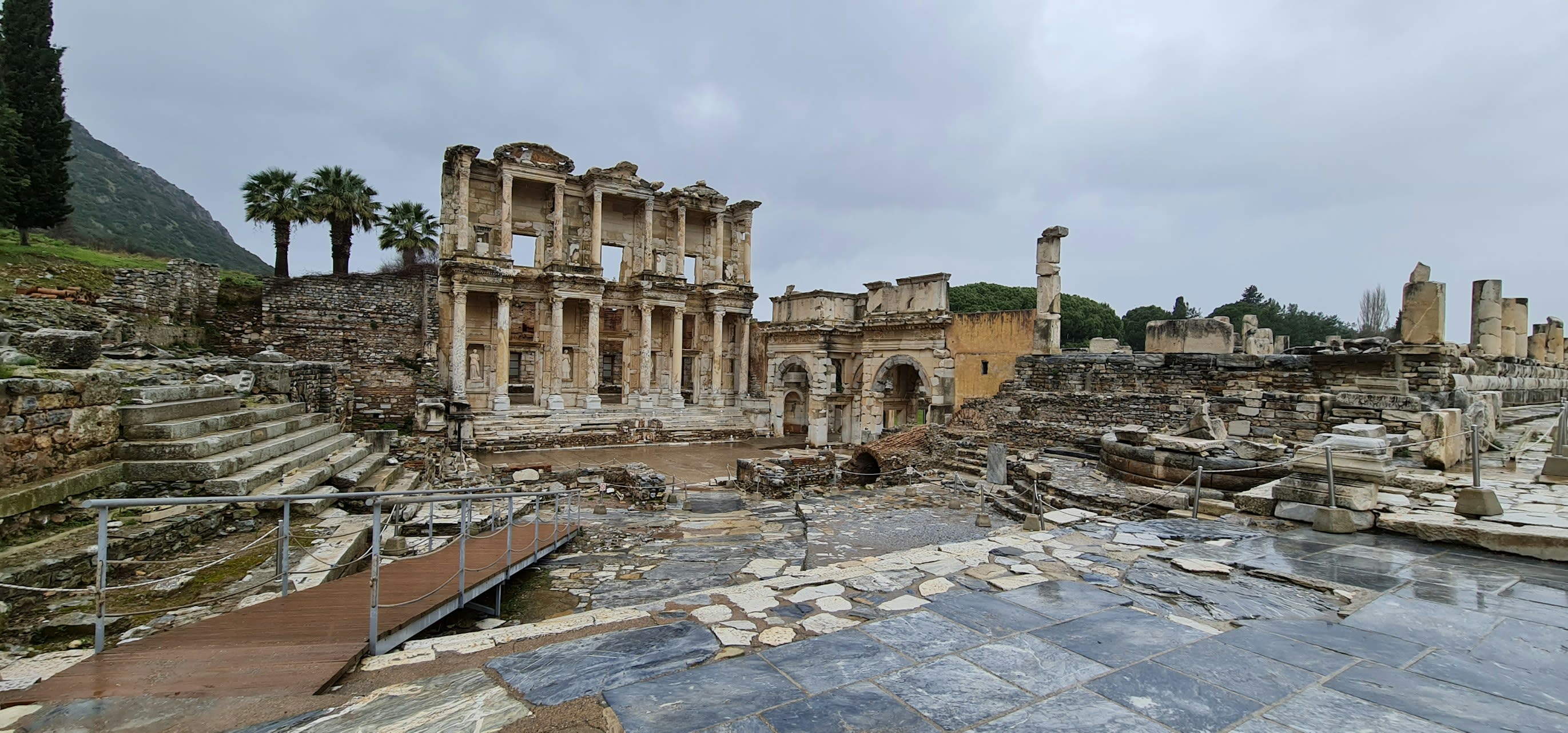
Ephesus
Selçuk, Aegean Region, Turkey
Ephesus is a ancient city of sacred significance. Approximate coordinates: 37.91240, 27.33276. Attributes: built, cultural, archaeological, pilgrimage. Tradition: Ancient Greek. Associated figure: Artemis. Mythological context: Ancient Greek Mythology. Recognized as a UNESCO World Heritage Site. Ephesus (; Ancient Greek: Ἔφεσος, romanized: Éphesos; Turkish: Efes; may ultimately derive from Hittite: 𒀀𒉺𒀀𒊭, romanized: Apāša) was an ancient Greek city on the coast of Ionia, in present-day Selçuk in İzmir Province, Turkey. It was built in the 10th century BC on the site of Apasa, the former Arzawan capital, by Attic and Ionian Greek colonists. During the Classical Greek era, it was one of twelve cities that were members of the Ionian League. The city came under the control of the Roman Republic in 129 BC. The city was famous in its day for the nearby Temple of Artemis (completed around 550 BC), which has been designated one of the Seven Wonders of the Ancient World. Its many monumental buildings included the Library of Celsus and a theatre capable of holding 24,000 spectators. Ephesus was a recipient city of one of the Pauline epistles and one of the seven churches of Asia addressed in the Book of Revelation. The Gospel of John may have been written there, and it was the site of several 5th-century Christian Councils (Council of Ephesus). The city was destroyed by the Goths in 263. Although it was afterwards rebuilt, its importance as a port and commercial centre declined as the harbour was slowly silted up by the Küçükmenderes River. In 614, it was partially destroyed by an earthquake. Today, the ruins of Ephesus are a favourite international and local tourist attraction, being accessible from Adnan Menderes Airport and from the resort town Kuşadası. In 2015, the ruins were designated a UNESCO World Heritage Site. Located in Selçuk, Ege Bölgesi, Turkey.
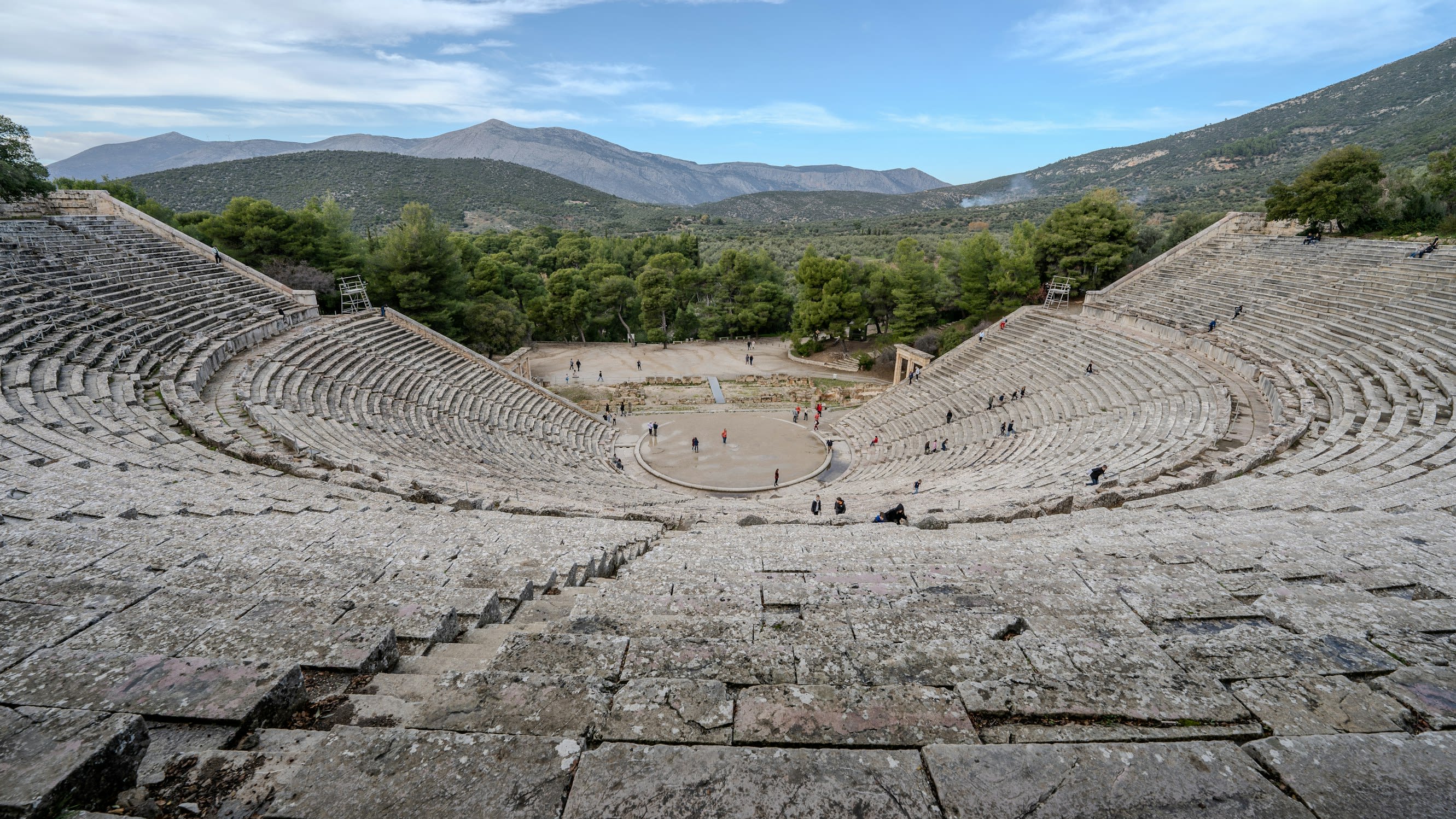
Epidauros
Municipal Unit of Epidavros, Peloponnese, Western Greece and the Ionian, Greece
Epidauros is a sanctuary of sacred significance. Approximate coordinates: 37.63345, 23.16023. Attributes: built, cultural, archaeological, pilgrimage, ceremonial. Tradition: Ancient Greek. Associated figure: Apollo Maleatas. Mythological context: Greek Mythology. Recognized as a UNESCO World Heritage Site. Located in Δημοτική Ενότητα Επιδαύρου, Αποκεντρωμένη Διοίκηση Πελοποννήσου, Δυτικής Ελλάδας και Ιονίου, Ελλάς.
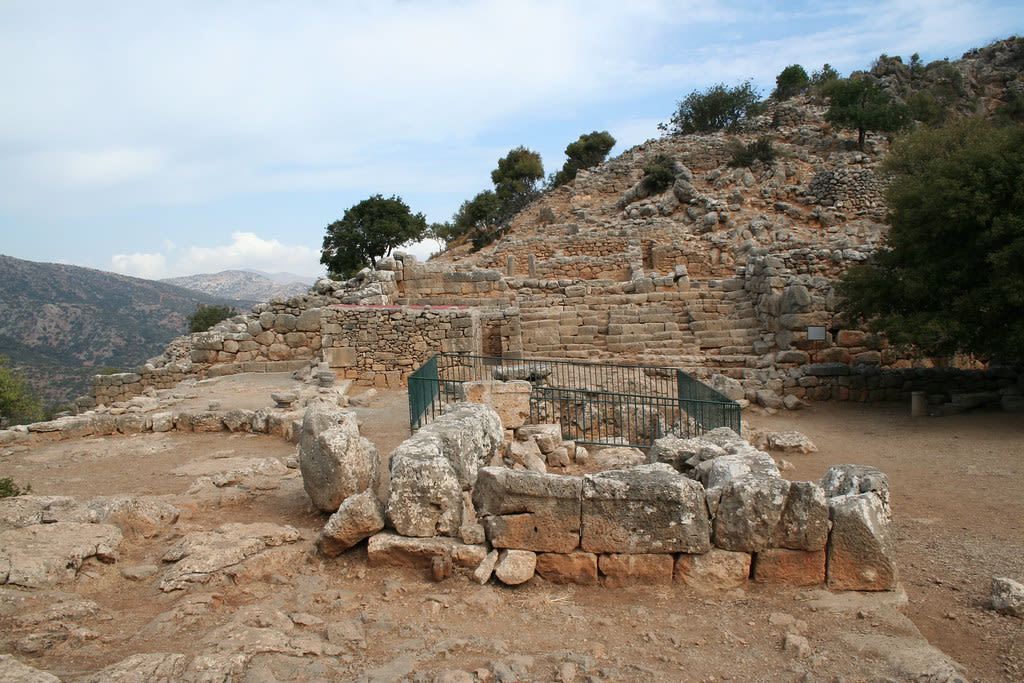
Lato
Agios Nikolaos Municipal Unit, Region of Crete, Greece
Lato is a ancient city of sacred significance. Approximate coordinates: 35.17904, 25.65529. Attributes: built, cultural, archaeological. Tradition: Ancient Greek. Lato (Ancient Greek: Λατώ, romanized: Latṓ) was an ancient city of Crete, the ruins of which are located approximately 3 km from the village of Kritsa. Located in Δημοτική Ενότητα Αγίου Νικολάου, Αποκεντρωμένη Διοίκηση Κρήτης, Ελλάς.
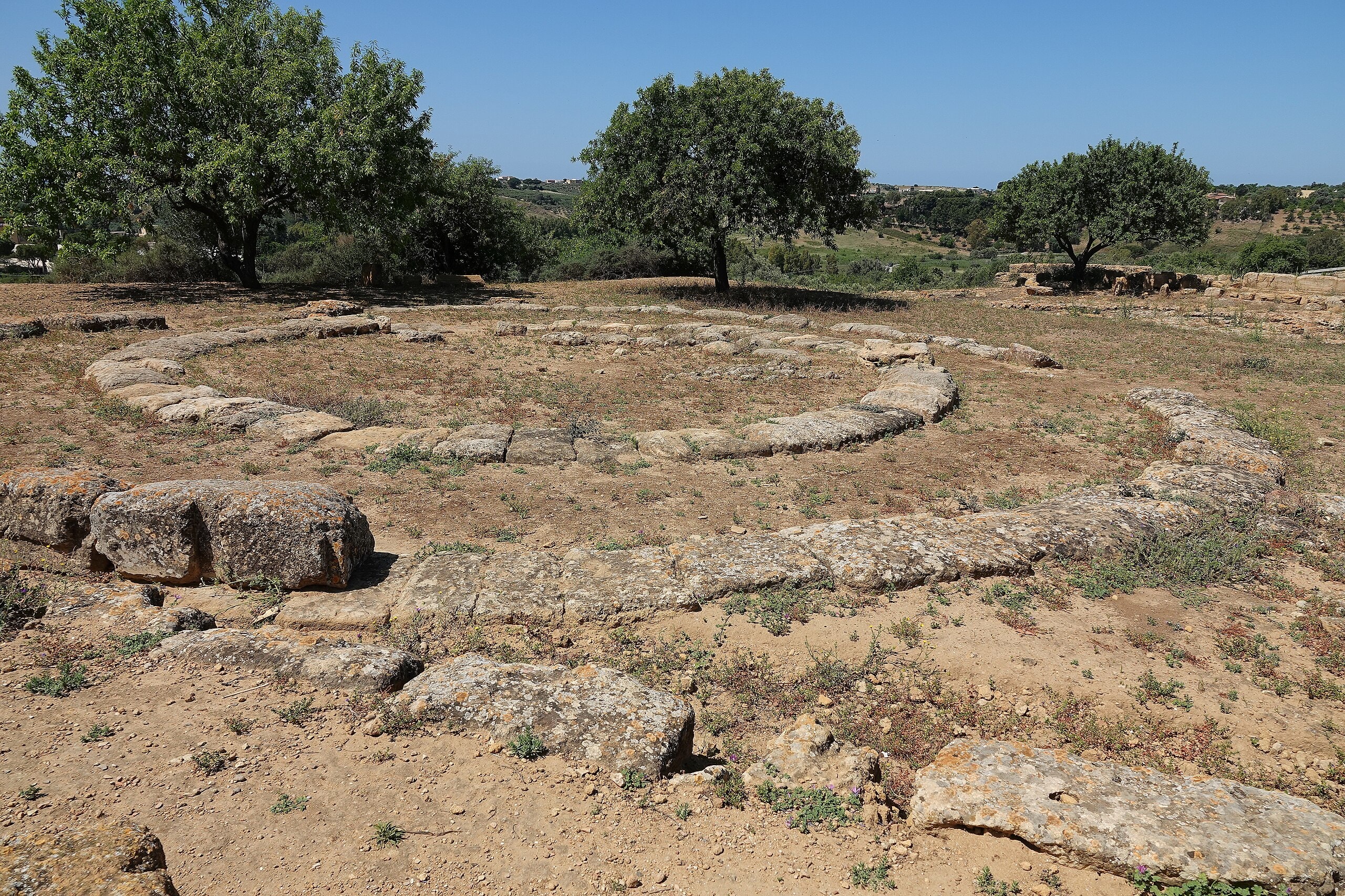
Santuario delle Divinità Ctonie
Agrigento, Sicilia, Italia
Santuario delle Divinità Ctonie in Agrigento, Sicilia, Italia.
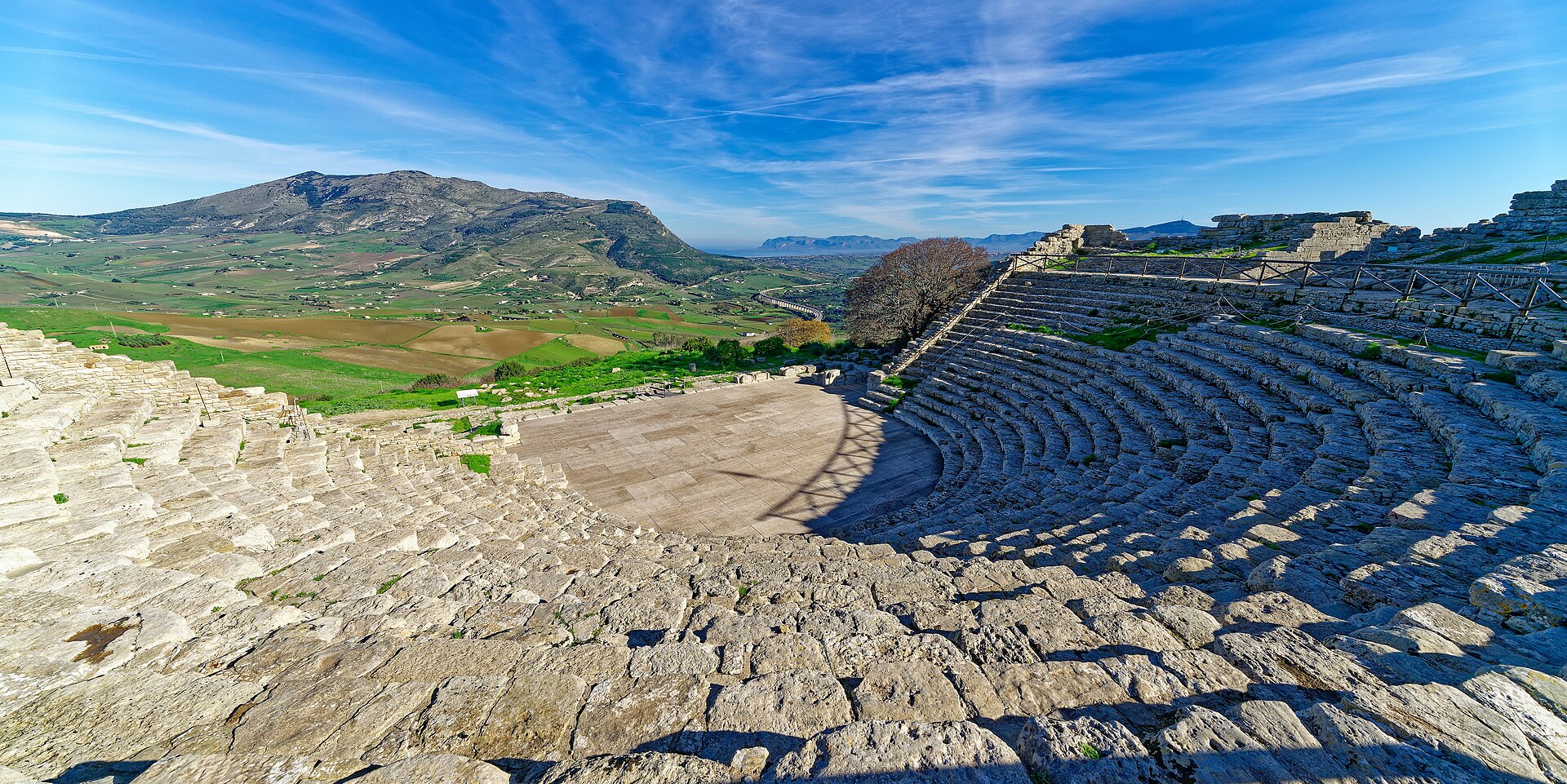
Teatro di Segesta
Calatafimi-Segesta, Sicilia, Italia
Teatro di Segesta in Calatafimi-Segesta, Sicilia, Italia.
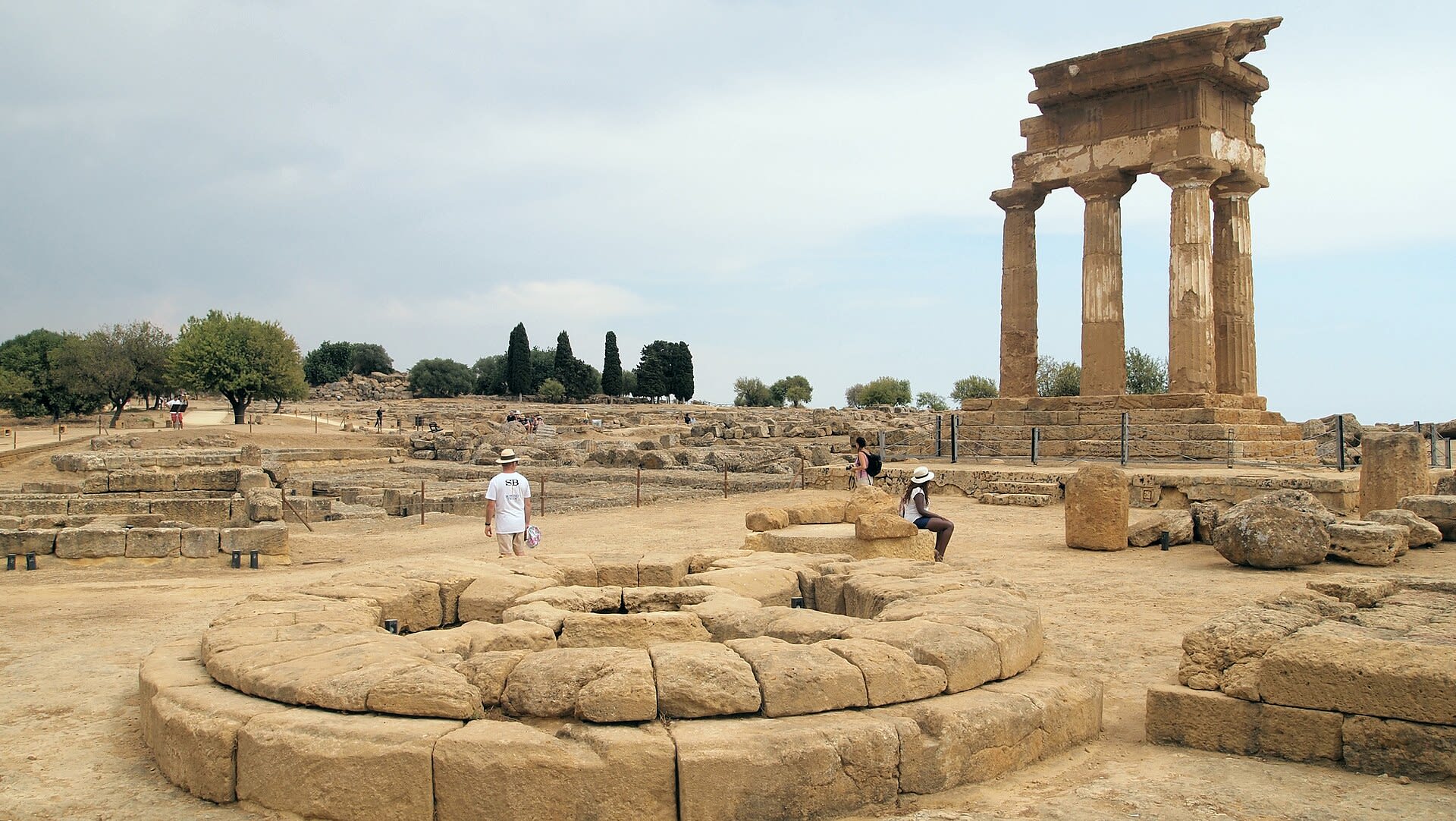
Tempio de Discuori
Agrigento, Sicilia, Italia
Tempio de Discuori in Agrigento, Sicilia, Italia.

Tempio di Apollo (C)
Selinunte, Sicilia, Italia
Tempio di Apollo (C) in Selinunte, Sicilia, Italia.

Tempio di Atena (F)
Selinunte, Sicilia, Italia
Tempio di Atena (F) in Selinunte, Sicilia, Italia.

Tempio di Ercole
Agrigento, Sicilia, Italia
Tempio di Ercole in Agrigento, Sicilia, Italia.
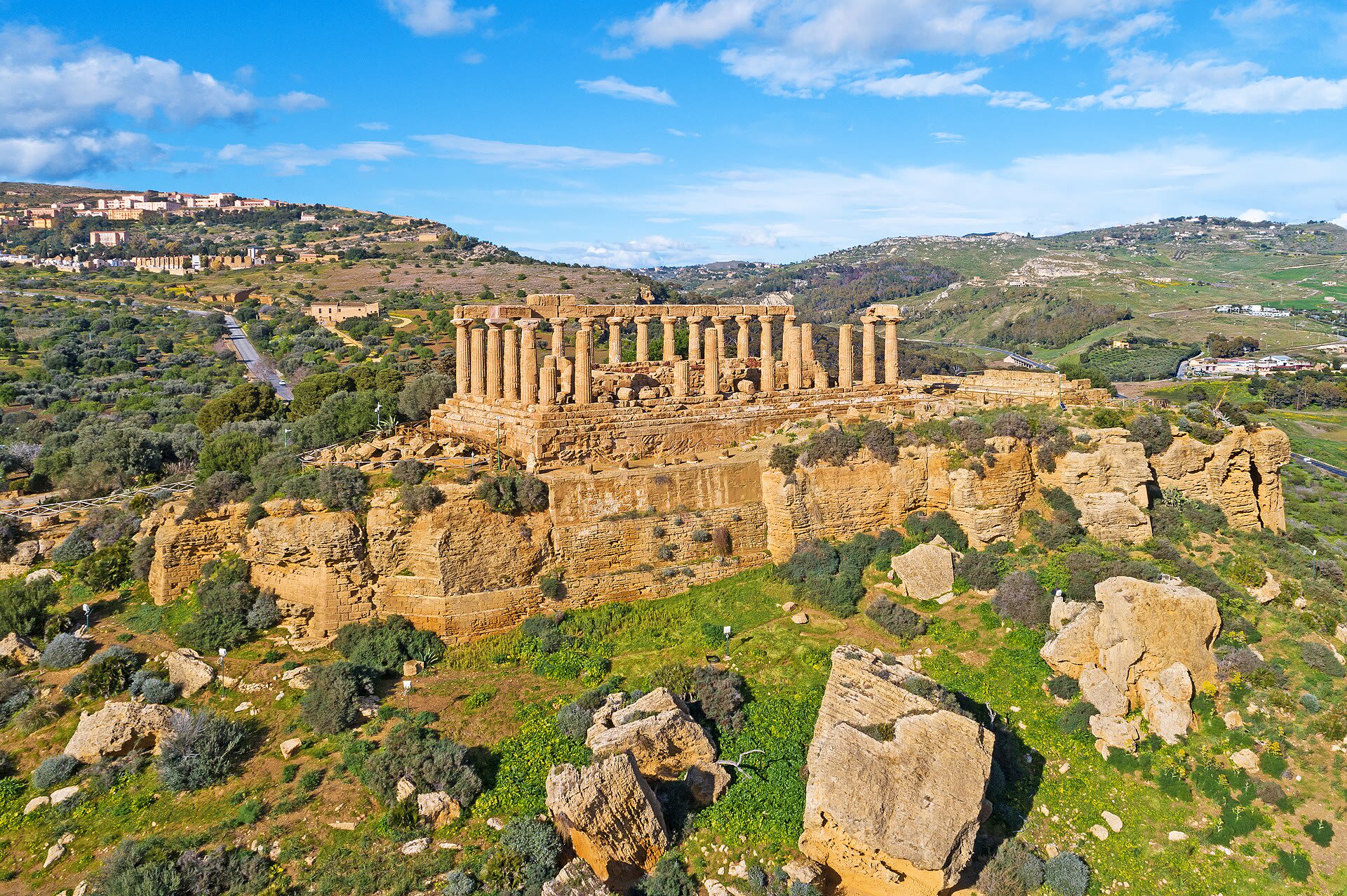
Tempio di Giunone
Agrigento, Sicilia, Italia
Tempio di Giunone in Agrigento, Sicilia, Italia.

Tempio di Hera (E)
Selinunte, Sicilia, Italia
Tempio di Hera (E) in Selinunte, Sicilia, Italia.

Tempio di Zeus (G)
Selinunte, Sicilia, Italia
Tempio di Zeus (G) in Selinunte, Sicilia, Italia.
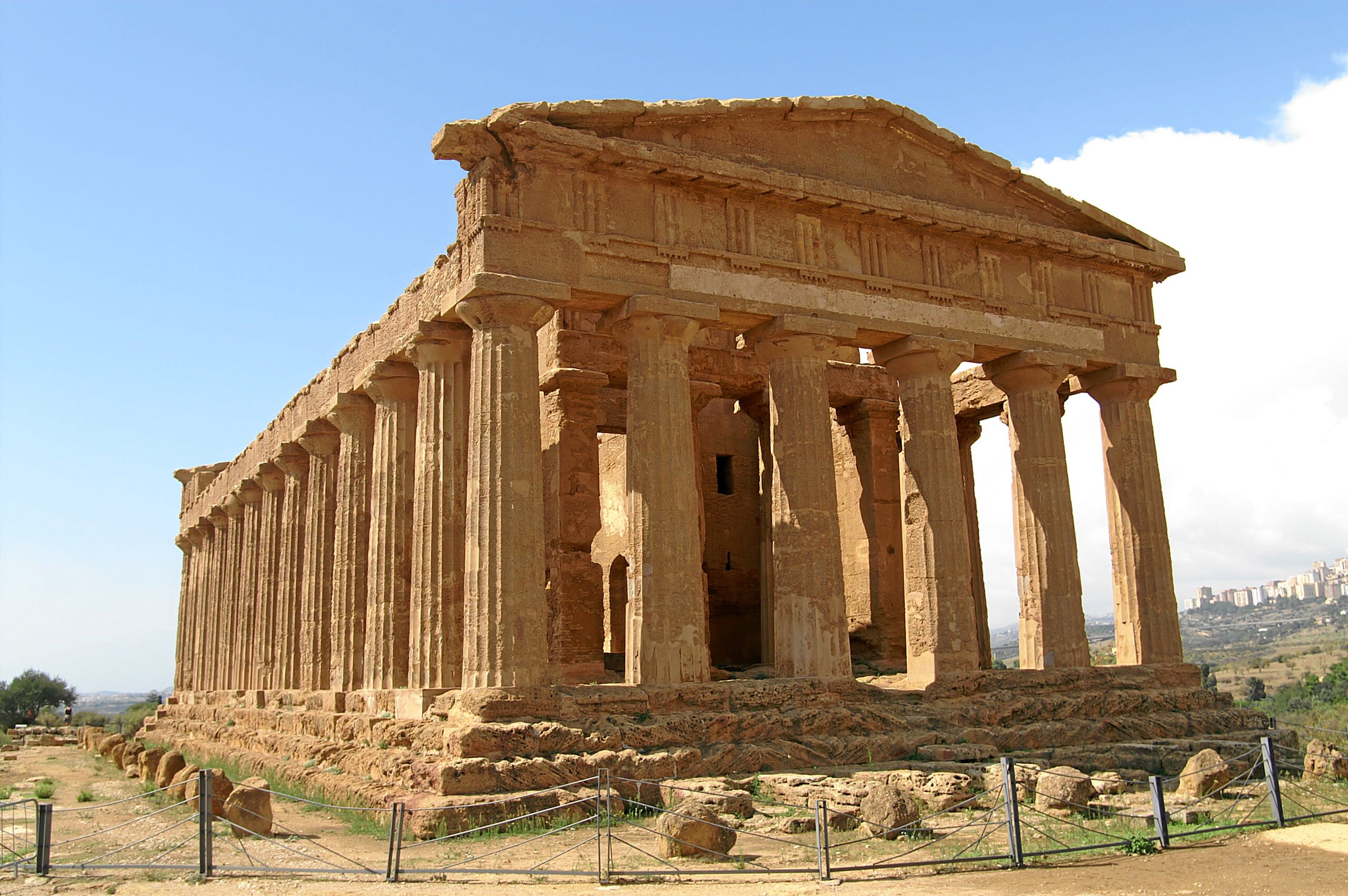
Temple of Concordia
Agrigento, Sicily, Italy
Temple of Concordia is a site of sacred significance. Approximate coordinates: 37.28968, 13.59203. Located in Agrigento, Sicilia, Italy.
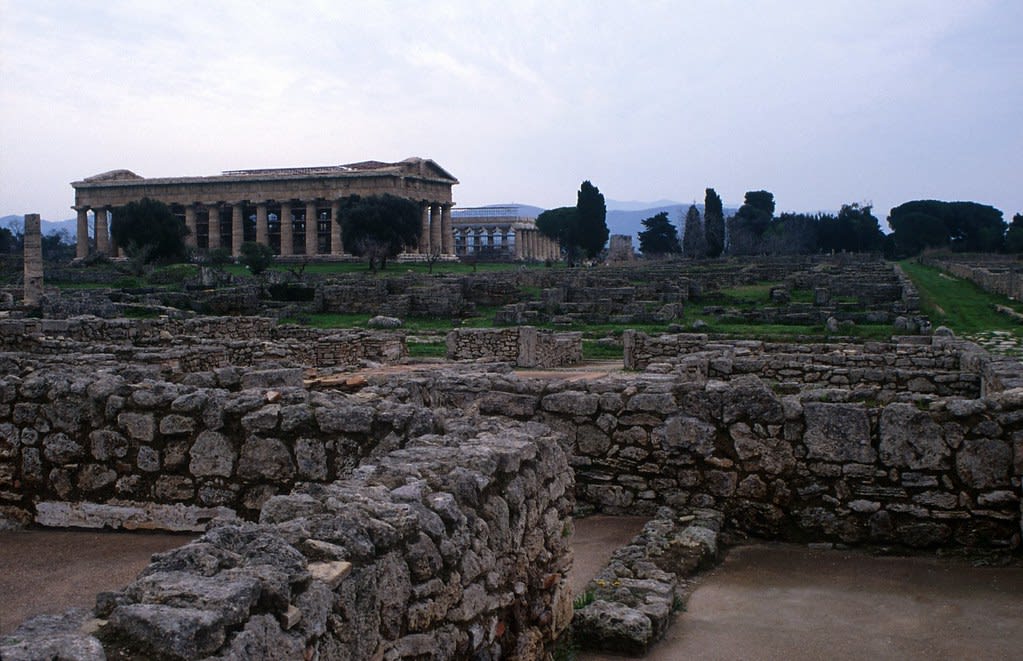
The Ruins of Paestum (Basilica of Hera)
Capaccio Paestum, Campania, Italy
Paestum is a site of sacred significance. Approximate coordinates: 40.41927, 15.00544. Paestum ( PEST-əm, US also PEE-stəm, Latin: [ˈpae̯stũː]) was a major ancient Greek city on the coast of the Tyrrhenian Sea, in Magna Graecia. The ruins of Paestum are famous for their three ancient Greek temples in the Doric order dating from about 550 to 450 BCE that are in an excellent state of preservation. The city walls and amphitheatre are largely intact, and the bottom of the walls of many other structures remain, as well as paved roads. The site is open to the public, and there is a modern national museum within it, which also contains the finds from the associated Greek site of Foce del Sele. Paestum was established around 600 BCE by settlers from Sybaris, a Greek colony in southern Italy, under the name of Poseidonia (Ancient Greek: Ποσειδωνία). The city thrived as a Greek settlement for about two centuries, witnessing the development of democracy. In 400 BCE, the Lucanians seized the city. Romans took over in 273 BCE, renaming it Paestum and establishing a Latin colony. Later, its decline ensued from shifts in trade routes and the onset of flooding and marsh formation. As Pesto or Paestum, the town became a bishopric (now only titular), but it was abandoned in the Early Middle Ages, and left undisturbed and largely forgotten until the eighteenth century. Today the remains of the city are found in the modern frazione of Paestum, which is part of the comune of Capaccio Paestum in the Province of Salerno in the region of Campania, Italy. The modern settlement, directly to the south of the archaeological site, is a popular seaside resort with long sandy beaches. The Paestum railway station on the Naples-Salerno-Reggio Calabria railway line is directly to the east of the ancient city walls. Located in Capaccio Paestum, Campania, Italy.
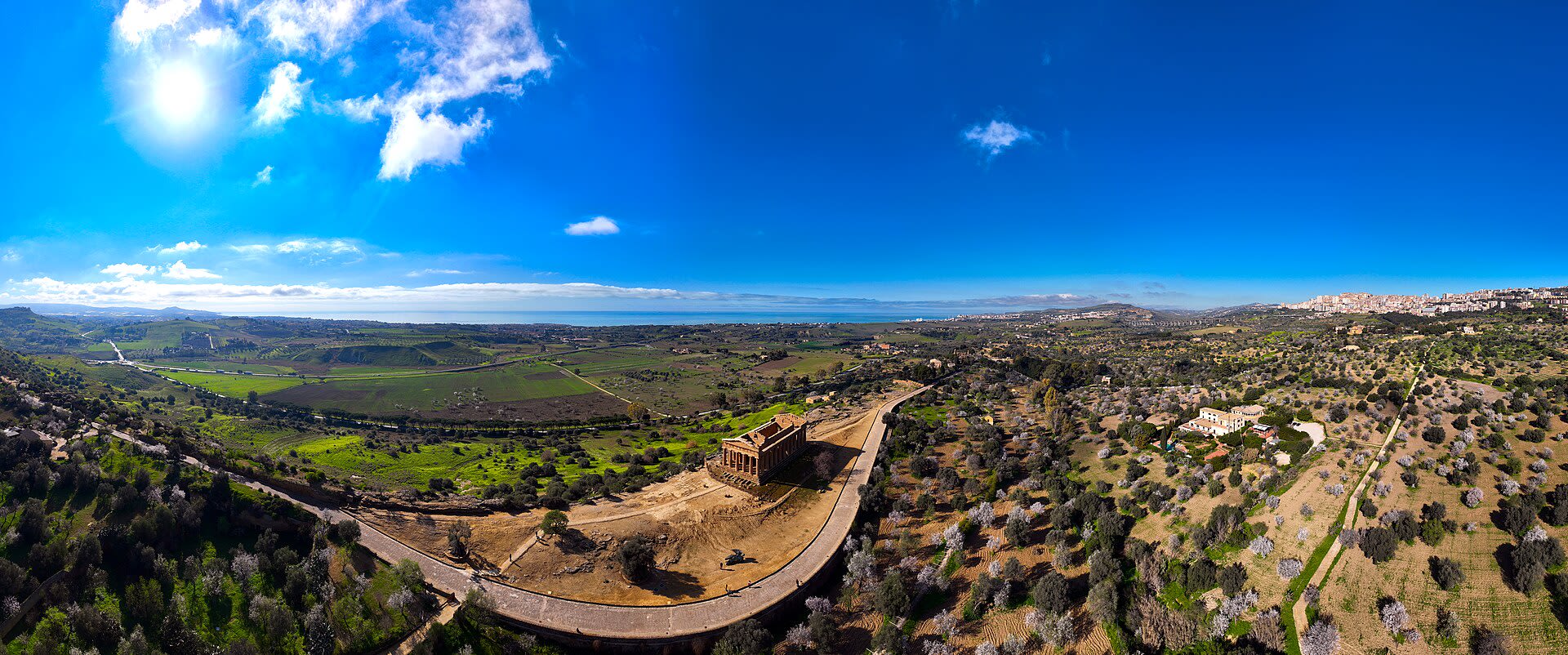
Valle dei Templi
Agrigento, Sicilia, Italia
Valle dei Templi in Agrigento, Sicilia, Italia.