Tradition guide
Islam
18 sacred sites available through this shared spiritual lineage.
Countries with strong presence
Common site types
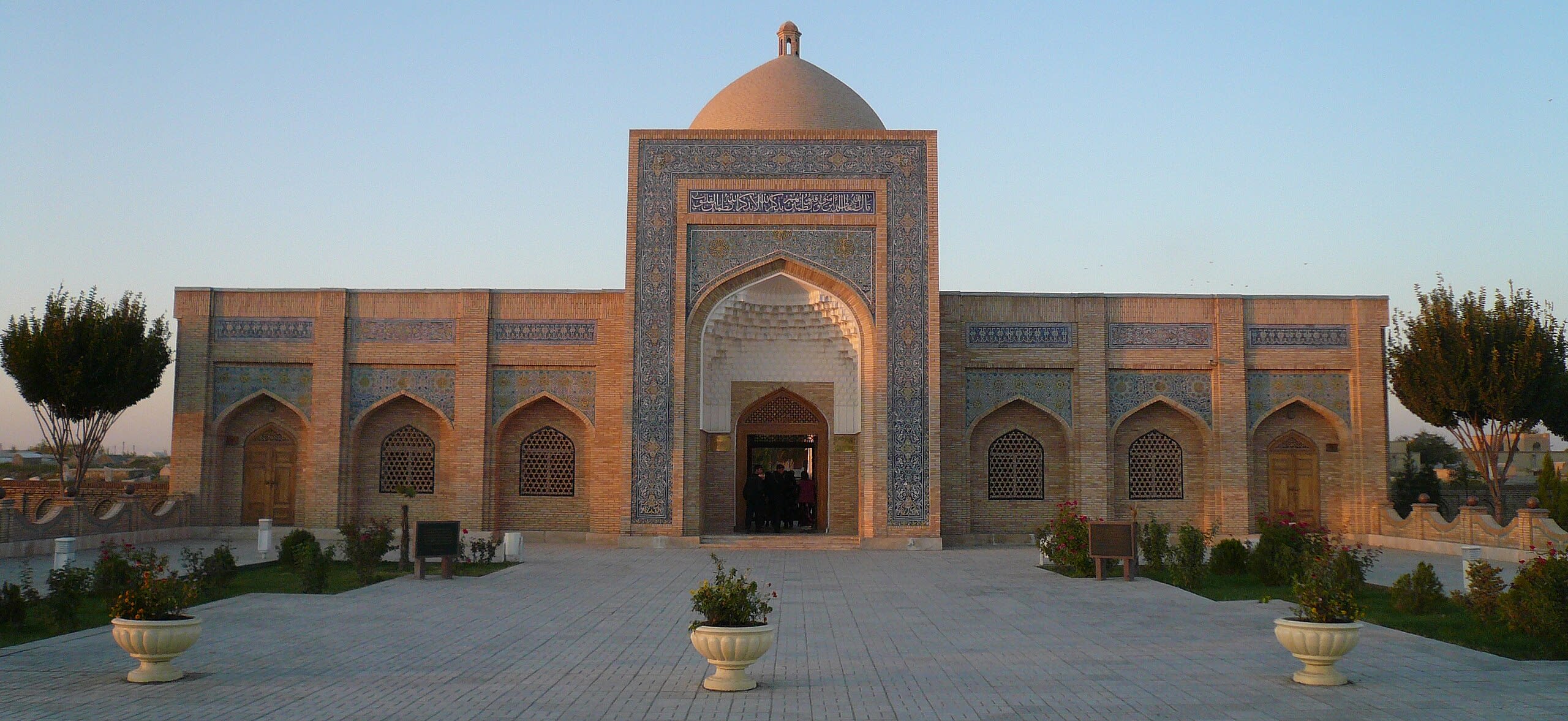
Bahauddin Naqshband Memorial Complex
Bukhara, Bukhara Province, Uzbekistan
One of the holiest sites in Central Asian Islam, the memorial complex honors Baha-ud-Din Naqshband (1318-1389), founder of the Naqshbandi Sufi order. Known as the "Central Asian Mecca," this UNESCO World Heritage Site draws over two million pilgrims annually.
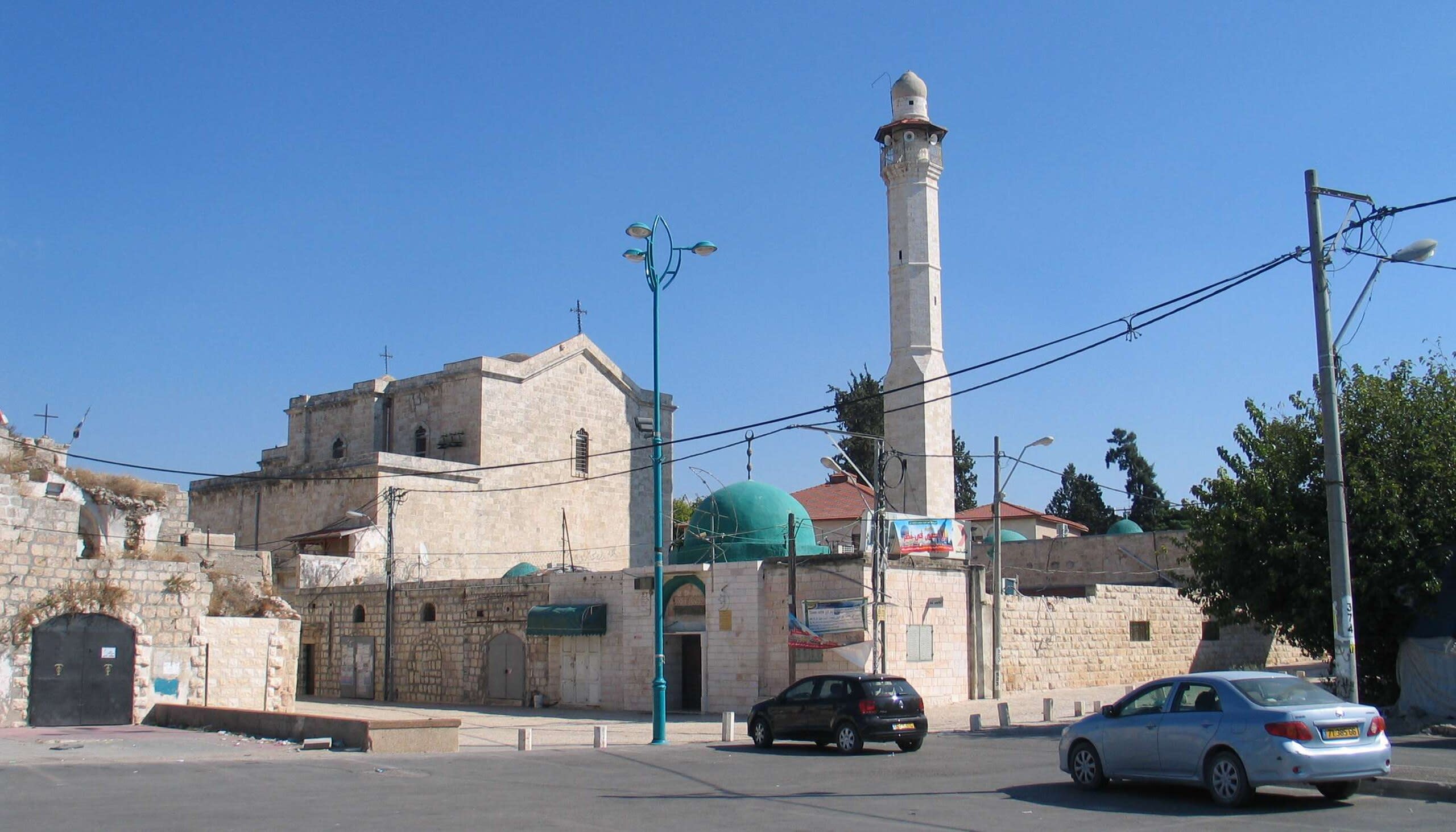
Church of St. George and mosque of El Khidr, Lod (Lynda), Israel
Lod, Center District, Israel
Church of St. George and mosque of El Khidr, Lod (Lynda), Israel is a church and mosque of sacred significance. Approximate coordinates: 31.95306, 34.89944. Attributes: built, cultural, pilgrimage. Tradition: Christianity and Islam; also recognized in Interfaith contexts. Associated figure: St. George and El Khidr. Located in לוד, מחוז המרכז, ישראל.
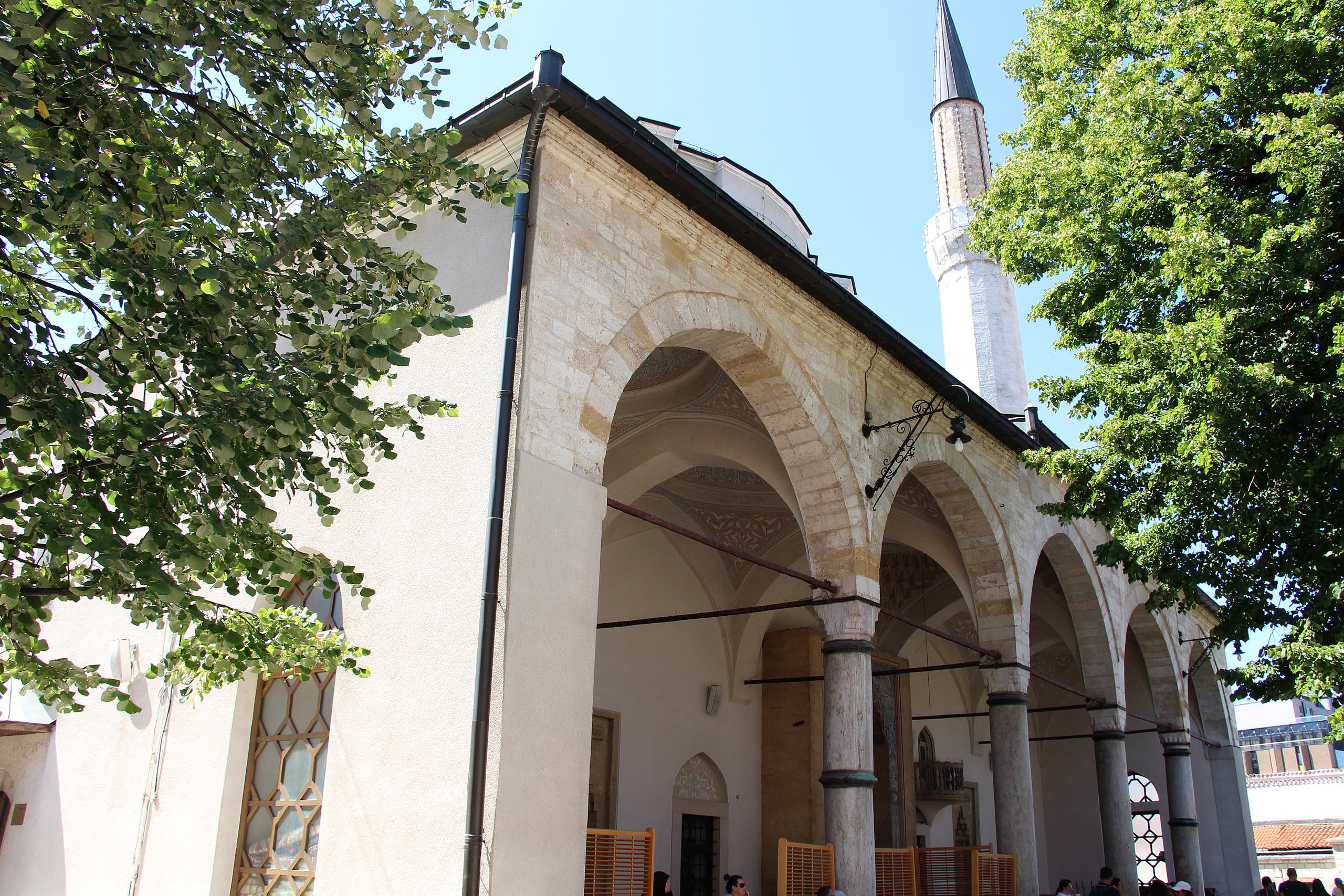
Gazi Husrev-beg Mosque
Sarajevo, Federation of Bosnia and Herzegovina, Bosnia and Herzegovina
Gazi Husrev-beg Mosque in Sarajevo, Federation of Bosnia and Herzegovina, Bosnia and Herzegovina.
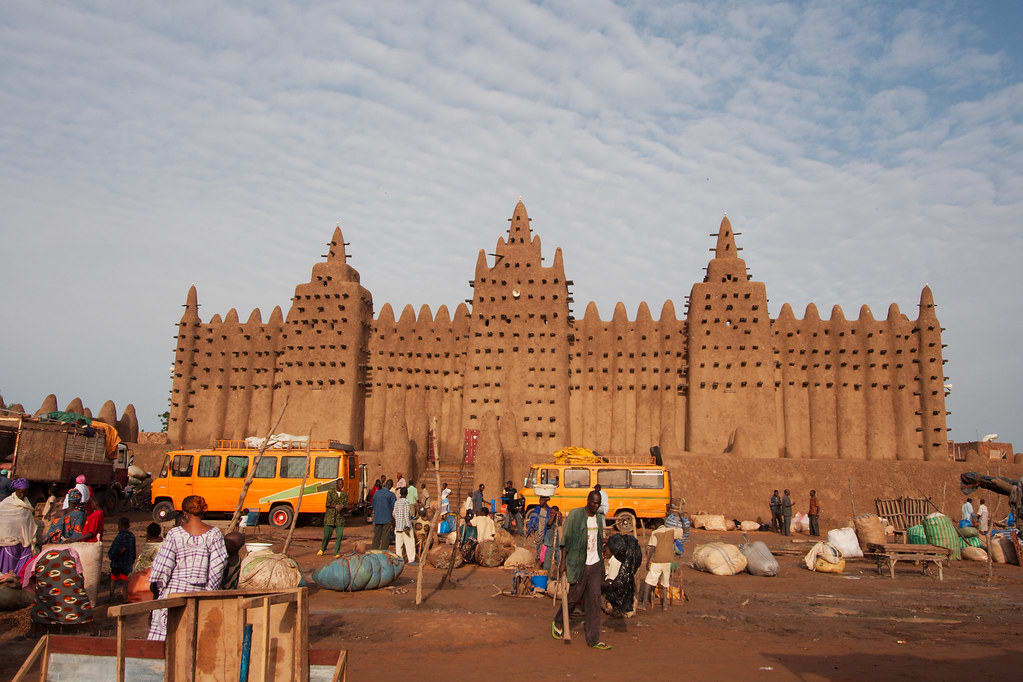
Great Mosque of Djenné
Djenné, Mopti, Mali
Djenne is a mosque of sacred significance. Approximate coordinates: 13.90517, -4.55542. Attributes: built, cultural. Tradition: Islamic. Recognized as a UNESCO World Heritage Site. Located in Djenné, Mopti, Mali.
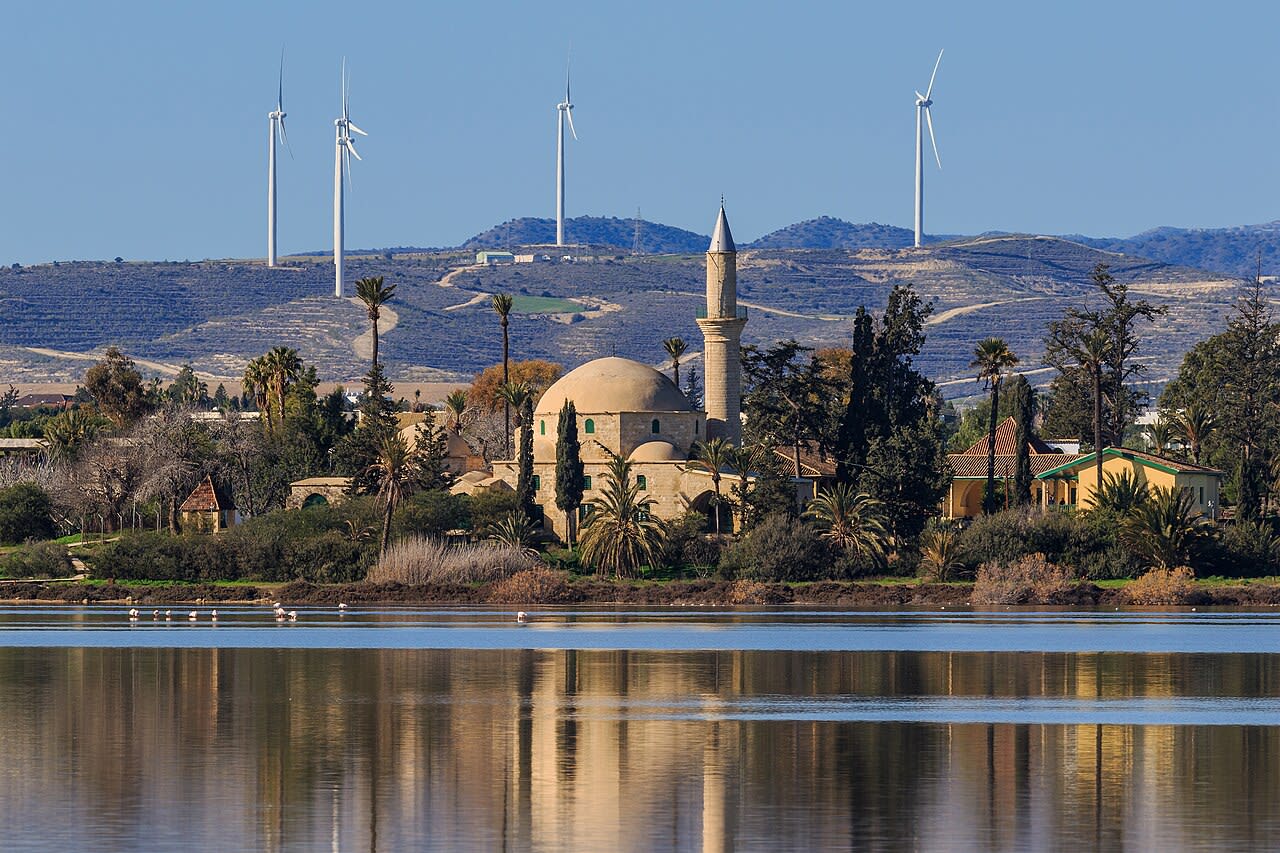
Hala Sultan Tekki
Dromolaxia - Meneou Municipality, Cyprus, Cyprus
Hala Sultan Tekki is a mosque of sacred significance. Approximate coordinates: 34.88561, 33.61005. Attributes: built, cultural, pilgrimage. Tradition: Islam. Located in Δήμος Λάρνακας, Κύπρος, Κύπρος - Kıbrıs.
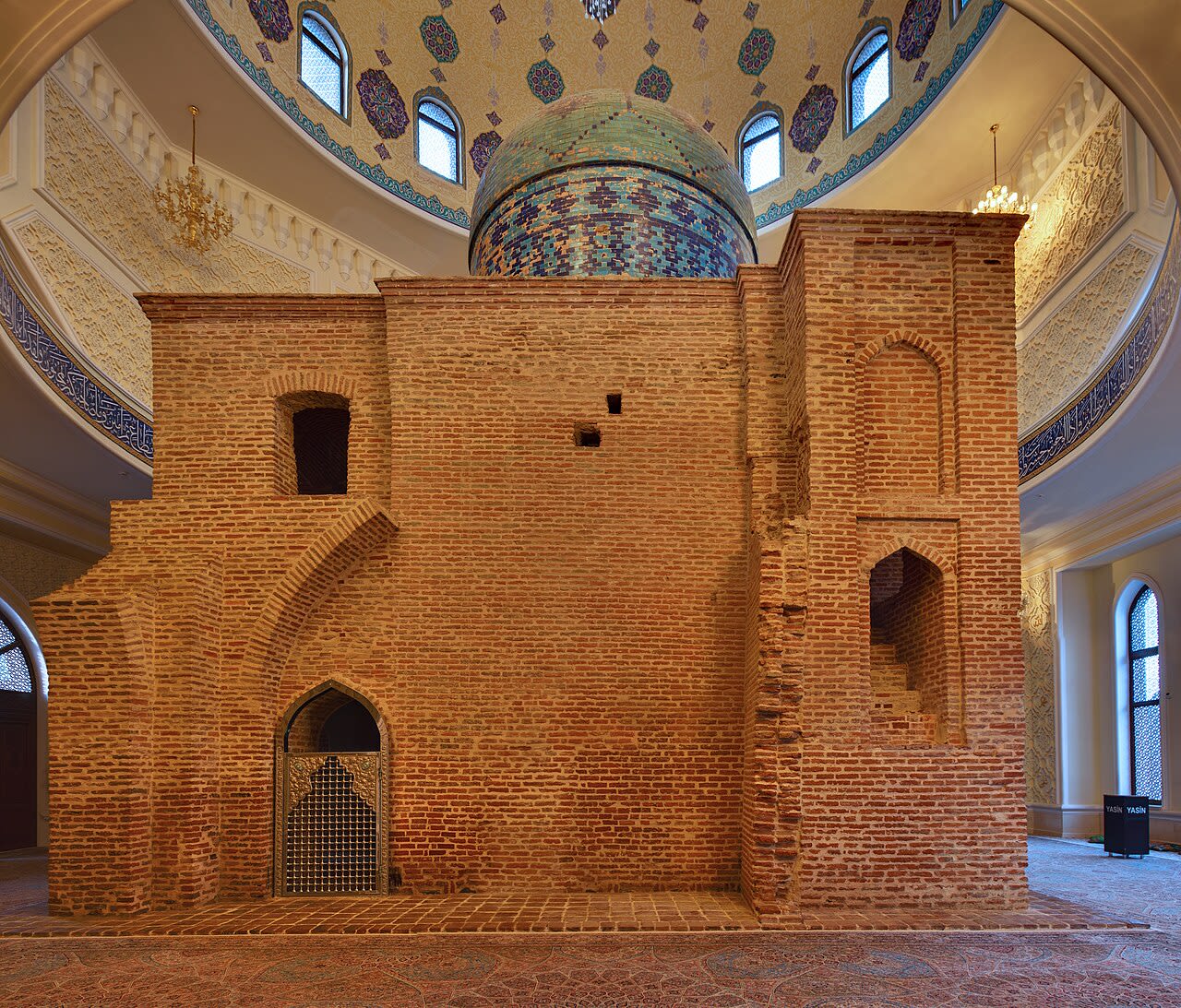
Imamzadeh Mausoleum, Ganja
Ganja City, Azerbaijan
Imamzadeh Mausoleum, Ganja is a mausoleum of sacred significance. Approximate coordinates: 40.71516, 46.42544. Attributes: built, cultural, pilgrimage. Tradition: Islamic. Associated figure: Imamzadeh. Located in Azərbaycan.
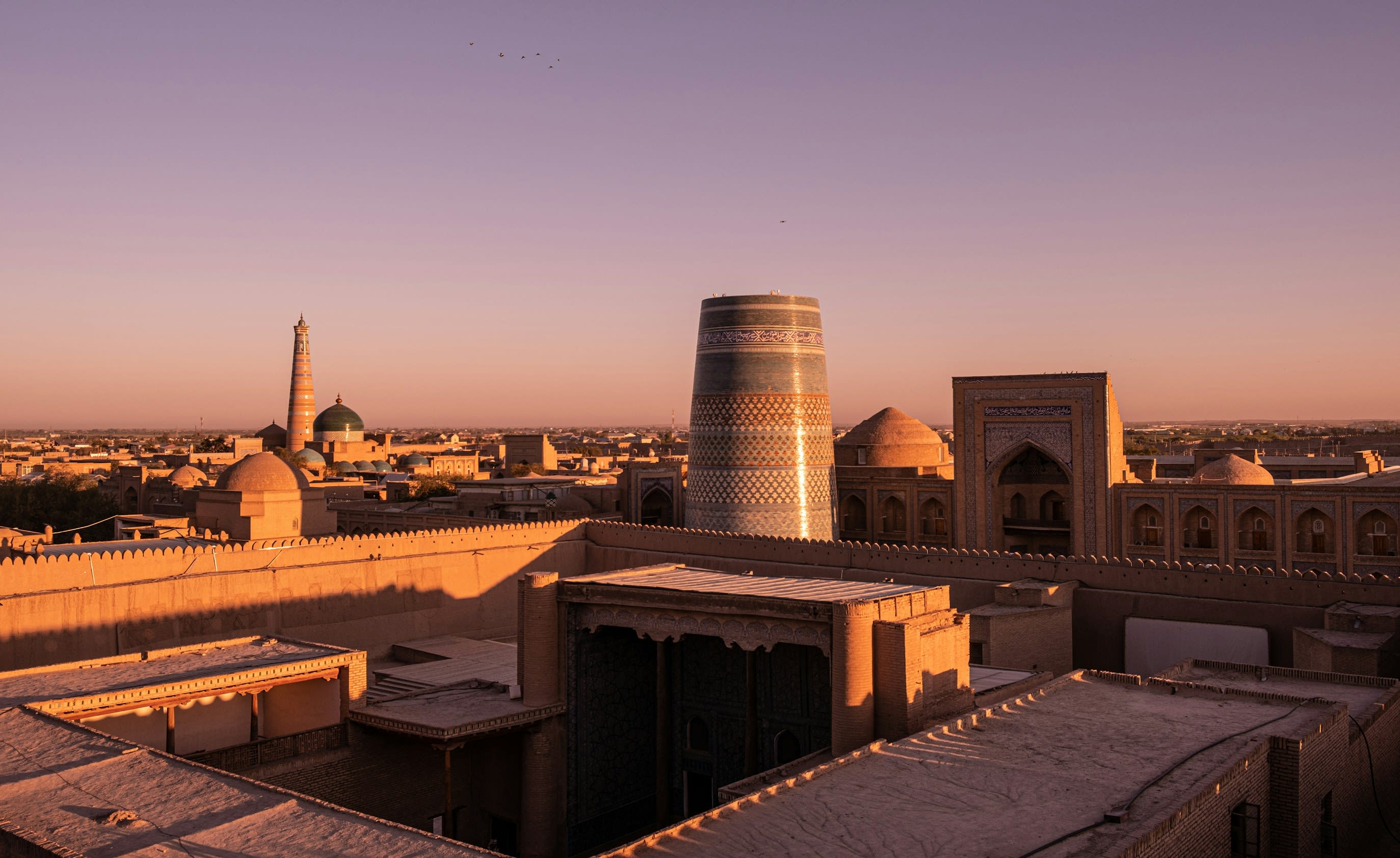
Itchan Kala
Khiva, Xorazm Region, Uzbekistan
Itchan Kala is a historic town of sacred significance. Approximate coordinates: 41.37775, 60.35977. Attributes: built, cultural. Tradition: Islamic. Recognized as a UNESCO World Heritage Site. Itchan Kala (Uzbek: Ichan-Qаl’а) is the walled inner town of the city of Khiva, Uzbekistan. Since 1990, it has been protected as a World Heritage Site. The old town retains more than 50 historic monuments and 250 old houses, dating primarily from the eighteenth or nineteenth centuries. Juma Mosque, for instance, was established in the tenth century and rebuilt from 1788 to 1789, although its celebrated hypostyle hall still retains 112 columns taken from ancient structures. Notable buildings in Itchan Kala are Konya Ark, Juma Mosque, Ak Mosque, Hasanmurod Qushbegi mosque, madrasahs of Alla-Kulli-Khan, Muhammad Aminkhon, Muhammad Rakhimkhon, Mausoleums of Pahlavon Mahmoud, Sayid Allavuddin, Shergozikhon as well as caravanserais and markets. Located in Xorazm Viloyati, Oʻzbekiston.
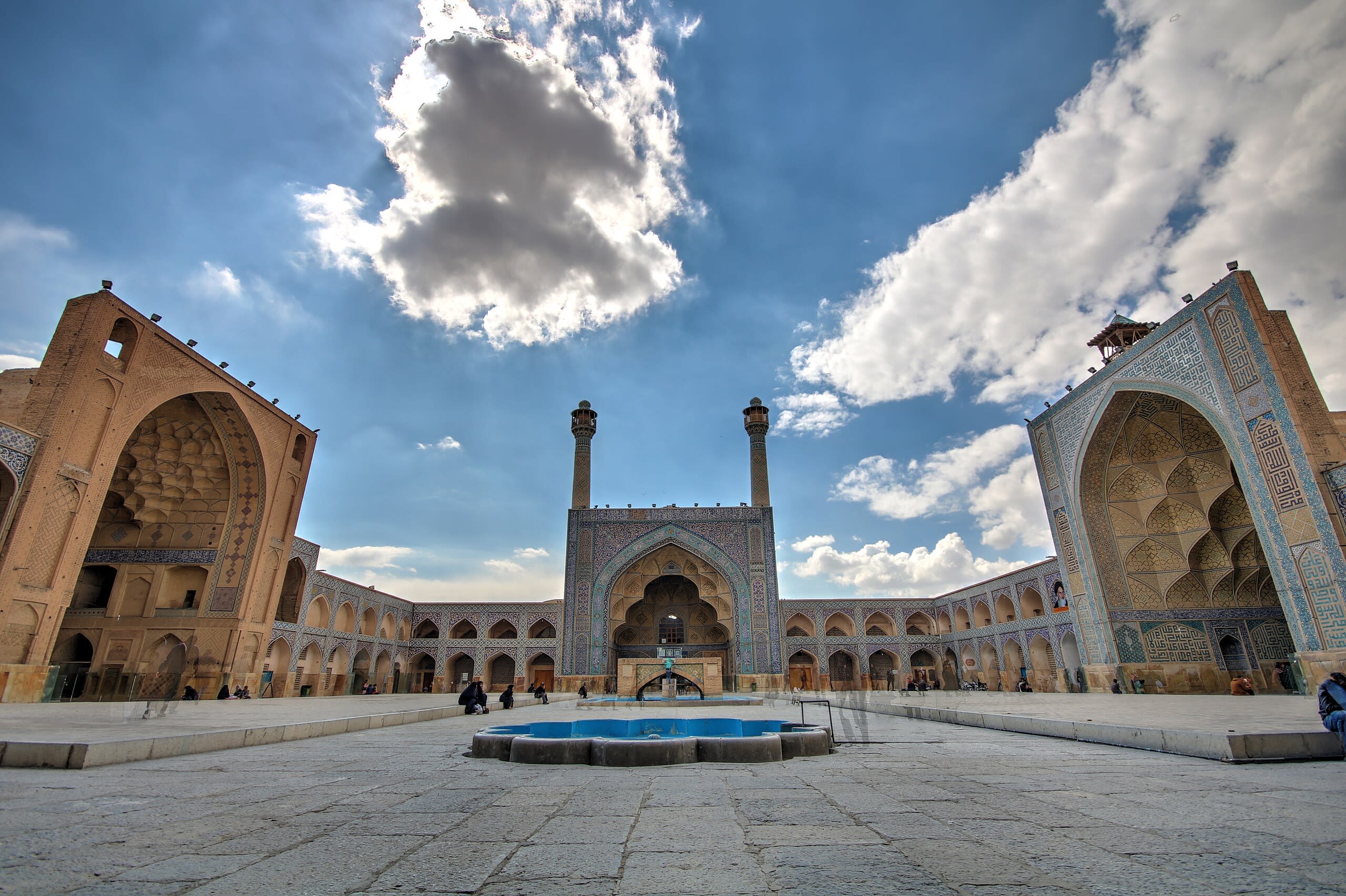
Jame' Mosque of Isfahan
Isfahan, Isfahan, Iran
No description available yet.
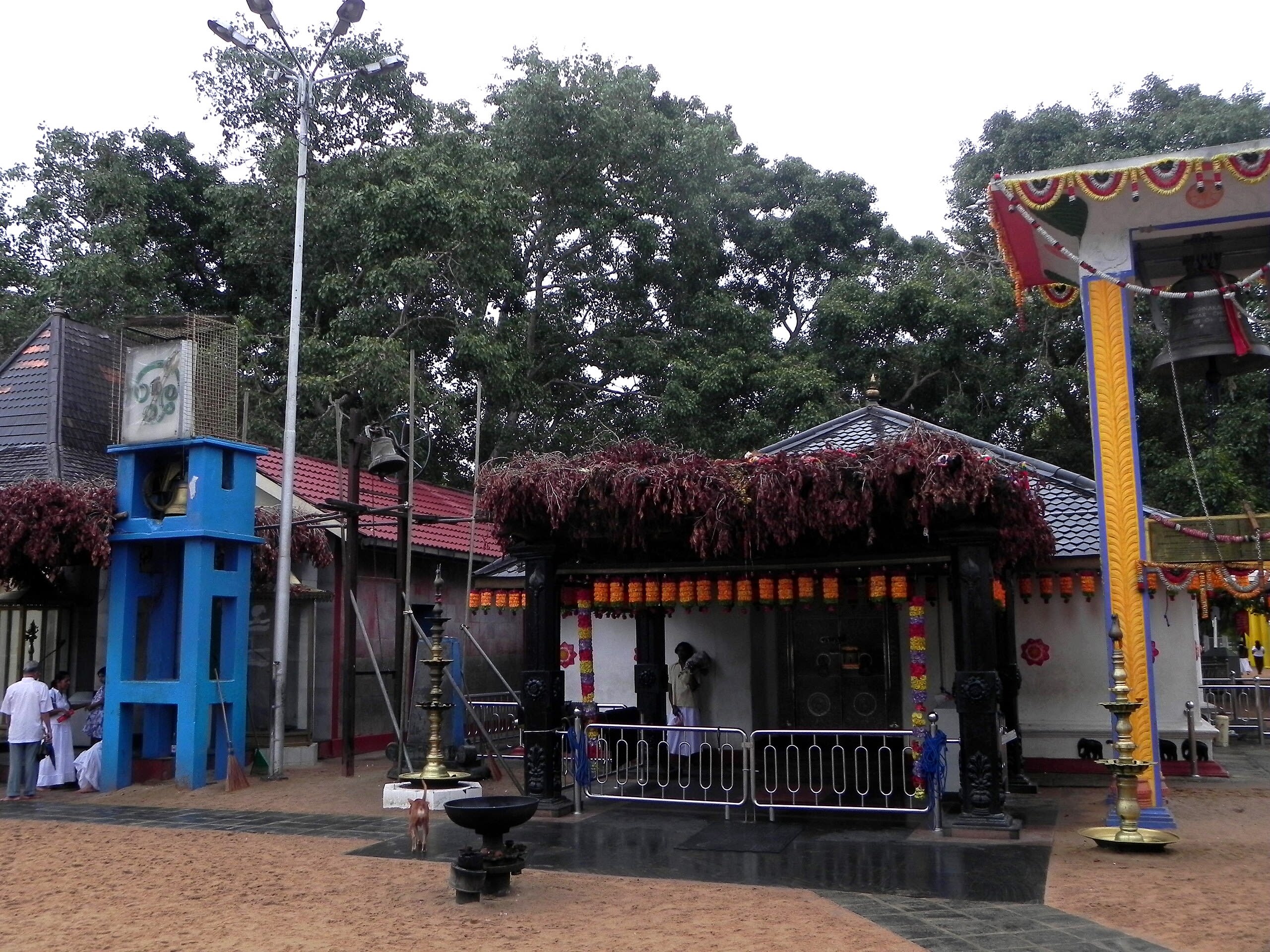
Kataragama Temple, Sri Lanka
Kataragama, Uva Province, Sri Lanka
Kataragama Mosque, Sri Lanka is a mosque of sacred significance. Approximate coordinates: 6.41644, 81.33554. Attributes: built, cultural, pilgrimage. Tradition: Islamic. Located in Uva Province, Sri Lanka.
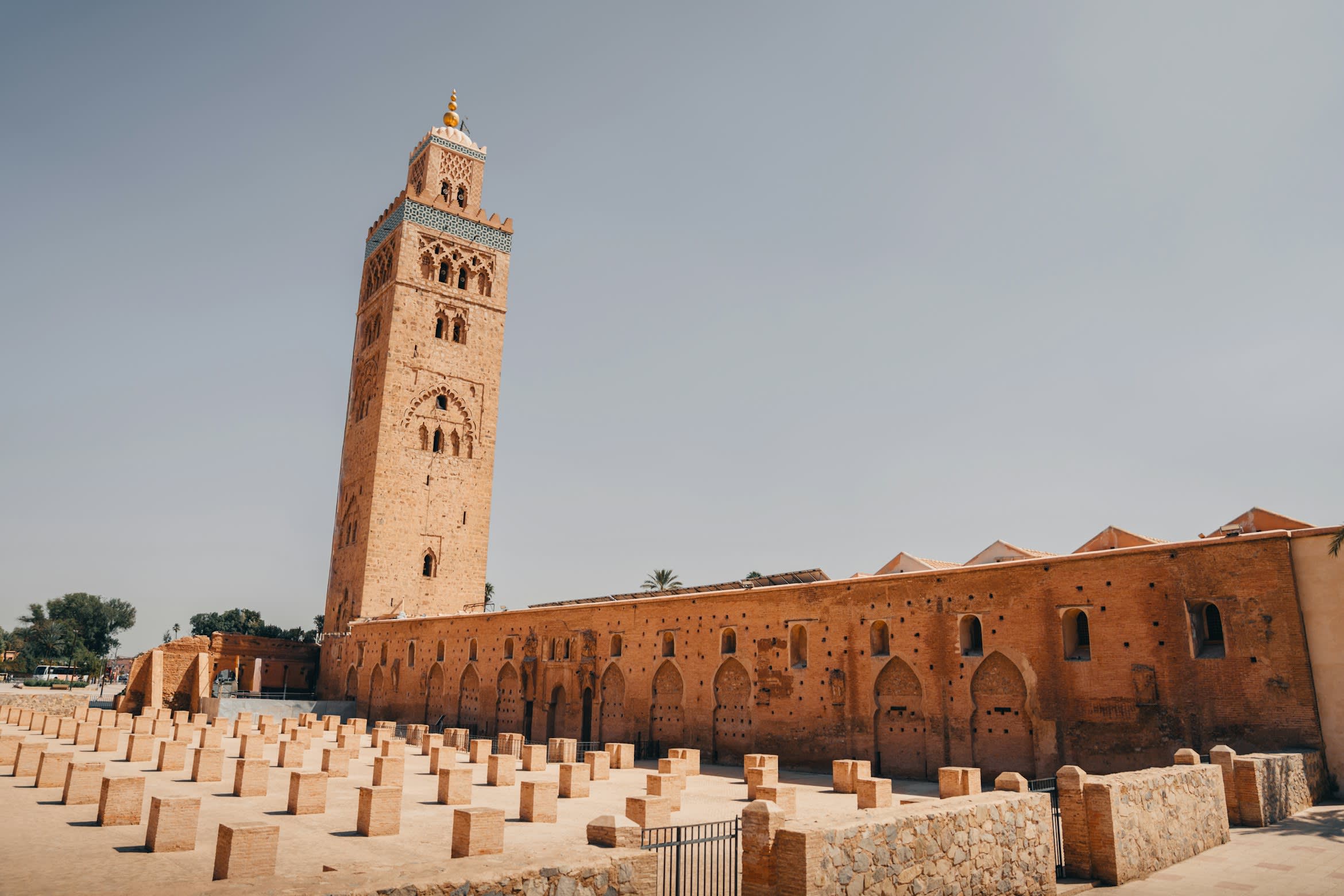
Koutoubia Mosque
Marrakech, Marrakech-Safi, Morocco
Koutoubia Mosque in Marrakech, Marrakech-Safi, Morocco.
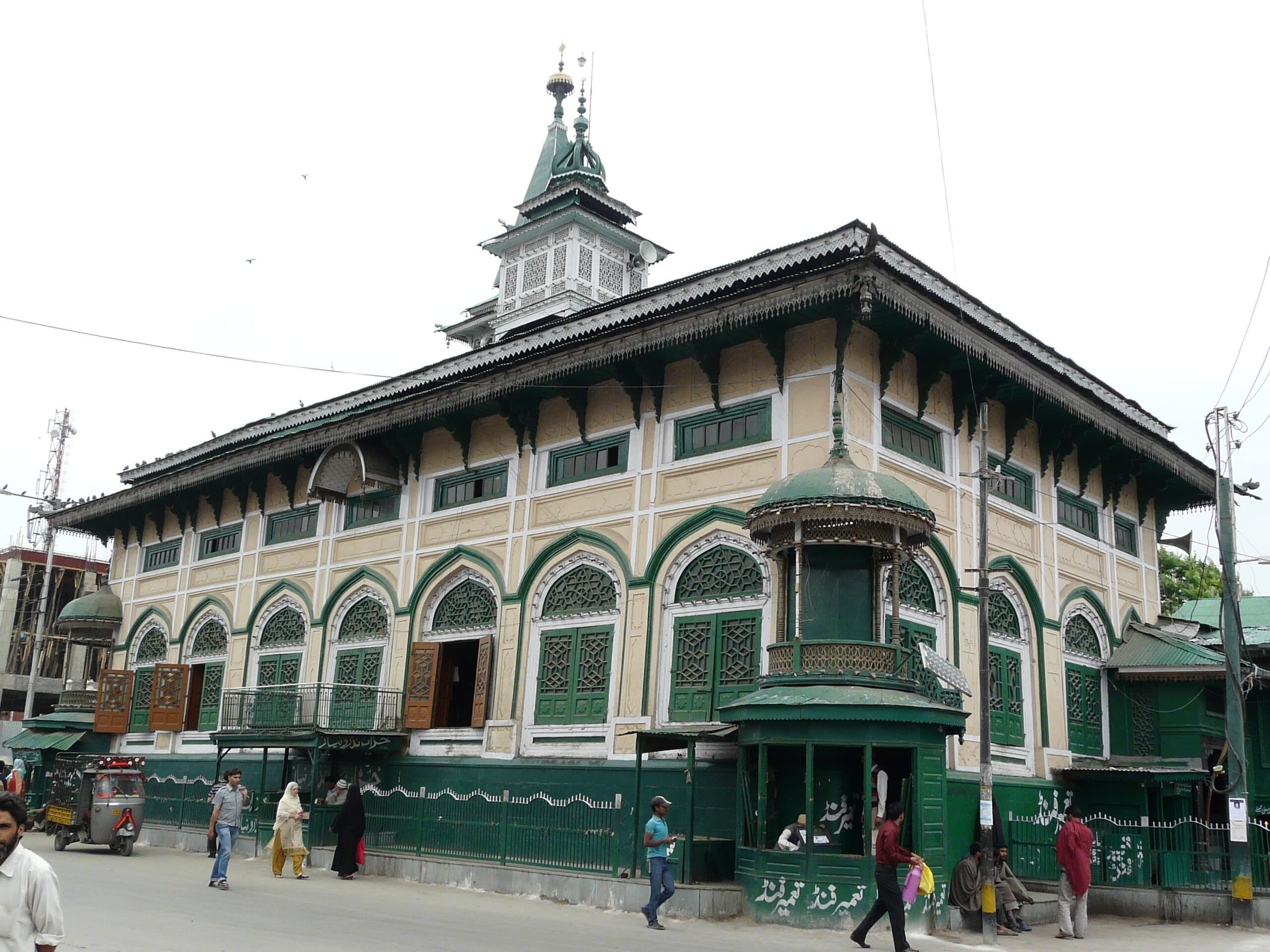
Masjid Dastgeer Sahib, Kashmir
Srinagar, Jammu and Kashmir, India
Dastgeer Sahib, Kashmir is a shrine of sacred significance. Approximate coordinates: 34.09327, 74.81725. Attributes: built, cultural, pilgrimage. Tradition: Islamic. Associated figure: Sheikh Syed Abdul Qadir Jilani. Located in Srinagar, Jammu and Kashmir, India.
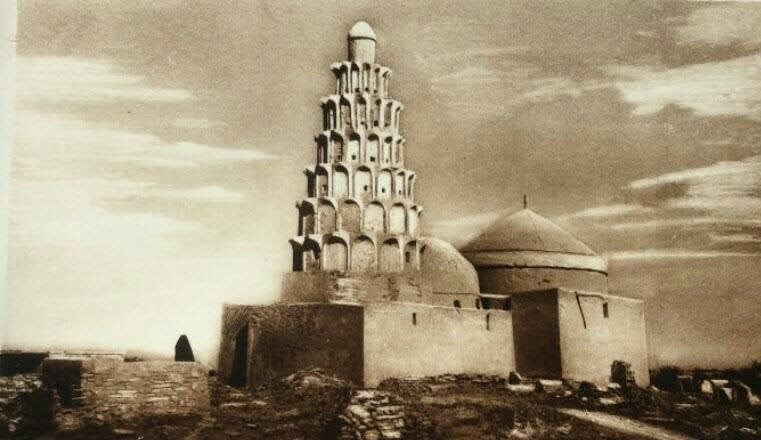
Mausoleum of Imam al-Hasan of Basra
Az Zubayr, Al-Basra Governorate, Iraq
Mausoleum of Alhasan Albasri, Basra is a mausoleum of sacred significance. Approximate coordinates: 30.38418, 47.69879. Attributes: built, cultural, pilgrimage. Tradition: Islamic. Associated figure: Alhasan Albasri. Located in الزبير, محافظة البصرة, العراق.
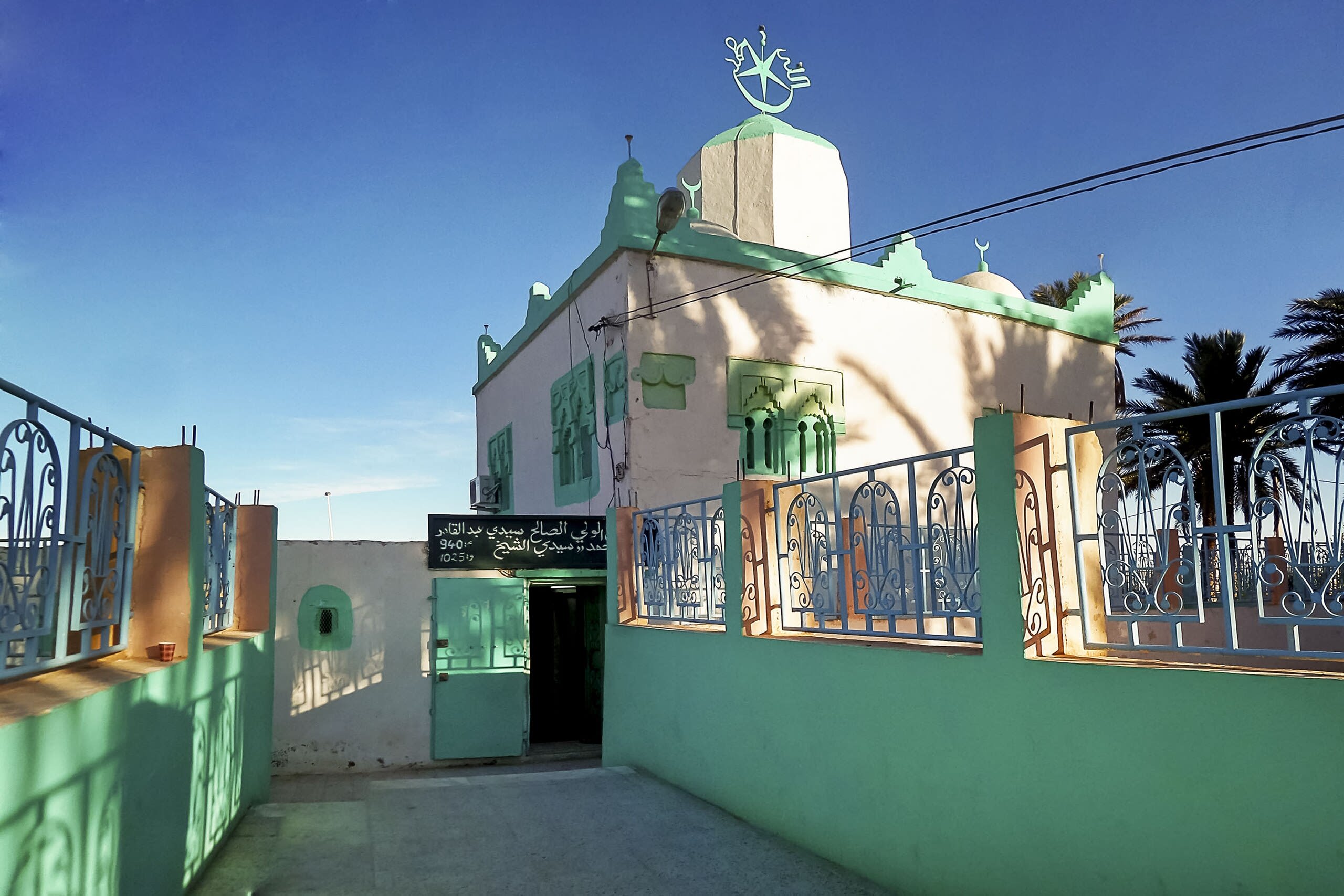
Mausoleum of Sidi Shaykh
El Abiodh Sidi Cheikh, El Bayadh, Algeria
Mausoleum Sidi Shaykh, El Abiodh Sidi Cheikh, Algeria is a mausoleum of sacred significance. Approximate coordinates: 32.89155, 0.54563. Attributes: built, cultural, pilgrimage, ceremonial. Tradition: Islamic. Associated figure: Sidi Abd El Qader Ben Mohammed Sidi Cheikh. Located in El Abiodh Sidi Cheikh ⵍⴻⴱⵢⴻⴹ ⵙⵉⴷⵉ ⵛⵛⵉⵅ الأبيض سيدي الشيخ, El Bayadh, Algérie ⵍⵣⵣⴰⵢⴻⵔ الجزائر.
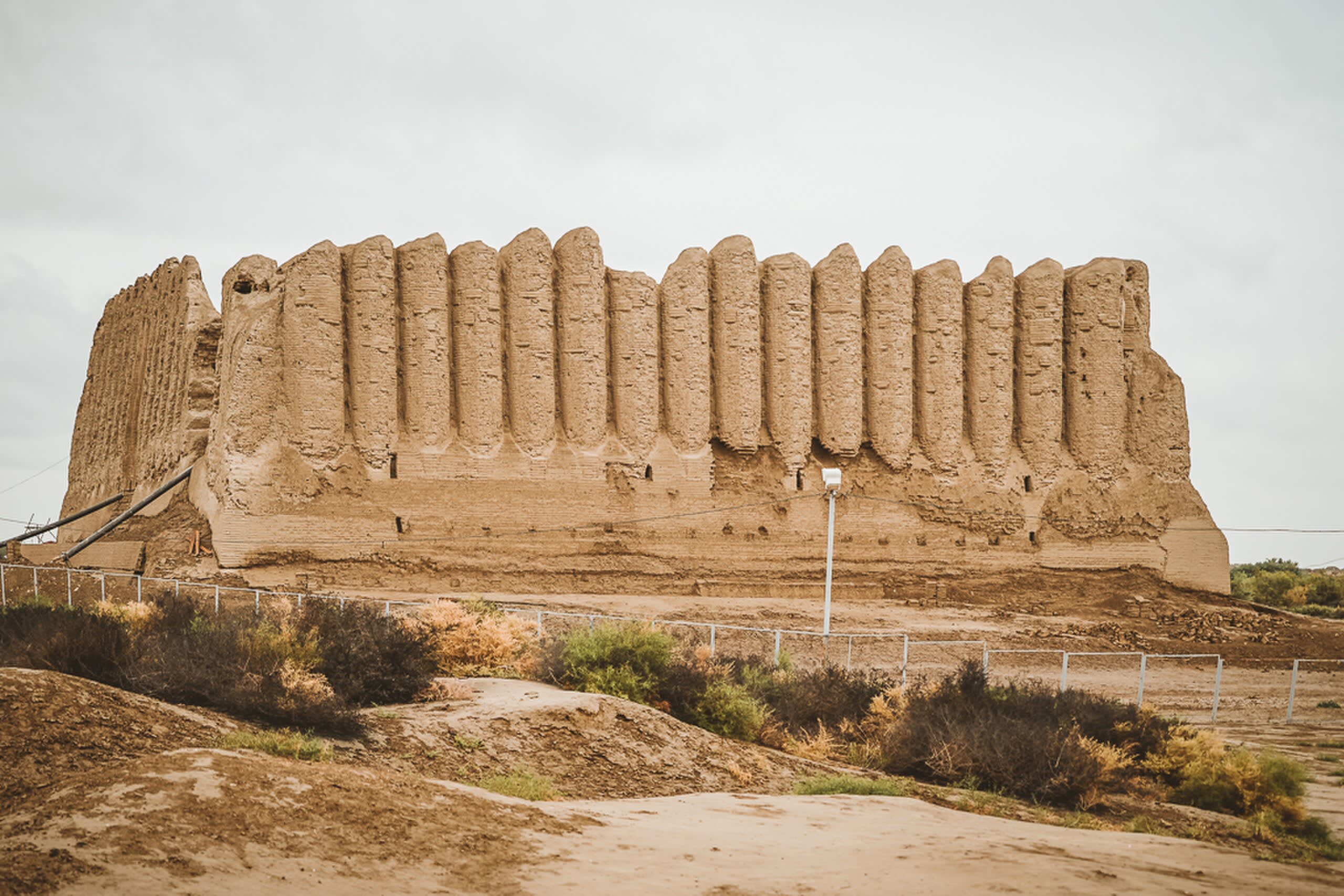
Merv Oasis
Mary, Mary Region, Turkmenistan
Hoja Ýusup Hemedany, Merv is a mausoleum of sacred significance. Approximate coordinates: 37.67867, 62.17064. Attributes: built, cultural, archaeological, pilgrimage. Tradition: Islamic. Associated figure: Hoja Ýusup Hemedany. Recognized as a UNESCO World Heritage Site. Located in Baýramaly etraby, Türkmenistan.
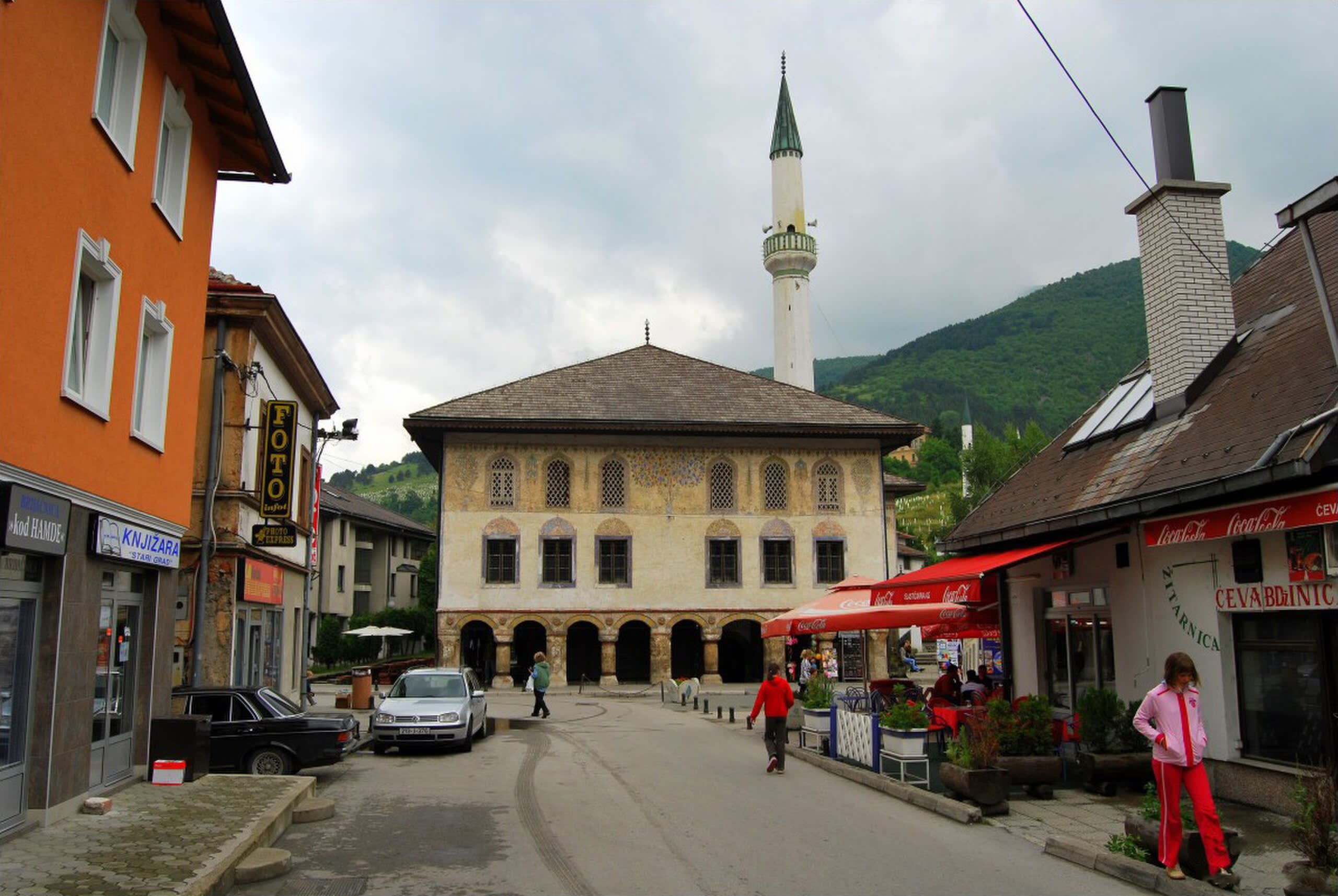
Ornamented Mosque
Travnik, Federation of Bosnia and Herzegovina, Bosnia and Herzegovina
Ornamented Mosque in Travnik, Federation of Bosnia and Herzegovina, Bosnia and Herzegovina.
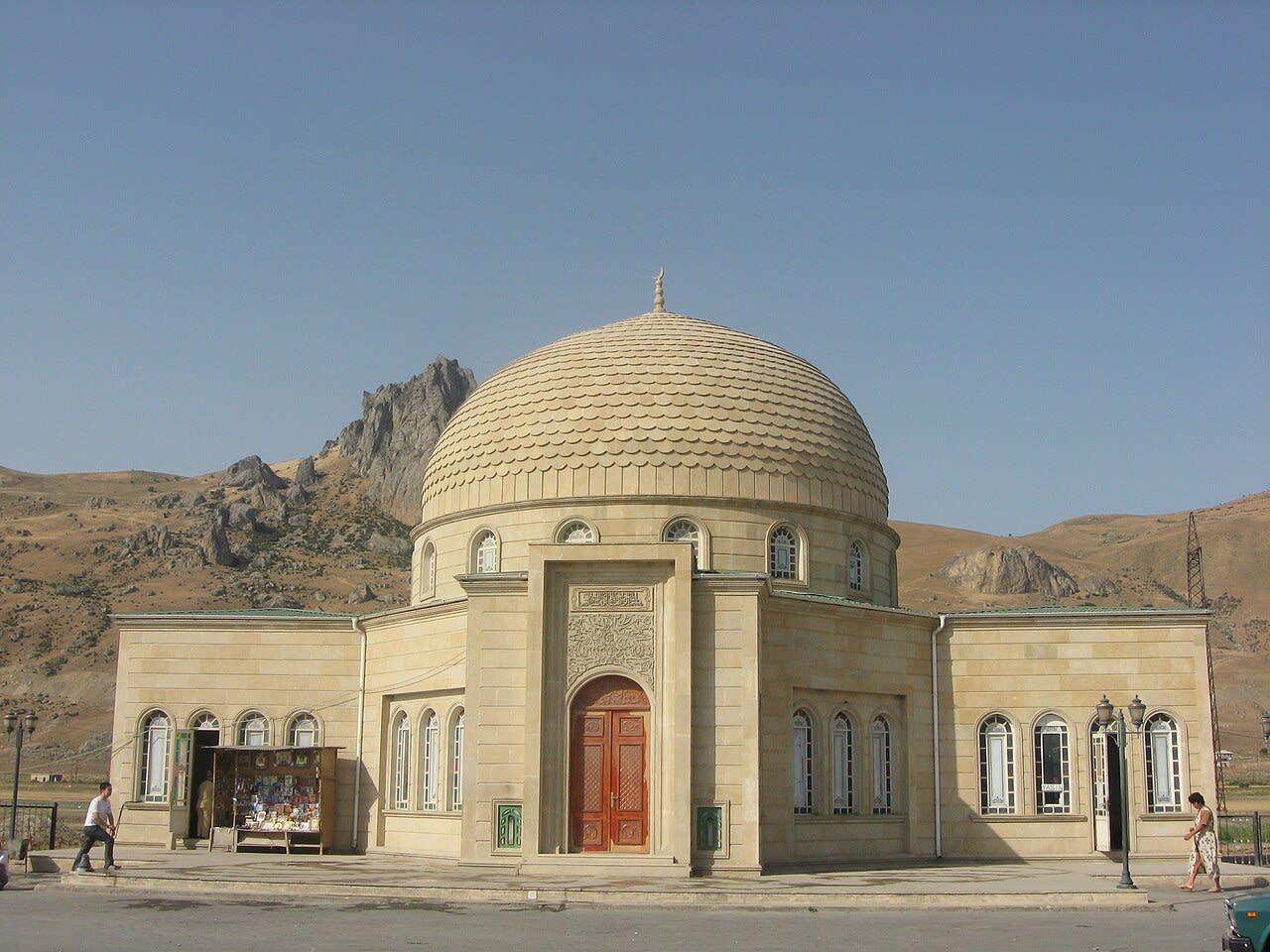
Pir Khidir Zinda
Siyazan, Siyazan Rayon (District), Azerbaijan
Pir Khidir Zinda in Siyazan, Siyazan Rayon (District), Azerbaijan.
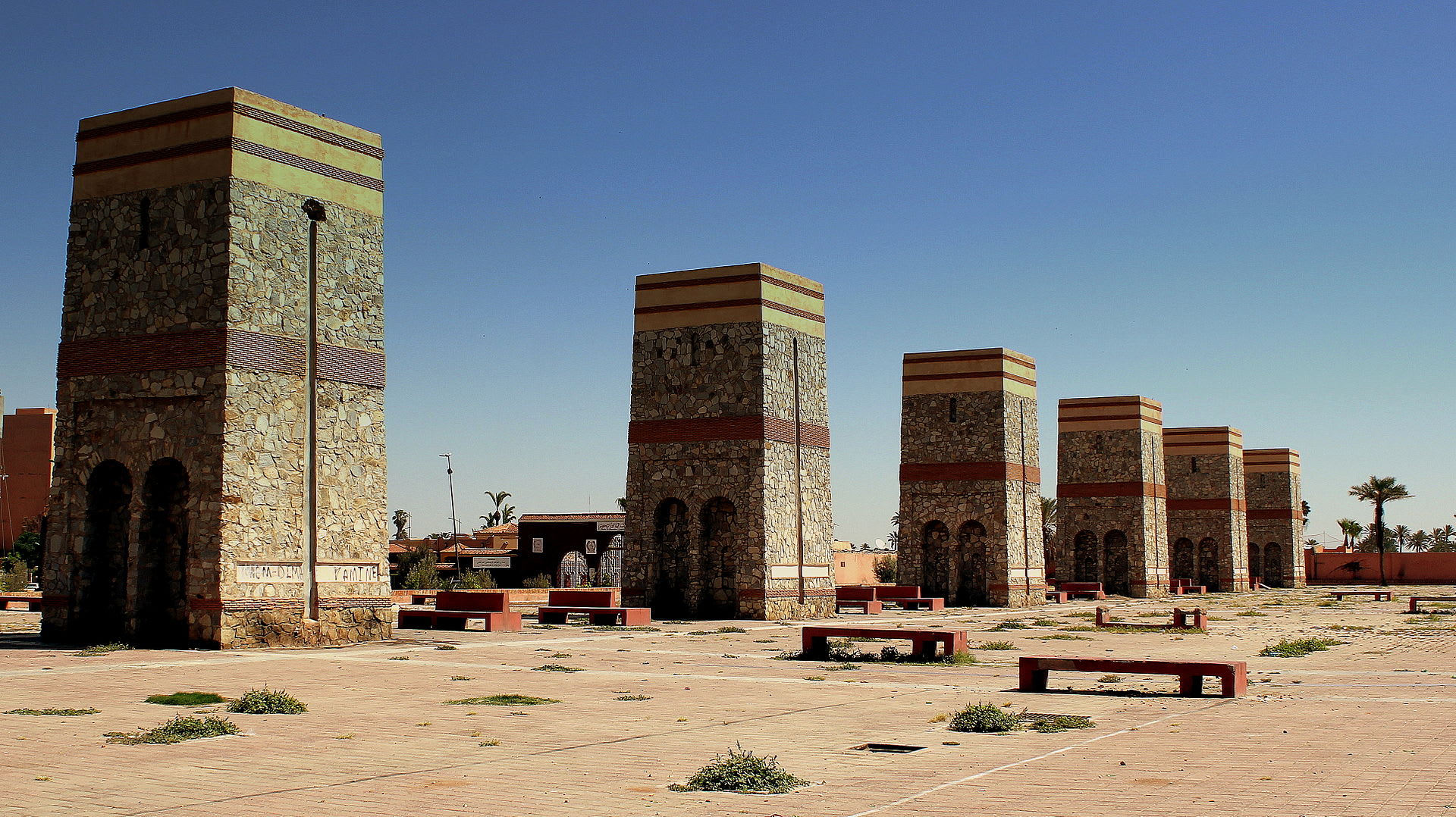
Seven Saints of Marrakesh
Marrakesh, Marrakech-Safi, Morocco
Marrakesh is a city of sacred significance. Approximate coordinates: 31.62367, -7.99360. Attributes: built, cultural, pilgrimage. Tradition: Islamic. Associated figure: Seven saints of Marrakesh. Recognized as a UNESCO World Heritage Site. Marrakesh or Marrakech (; Arabic: مراكش, romanized: murrākuš, pronounced [murraːkuʃ]) is the fourth-largest city in Morocco. It is one of the four imperial cities of Morocco and is the capital of the Marrakesh–Safi region. The city lies west of the foothills of the Atlas Mountains. The city was founded circa 1070 by Abu Bakr ibn Umar as the capital of the Almoravid dynasty. The Almoravids established the first major structures in the city and shaped its layout for centuries to come. The red walls of the city, built by Ali ibn Yusuf in 1122–1123, and various buildings constructed in red sandstone afterwards, have given the city the nickname of the Red City or Ochre City . Marrakesh grew rapidly and established itself as a cultural, religious, and trading center for the Maghreb. After a period of decline, Marrakesh regained its status in the early 16th century as the capital of the Saadian dynasty, with sultans Abdallah al-Ghalib and Ahmad al-Mansur embellishing the city with an array of sumptuous monuments. Beginning in the 17th century, the city became popular among Sufi pilgrims for its seven patron saints who are buried here. In 1912, the French Protectorate in Morocco was established and T hami El Glaoui became Pasha of Marrakesh and generally held this position until the independence of Morocco and the reestablishment of the monarchy in 1956. Marrakesh comprises an old fortified city packed with vendors and their stalls. This medina quarter is a UNESCO World Heritage Site and contains the Jemaa el-Fnaa square, a large number of souks (markets), the Kutubiyya Mosque, and many other historic and cultural sites. The city serves as a major economic center and tourist destination. Real estate and hotel development in Marrakesh have grown dramatically in the 21st century. Marrakesh is particularly popular with the French, and numerous French celebrities own property in the city. Marrakesh is served by Ménara International Airport and by Marrakesh railway station, which connects the city to Casablanca and northern Morocco. Marrakesh has several universities and schools, including Cadi Ayyad University. A number of Moroccan football clubs are here, including Najm de Marrakech, KAC Marrakech, Mouloudia de Marrakech and Chez Ali Club de Marrakech. The Marrakesh Street Circuit hosts the World Touring Car Championship, Auto GP and FIA Formula Two Championship races. Located in Marrakech ⵎⵕⵕⴰⴽⵯⵛ مراكش, Marrakech-Safi ⵎⵕⵕⴰⴽⵛ-ⴰⵙⴼⵉ مراكش-أسفي, Maroc ⵍⵎⵖⵔⵉⴱ المغرب.
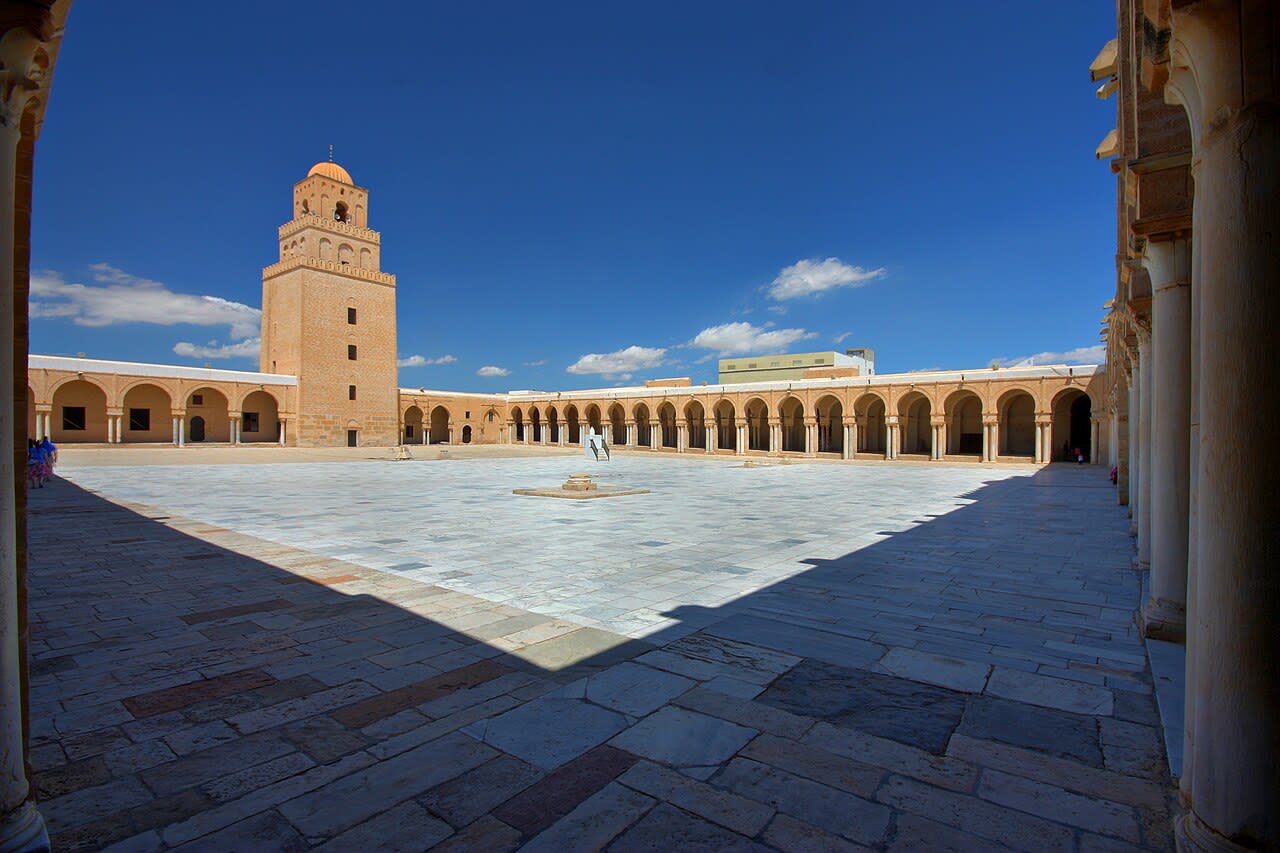
The Great Mosque of Kairouan
Kairouan, Kairouan, Tunisia
Kairouan is a mosque of sacred significance. Approximate coordinates: 35.68138, 10.10415. Attributes: built, cultural, pilgrimage. Tradition: Islamic. Associated figure: Sidi Sahbi. Recognized as a UNESCO World Heritage Site. Kairouan (UK: , US: ), also spelled El Qayrawān or Kairwan (Arabic: ٱلْقَيْرَوَان, romanized: al-Qayrawān [æl qɑjrɑˈwæːn] , Tunisian Arabic: Qeirwān [qɪrˈwɛːn] ), is the capital of the Kairouan Governorate in Tunisia and a UNESCO World Heritage Site. The city was founded by the Umayyads around 670, in the period of Caliph Mu awiya (reigned 661–680); this is when it became an important centre for Sunni Islamic scholarship and Quranic learning, attracting Muslims from various parts of the world. The Mosque of Uqba is situated in the city. Located in ولاية القيروان, تونس.