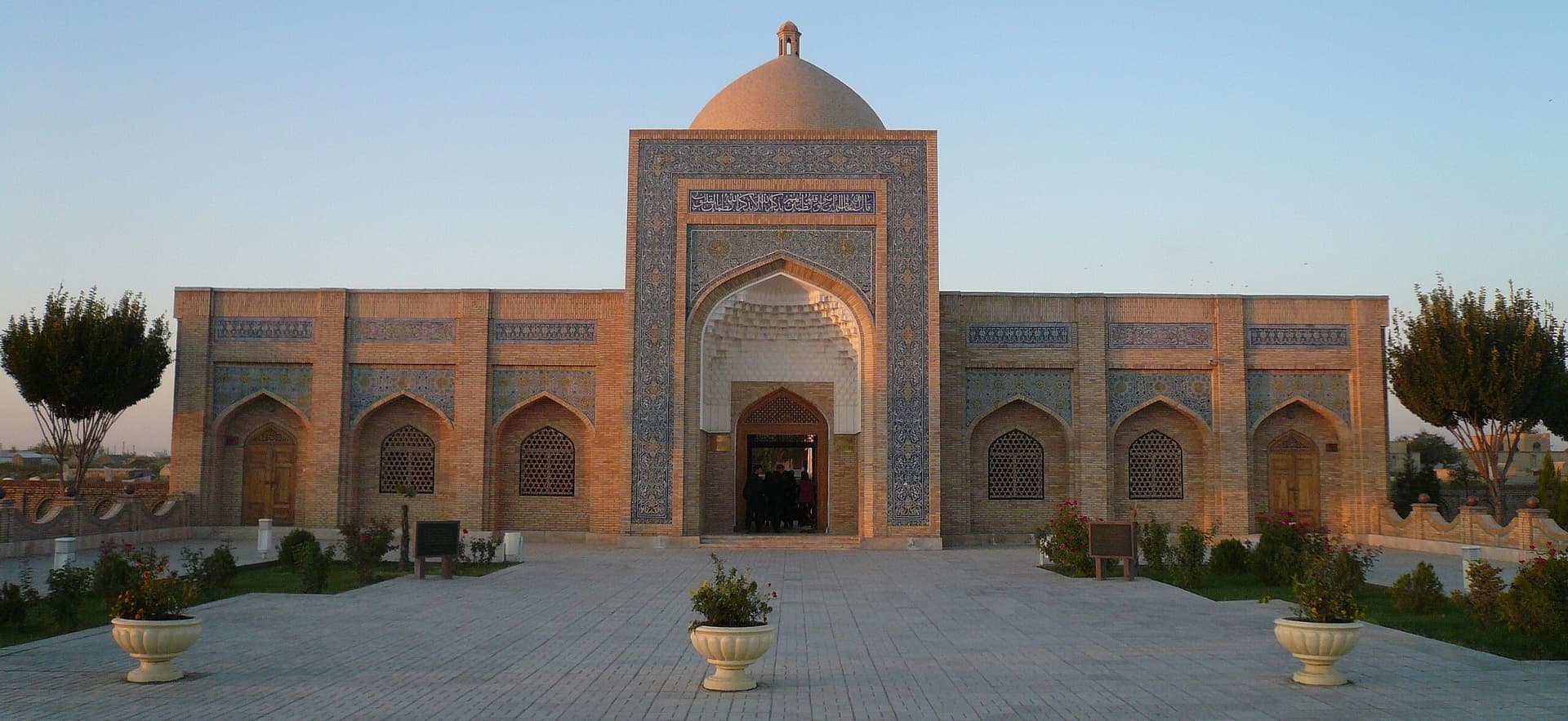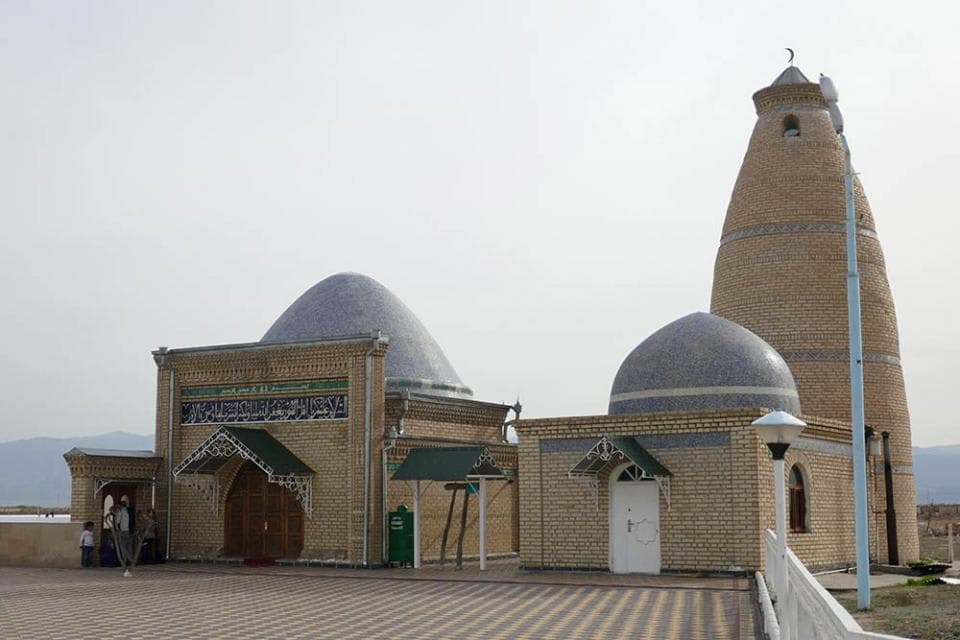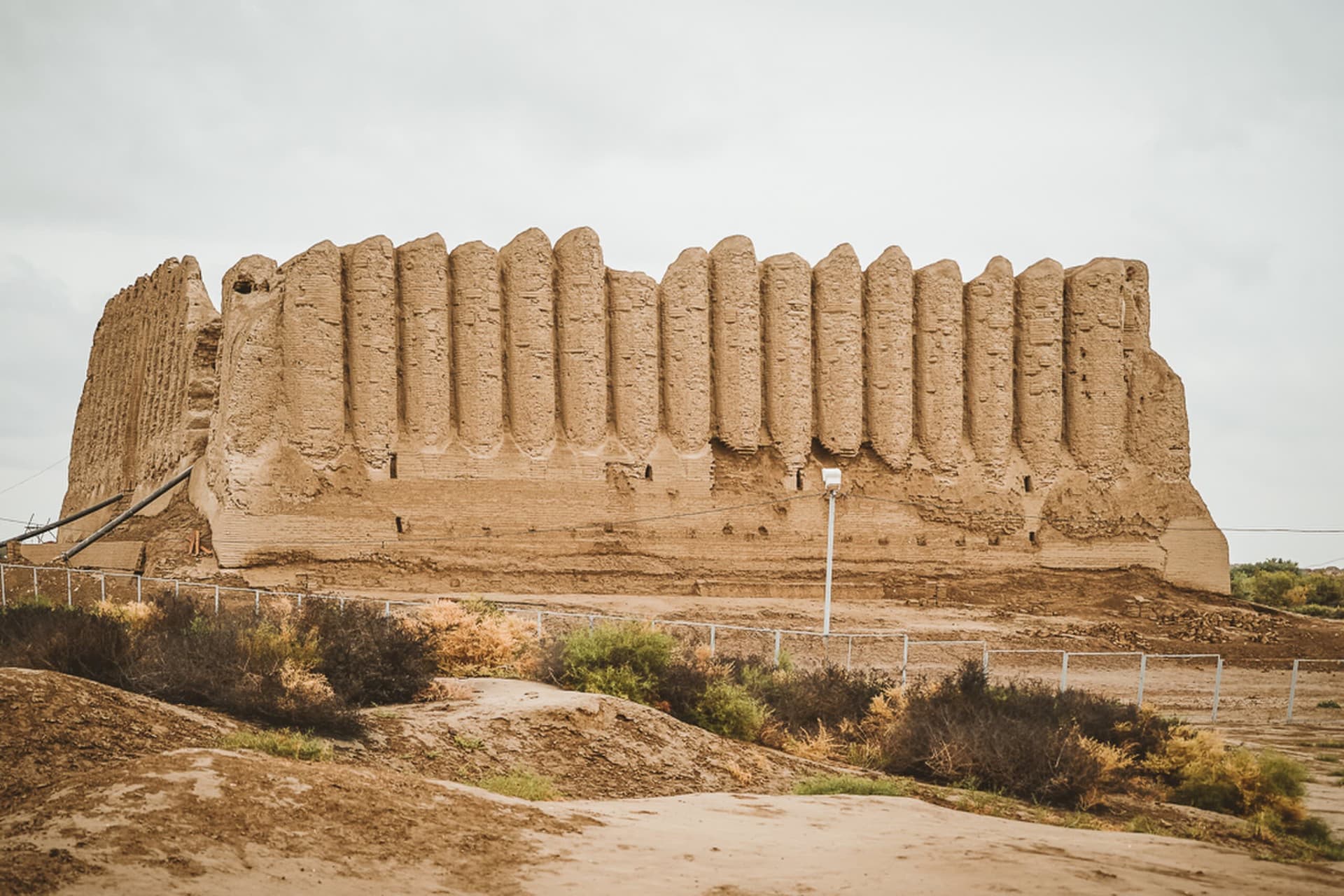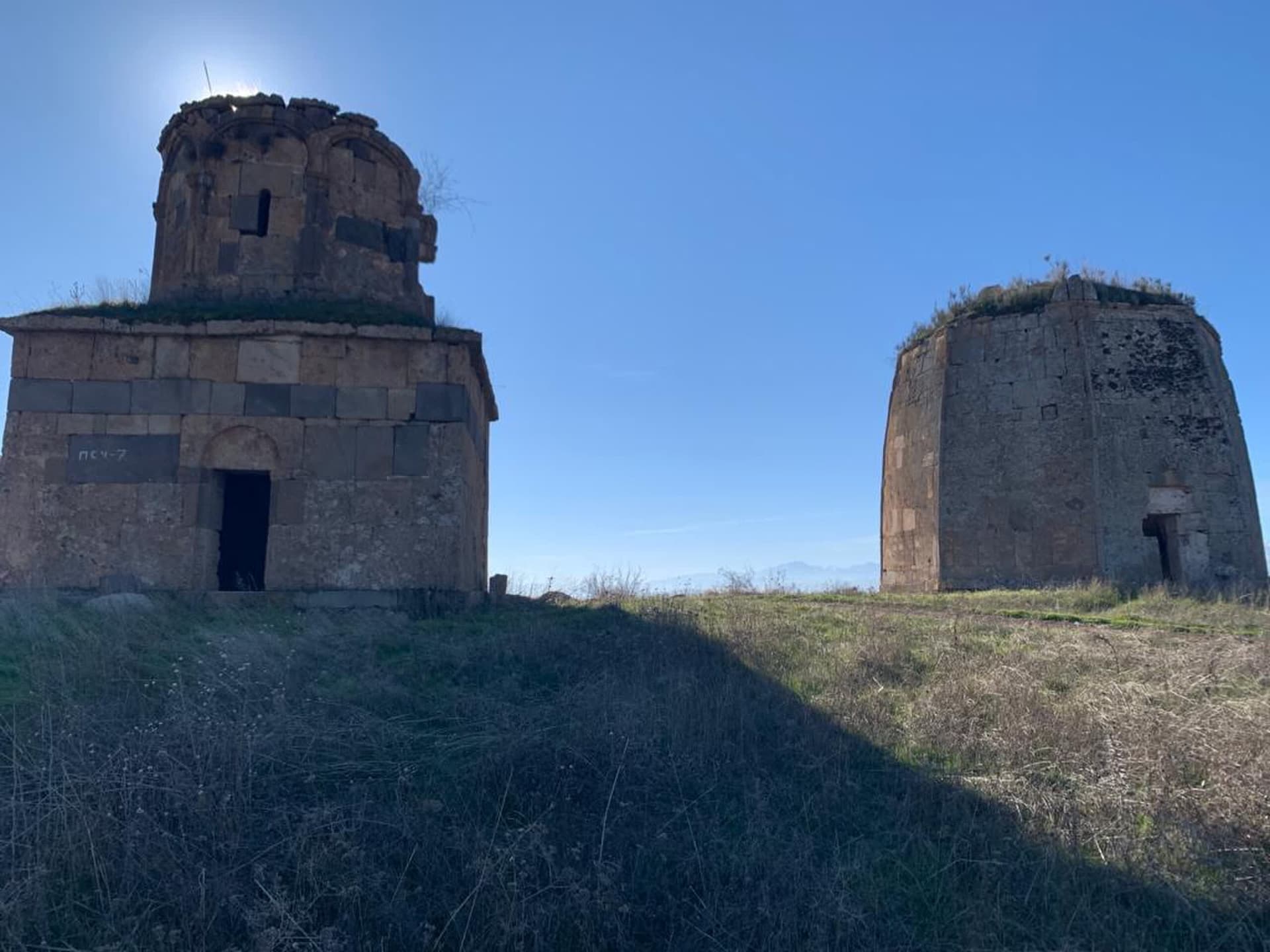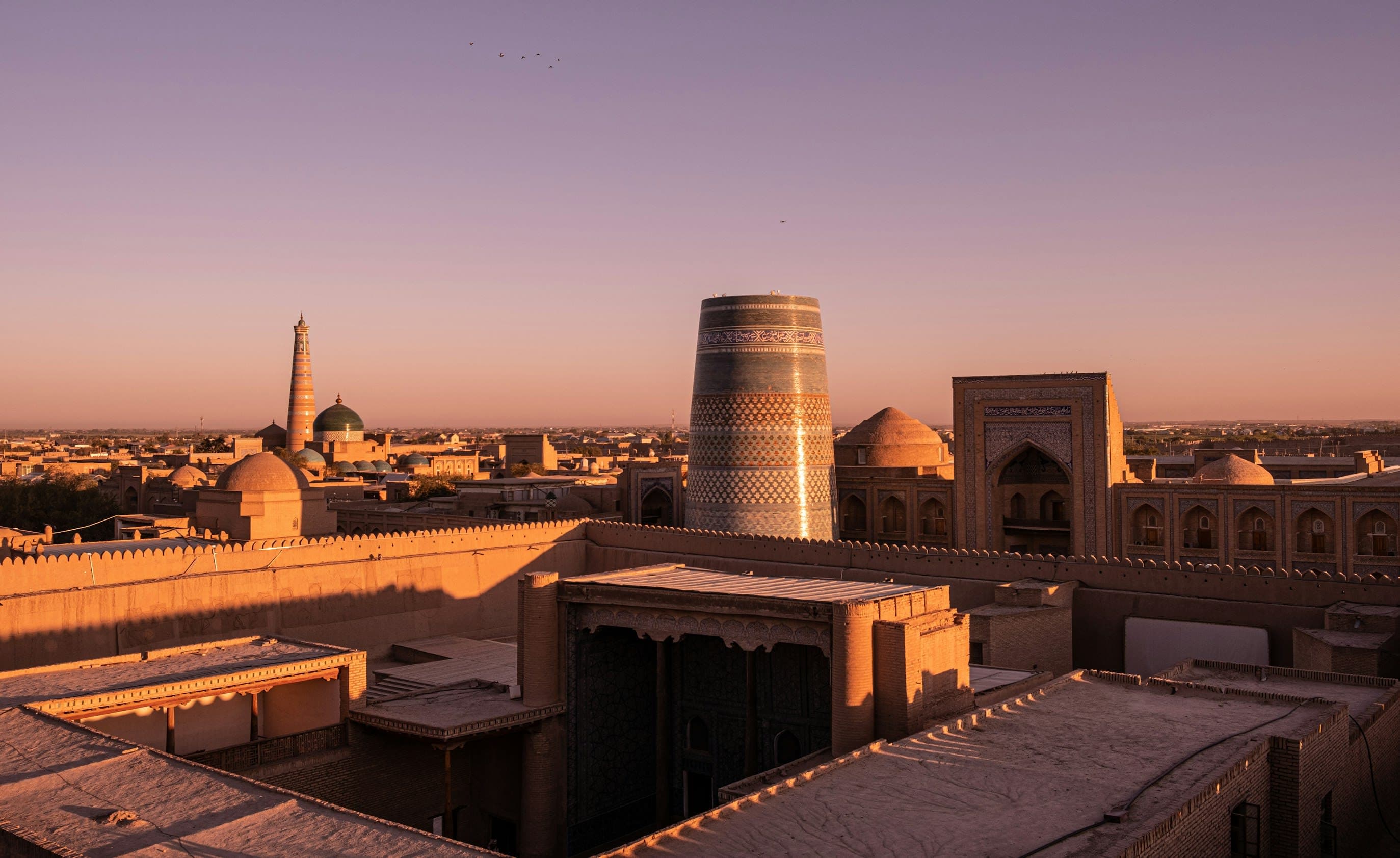
Itchan Kala
Where Silk Road travelers once paused at the desert's edge, and pilgrims still seek blessings
Khiva, Xorazm Region, Uzbekistan
At A Glance
- Coordinates
- 41.3787, 60.3617
- Suggested Duration
- A minimum of two full days is recommended to explore Itchan Kala thoroughly. The entrance ticket is valid for forty-eight hours. Those seeking deeper engagement often stay three days, using one for overall orientation, a second for focused time at sites that call to them, and a third for nearby excursions to Zoroastrian ruins and desert fortresses.
- Access
- Fly to Urgench Airport from Tashkent (approximately ninety minutes). From Urgench, taxi or marshrutka (shared minivan) reach Khiva in about thirty minutes. Night trains from Tashkent (fourteen hours) pass through Samarkand and Bukhara, allowing a scenic overland approach. The old city is best explored on foot. Guided tours are available at the West Gate, typically costing thirty to forty US dollars for a three-hour introduction.
Pilgrim Tips
- Fly to Urgench Airport from Tashkent (approximately ninety minutes). From Urgench, taxi or marshrutka (shared minivan) reach Khiva in about thirty minutes. Night trains from Tashkent (fourteen hours) pass through Samarkand and Bukhara, allowing a scenic overland approach. The old city is best explored on foot. Guided tours are available at the West Gate, typically costing thirty to forty US dollars for a three-hour introduction.
- Modest dress throughout. Women should cover shoulders and knees and avoid revealing clothing. Men should avoid tank tops and bare chests; shorts and t-shirts are generally acceptable in the streets but not at religious sites. At the Pahlavon Mahmud Mausoleum and mosques, both men and women should have shoulders and knees covered. Comfortable walking shoes with good grip are essential—streets are uneven and often include steps.
- Photography is generally permitted throughout Itchan Kala with purchase of entrance ticket. Ask permission before photographing local women. Do not photograph during prayers or religious ceremonies. Some individual monuments may charge additional fees for photography. Tripods and professional equipment may require permits. The best photographs come in early morning, before crowds arrive.
- Respect that this is not merely a heritage site but a place of active worship. Do not treat mosques or the mausoleum as mere tourist attractions. Avoid speaking loudly or behaving in ways that would disturb those at prayer. Physical offerings are not part of the tradition here in the way they might be at other sacred sites. If you wish to give, donations to preserve the monuments or support local artisans are appropriate. Be cautious of any guides or operators promising secret ceremonies or special spiritual access. The sacred here is public, accessible to all who approach with respect. No intermediary is needed.
Overview
Rising from the Khorezm desert, Itchan Kala preserves twenty-five centuries of sacred history within mud-brick walls that have witnessed Zoroastrian fire worship, Silk Road commerce, and the flowering of Islamic learning. Some three thousand residents still live within these ancient ramparts, and pilgrims continue to seek blessings at the tomb of Pahlavon Mahmud, the wrestler-poet who became Khiva's patron saint.
To enter Itchan Kala through the West Gate is to cross a threshold into time itself. The world shifts. Beyond lies modern Uzbekistan; within, a walled city that appears unchanged since the khans ruled from turquoise-domed palaces.
For over two millennia, this crossroads at the desert's edge has gathered the sacred intentions of diverse peoples. The region may have given birth to Zoroastrianism itself. Arab conquerors brought Islam in the eighth century, and by the nineteenth, nearly one hundred mosques and sixty-five madrasas made Khiva one of Central Asia's greatest centers of learning. Traders from Persia, India, and China passed through these gates, their journeys ending or beginning at this last oasis before the desert crossing to the West.
What persists is not merely architecture but living tradition. The Juma Mosque, its roof held by carved columns over a millennium old, still hosts Friday prayers. Newlyweds and those seeking blessings climb to the Pahlavon Mahmud Mausoleum, where the city's patron saint—a wrestler who was also a poet, a furrier who was also a healer—lies beneath a turquoise dome. The prayers offered at his tomb connect contemporary pilgrims to centuries of those who came before.
Itchan Kala is not a museum. Three thousand people call these walls home. The call to prayer still echoes from minarets. And visitors who arrive open to more than history may find themselves touched by something the Silk Road caravans understood: there are places where the boundary between worlds grows thin.
Context And Lineage
Itchan Kala's history spans from possible Zoroastrian origins to Arab conquest, Mongol rule, Timurid glory, and the final flowering of the Khanate of Khiva. Each layer added to rather than erased what came before. The city preserves not just medieval Islamic architecture but a continuous tradition of sacred habitation stretching back over two millennia. Key figures include Pahlavon Mahmud, the wrestler-saint whose tomb remains the holiest site, and the craftsman Abdullah Djinn, whose distinctive majolica work appears nowhere else.
The founding legend ties Khiva to the deep past of Abrahamic tradition. According to this account, Shem, son of Noah, dreamed of three hundred burning torches rising from the desert. Taking the dream as divine instruction, he traveled to this oasis and built walls around it. He dug the well that still exists within Itchan Kala, whose waters he named Kheyvak—the source of the city's name.
Scholars place the origins differently but no less remarkably. The Khorezm region is considered a possible birthplace of Zoroastrianism itself. Archaeological evidence confirms habitation from the sixth century BCE, with defensive walls following in the fifth or fourth century BCE. This was a Zoroastrian heartland for over a thousand years before Islam arrived—a landscape where fire temples burned and where the cosmic struggle between Ahura Mazda and Angra Mainyu was not metaphor but daily reality.
When Arab armies crossed the Amu Darya in 712 CE, they found not wilderness but civilization. The conversion was gradual. Islam built upon Zoroastrian foundations, both literally—some ancient sites were repurposed—and spiritually, incorporating local customs into the new faith. The blending is visible still in Navruz celebrations, where the spring equinox is marked with traditions predating Islam by millennia.
Twenty-five centuries of spiritual lineage converge at Itchan Kala. The Zoroastrian fire-keepers who tended sacred flames in this oasis left no temples standing, but archaeological evidence of their presence dots the surrounding desert. The Arabs who brought Islam in 712 CE established the first mosques. Generations of Silk Road traders added their prayers in many languages. The khans who made Khiva their capital from 1598 onward competed to build monuments that would outlast their dynasties.
The line of pilgrims to Pahlavon Mahmud's tomb has never broken. Seven centuries of the sick, the hopeful, the grateful have climbed to his chamber. Newlyweds have sought his blessing on their unions. Parents have asked his intercession for children. This unbroken practice of pilgrimage, more than any architecture, is what makes Itchan Kala a living sacred site.
Today, the tradition continues. Friday prayers gather at the Juma Mosque. Pilgrims still visit the saint's tomb. And travelers from around the world add their own intentions to the accumulated weight of human seeking that has gathered here across millennia.
Pahlavon Mahmud
saint
Born 1247, died 1326. Known as the 'Hercules of the East,' Pahlavon Mahmud was a furrier by trade who gained fame as an undefeated wrestler. He was equally renowned for his mystical poetry and healing abilities. After his death, the Muslim clergy elevated him to sainthood, and his tomb became Khiva's holiest site. His mausoleum, expanded by the Kungrad khans in the early nineteenth century, remains an active pilgrimage destination.
Abdullah Djinn
craftsman
A master craftsman whose distinctive majolica tile work adorns several Khivan monuments. His patterns are found nowhere else in the Islamic world, suggesting either extraordinary innovation or techniques that died with him. The name 'Djinn' may reflect belief that his abilities were supernatural.
Muhammad Amin Khan
historical ruler
Nineteenth-century khan who commissioned the largest madrasa in Central Asia and began the Kalta Minor minaret, which remains dramatically unfinished at twenty-nine meters—legend holds the architect was either killed or fled to avoid execution upon the khan's death.
Islam Khodja
historical patron
Grand vizier who in 1908-1910 commissioned the minaret and madrasa bearing his name. His minaret, reaching forty-five meters, remains the tallest in Khiva and serves as the city's visual landmark. A reformer, he was assassinated by conservative opponents—some say within sight of the tower he built.
Why This Place Is Sacred
Itchan Kala's sacredness emerges from its position as a threshold—geographical, temporal, and spiritual. Situated at the desert's edge where ancient caravans gathered for perilous crossings, it has served as a meeting point between civilizations and between worlds for twenty-five centuries. The accumulated prayers of Zoroastrian fire-keepers, Silk Road merchants of many faiths, Islamic scholars, and generations of pilgrims have woven a fabric of sacred intention that visitors still sense today.
The Khorezm oasis where Khiva stands represents one of humanity's oldest continuous spiritual landscapes. Scholars consider this region a possible birthplace of Zoroastrianism, where Zarathustra first proclaimed the cosmic struggle between light and darkness. Archaeological evidence of Zoroastrian monuments dots the surrounding desert, and the distinctive tower of silence at Chilpik stands as a reminder of practices that preceded Islam by millennia.
When Arab armies arrived in 712 CE, they encountered not empty land but a civilization already ancient. The conversion to Islam did not erase what came before but built upon it. The Juma Mosque, rebuilt in the eighteenth century, preserves over two hundred carved wooden columns—some dating to the tenth century, some possibly older. To stand among them is to be held by a forest of sacred time, each column the work of hands who prayed.
The Silk Road added another dimension. This was the last gathering point before the terrible crossing to Persia, the place where traders of many faiths—Buddhist, Christian, Jewish, Hindu, Muslim—shared provisions and perhaps prayers before entrusting themselves to the desert. Such liminal spaces, where journeys of life and death begin, carry a particular charge. Something of the prayers offered here for safe passage has accumulated over centuries.
At the city's heart, the turquoise dome of the Pahlavon Mahmud Mausoleum marks the tomb of Khiva's patron saint. Born in the thirteenth century, this furrier who wrestled for sport and wrote mystical poetry became after death what he had been in life—a source of blessing for those who sought him. The practice of pilgrimage to his tomb has never stopped. Newlyweds come seeking fertility. Those in trouble seek guidance. The sick ask for healing. The continuous stream of prayer offered at this site for seven centuries creates a palpable quality that visitors of all backgrounds report.
Archaeological evidence indicates habitation from the sixth century BCE, with the first defensive walls rising between the fifth and fourth centuries BCE. The original settlement served as an oasis town along what would become the Silk Road, providing water, rest, and provisions for traders crossing the Kyzylkum and Karakum deserts. In Zoroastrian understanding, such life-sustaining places held inherent sacred significance—the waters of Khorezm were precious, and their protection was a religious as well as practical matter.
According to legend, Khiva was founded by Shem, son of the Biblical Noah, who was inspired by a dream of three hundred burning torches. After building the city walls, Shem dug the Kheyvak well, which still exists within the old city and gave it its name. Whether one reads this as myth or memory, the legend connects this place to the deep stratum of Abrahamic sacred geography.
The Arab conquest of 712 CE transformed Khiva from a Zoroastrian oasis town into an Islamic center. By the time it became capital of the Khanate of Khiva in 1598, the city had developed into a major seat of religious learning. The eighteenth and nineteenth centuries saw an explosion of construction: mosques, madrasas, minarets, and mausoleums rose in a distinctive Central Asian Islamic style characterized by blue majolica tiles, geometric patterns, and soaring forms.
The Russian conquest of 1873 brought colonial rule but did not destroy the city. The Soviet period closed madrasas and discouraged religious practice, yet the architecture survived and, remarkably, so did the tradition of pilgrimage to Pahlavon Mahmud's tomb. Since Uzbek independence in 1991, religious life has revived. The Juma Mosque again hosts Friday prayers. The mausoleum again welcomes those seeking the saint's blessing. UNESCO designation in 1990 brought international attention and preservation efforts.
Today, Itchan Kala exists in creative tension between heritage site and living city. Some buildings function as museums; others house families who have lived within the walls for generations. This is not museum reconstruction but actual continuity—a thread of sacred habitation unbroken for over two thousand years.
Traditions And Practice
Itchan Kala hosts both ongoing religious practice and forms of secular pilgrimage. The Juma Mosque continues to serve Friday prayers for the Muslim community. The Pahlavon Mahmud Mausoleum receives pilgrims seeking blessing, healing, and guidance. Visitors who approach the site with spiritual intention often sit in silence at the mausoleum, offer prayers, or simply walk the ancient streets with contemplative awareness.
Friday prayers at the Juma Mosque continue a tradition over twelve centuries old. The call to prayer sounds from multiple minarets, most prominently Islam Khodja. The gathered community prays among carved columns, some of which have witnessed a thousand years of such gatherings.
Pilgrimage to Pahlavon Mahmud's tomb follows patterns established after his death in 1326. Pilgrims remove their shoes, enter the chamber beneath the turquoise dome, and offer prayers at the saint's grave. Those seeking specific blessings—fertility, healing, guidance—make requests in the traditional manner. Newlyweds visit to seek the saint's blessing on their marriage. Drinking water from the site is part of the traditional practice.
Navruz, the spring equinox celebration, brings special observance to Itchan Kala. Predating Islam, this festival blends ancient Zoroastrian customs with Islamic practice. Community gatherings, the preparation of sumalak (a sweet wheat dish cooked overnight), singing, dancing, and theatrical performances fill the old city. The observance connects contemporary Khivans to traditions stretching back millennia.
Visitors today engage with Itchan Kala in diverse ways. Some come as pilgrims to Pahlavon Mahmud, making the same requests their grandparents made. Others come seeking the historical and architectural, only to find themselves unexpectedly moved. Still others arrive with explicit spiritual intention, treating the visit as pilgrimage regardless of religious background.
The International Lazgi Dance Festival celebrates a form of dance UNESCO has recognized as Intangible Cultural Heritage. The Bakhshi Festival honors epic storytellers and folk musicians who preserve oral traditions reaching back centuries. The Strongmen Games invoke Pahlavon Mahmud's legacy as a wrestler. These events are not merely tourism; they are continuations of practice.
Traditional crafts—carpet weaving, wood carving, silk production—continue in workshops within the walls. Artisans practice techniques passed through generations, and visitors may learn from them. The Silk Road once carried not just goods but skills; something of that exchange persists.
If you come seeking more than history, consider approaching Itchan Kala as the pilgrims who came before you did—with intention, with openness, with something to ask or offer.
Visit the Pahlavon Mahmud Mausoleum with whatever weighs on you. Remove your shoes. Enter the chamber. Sit beneath the dome and allow the quality of light to work on you. You need not believe in the saint's intercession to benefit from the stillness. If you have something to ask, ask it. If you have gratitude to offer, offer it.
In the Juma Mosque, find a column whose carving speaks to you. Rest your hand on it. Consider the hands that carved it, the prayers offered in its presence. Allow the forest of columns to hold you.
Walk the streets at dawn before the tourist infrastructure awakens. Notice what persists when commerce sleeps. When the call to prayer sounds, stop and listen—not analyzing, just receiving.
If you are able to climb the Islam Khodja Minaret, do so. From the top, look out at the desert and consider the Silk Road travelers who looked at this same horizon, not knowing if they would survive the crossing. Something of their prayers for safe passage lingers here.
Sunni Islam
ActiveIslam arrived in Khorezm with the Arab conquest of 712 CE and became the dominant faith that shaped Khiva's architecture, education, and daily life. By the nineteenth century, nearly one hundred mosques and sixty-five madrasas made Khiva one of Central Asia's most significant centers of Islamic learning. The city's khans competed to build larger and more elaborate religious institutions. The tradition of Islamic scholarship here was influenced by the rationalist Mu'tazili school, which encouraged scientific inquiry alongside religious study. The Juma Mosque, established in the tenth century and rebuilt in the eighteenth, remains the primary Friday mosque.
Friday prayers at Juma Mosque continue an unbroken tradition of over twelve centuries. Daily prayers are offered at neighborhood mosques. The call to prayer sounds from multiple minarets throughout the city. Ramadan observances and Eid celebrations mark the Islamic calendar. Religious education, though no longer centered in the historic madrasas, continues in the community.
Sufi Veneration (Pahlavon Mahmud)
ActivePahlavon Mahmud (1247-1326), a poet, philosopher, and legendary wrestler, became Khiva's patron saint after his death. Known as the 'Hercules of the East,' he was a furrier by trade who also gained fame for healing abilities and extraordinary physical strength. After his death, the Muslim clergy elevated him to sainthood, and his tomb became the most revered sacred site in Khiva. The mausoleum was expanded by the Kungrad khans in the early nineteenth century into the last great family mausoleum erected in Central Asia. The turquoise dome that covers his tomb is visible from throughout the city.
Pilgrimage to the mausoleum continues as it has for seven centuries. Pilgrims remove shoes, enter the chamber beneath the dome, and offer prayers at the saint's grave. Those seeking specific blessings—for marriage, fertility, healing, or guidance—make their requests. Newlyweds visit to receive the saint's blessing on their union. The practice of drinking holy water at the site continues.
Zoroastrianism
HistoricalKhorezm is considered by many scholars to be the birthplace of Zoroastrianism and its prophet Zarathustra. The region was the heartland of Zoroastrian faith before the Arab conquest, serving as the state religion of the Persian empires that ruled Khorezm for centuries. Archaeological evidence documents thirty-eight Zoroastrian monuments in Uzbekistan, with seventeen in the Khorezm region. Fire temples and towers of silence dotted the landscape that would later become Islamic Khiva.
Zoroastrian practice centered on the sacred fire, which was maintained in temples throughout the region. Burial practices were distinctive—the deceased could not be buried in ground or consigned to fire as both were sacred, leading to exposure in towers of silence (dakhmas) like the one at Chilpik. The veneration of Ahura Mazda as the supreme deity of light and goodness, and the cosmic struggle against Angra Mainyu, shaped every aspect of daily life.
Experience And Perspectives
Visitors to Itchan Kala consistently describe entering another world—a sense of time collapse where medieval and modern exist simultaneously. The experience intensifies in the early morning before tourist crowds, when the ancient streets are quiet and the call to prayer echoes from minarets. The Pahlavon Mahmud Mausoleum produces particularly strong responses, with visitors reporting a palpable sense of presence and peace beneath its turquoise dome.
The experience begins at the gate. Passing through the thick mud-brick walls, the quality of sound changes. The modern world recedes. Within, the streets wind between structures that have stood for centuries, their turquoise and blue tiles catching light in ways that seem to make the air itself shimmer.
Many describe a sense of time suspension. The city looks as it did two hundred years ago; in many ways, it functions as it did. Residents hang laundry on ancient balconies. Children play in courtyards enclosed by walls their ancestors built. The interpenetration of daily life and sacred architecture creates an atmosphere unlike sanitized heritage sites—this is a place where the sacred is woven into the ordinary.
The Juma Mosque produces its own quality of encounter. Entering the prayer hall, visitors find themselves among over two hundred carved wooden columns, each unique, some over a thousand years old. The effect is of walking into a forest. Light filters through openings in the roof, catching dust motes that drift like incense. Visitors often speak afterward of feeling held, supported, as if the columns themselves were witnesses to prayer.
The Pahlavon Mahmud Mausoleum is where transformation seems most likely. Ascending to the chamber where the saint lies, visitors of all backgrounds report a shift in atmosphere. The turquoise tiles create a quality of light unlike anywhere else—cool, luminous, somehow alive. Those who pause to offer prayers or simply sit in silence often describe unexpected emotions: tears without apparent cause, a sense of being seen, clarity about decisions that had seemed impossible.
Early morning is the time most visitors name as transformative. Before eight, the streets are nearly empty. The call to prayer sounds from the Islam Khodja Minaret. Light angles golden through ancient windows. In these moments, the tourist infrastructure recedes and something older emerges—a sense of what this place has held for generations beyond counting.
Itchan Kala rewards those who approach it as pilgrimage rather than tourism. Consider arriving at dawn, when few visitors are present and the city belongs to its residents and their rhythms. Purchase a two-day ticket and use it fully—the first day for orientation, the second for deeper engagement with places that called to you.
The Pahlavon Mahmud Mausoleum is the spiritual center. Enter with the respect appropriate to an active pilgrimage site. Remove your shoes. Keep your voice low. You may pray or sit in silence; either is welcome. Notice the quality of light beneath the dome. If you come with a question or burden, you are not the first to bring such things here.
Climb the Islam Khodja Minaret if you are able—the highest point in the city. From there, the entire walled enclosure spreads below, its geometry visible. The desert stretches beyond. Consider that traders once scanned this same horizon before entrusting themselves to the crossing.
Spend time in the Juma Mosque among the columns. Touch is not forbidden here. Let your hand rest on wood carved a thousand years ago by someone who prayed as they worked. Consider what it means that their prayer has reached you.
Itchan Kala holds different meanings for different seekers. Scholars see an exceptionally preserved medieval Islamic city. Local Muslims understand it as a landscape of living faith, centered on the shrine of their patron saint. Those drawn to esoteric traditions sense a Silk Road crossroads where spiritual energies gathered across millennia. Each perspective illuminates something genuine; none exhausts the site's significance.
UNESCO and academic sources recognize Itchan Kala as an exceptionally preserved example of Islamic Central Asian urban planning and architecture. The site documents the evolution of Islamic architecture from the fourteenth to nineteenth centuries and preserves building techniques and decorative arts that have largely disappeared elsewhere. The preservation extends beyond individual monuments to include the complete urban fabric—streets, houses, and the relationship between structures—making it unique among Central Asian historic cities.
Archaeologists have confirmed habitation since the sixth century BCE, situating Itchan Kala in what may be the birthplace region of Zoroastrianism. The region's thirty-eight documented Zoroastrian monuments, seventeen in Khorezm itself, provide context for the pre-Islamic sacred landscape on which the Islamic city was built.
Scholars note the unusual preservation of Khiva compared to nearby cities destroyed by Mongol invasion or Soviet development. This survival, partly due to the city's relative poverty during the Russian colonial and Soviet periods, has left a complete example of a medieval Islamic urban environment—including not just grand monuments but the domestic architecture and street patterns that typically disappear.
For Uzbek Muslims, Khiva represents a golden age of Islamic learning and piety. The numerous mosques and madrasas testify to ancestors' devotion to education and faith. The tradition of Islamic scholarship here was influenced by the rationalist Mu'tazili school, which encouraged scientific inquiry alongside religious study—a heritage that local people remember with pride.
Pahlavon Mahmud, the wrestler-saint, embodies Khivan ideals: physical prowess combined with poetic sensitivity and spiritual depth. His mausoleum remains the city's holiest site, where believers continue to seek blessings for marriage, children, and healing. The practice of pilgrimage to his tomb, unbroken since the fourteenth century, connects contemporary Muslims to generations of the faithful.
The preservation of the city through Soviet atheist rule and into independence is understood by some as blessing—God's protection of a sacred place. Restoration efforts are understood not merely as heritage management but as religious merit, the preservation of spaces where prayer continues.
Some visitors are drawn to Khiva as a Silk Road crossroads where diverse spiritual traditions once mingled. Buddhist monks, Christian missionaries, Jewish merchants, and Hindu traders all passed through these gates, adding their prayers and intentions to the city's accumulated spiritual atmosphere. This convergence of traditions creates what some describe as a layering of sacred energy.
The legend of Shem, son of Noah, founding the city connects Khiva to pre-Islamic Abrahamic mythology and to the deep time of sacred geography. The possible Zoroastrian origins of the region place it at the source of one of humanity's great spiritual revelations. Some interpret the site as a node on ancient spiritual pathways that crisscrossed the Silk Road.
The unfinished Kalta Minor minaret, with its legendary story of the architect who either died or fled, attracts those who see in it a symbol of human ambition confronting mortality—or of projects left incomplete that still communicate something essential.
Genuine mysteries persist. What Zoroastrian practices and structures existed at this exact site before Islamic conversion? What happened to religious artifacts and manuscripts during the Soviet period? How did spiritual practices from diverse Silk Road traditions interact and influence each other here? What secrets might the thousand-year-old columns of the Juma Mosque hold about earlier structures they may have replaced?
The exact nature of pre-Islamic sacred observance at this location remains largely unknown. Zoroastrian fire temples existed throughout Khorezm, but whether one stood within what is now Itchan Kala cannot be confirmed. The continuity visitors sense may reflect actual archaeological layering—or may be something more elusive, a quality of place that persists independent of physical evidence.
The experience visitors describe at the Pahlavon Mahmud Mausoleum—the sense of presence, the unexpected emotions—resists explanation. Whether this reflects the saint's intercession, the accumulated weight of seven centuries of prayer, the psychological impact of architecture and light, or something that transcends these categories remains genuinely open.
Visit Planning
Itchan Kala is located in Khiva, Uzbekistan, accessible by flight to Urgench followed by a thirty-minute taxi ride. Spring and autumn offer the best weather; summer temperatures can exceed forty-five degrees Celsius. A minimum of two full days is recommended to explore thoroughly. Nearby sacred sites including the Mizdakhan necropolis and Kunya Urgench can be combined into the visit.
Fly to Urgench Airport from Tashkent (approximately ninety minutes). From Urgench, taxi or marshrutka (shared minivan) reach Khiva in about thirty minutes. Night trains from Tashkent (fourteen hours) pass through Samarkand and Bukhara, allowing a scenic overland approach. The old city is best explored on foot. Guided tours are available at the West Gate, typically costing thirty to forty US dollars for a three-hour introduction.
Within Itchan Kala itself, the Orient Star Khiva Hotel occupies a former madrasa, offering the experience of sleeping within the ancient walls. The Muhammad Amin Khan Madrasah, the largest in Central Asia, has been converted into a hotel. Outside the walls, Khiva offers accommodation at various price points. For those seeking spiritual context, the simplicity of staying within the old city—hearing the call to prayer, watching dawn light strike the minarets—adds immeasurably to the experience.
Itchan Kala requires modest dress and respectful behavior, particularly at active religious sites. At the Pahlavon Mahmud Mausoleum and mosques, shoes must be removed and quiet maintained. Photography during prayers is not appropriate. The city is home to a conservative community; visitors should dress and behave accordingly throughout.
The most important principle is remembering that you are a guest in a living city. Three thousand people call Itchan Kala home. The mosques and mausoleums are not museum exhibits but places where prayer continues. Your presence is welcomed, but it is a privilege extended by a community that was here long before you arrived and will be here after you leave.
At the Pahlavon Mahmud Mausoleum, remove your shoes before entering the chamber. Keep your voice low. This is an active pilgrimage site; others may be engaged in prayer. You may photograph the exterior freely, but be mindful inside. If locals are praying, wait quietly or leave—your photographs are less important than their devotion.
At the Juma Mosque and other mosques, entry is generally permitted outside of prayer times. During prayers, either remain at the back in silent respect or leave. Do not photograph worshippers without permission.
Throughout the city, ask permission before photographing local women. Some will agree readily; others will not wish it. Respect their choice without argument.
Khiva is a conservative region. Modest clothing is expected throughout Itchan Kala. For women, this means covering shoulders and knees; for men, avoiding tank tops or bare chests. At sacred sites, both men and women should ensure shoulders and knees are covered.
Modest dress throughout. Women should cover shoulders and knees and avoid revealing clothing. Men should avoid tank tops and bare chests; shorts and t-shirts are generally acceptable in the streets but not at religious sites. At the Pahlavon Mahmud Mausoleum and mosques, both men and women should have shoulders and knees covered. Comfortable walking shoes with good grip are essential—streets are uneven and often include steps.
Photography is generally permitted throughout Itchan Kala with purchase of entrance ticket. Ask permission before photographing local women. Do not photograph during prayers or religious ceremonies. Some individual monuments may charge additional fees for photography. Tripods and professional equipment may require permits. The best photographs come in early morning, before crowds arrive.
Physical offerings are not part of the tradition here. Prayers and intentions may be offered at the Pahlavon Mahmud Mausoleum. If you wish to give materially, donations supporting the preservation of the monuments or purchases from local artisans are appropriate ways to contribute.
An entrance ticket is required for Itchan Kala, currently around 200,000 Uzbek som (approximately 15 euros). This ticket is valid for two consecutive days. Additional tickets are required for climbing the Islam Khodja Minaret, entering the Khuna Ark watchtower, and entering the Pahlavon Mahmud Mausoleum.
Shoes must be removed before entering the mausoleum. Do not litter anywhere—Khiva maintains high cleanliness standards. The old city is accessible twenty-four hours, though monuments generally open at 8:00 or 9:00 AM. No restrictions exist on walking the streets at any hour.
Sacred Cluster
Nearby sacred places create the location cluster described in the growth plan. This block is intentionally crawlable and links into the wider regional graph.