Tradition guide
Inca
12 sacred sites available through this shared spiritual lineage.
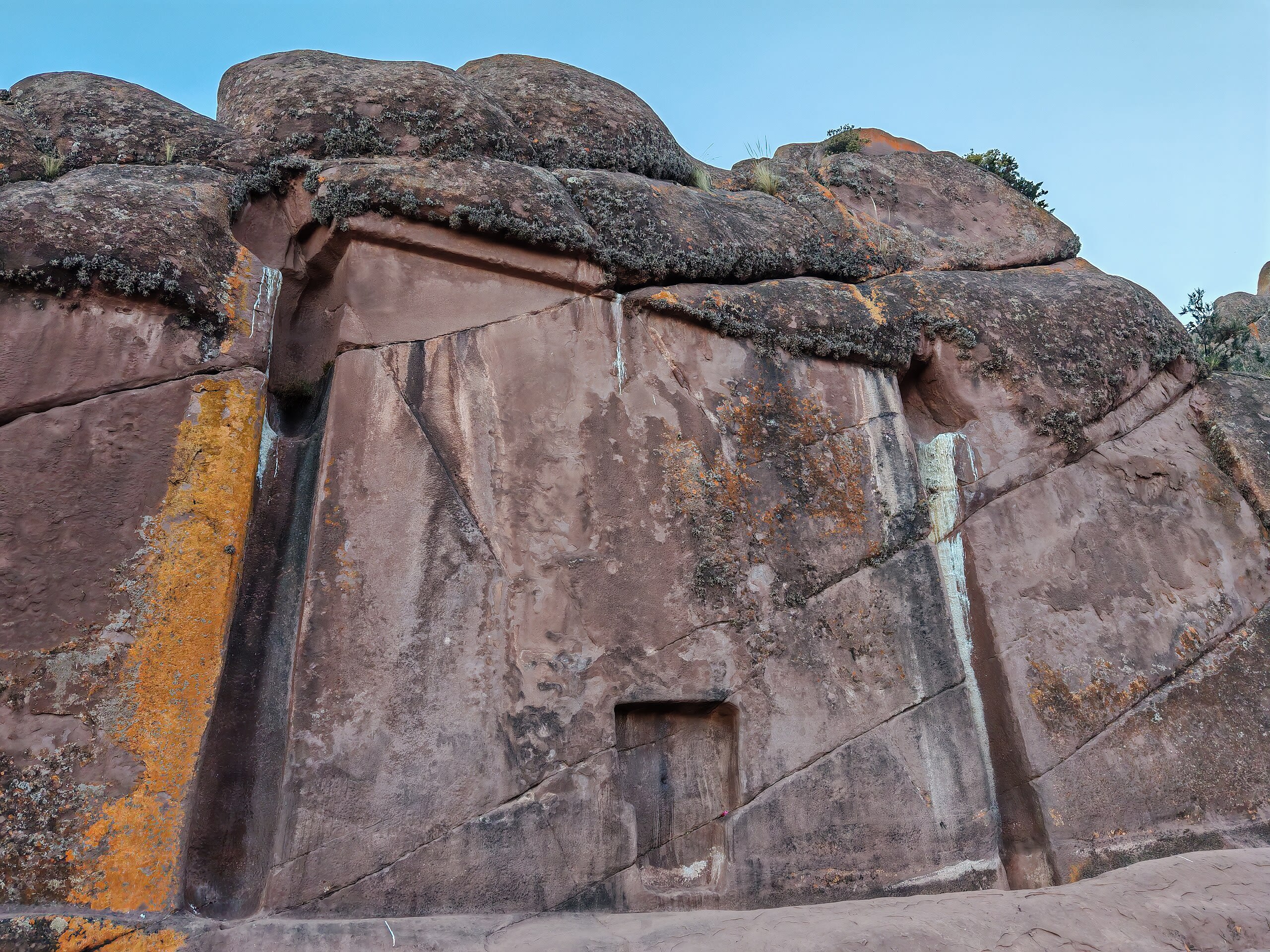
Aramu Muru
Ilave, Puno, Peru
Aramu Muru is a abandoned stone carving of sacred significance. Approximate coordinates: -16.17051, -69.54123. Attributes: built, cultural, archaeological, pilgrimage. Tradition: Incan. Mythological context: Incan. Aramu Muru is an abandoned stone carving in Peru, near Lake Titicaca, known as “Gate of the Gods”. It was discovered in the early 1990s and is believed to be an abandoned Incan construction project. The flat stone is approximately 23 ft (7.0 m) square, with a T-shaped niche measuring 6 feet and 6 inches (198 cm) tall carved into it. Aramu Muru is a popular tourist destination for paranormal pilgrimage. Legend has it that an Incan priest in possession of a golden disk, placed the disk in a small depression in the door (the door being the niche carved into the rock), and this caused the door to open. The golden disk supposedly dropped from the sky. Located in Ilave, Puno, Peru.
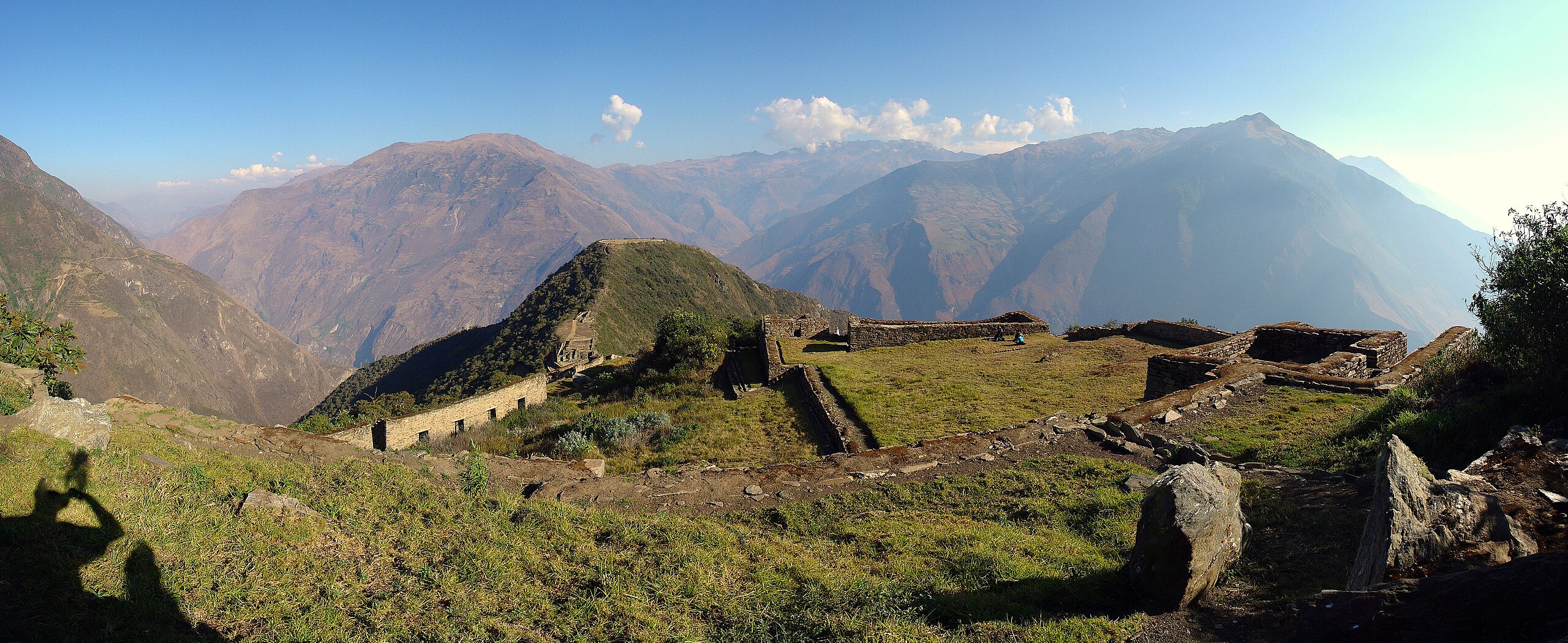
Choquequirao Archaeological Park, Peru
Santa Teresa, Cusco, Peru
Choquequirao Archaeological Park, Peru is a archaeological park of sacred significance. Approximate coordinates: -13.39501, -72.87222. Attributes: built, cultural, archaeological. Tradition: Inca. Located in Santa Teresa, Cusco, Peru.
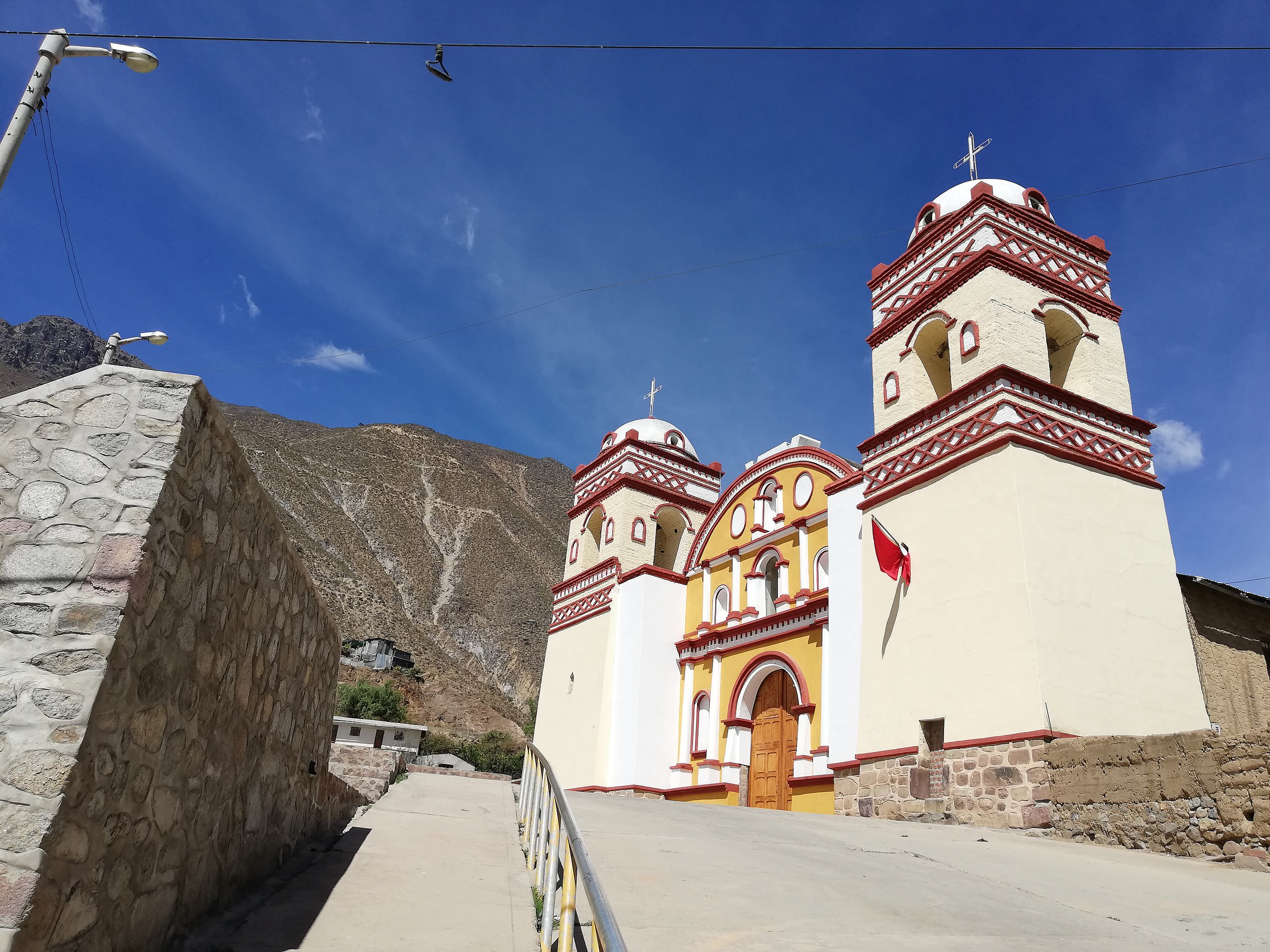
Church of Saint John the Baptist of Huaytara
Huaytará, Huancavelica, Peru
Huaytara, Iglesia San Juan Bautista is a church of sacred significance. Approximate coordinates: -13.60506, -75.35443. Attributes: built, cultural. Associated figure: San Juan Bautista. Located in Huaytará, Huancavelica, Peru.
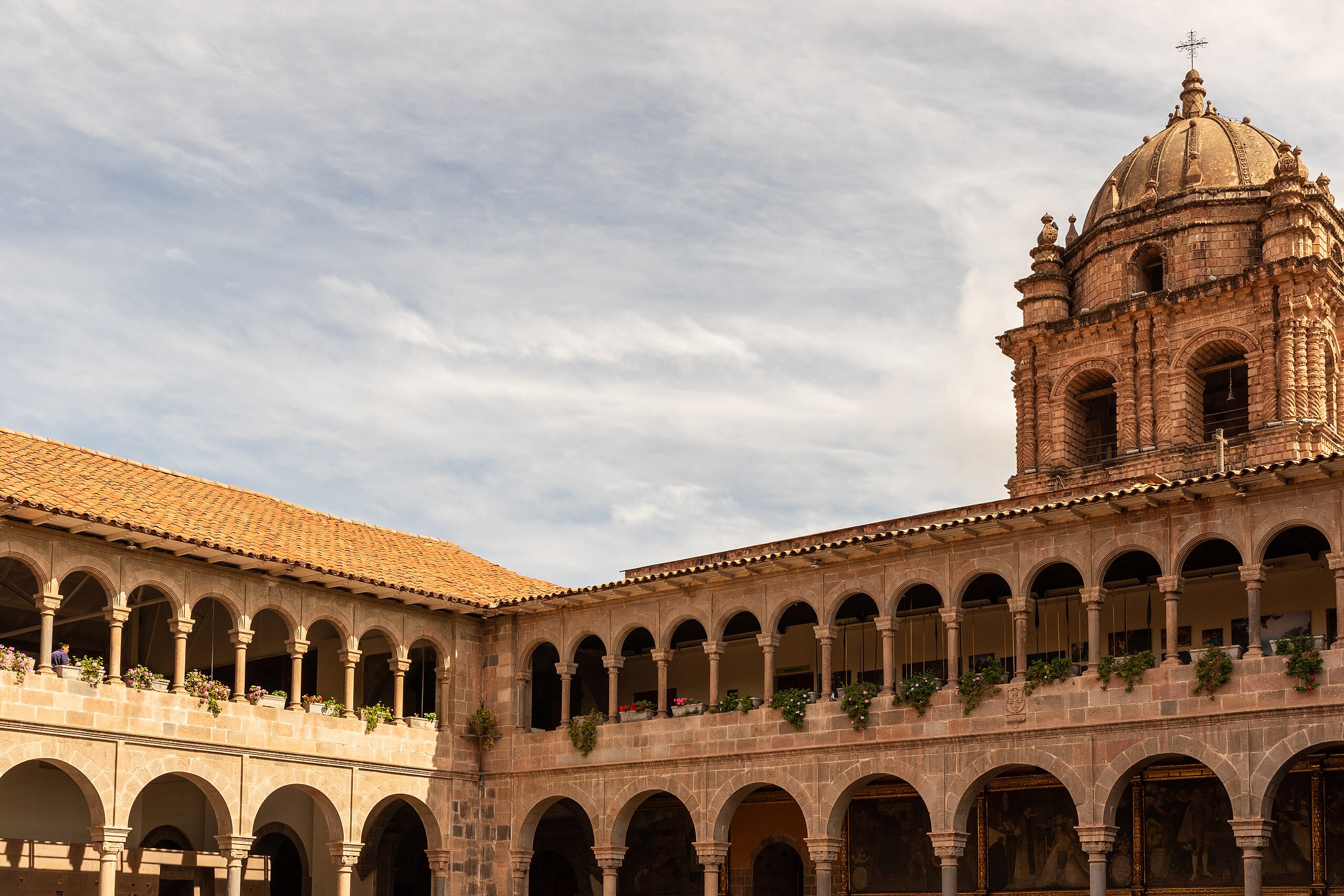
Iglesia de Santo Domingo & Korikancha
Cusco, Cusco Region, Peru
Iglesia de Santo Domingo & Korikancha is a church & temple of sacred significance. Approximate coordinates: -13.51996, -71.97511. Attributes: built, cultural, archaeological, pilgrimage. Tradition: Christianity & Inca. Located in Distrito de Cusco, Cusco, Peru.
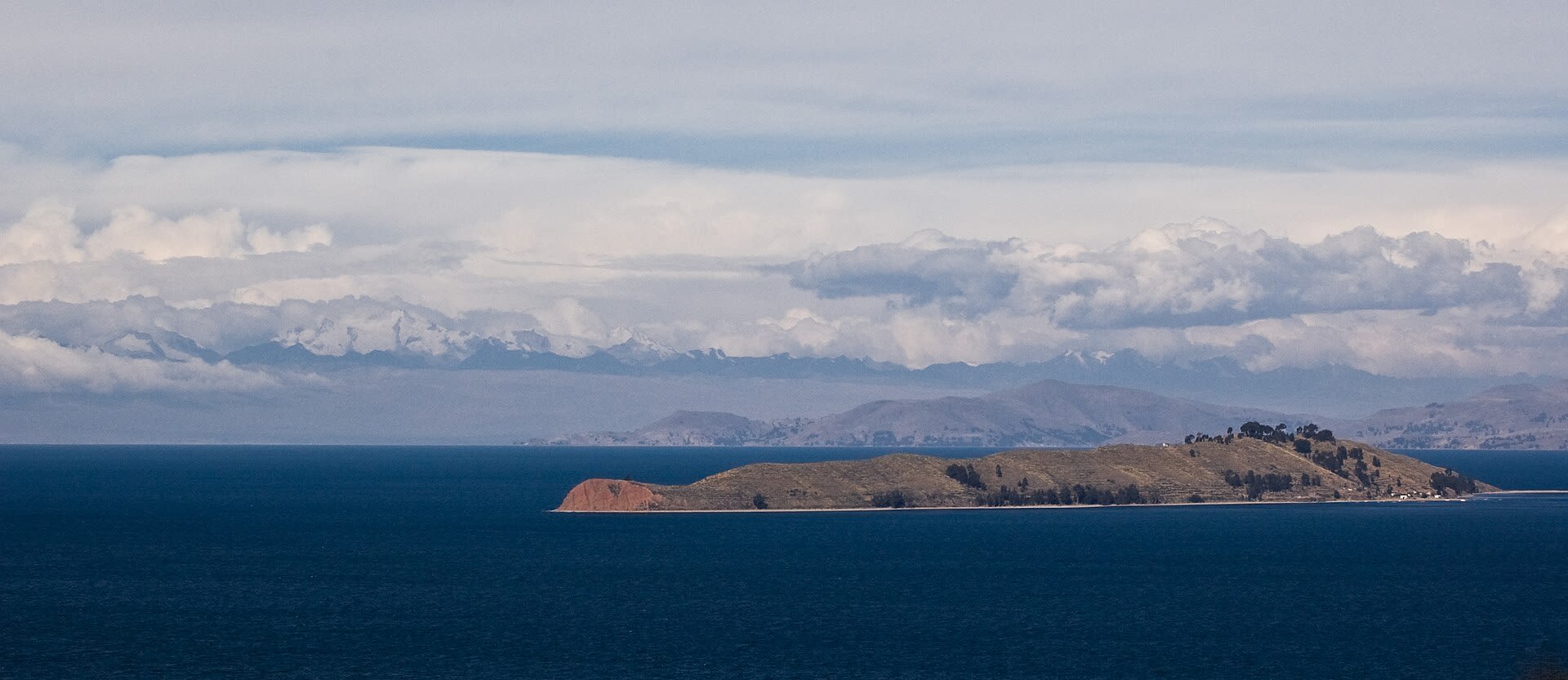
Isla Del Luna
Copacabana, La Paz, Bolivia
Isla Del Luna in Copacabana, La Paz, Bolivia.
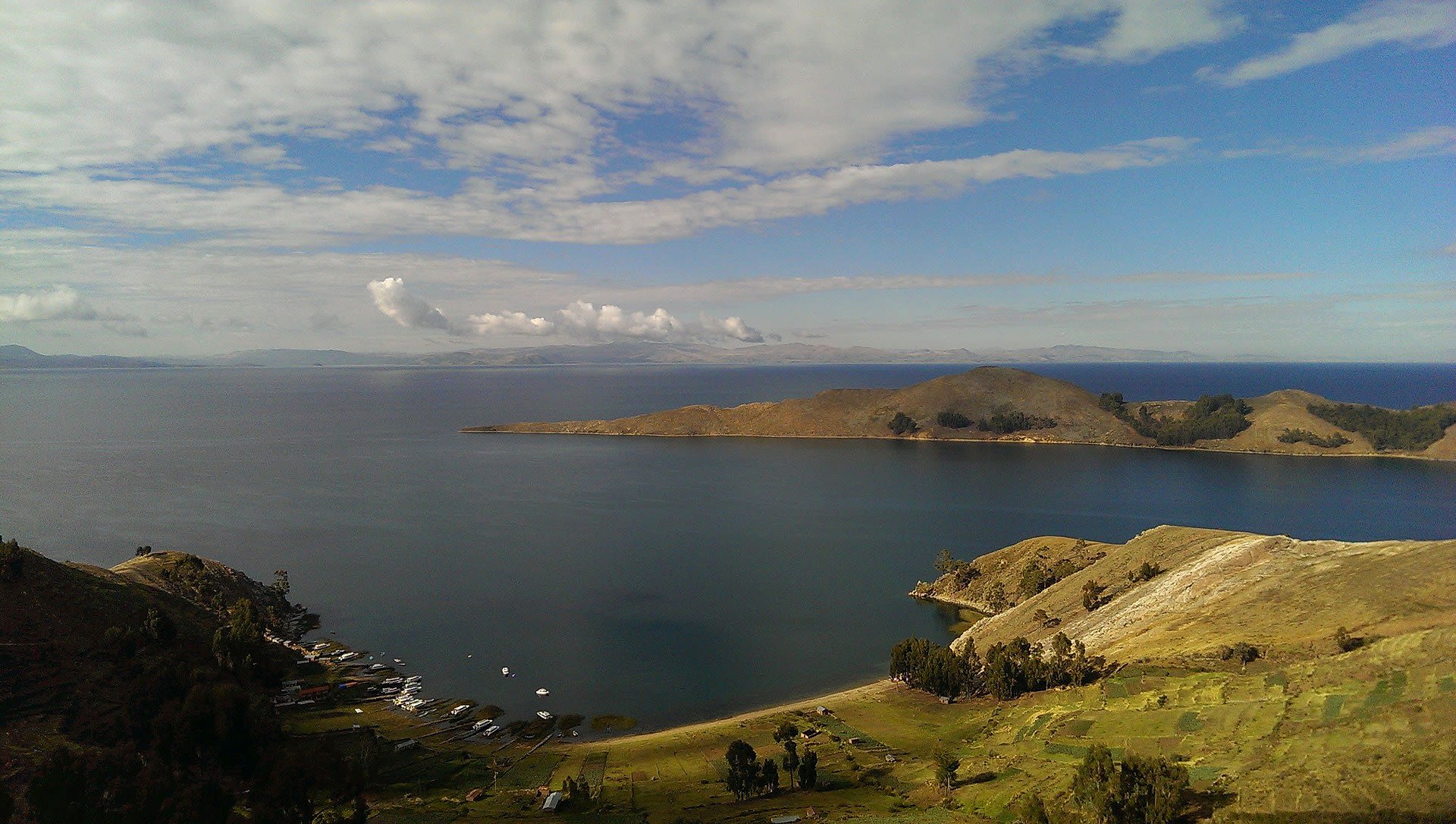
Isla Del Sol
Copacabana, La Paz, Bolivia
Isla Del Sol in Copacabana, La Paz, Bolivia.
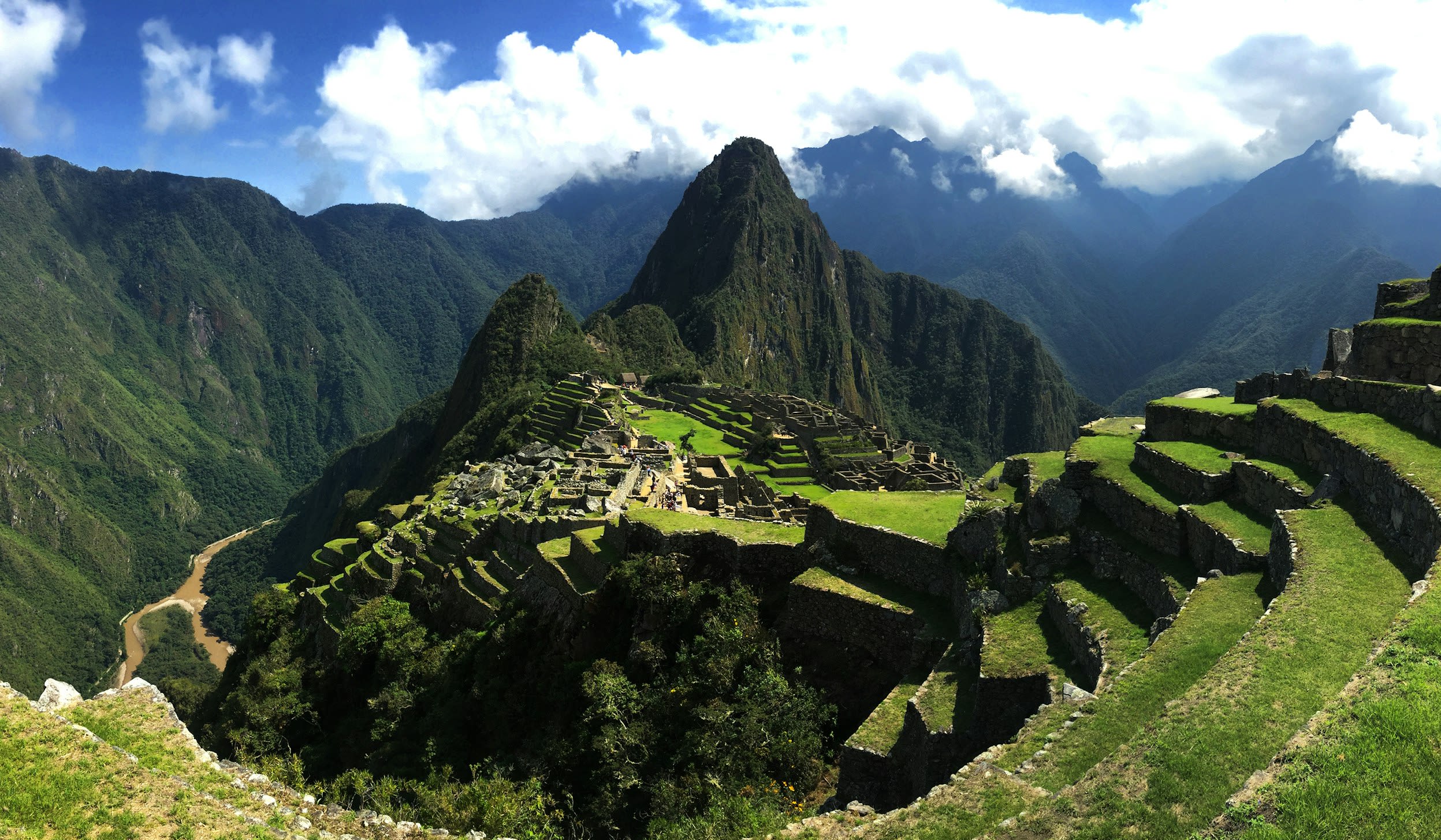
Machu Picchu
Machupicchu, Cusco, Peru
Machu Picchu is a inca citadel of sacred significance. Approximate coordinates: -13.16390, -72.54616. Attributes: built, cultural, archaeological. Tradition: Inca. Associated figure: Inca Emperor Pachacuti. Recognized as a UNESCO World Heritage Site. Machu Picchu is a 15th-century Inca citadel located in the Eastern Cordillera of southern Peru on a mountain ridge at 2,430 meters (7,970 ft). Often referred to as the Lost City of the Incas , it is the most familiar icon of the Inca Empire. It is located in the Machupicchu District within the Urubamba Province above the Sacred Valley, which is 80 kilometers (50 mi) northwest of the city of Cusco. The Urubamba River flows past it, cutting through the Cordillera and creating a canyon with a subtropical mountain climate. The Inca civilization had no written language and following the first encounter by the Spanish soldier Baltasar Ocampo, no Europeans are recorded to have visited the site from the late 16th century until the 19th century. As far as historical knowledge extends, there are no existing written records detailing the site during its period of active use. The leading theory is that Machu Picchu was a private city for Incan royalty. The names of the buildings, their supposed uses, and their inhabitants, are the product of modern archaeologists based on physical evidence, including tombs at the site. Machu Picchu was built in the classical Inca style, with polished dry-stone walls. Its three primary structures are the Temple of the Sun, the Temple of the Three Windows, and the Intihuatana. From 1929 to 1971, Machu Picchu underwent extensive restoration and conservation work, including structural stabilization and artifact excavation, driven by government initiatives and research expeditions. Most recent archaeologists believe that Machu Picchu was constructed as an estate for the Inca emperor Pachacuti (1438–1472). The Inca built the estate around 1450 but abandoned it a century later, at the time of the Spanish conquest. According to the new AMS radiocarbon dating, it was occupied from c. 1420–1532. Historical research published in 2022 claims that the site was probably called Huayna Picchu by the Inca people themselves, as it exists on the smaller peak of the same name. Machu Picchu was declared a Peruvian Historic Sanctuary in 1982 and a UNESCO World Heritage Site in 1983. In 2007, Machu Picchu was voted one of the New Seven Wonders of the World in a worldwide internet poll. Located in Machupicchu, Cusco, Peru.
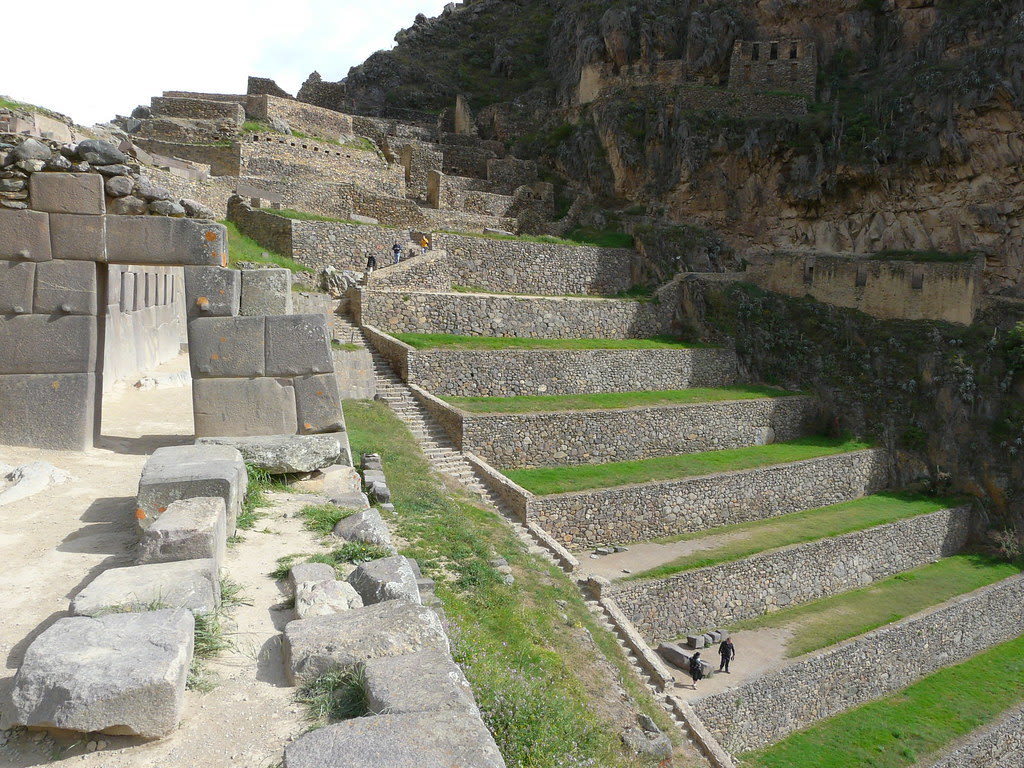
Ollantaytambo Archeological Site
Compone, Cusco, Peru
Ollantaytambo is a site of sacred significance. Approximate coordinates: -13.25668, -72.26590. Ollantaytambo (Quechua: Ullantaytampu) is a town and an Inca archaeological site in southern Peru some 72 km (45 mi) by road northwest of the city of Cusco. It is located at an altitude of 2,792 m (9,160 ft) above sea level in the district of Ollantaytambo, province of Urubamba, Cusco region. During the Inca Empire, Ollantaytambo in the Sacred Valley of the Incas was the royal estate of Emperor Pachacuti, after the mid-15th century.: 73 He built a town and a ceremonial center there. At the time of the Spanish conquest of Peru, it served as a stronghold for Manco Inca Yupanqui, leader of the Inca resistance. It is now an important tourist attraction on account of its Inca ruins and its location en route to a starting point for the four-day, three-night hike of the Inca Trail. Located in Ollantaytambo, Cusco, Peru.
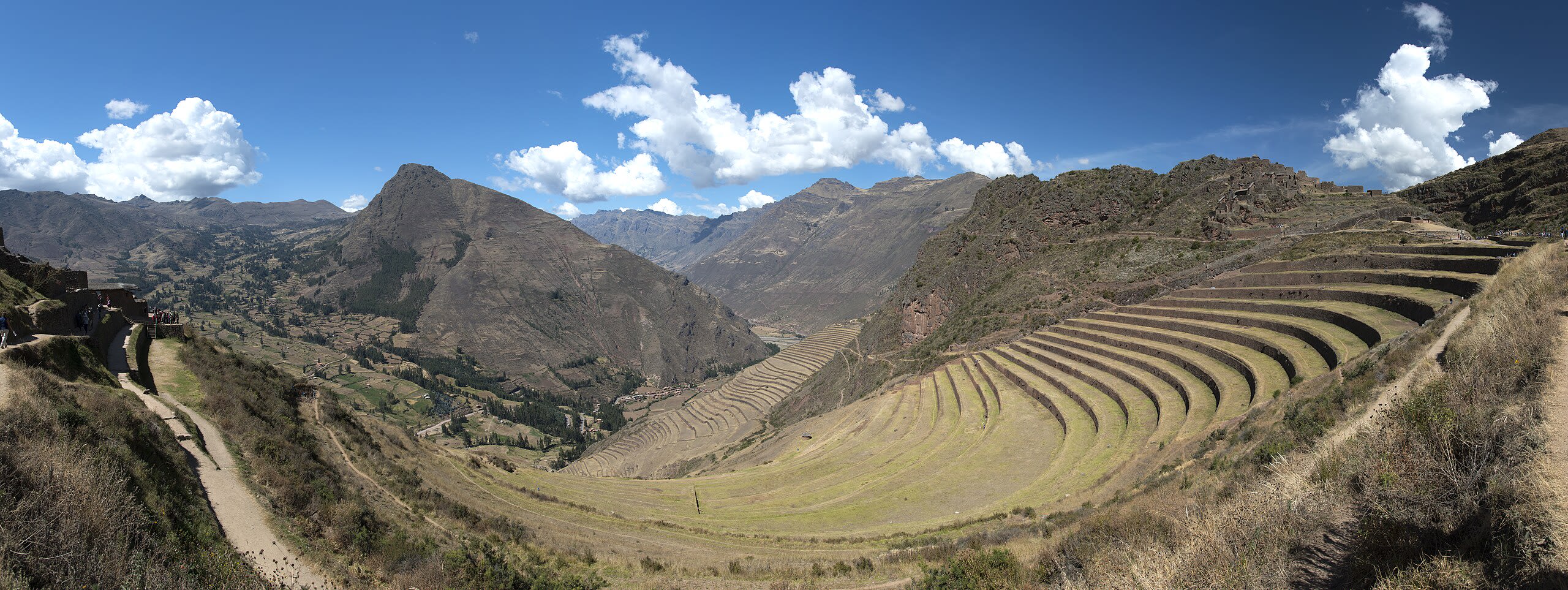
Pisac Incan Archaeological Complex
Pisac, Cusco, Peru
Pisac is a site of sacred significance. Approximate coordinates: -13.40778, -71.84434. Located in Pisac, Cusco, Peru.
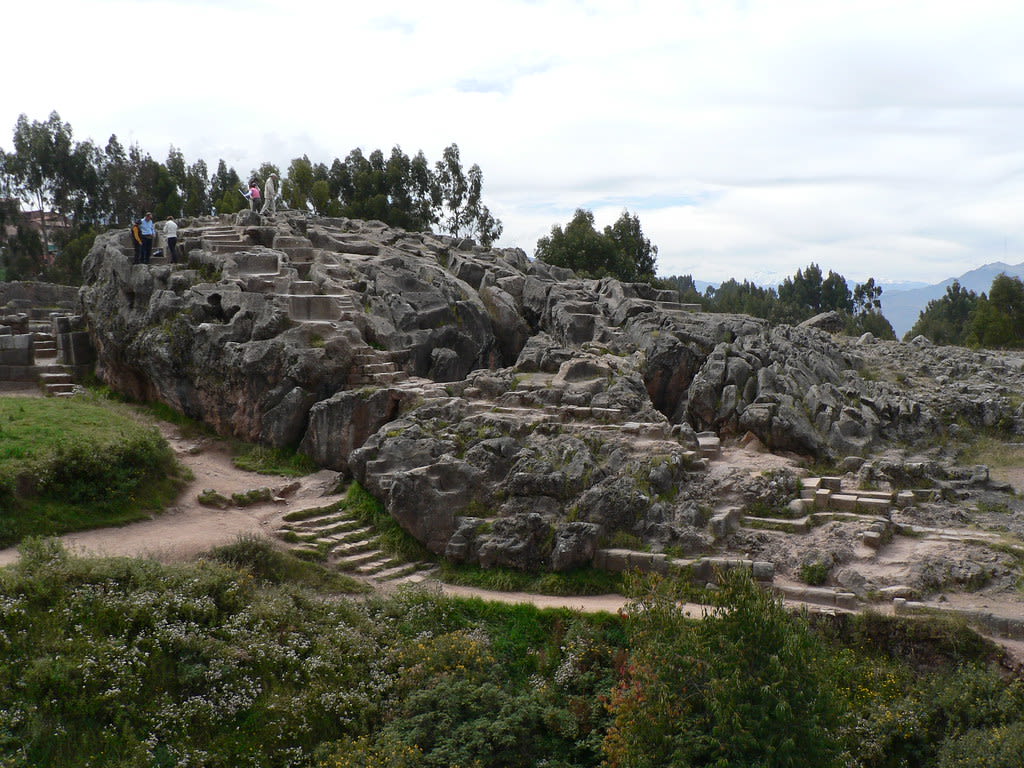
Q'enco Archeological Complex
Cuzco, Cusco, Peru
Qenko is a site of sacred significance. Approximate coordinates: -13.50883, -71.97047. Q enqo, Qenko, Kenko, or Quenco (all from Quechua for zig-zag ) is an archaeological site in the Sacred Valley of Peru located in the Cusco Region, Cusco Province, Cusco District, about 6 km north east of Cusco. The site was declared a Cultural Heritage (Patrimonio Cultural) of the Cusco Region by the National Institute of Culture. It is one of the largest huacas (holy places) in the Cusco Region. Many huacas were based on naturally occurring rock formations. It was believed to be a place where sacrifices and mummification took place. A tunnel runs inside the huaca with a large gutter on one side, leading to a room containing a ceremonial table with niches on either side. The discovery of many bones within the gutter leads experts to believe this room was the site of ritual sacrifices. One of the niches was used to place mummies while another contained a large silver plate which reflected the sun s rays into the room. Located in Distrito de Cusco, Cusco, Peru.
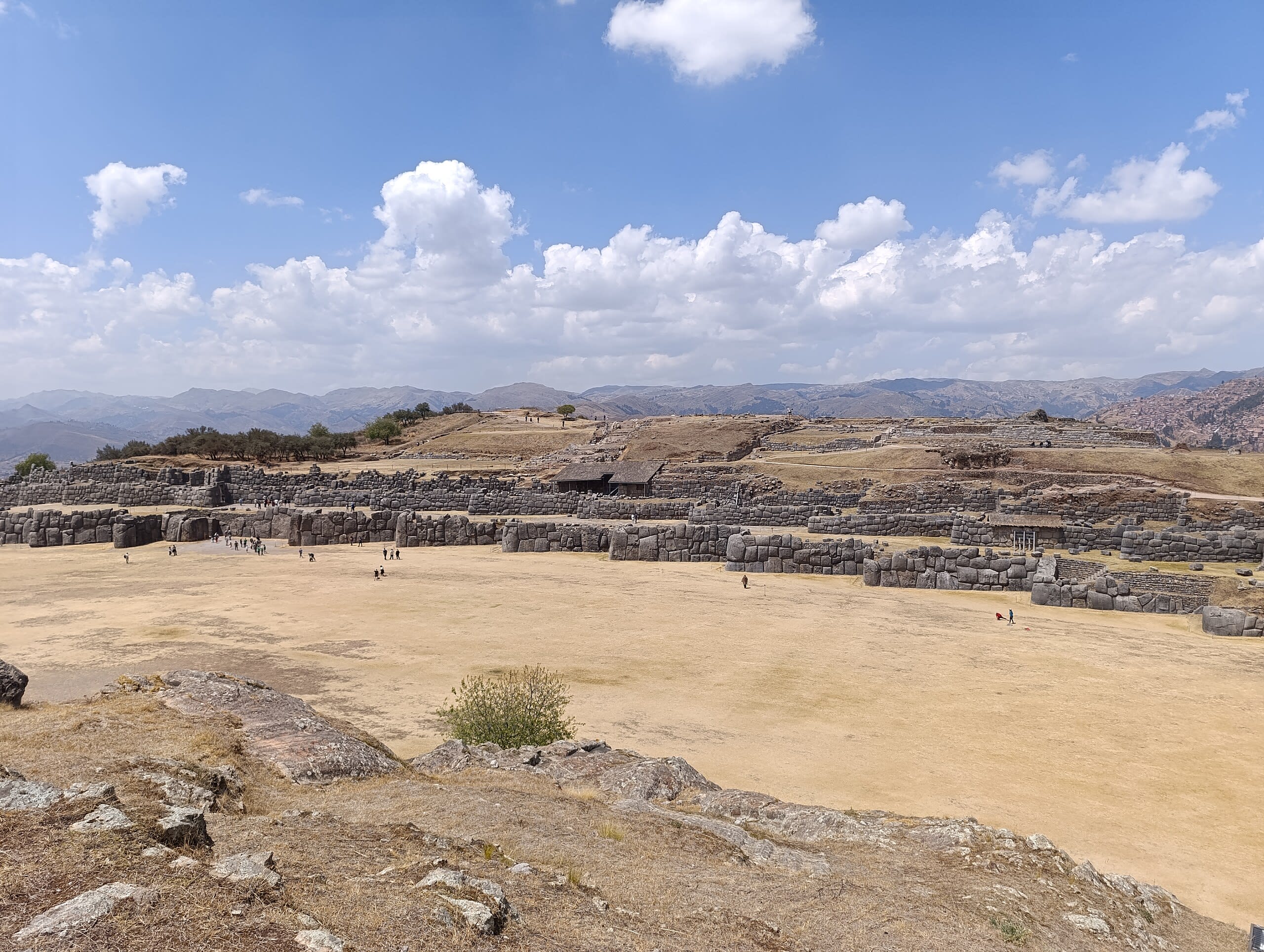
Saqsaywaman
Cuzco, Cusco, Peru
Saqsaywaman is a site of sacred significance. Approximate coordinates: -13.50986, -71.98169. Located in Distrito de Cusco, Cusco, Peru.
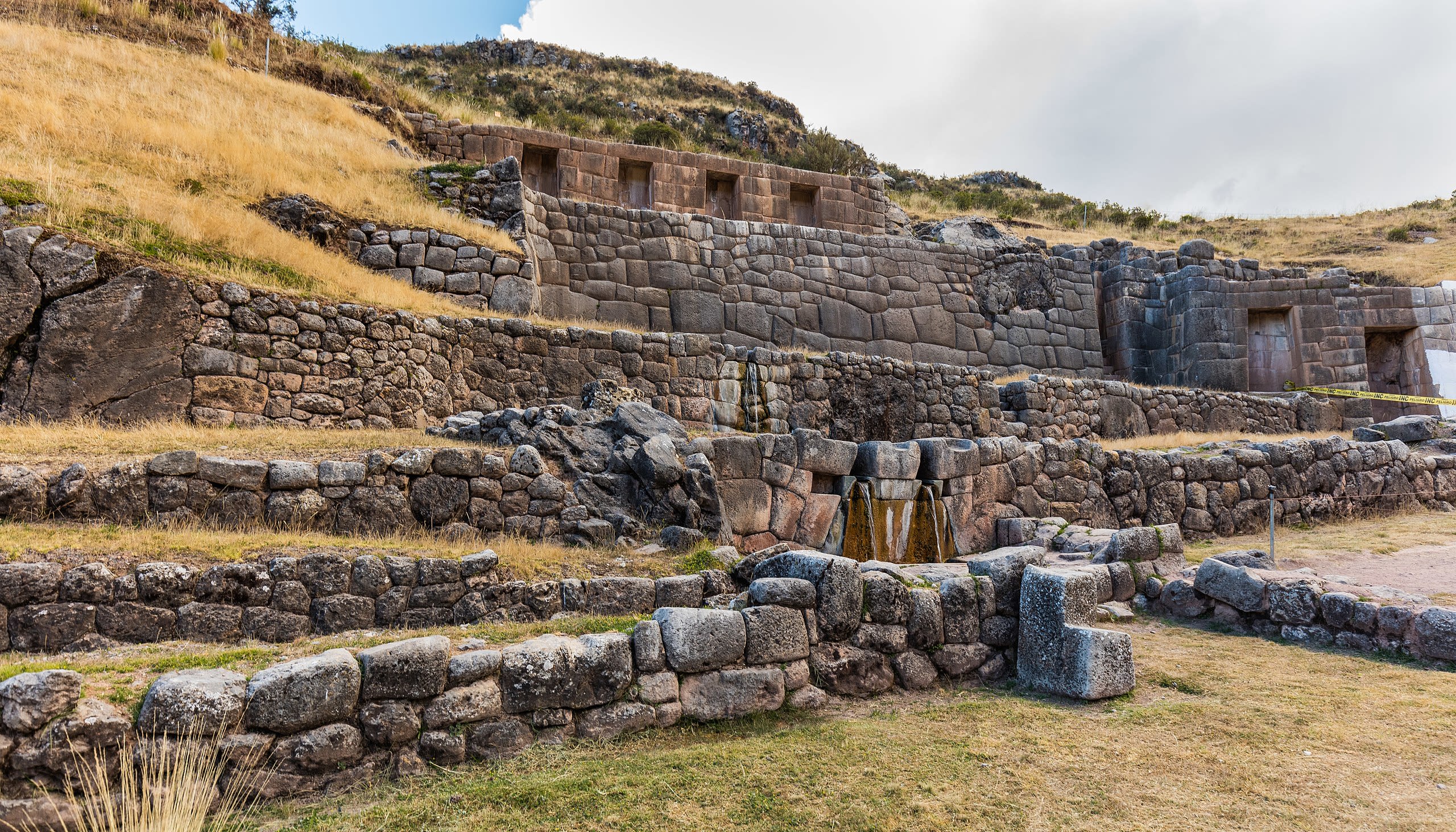
Tambomachay Archaeological Complex
Cuzco, Cusco, Peru
Tambomachay is a site of sacred significance. Approximate coordinates: -13.47999, -71.96639. Tambomachay (possibly from Quechua tampu inn, guest house, mach ay cave, or machay drunkenness, to get drunk or spindle with thread ) is an archaeological site associated with the Inca Empire, located near Cusco, Peru. An alternate Spanish name is El Baño del Inca ( the bath of the Inca ). It consists of a series of aqueducts, canals and waterfalls that run through the terraced rocks. It is situated near springs such as the one called Timpuc Puquiu, a boiling spring on the northern bank of the Timpuc River and the spring near Huaylla Cocha community. These natural springs were channeled through three waterfalls that still flow today. The function of the site is uncertain: it may have served as a military outpost guarding the approaches to Cusco, as a spa resort for the Incan political elite or imperial baths. It could have also served a religious function since sacred water fountains were found almost all of major Incan temple such as Pisac, Ollantaytambo, and Machu Picchu. There are sources that refer to Tambomachay as one of the nine ceques built along the Road of Antisuyu, describing it as an Incan house where sacrifices were also made. Located in Distrito de Cusco, Cusco, Peru.