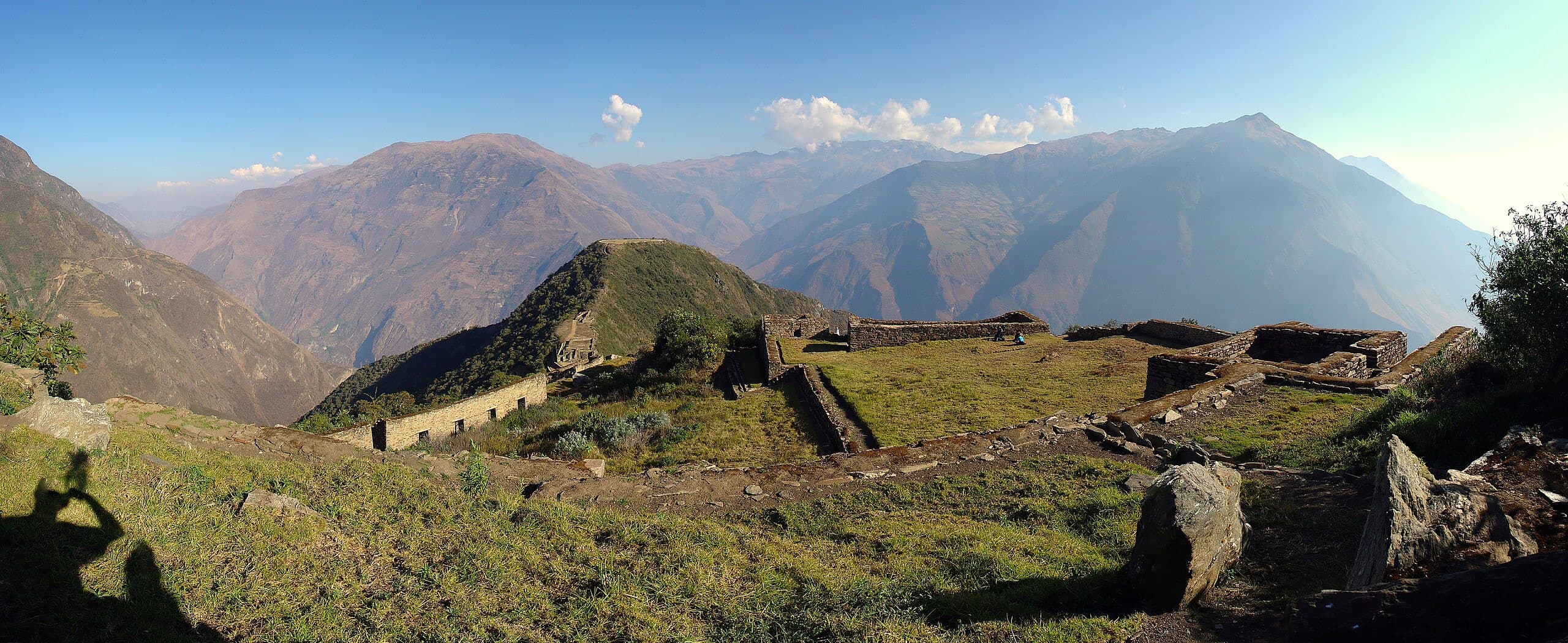
Choquequirao Archaeological Park, Peru
The Cradle of Gold—Machu Picchu's remote sister city, where llamas climb stone terraces and silence reigns
Santa Teresa, Cusco, Peru
At A Glance
- Coordinates
- -13.5333, -72.7333
- Suggested Duration
- Four to five days for the trek; plan additional rest time at the site to fully appreciate the experience.
Pilgrim Tips
- Sturdy hiking boots and layered clothing appropriate for Andean conditions. Weather can change rapidly.
- Photographs welcomed; the site offers extraordinary subjects. Be mindful of other visitors seeking solitude.
- The trek is physically demanding and requires good fitness. Altitude ranges from 1,450 to 3,050 meters. Proper preparation and appropriate gear are essential. Consider hiring a guide and porters.
Overview
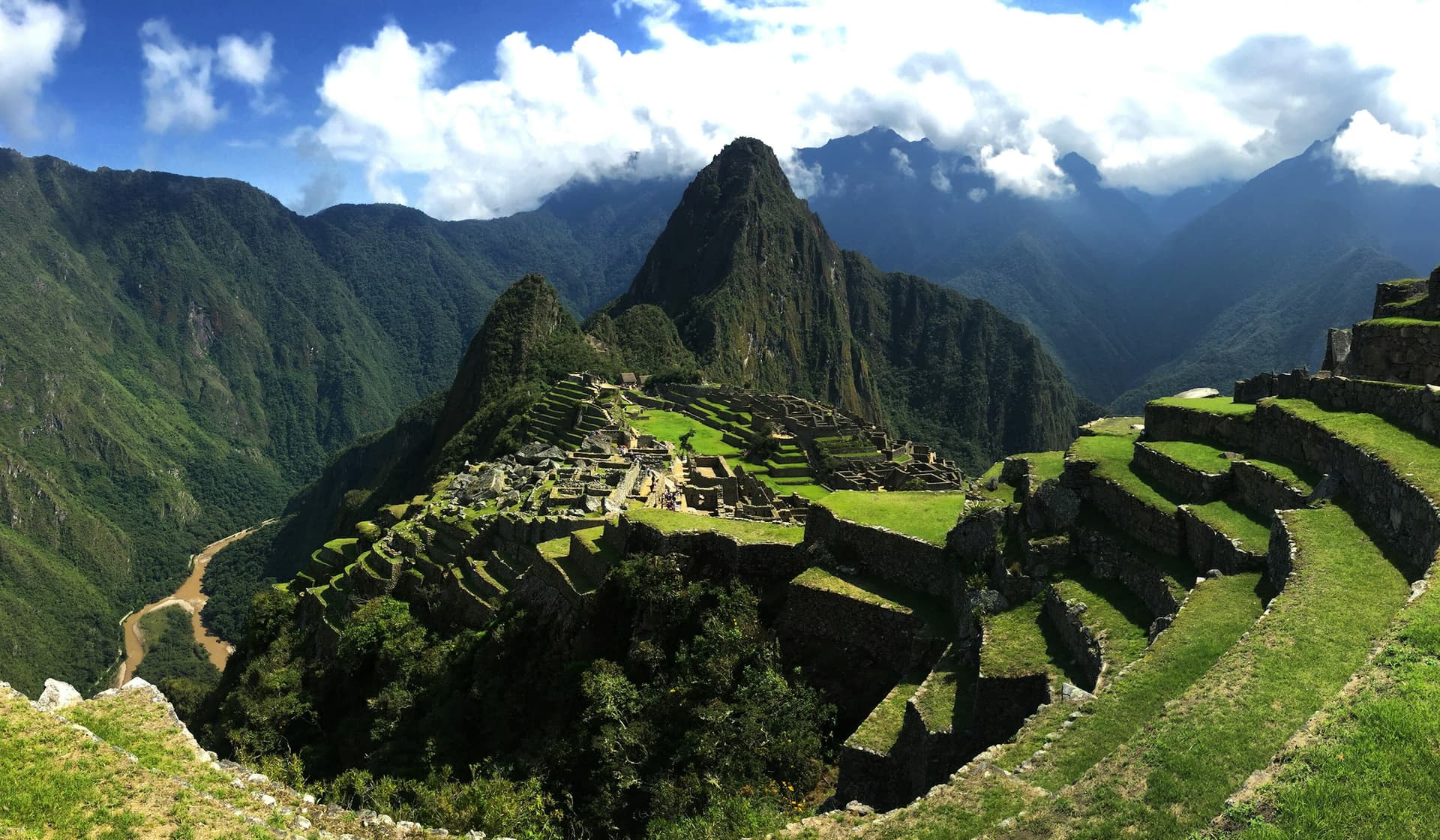
While Machu Picchu receives 2,500 visitors daily, Choquequirao sees only about twelve. This sister city of the famous ruins demands a four-to-five day trek through the Apurímac canyon to reach—and rewards the journey with terraces bearing white stone llama mosaics, ceremonial platforms overlooking cloud forests, and an authenticity that mass tourism has erased from other Inca sites. At 3,050 meters, three times larger than Machu Picchu yet only thirty percent excavated, Choquequirao remains Peru's great undiscovered sanctuary.
Choquequirao—from Quechua chuqui (gold) and k'iraw (cradle)—rises from a spur overlooking the Apurímac River canyon at 3,050 meters. Built during the height of the Inca empire in the late 15th century, possibly founded by Pachacuti and expanded by his son Tupac Inca Yupanqui, this ceremonial and administrative center controlled access to the Vilcabamba region, the last stronghold of Inca resistance against the Spanish.
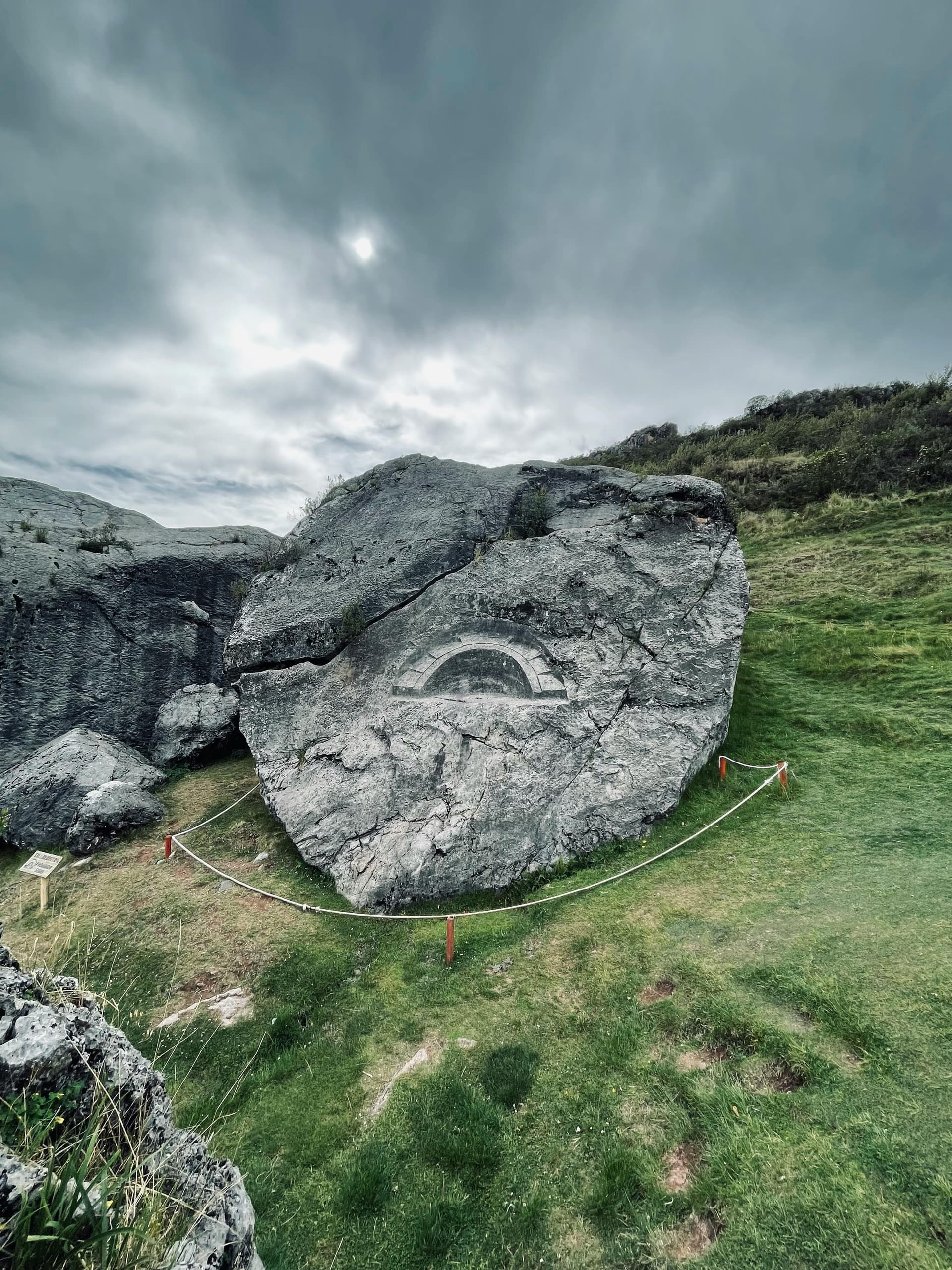
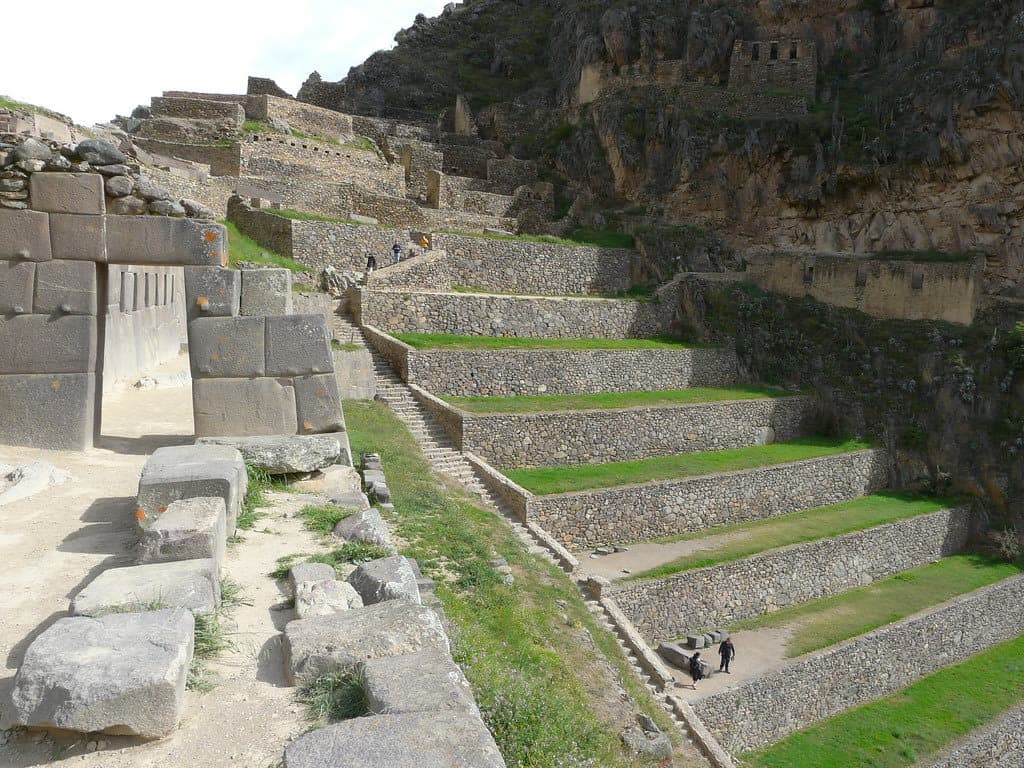
The complex covers approximately 1,800 hectares—three times the size of Machu Picchu—yet only thirty to forty percent has been excavated. What has emerged from the jungle includes the most distinctive feature of any Inca site: terraces decorated with white stone mosaics depicting llamas climbing the mountainside. These are definitively llamas, not alpacas—too skinny, and at too low an elevation for alpaca—demonstrating the sacred status of these animals in Inca religion.
The sister city comparison with Machu Picchu is apt: similar architecture, similar dramatic siting, similar mystery. But where Machu Picchu has become a symbol of tourism's transformative pressure, Choquequirao retains the quality of discovery. The trek that keeps most visitors away also preserves the site's atmosphere. When you arrive after days of walking through the canyon and climbing to the ruins, you encounter what Hiram Bingham must have felt at Machu Picchu—the sense of coming upon something that the jungle has only reluctantly revealed.
As part of Pachacuti's estate in the Vilcabamba range, Choquequirao would have hosted important state religious ceremonies. Its position controlling the sacred geography of Inca resistance gives it historical weight that complements its architectural grandeur.
Context And Lineage
Built in the late 15th century as part of Pachacuti's estate, Choquequirao served ceremonial, administrative, and defensive functions. Its position controlling access to Vilcabamba gave it strategic importance during and after the Spanish conquest.
The Vilcabamba range was Inca sacred geography—remote, dramatic, and defensible. Sometime in the late 15th century, Pachacuti or his son Tupac Inca Yupanqui began building Choquequirao on a spur overlooking the Apurímac canyon. The location was strategic: the site controlled access to the Vilcabamba region that would later become the last stronghold of Inca resistance.
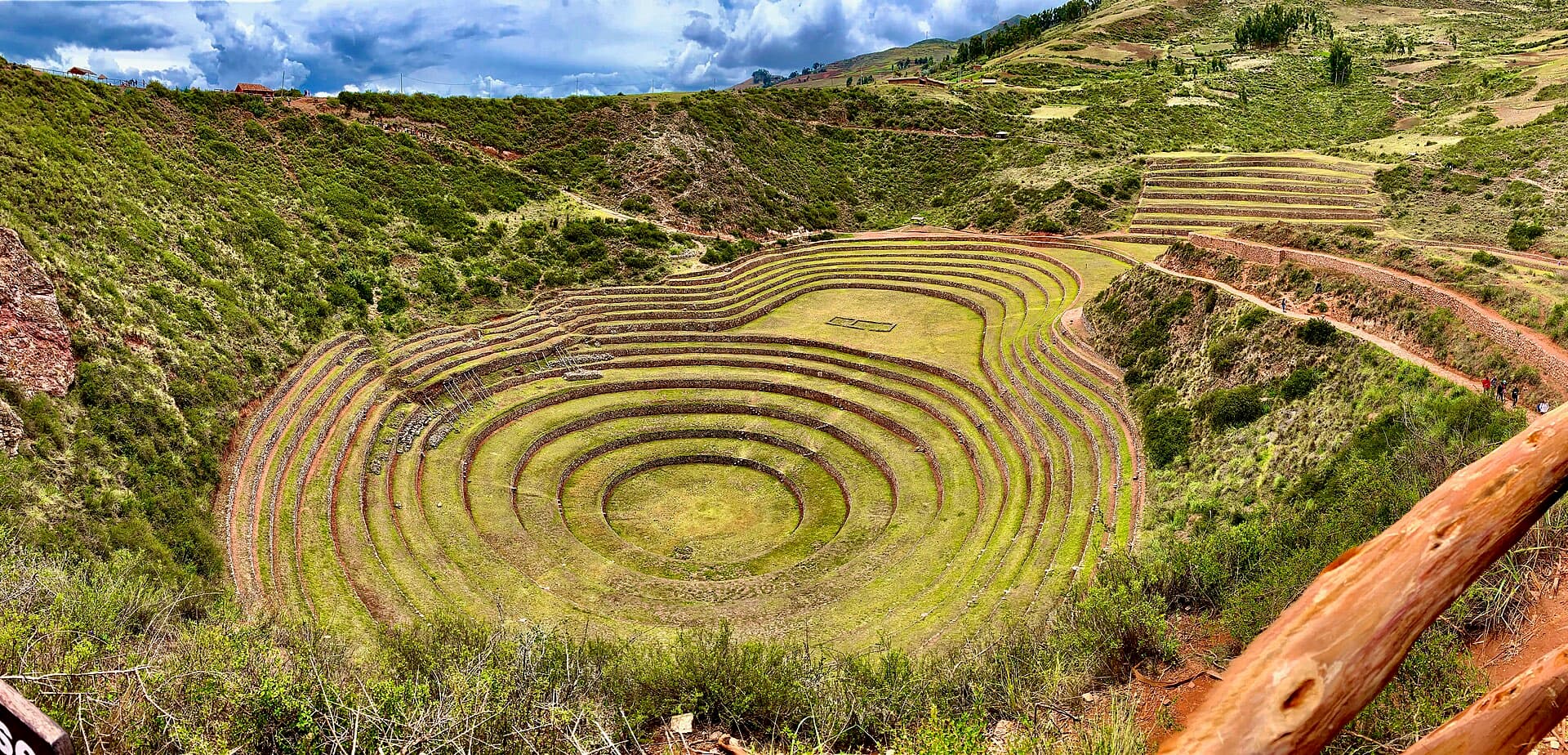
The architecture reveals the site's multiple functions. Ceremonial platforms hosted state religious rituals appropriate to a site within Pachacuti's personal estate. Administrative buildings organized the labor and resources that flowed through this checkpoint. The terraces with their llama mosaics combined agriculture with devotion—each harvest conducted under the eyes of the sacred animals.
When the Spanish conquered Cusco in 1533, the Inca resistance retreated toward Vilcabamba. Choquequirao's isolation protected it; unlike sites closer to Spanish power centers, it was never thoroughly conquered or destroyed. The jungle eventually reclaimed it, preserving what remained until archaeological interest revived in the modern era.
Today, only thirty to forty percent of the complex has been excavated. The terraces, ceremonial centers, and water channels that have emerged hint at a site of tremendous importance. What remains beneath the vegetation awaits future discovery.
Inca imperial, specifically connected to the royal estate of Pachacuti. No continuous religious use after the Spanish conquest, but the site retains its sacred character.
Pachacuti (Inca Yupanqui)
Probable founder
Tupac Inca Yupanqui
Expander
Why This Place Is Sacred
Choquequirao's thin quality emerges from its earned solitude—the four-day trek creates a pilgrimage that filters visitors, preserving the site's atmosphere of revelation and encounter with the unexcavated mystery of Inca sacred geography.
Most thin places are accessible. Choquequirao is not. The four-to-five day trek through the Apurímac canyon—descending 1,600 meters to the river and climbing back up to 3,050 meters—functions as a threshold, a trial that separates the curious from the committed. Only about twelve people per day complete this journey. Each one arrives having earned the encounter.
This earned arrival transforms the experience. Unlike Machu Picchu, where the train delivers thousands daily to a site organized for efficient viewing, Choquequirao offers no infrastructure of managed tourism. The ruins emerge from the jungle as they must have emerged for the Spanish who never conquered this place, for the local people who knew it existed but kept its secrets.
The llama mosaics climbing the terraces add a specific Inca theological dimension. Llamas were sacred animals, offered in ceremonies, essential to the empire's agricultural and spiritual economy. To carve them into terraces—permanent offerings that could never be removed—was to consecrate this ground to purposes that transcended utility.
The site's connection to Vilcabamba, the last refuge of Inca resistance, adds historical weight. This was sanctuary in the most literal sense—a place of safety when the empire was collapsing. The Inca who retreated here were not simply fleeing; they were preserving something sacred against destruction.
Choquequirao's thinness is thus threefold: the difficulty of access that creates pilgrimage, the theological significance embedded in its architecture, and the historical role as last sanctuary of a dying civilization.
Ceremonial center, administrative hub, and checkpoint controlling access to the Vilcabamba region. Part of Pachacuti's estate, used for important state religious ceremonies.
From functioning Inca ceremonial center to abandoned site to object of archaeological interest. Current excavation has revealed 30-40% of the complex; the rest remains buried under jungle growth.
Traditions And Practice
Ancient practices included Inca state ceremonies, agricultural rituals on the sacred terraces, and veneration of llamas as sacred animals. Modern visitors practice pilgrimage through the demanding trek that accesses the site.
Inca state ceremonies and rituals at ceremonial platforms. Agricultural rituals on terraces. Veneration of llamas as evidenced by the stone mosaics. Control of access to Vilcabamba's sacred geography.
The trek to Choquequirao has become a pilgrimage for those seeking authentic encounter with Inca civilization away from mass tourism. Archaeological research continues to reveal new aspects of the site.
Approach the trek as pilgrimage, not simply hiking. Take time at the site—camp overnight to experience sunrise and sunset over the ruins. Pay particular attention to the llama mosaics and their spiritual significance.
Inca Imperial Religion
HistoricalChoquequirao served as a ceremonial center within Pachacuti's estate, hosting state religious rituals. The llama mosaics demonstrate the integration of animal veneration with architectural expression.
State ceremonies, agricultural rituals, llama veneration. Specific practices inferred from archaeological evidence and comparison with documented Inca religion.
Experience And Perspectives
A four-to-five day trek descending into the Apurímac canyon and climbing to the ruins. The journey is the preparation; the arrival is the revelation. Terraces with llama mosaics, ceremonial platforms, and near-solitude await.
Begin in Cachora, where the trail starts its descent into the Apurímac canyon. The first day takes you down through increasingly warm vegetation to the river itself at approximately 1,450 meters. Cross the bridge and begin the ascent that will occupy the following days.
The trek covers approximately 32 kilometers each way over terrain that makes every meter felt. This is not a hike but a pilgrimage through some of Peru's most dramatic landscape. The Vilcabamba range rises around you; the Apurímac—one of the Amazon's source rivers—thunders below.
Arrival at Choquequirao rewards every step. The site sprawls across its spur at 3,050 meters, offering views across the canyon that stretch imagination toward the Pacific on clear days. Begin with the terraces that bear the famous llama mosaics—white stones set into the terrace walls, depicting the sacred animals climbing the mountainside.
Explore the various sectors: Sunch'u Pata, the truncated hilltop around which the complex organizes; the ceremonial platforms where Inca priests conducted rituals; the sophisticated water channels that brought sacred water to fountains throughout the site. Remember that sixty to seventy percent remains unexcavated—what you see is only part of what exists.
The near-solitude is itself transformative. With only about twelve visitors per day, you will likely have sectors of the site to yourself. Let the silence work on you. Let the journey you've made settle into meaning.
The site is located in the Vilcabamba Valley, approximately 98 miles west of Cusco. Access by four-to-five day trek beginning in Cachora (Capuliyoc). The trek descends into the Apurímac canyon and climbs to 3,050 meters.
Choquequirao can be understood as a ceremonial center within Pachacuti's estate, as the last sanctuary of Inca resistance, as an architectural achievement rivaling Machu Picchu, or as a pilgrimage destination whose difficulty of access preserves its authenticity.
Archaeological research continues to reveal Choquequirao's significance. The llama mosaics are unique in Inca architecture; the site's role in Vilcabamba sacred geography is increasingly understood.
Within Inca cosmology, Choquequirao's position at the edge of Vilcabamba gave it profound spiritual significance. The llama mosaics encode theological meaning about sacred animals and agricultural devotion.
The site's isolation invites reflection on what remains hidden—not only in the unexcavated portions but in all the aspects of Inca spirituality that were lost with the conquest.
Sixty to seventy percent of the site remains unexcavated. The full extent and specific functions of many structures are not yet understood.
Visit Planning
Four-to-five day trek from Cachora, approximately 32 kilometers each way. Only 30-40% of the site excavated. Best visited during dry season (May-October). Plan for all camping and food supplies.
Camping only at the site and along the trail. Basic supplies may be available in Cachora; carry all food and gear.
Treat the site with the reverence due to sacred Inca architecture. Pack out all waste, respect unexcavated areas, and maintain the solitude that makes Choquequirao special.
Choquequirao's low visitor numbers preserve its atmosphere. Your behavior either maintains or degrades this quality. Every piece of trash left behind, every area disturbed, affects the next twelve visitors and all who follow.
Sturdy hiking boots and layered clothing appropriate for Andean conditions. Weather can change rapidly.
Photographs welcomed; the site offers extraordinary subjects. Be mindful of other visitors seeking solitude.
No offerings at the archaeological site. Support local communities along the trek.
Do not disturb unexcavated areas. Stay on established paths. Camp only in designated areas. Pack out all waste.
Sacred Cluster
Nearby sacred places create the location cluster described in the growth plan. This block is intentionally crawlable and links into the wider regional graph.