Tradition guide
Indigenous American
9 sacred sites available through this shared spiritual lineage.
Countries with strong presence
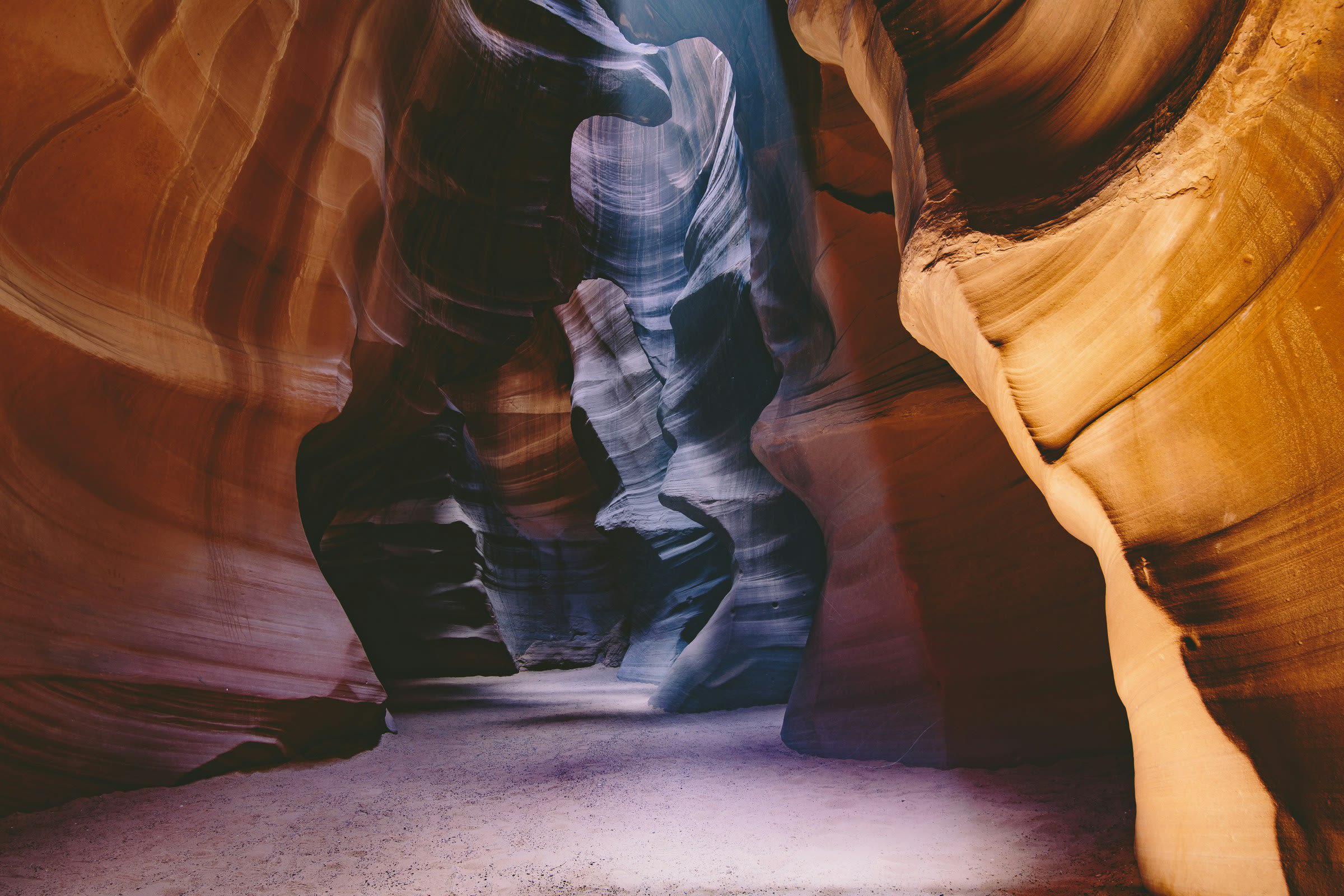
Antelope Canyon
Page, Arizona, United States
Deep within Navajo land, narrow sandstone passages open into chambers of flowing stone and cascading light. The Navajo call this place Tse bighanilini, where water runs through rocks, and understand it as a meeting point between physical and spiritual worlds. Visitors descend into darkness and emerge changed, having walked through what many describe as Earth itself made visible.
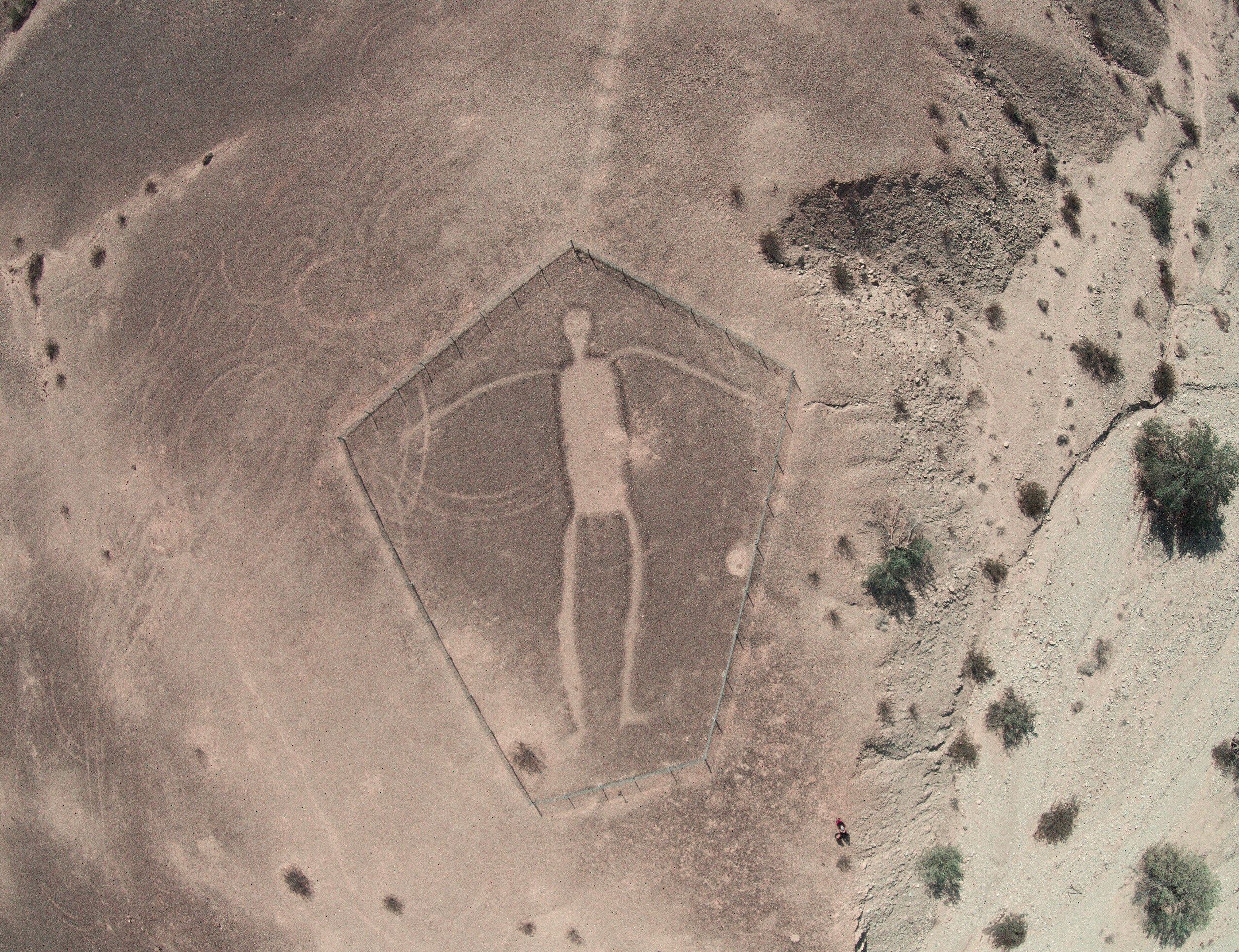
Blythe Intaglios
Blythe, California, USA
In the Colorado Desert, fifteen miles north of Blythe, six colossal figures lie etched into the earth. The largest stretches 171 feet—a human form visible only from above, created by scraping away dark desert rock to reveal lighter soil beneath. The Mohave and Quechan peoples identify these figures as Mastamho, Creator of Earth and all life, and Hatakulya, the mountain lion who helped bring the world into being. For centuries, the geoglyphs remained known only to those who walked this land.
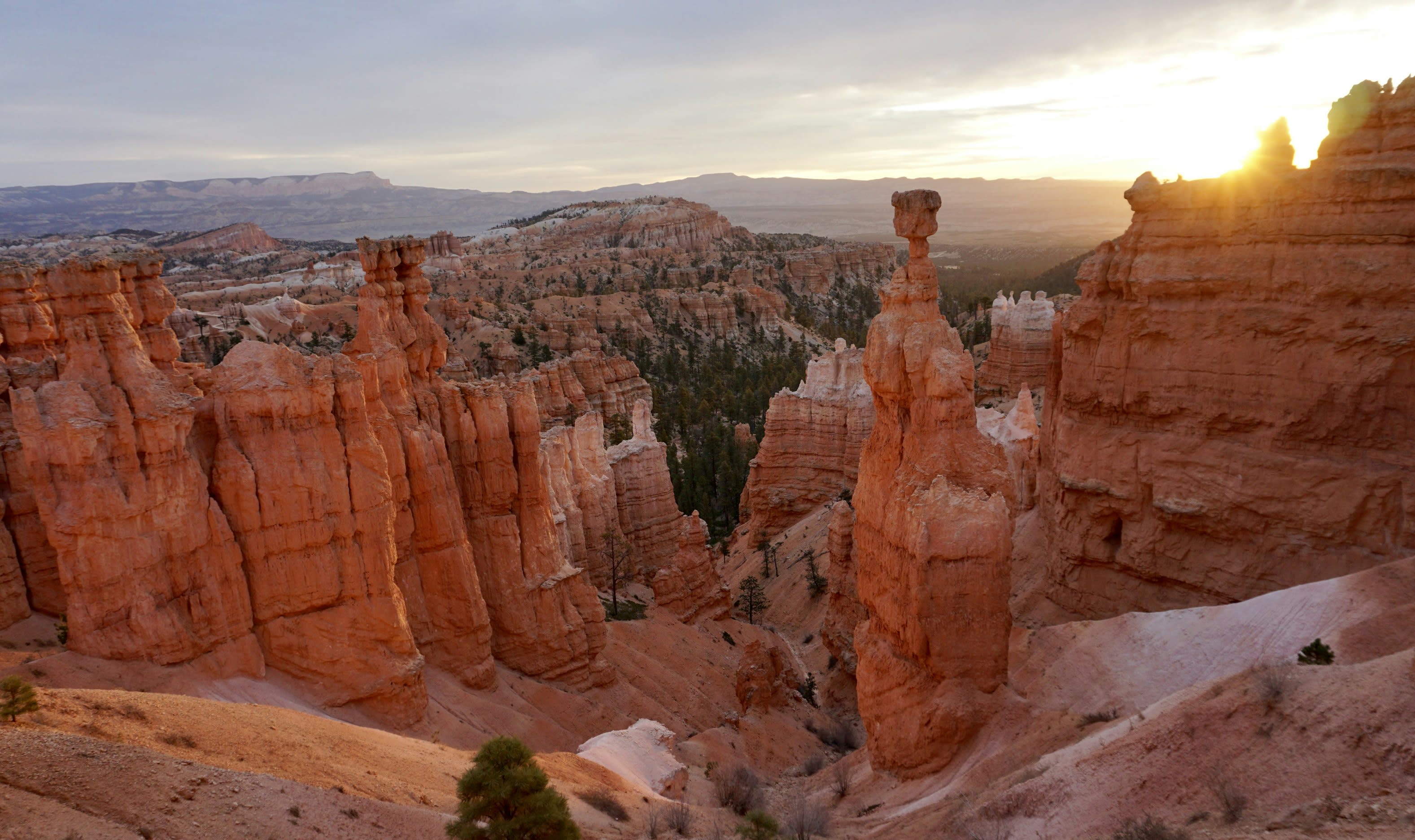
Bryce Canyon National Park
Bryce Canyon City, Utah, United States
At the edge of Utah's high plateau, thousands of stone spires rise from natural amphitheaters in formations found nowhere else on Earth. The Paiute call them the Legend People—ancient beings turned to stone by the Coyote spirit. The Hopi consider this place their heaven. At sunrise, the rocks glow with otherworldly light, and at night, seven thousand stars fill skies darker than almost anywhere in the continental United States.
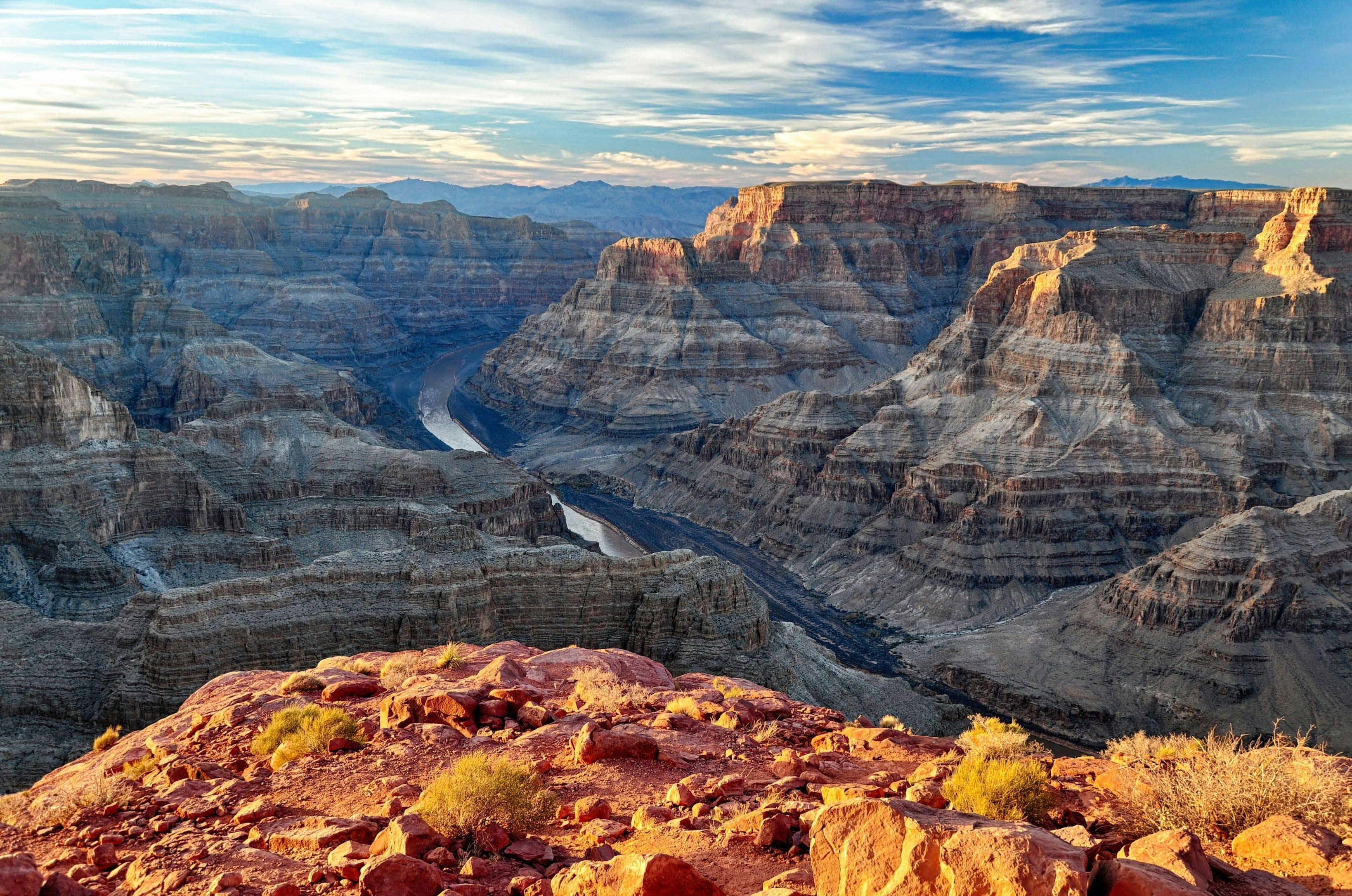
Grand Canyon National Park
Grand Canyon Village, Arizona, United States
For at least 12,000 years, humans have stood at the edge of this chasm and felt something shift. Eleven Native American tribes hold the Grand Canyon as ancestral homeland and place of emergence, where humanity climbed from the underworld into this world. The Hopi locate their Sipapuni here. The Zuni trace their origin to Ribbon Falls. Visitors consistently report that looking into this mile-deep wound in the earth produces not just awe but encounter, as though the canyon were looking back.
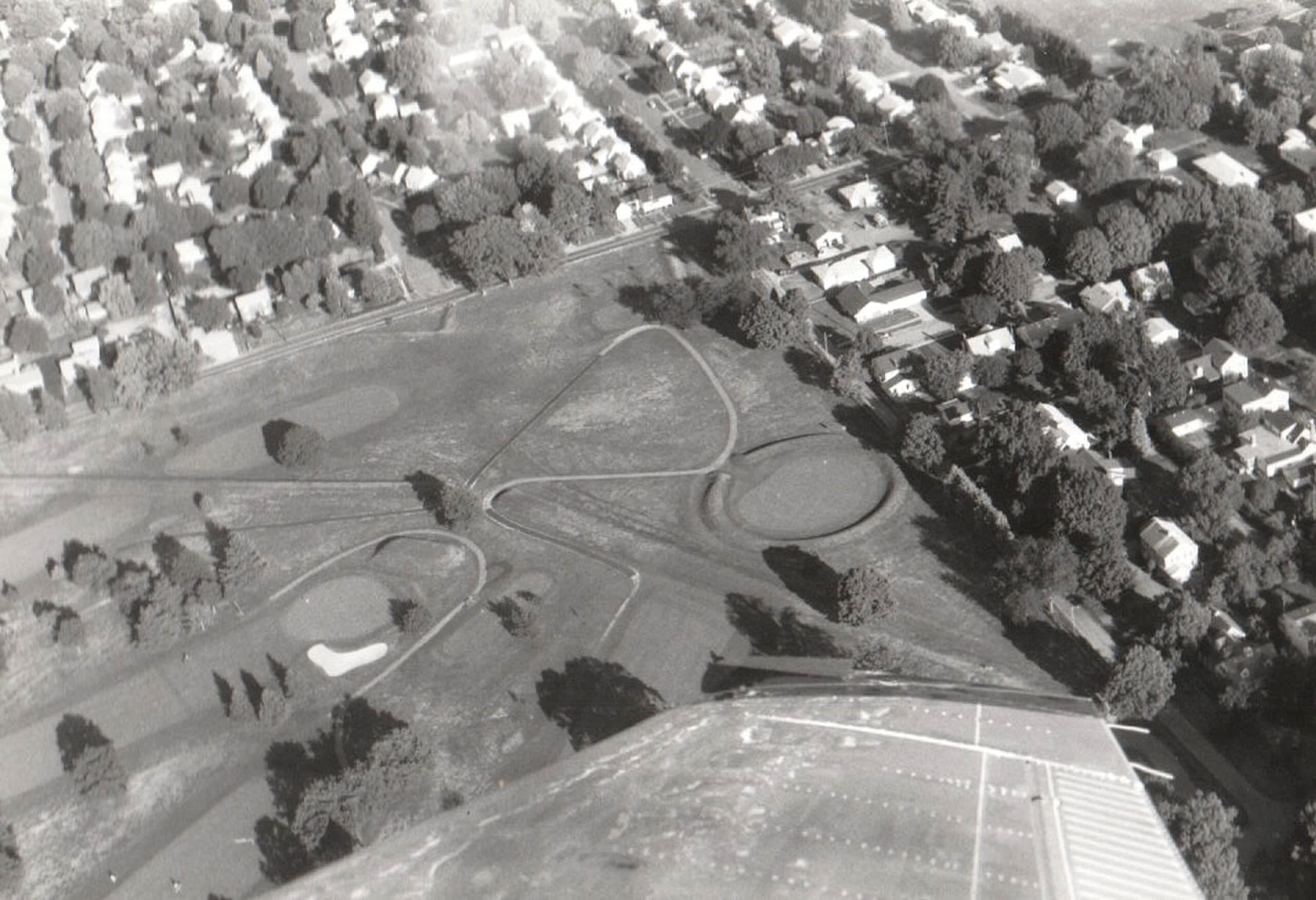
Hopewell Ceremonial Earthworks
Newark, Ohio, United States
The Hopewell Ceremonial Earthworks rise from Ohio's rolling landscape as monuments to a 2,000-year-old vision. Massive geometric enclosures—circles, octagons, squares—were built by dispersed communities who gathered to mark cosmic events and honor the dead. The Octagon aligns with the moon's 18.6-year cycle. The Great Circle spans thirty acres. In 2023, UNESCO recognized what Indigenous peoples have always known: this land was sacred, is sacred, will always be sacred.
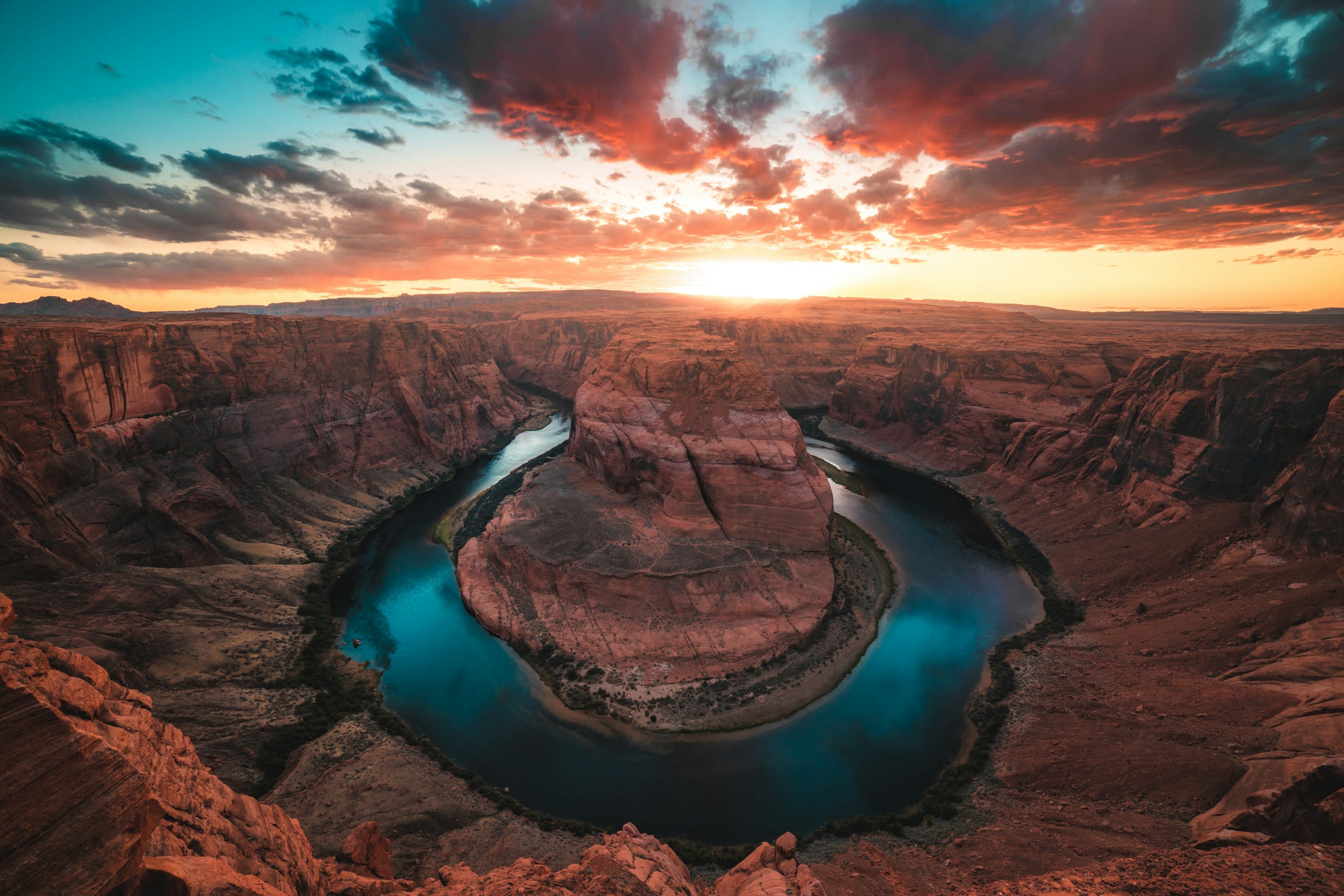
Horseshoe Bend
Page, Arizona, United States
A thousand feet below the overlook, the Colorado River completes its patient arc through Navajo Sandstone, forming the near-perfect horseshoe that has drawn both indigenous peoples and modern seekers to this edge. For the Navajo and Hopi, this land holds ancestral significance, part of a sacred landscape where water and stone speak of forces older than human memory. Standing here, the scale of geological time becomes visceral.
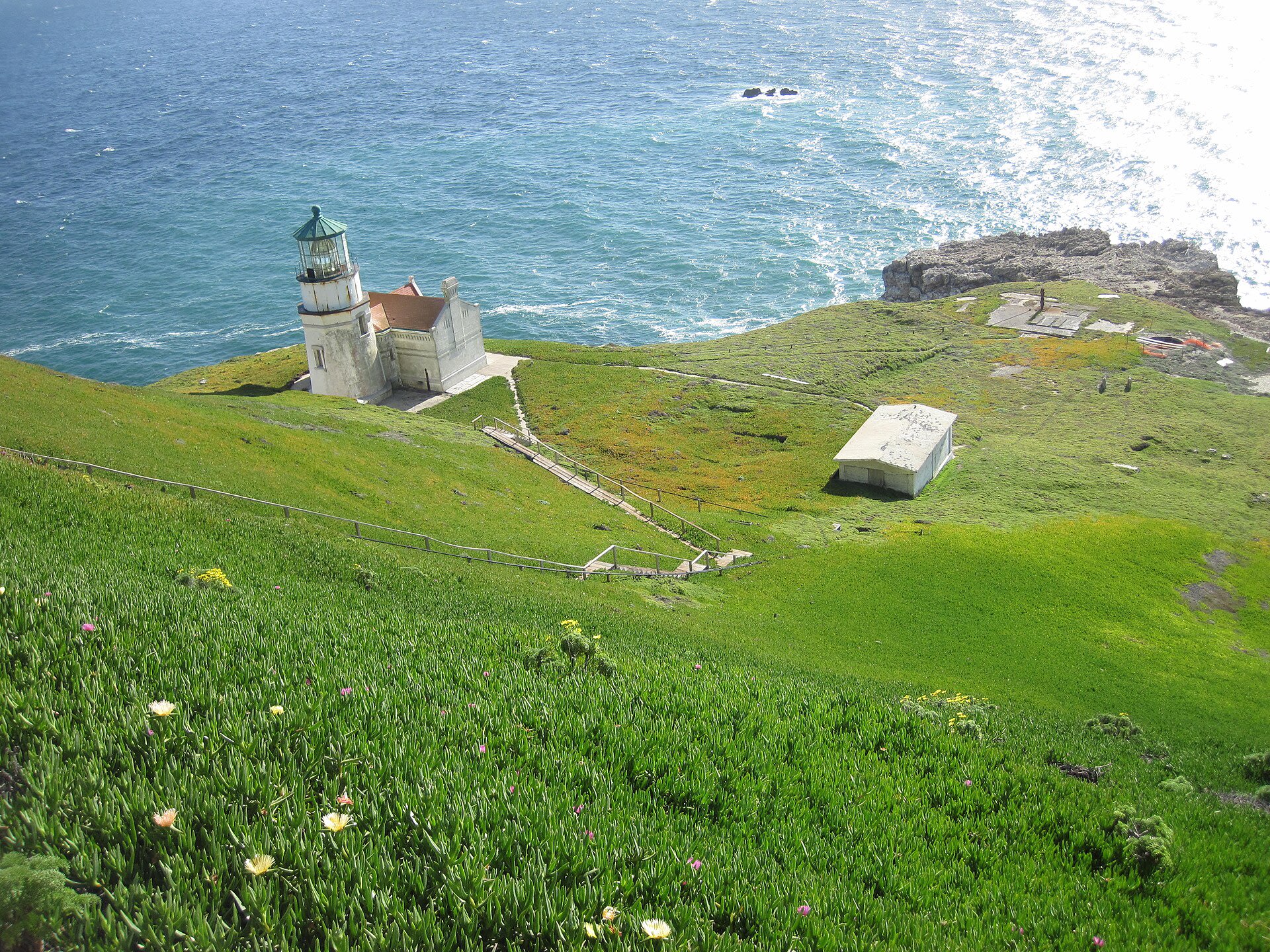
Point Conception
Santa Barbara County, United States
Point Conception in None, Santa Barbara County, United States.
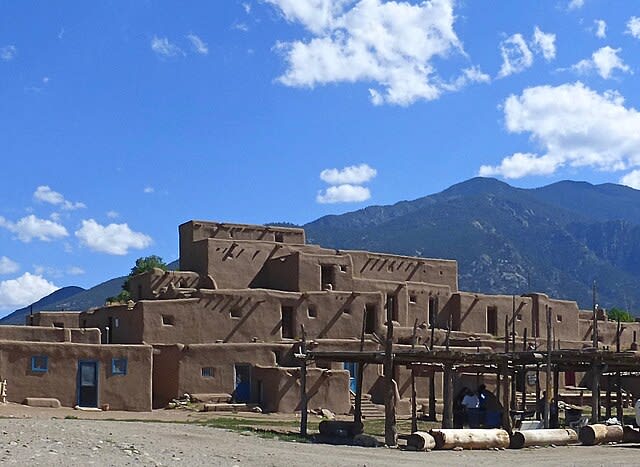
Taos Pueblo
Taos, New Mexico, USA
Taos Pueblo is not a museum, not a reconstruction, not a relic. It is a community. Approximately 150 people live full-time in the same multi-story adobe structures their ancestors built between 1000 and 1450 CE, without electricity or running water, maintaining traditions unbroken for a millennium. When you visit Taos Pueblo, you enter someone's home—and you do so only because the community has chosen, on its own terms, to allow it.
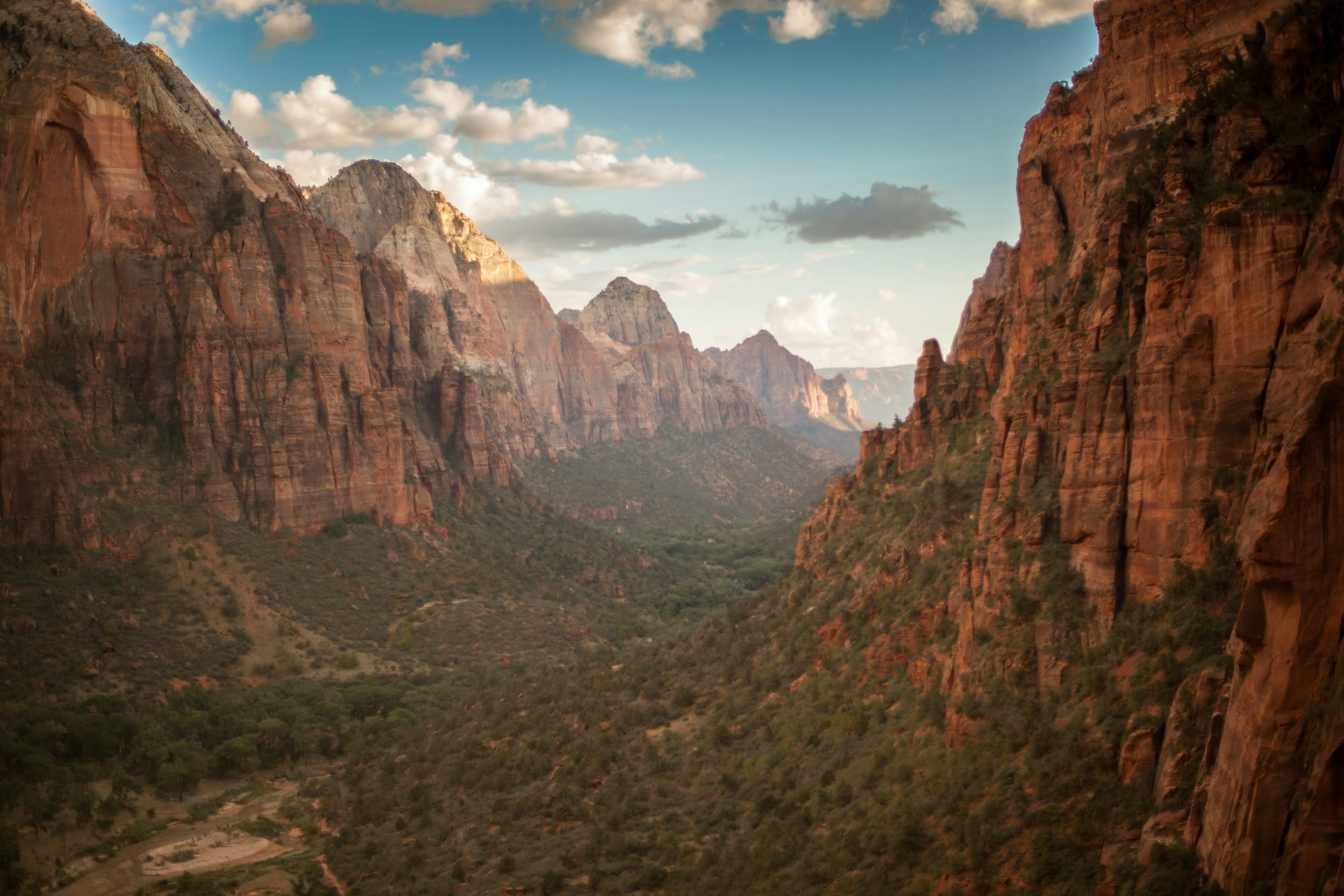
Zion National Park
Springdale, Utah, United States
For over eight centuries, the Southern Paiute have known these canyon walls as sacred homeland, a landscape alive with spiritual power they call Puha. Mormon settlers, overwhelmed by the vertical grandeur, named it after the biblical holy city. The same quality that moved both cultures persists today: something in these 3,000-foot cliffs and narrow corridors that makes the world feel thin, permeable, charged with presence.