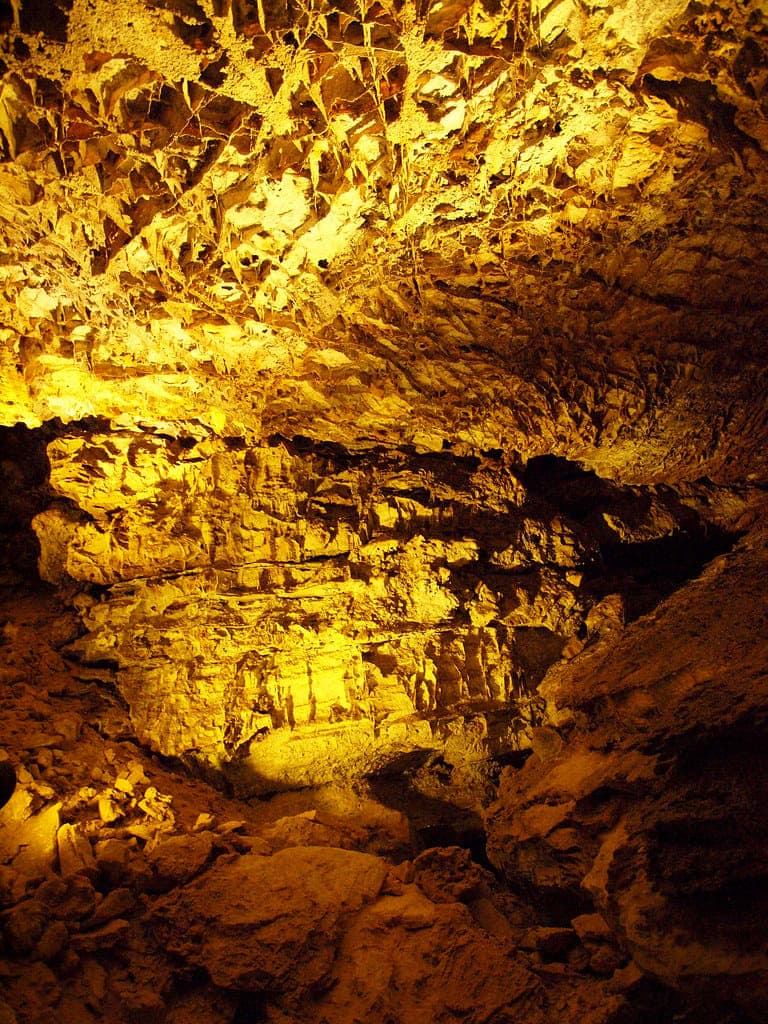
Wind Cave, South Dakota
Birthplace of the Lakota Nation, where humanity emerged from the spirit world through the breathing earth
Hot Springs, South Dakota, United States
At A Glance
- Coordinates
- 43.5801, -103.4395
- Suggested Duration
- Cave tours typically last one to two hours depending on the tour selected. Allow additional time to explore surface trails, view bison herds, and visit the interpretive center. A full day allows immersion in both underground and prairie environments.
- Access
- Address: 26611 US Highway 385, Hot Springs, SD 57747. The park is eleven miles north of Hot Springs and twenty-two miles south of Custer on US-385. There is no entrance fee for the park. Cave tours require tickets, available at the visitor center. Reservation systems may apply during peak season. Elk Mountain Campground offers 62 sites within the park, open year-round.
Pilgrim Tips
- Address: 26611 US Highway 385, Hot Springs, SD 57747. The park is eleven miles north of Hot Springs and twenty-two miles south of Custer on US-385. There is no entrance fee for the park. Cave tours require tickets, available at the visitor center. Reservation systems may apply during peak season. Elk Mountain Campground offers 62 sites within the park, open year-round.
- The cave maintains a constant temperature of 54 degrees Fahrenheit year-round. Bring a light jacket even in summer. Sturdy, closed-toe shoes with non-slip soles are required for all cave tours. Some tours involve climbing stairs and uneven terrain.
- Photography is permitted on cave tours. Be respectful of other visitors and follow ranger guidance. Flash photography may be restricted in certain areas to protect formations and wildlife.
- This is the Lakota birthplace. Approach with the respect appropriate to any people's origin site. Do not treat the emergence story as quaint mythology; it is living tradition for the communities who hold it. Be aware that the Black Hills were taken illegally and that this injustice remains unresolved. Visiting Wind Cave places you within a landscape of dispossession. Acknowledging this context does not diminish the visit but adds honesty to it.
Overview
Deep in the Black Hills, Wind Cave holds the most sacred story of the Lakota people: this is where humanity emerged from the spirit world into the physical world. The cave breathes, its wind the breath of Mother Earth, and from this breath came the first people, alongside the buffalo who would sustain them. For the Lakota, this is not mythology but origin, the literal birthplace of their nation.
Wind Cave breathes. This is not metaphor but observable fact: barometric pressure changes cause air to flow in and out of the cave's natural entrance, sometimes with enough force to produce an audible whistle. For the Lakota, this breathing is the breath of Maka, Mother Earth, and from this breath their people emerged into the world.
The emergence story places Wind Cave at the center of Lakota cosmology. In the beginning, humans lived underground in the spirit world. When the time came, the culture hero Tȟokáhe led the people through the cave and onto the earth's surface. Crucially, the buffalo emerged alongside them, establishing the sacred bond that would define Lakota life on the plains. The cave is understood as the womb of Mother Earth, the literal birthplace of the nation.
Today Wind Cave is managed as a national park, the sixth established in America and the first cave designated for such protection. Over 168 miles of passages have been explored, making it the sixth longest cave in the world, with the densest passage volume known. Ninety-five percent of the world's boxwork formations are found here. But for the Lakota, the cave's significance has nothing to do with geology. This is where their ancestors first saw the sky.
Context And Lineage
Wind Cave is the Lakota place of emergence, where humanity and buffalo passed from the spirit world into physical existence. The cave sits within the Black Hills, seized illegally from the Sioux Nation in the 1870s. A 1980 Supreme Court ruling confirmed the seizure was unconstitutional, but the Sioux have refused monetary compensation, maintaining that the Black Hills are not for sale.
In the beginning, according to Lakota tradition, humans lived underground in the spirit world. When the time came for emergence, the culture hero Tȟokáhe, the First Man, led the people from their subterranean home through Wind Cave and onto the earth's surface. The buffalo, Pte Oyate, emerged alongside them, establishing the sacred relationship that would define Lakota existence.
As Tȟokáhe led the people out of the cave, they stopped four times to rest and pray. For this reason, four is a sacred number in Lakota culture, appearing throughout ceremony and symbol. The Pte Oyate who emerged from inside Mother Earth became the Ikce Wicasa, the Common People, living on the surface with the buffalo as their relatives and providers.
The cave itself is understood as the womb of Mother Earth, Maka. The wind that gives it its name is her breath, the same breath that animated the first people. The emergence was not a distant mythological event but the beginning of everything the Lakota are.
The emergence story belongs to the Oceti Sakowin, the Seven Council Fires, commonly known as the Sioux Nation. This includes the Lakota, Dakota, and Nakota peoples. The story has been passed through oral tradition since time immemorial, with variations across different bands that share the core narrative of emergence through Wind Cave.
Contemporary Lakota elders, scholars, and spiritual leaders maintain this tradition actively. Figures like Basil Brave Heart and David Blue Thunder have shared aspects of the emergence story publicly, helping non-Lakota understand the cave's significance. The National Park Service has collaborated with tribal communities to ensure its interpretation honors Lakota understanding.
Tȟokáhe
cultural_hero
The culture hero who led the first people from the underground spirit world through Wind Cave into physical existence. Tȟokáhe stopped four times during the emergence to rest and pray, establishing the sacred significance of the number four in Lakota culture.
Maka
deity
Mother Earth, whose womb is Wind Cave and whose breath is the wind that flows through it. Maka gave birth to humanity and continues to breathe life into the world through the cave's barometric winds.
Pte Oyate
spiritual_entity
The Buffalo Nation who emerged from Wind Cave alongside humanity, establishing the sacred bond between people and buffalo that defined Lakota life on the plains.
Why This Place Is Sacred
Wind Cave is sacred as the Lakota place of emergence, where humanity passed from the spirit world into the physical world. The cave's breathing wind represents the breath of Mother Earth giving life to her children. Its location within the Black Hills, understood as the heart of everything that is, places it at the center of Lakota sacred geography.
The concept of thin places, where the boundary between worlds becomes permeable, finds perhaps its most literal expression at Wind Cave. For the Lakota, this is not a place where the veil is thin but a place where worlds actually connect, where the passage between spiritual and physical realms was made in the time of origins.
The cave's breathing has always marked it as alive. Barometric pressure changes create winds that can exceed forty miles per hour at the natural entrance, the earth inhaling and exhaling with atmospheric shifts. Basil Brave Heart, an Oglala Lakota elder, described this phenomenon in spiritual terms: 'The wind coming out of Wind Cave is pure spirit... sacred vibration, life is a sacred vibration, the world vibrates with breath.'
The emergence story connects the cave to the fundamental relationships that structure Lakota existence. When Tȟokáhe led the people out, the buffalo emerged with them. This simultaneous birth established the covenant between humans and Pte Oyate, the Buffalo Nation, who would provide everything needed for life on the plains: food, shelter, clothing, tools. The cave is where this essential relationship began.
The location itself carries weight. The Black Hills, Pahá Sápa, are understood as the heart of everything that is, the sacred center of Lakota geography. Wind Cave sits within this heart, a passage to the underground where the people once lived. The cave's continuing breath suggests ongoing connection, the earth still alive with the same force that birthed the nation.
In Lakota understanding, Wind Cave has served since time immemorial as the emergence point where humanity passed from the spirit world into physical existence. The cave was not built or designated; it simply is what it is, the place where Tȟokáhe led the first people into the world. This origin predates human memory and structures Lakota cosmology.
The cave's sacred status for the Lakota has remained constant since time immemorial. Euro-American involvement began in 1881 when Jesse and Tom Bingham heard whistling from the cave entrance and investigated. The brothers became the first recorded non-indigenous people to enter what would become Wind Cave.
In 1903, Wind Cave became the sixth U.S. national park and the first cave designated for such protection anywhere in the world. This federal recognition acknowledged the cave's geological significance but did not address its spiritual importance to the Lakota.
The broader context is one of dispossession. The 1868 Fort Laramie Treaty recognized the Black Hills as part of the Great Sioux Reservation. Six years later, gold was discovered, and illegal settlement began. By 1877 the U.S. government had seized the Black Hills in violation of the treaty. In 1980, the Supreme Court ruled this seizure illegal and offered monetary compensation. The Sioux Nation refused payment, insisting the Black Hills are not for sale. The trust fund set aside as compensation continues to grow, now exceeding one billion dollars, untouched.
The National Park Service has worked to honor the cave's indigenous significance through collaboration with tribes and interpretation of the emergence story. But the fundamental situation remains: the Lakota birthplace is managed by a government that took it illegally and has not returned it.
Traditions And Practice
The emergence story is transmitted through Lakota oral tradition and ceremony. Specific contemporary practices at the cave are not publicly documented to protect sacred privacy. Visitors can take ranger-guided tours with respect for the site's sacred status, learn the emergence story, and reflect on the relationship between humans and the earth.
The emergence story is central to Lakota ceremony and identity, transmitted through oral tradition from generation to generation. The four stops Tȟokáhe made during the emergence are recalled in the sacred significance of the number four throughout Lakota practice.
Scholar Patricia Albers has noted that in Lakota tradition, the spiritualized essence of the earth is usually represented by a bison woman whose home of origin is a cave or a spring. Wind Cave is this home of origin, the source from which both humanity and buffalo emerged.
Specific ceremonies conducted at or in relation to the cave are not documented publicly, and visitors should respect that some practices remain private. The cave's significance does not require ceremonial spectacle to be understood; its meaning is embedded in Lakota identity itself.
The National Park Service operates Wind Cave with attention to its dual significance as geological wonder and sacred site. Rangers are trained to interpret the emergence story alongside cave geology. The park has facilitated bison transfers to tribal lands through the InterTribal Buffalo Council, supporting the restoration of buffalo herds to indigenous communities.
The Lakota people maintain their relationship with the cave through cultural continuity rather than public ceremony. The site's status as federally managed land complicates traditional access, but tribal consultation shapes park interpretation and management.
Take a ranger-guided cave tour with awareness that you are entering a creation site. Learn the emergence story before descending; the National Park Service provides accessible interpretations at the visitor center and online.
Reflect on origins. What does it mean that a people trace their existence to this specific place? How does knowing the story change the experience of the breathing wind?
Spend time above ground with the bison herds. The animals grazing the prairie are relatives of those who emerged with the first people. Watching them connects the emergence story to living presence.
Do not treat Wind Cave merely as a geological curiosity. It can be that, and the boxwork formations are genuinely remarkable. But something more is present here, and acknowledging it costs nothing while adding dimension to the visit.
Lakota Sioux
ActiveWind Cave is the most sacred site in Lakota creation narrative, the literal birthplace of the Lakota Nation. The culture hero Tȟokáhe led the first people from the underground spirit world through this cave into physical existence. The buffalo emerged alongside humanity, establishing the sacred covenant that defined Lakota life. The cave is understood as the womb of Mother Earth, and its breathing wind as her breath giving life to her children.
The emergence story is transmitted through oral tradition and is central to Lakota ceremony and identity. Tȟokáhe stopped four times during the emergence to rest and pray, establishing the sacred number four. Specific contemporary ceremonial practices at the cave are not publicly documented to protect sacred privacy.
Oceti Sakowin (Seven Council Fires)
ActiveThe emergence story is shared across the Oceti Sakowin, the alliance of Lakota, Dakota, and Nakota peoples commonly known as the Sioux Nation. Wind Cave is the common origin point, the place where all the people emerged into the world alongside the buffalo.
The emergence narrative is preserved through oral tradition across the different nations and bands of the Oceti Sakowin, with variations that share the core understanding of Wind Cave as the birthplace.
Experience And Perspectives
Descending into Wind Cave offers an encounter with an origin site, a place where creation occurred according to Lakota tradition. The constant wind, the breath of Mother Earth, makes the cave's sacred status tangible. For those who approach with awareness of the emergence story, the experience transforms from geological curiosity into pilgrimage.
The first sensation many visitors notice is the wind. At the natural entrance, air flows in or out depending on barometric pressure, sometimes with surprising force. This breathing is the most immediate encounter with what makes Wind Cave different from other caves. The earth is alive here, moving air as lungs move breath.
The ranger-led tours descend into chambers of limestone formed over 300 million years ago. The boxwork formations, honeycomb patterns of calcite fins projecting from cave walls and ceilings, are found nowhere else in such concentration. The geological age and uniqueness create a sense of entering somewhere genuinely other, removed from the familiar world.
But for visitors who arrive knowing the emergence story, the experience carries additional dimensions. To descend into Wind Cave is to retrace, in reverse, the path Tȟokáhe led the first people along. The darkness below represents the spirit world where humanity once lived. The ascent back to the surface reenacts, however imperfectly, the journey of emergence.
Many visitors report feeling the weight of standing at a creation site. The effect is similar to what some experience at other origin places, whether the Western Wall, the Ganges, or Uluru. Knowing that a place holds foundational meaning for a culture changes how it feels to be there. The cave becomes more than its geology.
Above ground, the park preserves mixed-grass prairie where bison roam. The herds descend from animals reintroduced to the Black Hills, but their presence reconnects to the emergence story: buffalo and humans emerged together, and here they still share the land. Watching bison graze near the cave that birthed both species completes something the underground tour begins.
The visitor center provides context for both geological and cultural significance. Before descending, learn the emergence story. The National Park Service has documented it carefully, working with Lakota communities to ensure accurate representation.
Several tour options exist, ranging from the accessible Garden of Eden tour to the challenging Wild Cave tour. Choose based on physical capability and time, but know that any tour offers encounter with the breathing earth.
Consider spending time above ground as well. The Elk Mountain Campground and hiking trails offer immersion in the prairie landscape. The bison herds visible throughout the park connect visitors to the emergence story's other protagonist. Allow the full site, cave and surface together, to reveal its meaning.
Wind Cave invites interpretation from geological, indigenous, and spiritual perspectives. Each reveals something genuine; each has limitations. The cave is large enough to hold all of them, and honest engagement means sitting with what cannot be reconciled.
Geological science recognizes Wind Cave as an extraordinary karst formation. With over 168 miles of explored passages, it ranks as the sixth longest cave in the world and holds the densest passage volume known. Ninety-five percent of the world's boxwork formations, delicate honeycomb patterns of calcite fins, are found here.
The cave formed in Pahasapa Limestone, laid down roughly 340 million years ago when an ancient sea covered the region. Acidic water dissolved passages over millions of years. The barometric wind that gives the cave its name results from atmospheric pressure changes: when outside pressure drops, air rushes out; when it rises, air is drawn in.
Anthropologically, the cave's significance to the Lakota as their emergence site is well documented. The National Park Service, working with tribal historians, has recorded versions of the emergence story and integrated them into park interpretation.
For the Lakota, Wind Cave is not geology. It is the birthplace of their nation, the womb of Mother Earth, the place where Tȟokáhe led the first people from the spirit world into physical existence. The wind is not barometric pressure but the breath of Maka, the same breath that gave life to humanity.
David Blue Thunder, a Lakota elder, expressed the significance of the broader landscape: 'The Black Hills is the home of our heart, and the heart of our home.' The 1980 Supreme Court ruling that confirmed the Black Hills were illegally seized, and the Sioux Nation's subsequent refusal of monetary compensation, demonstrates that this is about sacred land, not negotiable property.
From this perspective, the cave's federal management is itself a form of ongoing dispossession. The Lakota birthplace is controlled by the government that took it. Acknowledgment of this context does not require resolution but does require honesty.
Some visitors are drawn to the cave's energy and the concept of a breathing earth. The experience of standing where air moves in and out of the planet creates tangible encounter with the earth as a living system. Such experiences need not be framed in specifically Lakota terms to be meaningful.
The cave has attracted interest from those who seek thin places, locations where ordinary boundaries seem permeable. Whether one uses indigenous, Celtic, or secular language, Wind Cave offers something that many visitors register as spiritually significant.
Much remains unmapped. Over 168 miles of passage have been explored, but scientists estimate this represents only a fraction of the cave's full extent. What lies in the unexplored darkness is genuinely unknown.
Variations in the emergence story across different Lakota bands are not fully documented publicly. The complete ceremonial relationship between Lakota people and the cave is not available to outside inquiry, and should not be. Some knowledge is appropriately private.
The deeper question, what it would mean for the Black Hills to be returned to the Sioux Nation and for the Lakota to manage their own birthplace, remains unresolved. The trust fund from the 1980 ruling continues to grow, untouched, a measure of how seriously the Sioux take the principle that the Black Hills are not for sale.
Visit Planning
Wind Cave National Park is located in the southern Black Hills of South Dakota, eleven miles north of Hot Springs. The cave is open year-round with a constant temperature of 54 degrees Fahrenheit. Cave tours require tickets available at the visitor center. No entrance fee is charged for the park itself.
Address: 26611 US Highway 385, Hot Springs, SD 57747. The park is eleven miles north of Hot Springs and twenty-two miles south of Custer on US-385. There is no entrance fee for the park. Cave tours require tickets, available at the visitor center. Reservation systems may apply during peak season. Elk Mountain Campground offers 62 sites within the park, open year-round.
Elk Mountain Campground within the park offers 62 sites available year-round on a first-come, first-served basis. Lodging is available in Hot Springs, Custer, and communities throughout the Black Hills. For those making extended pilgrimage through Lakota sacred sites, the region offers multiple options for multi-day visits.
Wind Cave is sacred to the Lakota as their place of emergence. Visit with the respect appropriate to any creation site. Follow ranger guidance on cave tours, stay on designated trails, and maintain a contemplative atmosphere.
The fundamental principle is respect for the sacred. Wind Cave is not merely an impressive geological formation; it is the birthplace of the Lakota Nation. Visitors need not share Lakota beliefs to recognize that a people's origin site deserves reverence.
Cave tours are ranger-guided only. Follow all instructions regarding where to walk, what to touch, and how to behave underground. The cave environment is fragile, and human presence can damage formations that took millions of years to develop.
Above ground, stay on designated trails. The prairie ecosystem, including the bison that roam it, is protected. Do not approach wildlife. The bison may appear docile but are dangerous when provoked.
Maintain a contemplative atmosphere appropriate to the site's significance. This does not require silence, but loud or disrespectful behavior diminishes the experience for others and dishonors the place itself.
The cave maintains a constant temperature of 54 degrees Fahrenheit year-round. Bring a light jacket even in summer. Sturdy, closed-toe shoes with non-slip soles are required for all cave tours. Some tours involve climbing stairs and uneven terrain.
Photography is permitted on cave tours. Be respectful of other visitors and follow ranger guidance. Flash photography may be restricted in certain areas to protect formations and wildlife.
Leaving offerings at the cave is not traditional practice for visitors. If you encounter any sacred items, do not disturb them. Respect any areas that may be cordoned off for ceremonial purposes.
Cave access is only through ranger-guided tours. Do not attempt to enter the cave independently. Collecting any materials from the cave or surface is prohibited. The site is a protected national park; violations may result in federal prosecution.
Sacred Cluster
Nearby sacred places create the location cluster described in the growth plan. This block is intentionally crawlable and links into the wider regional graph.
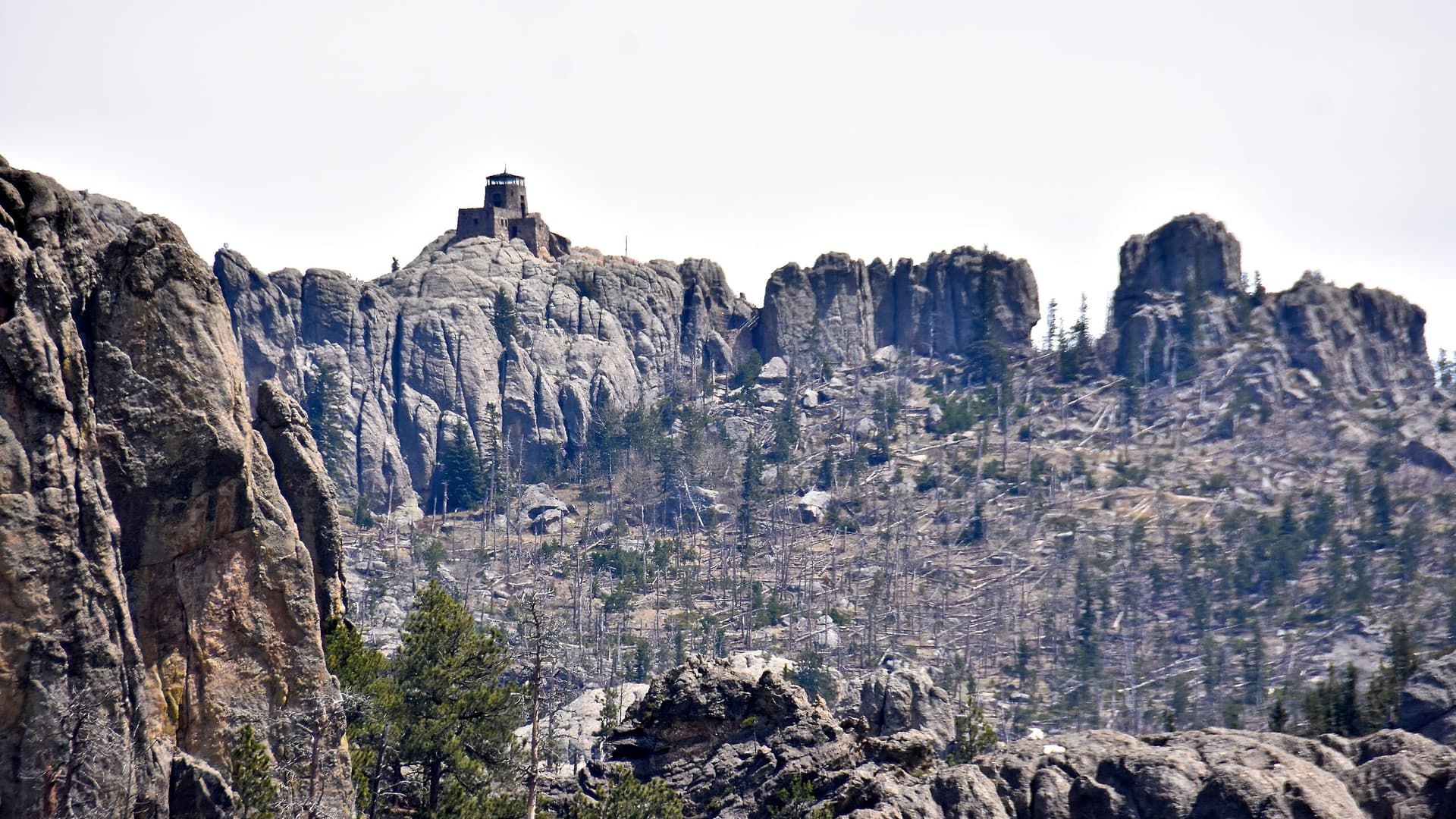
Black Elk Peak, South Dakota
Custer, South Dakota, United States
32.6 km away
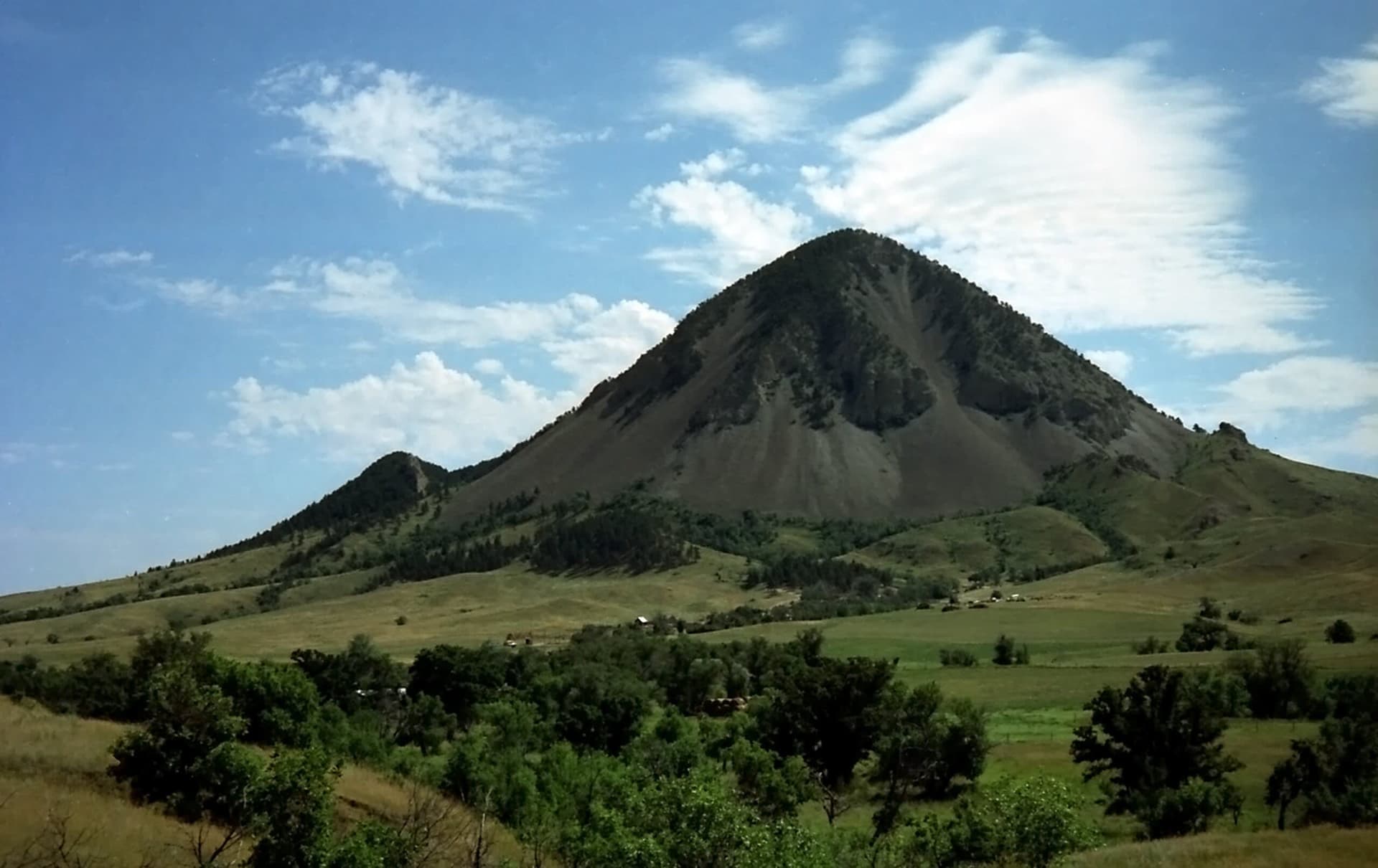
Bear Butte, South Dakota
Sturgis, South Dakota, United States
99.6 km away
Inyan Kara Mountain, Wyoming
Sundance, Wyoming, United States
101.0 km away
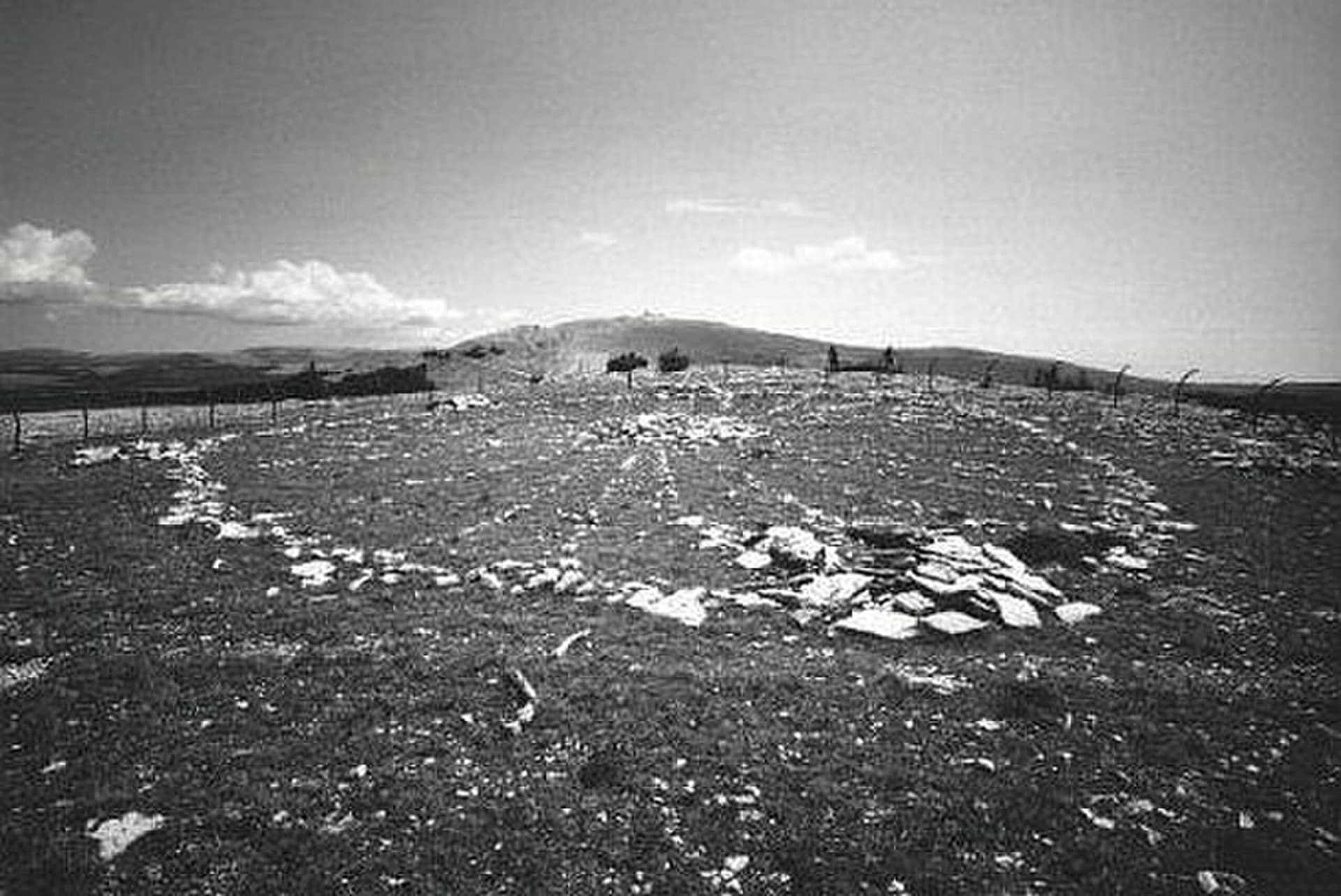
Big Horn Medicine Wheel, Wyoming
Big Horn County, Wyoming, United States
383.1 km away