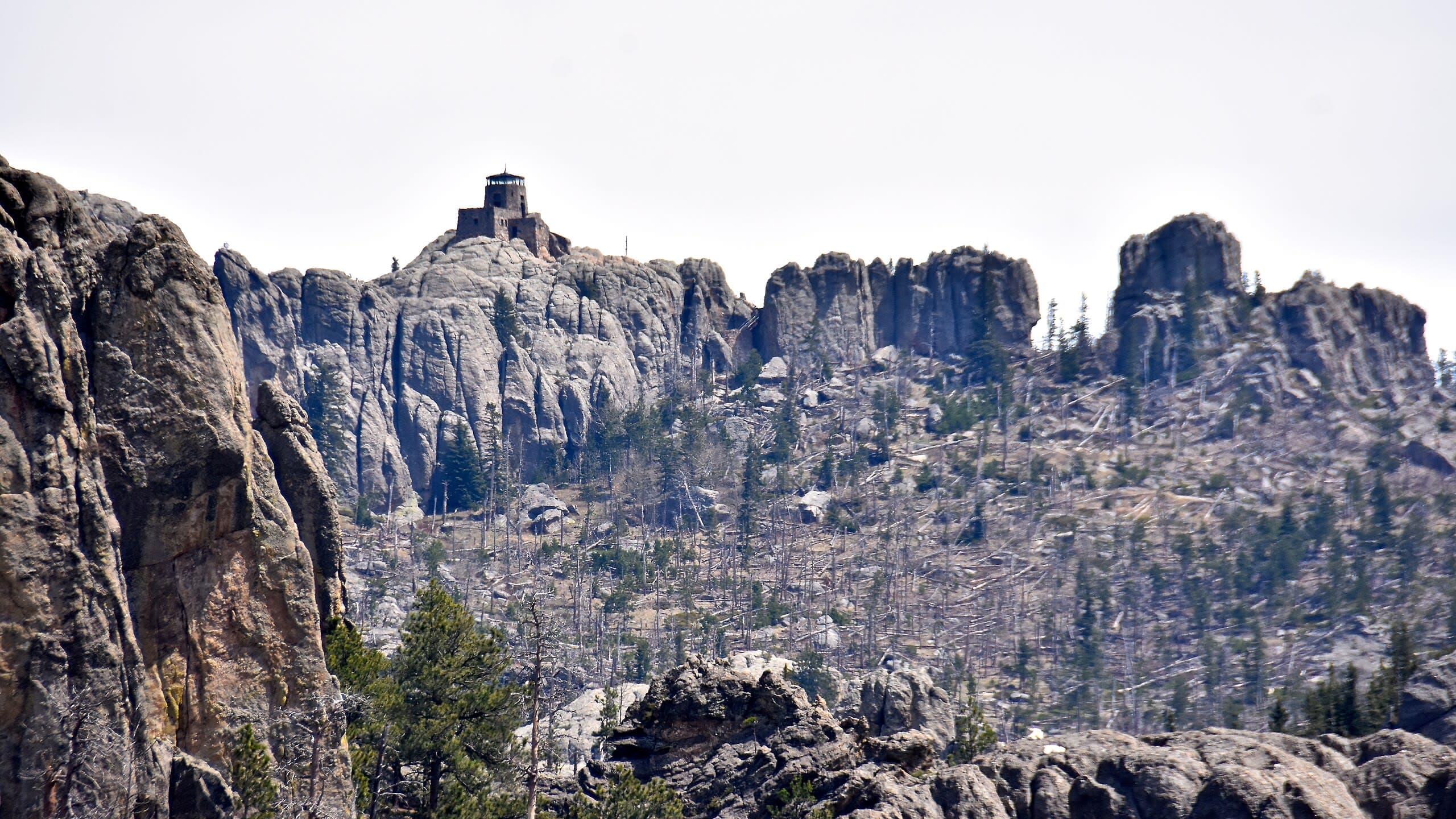
Black Elk Peak, South Dakota
Where Black Elk received his Great Vision, and the Lakota still greet the Thunder-Beings
Custer, South Dakota, United States
At A Glance
- Coordinates
- 43.8660, -103.5313
- Suggested Duration
- The round-trip hike from Sylvan Lake takes 3-4 hours for most visitors at a moderate pace. Allow additional time at the summit for contemplation. Those seeking deeper engagement might plan a full day, ascending early and spending extended time at the top before the afternoon crowds arrive.
- Access
- The most popular and shortest route begins at Sylvan Lake in Custer State Park. Trail 9 ascends approximately 1,100 feet over 3.5 miles to the summit, for a 7-mile round trip. Other trailheads offer longer approaches through the Black Elk Wilderness. Custer State Park requires a vehicle entrance license, available at the park entrance or online. No additional hiking permit is needed.
Pilgrim Tips
- The most popular and shortest route begins at Sylvan Lake in Custer State Park. Trail 9 ascends approximately 1,100 feet over 3.5 miles to the summit, for a 7-mile round trip. Other trailheads offer longer approaches through the Black Elk Wilderness. Custer State Park requires a vehicle entrance license, available at the park entrance or online. No additional hiking permit is needed.
- Wear hiking attire appropriate for mountain conditions. Sturdy footwear with good grip is essential, as the trail includes rocky sections and stone steps. Weather at the summit can differ significantly from conditions at the trailhead; bring layers. No formal dress code applies, but clothing that reflects an attitude of respect rather than pure recreation is appropriate.
- Photography is permitted on the trail and at the summit. However, consider putting your camera away for at least part of your time at the top. Experience before you document. When you do photograph, avoid treating prayer flags as colorful decoration, they are sacred offerings. Do not photograph people engaged in prayer without their explicit permission.
- Do not attempt to conduct vision quest ceremonies without genuine relationship with Lakota tradition and guidance from legitimate spiritual leaders. Vision quests require preparation and support that casual visitors cannot replicate. Do not remove prayer flags or any sacred items from the summit. These are not souvenirs but offerings, and their removal is deeply disrespectful. Be wary of commercial operations offering shamanic experiences or ceremonies at the peak. Authentic Lakota spiritual practice is not for sale to tourists. If ceremony is important to your journey, invest the time to build genuine relationship with indigenous communities rather than purchasing a packaged experience. Respect that this is an active sacred site. Your presence as a visitor is acceptable; your intrusion into ceremonies is not. If you encounter people praying, give them space.
Overview
Rising as the highest point in the Black Hills, Black Elk Peak stands at the center of the world in Lakota cosmology. Here, in 1872, a nine-year-old boy named Black Elk received a vision of the Six Grandfathers that would guide his path as one of the most influential holy men in Native American history. Prayer flags still flutter at the summit, placed by pilgrims continuing a tradition older than written records.
The Black Hills are not just mountains. The Lakota call them Paha Sapa, the heart of everything that is. And at their highest point, 7,242 feet above sea level, stands a granite summit that holds a particular kind of weight.
For thousands of years, Lakota people have climbed here for vision quests, seeking guidance from the spirits who dwell where earth meets sky. The peak was originally called Hinhan Kaga, Owl Maker, for the rock formations that seemed to watch over those who came seeking. Then, in 1872, something happened that would mark this place in a way even the Lakota could not have anticipated.
A nine-year-old boy fell gravely ill. In his fever, he was taken by cloud spirits to meet the Six Grandfathers, powers representing the four cardinal directions, the earth, and the sky. They showed him the sacred tree at the center of the world. They showed him the shape of all things as they must be. The boy was Black Elk, and the vision he received on this peak would make him one of the most influential holy men in Native American history.
Today, the summit bears his name. Prayer flags flutter from the old fire lookout tower, placed by those who still come to pray, to seek visions, to welcome the Thunder-Beings each spring. The renaming from Harney Peak in 2016 healed a wound: Harney was a general who massacred Lakota people. Now the peak honors a holy man who showed the world what Lakota wisdom could offer.
You do not have to share Lakota tradition to feel what persists here. You only have to climb.
Context And Lineage
Black Elk Peak is sacred to the Lakota as the highest point in the Black Hills, which they call the heart of everything that is. The peak is most associated with Black Elk (1863-1950), a Lakota holy man who received a transformative vision here as a child. His account of that vision, shared with poet John Neihardt and published as 'Black Elk Speaks' in 1932, became one of the most influential texts on Native American spirituality.
In Lakota understanding, the Black Hills emerged from the body of the earth, pushed up by forces that shaped the world. The hills are where ceremonies originated, where the sacred pipe was given to the people, where the relationship between the Lakota and the powers of the universe was established. The highest point in these hills naturally became a place of particular spiritual potency.
The vision that most marks this peak came to a nine-year-old boy in 1872. Black Elk had fallen gravely ill. For twelve days he lay as if dead while his spirit traveled. He was taken by cloud spirits to a cloud tepee where six old men sat, representing the powers of the four directions, the earth, and the sky. The Six Grandfathers gave him gifts: a wooden cup of water representing the sky, a bow representing the power to destroy, an herb representing the power to heal, a pipe representing the power to make live, a red stick representing the center of the earth, and a bright red day representing life.
They showed him the sacred tree at the center of the world, the tree that would flourish and shelter his people. They showed him the future, including suffering that would come. They told him he had a mission to help his people. When he recovered, Black Elk carried this vision throughout his life, eventually sharing it with John Neihardt in 1930. The resulting book, 'Black Elk Speaks,' introduced his vision to the world.
The lineage of practice at Black Elk Peak stretches back beyond recorded history. The Lakota and their ancestors have conducted vision quests and prayers at this summit for thousands of years. That tradition never ceased, even as the peak was renamed for an enemy, even as the Black Hills were illegally seized in 1876, even as Lakota people were confined to reservations.
Black Elk himself represents a particular strand of this lineage. He participated in the Battle of Little Bighorn as a young man, witnessed the massacre at Wounded Knee, traveled to Europe with Buffalo Bill's Wild West show, and eventually converted to Catholicism, serving as a catechist on the Pine Ridge Reservation. Yet he never abandoned his vision or his Lakota spiritual understanding. His willingness to share that understanding with Neihardt created a bridge through which Lakota wisdom reached the wider world.
Today, the lineage continues through Lakota spiritual practitioners who maintain the vision quest tradition, through tribal members who make annual pilgrimages to welcome the Thunder-Beings, and through all who climb this peak with reverence rather than mere recreation.
Black Elk
historical_spiritual
A holy man of the Oglala Lakota (1863-1950) who received his Great Vision on this peak at age nine. He later became a significant spiritual teacher, sharing Lakota wisdom through his collaboration with John Neihardt. Near the end of his life, he returned to the peak to pray for his people. In 2017, the Roman Catholic Diocese of Rapid City opened his cause for canonization as a saint, honoring his later conversion to Catholicism while recognizing his importance as a bridge between traditions.
The Six Grandfathers
deity
The six powers Black Elk encountered in his vision, representing the four cardinal directions plus the sky (above) and the earth (below). Together they embody the fundamental forces of the universe. They gave Black Elk sacred teachings and showed him his purpose.
The Thunder-Beings
deity
Powerful spirits associated with thunder, lightning, and storms who come from the west. Lakota people make annual pilgrimages to Black Elk Peak at the spring equinox to welcome their return. The Thunder-Beings are both feared and honored as sources of transformative power.
John Neihardt
historical
The American poet who met Black Elk in 1930 and recorded his vision and teachings. Their collaboration produced 'Black Elk Speaks' (1932), which brought Lakota spirituality to global attention. Scholars debate how much of the book reflects Black Elk's exact words versus Neihardt's literary interpretation, but the work's influence is undeniable.
Basil Brave Heart
contemporary
The Lakota elder who led the fifty-year effort to rename Harney Peak to Black Elk Peak. His persistence resulted in the 2016 unanimous vote by the U.S. Board on Geographic Names to honor the holy man instead of the general who massacred Lakota people.
Why This Place Is Sacred
Black Elk Peak's sacredness emerges from multiple convergences: its position as the highest point in the Black Hills, which the Lakota understand as the heart of everything that is; its ancient use for vision quests; the transformative vision Black Elk received here; and the ongoing pilgrimage of those who come to pray. The summit remains a point of contact between the human and the sacred.
The Lakota did not choose this peak arbitrarily. The Black Hills themselves are sacred, rising from the plains like a dark island, their forested slopes and granite spires marking a landscape set apart. Within this sacred geography, the highest point held particular significance, a place where one could stand closest to the powers of the sky.
The peak's original name, Hinhan Kaga, refers to owl-shaped rock formations near the summit. In Lakota tradition, owls carry spiritual significance, serving as messengers between worlds. The name suggests the peak was understood as a threshold place, where communication with spirits was possible.
Vision quests have been practiced here for as long as the Lakota have known these hills. A seeker would climb alone, fast for days, and wait in silence for the spirits to speak. The practice continues. What the visions reveal belongs to those who receive them, but the consistency of the practice across centuries suggests something about this particular summit invites encounter.
Then there is Black Elk's vision itself. In 1872, when he was nine years old and near death from illness, Black Elk experienced a vision of extraordinary depth and complexity. The Six Grandfathers, embodying the fundamental powers of the universe, gave him teachings that would guide his life as a holy man. The sacred tree at the center of the world that they showed him is often understood to stand on this peak.
Contemporary visitors report experiences consistent with the site's traditional significance: a sense of standing at a center, unusual clarity of thought, the feeling of being held between earth and sky. Whether this reflects the accumulated weight of centuries of prayer, the geology of the granite summit, the psychological impact of the climb, or something that resists easy explanation, the effect is real enough that people keep returning.
Archaeological and ethnographic evidence suggests Black Elk Peak has served as a vision quest site for the Lakota and their ancestors for thousands of years. Vision quests, known as Hanblecheya in Lakota, are a fundamental spiritual practice through which individuals seek guidance, healing, and understanding through direct encounter with spiritual powers. The peak's elevation, its position within the sacred Black Hills, and the presence of the owl-shaped rocks that gave it its original name all marked it as a place where the boundary between ordinary and spiritual reality could be crossed.
The peak's history in the colonial period is marked by appropriation and renaming. In 1855, Lt. Gouverneur K. Warren named it Harney Peak, honoring General William S. Harney, who had led a massacre of Lakota people at Blue Water Creek just weeks before. For over 160 years, the sacred site bore the name of a man who killed those for whom it was holy.
Meanwhile, the Lakota never abandoned their relationship with the peak. Even as settlers claimed the Black Hills following the illegal seizure of 1876, Lakota people continued to pray here, conduct vision quests, and maintain their understanding of its significance. Black Elk himself returned to the peak near the end of his life to pray for his people.
In 2016, after a fifty-year effort led by Lakota elder Basil Brave Heart and others, the U.S. Board on Geographic Names voted 12-0 to rename the peak in honor of Black Elk. The renaming was an act of healing, replacing the name of a murderer with that of a visionary. Today, prayer flags at the summit witness the continuity of Lakota devotion, and visitors of all backgrounds come to a place that now bears a name worthy of its significance.
Traditions And Practice
Black Elk Peak is an active sacred site where Lakota people continue traditional practices including vision quests and annual pilgrimages. Visitors may hike to the summit and respectfully observe, but formal participation in ceremonies requires authentic relationship with Lakota tradition. The placement of prayer flags continues; visitors should not remove them.
The primary traditional practice at Black Elk Peak is the vision quest, known in Lakota as Hanblecheya, crying for a vision. A vision quester climbs to an isolated spot, typically fasting for one to four days while praying for guidance from the spirits. The practice requires preparation under the guidance of a spiritual leader and is not something undertaken casually.
The peak is also a place for prayer and communion with the Six Grandfathers and other spiritual powers. Offerings are made, including tobacco and prayer flags. The annual pilgrimage at the spring equinox to welcome the Thunder-Beings represents another layer of traditional practice, marking the seasonal return of the storm spirits from the west.
These practices are not folklore but living tradition. Lakota people continue to conduct vision quests in the Black Hills, continue to place prayer flags at the summit, continue to gather at significant times to pray.
Contemporary practice at Black Elk Peak exists on multiple levels. For Lakota people and those with authentic connection to their tradition, the traditional practices continue. For others, the peak offers an opportunity for what might be called secular pilgrimage, climbing with intention and attention.
Many visitors find meaningful engagement through simple presence: climbing in silence, sitting at the summit without agenda, allowing the place to work on them. Reading 'Black Elk Speaks' before visiting provides context that deepens the experience. Some return multiple times, developing relationship with the mountain over years.
Spiritual retreat centers and guides in the Black Hills region occasionally offer programs that include visits to the peak within broader frameworks of contemplation or interfaith practice. These vary in quality and authenticity; seekers should research carefully.
If you come seeking more than a hike, consider these approaches.
Before your visit, read 'Black Elk Speaks' or learn about Lakota spirituality from authentic sources. Understanding the vision that occurred here deepens the experience of standing where it happened.
Climb with intention. You might carry a question, something genuinely unsettled in your life. You need not expect an answer, only let the question accompany you up the mountain.
At the summit, resist the urge to immediately photograph and leave. Sit in silence. Face each direction as Black Elk was shown the powers of each. Let the panorama work on you, not just as view but as relationship with the land.
If you feel moved to offer something, make it internal: a prayer, a commitment, gratitude. Do not leave physical objects. The prayer flags present are placed by those with authentic connection to Lakota tradition.
On your descent, carry whatever arose with you. A vision quest traditionally includes integration, bringing what was received back into life. Even a brief visit can offer something to integrate.
Lakota / Oceti Sakowin
ActiveBlack Elk Peak is among the most sacred sites for the Lakota people, standing as the highest point in the Black Hills, which they call the heart of everything that is, the center of the world. For thousands of years, Lakota people have climbed here for vision quests, seeking guidance from the spiritual powers who dwell where earth approaches sky. The peak's greatest significance is as the site of Black Elk's Great Vision, in which the Six Grandfathers revealed sacred teachings that would guide him to become one of the most influential holy men in Lakota history. The 2016 renaming from Harney Peak to Black Elk Peak represented a healing, replacing the name of a man who massacred Lakota people with that of a visionary who shared their wisdom with the world.
Vision quests (Hanblecheya) represent the most significant practice at the peak, involving days of fasting and prayer in isolation while seeking guidance from the spirits. Annual pilgrimages at the spring equinox welcome the Thunder-Beings (Wakinyan), powerful storm spirits who return from the west. Prayer flags are placed at the summit as offerings and expressions of ongoing relationship with the sacred. Simple prayer and communion with the Six Grandfathers and other spiritual powers continue throughout the year.
Experience And Perspectives
Visitors to Black Elk Peak consistently describe a sense of standing at a center, of expanded perspective that goes beyond the physical panorama. The climb itself becomes contemplative for many, a gradual approach that prepares the body and mind for what the summit offers. Prayer flags at the top serve as tangible reminders that this is not merely a hiking destination but a place of ongoing spiritual significance.
The hike to Black Elk Peak takes most visitors three to four hours round trip, ascending about 1,100 feet over roughly three and a half miles from Sylvan Lake. The trail passes through ponderosa pine forest, across granite outcrops, up stone steps carved into rock faces. It is not a casual stroll, but neither is it technically difficult. The effort is enough to quiet the mind, to shift attention from thought to breath and footfall.
As the summit nears, the landscape opens. The fire lookout tower built in 1938 comes into view, and with it, the prayer flags. Cloth strips of many colors, some weathered to threads, others recently placed, flutter from the tower's railings. They are offerings left by Lakota people and others who come to pray. Their presence transforms the summit from scenic overlook to active sacred site.
The panorama from the top extends across four states on clear days. But many visitors report that the physical view, however impressive, is not what stays with them. Something about standing at the highest point in this landscape induces a shift, a sense of perspective that is as much internal as external. The phrase visitors often reach for is center, as though the Lakota understanding of this place as the center of the world becomes experientially available.
Those who know Black Elk's story before they arrive often find the experience deepened by that knowledge. To stand where a nine-year-old boy was shown the shape of all things as they must be invites reflection on one's own vision, one's own understanding of what must be. The peak does not impose meaning, but it seems to make space for it.
The most profound reports come from those who sit quietly at the summit, resisting the urge to photograph and descend. In stillness, something opens. The word that recurs is listening, as though the mountain itself attends to those who attend to it.
Black Elk Peak rewards those who approach it as pilgrimage rather than hike. Consider your intention before you begin. You need not adopt Lakota beliefs, but you might arrive with a genuine question, something unsettled in your life that you carry up the mountain.
Climb at a pace that allows awareness rather than just exertion. Notice the forest, the rock, the quality of light as you ascend. When you reach the summit, do not immediately reach for your camera. Stand in silence. Face each direction in turn. Let the view work on you before you frame it.
If you encounter prayer flags, do not touch or remove them. They are not decoration but offerings, placed by people for whom this site holds living significance. Your respect is your offering.
Consider arriving early enough to have time for stillness before the summit becomes crowded. Early morning light carries its own quality, and the solitude makes space for whatever the mountain might offer.
Black Elk Peak invites multiple ways of understanding. Scholars study Black Elk's vision as a significant document in the history of Native American religion. Lakota practitioners relate to the peak as a living sacred site where traditional practices continue. Contemporary seekers from various backgrounds find their own meanings. These perspectives need not conflict; the peak is large enough to hold them all.
Academic study of Black Elk and his vision began with the publication of 'Black Elk Speaks' in 1932, though serious scholarly attention came later, particularly after the book was republished in 1961. Researchers have debated the relationship between Black Elk's original telling and Neihardt's literary rendering, with some arguing Neihardt significantly shaped the narrative and others defending the collaboration's fidelity.
Raymond DeMallie's 'The Sixth Grandfather' (1984) published the original transcripts from Neihardt's interviews, allowing direct comparison. This work, along with scholarship by Vine Deloria Jr. and others, established Black Elk as a major figure in the study of Native American religion. His vision is now understood as both a profound personal experience and a document reflecting Lakota cosmology and the crisis faced by Plains Indians in the reservation era.
The peak itself has received less scholarly attention as a site, though its significance is acknowledged within broader studies of Lakota sacred geography and the sacredness of the Black Hills.
For the Lakota and other Oceti Sakowin peoples, Black Elk Peak is not a subject for study but a relative to be known through relationship. The Black Hills are the heart of everything that is, and the highest point in those hills is the center of the world. This is not metaphor but lived understanding.
The peak is where the Six Grandfathers can be encountered, where the Thunder-Beings are welcomed, where the sacred tree that Black Elk saw in vision continues to stand in spiritual reality. Vision quests conducted here access powers that book learning cannot reach. The prayer flags at the summit represent ongoing conversation with the sacred, not historical artifact but present practice.
The 2016 renaming was significant not merely as historical correction but as healing of the land itself, restoring right relationship by removing the name of a murderer and honoring a holy man. From this perspective, the peak's true name was never Harney; it was always what it is now called.
Some contemporary spiritual seekers interpret Black Elk Peak within frameworks of earth energy, ley lines, or universal sacred geography. The peak may be described as a power spot or energy vortex, a node in planetary energy systems that transcend any particular tradition. Black Elk's vision is sometimes incorporated into New Age spirituality as evidence of universal truths accessible through indigenous wisdom.
These interpretations often emerge from genuine experiences visitors have at the site. The consistency of reports, the sense of standing at a center, suggests something is happening that resists easy categorization. However, appropriating Lakota spirituality into frameworks that disregard Lakota authority is viewed by many indigenous people as another form of colonization. Taking the experience seriously need not require adopting explanatory frameworks the tradition does not endorse.
Much remains uncertain about Black Elk Peak and its significance. The specific history of vision quests at this particular summit, before European contact, is not documented. The exact nature of Black Elk's vision, beyond what he chose to share with Neihardt, belongs to him alone.
Scholars continue to debate how much of 'Black Elk Speaks' represents Black Elk's voice versus Neihardt's literary shaping. The original transcripts help but do not resolve all questions. Black Elk's later conversion to Catholicism and service as a catechist complicates understanding of his relationship to Lakota tradition, some see synthesis, others see abandonment, still others see a complexity that resists either interpretation.
The question of who may legitimately engage with the site's sacredness remains contested. The Lakota maintain that their sacred sites should not be commercialized or trivialized, yet the peak is publicly accessible and draws visitors of all kinds. How to honor both accessibility and sanctity is an ongoing negotiation without easy resolution.
Visit Planning
Black Elk Peak is accessed most commonly via the Sylvan Lake trailhead in Custer State Park, South Dakota. The 7-mile round-trip hike takes 3-4 hours for most visitors. A state park entrance fee is required. The best seasons are late spring through early fall; winter hiking is possible but demanding.
The most popular and shortest route begins at Sylvan Lake in Custer State Park. Trail 9 ascends approximately 1,100 feet over 3.5 miles to the summit, for a 7-mile round trip. Other trailheads offer longer approaches through the Black Elk Wilderness. Custer State Park requires a vehicle entrance license, available at the park entrance or online. No additional hiking permit is needed.
Custer State Park offers lodges and campgrounds ranging from rustic to comfortable. The towns of Custer, Hill City, and Keystone provide additional lodging options. Rapid City, about an hour's drive, offers full urban services. For those seeking immersive experience, camping in the park allows early morning starts and multiple summit visits.
Visitors to Black Elk Peak are guests at an active sacred site. The fundamental principle is respect: do not remove prayer flags, give space to those who are praying, and approach the summit as a place of significance rather than merely a hiking destination. The fire lookout tower at the top is open to the public, but the prayer flags tied to it deserve your reverence.
The most important guideline is simple: do not remove prayer flags. These cloth offerings, tied to the fire lookout tower and surrounding rocks, are placed by Lakota people and others with authentic connection to the tradition. Each represents a prayer, an intention, a relationship with the sacred. Taking one, however weathered, is not collecting a souvenir but desecrating an offering.
If you encounter people engaged in prayer or ceremony at the summit, give them space. Do not photograph them without permission. Do not interrupt. Their practice has priority over your schedule.
Approach the summit with the awareness that you are entering a place of significance. Loud conversation, music, and behavior that treats the peak as mere backdrop diminish both your experience and that of others. The Lakota understand this as the center of the world. Even if you do not share that understanding, acting as though it might be true costs nothing and opens something.
The fire lookout tower, built in 1938 and listed on the National Register of Historic Places, is open to the public. You may climb it for the view. Do so without disturbing the prayer flags or other sacred items.
Leave no trace beyond your footprints. The trail and summit are managed as part of the Black Elk Wilderness and Custer State Park. Pack out everything you carry in.
Wear hiking attire appropriate for mountain conditions. Sturdy footwear with good grip is essential, as the trail includes rocky sections and stone steps. Weather at the summit can differ significantly from conditions at the trailhead; bring layers. No formal dress code applies, but clothing that reflects an attitude of respect rather than pure recreation is appropriate.
Photography is permitted on the trail and at the summit. However, consider putting your camera away for at least part of your time at the top. Experience before you document. When you do photograph, avoid treating prayer flags as colorful decoration, they are sacred offerings. Do not photograph people engaged in prayer without their explicit permission.
The placement of prayer flags is a practice within Lakota tradition. If you have authentic connection to this tradition, you may make offerings according to proper protocol. Others should make their offerings internal: prayers, intentions, gratitude, commitments. Do not leave physical objects that are not part of the tradition.
The trail to Black Elk Peak is open year-round, though winter conditions require appropriate preparation. Custer State Park charges an entrance fee. No permit is required for hiking. The fire lookout tower at the summit is open to visitors during daylight hours.
Open fires are prohibited. Camping is not permitted at the summit. Dogs must be leashed. Drones are prohibited in the wilderness area.
Sacred Cluster
Nearby sacred places create the location cluster described in the growth plan. This block is intentionally crawlable and links into the wider regional graph.
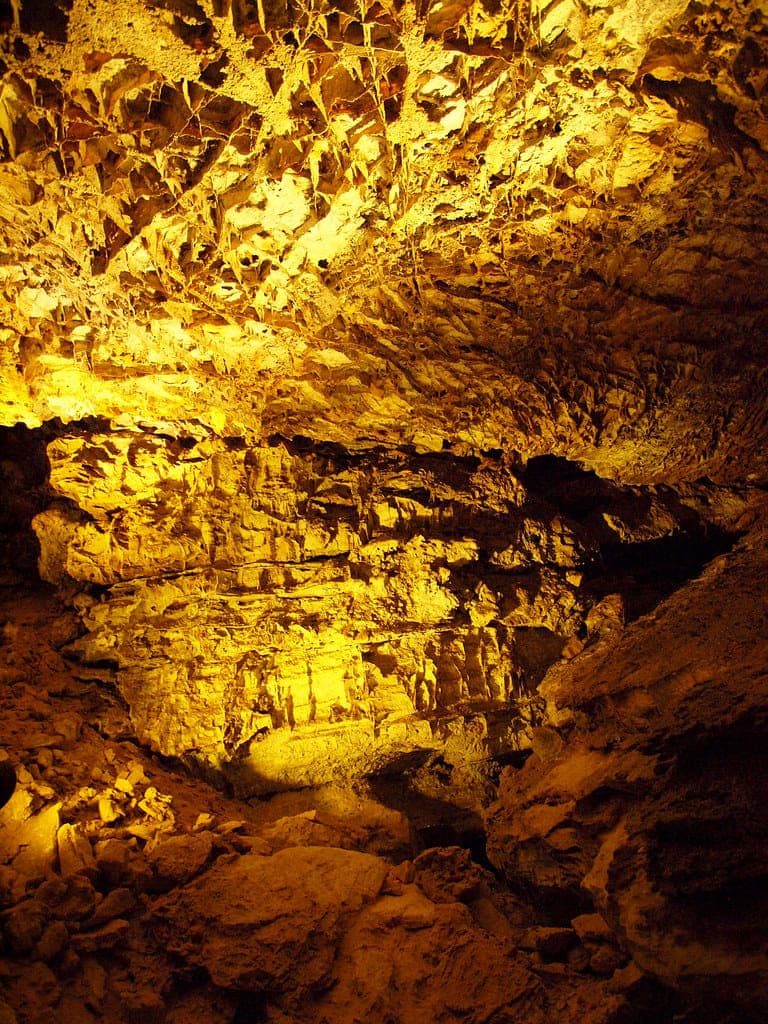
Wind Cave, South Dakota
Hot Springs, South Dakota, United States
32.6 km away
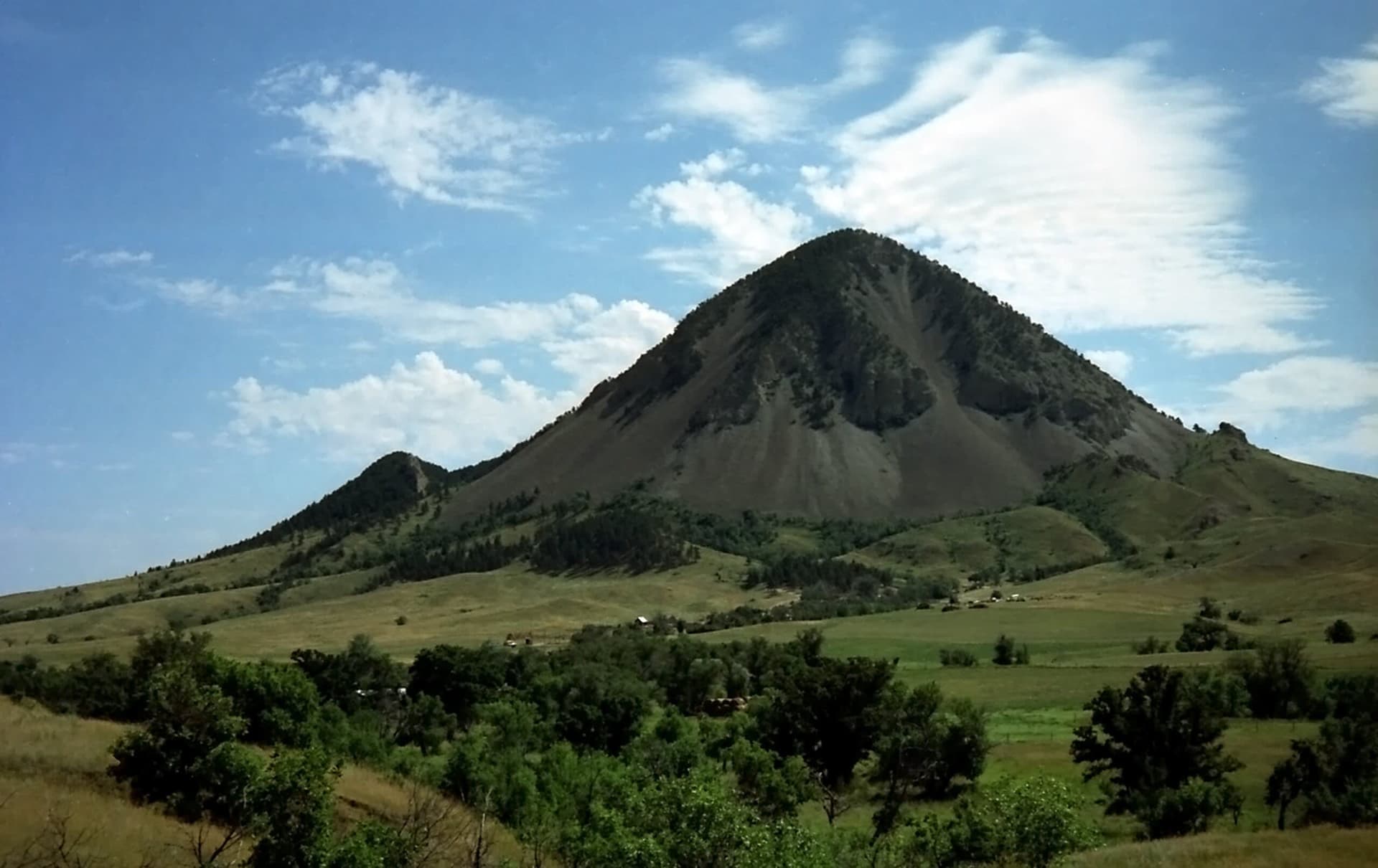
Bear Butte, South Dakota
Sturgis, South Dakota, United States
68.3 km away
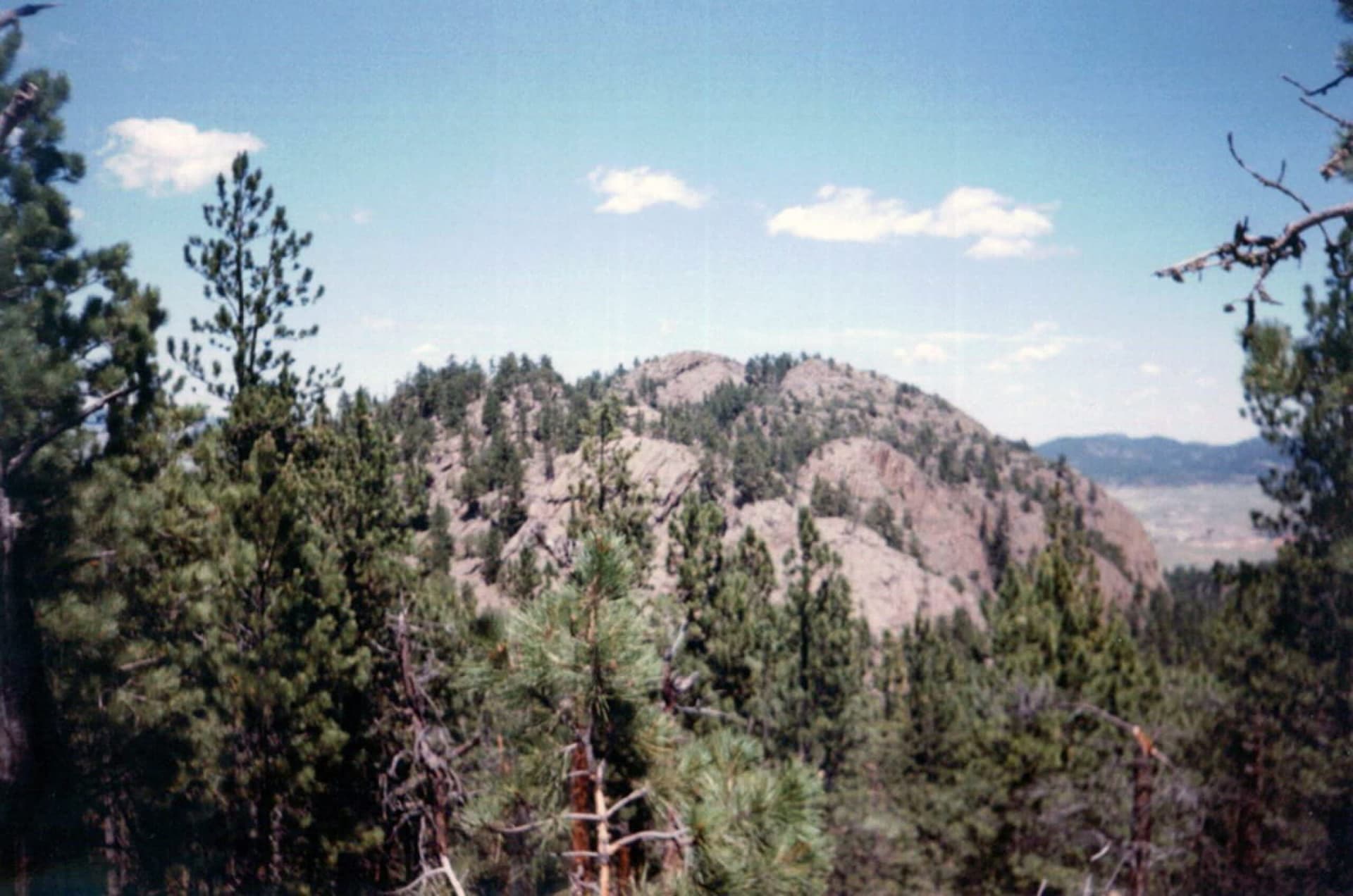
Inyan Kara Mountain, Wyoming
Sundance, Wyoming, United States
75.5 km away
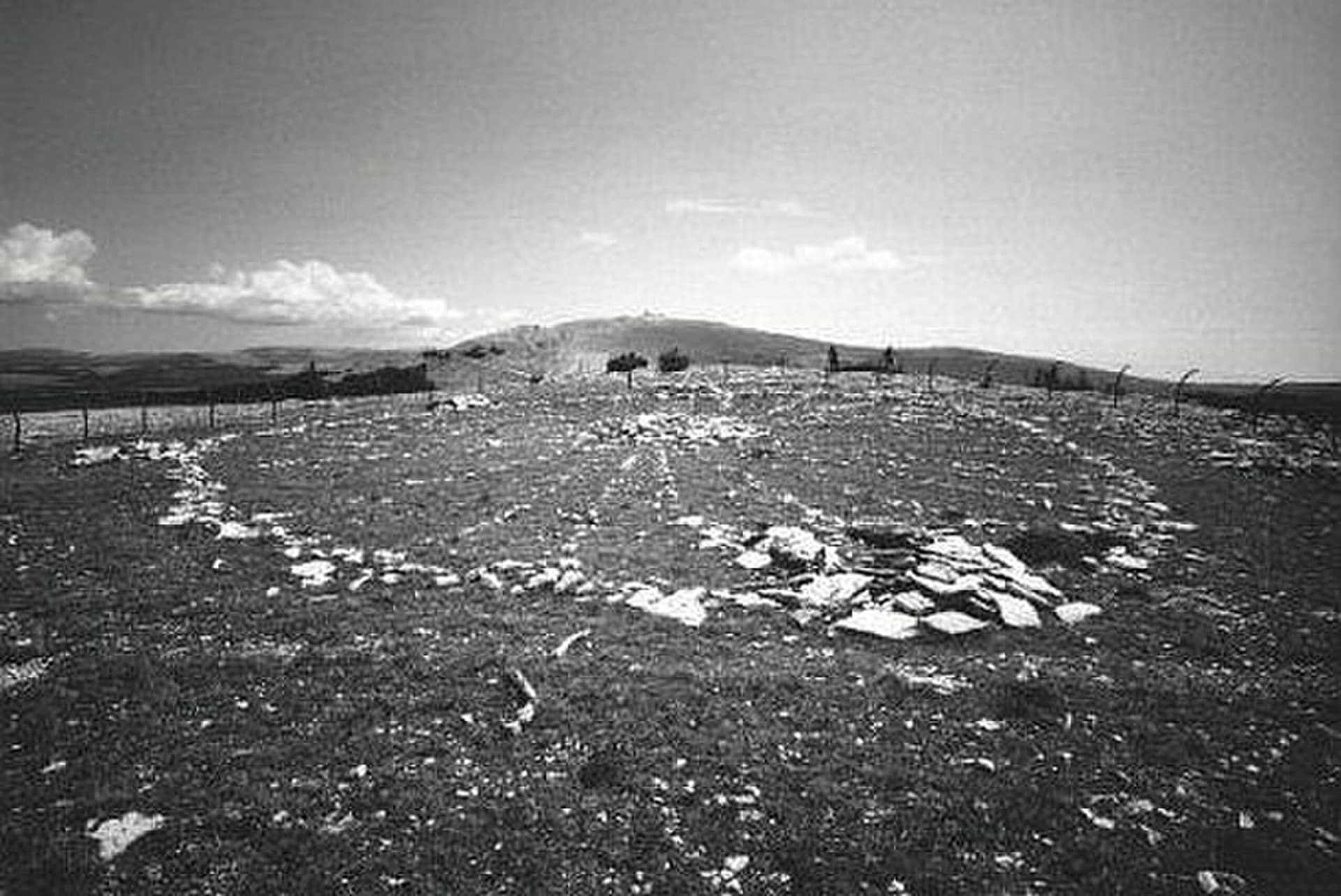
Big Horn Medicine Wheel, Wyoming
Big Horn County, Wyoming, United States
365.0 km away