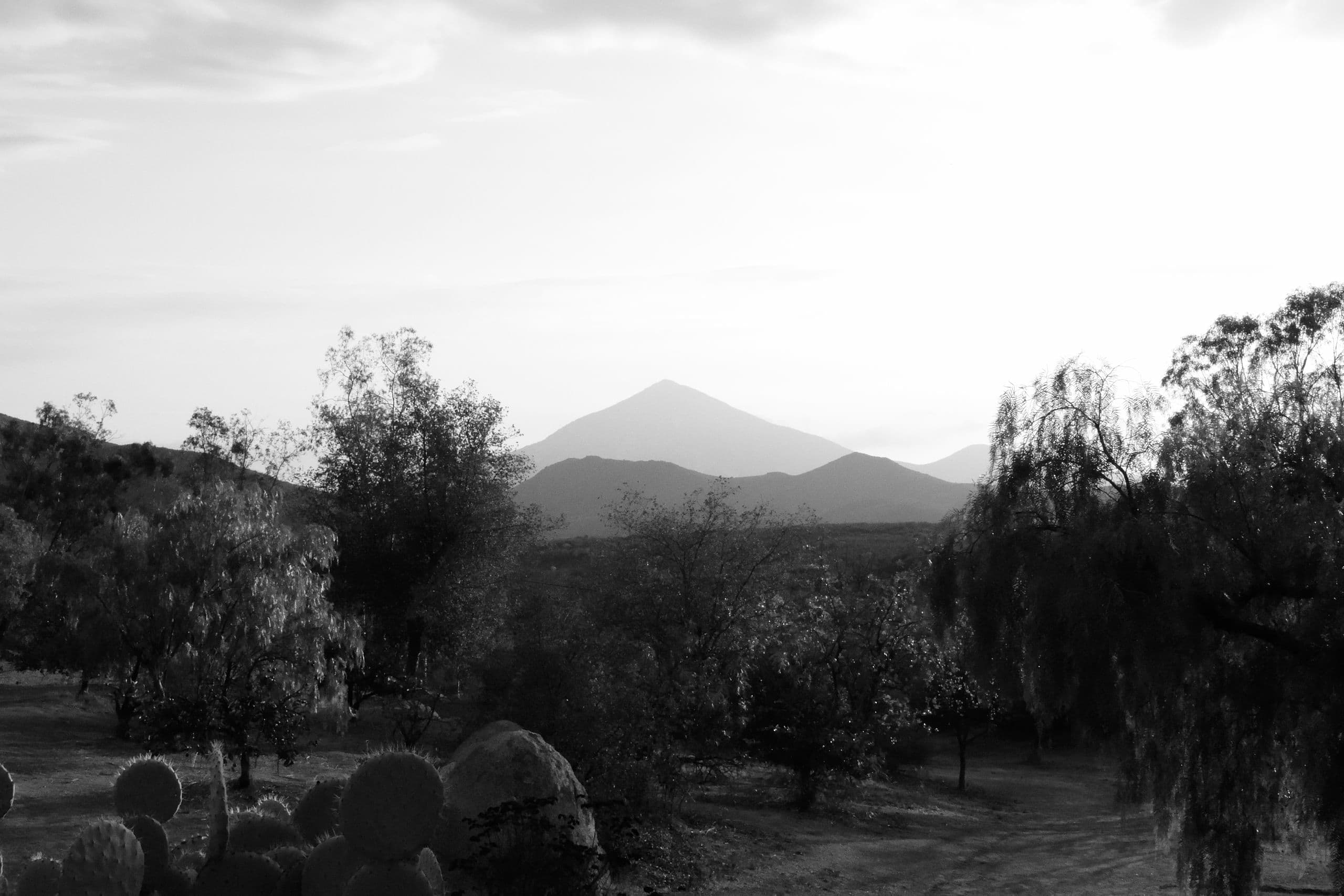
Tecate Peak, California
Kumeyaay shamanic mountain where only those with healing gifts were meant to climb
Tecate, California, United States
At A Glance
- Coordinates
- 32.5653, -116.6222
- Suggested Duration
- Half day is sufficient to access the summit and return
- Access
- A service road winds to the summit from near Tecate, California. Road conditions vary. The summit is less than a mile from the Mexico border.
Pilgrim Tips
- A service road winds to the summit from near Tecate, California. Road conditions vary. The summit is less than a mile from the Mexico border.
- Appropriate outdoor attire for the service road hike.
- Be respectful of the sacred nature of the site in your documentation choices.
- The prohibitions surrounding Kuuchamaa are not suggestions but serious warnings from Kumeyaay tradition. Taking anything from the mountain is believed to cause death. This is stated as fact, not possibility. Even those not seeking to take anything should move carefully. The mountain is inhabited by very powerful spirits according to Kumeyaay understanding. Casual approach to such power is unwise. The border area location means legal considerations apply. Be aware of your proximity to the international boundary.
Overview
Tecate Peak, known to the Kumeyaay as Kuuchamaa, 'The Exalted High Place,' stands among the most sacred sites of the Kumeyaay people. This mountain near the California-Mexico border has been used by shamans for acquiring healing power since before recorded time. Only properly initiated healers were traditionally permitted to climb. To protect the mountain from development, Kumeyaay leaders made the difficult choice to reveal sacred knowledge, securing its listing on the National Register of Historic Places.
A mountain rises near where California meets Mexico, bearing a name that speaks to its significance: Kuuchamaa, 'The Exalted High Place' or, in another translation, 'The Ones That Cure.' To the Kumeyaay people, this peak has served as the training ground for their most powerful shamans since time beyond memory.
This is not an ordinary sacred mountain. According to Kumeyaay tradition, only those properly initiated as healers were supposed to climb Kuuchamaa. The mountain is inhabited by very powerful spirits, and beginning kuesaay (shamans) went there for final training and indoctrination. Only good power, power to help people, could be acquired here. Spiritual songs, healing rituals, and special healing herbal knowledge was taught in dreams on the mountain.
In each generation, only the most powerful and best shaman stayed on the mountain, responsible for regularly calling all shamans there. The spirit of God and of Kuuchamaa remains inside the mountain still, calling to individuals with special innate abilities for healing.
Strict prohibitions surround the peak. Taking a plant or rock from the mountain is believed to cause death. Putting something on or near the peak is forbidden. Even herbal specialists and surviving curers would not climb the mountain's slope unless properly initiated. The elders warn that those without adequate training should not venture to its more sacred spots.
In 1979, when a power-transmission line threatened to pass over the mountain, Kumeyaay elder and anthropologist Florence Shipek worked with tribal leaders to protect it. They made a difficult choice: revealing previously unrecorded sacred beliefs so the mountain could be nominated to the National Register of Historic Places. This sacrifice of sacred secrecy succeeded. The mountain was protected.
Context And Lineage
Kuuchamaa has been the shamanic training mountain of the Kumeyaay since before recorded time, where healers acquired their power through dreams and spiritual instruction.
The mountain bears the name of Kuuchamaa, a legendary figure who lived there. The mountain was used by shamans for acquiring healing power even before this man lived, and continued to be used after his death. His spirit remains inside the mountain, calling to individuals with special innate abilities for healing and for good.
According to Kumeyaay tradition, beginning kuesaay (shamans) went to this mountain for their final training and indoctrination. Only those properly initiated were supposed to go onto the mountain. Spiritual songs, healing rituals, and special healing herbal knowledge were taught in dreams. Only good power, power to help people, could be acquired there.
In each generation, only the most powerful and best shaman stayed on the mountain and was responsible for regularly calling all shamans there. This keeper of the mountain maintained the relationship between the healing spirits and the Kumeyaay people.
The shamanic lineage associated with Kuuchamaa extends back beyond recorded memory. Each generation had its keeper, the most powerful healer who resided on the mountain and called others there. According to elders interviewed for documentation purposes, this direct lineage has been interrupted; no one still living has been initiated in the traditional manner. The mountain's sacred status is maintained even as the specific practices have diminished.
Kuuchamaa
Legendary figure who may have given his name to the mountain, or whose name may derive from the mountain itself. He lived on the peak and his spirit remains within it, calling to those with healing gifts.
Florence Shipek
Anthropologist who worked with Kumeyaay elders to document and protect the site. In 1979, she requested that a power-transmission line pass below rather than over the mountain, initiating the process that led to National Register listing.
Why This Place Is Sacred
Kuuchamaa represents thinness through the presence of healing spirits: a mountain where shamans received their power and where the spirit of the divine is believed to dwell still.
The concept of thin places often describes locations where the boundary between ordinary and sacred reality feels permeable. Kuuchamaa represents something more specific: a place inhabited by very powerful spirits, where the boundary was never thick to begin with.
For the Kumeyaay, this mountain is not merely sacred but actively inhabited by spiritual presences. The spirit of God and of Kuuchamaa remains inside the mountain, calling to those with innate abilities for healing. This is not a metaphor or a way of speaking but a statement about reality as the Kumeyaay understand it. The spirits are there. They teach. They call.
The mountain's thinness has a particular quality: it is oriented toward healing. Only good power can be acquired here, only power to help people. This distinguishes Kuuchamaa from sites associated with danger or death. The power accessible here is beneficent but demanding. It requires proper initiation, proper approach, proper respect.
The prohibitions surrounding the peak reflect this thinness. Taking anything from the mountain is believed to cause death, not as punishment but as consequence of disturbing what should not be disturbed. The spirits inhabiting Kuuchamaa are powerful; interaction with that power requires training and preparation.
The mountain's listing on the National Register of Historic Places represents an unusual intersection of sacred geography and legal protection. The thinness that the Kumeyaay have always known is now officially recognized, even if the language of historic preservation cannot capture what the mountain truly holds.
Kuuchamaa has served as the training ground for Kumeyaay shamans since before recorded time. This was where beginning healers went for final training and indoctrination, where healing power was acquired, and where the most powerful shaman of each generation resided.
The mountain's purpose as shamanic training ground has diminished; according to elders interviewed for anthropological studies, no one still living has been initiated in the traditional manner. However, the mountain's sacred status is actively maintained and defended by the Kumeyaay community. Legal protection ensures the mountain will remain available for whatever future relationship the people develop with it.
Traditions And Practice
Traditional shamanic training has diminished, but the mountain's sacred status is actively maintained and defended. Strict prohibitions against taking or leaving anything continue.
Kuuchamaa served as the site of shamanic initiation and training. Beginning kuesaay (shamans) went there for final training and indoctrination after preliminary preparation. The training was received in dreams: spiritual songs, healing rituals, and special healing herbal knowledge were taught by the spirits inhabiting the mountain.
In each generation, the most powerful and best shaman stayed on the mountain, serving as its keeper and regularly calling all shamans there. This keeper maintained the relationship between the mountain's spirits and the Kumeyaay healing practitioners.
Strict prohibitions governed interaction with the mountain. Only properly initiated healers were supposed to climb. Taking anything, even a plant or rock, was believed to cause death. Putting something on or near the peak was forbidden. Even herbal specialists and surviving curers would not climb the slope unless properly initiated. Too many people on the mountain for non-religious purposes would destroy the sacred place.
According to elders interviewed during the documentation process, no one still living has been initiated as a traditional shaman in the manner that would permit full access to the mountain. The direct lineage of keepers has been interrupted.
However, the mountain's sacred status is actively maintained and defended by the Kumeyaay community. The successful effort to have Kuuchamaa listed on the National Register of Historic Places demonstrates ongoing commitment to protecting the site. The prohibitions against taking or leaving anything remain in effect, transmitted across generations even as the shamanic training itself has diminished.
Visitors may hike to the summit via service road, but should do so with full awareness of the mountain's profound significance to the Kumeyaay people. This is not ordinary terrain but one of the most sacred sites of a living Indigenous tradition.
Do not take anything from the mountain. The Kumeyaay believe this causes death. Whether or not you share this belief, honor it.
Do not leave offerings. Putting something on or near the peak is traditionally forbidden.
Do not venture to the more sacred areas without proper understanding. The elders warn that those without adequate training should not approach certain parts of the mountain.
Kumeyaay
ActiveKuuchamaa is one of the most sacred sites of the Kumeyaay people, a mountain inhabited by very powerful spirits where shamans received their healing power. In each generation, the most powerful healer resided on the mountain as its keeper.
Traditional shamanic training occurred through dreams on the mountain, where spiritual songs, healing rituals, and herbal knowledge were taught. Strict prohibitions govern the site: take nothing, leave nothing, do not approach sacred areas without proper preparation.
Experience And Perspectives
Visitors can access the summit via service road, encountering a mountain that Kumeyaay elders describe as inhabited by powerful healing spirits, with views spanning two countries.
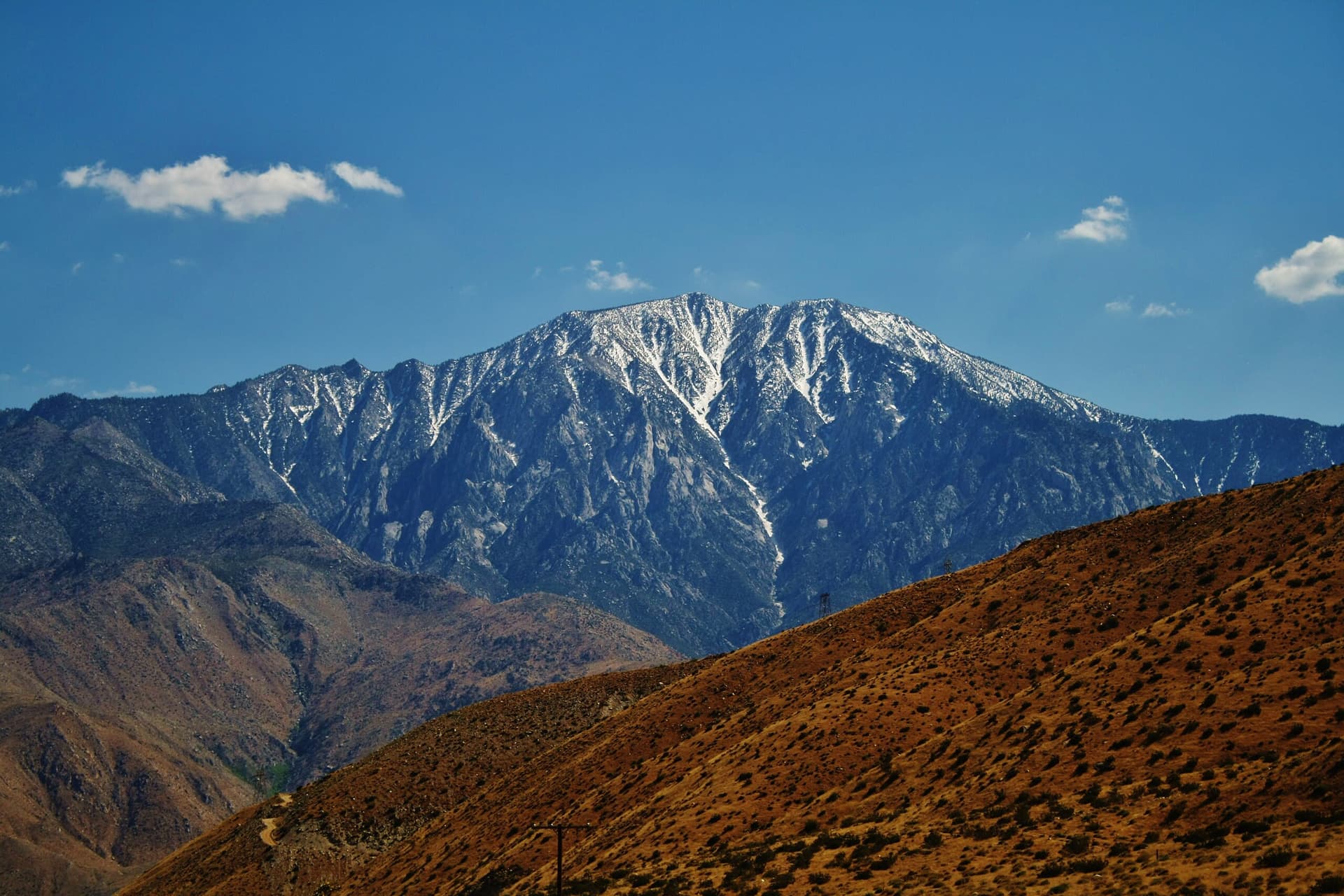
Tecate Peak rises to 3,885 feet in San Diego County, its summit less than a mile from the Mexico border. A service road winds to the top, making the summit more accessible than many sacred peaks. From above, views extend across both the United States and Mexico, and on clear days the Pacific Ocean is visible to the west.
The mountain's appearance does not immediately announce its significance. It is neither the highest nor the most dramatic peak in the region. What distinguishes Kuuchamaa is not its physical form but what Kumeyaay tradition holds it contains: very powerful spirits who have taught healing knowledge to shamans for as long as memory reaches.
Visitors aware of the mountain's significance approach differently than those who see only landscape. The prohibitions are clear: take nothing, leave nothing, venture to the more sacred areas only with proper understanding. Those who know that this mountain is believed to cause death in those who remove even a rock move through it with different attention.
The experience of ascending Kuuchamaa varies with preparation. For those who understand they are entering what the Kumeyaay consider one of their most sacred sites, the climb carries weight beyond physical effort. The spirits that the tradition describes are not visible, but the knowledge of their believed presence shapes perception.
From the summit, looking across the international border, visitors confront the artificiality of political boundaries against the reality of sacred geography. The mountain was sacred before any border existed; it remains sacred regardless of which nation claims its summit.
Tecate Peak lies in San Diego County, California, approximately four miles west of the twin towns of Tecate, California, and Tecate, Baja California. The summit is accessed via service road from near Tecate.
Kuuchamaa's significance is understood primarily through Kumeyaay traditional knowledge, documented by anthropologist Florence Shipek in collaboration with tribal elders for the purpose of protecting the site.
Anthropologist Florence Shipek's documentation of Kuuchamaa's significance is the primary scholarly source. Her work with Kumeyaay elders produced the evidence needed to nominate the site to the National Register of Historic Places. The documentation demonstrates the site's religious significance while respecting that much traditional knowledge remains private.
The successful listing established a precedent for protecting Indigenous sacred sites based on documented religious significance, even when that documentation requires tribes to reveal otherwise private beliefs.
Kumeyaay elders and religious leaders maintain Kuuchamaa as profoundly sacred, a place inhabited by very powerful spirits where only initiated shamans should venture. The decision to reveal sacred knowledge to protect the mountain was difficult, made only because the alternative was worse.
The spirit of Kuuchamaa remains inside the mountain, calling to those with innate abilities for healing. Whether or not the direct shamanic lineage can be restored, the mountain holds what it has always held.
Much about Kuuchamaa remains private, appropriately so. The Kumeyaay revealed what was necessary to protect the mountain but did not share everything. The full nature of traditional practices, the location of the most sacred spots, and other matters remain with those who should know them.
Visit Planning
Accessible via service road from near Tecate. Half day sufficient. Year-round access, weather permitting.
A service road winds to the summit from near Tecate, California. Road conditions vary. The summit is less than a mile from the Mexico border.
Lodging available in the San Diego area.
Do not take anything from the mountain. Do not leave anything. Do not venture to more sacred areas without understanding. Respect this as one of the most sacred Kumeyaay sites.
Kuuchamaa requires exceptional respect from visitors. This is not merely a sacred site but, according to Kumeyaay tradition, a place inhabited by very powerful spirits where shamans received their healing power. The prohibitions are strict and the consequences, in traditional understanding, are severe.
Do not remove anything from the mountain. Not a rock, not a plant, not soil. Kumeyaay tradition holds that this causes death. The prohibition is absolute.
Do not leave anything on or near the peak. Offerings are not welcome. The mountain should be left exactly as found.
The elders warn that those without adequate training should not venture to the more sacred spots. If you are not Kumeyaay, if you have not been prepared to approach those areas, do not approach them. Some parts of the mountain are not meant for casual visitors.
Be respectful of the sacred nature of the site throughout your visit. The spirits that the Kumeyaay describe inhabiting this mountain may not be visible, but the belief in their presence shapes how this place should be approached.
Appropriate outdoor attire for the service road hike.
Be respectful of the sacred nature of the site in your documentation choices.
Leaving offerings is traditionally forbidden. Do not put anything on or near the peak.
Do not remove anything from the mountain. Do not leave anything. Do not venture to more sacred areas without proper preparation.
Sacred Cluster
Nearby sacred places create the location cluster described in the growth plan. This block is intentionally crawlable and links into the wider regional graph.