St. Mary’s Church, Dolgellau
A rare Georgian church holding medieval memory in the shadow of Snowdonia
Dolgellau, Gwynedd, United Kingdom
At A Glance
- Coordinates
- 52.7422, -3.8914
- Suggested Duration
- Allow 20-30 minutes to explore the church, more if attending a service or seeking quiet contemplation.
- Access
- Dolgellau is located at the junction of the A470 and A494 in southern Gwynedd. The church is a short walk from the town center. Parking is available in the town.
Pilgrim Tips
- Dolgellau is located at the junction of the A470 and A494 in southern Gwynedd. The church is a short walk from the town center. Parking is available in the town.
- Modest dress appropriate for a church.
- Usually permitted; ask if uncertain. Do not photograph during services or disturb others.
- Opening hours may be limited; check locally before visiting. Services take priority over tourism. The church may be closed for weddings, funerals, or other events.
Overview
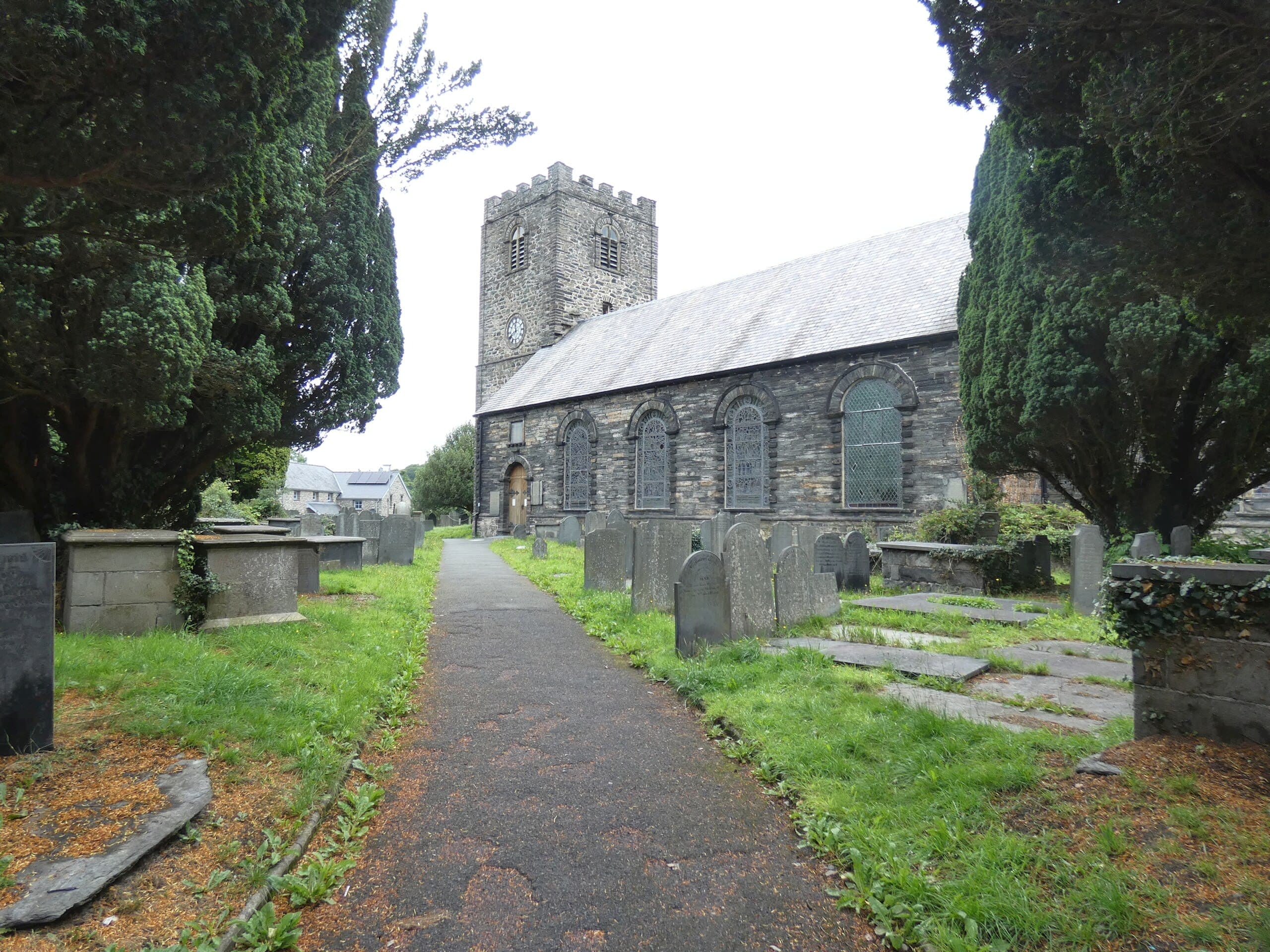
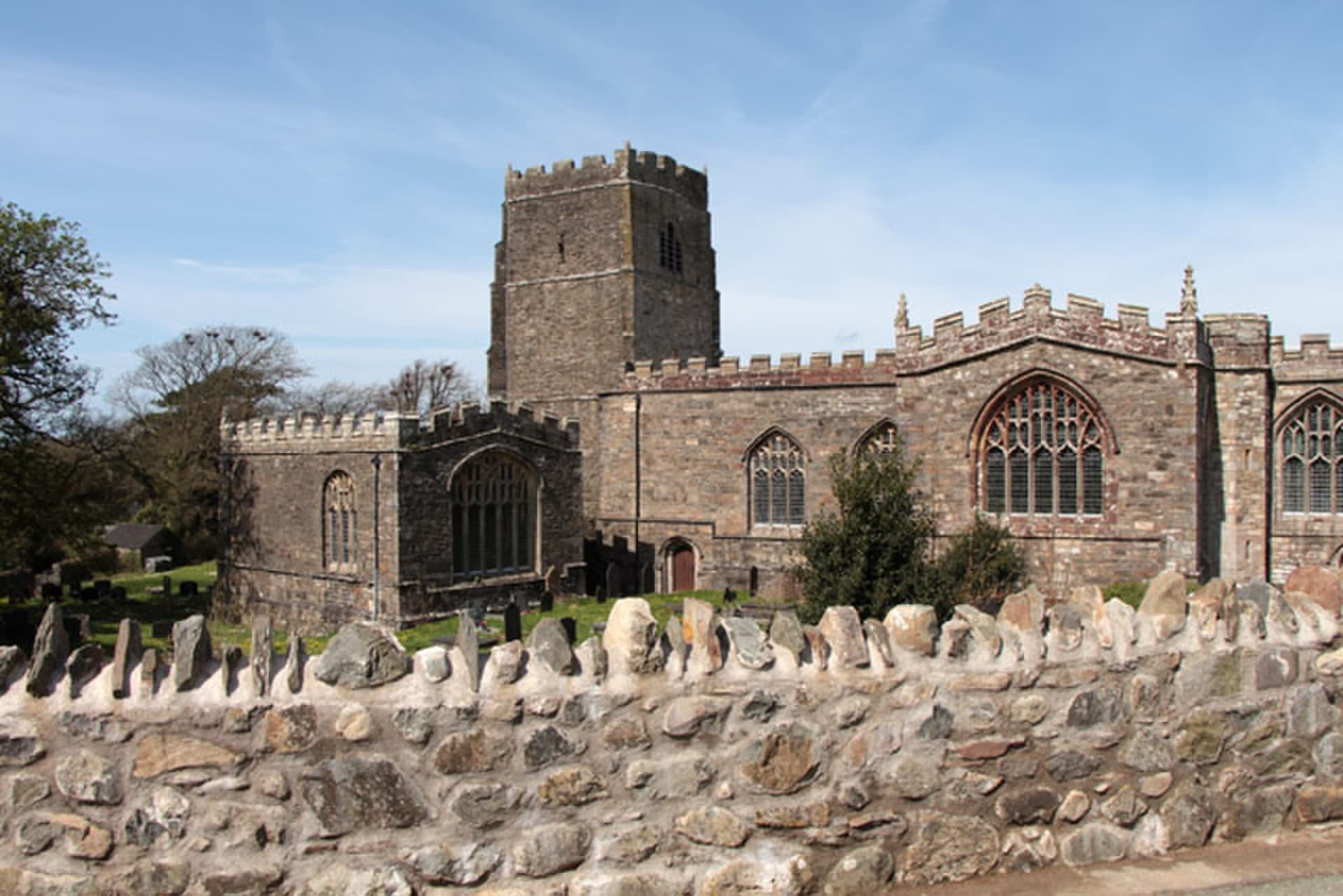
St Mary's stands at the heart of Dolgellau, unusual among Welsh churches for its Georgian architecture but holding medieval treasures within. A thirteenth-century font and a fourteenth-century knight's effigy connect modern worshippers to seven centuries of prayer on this site. Outside, the dramatic landscape of Snowdonia frames a church that has witnessed the continuity of Welsh faith through reformation, revival, and changing times.
Wales built few Georgian churches. The economic conditions that created England's Georgian ecclesiastical architecture largely bypassed Welsh communities, leaving a landscape of medieval and Victorian structures. St Mary's in Dolgellau is an exception, and that exceptionality makes it worthy of attention.
Built between 1716 and 1723 around the medieval church that preceded it, St Mary's represents a moment when Dolgellau had resources to rebuild rather than merely repair. The builders worked carefully, allowing services to continue in the old structure until the new walls enclosed it. When the medieval church was finally demolished, the congregation moved into a Georgian space that would remain largely unchanged for a century and a half.
But the medieval past did not entirely disappear. The font, carved around 1250, survived the rebuilding and still holds baptismal waters. The effigy of Meurig ab Ynyr Fychan, a fourteenth-century knight, lies in the church, connecting the present congregation to the feudal past of the surrounding valley. These artifacts provide continuity; the Georgian walls provide the distinctive character.
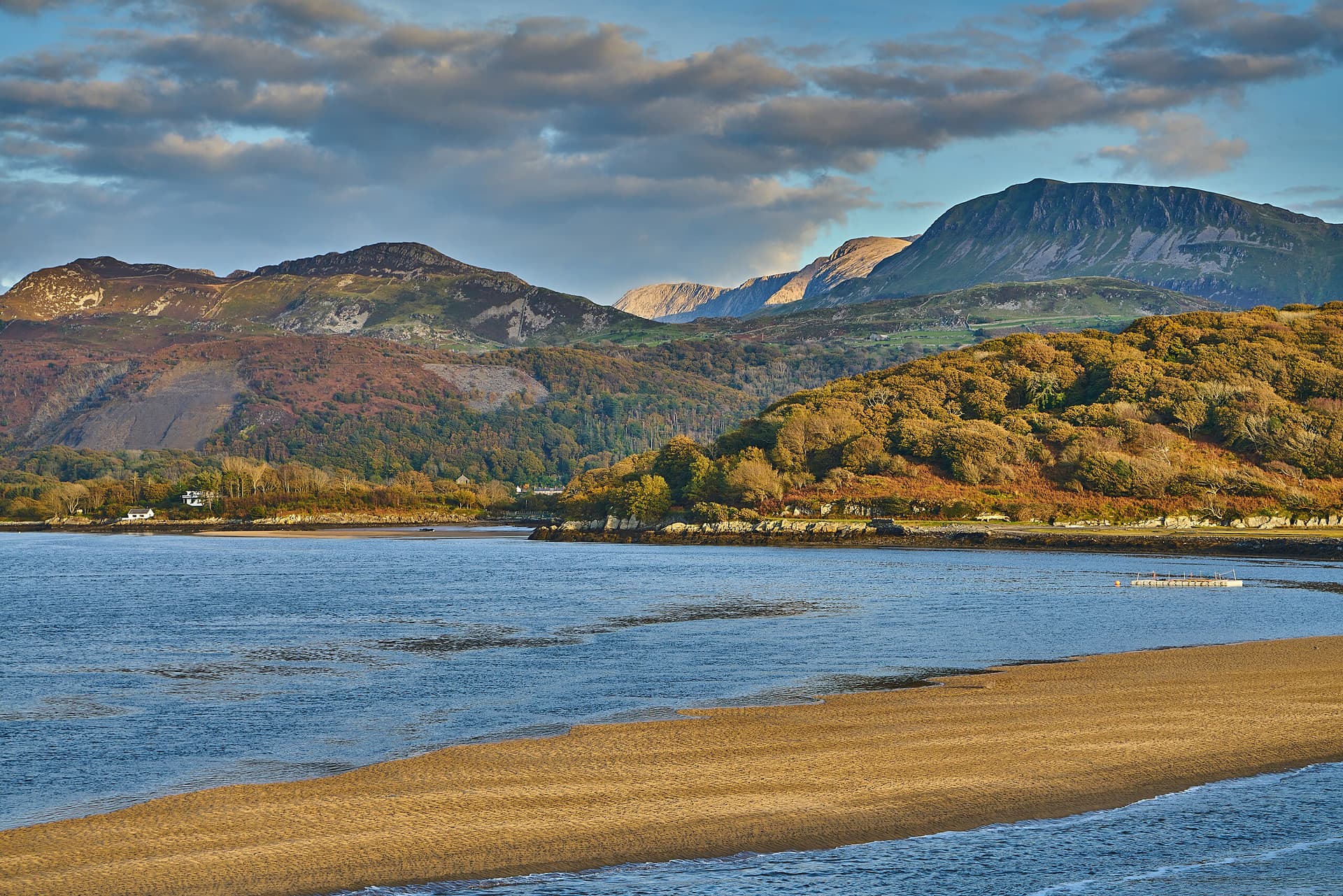
Dolgellau sits in the shadow of Cader Idris, a mountain with its own rich folklore. The town serves as gateway to some of Wales's most dramatic landscape. St Mary's offers the traveler a place of quiet in the midst of this grandeur, a church that has held prayer for nearly eight hundred years.
Context And Lineage
St Mary's has served Dolgellau since at least 1254, though the present Georgian building dates from 1716-1723. The church holds significant medieval artifacts, including a font from around 1250 and the effigy of a fourteenth-century local lord. The architecture is exceptional for Wales, where Georgian churches are rare.
The medieval church at Dolgellau is documented from 1254, though it may have been founded earlier. That church served the community through the medieval period, witnessing the social changes that shaped Welsh history: the conquest by Edward I, the Glyndwr rising, the Tudor consolidation. By the early eighteenth century, the structure apparently required more than repair, and the decision was made to rebuild.
The rebuilding was managed with care. The new Georgian church was constructed around the old medieval structure, which continued to host services until the new walls were complete. Only then was the old building demolished, with salvageable elements preserved. The font and effigy survived this transition, carrying medieval continuity into the Georgian space.
The medieval parish served the community of Dolgellau and surrounding areas; the Georgian rebuilding continued this service with enhanced resources. Post-Reformation, the church operated within the Church of England until Welsh disestablishment in 1920 created the Church in Wales. Today, St Mary's maintains regular worship as part of the Bro Cyngar ministry area.
Meurig ab Ynyr Fychan
historical
A fourteenth-century local lord whose effigy lies in the church. Ancestor of the Nanney and Vaughan families who would dominate the region for centuries, his stone presence connects the church to its feudal past.
Why This Place Is Sacred
St Mary's draws its sacred character from the accumulation of worship over seven centuries on this site. The medieval artifacts, particularly the font and knight's effigy, hold the memory of an older church within the Georgian shell. The surrounding Snowdonian landscape adds its own dimension, framing the town and its church with mountains that have inspired awe since before Christianity arrived in Wales.
The thin place quality at St Mary's is subtle, a product of duration rather than drama. No great saint founded this church; no miraculous event defines it. What accumulates here is simply the weight of ordinary holiness: seven centuries of baptisms at the same font, marriages, funerals, weekly worship, daily prayer.
The medieval font is the touchstone. Carved around 1250, it has held the water that welcomed generations into the Christian community. Hands that touched it in the thirteenth century touched the same stone you can touch today. Such continuity is rare, and it carries something.
The knight's effigy adds another dimension. Meurig ab Ynyr Fychan lies in stone, a reminder that the medieval church this one replaced served lords and peasants alike. The hierarchy of that world has passed; the church that witnessed it remains. His stone presence connects the modern worshipper to a past that otherwise exists only in documents.
The Georgian architecture creates its own atmosphere: proportion, light, restraint. The contrast between this measured space and the dramatic landscape visible through the windows offers something useful. Inside, calm; outside, the mountain called the Chair of Idris, with all its folklore of giants and sleeping poets. The church holds its own against the grandeur.
The medieval church that preceded St Mary's was established before 1254, serving the community of Dolgellau as parish church. It would have been a more modest structure than what stands today, built in the local stone tradition that characterizes most Welsh medieval churches. The decision to rebuild in Georgian style reflected both the prosperity and the aspirations of early eighteenth-century Dolgellau.
The Georgian church built 1716-1723 received significant restoration in 1864, which preserved its character while addressing structural concerns. The tower, begun in 1727, completes the composition. Today, St Mary's serves as the parish church for Dolgellau within the Church in Wales, maintaining regular worship while welcoming visitors who discover it.
Traditions And Practice
St Mary's is an active Church in Wales parish with regular Sunday worship and occasional weekday services. Visitors are welcome to explore the church during opening hours and may attend services. The church offers a space for quiet prayer and contemplation of both its Georgian architecture and medieval artifacts.
The medieval church would have followed the pattern of Catholic parish life: mass, festivals, baptisms, marriages, funerals. Post-Reformation practice shifted to Protestant worship, with the Book of Common Prayer shaping Sunday services. The Georgian period maintained this pattern, with morning and evening prayer structuring the week.
The church holds regular Church in Wales services according to the liturgical calendar. Visitors outside service times are welcome to explore the building, pray quietly, and engage with the medieval artifacts. The church is part of the local heritage network, recognized for its architectural and historical significance.
If possible, attend a service. The experience of worship in a Georgian space designed for it offers something photographs cannot capture. The acoustics, the light, the proportions all contribute to what prayer feels like here.
If visiting outside services, find the medieval font first. Spend time with it before moving through the rest of the church. Then find the knight's effigy and consider what continuity means: the same community, the same site, different centuries. End by sitting quietly in the nave, letting the Georgian calm do its work.
Church in Wales / Anglican
ActiveSt Mary's is a parish church within the Church in Wales, the Anglican province that emerged from disestablishment in 1920. The church maintains regular worship according to the Anglican calendar, continuing the tradition of parish life that has served Dolgellau for centuries.
Sunday worship, weekday services, baptisms, weddings, funerals. The church welcomes visitors and maintains its building as both sacred space and heritage site.
Experience And Perspectives
Visitors to St Mary's often describe the church as a place of unexpected peace, a counterpoint to the dramatic landscape surrounding Dolgellau. The Georgian proportions create calm; the medieval artifacts invite contemplation of continuity. The combination of architectural distinctiveness and accumulated prayer creates an atmosphere worth pausing for.
Dolgellau is a walking town, its narrow streets inviting exploration on foot. Coming upon St Mary's in this context, the church offers a different kind of space: enclosed, quiet, proportioned. The transition from the irregular medieval street pattern to the Georgian interior creates a useful shift.
Inside, the light is good. Georgian ecclesiastical architecture valued windows, and St Mary's benefits from this priority. The space is bright without harshness, inviting attention to details that might be lost in dimmer buildings.
Find the medieval font and give it time. This object has anchored worship here since the mid-thirteenth century, surviving the rebuilding that replaced everything around it. Touch it if you wish. Consider the hands that have touched it before you, the water it has held, the lives it has marked.
The knight's effigy offers a different encounter. Meurig ab Ynyr Fychan lies in armor, memorialized in the fashion of his time. His family, the Nanneys of Nannau, shaped this region for centuries. Looking at his stone face, you see a glimpse of the world before this world, the feudal Wales that this church also served.
Visit St Mary's as part of exploring Dolgellau on foot. The church sits at the edge of the old town, reached by a short walk from the town center. Arrive during opening hours, which may be limited, and allow yourself time to sit in the quiet.
Seek out the medieval font and the knight's effigy. These artifacts are the church's touchstones, connecting the Georgian present to the medieval past. The unusual apsidal chancel, semicircular in plan, is another feature worth noting, rare in Welsh ecclesiastical architecture.
If the surrounding landscape calls you, let the church be preparation or counterpoint. Cader Idris looms to the south; the hills rise in every direction. The church offers a different kind of height: the vertical of prayer, the stillness of centuries.
St Mary's can be understood as an architectural rarity, a Welsh Georgian church; as a living parish maintaining centuries of worship; or as a holder of medieval memory within a later shell. Each perspective illuminates something genuine about this place.
Architectural historians recognize St Mary's as one of few Georgian churches in Wales, significant for its design and the survival of medieval elements within it. The font from around 1250 and the fourteenth-century effigy provide important historical evidence. The unusual apsidal chancel adds to the building's interest.
For the worshipping community, St Mary's is their parish church, the place where generations have been baptized, married, and mourned. The Georgian architecture is simply the backdrop for ongoing Christian life. The medieval artifacts connect the present congregation to those who worshipped here before them.
The full extent of the medieval church remains unclear. Earlier Christian use of the site is uncertain. Why the decision was made to rebuild in Georgian style, rather than repairing or rebuilding in the Gothic tradition more common in Wales, is not fully documented.
Visit Planning
St Mary's is located on the edge of Dolgellau's old town in Gwynedd. The town is accessible via the A470 and A494. Check locally for opening hours. Allow 20-30 minutes for a meaningful visit.
Dolgellau is located at the junction of the A470 and A494 in southern Gwynedd. The church is a short walk from the town center. Parking is available in the town.
Dolgellau offers a range of accommodations from hotels to bed-and-breakfasts. The town is a popular base for exploring Snowdonia National Park.
St Mary's is an active place of worship. Enter quietly, dress appropriately, and respect others who may be present for prayer. Photography is usually permitted but should not disturb the atmosphere.
This is a working parish church, not a museum. Visitors are welcome, but the primary purpose remains worship. If others are present for prayer, move quietly and avoid disturbing them. If a service is underway, join reverently or wait until it concludes.
The church's Georgian architecture and medieval artifacts invite exploration, but exploration should not interfere with the sacred character of the space. Keep voices low. Sit in the silence. Let the place work on you rather than merely documenting it.
Modest dress appropriate for a church.
Usually permitted; ask if uncertain. Do not photograph during services or disturb others.
Donations welcome to support the church's maintenance.
Check opening hours. Services take priority. Do not touch medieval artifacts without permission.
Sacred Cluster
Nearby sacred places create the location cluster described in the growth plan. This block is intentionally crawlable and links into the wider regional graph.
Cadair Idris
Dolgellau, Cymru / Wales, United Kingdom
4.9 km away
St. Beuno’s Church and Well, Clynnog Fawr, Wales
Clynnog Fawr, Gwynedd, United Kingdom
40.1 km away
Clynnog Fawr Dolmen
Clynnog Fawr, Gwynedd, United Kingdom
40.1 km away
St. Beuno shrine and well, Clynnog Fawr, Wales
Clynnog Fawr, Gwynedd, United Kingdom
40.1 km away