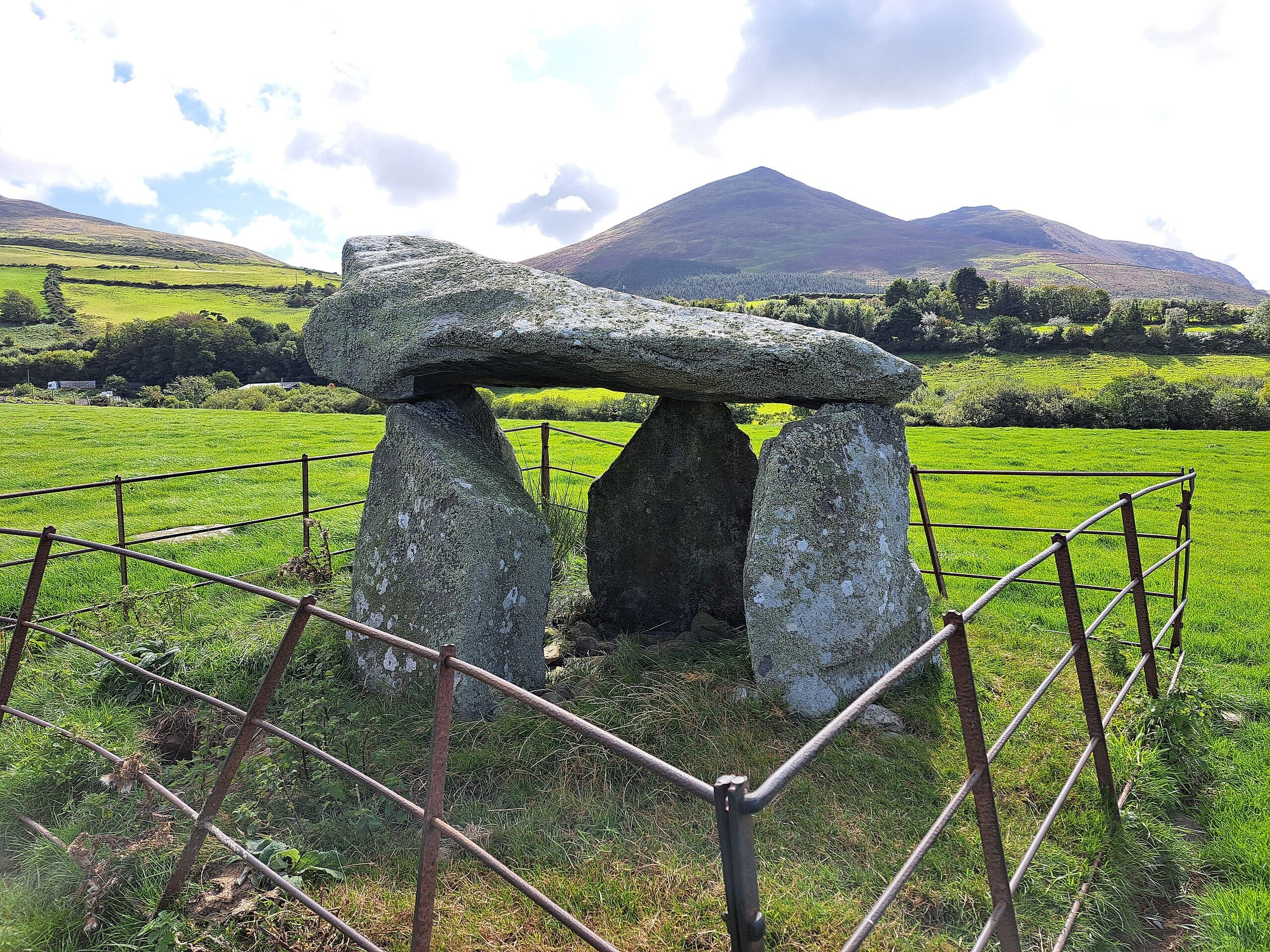
Clynnog Fawr Dolmen
A Neolithic portal dolmen marked by over 110 mysterious cupmarks, overlooking the Welsh sea
Clynnog Fawr, Gwynedd, United Kingdom
At A Glance
- Coordinates
- 52.9594, -4.3689
- Suggested Duration
- Allow 30 minutes to an hour for the dolmen alone. A fuller visit including St Beuno's Church and holy well could occupy half a day.
- Access
- Start at St Beuno's Church in Clynnog Fawr (LL54 5PE). A footpath leads from the churchyard, crossing the A499 and continuing through fields. The walk is approximately 1 kilometer each way, mostly flat but potentially muddy. The dolmen is surrounded by an iron fence but remains visible and accessible.
Pilgrim Tips
- Start at St Beuno's Church in Clynnog Fawr (LL54 5PE). A footpath leads from the churchyard, crossing the A499 and continuing through fields. The walk is approximately 1 kilometer each way, mostly flat but potentially muddy. The dolmen is surrounded by an iron fence but remains visible and accessible.
- No specific dress code. Sturdy footwear recommended for the walk across fields.
- Photographs are permitted and encouraged. The play of light on the capstone changes through the day, and the cupmarks are most visible in raking light.
- The dolmen is a protected Scheduled Ancient Monument. While the iron fence does not prevent close approach, visitors should not climb on the stones or attempt to make rubbings of the cupmarks. Be mindful of livestock in the surrounding field.
Overview
On a hillside between mountains and sea near Clynnog Fawr, a Neolithic burial chamber has stood for over five thousand years. Its wedge-shaped capstone bears more than 110 cupmarks—shallow depressions carved by unknown hands for unknown purposes. The dolmen sits within a landscape layered with sacred sites, from the prehistoric to the medieval pilgrimage route to Bardsey Island.
The Bachwen Dolmen emerges from the Welsh landscape as a question mark in stone. Four uprights support a massive wedge-shaped capstone, its surface covered with over 110 cupmarks—small circular depressions whose purpose scholars still debate. Built during the early Neolithic period, somewhere between 4200 and 3000 BCE, this portal dolmen represents one of humanity's earliest attempts to create permanent monuments in stone.
The site commands views across farmland to the sea on one side and the hills of the Llŷn Peninsula on the other. This liminal position—between land and water, cultivation and wilderness—may have been deliberate. The dolmen stands within a broader sacred landscape that would later include St Beuno's Church and holy well, themselves stops on the medieval pilgrimage route to Bardsey Island, the so-called Island of 20,000 Saints.
What drew Neolithic peoples to build here remains uncertain. Whether for burial, commemoration, or ritual display, they created something that continues to draw visitors five millennia later. The cupmarks, patiently carved into the hard stone surface, suggest this was more than a functional structure. Someone, for reasons we cannot recover, marked this place as significant.
Context And Lineage
The dolmen was built during the early Neolithic period, when agricultural communities first began creating permanent stone monuments in Wales. It stands within a landscape later claimed by Celtic Christianity.
No origin myth survives from the people who built Bachwen. We know only that sometime between 4200 and 3000 BCE, a community moved these stones into position—four uprights supporting a wedge-shaped capstone—and surrounded them with a cairn of smaller stones. The cairn has since eroded, leaving the skeletal structure exposed.
The cupmarks may tell a story we cannot read. Similar marks appear on dolmens across Wales and beyond, suggesting a shared symbolic vocabulary among Neolithic peoples. Some researchers propose they collected rainwater or marked astronomical events. Others suggest they held meaning within ritual contexts now lost. The honest acknowledgment is that the marks remain mysterious.
Bachwen belongs to the tradition of portal dolmens—monuments consisting of two tall portal stones at the front, a lower backstone, and a capstone that slopes from front to rear. This architectural form appears throughout Wales, Ireland, and Cornwall during the Neolithic period. The builders shared techniques and possibly beliefs across considerable distances, though without writing, we cannot trace the specific connections.
Why This Place Is Sacred
The dolmen's position between hills and sea, its great antiquity, and its mysterious cupmarks create a sense of standing at a threshold—a place where the boundary between ordinary experience and something deeper becomes permeable.
Visitors to Bachwen often report a quality of stillness that goes beyond mere quiet. The dolmen sits in a field where sheep graze, protected by an iron fence, yet something about the site invites pause. This is not a grand monument demanding awe but an intimate one inviting attention.
The cupmarks contribute to this quality of mystery. Over 110 shallow depressions on the capstone's upper surface, plus grooves and additional marks on the edges—each one deliberately made. The effort required to carve even one cupmark into stone is considerable. To carve over a hundred suggests sustained intention, possibly over generations. Some scholars propose they collected rainwater or served as star maps; others suggest ritual purposes we cannot reconstruct. The honest answer is that we do not know.
The dolmen also sits within a landscape that has been recognized as sacred across vastly different traditions. The Neolithic builders chose this spot. Centuries later, Celtic Christians established St Beuno's monastery nearby. Medieval pilgrims passed through on their way to Bardsey. Contemporary visitors, whether drawn by archaeology or spirituality, continue to come. Such continuity may be coincidence, or it may indicate something about the place itself.
Archaeological interpretation suggests the dolmen served as a burial chamber or commemorative monument. Recent research by Professors Vicki Cummings and Colin Richards proposes that some dolmens were built primarily for display rather than burial—monuments meant to be seen and approached with awe rather than repositories for the dead. The extensive cupmarks indicate the site held significance beyond mere function.
No direct continuity connects Neolithic use with later traditions. The dolmen became part of a layered sacred landscape as Celtic Christianity established itself nearby in the 6th century CE. Today, the site attracts visitors interested in prehistory, those on personal spiritual quests, and walkers exploring the Wales Coast Path sacred heritage trail.
Traditions And Practice
No organized practices occur at the dolmen today. Individual visitors may meditate, contemplate, or simply sit in the presence of deep time.
The Neolithic practices associated with this site cannot be reconstructed. The cupmarks suggest ritual activity of some kind—perhaps offerings, perhaps marking cycles of time, perhaps purposes entirely foreign to our categories. What we can say is that someone considered this place worth the considerable effort of marking.
Some contemporary visitors practice meditation or personal ceremony at the dolmen. Others simply sit quietly, allowing the quality of the place to work on them. There are no gatekeepers, no required practices, no wrong ways to engage with the site. Respect for the monument itself is the only constant.
Approach the dolmen slowly, taking time with the walk from the village rather than rushing to arrive. Once there, spend time observing before interpreting. Notice the shape of the capstone, the texture of the uprights, the relationship between monument and landscape. If the cupmarks are visible from ground level, contemplate the hands that made them and the unknowable intentions behind each mark.
Neolithic Religion
HistoricalThe dolmen represents one of the earliest forms of stone monument building in Wales, constructed during the early Neolithic period when agricultural communities were developing new relationships with landscape and ancestry.
Original practices cannot be reconstructed with certainty. The structure likely served burial, ritual, or commemorative purposes. The extensive cupmarks suggest sustained engagement over time, possibly involving offerings, astronomical marking, or symbolic activities whose meaning is now lost.
Contemporary Spiritual Practice
ActiveThe dolmen attracts contemporary visitors seeking connection with ancient sacred sites, meditation environments, or personal spiritual experiences.
Individual practices include meditation, quiet contemplation, and personal ceremony. Some visitors report energetic experiences at the site. There are no organized group practices or required observances.
Experience And Perspectives
Approaching the dolmen requires a short walk from the village, crossing fields where sheep graze. The monument reveals itself gradually—modest in scale but commanding in presence.
The walk to Bachwen begins at St Beuno's Church in Clynnog Fawr, itself worth visiting. A footpath leads past the churchyard, crosses the A499, and continues through a gate into open farmland. The dolmen is not visible from the road; you must commit to the walk before it reveals itself.
After perhaps fifteen minutes, the monument appears—smaller than photographs suggest, the capstone roughly at eye level. An iron fence surrounds it, installed to protect the ancient stones from sheep. The capstone's underside is dark, the uprights weathered grey-green with lichen. From certain angles, the triangular capstone seems to float.
Visitors report varied experiences here. Some feel what they describe as energy—either vitalizing or draining. Others notice a particular quality of silence. Many simply feel the weight of time, the strangeness of standing where people stood five thousand years ago, making marks on stone for reasons we cannot know.
The view beyond the dolmen helps situate the experience. The sea glitters to one side; the hills of Yr Eifl rise inland, topped by the Iron Age hillfort of Tre'r Ceiri. This is not an isolated monument but part of a landscape that has drawn human attention for millennia.
Approach the dolmen with the awareness that you are encountering deep time. The people who built this monument lived in a world without writing, without metal tools, without the technologies we take for granted. Yet they moved these stones into position and carved over a hundred marks into the capstone surface. Allow time for quiet observation rather than rushing through. Notice the cupmarks on top of the capstone if you can see them from ground level.
Interpreting a five-thousand-year-old monument requires humility. Different frameworks—archaeological, spiritual, phenomenological—each illuminate aspects while necessarily leaving others in shadow.
Archaeologists classify Bachwen as a portal dolmen dating to the early Neolithic period (c. 4200-3000 BCE). The extensive cupmarks—over 110 on the capstone alone—make it unusually significant within this class of monuments. Recent research by Vicki Cummings and Colin Richards has challenged the assumption that all dolmens served primarily as burial chambers, suggesting some may have been built as display monuments meant to be seen and approached with awe. The debate remains open.
No direct continuity connects contemporary Welsh culture with Neolithic belief. The dolmen exists within a landscape that Celtic Christianity later claimed—St Beuno founded his monastery nearby in the 6th century CE—but this represents a layering of traditions rather than continuation. Welsh culture honors such ancient monuments as part of national heritage without claiming to understand their original meaning.
Some contemporary spiritual practitioners interpret dolmens as 'healing chambers' or energy focal points. A hypothesis proposed by Russian scientist Rostislav Furdui suggested dolmens might function as acoustic or electromagnetic resonators. Visitors report varied experiences ranging from energy sensations to fatigue. These reports are consistent enough to merit acknowledgment, though their interpretation remains individual.
The honest position is that much remains unknown. What did the cupmarks mean to those who made them? Were they carved all at once or accumulated over generations? What beliefs led Neolithic peoples to move tons of stone into this precise configuration? These questions may never find definitive answers. The monument endures; its meaning remains open.
Visit Planning
The dolmen is reached by a short walk from Clynnog Fawr village. Plan 30 minutes to an hour for the visit, more if combining with St Beuno's Church.
Start at St Beuno's Church in Clynnog Fawr (LL54 5PE). A footpath leads from the churchyard, crossing the A499 and continuing through fields. The walk is approximately 1 kilometer each way, mostly flat but potentially muddy. The dolmen is surrounded by an iron fence but remains visible and accessible.
Clynnog Fawr village has three public houses. Caernarfon, 15km northeast, offers full range of accommodations.
Respectful observation is welcome. The site is protected by law, and its stones should not be touched or climbed.
As a Scheduled Ancient Monument, Bachwen Dolmen is protected under UK law. This means that damaging or altering the site is a criminal offense. In practice, respectful visitors have nothing to worry about—observation, photography, and quiet contemplation are all appropriate.
The iron fence surrounding the dolmen exists to protect the stones from sheep, not to exclude humans. Visitors have been known to duck under it for closer inspection, though this is not officially encouraged. If you do approach closely, be mindful of where you step and do not lean against the uprights.
The field belongs to a working farm. Close gates behind you and give livestock right of way. Leave no trace of your visit beyond footprints.
No specific dress code. Sturdy footwear recommended for the walk across fields.
Photographs are permitted and encouraged. The play of light on the capstone changes through the day, and the cupmarks are most visible in raking light.
Leaving offerings is not traditional at this site. If you wish to mark your visit in some way, consider only natural, biodegradable items that will not accumulate or detract from others' experiences.
Do not climb on the stones. Do not attempt to make rubbings or casts of the cupmarks. Do not move any stones from the surrounding cairn material.
Sacred Cluster
Nearby sacred places create the location cluster described in the growth plan. This block is intentionally crawlable and links into the wider regional graph.
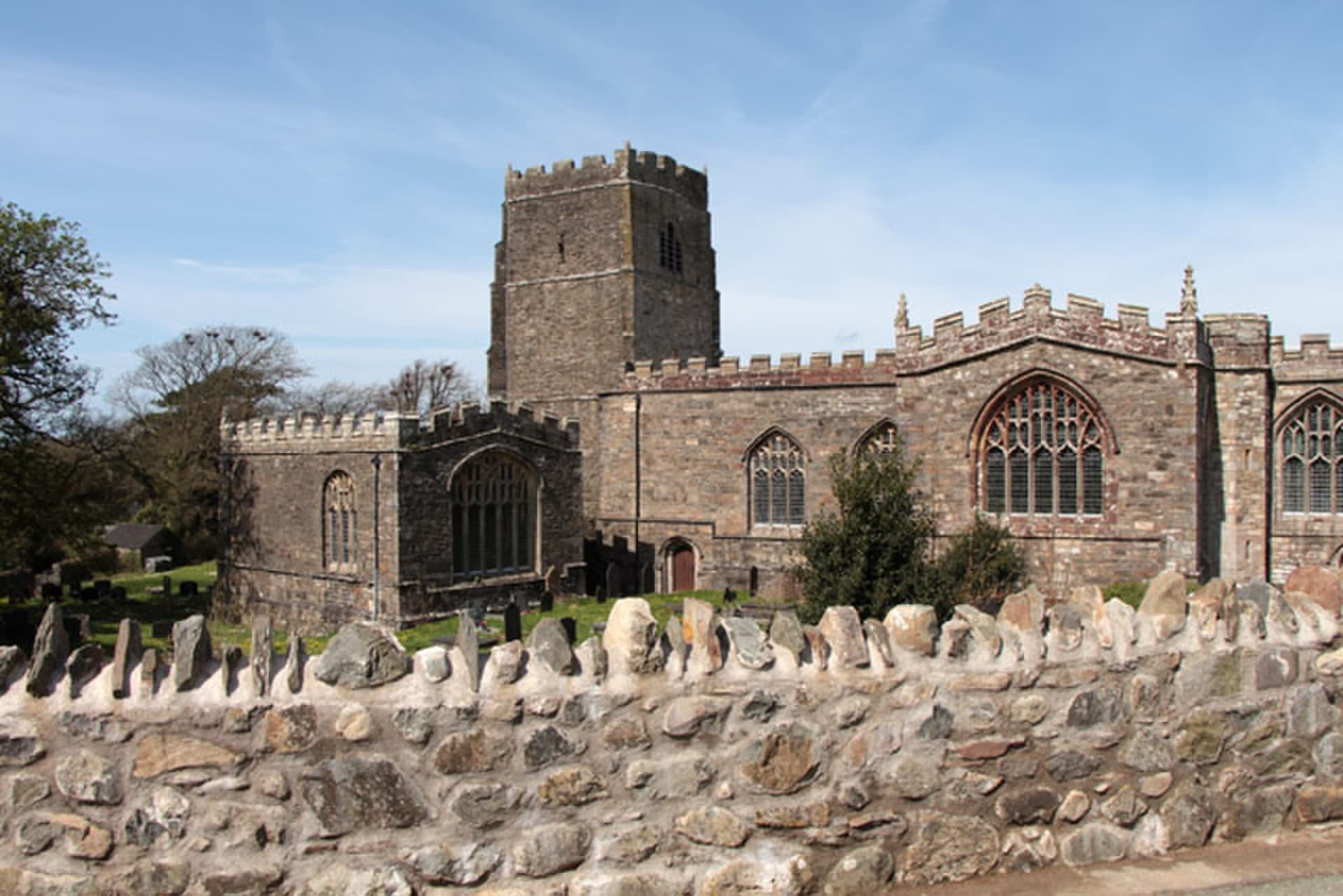
St. Beuno shrine and well, Clynnog Fawr, Wales
Clynnog Fawr, Gwynedd, United Kingdom
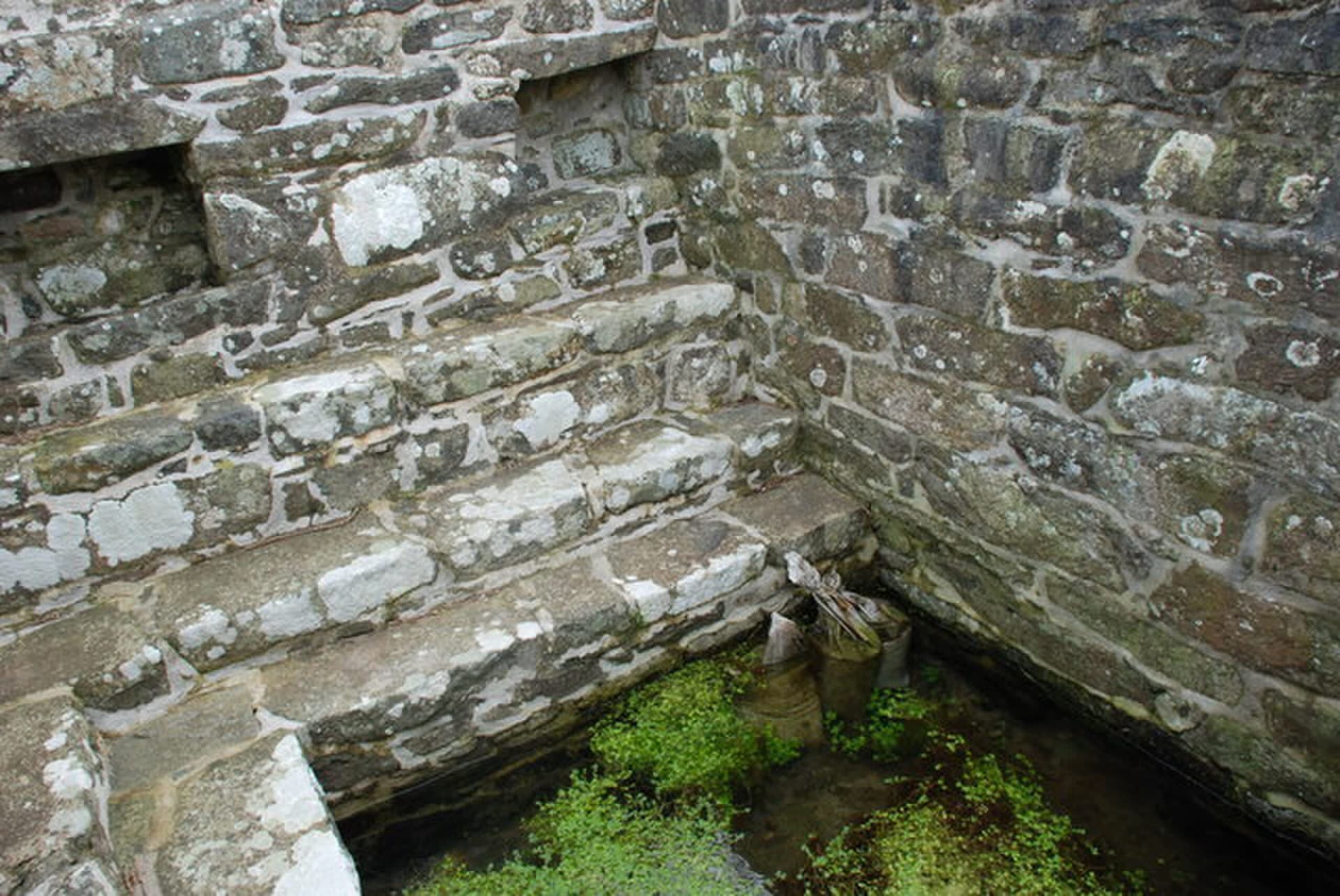
St. Beuno’s Church and Well, Clynnog Fawr, Wales
Clynnog Fawr, Gwynedd, United Kingdom
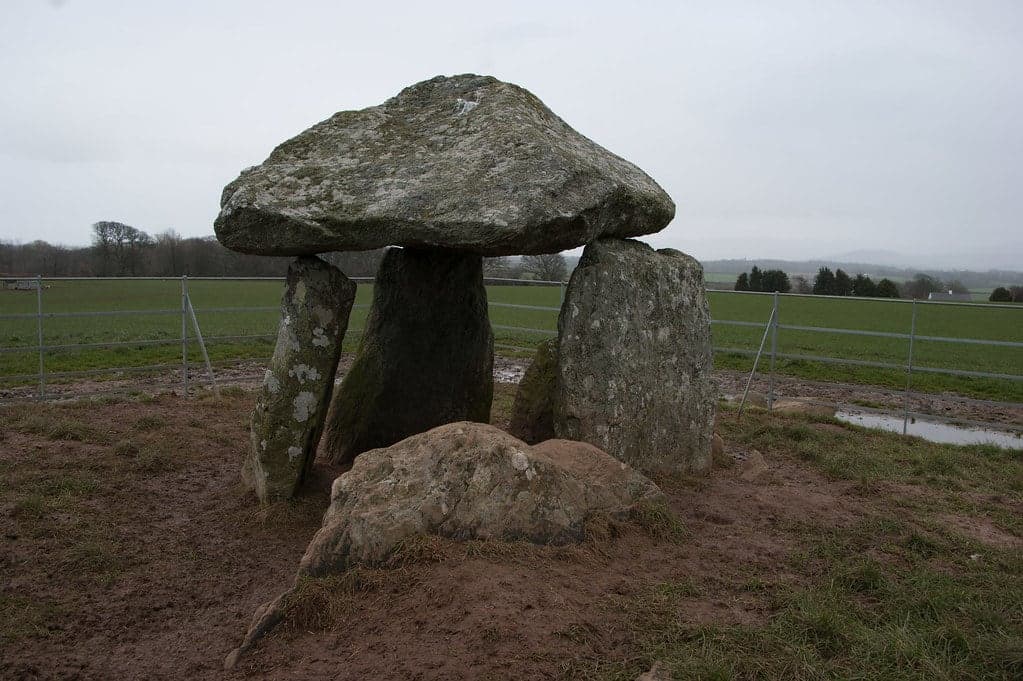
Bodowyr Dolmen
Llangaffo, Cymru / Wales, United Kingdom
25.8 km away
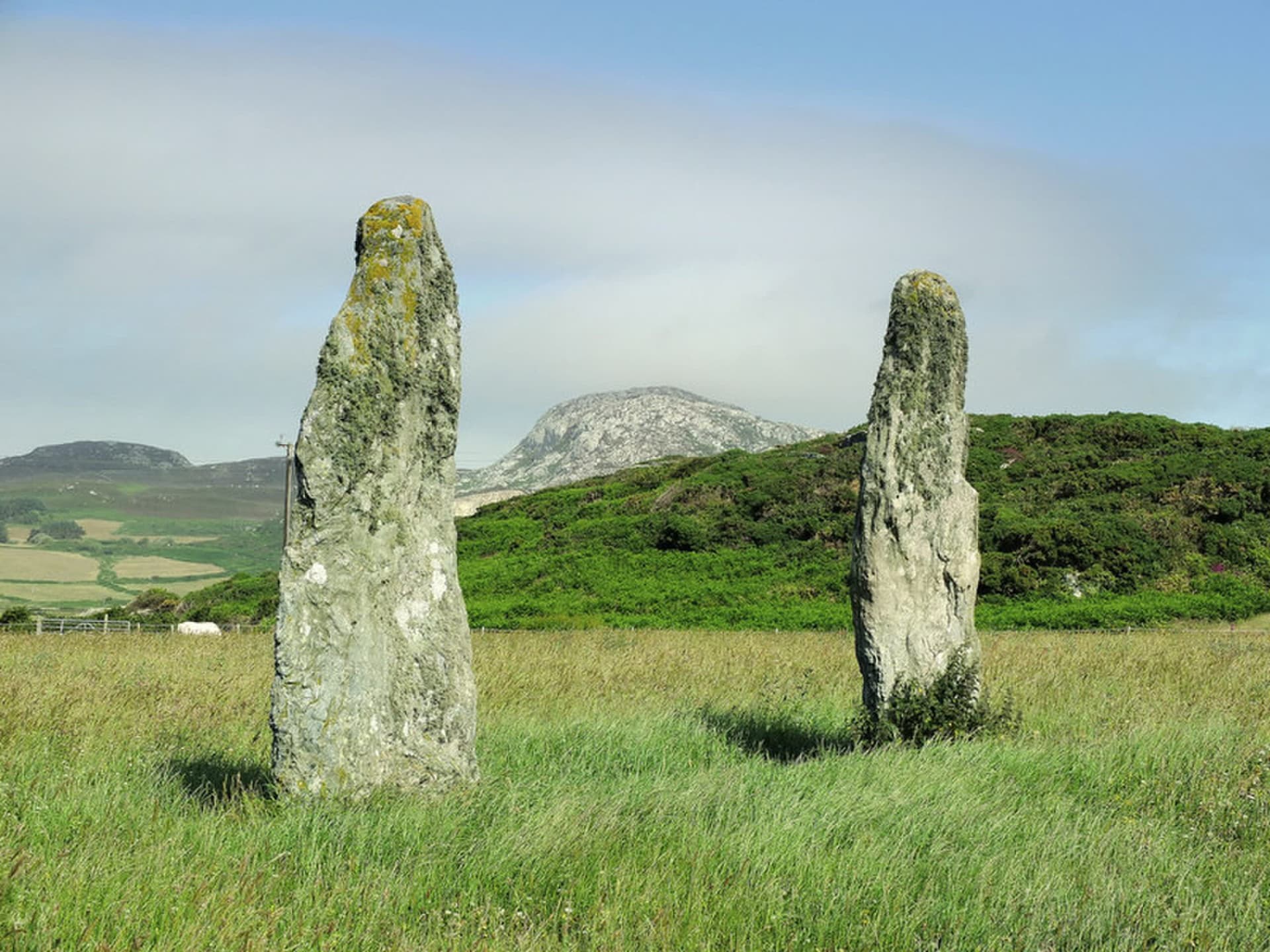
Penrhos Feiliw standing stones
Holyhead, Anglesey, United Kingdom
39.8 km away