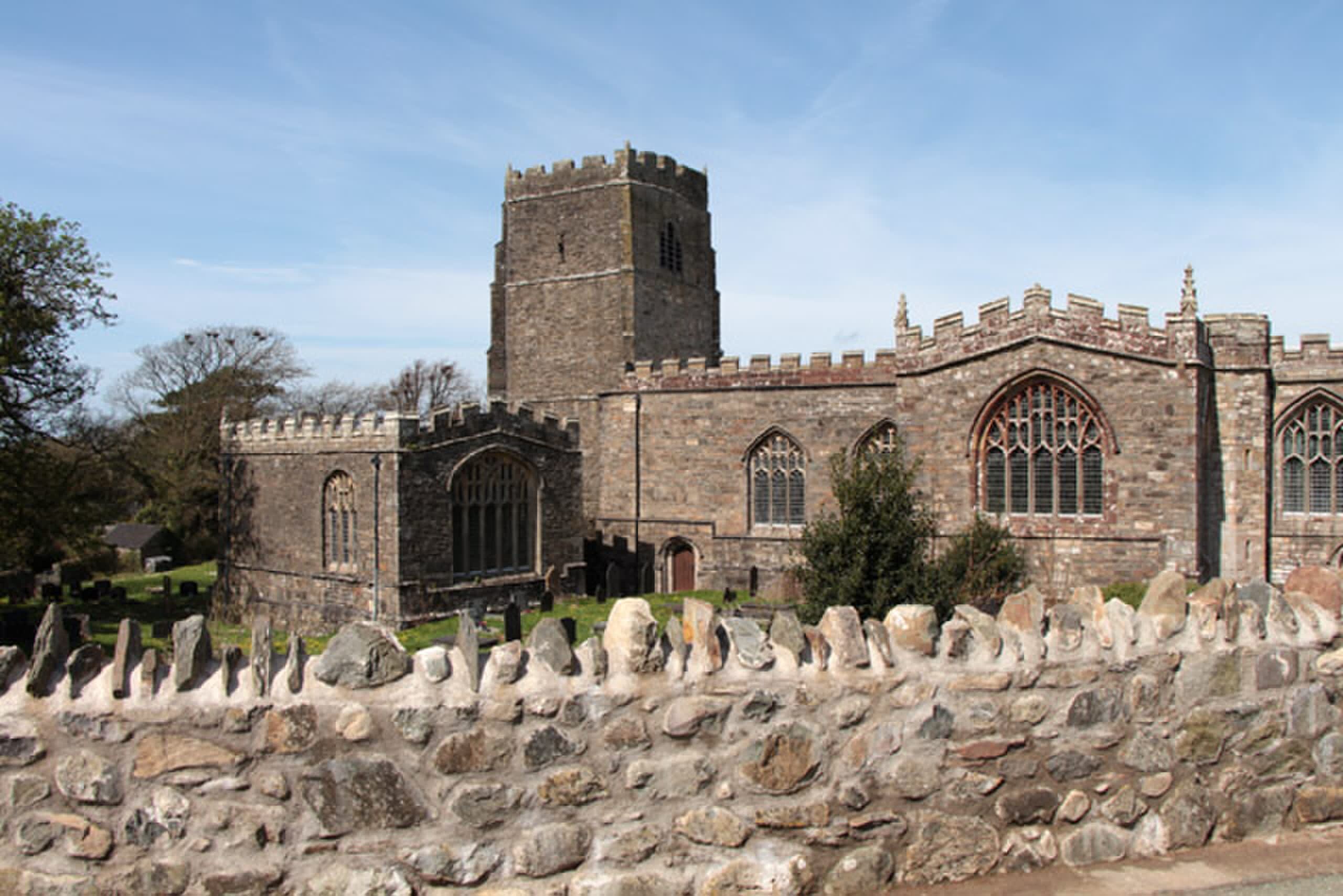
St. Beuno shrine and well, Clynnog Fawr, Wales
A saint who raised the dead, a stone bearing his fingerprints, a well that healed for centuries
Clynnog Fawr, Gwynedd, United Kingdom
At A Glance
- Coordinates
- 52.9594, -4.3689
- Suggested Duration
- Allow 30 minutes to 1 hour for church and well. Longer if combining with the pilgrimage walk.
- Access
- Located in Clynnog Fawr village on the A499 between Caernarfon (approximately 8 miles) and Pwllheli. Parking available near the church. The holy well is 322 meters northeast, signposted.
Pilgrim Tips
- Located in Clynnog Fawr village on the A499 between Caernarfon (approximately 8 miles) and Pwllheli. Parking available near the church. The holy well is 322 meters northeast, signposted.
- Modest dress appropriate for church.
- Permitted inside and outside the church. Be respectful.
- Church hours are limited (typically Easter-October, 10am-5pm). The path to the well may be muddy. The well is not maintained for bathing; traditional healing rituals should not be attempted without local guidance and permission.
Overview
In Clynnog Fawr, on the pilgrim road to Bardsey Island, stands one of the great churches of North Wales. St Beuno founded his community here in 616 AD. He was a healer of extraordinary reputation, a man said to have restored his niece Winifred to life after her beheading. The church preserves a stone bearing what tradition calls his finger imprints. A holy well, a short walk from the nave, was sought for centuries by the sick. This was a place where pilgrims stopped, where the broken came to be made whole.
Beuno was the greatest of the North Welsh saints, descended from the royal princes of Powys, second in the hierarchy of Welsh holiness only to David himself. He founded his clas, his monastic community, at Clynnog Fawr in 616 AD, creating a center of devotion that would outlast him by fourteen centuries.
The stories told about him strain credulity, as saints' stories often do. He is said to have walked on water. He is said to have restored his niece Winifred's severed head to her body after a rejected suitor struck it off, creating in the process the healing well at Holywell that still draws pilgrims today. Such tales speak less to historical fact than to the impression Beuno left on those who knew him and remembered him. He was seen as someone through whom something extraordinary moved.
The church that bears his name is itself extraordinary. The Royal Commission on the Ancient and Historical Monuments of Wales called it one of the most notable churches in North Wales. Its medieval roof, its attached Chapel of the Grave where Beuno was buried, its collection of ancient artifacts, all speak to centuries of veneration. The Maen Beuno, a stone said to bear the imprint of the saint's fingers, remains in the church. Medieval pilgrims would trace the cross carved upon it, seeking blessing. They still can.
Context And Lineage
St Beuno founded his clas here in 616 AD, making Clynnog Fawr one of the oldest Christian sites in North Wales. Beuno was considered the greatest North Welsh saint, connected to the miracle at Holywell. The church was a major stop on the pilgrimage route to Bardsey Island.
Beuno was born into the royal family of Powys in the late 6th century. He became a monk and founded several churches across Wales before establishing his clas at Clynnog Fawr in 616 AD. He died around 640.
The most famous story associated with Beuno is his role in the miracle of St Winifred. According to tradition, his niece Winifred rejected the advances of a chieftain named Caradog. When she fled toward her uncle's church, Caradog pursued and struck off her head. Beuno emerged, placed the head back on her body, and prayed. Winifred rose, restored to life but bearing a red scar. A healing spring burst from the ground where her head had fallen. This well at Holywell remains Britain's oldest continuous pilgrimage site.
Beuno himself was associated with miracles of healing and with power over nature. He was said to have walked on water and to have performed numerous cures. Such stories reflect the extraordinary impression he left on his community.
The clas at Clynnog Fawr was one of the significant Celtic Christian communities of early medieval Wales. With the Norman reorganization of the Welsh church, it became a parish church. The present building dates mainly to the 15th-16th centuries. Today it is part of the Church in Wales and serves as both parish church and pilgrimage site on the North Wales Pilgrim's Way to Bardsey.
St Beuno
Founder of the clas, greatest saint of North Wales
St Winifred (Gwenfrewi)
Niece of Beuno, restored to life by his prayer
Why This Place Is Sacred
St Beuno's is thin because it gathers healing, pilgrimage, and the extraordinary reputation of its founder in one location. The stone with its finger imprints, the well with its centuries of cures, the tomb where the sick slept hoping for morning wellness, all create a place where ordinary expectations were suspended.
The thinness of St Beuno's begins with its founder. Beuno was not an ordinary holy man. The stories told about him are extreme: walking on water, raising the dead, performing healings that defied natural law. Whether these stories are historical in any modern sense matters less than what they encode. Beuno struck those who encountered him as someone through whom another order broke into ordinary reality.
The Maen Beuno, the stone bearing his finger imprints, makes the encounter tangible. Here, tradition holds, the saint's own touch was preserved in stone. Medieval pilgrims traced the cross carved upon it, placing their fingers where Beuno's had been. That physical connection across centuries, that participation in a gesture the saint himself was said to have initiated, creates a particular form of thinness. The gap between then and now narrows.
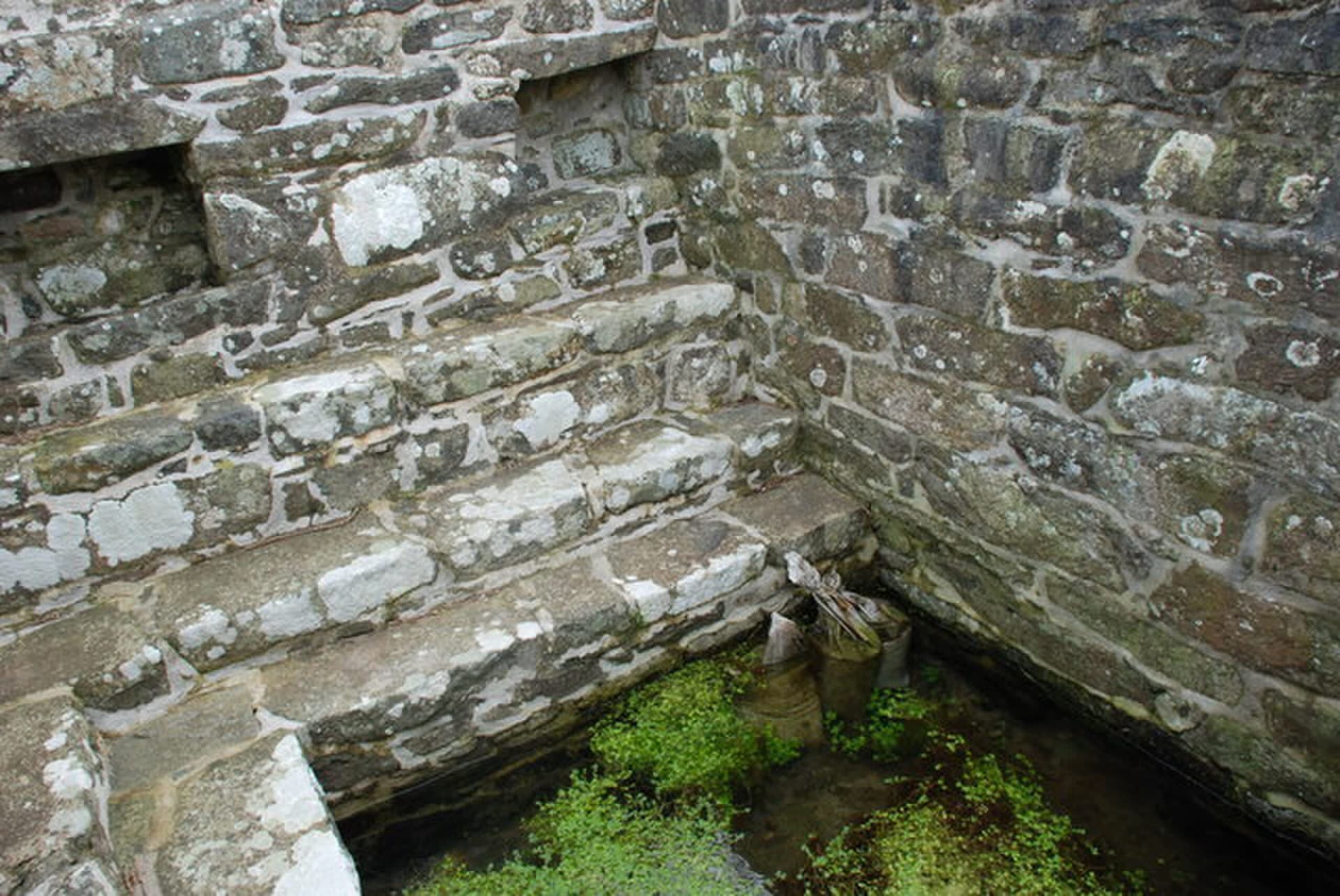
The healing well extends the encounter. For centuries, the sick came to Ffynnon Beuno seeking cure. The ritual combined water and tomb: bathe in the well, then sleep on Beuno's grave. By morning, the afflicted were expected to be healed. Whether this expectation was fulfilled cannot be verified historically. What can be verified is that people came, and continued to come, for century after century. That persistence of seeking creates its own weight.
The pilgrimage context adds another layer. Clynnog Fawr was not a destination but a station on a greater journey. Pilgrims bound for Bardsey stopped here, gathered strength, sought blessing for the final miles. That accumulated passage of seekers, each adding their hopes and prayers to those who came before, made the church something more than a building.
The connection to Winifred's miracle binds Beuno to the network of Welsh sanctity. When he restored his niece's head, he created the healing well at Holywell that remains Britain's oldest continuous pilgrimage site. Beuno's power, in this story, extended beyond his own location to generate sanctity elsewhere. To visit his church is to touch a node in a web of sacred geography that spans North Wales.
Finally, the architecture itself contributes. The Royal Commission's assessment as one of the most notable churches in North Wales is not mere heritage bureaucracy. The building is impressive, its medieval roof intact, its Chapel of the Grave attached to the nave as a perpetual reminder of who lies within. Such craft, applied over centuries to honor one holy man, creates its own form of thinness through accumulated devotion made visible.
St Beuno founded his clas (Celtic monastic community) at Clynnog Fawr in 616 AD. The site became a center of healing, pilgrimage, and veneration that persisted through the medieval period and beyond.
The present church dates mainly to the 15th-16th centuries but incorporates earlier elements. The Capel y Bedd (Chapel of the Grave), attached to the nave, marks the traditional site of Beuno's burial. The holy well, 322 meters northeast of the church, was the focus of healing traditions documented into the 19th century. Today, the church is an active parish of the Church in Wales and a stopping point for those walking the North Wales Pilgrim's Way to Bardsey Island.
Traditions And Practice
Regular Church in Wales services continue. Pilgrims walking to Bardsey stop here as their predecessors did. Visitors trace the cross on Maen Beuno as medieval pilgrims traced it. The holy well, once the focus of healing rituals, can still be visited.
The healing tradition at Clynnog Fawr was specific. Sick children, particularly those suffering from epilepsy or rickets, were brought to Ffynnon Beuno. They were bathed in the well's water, then taken to the church to spend the night sleeping on St Beuno's tomb in the Chapel of the Grave. By morning, they were expected to be healed. The practice was documented into the 19th century.
Farmers brought sick cattle to the well for healing. Offerings were made to the church, collected in St Beuno's Chest, which remains in the building.
Pilgrims passing through on their way to Bardsey Island would stop to pray, trace the cross on Maen Beuno, and seek the saint's blessing for the final stage of their journey.
The church holds regular Church in Wales services. Pilgrims walking the North Wales Pilgrim's Way, revived in modern times, stop at Clynnog Fawr as part of the journey to Bardsey. Visitors can trace the cross on Maen Beuno, following the gesture of medieval pilgrims. The holy well remains accessible and visited.
April 21, St Beuno's feast day, may see special observances, though practice varies.
Enter the church and allow your eyes to adjust. Find the Maen Beuno and trace the cross with your fingers, as pilgrims have done for centuries. Visit the Chapel of the Grave and consider those who slept here hoping for healing. Walk to the holy well, following the signposted path; take time at the water, touch it, let the continuity of seeking register. If you are walking to Bardsey, understand that you follow in the footsteps of countless pilgrims who stopped at this same church.
Christianity (Church in Wales)
ActiveSt Beuno's is an active parish church of the Church in Wales, maintaining continuous Christian worship since the 7th century. It is a significant heritage site and a station on the North Wales Pilgrim's Way.
Regular Sunday services and occasional weekday services. The church is open for visiting Easter-October. April 21, St Beuno's feast day, may see special observances.
Pilgrimage
ActiveClynnog Fawr was a major station on the pilgrimage route to Bardsey Island. The North Wales Pilgrim's Way, revived in modern times, continues this tradition.
Pilgrims walking to Bardsey stop at Clynnog Fawr to rest, pray, and trace the cross on Maen Beuno before continuing their journey.
Healing Well Tradition
HistoricalThe holy well of Ffynnon Beuno was the focus of healing rituals documented into the 19th century. The combination of bathing in the well and sleeping on Beuno's tomb was believed to cure epilepsy, rickets, and other ailments.
Historical practice involved bathing the sick in the well, then spending the night on Beuno's tomb in the church. Sick cattle were also brought to the well. These specific practices are no longer actively pursued.
Experience And Perspectives
You enter a church of unusual presence, its medieval proportions intact. The Maen Beuno invites touch; pilgrims have traced its cross for centuries. The attached Chapel of the Grave marks where Beuno was buried. A short walk brings you to the holy well, still flowing. The pilgrimage to Bardsey continues for those who walk the Lleyn.
The church of St Beuno at Clynnog Fawr announces its significance before you enter. The building is substantial, its tower visible across the landscape, its presence declaring that something important happened here. Inside, the medieval atmosphere is well preserved. The roof, the proportions, the sense of space all speak to centuries of careful maintenance.
The Maen Beuno stands within the church. The stone is marked by what tradition calls the imprints of the saint's fingers, along with a carved cross that pilgrims have traced since the medieval period. You can do what they did: place your own fingers where Beuno's were said to rest, trace the cross as countless others have traced it. The gesture connects you to the stream of seekers who preceded you.
St Beuno's Chest, a medieval wooden chest used for centuries to collect offerings dedicated to the saint, remains in the church. Such chests were once common at pilgrimage sites; few survive. This one does.
The Capel y Bedd, the Chapel of the Grave, is attached to the nave. Here Beuno was buried. Here, according to tradition, the sick would sleep after bathing in the holy well, hoping to wake healed. The chapel is small, intimate, charged with the expectations of those who lay here waiting for morning.
A walk of approximately 320 meters northeast brings you to Ffynnon Beuno, the holy well. The path is signposted. The well still flows, its water clear, its stone basin accessible. For centuries, children were brought here to be bathed in hope of cure for epilepsy, rickets, and other ailments. That hope left something in the place.
From Clynnog Fawr, the pilgrim road continues to Bardsey Island, visible on clear days from the Lleyn Peninsula. Those walking the North Wales Pilgrim's Way pass through here, as pilgrims have done for fourteen centuries.
St Beuno's Church is located in Clynnog Fawr village on the A499 between Caernarfon and Pwllheli. Parking is available near the church. The church is open Easter through October, typically 10am-5pm; check locally for current hours. The holy well (Ffynnon Beuno) is 322 meters northeast of the church and is always accessible; follow the signposted path. The village has three pubs for refreshment. Bardsey Island, the traditional pilgrimage destination, can be viewed from points along the Lleyn Peninsula and reached by boat from Porth Meudwy.
St Beuno's Church invites reflection on Celtic sanctity, the power of healing traditions, the persistence of pilgrimage, and how sacred places accumulate significance over fourteen centuries.
Historical documentation of Beuno is limited; the earliest accounts date from centuries after his death. The founding of the clas at Clynnog Fawr in 616 AD is traditionally dated but not independently verified. The connection to the Winifred miracle is attested in medieval sources.
The healing traditions at the well are documented into the 19th century. Accounts describe the specific practice of bathing in the well and sleeping on the tomb. Whether cures occurred cannot be verified historically.
The church building dates mainly to the 15th-16th centuries but incorporates earlier elements. The Royal Commission on the Ancient and Historical Monuments of Wales assessed it as one of the most notable churches in North Wales.
For Welsh Christians, Beuno represents the Age of Saints, the era when Celtic Christianity took root in Wales. His ranking as second only to David reflects his importance to the tradition. The connection to Winifred's miracle demonstrates the network of sanctity that crisscrossed medieval Wales.
The pilgrimage to Bardsey, passing through Clynnog Fawr, was one of the great spiritual journeys of medieval Britain. Reviving the Pilgrim's Way reconnects contemporary seekers with this tradition.
The combination of holy well and tomb, the specific ritual of bathing followed by sleeping on sacred ground, suggests a healing complex that may incorporate pre-Christian elements. Holy wells were significant in Celtic religion before Christianity arrived. The practice of incubation, sleeping in sacred spaces to receive healing or visions, is found across many cultures.
The Maen Beuno, with its finger imprints, exemplifies how sacred touch was understood to leave tangible traces. Such concepts persist in many spiritual traditions.
The historical Beuno is largely obscured by hagiography. His actual teachings, practices, and character are unknown. The origin of the healing traditions at the well is undocumented. How many pilgrims passed through Clynnog Fawr over the centuries cannot be quantified.
Visit Planning
Located in Clynnog Fawr on the A499 between Caernarfon and Pwllheli. Church open Easter-October 10am-5pm. Well always accessible. Village has three pubs. Key stop on North Wales Pilgrim's Way to Bardsey. Allow 30 minutes to 1 hour.
Located in Clynnog Fawr village on the A499 between Caernarfon (approximately 8 miles) and Pwllheli. Parking available near the church. The holy well is 322 meters northeast, signposted.
Three pubs in Clynnog Fawr village offer refreshment. Accommodation available in Caernarfon or along the Lleyn Peninsula.
Modest dress is appropriate for the church. Quiet and respect are expected. Photography is permitted. Donations welcome for church upkeep. Do not bathe in the well without permission.
St Beuno's Church is an active place of worship as well as a heritage site. Both aspects deserve respect.
Dress modestly when visiting the church. Maintain quiet, particularly if others are at prayer. If a service is in progress, you are welcome to attend or to wait quietly.
The Maen Beuno may be touched; tracing the cross is a traditional pilgrim gesture. Do so respectfully.
Photography is permitted inside the church. Be mindful of the sacred character of the space.
The holy well is on private land but publicly accessible. Do not attempt to bathe in it without permission. Taking small amounts of water is generally acceptable. Leave no litter.
Donations for church upkeep are welcome and can be left in the collection box or chest.
Modest dress appropriate for church.
Permitted inside and outside the church. Be respectful.
Donations for church maintenance are welcome.
Church open Easter-October 10am-5pm (check locally). Do not bathe in the well without permission.
Sacred Cluster
Nearby sacred places create the location cluster described in the growth plan. This block is intentionally crawlable and links into the wider regional graph.