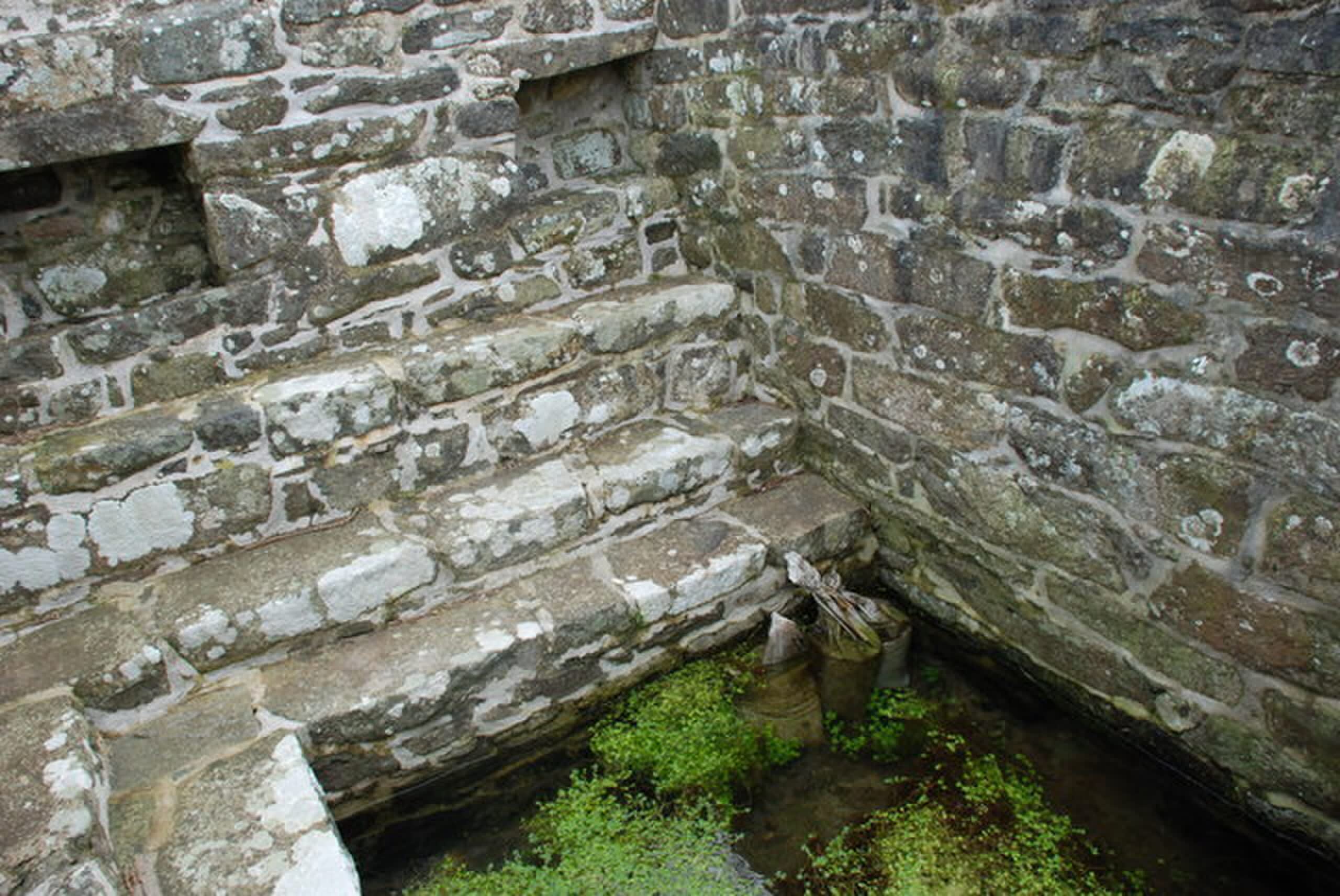
St. Beuno’s Church and Well, Clynnog Fawr, Wales
Where North Wales's greatest saint left healing waters that served pilgrims for fourteen centuries
Clynnog Fawr, Gwynedd, United Kingdom
At A Glance
- Coordinates
- 52.9594, -4.3689
- Suggested Duration
- Allow 15-20 minutes at the well itself. Combined with the walk from and visit to St Beuno's Church, plan for 45 minutes to one hour. Those wishing to sit in contemplation may want longer.
- Access
- Clynnog Fawr lies on the A499 between Caernarfon and Pwllheli. The church is visible from the road. Park near the church and follow the signposted footpath northeast to the well (approximately 322 meters). The path crosses agricultural land; wear appropriate footwear.
Pilgrim Tips
- Clynnog Fawr lies on the A499 between Caernarfon and Pwllheli. The church is visible from the road. Park near the church and follow the signposted footpath northeast to the well (approximately 322 meters). The path crosses agricultural land; wear appropriate footwear.
- Photography is permitted, but consider experiencing the place before documenting it. The well has survived without being photographed; spending time simply being there honors what previous generations valued.
- The well is on private land but publicly accessible via the signposted path. Stay on the path and respect the surrounding agricultural land. The water is untreated spring water; while the healing tradition involved drinking and bathing, modern visitors should be aware that untreated water carries some risk. The site has no facilities; the village of Clynnog Fawr has basic amenities.
Overview
Nestled in the hills above Clynnog Fawr, St Beuno's Well has drawn the sick and seeking since the seventh century. For over a millennium, parents brought afflicted children here, bathing them in these waters before carrying them to sleep on the saint's tomb in the church below. The healing tradition has quieted, but the well remains, its waters still flowing through stone worn smooth by countless hands.
Some wells become sacred through legend. Others earn their sanctity through centuries of answered prayers. St Beuno's Well belongs to the latter category. For over a thousand years, pilgrims climbed to this spring seeking what medicine could not provide.
The ritual was specific and demanding. Parents of sick children, particularly those suffering from epilepsy or rickets, would bathe their child in the well's waters, then carry them down to St Beuno's Church to spend the night on the saint's tomb. By morning, tradition held, healing had begun. The practice continued into the nineteenth century, when farmers still led ailing cattle to drink from these waters.
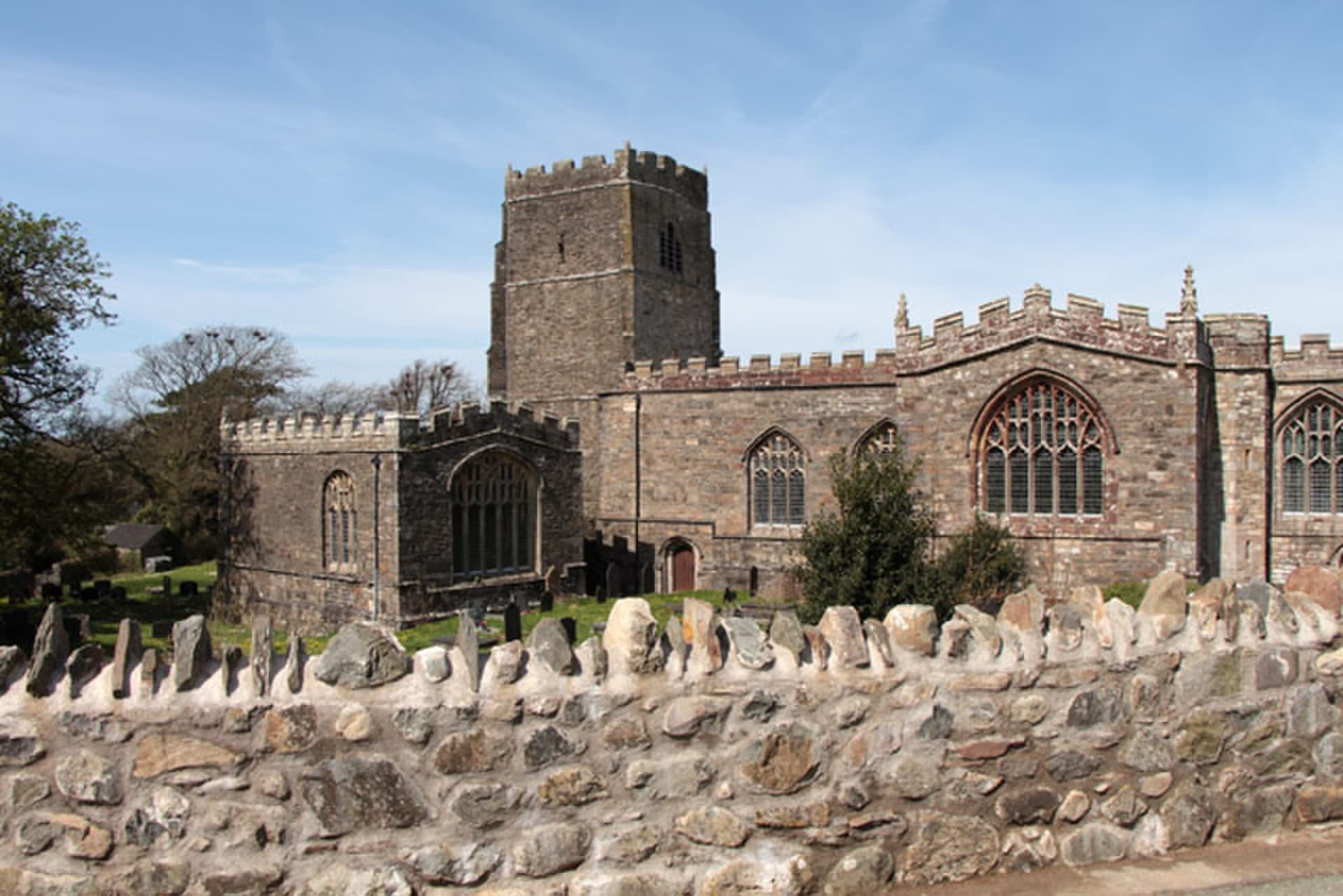
St Beuno himself would have known this spring. The greatest Celtic saint of North Wales, he founded his monastery at Clynnog Fawr in 616 AD, and his presence still saturates this landscape. The well bears his name not as honorary title but as recognition of genuine connection, a place where water and sanctity have merged for fourteen hundred years.
The healing rituals have faded. What remains is the well itself, the stone worn smooth, the water still rising as it has since before Beuno ever walked these hills. Whether you come seeking healing, historical connection, or simply a moment of quiet in a place where others have come with their deepest needs, the well waits as it always has.
Context And Lineage
St Beuno founded his monastery at Clynnog Fawr in 616 AD, making this one of the most important Celtic Christian sites in North Wales. The well that bears his name has been associated with healing since at least the medieval period, with specific traditions around curing epilepsy and rickets in children that continued into the nineteenth century.
Beuno was born around 545 AD, nephew of a Powys chieftain, and trained for religious life from childhood. He founded several churches across Wales before settling at Clynnog Fawr, where he established the monastery that would become his lasting legacy. The church that stands today preserves elements from the medieval period, though Beuno's original wooden buildings have long since vanished.
The well's association with Beuno may predate its association with healing. Celtic saints often blessed existing springs, incorporating pre-Christian water veneration into Christian practice. What is clear is that by the medieval period, the well had become specifically linked to healing, particularly of children with epilepsy and rickets, conditions that medicine of the time could do little to address.
Beuno died around 640 AD and was buried in the church. His tomb became a site of pilgrimage, and the healing tradition developed that required both well and tomb: bathing in the waters, then sleeping on the stone. This two-stage ritual bound the landscape together, making well and church parts of a single sacred geography.
The traditions around St Beuno's Well continued largely unbroken through the Reformation, when many English holy wells fell out of use. Welsh Christianity maintained stronger connection to its Celtic roots, and the well at Clynnog Fawr remained a place of resort for the sick. By the nineteenth century, the specific healing rituals had begun to fade, though local memory of them persisted. Today, the well receives quieter visitation but remains accessible, maintained by those who understand its significance within Welsh sacred heritage.
St Beuno
founder
The most venerated Celtic saint of North Wales. Beuno founded the monastery at Clynnog Fawr in 616 AD, and his presence continues to define the sacred landscape here. His feast day, April 21, was once a major pilgrimage occasion.
St Winifred
associated_saint
Beuno's most famous disciple, whose healing shrine at Holywell became Wales's greatest pilgrimage destination. According to tradition, Beuno restored Winifred to life after she was beheaded by a rejected suitor. Her connection to Beuno adds to his significance as a healing saint.
Why This Place Is Sacred
St Beuno's Well draws its sacred character from multiple sources: its association with North Wales's most venerated Celtic saint, over a millennium of documented healing traditions, and its role as the first station in a two-part ritual that connected water, stone, and tomb. The well sits within a landscape shaped by Beuno's presence, part of a network of sacred sites that includes his great church below.
The Celtic saints understood something about the relationship between water and the sacred that later Christianity often forgot. Wells were not merely convenient water sources but thresholds, places where the boundary between worlds grew thin enough to permit passage of healing, blessing, and transformation.
St Beuno's Well exemplifies this understanding. Its waters do not simply flow; they rise from depths that carry the accumulated weight of centuries of prayer. The geological fact of the spring becomes inseparable from the spiritual fact of its use. Generation after generation of parents climbed to this well bearing sick children, their hope and desperation adding to what previous generations had deposited here.
The well's power was understood to work in conjunction with the saint's tomb. Bathing alone was insufficient; the child had to complete the night on Beuno's burial stone in the church. This two-part ritual suggests a sophisticated understanding of sacred geography, where different points in the landscape held complementary powers that could be woven together for healing.
Contemporary visitors may not seek cures for epilepsy, but the well continues to offer what it always has: contact with waters that have held human hope for fourteen centuries, a place where the accumulated prayers of the desperate have worn the stone as smooth as glass.
The well appears to have been sacred before Beuno's arrival, one of countless Welsh springs that Celtic peoples venerated as dwelling places of spirits or points of connection to the otherworld. Beuno's Christian settlement did not reject this understanding but transformed it, redirecting the well's power through the channel of the saint's intercession. The healing tradition that developed combined pre-Christian water reverence with Christian faith in the saint's continuing presence.
Through the medieval period, St Beuno's Well served as a major pilgrimage destination, drawing the sick from across North Wales. The church below grew wealthy from donations by grateful pilgrims, becoming one of the most important religious sites in Gwynedd. The Reformation disrupted but did not end the well tradition; Welsh holy wells proved remarkably resistant to Protestant suppression. Into the nineteenth century, rural families continued bringing sick children and livestock to these waters, maintaining practices that had persisted for a millennium. Today, the well is quieter but not forgotten. Visitors come to touch the same stones that medieval pilgrims touched, to carry water from the same spring that once promised healing.
Traditions And Practice
The historical practice at St Beuno's Well involved bathing sick children in the waters, then carrying them to spend the night on the saint's tomb in the church below. While this specific ritual is no longer practiced, visitors continue to come to the well for quiet reflection, to take water, and to connect with the healing tradition that persisted here for over a millennium.
The healing ritual was specific and required completing both stages. Parents would bring their sick child to the well and bathe them in its waters, an act that required faith given the cold temperatures of Welsh springs. Then they would carry the child down to St Beuno's Church and lay them on the saint's tomb for the night. By morning, tradition held, the healing process had begun. This practice continued into the nineteenth century, with documented cases of families traveling considerable distances to seek the well's help for children with epilepsy or rickets.
Farmers also brought sick cattle and other livestock to the well, leading the animals to drink from the healing waters. The tradition of donating lambs and calves to St Beuno's Church likely connected to this practice, an offering of gratitude for healing received or a petition for healing hoped for.
Formal healing rituals no longer take place at the well. Visitors come for quieter purposes: to touch water that has touched countless hands, to sit in a place where hope was brought for a thousand years, to take water for personal reasons that echo the well's historical use. Some visitors leave simple offerings, though this was not part of the traditional practice.
The church below remains active, with services that connect modern worshippers to the tradition Beuno founded. Visiting both well and church, as the medieval pilgrims did, allows contemporary seekers to complete the circuit that the healing tradition required.
Begin at St Beuno's Church in Clynnog Fawr. Spend time inside, finding Beuno's tomb and sitting with the weight of what this building has held. Then walk the signposted path to the well, letting the journey create transition.
At the well, sit quietly before approaching the water. When you do touch it, notice its temperature, its clarity, the smoothness of the stones that frame it. You might bring a question, an intention, or simply openness. The well does not require belief, only presence.
If you wish to take water, do so respectfully, using a small container. Some visitors drink from the well; others bring water home. The tradition supports both.
Celtic Christianity
ActiveSt Beuno is the most venerated Celtic saint of North Wales, and the well bearing his name represents the heart of his legacy. The Celtic Christian tradition understood holy wells as points where the sacred became accessible, where water and prayer and saintly intercession could combine to effect healing. Clynnog Fawr was Beuno's foundation, and the well remains part of the sacred landscape he established.
Historical practice involved bathing the sick in the well and sleeping on Beuno's tomb, a two-part ritual that bound well and church together. Contemporary practice is less formal: visiting the well for quiet reflection, taking water, attending services at the church that Beuno founded. The tradition continues in simplified form.
Welsh Holy Well Tradition
ActiveWales has more documented holy wells than any comparable area of Britain, and the tradition of seeking healing at these sites persisted longer than elsewhere. St Beuno's Well belongs to this broader tradition, one that predates Christianity and was incorporated rather than suppressed by the Celtic church. The specific association with children's ailments places it within a subset of wells understood to have particular healing specialties.
Traditional practices included bathing, drinking, and leaving offerings. The clootie tradition of tying cloth strips to nearby trees is found at many Welsh wells, though it was not the primary practice at Beuno's Well. Taking water for later use was common. The tradition of animal healing, with farmers bringing livestock to the well, was particularly strong at Clynnog Fawr.
Experience And Perspectives
Visitors to St Beuno's Well often describe a sense of peace that goes beyond the rural setting, a quality of stillness that accumulates where desperate hope has been brought for centuries. The walk from the church below creates a natural transition from the everyday into something older, and the well's enclosed space concentrates whatever effect the place carries.
The approach matters. Walking the signposted footpath from St Beuno's Church, you retrace steps that generations of pilgrims have taken before you. The path rises through fields that would have looked much the same in the seventh century, and something in that continuity prepares you for what waits above.
The well itself is modest, as most Welsh holy wells are. No grand architecture, no admission fees, no information boards competing for attention. Just water rising through stone, collected in a basin worn smooth by hands reaching down through centuries. The simplicity is the point. There is nothing here to distract from the encounter with water, stone, and the accumulated weight of human need.
Visitors frequently report that the well feels cared for, despite its apparent solitude. This may reflect the ongoing attention of local people who maintain the tradition of honoring this place, or it may reflect something less explicable. The water continues to flow, clear and cold, as it has since before memory.
Those who take time to sit quietly often find the quality of silence here distinctive. Not empty silence but something fuller, as though the space holds what has been brought to it. Parents brought their deepest fears here, their hope against hope. That cannot happen for a thousand years without leaving some residue.
Come on foot if possible, beginning at St Beuno's Church and walking the same path pilgrims walked. The church itself rewards time, and the walk creates the transition that helps the well land differently than it would if you simply drove up.
At the well, resist the urge to document immediately. Sit first. Touch the water. Notice what the place feels like before you decide what to think about it. The well has hosted countless visitors who came with desperate needs; approaching with your own honest questions, whatever they may be, continues that tradition.
If the well moves you, descend to the church and find what remains of Beuno's tomb. The pilgrims understood that well and tomb worked together. Even if you cannot sleep on the stone as they did, spending time in both places completes something.
St Beuno's Well sits at the intersection of several interpretive frameworks: archaeological interest in Celtic holy wells, religious veneration of a seventh-century saint, and continuing folk traditions around healing waters. Each perspective illuminates something genuine about the site, and none fully captures what draws people here.
Archaeological and historical research confirms the well's long use as a healing site, with documentation of the bathing and tomb-sleeping ritual continuing into the nineteenth century. Scholars understand the site within the broader context of Welsh holy well tradition, which incorporated pre-Christian water veneration into Christian practice. St Beuno's Well is significant as one of the finest wells associated with North Wales's most important Celtic saint, and its connection to the substantial medieval church below makes it part of a larger sacred landscape that rewarded scholarly attention.
For practitioners of Celtic Christianity and those who maintain Welsh Christian heritage, St Beuno's Well represents the living presence of a saint who founded monasteries and performed miracles. The healing tradition was not superstition but faith: trust in Beuno's intercession with God, channeled through the waters he blessed and the tomb that held his remains. This perspective takes seriously the reports of healing that sustained the well's reputation for over a millennium.
Some contemporary visitors understand the well through the lens of earth energies, ley lines, or natural power points. The consistent reports of unusual peace at the site, the mineral content of the water, and the well's position in the landscape all invite such interpretation. These frameworks, while lacking historical support, often emerge from genuine experiences at the site.
Genuine mysteries remain. Why did this particular well become associated specifically with epilepsy and rickets? What was the well's status before Beuno's arrival? How did the healing tradition survive the Reformation when so many English holy wells fell out of use? The efficacy of the reported cures, whatever caused them, remains beyond the reach of historical or scientific investigation.
Visit Planning
St Beuno's Well lies 322 meters northeast of St Beuno's Church in Clynnog Fawr, Gwynedd. Access is via a signposted footpath from the church. Plan to visit both well and church together; the combined visit takes approximately 45 minutes to an hour.
Clynnog Fawr lies on the A499 between Caernarfon and Pwllheli. The church is visible from the road. Park near the church and follow the signposted footpath northeast to the well (approximately 322 meters). The path crosses agricultural land; wear appropriate footwear.
Clynnog Fawr has limited accommodations. Caernarfon, approximately 12 kilometers northeast, offers a full range of lodging options from hostels to hotels. The Llyn Peninsula provides numerous bed-and-breakfasts and holiday cottages within easy driving distance.
St Beuno's Well is a place where people have brought their deepest needs for centuries. Approach with the quiet respect this history warrants. Stay on the signposted path, disturb nothing, and leave the place as you found it.
The simplicity of the well deserves a simple approach. This is not a developed heritage site with guides and gift shops; it is a holy well that has survived precisely because generations of local people have cared for it without fanfare. Your visit should add to that care, not detract from it.
Keep your voice low. If you visit with others, let each person have time alone with the well. The space is small, and its power comes partly from the intimacy of the encounter. Crowding it diminishes what it offers.
The walk from the church is part of the experience. Rushing by car to the nearest point misses something essential. The medieval pilgrims walked, and their walking wore the path that you can still follow.
Photography is permitted, but consider experiencing the place before documenting it. The well has survived without being photographed; spending time simply being there honors what previous generations valued.
The medieval tradition did not emphasize offerings at the well; the offering came afterward, often in the form of livestock donations to the church. If you wish to leave something, ensure it is biodegradable and subtle. Coins, candles, and plastic objects are inappropriate.
Stay on the signposted footpath. The surrounding land is private and agricultural. Do not disturb the well structure or remove stones. Leave no trace of your visit except perhaps the memory of what you encountered here.
Sacred Cluster
Nearby sacred places create the location cluster described in the growth plan. This block is intentionally crawlable and links into the wider regional graph.