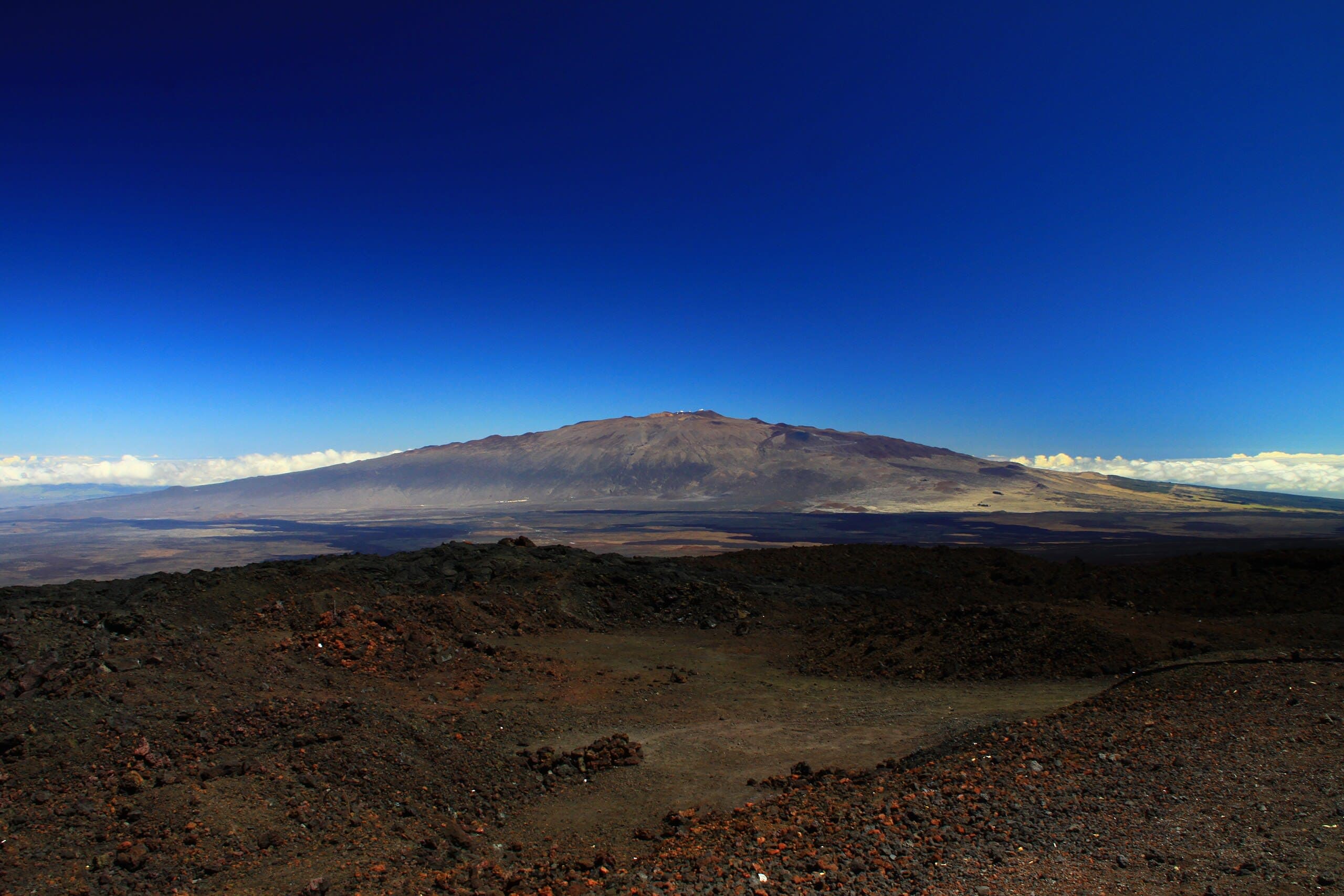
Mauna Kea, Hawaii
Where Hawaiian cosmology meets the heavens at the summit of the Pacific
Hilo, Hawaii, United States
At A Glance
- Coordinates
- 19.8206, -155.4681
- Suggested Duration
- Full day including acclimatization time and summit visit
Pilgrim Tips
- Warm layers essential. Temperatures at the summit can drop below freezing even in summer, and wind chill makes it colder. Sun protection is crucial at high altitude where UV exposure is intense. Sturdy footwear required for any hiking.
- Permitted in public areas. Be respectful of any ceremonial activities encountered. Do not photograph or disturb archaeological sites, shrines, burial areas, or people in ceremony without explicit permission.
- The summit region contains confirmed and probable burial sites that warrant respectful distance. Public tours of burial sites are prohibited. Do not disturb any archaeological features, shrines, or stone structures. Be aware that this site is the subject of ongoing controversy regarding Indigenous rights and development; approach with cultural sensitivity.
Overview
Mauna Kea rises nearly 14,000 feet above Hawaii Island, a dormant volcano that Native Hawaiians call Mauna a Wakea, the first-born mountain child of Sky Father and Earth Mother. For centuries, the summit was kapu, forbidden to all but the highest chiefs and priests, a place where the boundary between earthly and heavenly realms dissolves. The mountain contains over 260 historic properties including ancient shrines and ancestral burial sites. Contemporary Native Hawaiians continue to protect and honor this sacred landscape, their 2019 protests against further telescope development demonstrating that the mountain's spiritual significance remains as vital as ever.
There is a moment, driving up from sea level toward the summit of Mauna Kea, when you pass through the clouds and emerge into a landscape that feels like another world. The air thins. The vegetation disappears. Red cinder cones rise from a barren alpine desert, and above it all, the white-capped peak where Hawaiian cosmology places the meeting point of earth and sky. This is Mauna a Wakea, the Mountain of Wakea, first-born child of the Sky Father and Papa, the Earth Mother. In Hawaiian understanding, the mountain is not merely named after these progenitors of the Hawaiian people; it is their child, making it a sibling to humanity itself. The summit represents the piko, the umbilical cord connecting the island to the heavens, the bridge between the realm of mortals and the realm of the gods. For this reason, traditional law held the summit kapu, forbidden to all but the highest-ranking chiefs and priests. Ordinary people could walk around and around the mountain, but the top belonged to another order of being. Poliahu, the snow goddess and daughter of Wakea, dwells here with her sisters Lilinoe, goddess of mist, and Waiau, goddess of the underground reservoir. Her eternal rivalry with Pele, goddess of volcanoes, explains why Mauna Kea's slopes are covered in snow while volcanic activity occurs elsewhere on the island. When the summit snow turns pink at sunrise and sunset, traditional understanding sees the embrace of Poliahu and her consort Ku-ka-hau-ula, the pink-tinted snow god. The mountain is also a burial ground. High chiefs and priests, the nai alii and kahuna of ancient Hawaii, rest here. Over 260 historic properties have been documented across the summit region, including 141 ancient shrines, adze quarries, altars, and offering platforms. The area has been determined eligible for listing in the National Register of Historic Places as a historic district and cultural landscape. In 1881, Queen Emma became the last Hawaiian royalty to visit sacred Lake Waiau, one of the highest lakes in the United States, nestled in a cinder cone near the summit. Since the 1960s, the mountain's clear skies and isolation from light pollution have attracted astronomical observatories. Thirteen telescopes now occupy the summit, and proposals for a Thirty Meter Telescope sparked the largest Indigenous rights protest in Hawaii's modern history. In 2019, protectors gathered for months to block construction access, demonstrating that the mountain's sacredness is not a matter of history but of living practice. The controversy continues, embodying broader questions of Indigenous sovereignty, land rights, and the tension between scientific progress and cultural preservation.
Context And Lineage
Hawaiian cosmology places Mauna Kea at the intersection of earth and heaven, the first-born child of Sky Father and Earth Mother. Archaeological evidence confirms human activity for at least 600 years.
In Hawaiian cosmology, Mauna Kea is Mauna a Wakea, the Mountain of Wakea. Wakea, the Sky Father, and Papa, also known as Papahanaumoku, the Earth Mother, were the progenitors not only of this mountain but of the Hawaiian people themselves. Mauna Kea is their first-born mountain child, making the mountain a sibling to humanity in the most literal sense that genealogy allows. The mountain is the piko of Hawaii Island, the umbilical cord connecting the land to the heavens and establishing the sacred relationship between the Hawaiian people and their divine ancestors. Poliahu, the snow goddess, is a legendary daughter of Wakea who dwells at the summit. Her name means Cloaked Bosom or Temple Bosom, and she is noted as Hawaii's most beautiful goddess. Her ongoing rivalry with Pele, goddess of volcanoes, shapes the island's geography. One origin story tells of Poliahu sledding on the mountain when a beautiful stranger challenged her. The stranger revealed herself as Pele and opened lava streams to defeat Poliahu, but the snow goddess retreated to the summit, regained her strength, and threw snow at the lava, freezing it and confining volcanic activity to the southern part of the island. Poliahu's consort is Ku-ka-hau-ula, the pink-tinted snow god, who appears with the rising and setting sun. The pink glow on the summit snow at dawn and dusk represents their eternal embrace. Archaeological evidence confirms human activity on the mountain dating to at least 1420-1480 AD based on radiocarbon dating from the Pohakuloa Gulch area. The mountain contains an extensive adze quarry where basalt was extracted for tool-making, a practice with its own ceremonial dimensions. The 263 documented historic properties include shrines, burials, altars, and offering platforms, representing centuries of sacred use.
Mauna Kea represents Native Hawaiian sacred geography at its most profound, a tradition that connects to broader Polynesian understanding of mountains as meeting places between earth and sky. The mountain's significance predates European contact and continues through contemporary Native Hawaiian practice. The protective movement that emerged around the Thirty Meter Telescope controversy demonstrates the ongoing vitality of this tradition.
Wakea
Papa (Papahanaumoku)
Poliahu
Ku-ka-hau-ula
Queen Emma Kaleleonalani
Why This Place Is Sacred
At nearly 14,000 feet, rising from the sea through clouds into alpine desert, Mauna Kea's summit feels like a threshold between worlds, a place where ordinary reality thins toward something else.
The concept of a thin place, where the boundary between the everyday and the sacred becomes permeable, finds extraordinary expression on Mauna Kea. The thinness is literal before it is metaphorical: at 13,796 feet, the atmosphere itself thins, oxygen becomes scarce, and the human body registers that it has entered a realm where ordinary rules do not fully apply. But the thinness goes deeper. Hawaiian cosmology places the summit at the precise point where Papa, the Earth Mother, reaches toward Wakea, the Sky Father. This is the piko, the umbilical connection between earth and heaven, the spot where worlds meet. The kapu that prohibited ordinary people from ascending was not arbitrary restriction but recognition of a boundary as real as any physical barrier. The summit belongs to another order of being, and humans approach at spiritual risk. Consider what rises here: a mountain that, measured from its base on the ocean floor, exceeds 33,000 feet, taller than Everest from sea level. The sheer improbability of this emergence, this single point rising from the vast Pacific, gives the mountain an almost personal presence. It does not blend into a range; it stands alone, commanding the horizon for a hundred miles. The clarity of the air adds to the sense of otherworldliness. At night, stars appear in numbers that modern humans, accustomed to light pollution, rarely witness. The Milky Way streams overhead with such brilliance that the darkness itself seems luminous. This is why astronomers came, and it is also why traditional Hawaiians understood the summit as a meeting place with the cosmos. Multiple deities dwell here. Poliahu, beautiful goddess of snow, makes her home at the peak. Her sisters Lilinoe and Waiau attend her. Lake Waiau, sitting in its cinder cone near the summit, is not merely water but the body of a goddess. The pink glow on the snow at dawn and dusk is not merely refracted light but the visible embrace of Poliahu and her divine consort. What visitors feel here, beyond the physical effects of altitude, varies by individual. Some report profound silence, not the absence of sound but a quality of presence in the quiet. Others speak of feeling watched, observed by something they cannot name. Still others find themselves moved to tears without understanding why. Whether these experiences arise from oxygen deprivation, the power of suggestion, or something genuinely other remains an open question. What is certain is that for over a millennium, humans have found this place extraordinary, and they continue to find it so.
Piko, the umbilical connection between earth and heaven. Dwelling place of deities. Burial ground connecting the living to sacred ancestors. Site of ceremonial practice limited to the spiritual elite.
Sacred to Native Hawaiians since initial settlement approximately 1,500-2,000 years ago. Traditional kapu restricted summit access to high chiefs and priests. Queen Emma's 1881 visit to Lake Waiau marked the end of royal pilgrimage. Astronomical development began in the 1960s. The 2019 protests against the Thirty Meter Telescope demonstrated the continuity of Native Hawaiian spiritual connection. A new state oversight board including Native Hawaiian representatives began transition in 2023.
Traditions And Practice
Native Hawaiians continue ceremonial practices on the mountain. Traditional protocols govern proper behavior. The protective movement represents contemporary sacred engagement.
In ancient times, only the highest-ranking chiefs and priests were permitted to visit the summit. Traditional practices included prayers and protocols when ascending, burial of sacred ancestors at specific locations, ceremonial use of Lake Waiau, and adze quarrying with accompanying rituals. The kapu system maintained prohibitions around sacred areas, recognizing the summit as belonging to the realm of the gods rather than ordinary humanity. Visitation to burial sites by family members followed specific cultural protocols.
Native Hawaiians continue spiritual practices on the mountain under state and federal protections. Family members visit burial sites according to cultural protocols. Contemporary practitioners observe traditional prayers when ascending. The protective movement that organized against the Thirty Meter Telescope demonstrated sacred engagement in political form, with elders and practitioners gathering for extended periods to defend the mountain from development. Educational programs at the Visitor Information Station share Hawaiian cultural perspectives with visitors.
Approach the mountain with awareness that you are entering sacred space. Spend time at the Visitor Information Station to understand both the Hawaiian and scientific significance of the site. If you ascend to the summit, do not stand directly on the highest point, as this is considered disrespectful in Hawaiian culture. Observe sunset or sunrise as a contemplative practice, allowing the extraordinary light to work on you without requiring interpretation. Consider whether summit access is appropriate for you personally, or whether stopping at the Visitor Information Station honors the mountain's kapu tradition more fully.
Native Hawaiian (Kanaka Maoli) sacred tradition
ActiveMauna Kea is Mauna a Wakea, the first-born mountain son of Wakea (Sky Father) and Papa (Earth Mother), progenitors of the Hawaiian people. The mountain is the piko connecting the island to the heavens. It is regarded as a shrine for worship, a home to the gods, and the burial place of sacred ancestors. The summit was traditionally kapu to all but the highest chiefs and priests.
Prayers and protocols when ascending the mountain. Visitation to burial sites by family members according to cultural practices. Continuing protection efforts for the sacred landscape. The 2019 protests demonstrated the living nature of this tradition.
Poliahu snow goddess tradition
ActivePoliahu, whose name means Cloaked Bosom or Temple Bosom, is the goddess of snow who resides at the summit. She is a legendary daughter of Wakea and the antithesis of her fiery rival Pele. Poliahu is noted as Hawaii's most beautiful goddess.
Recognition of Poliahu's presence in winter snowfall on the summit. Acknowledgment of her sisters Lilinoe (goddess of mist) and Waiau (goddess of the underground reservoir). Observation of the pink-tinted snow at sunrise and sunset as the embrace of Poliahu and her consort Ku-ka-hau-ula.
Ancestral burial tradition
ActiveMauna Kea is both a burial ground and the embodiment of the most sacred ancestors, including high chiefs and priests. The mountain connects the living to ancestors and maintains genealogical continuity across generations.
Family visitation to burial sites according to cultural protocols. Preservation of burials in place per official management plans. Traditional protocols observed when near burial areas. Public tours of burial sites are prohibited.
Experience And Perspectives
The journey from sea level to nearly 14,000 feet takes visitors through multiple climate zones into an alpine desert where the air is thin and the presence of something sacred becomes palpable.
The experience of Mauna Kea begins long before you reach the mountain. From Hilo or Kona, you drive inland across the Saddle Road, watching the peak grow larger against the sky. The mountain dominates in a way that few geological features can, a single massive presence that commands attention simply by existing. The Visitor Information Station at 9,200 feet offers the first pause. Here, at timberline, the landscape transitions from tropical to alpine. The station provides educational exhibits on both astronomy and Hawaiian culture, hot beverages against the chill, and an essential opportunity to acclimatize. Spending at least thirty minutes here before ascending further is not merely recommended but necessary; altitude sickness is a genuine risk for those who climb too fast. Above the station, the road turns to gravel. Only four-wheel-drive vehicles are permitted, and the reason becomes obvious as the steep switchbacks climb through cinder fields. The vegetation disappears entirely. You are driving through what feels like the surface of Mars, a landscape so alien that it has actually been used for rover testing. The summit region opens onto a strange scene: domes and observatories scattered among ancient cinder cones, science and sacredness occupying the same thin air. The observatories themselves are not open to casual visitors, but the views require no access pass. On a clear day, you can see the other Hawaiian islands stretching across the Pacific. The clouds form a sea below you, and you stand above them in a realm of pure light. Sunset at the summit draws crowds, and for good reason. As the sun drops toward the Pacific, the sky transforms through colors that ordinary light does not contain. The snow on the cinder cones, when present, turns pink with the light that Hawaiians recognize as Poliahu and Ku-ka-hau-ula embracing. The silence, when visitors stop talking, has a quality of presence that demands attention. Panther Meadow this is not. There is no softness here, no greenery to gentle the landscape. This is a place stripped to essentials, where rock and sky and thin cold air create conditions for something other than ordinary experience. What that something is, each visitor discovers in their own way.
Access via Saddle Road (Highway 200) from Hilo or Kona. Visitor Information Station at 9,200 feet offers exhibits, restrooms, and acclimatization stop. Summit road above the station requires 4-wheel drive and is closed from 30 minutes after sunset to 30 minutes before sunrise. The summit itself reaches 13,796 feet.
Mauna Kea embodies a profound tension between Indigenous sacred geography and modern scientific aspiration, a tension that illuminates fundamental questions about whose knowledge and whose values should govern sacred lands.
Archaeological surveys have documented 263 historic properties including 141 ancient shrines. Radiocarbon dating confirms human activity from 1420-1480 AD. The summit region has been determined eligible for listing in the National Register of Historic Places as a historic district and cultural landscape. Scholars recognize the mountain's centrality to Hawaiian cosmology and have documented its significance through extensive ethnographic research. The Thirty Meter Telescope controversy has prompted academic engagement with questions of Indigenous rights, sacred geography, and the ethics of development on culturally significant lands.
For Native Hawaiians, Mauna Kea is not historically significant but presently sacred. The mountain is the first-born child of Wakea and Papa, a sibling to humanity itself. It is the burial place of ancestors and the dwelling place of deities. Traditional kapu prohibited ordinary people from ascending to the summit, recognizing a boundary between human and divine realms. Contemporary Kanaka Maoli continue to view the mountain as sacred and have organized to protect it from further development. The Protect Mauna Kea movement represents the assertion of Hawaiian sovereignty and the right to preserve sacred lands against outside authority.
Some visitors approach Mauna Kea within broader frameworks of sacred mountain traditions worldwide. The mountain's status as the tallest peak measured from its oceanic base, its dramatic emergence above the clouds, and its extraordinary clarity attract those interested in power spots and earth energies. The convergence of ancient sacred tradition and modern astronomical observation creates a unique tension that some interpret as a meeting of different ways of knowing the cosmos.
The full extent of burial sites across the mountain remains incompletely documented. Complete documentation of ancient Hawaiian ceremonial practices at the summit was lost with the disruption of traditional culture after European contact. How Mauna Kea's sacred geography connected to broader Polynesian navigation and cosmology invites further research. The original purposes and uses of all documented shrines remain subjects of scholarly interpretation. Traditional names and significance of many features on the mountain await recovery.
Visit Planning
Located on Hawaii Island, accessible via Saddle Road. Visitor Information Station open daily. Summit requires 4-wheel drive and altitude awareness.
No lodging on the mountain. Hotels and vacation rentals available in Hilo, Kona, and Waimea. Camping is not permitted on Mauna Kea.
Mauna Kea requires both physical preparation for extreme altitude and cultural awareness of its sacred status. Respect traditional Hawaiian protocols.
Mauna Kea exists at the intersection of multiple authorities: Hawaiian sacred tradition, state and federal land management, and astronomical research. All visitors bear responsibility for understanding this complexity. The physical demands are significant. At nearly 14,000 feet, the air contains substantially less oxygen than at sea level. Altitude sickness can cause headaches, nausea, and impaired judgment. Children under 13, pregnant women, and those with heart or respiratory conditions should not go above the Visitor Information Station. All visitors should spend at least 30 minutes at the station to acclimatize before ascending further. The cultural demands are equally significant. In Hawaiian tradition, the summit was kapu, and this prohibition has never been repealed by any Hawaiian authority. Contemporary access represents the imposition of Western legal frameworks rather than Hawaiian consent. Standing directly on the summit is considered disrespectful to Hawaiian culture. Some visitors choose to stop at the Visitor Information Station rather than ascend further, honoring the traditional restriction in their own way. This is not required but is offered as a meaningful option. If you encounter Native Hawaiians engaged in prayer or ceremony, do not intrude. Give them space and privacy. The mountain is their ancestral home in a sense that visitors cannot claim.
Warm layers essential. Temperatures at the summit can drop below freezing even in summer, and wind chill makes it colder. Sun protection is crucial at high altitude where UV exposure is intense. Sturdy footwear required for any hiking.
Permitted in public areas. Be respectful of any ceremonial activities encountered. Do not photograph or disturb archaeological sites, shrines, burial areas, or people in ceremony without explicit permission.
Traditional Hawaiian offerings are matters of personal practice for those within the tradition. Visitors should not leave items that could impact the fragile alpine environment. Leave no trace.
Summit road closed from 30 minutes after sunset to 30 minutes before sunrise. 4-wheel drive required above Visitor Information Station. Children under 13, pregnant women, and those with heart or respiratory conditions should not ascend above the Visitor Information Station. Certain cinder cones are confirmed or probable burial sites. Public tours of burial sites are prohibited.
Sacred Cluster
Nearby sacred places create the location cluster described in the growth plan. This block is intentionally crawlable and links into the wider regional graph.
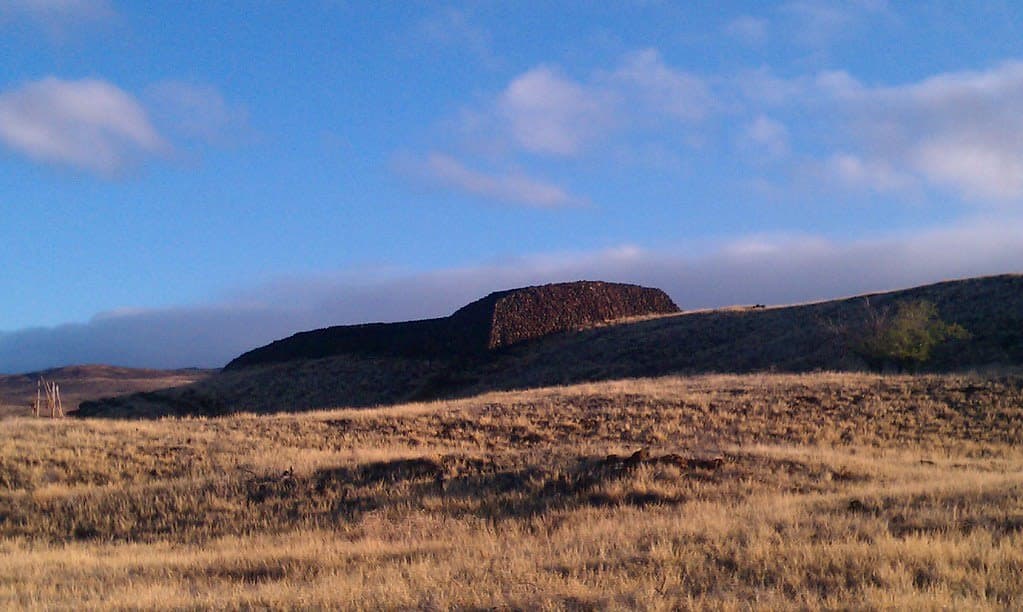
Puukohola Heiau National Historic Site, Hawaii
Kawaihae, Hawaii, United States
43.5 km away
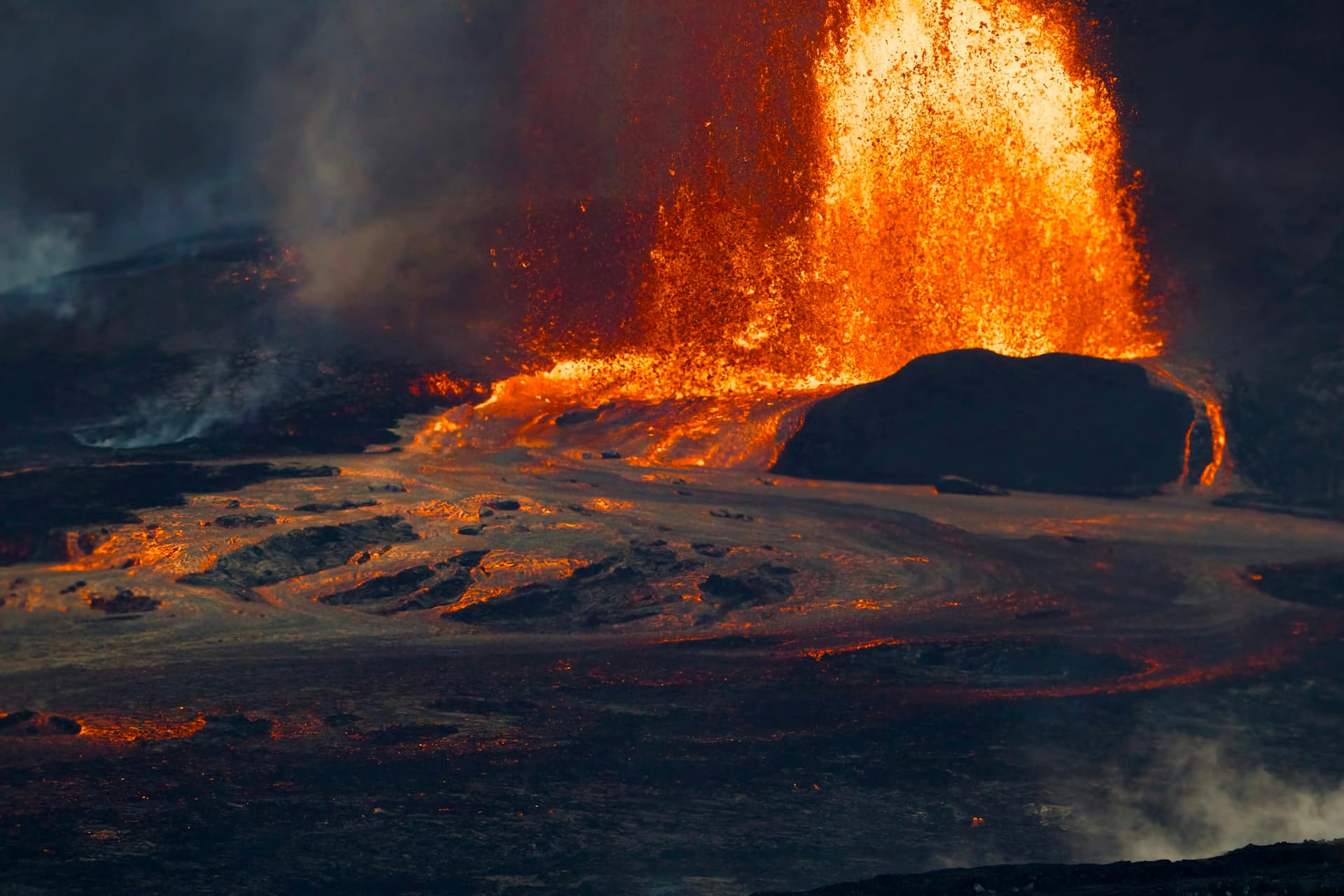
Kilauea
Volcano, Hawaii, United States
48.3 km away
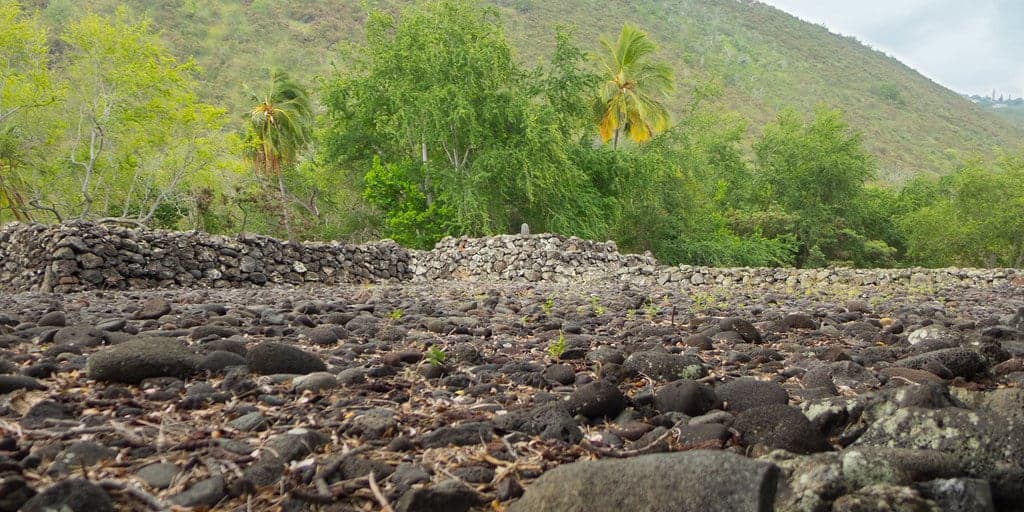
Hikiau Heiau, Hawaii
Captain Cook, Hawaii, United States
60.9 km away
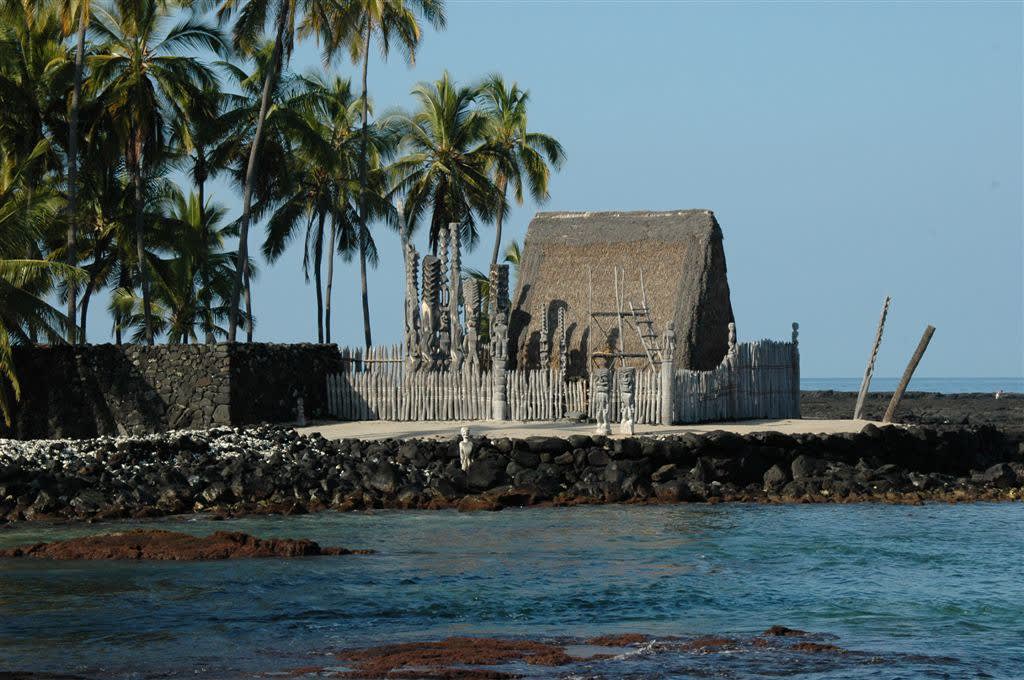
Puuhonua o Honaunau National Historical Park, Hawaii
Honaunau, Hawaii, United States
64.1 km away