Site type guide
Shinto Shrine
Crawlable taxonomy page generated from the current site detail schema and used in the internal linking graph.
Countries to explore next
Traditions represented here
14 sites
Browse this type across countries, traditions, and sacred landscapes.
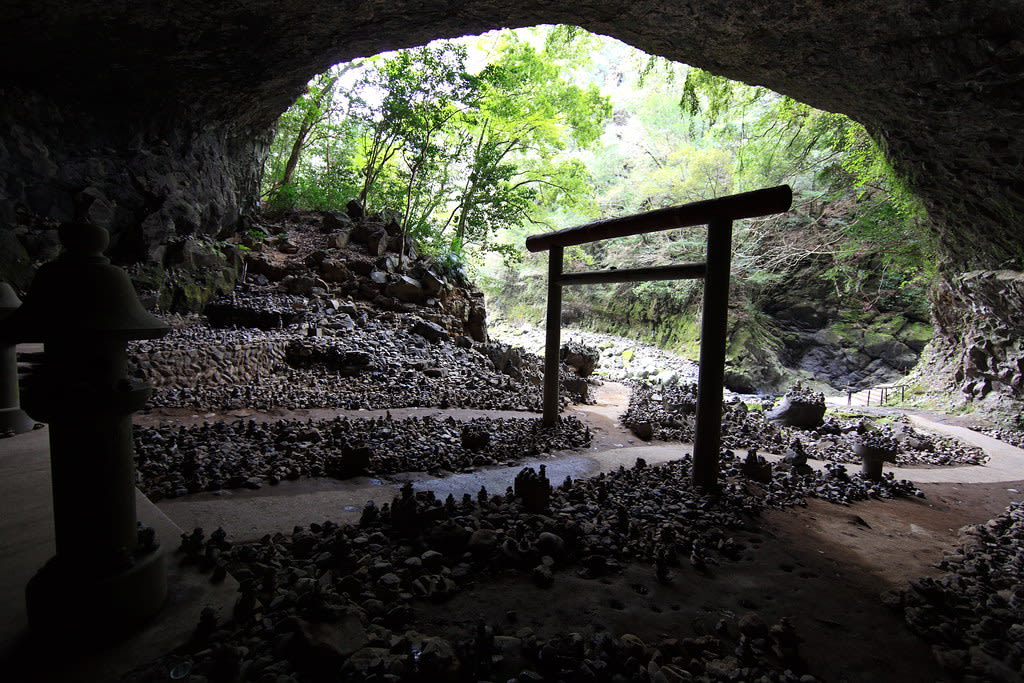
Amanoiwato Shrine
Takachiho, Miyazaki Prefecture, Japan
In a forested gorge in Kyushu's Takachiho region, pilgrims have gathered for centuries at the cave where Amaterasu, the sun goddess and ancestress of Japan's Imperial line, hid from the world. The darkness that fell when she withdrew—and the wild dance that drew her back—gave birth to kagura, the sacred performance tradition still enacted here through winter nights. Priests guide visitors to view the cave, while nearby, stone cairns rise by the thousands where eight million kami once gathered.
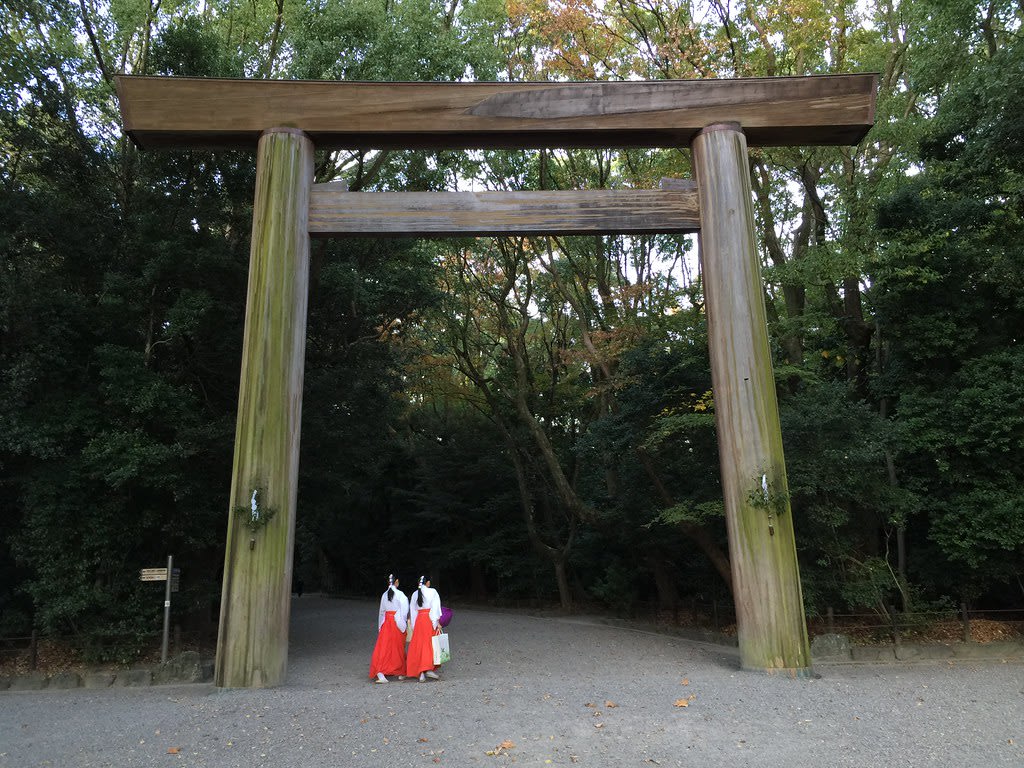
Atsuta Shrine
Nagoya, Aichi Prefecture, Japan
Atsuta Shrine houses Kusanagi-no-tsurugi, the Grass-Cutting Sword—one of three sacred objects that legitimize Japan's Imperial throne. The sword has not been seen publicly since the 7th century. Found by the god Susanoo in the tail of an eight-headed serpent, passed to Amaterasu, and inherited by the legendary warrior Yamato Takeru, it represents the martial virtue of Japan itself. Nine million pilgrims visit annually, making Atsuta second only to Ise Grand Shrine in Shinto sanctity. The treasure hall displays over 4,000 artifacts, including 174 Important Cultural Properties.
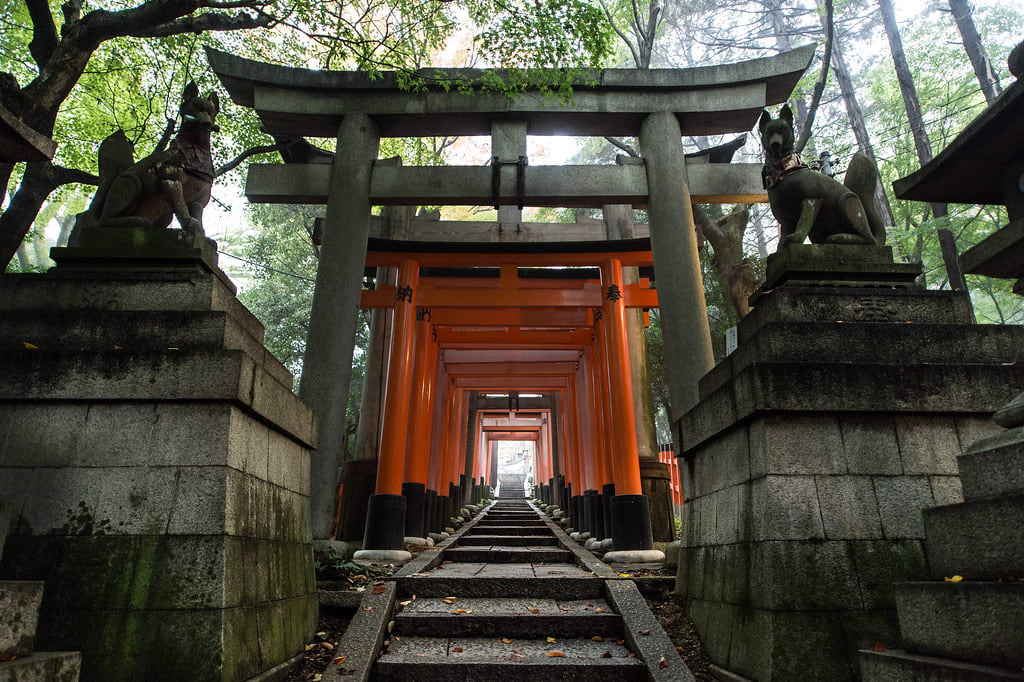
Fushimi Inari-taisha
Kyoto, Kyoto Prefecture, Japan
Since 711 CE, pilgrims have climbed sacred Mount Inari through tunnels of vermilion torii gates—each one donated by someone whose prayers were answered, or who hoped they would be. As the head shrine of over 30,000 Inari shrines across Japan, Fushimi Inari-taisha stands at the center of worship for prosperity, abundant harvests, and worldly success. Fox messengers guard the paths. The mountain trail winds past countless smaller shrines where incense smoke rises and bells ring softly, ascending toward the summit where the deity dwells.
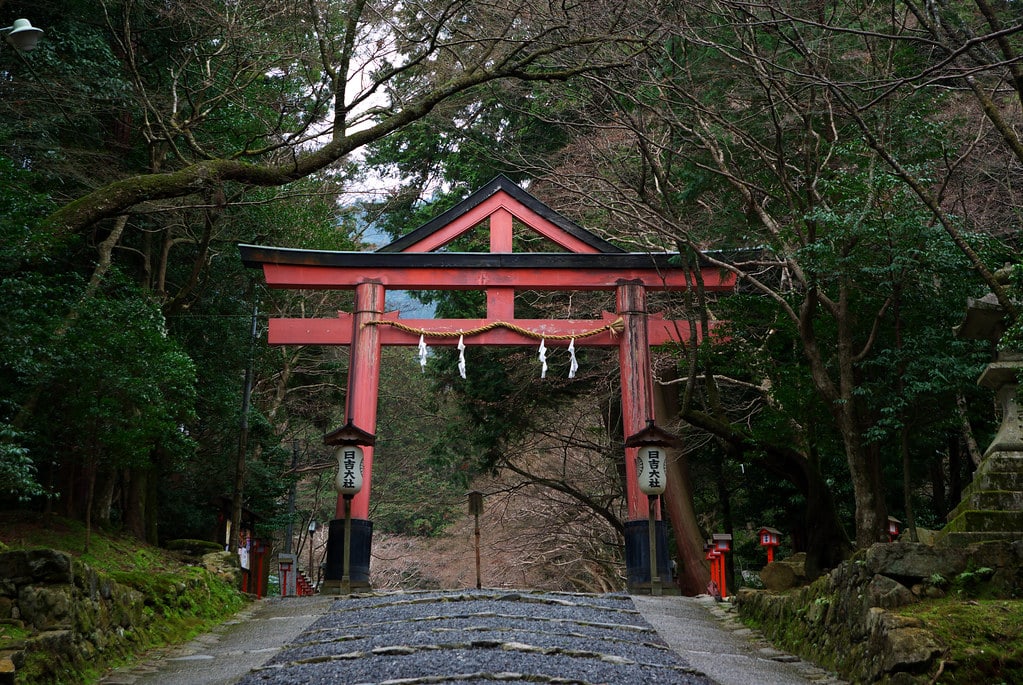
Hiyoshi Taisha
Otsu, Shiga Prefecture, Japan
At the foot of sacred Mount Hiei, Hiyoshi Taisha has served as spiritual guardian for over two thousand years. The shrine protects against evil from the northeast—the demon gate direction in East Asian cosmology—and leads a network of 3,800 affiliated shrines across Japan. Monkeys, considered divine messengers since ancient times, appear throughout the complex as protectors. In April, the Sanno Festival reenacts divine marriage and birth with mikoshi processions that have continued for nearly a millennium.
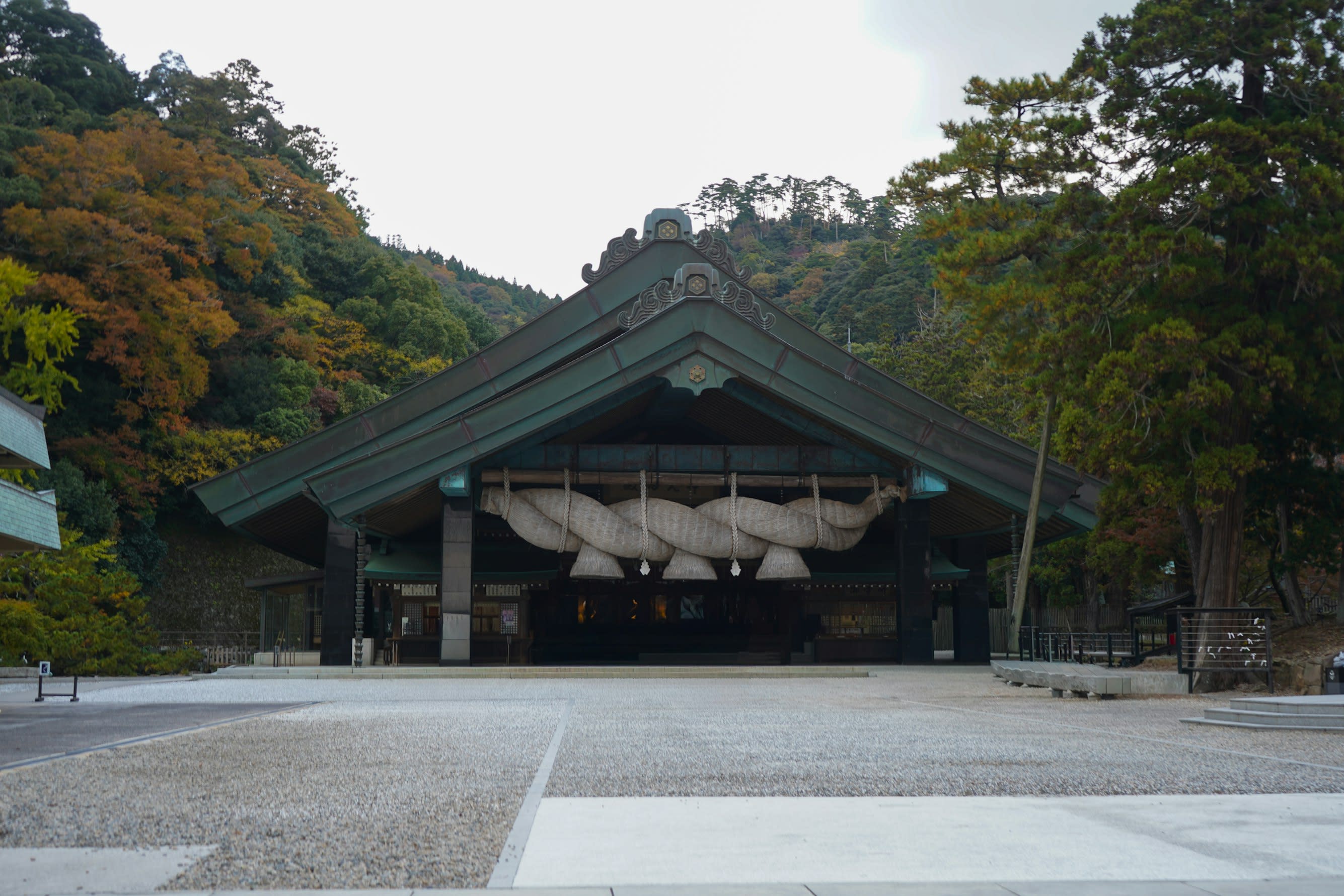
Izumo Taisha (Izumo Grand Shrine)
Izumo, Shimane Prefecture, Japan
Izumo Taisha (Izumo Grand Shrine) in Izumo, Shimane Prefecture, Japan.
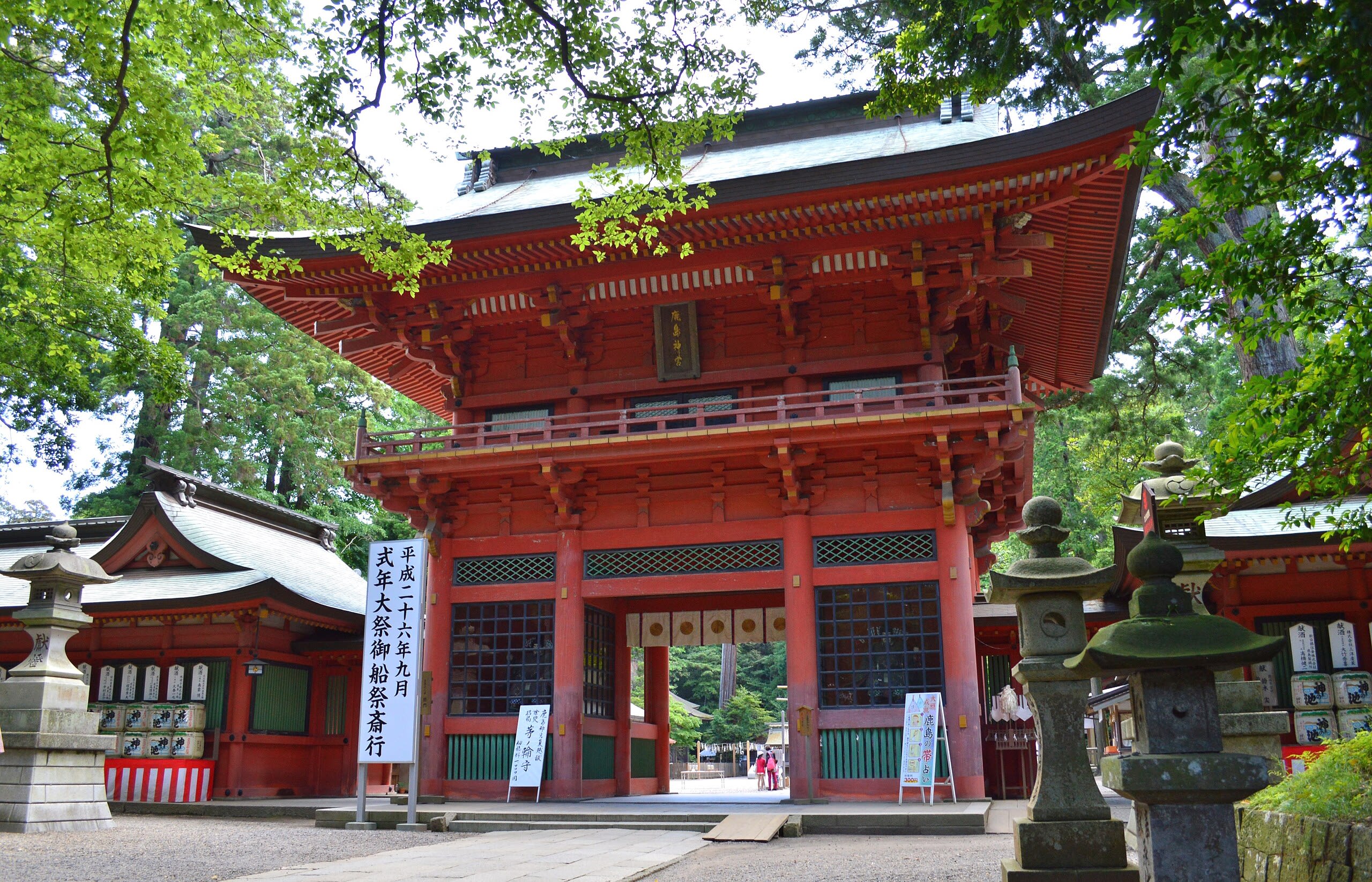
Kashima Shrine
Kashima, Ibaraki Prefecture, Japan
For over two millennia, Kashima Shrine has enshrined Takemikazuchi, the god of thunder and martial power born from the blood of Izanagi's sword. Legendary swordsmen trained here before battle, and today martial arts dojos across Japan display the deity's name. The shrine's deer, ancestors of Nara's famous sacred deer, wander the grounds as divine messengers. Deep in the shrine forest, a stone called Kaname-ishi is said to pin down the cosmic catfish whose thrashing causes earthquakes—Japan's spiritual protection against seismic disaster.
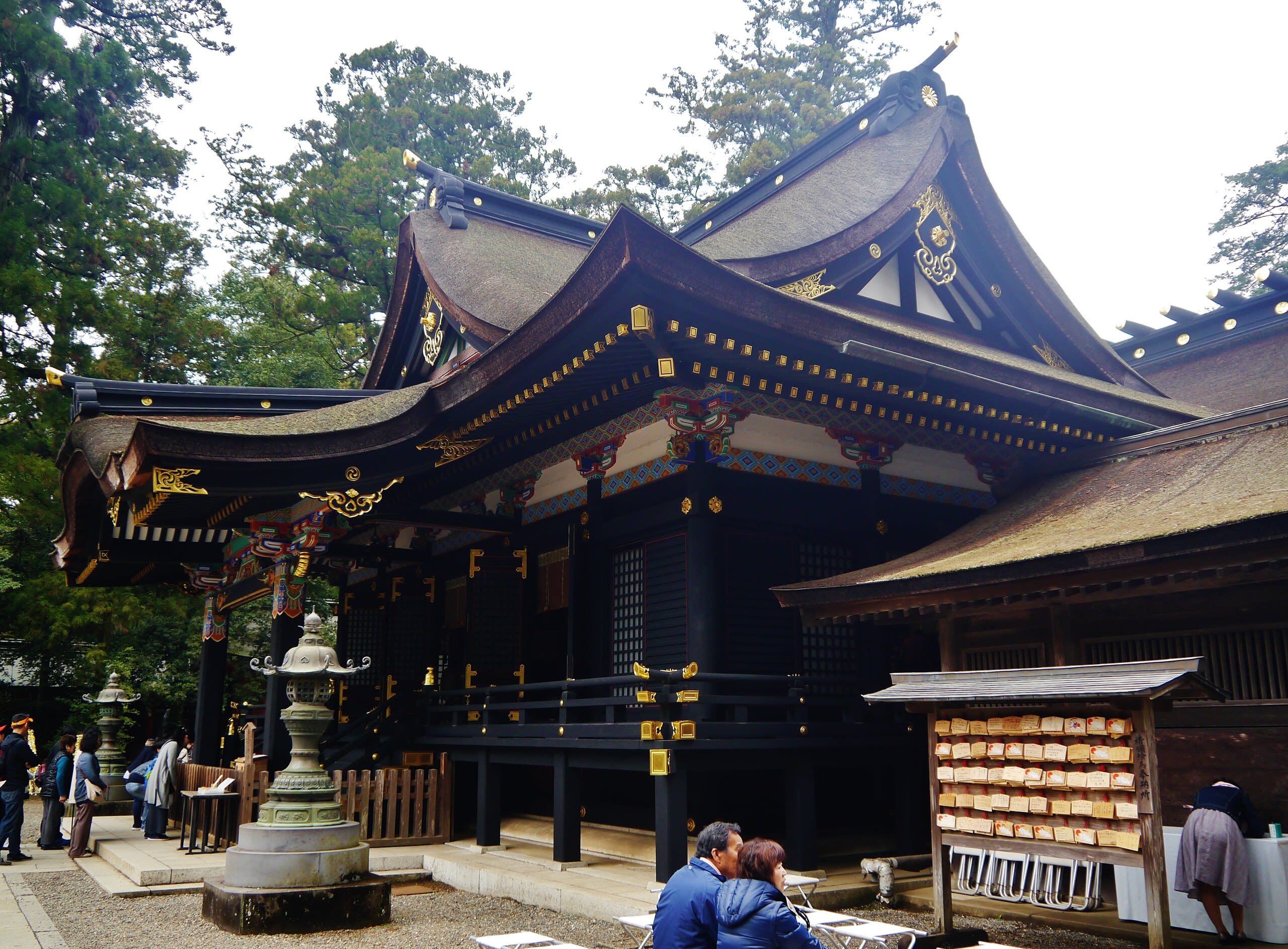
Katori Shrine
Katori, Chiba Prefecture, Japan
Katori Shrine enshrines Futsunushi, the deity of swords and victory who pacified Japan for the heavenly lineage. Here, in the 15th century, a warrior named Iizasa Chōisai Ienao received divine transmission of martial secrets after a thousand days of practice—founding Katori Shinto-ryu, one of Japan's oldest martial arts. Today, practitioners must still sign a blood oath to the shrine deities before training. Alongside Kashima and Ise, Katori held the prestigious Jingū designation, marking it as one of Japan's three most sacred shrines.
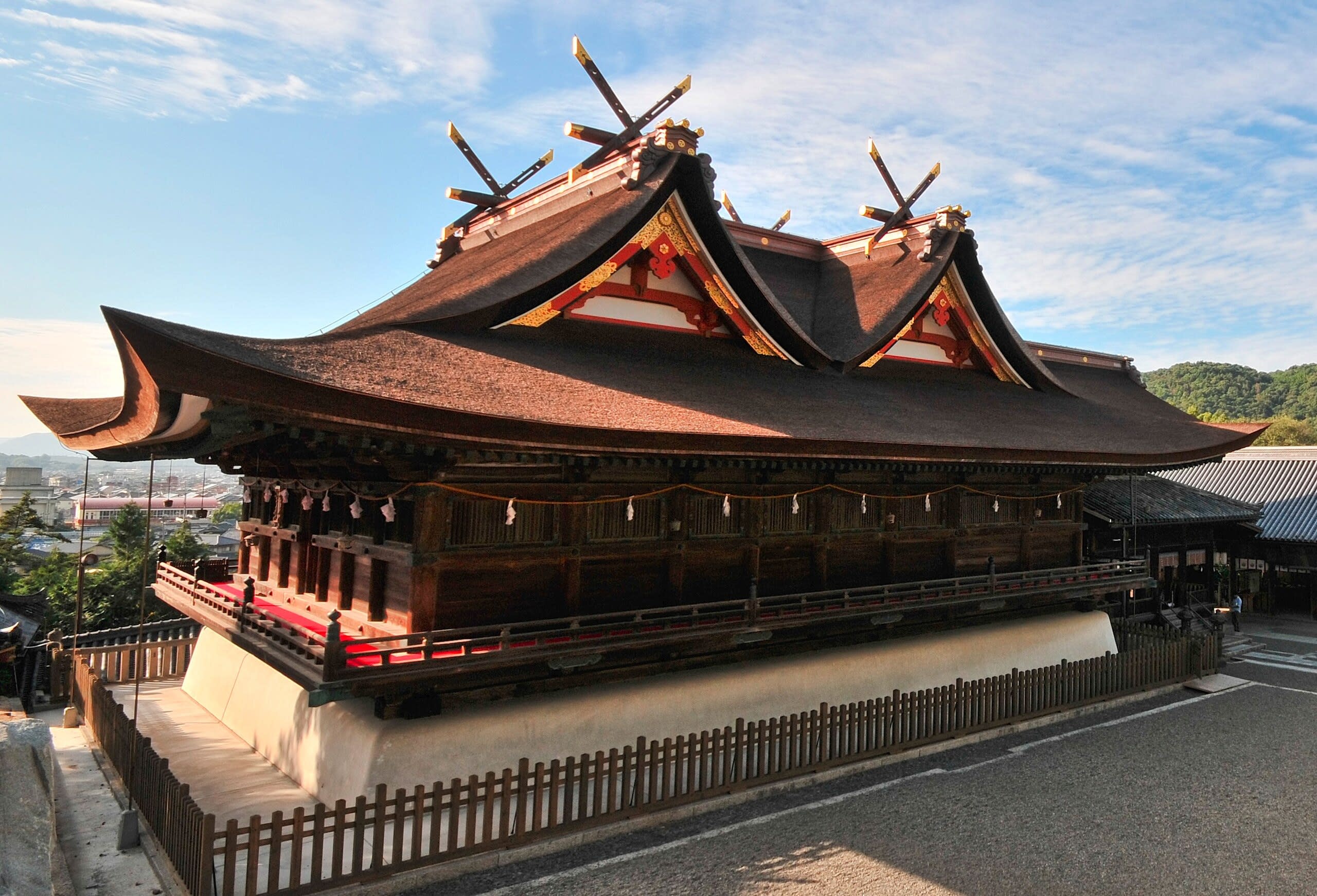
Kibitsu Jinja Shinto Shrine, Okayama
Okayama, Okayama Prefecture, Japan
Kibitsu Jinja Shinto Shrine, Okayama is a shinto shrine of sacred significance. Approximate coordinates: 34.67073, 133.85060. Attributes: built, cultural, ceremonial. Tradition: Shinto. Located in 岡山市, Japan.
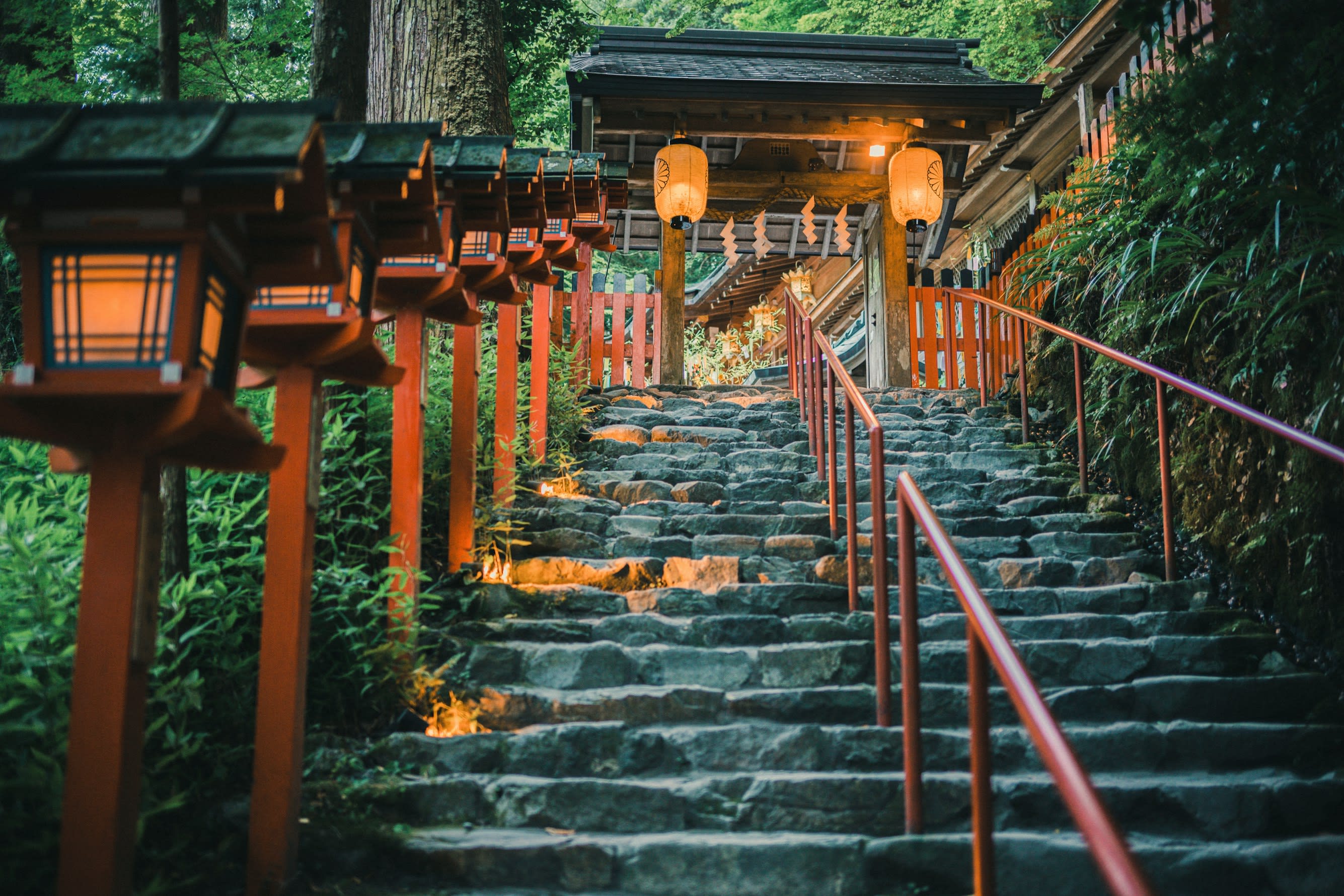
Kifune Shrine
Kyoto, Kyoto Prefecture, Japan
Kifune Shrine in Kyoto, Kyoto Prefecture, Japan.
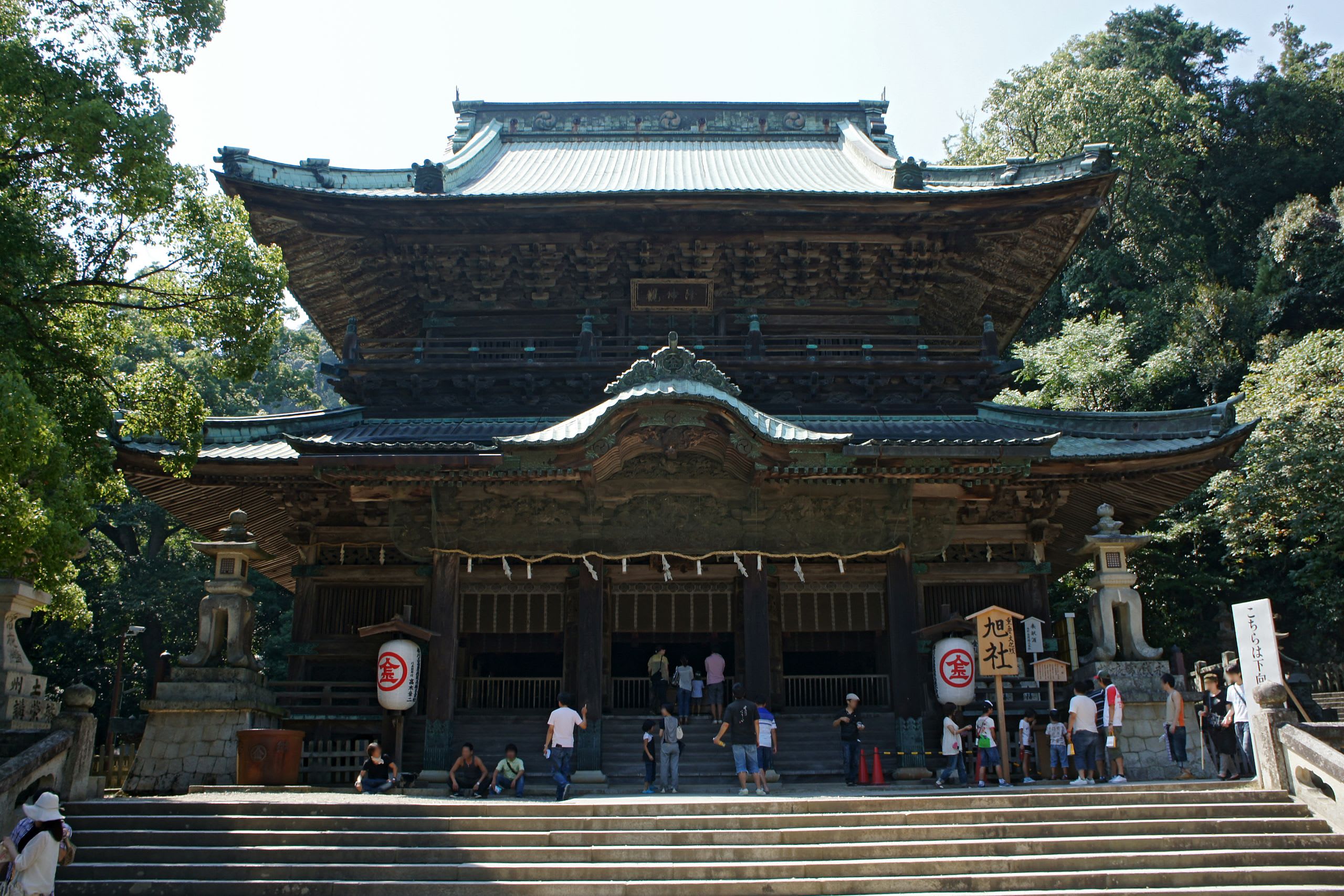
Kotohira shrine, Kotohira, Japan
Kotohira, Kagawa Prefecture, Japan
Kotohira shrine, Kotohira, Japan is a shinto shrine of sacred significance. Approximate coordinates: 34.18400, 133.80954. Attributes: built, cultural, pilgrimage, ceremonial. Tradition: Shinto. Associated figure: Konpira. Mythological context: Shinto. Located in 琴平町, 仲多度郡, Japan.
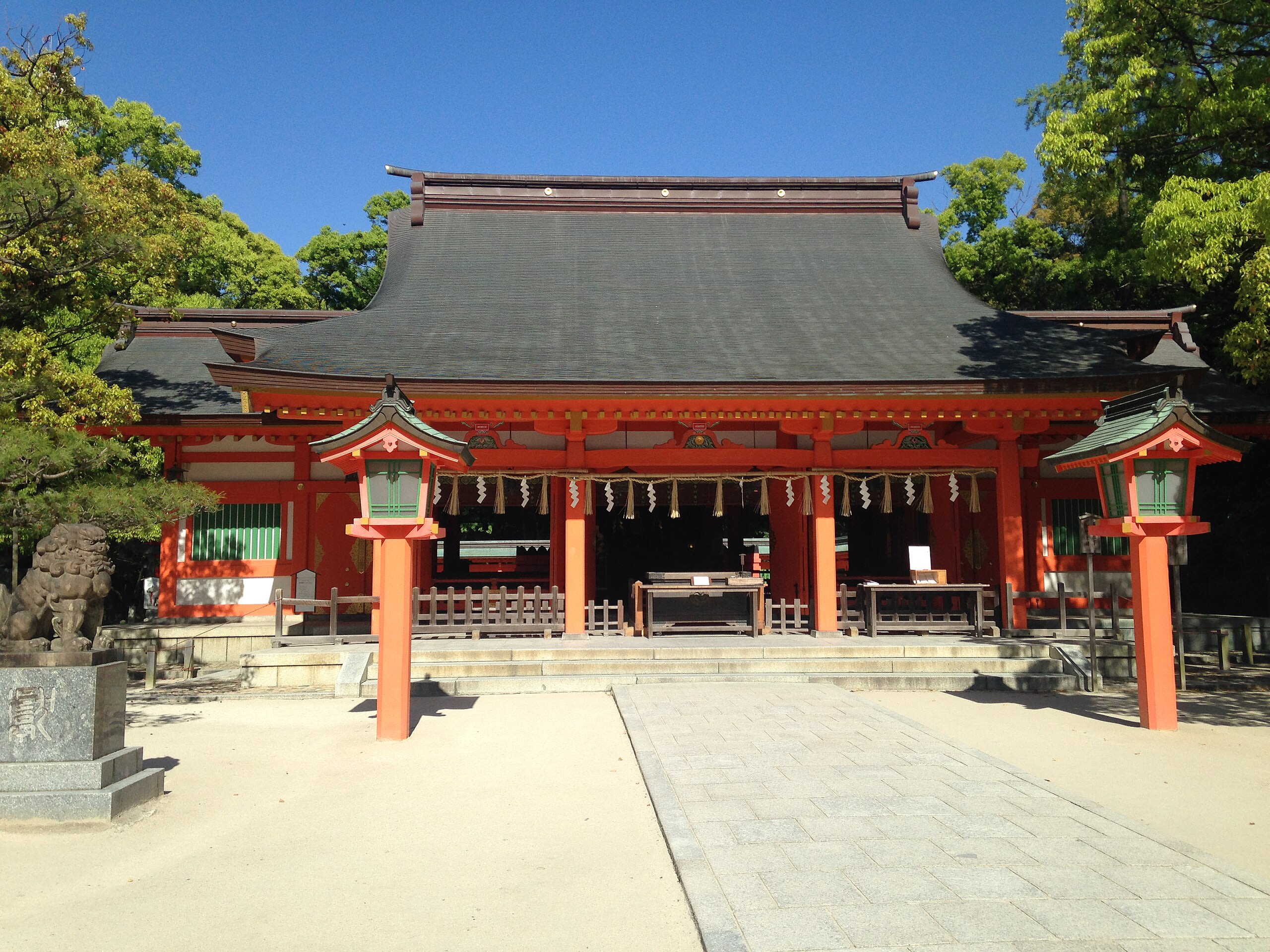
Sumiyoshi-taisha
Osaka, Osaka Prefecture, Japan
When Izanagi purified himself in the sea after his journey to the underworld, three deities emerged from the waters—the Sumiyoshi Sanjin, gods of the sea who have protected sailors and fishermen for two millennia. Sumiyoshi-taisha, their head shrine, leads approximately 2,300 affiliated shrines nationwide. The steep-arched Taiko Bridge marks the passage from mundane to sacred realm. The shrine's architectural style—Sumiyoshi-zukuri—predates Buddhist influence, preserving indigenous Japanese sacred building traditions from before continental contact.
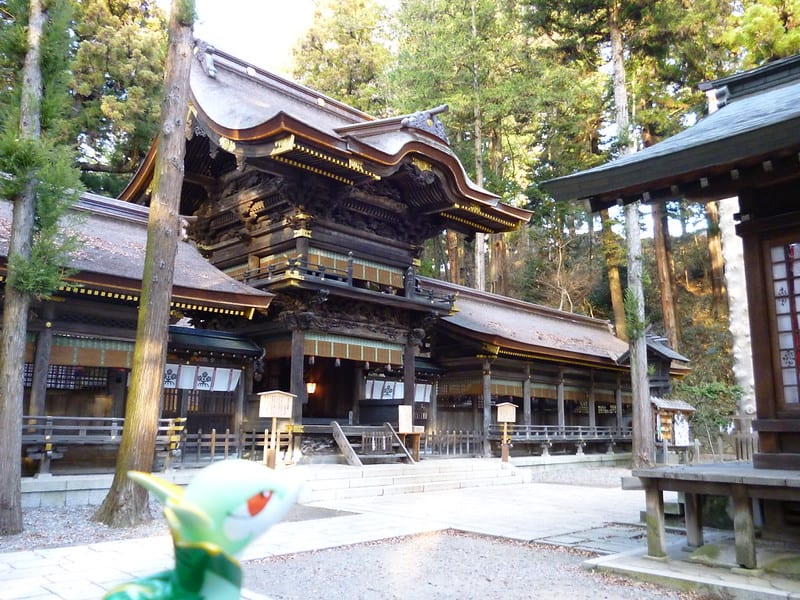
Suwa-taisha
Suwa, Nagano Prefecture, Japan
Suwa-taisha predates shrine architecture itself. Four shrines encircle Lake Suwa in Nagano Prefecture, but their sacred objects are not artifacts—they are Mount Moriya and ancient yew and cedar trees. This represents Shinto at its most primal: direct encounter with kami dwelling in landscape. Every six years, the Onbashira Festival renews this connection as communities drag massive sacred pillars from the mountains, a tradition documented for over 1,200 years. Head shrine of more than 10,000 affiliated Suwa shrines across Japan.
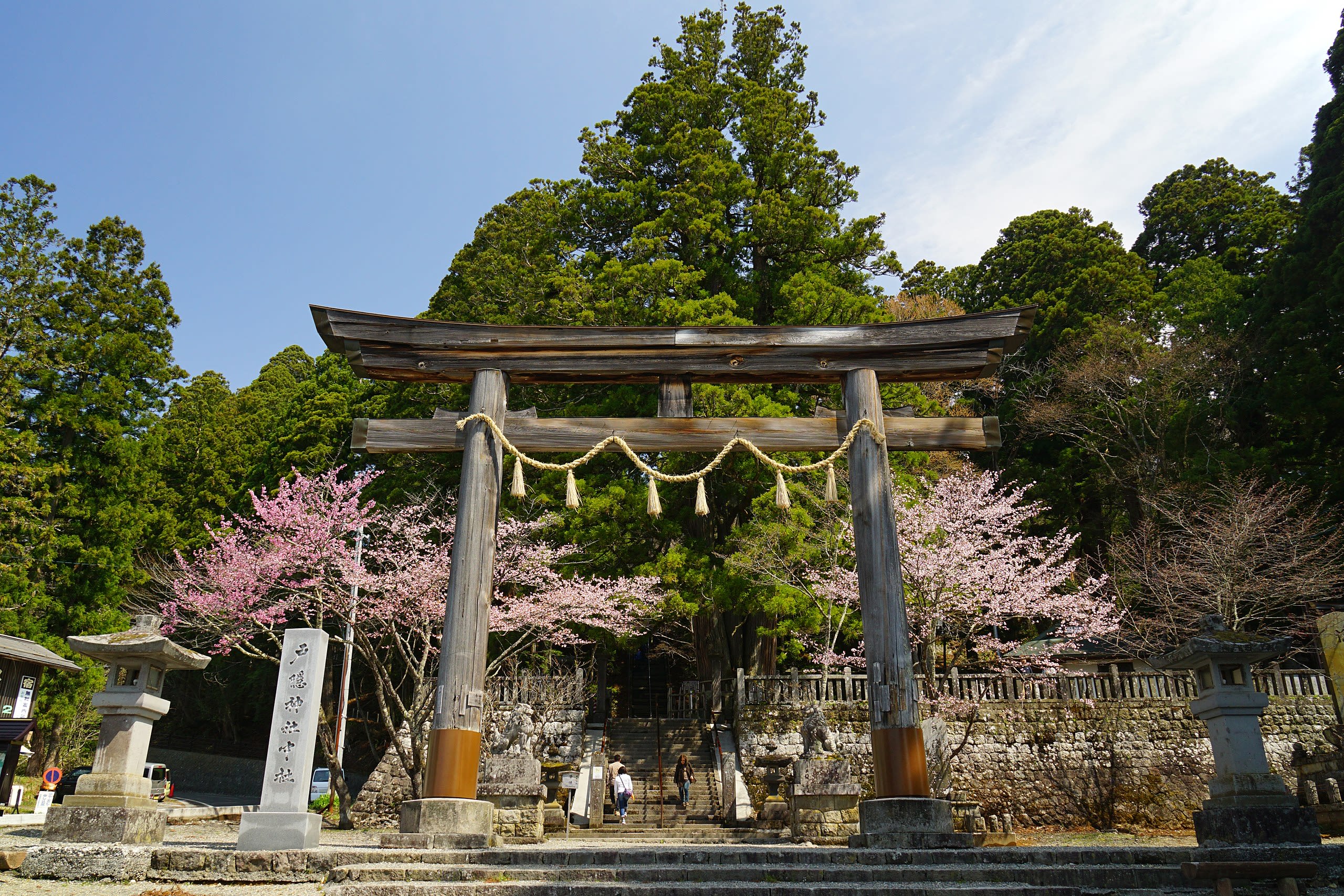
Togakushi Shrine
Nagano, Nagano Prefecture, Japan
Mount Togakushi is literally the 'Hidden Door'—the cave entrance that the god Tajikarao threw across the heavens after pulling the sun goddess Amaterasu from her hiding place. Five shrines scatter across this sacred mountain, each enshrining a deity who helped restore light to the world. The pilgrimage to Okusha, the most remote shrine, passes through an avenue of 400-year-old cedars that create a natural cathedral. Ninja once trained in these forested slopes. Today, the mountain draws pilgrims seeking the power of the gods who overcame cosmic darkness.
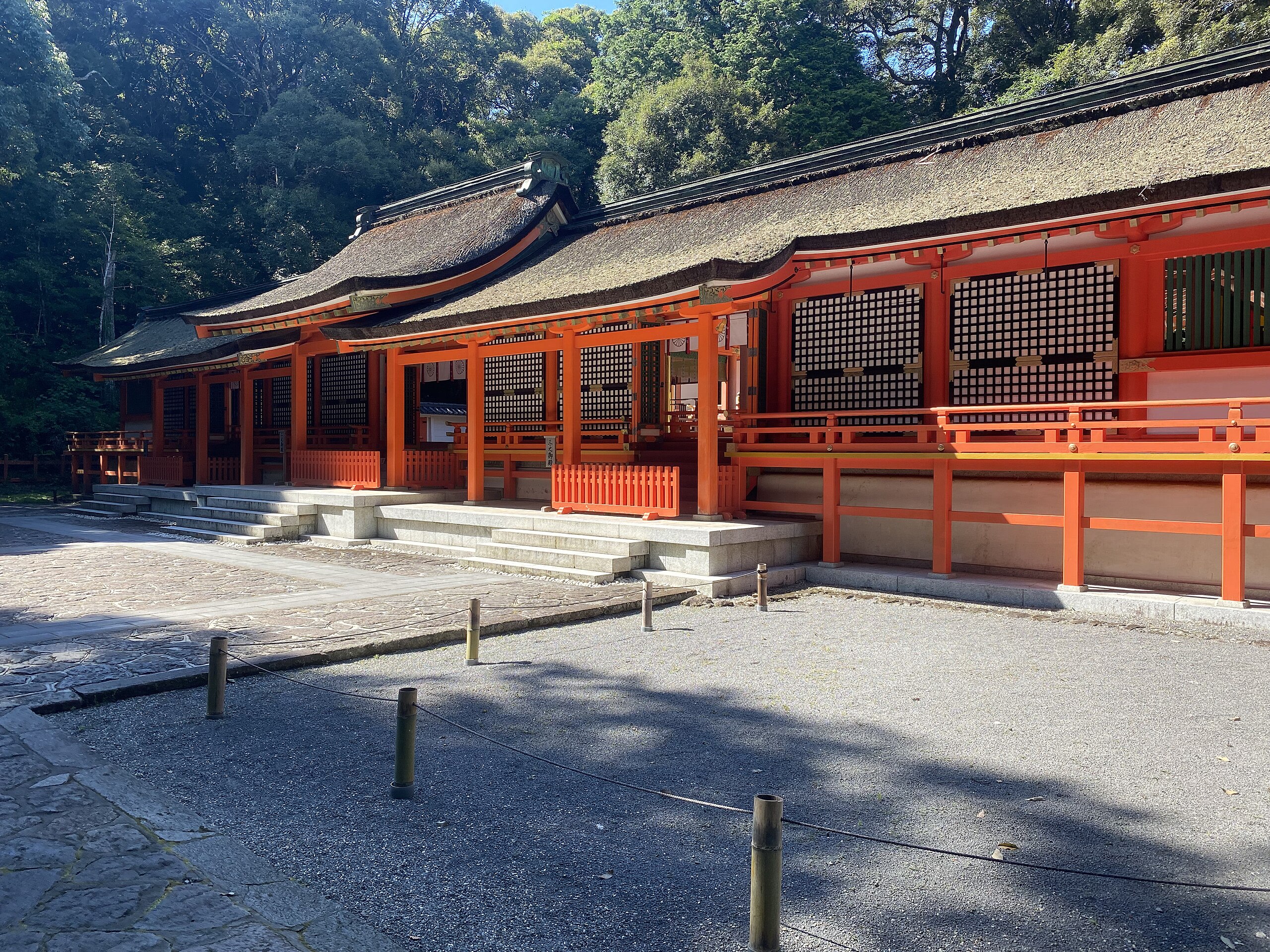
Usa Jingu
Usa, Oita Prefecture, Japan
In 749 CE, when Emperor Shōmu consecrated the Great Buddha at Tōdai-ji, a deity traveled from Kyushu to Nara for the ceremony—the first time a Shinto god participated in Buddhist ritual. That deity was Hachiman, and his journey from Usa Jingū in the first-ever mikoshi procession established the template for over a thousand years of Shinto-Buddhist synthesis. Today, Usa Jingū leads over 40,000 affiliated Hachiman shrines, the largest shrine network dedicated to a single deity in Japan.