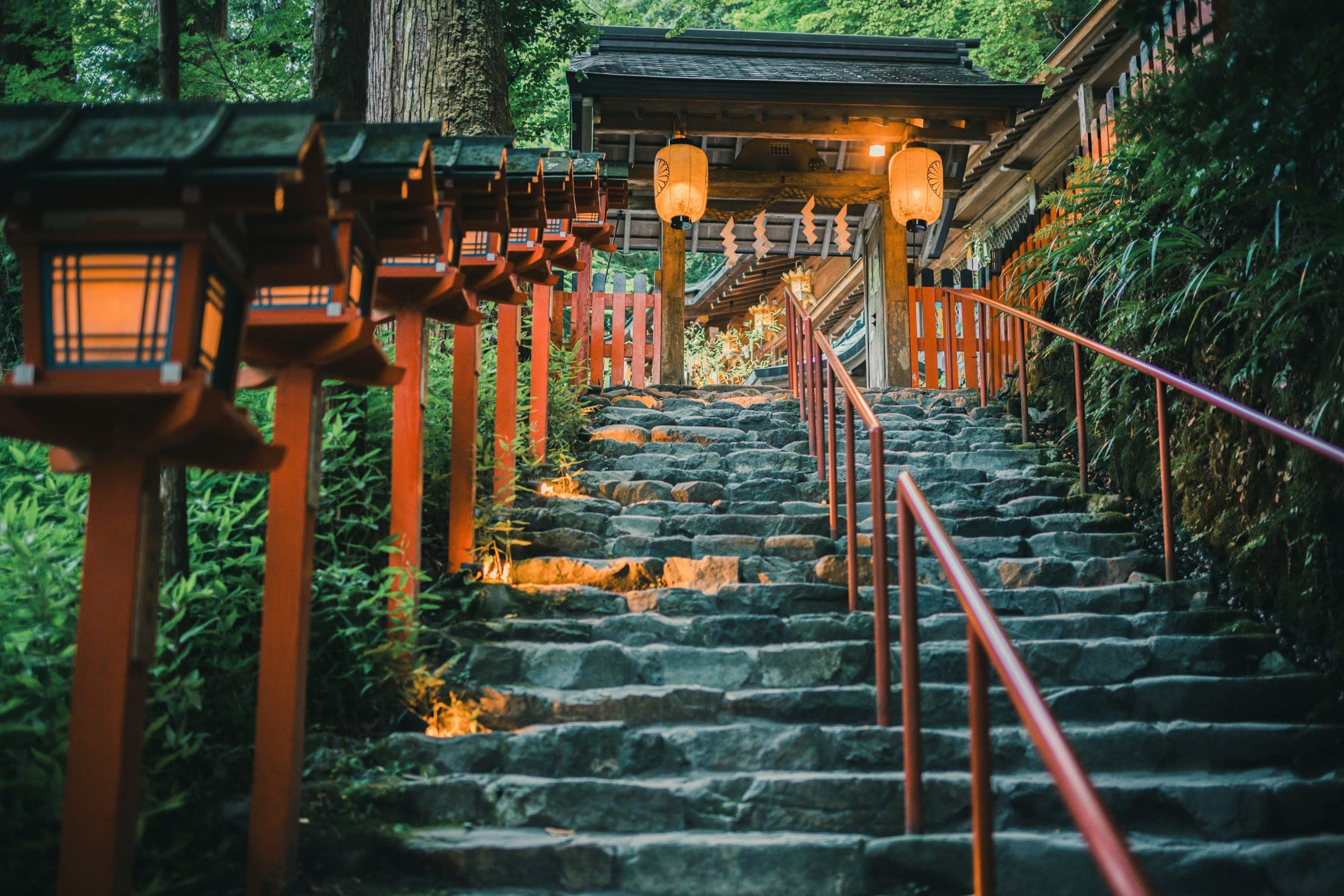
Kifune Shrine
Where water dragons dwell at the source of all living energy
Kyoto, Kyoto Prefecture, Japan
At A Glance
- Coordinates
- 35.1208, 135.7624
- Suggested Duration
- A meaningful visit to all three shrine areas typically requires 1.5 to 3 hours. Those moving quickly could see the main sights in an hour, but this misses the contemplative dimension. If combining with the hike from/to Kurama Temple, allow 4-5 hours for the complete experience including the mountain trail.
Pilgrim Tips
- No strict dress code applies to casual visitors. However, for those intending to pray formally at the worship hall, the shrine suggests avoiding overly casual clothing such as shorts, tank tops, or beachwear. Modest, neat attire demonstrates respect. Shoulders covered and knee-length bottoms represent a reasonable guideline. Comfortable walking shoes are practical for the stone stairs and paths.
- Photography is generally permitted in outdoor areas of the shrine complex. The lantern-lined staircase is particularly popular with photographers. However, refrain from photography inside shrine buildings, during ceremonies, or of worshippers engaged in prayer without their consent. Drone usage is prohibited. Commercial photography requires advance permission from the shrine office.
- Do not participate in or attempt curse rituals. Beyond being illegal (trespassing and property damage), such practices violate the shrine's intended purpose and harm the sacred trees. If you notice evidence of curse practice (nails in trees, straw figures), do not disturb the items—report them to shrine staff. The shrine's primary staircase and many pathways are stone and involve uneven terrain. Those with mobility challenges should be aware that full accessibility is not available throughout the complex. During peak seasons (autumn leaves, summer kawadoko dining season), crowds can be substantial. Those seeking contemplative experience may prefer weekday mornings or winter visits when tourist numbers decrease.
Overview
Nestled in the forested mountains north of Kyoto, Kifune Shrine has stood for over sixteen centuries as the dwelling place of Kuraokami, the dragon god who governs water. This ancient sanctuary—older than the imperial capital itself—draws seekers to contemplate the vital force that sustains all life, offering both rain prayers and romantic blessings where celestial and earthly waters meet.
In the mountain forests northeast of Kyoto, where mist rises from the headwaters of the Kibune River and ancient cedars stand as silent witnesses, Kifune Shrine marks a place where the veil between worlds grows thin. For more than 1,600 years, this sanctuary has honored Kuraokami, a dragon deity born from transformation—water emerging from fire to restore balance to the world.
The shrine's name itself reveals its deeper significance. Originally written as 氣生根 (ki-fu-ne), it translates as 'the source of vital energy for all living things.' Here, where springs emerge from the mountain's heart and rain falls from clouds gathered above the peaks, visitors encounter the complete cycle of water—and with it, the continuous flow of life force that animates existence.
Kifune holds a unique place in Japanese spiritual geography. As the head shrine for over 2,000 water deity sanctuaries throughout the nation, it represents the primordial source from which blessing flows outward. Yet this same place has also witnessed humanity's darker prayers—it was here that the legendary curse rituals of the ushi no toki mairi were performed by those consumed by jealousy and rage. The shrine thus embodies the full spectrum of human longing: for life-giving rain and bountiful harvests, for love requited and relationships healed, and sometimes, for the destruction of those who have caused unbearable pain.
Today's visitors encounter a place of remarkable serenity, where lantern-lined stone steps ascend through forest shade toward altars that have received prayers since before Kyoto was built. The shrine welcomes all who come seeking blessing, clarity, or simply a moment of stillness beside flowing water.
Context And Lineage
Kifune's origins extend beyond recorded history, with shrine records indicating a founding more than 1,600 years ago—older than Kyoto itself. The shrine gained imperial recognition by 965 CE and has maintained continuous operation through all the upheavals of Japanese history.
The founding legend speaks of the goddess Tamayori-hime, mother of the mythological first Emperor Jimmu. She appeared on a yellow boat in Osaka Bay and declared that the people should build a shrine wherever the vessel's journey ended. The boat traveled up the Yodo River to the Kamogawa and finally came to rest at what is now Kifune's inner shrine (Okunomiya). According to tradition, that boat remains buried beneath a stone cairn at this spot, marking the divine selection of this location.
A second origin narrative concerns the deity himself. The water dragon Kuraokami was born when Izanagi, the creator god, killed the fire deity Kagutsuchi in grief over his wife Izanami's death in childbirth. From the blood dripping from Izanagi's sword, multiple deities emerged, including Kuraokami. This narrative frames the water deity as a force of transformation and balance—water that quenches fire, grief that somehow gives birth to life-sustaining blessing.
Kifune functions as the sōhonsha (head shrine) for approximately 2,000 water deity shrines throughout Japan. This network represents not a centralized religious organization but rather a recognition of Kifune as a primary source, a first-among-equals in the spiritual geography of water worship. The shrine has maintained continuous Shinto practice for over sixteen centuries, adapting to changing circumstances—from agricultural rain prayers to contemporary relationship blessings—while preserving its essential identity as a place where water's life-giving power is honored and sought.
Tamayori-hime
Divine foundress
The goddess whose boat journey from the sea determined the shrine's location. In Japanese mythology, she is the mother of Emperor Jimmu and thus a bridge between the divine and human realms.
Kuraokami / Takaokami
Enshrined deity
The dragon god of water and rain, governing both celestial precipitation and terrestrial springs. The dual names represent the deity's presence in both the heavens (Takaokami, 'high dragon') and the dark, hidden sources of water underground (Kuraokami, 'dark dragon').
Izumi Shikibu
Historical pilgrim
A Heian-period poet (c. 976-1033) famous for her passionate verses. According to tradition, she visited Kifune during a troubled period in her marriage and was moved to compose a poem after seeing fireflies over the river. The shrine deity is said to have responded with encouragement, and her marriage subsequently healed. This story established Kifune's reputation for blessing romantic relationships.
Iwanaga-hime
Deity of the middle shrine
Enshrined at Yui no Yashiro, this goddess was rejected by her intended husband in favor of her more beautiful sister. In her pain, she vowed to remain at this place and grant others the relationship happiness she was denied. Her story holds the paradox of blessing emerging from suffering.
Why This Place Is Sacred
Kifune occupies a threshold position where multiple dimensions converge: the meeting of celestial and terrestrial waters, the juncture of life and transformation, and a place where divine intention chose to manifest when the goddess Tamayori-hime's boat came to rest after its journey up the rivers from the sea.
What makes certain places feel different from ordinary ground? At Kifune, several factors converge to create what many experience as a palpable shift in atmosphere.
The shrine stands at a hydrological threshold—the headwaters where springs emerge from the mountain to begin their journey toward the sea. In Shinto understanding, such source points carry particular potency because they represent origins, the places where the hidden becomes visible, where the underground yields to the above-ground world. Water here is not simply H2O; it is the tangible form of ki, life energy, emerging fresh from the earth's depths.
The deity enshrined here adds another dimension. Kuraokami is not merely a god of water but a dragon deity born through cosmic transformation. According to the Kojiki, when the creator god Izanagi slew the fire deity in grief over his wife's death, the blood from his sword gave birth to water gods, including Kuraokami. This origin narrative suggests that water carries within it the power to overcome destructive forces—fire quenched, rage transformed, loss somehow integrated into the continuing flow of existence.
There is also the matter of accumulated intention. For over sixteen centuries, human prayers have risen from this ground—entreaties for rain and clear skies, supplications for love and healing, and yes, darker wishes that sought vengeance. This long continuity of human hope and desperation has, according to traditional understanding, saturated the place with spiritual presence.
The physical environment amplifies these qualities. The shrine lies within a narrow valley, enclosed by steep mountains covered in cryptomeria and maple. Mist often gathers here, softening the boundaries between earth and sky. The sound of flowing water provides constant accompaniment. Visitors consistently report that passing through the torii gate feels like entering a different realm—not supernatural so much as more deeply natural, more fundamentally alive.
Kifune was established to honor the water deity who emerged where the goddess Tamayori-hime's boat completed its journey from the sea. The shrine's original function centered on rain prayers—in an agricultural society dependent on irrigation, the ability to petition for rain or clear skies held existential importance. The practice of offering horses to the deity (black for rain, white for clear weather) eventually evolved into the ema tradition that now exists at shrines throughout Japan.
While rain prayers remain part of the shrine's ritual calendar, Kifune's contemporary significance has expanded to encompass matchmaking and relationship blessings, largely due to the medieval-era legend of the poet Izumi Shikibu, whose troubled marriage was healed after her pilgrimage here. The shrine's middle altar, Yui no Yashiro, has become particularly associated with romantic blessings. Meanwhile, the shrine's darker associations with curse rituals have faded from active practice (such activities are now illegal) but remain part of the cultural memory, adding complexity to the site's spiritual identity.
Traditions And Practice
Kifune offers several distinctive practices centered on water and relationships, from fortune-telling in sacred springs to the three-shrine pilgrimage, all within the framework of traditional Shinto worship.
The most ancient practice at Kifune involved offering horses to petition for weather—black horses when rain was needed, white horses when clear skies were desired. This practice was so central to the shrine's identity that when actual horses became impractical, worshippers began offering wooden horse figures, then eventually wooden plaques painted with horse images. This evolution is considered the origin of ema, the prayer plaques now ubiquitous at shrines throughout Japan. Kifune thus stands as the birthplace of one of Shinto's most recognizable practices.
The shrine also holds a darker historical practice in its cultural memory: the ushi no toki mairi, or 'ox-hour shrine visit.' This curse ritual, performed between 1 and 3 AM, involved a practitioner dressed in white with candles on their head, hammering nails into sacred trees through straw effigies of their target. The legend of the Hashihime of Uji, a woman transformed into a demon through her rituals at Kifune, became one of medieval Japan's most famous tales. While the shrine has never endorsed such practices and they are now illegal, the scarred trunks of certain sacred trees still bear evidence of this tradition. The practice's existence adds complexity to understanding Kifune—this is a place that has witnessed the full range of human emotion, from desperate love to consuming hatred.
Modern visitors can engage with several practices at Kifune. The water fortune-telling (mizuura mikuji) involves purchasing a blank paper slip and floating it in the sacred spring near the main hall. Characters gradually appear as the water interacts with the paper, revealing the fortune. This practice enacts the shrine's teaching that essential truths emerge from hidden sources.
The sansha-mairi (three shrine pilgrimage) provides a structured way to engage with the entire complex. Visitors traditionally proceed from the main shrine (Honmiya), where the water deity is primarily honored, to the rear shrine (Okunomiya), the original location where Tamayori-hime's boat came to rest, then finally to the middle shrine (Yui no Yashiro), where the deity of matchmaking resides.
At Yui no Yashiro, visitors can write wishes for relationships on special paper called musubi-fumi (knot letters) and offer them to the deity. The practice accommodates various relationship intentions—finding a partner, improving an existing relationship, or reconciliation.
For visitors seeking contemplative engagement, consider arriving early in the morning when crowds are thinner and the mountain atmosphere is at its most present. Begin with the standard purification at the temizuya, then approach the main hall to offer respects to Kuraokami. Take time to simply observe the water—the spring, the river, the way moisture moves through this landscape.
The three-shrine pilgrimage offers a natural structure for a visit. At each stopping point, rather than immediately requesting blessing, consider spending a few moments in receptive attention. What does this particular place communicate? What arises in stillness?
If you choose to do the water fortune-telling, hold your question lightly. The fortunes that appear are traditionally understood not as fixed predictions but as guidance for the present moment. What matters is less the specific result than the practice of seeking clarity through engagement with water.
Visitors walking from Kurama Temple over the mountain ridge are engaging in a traditional pilgrimage route that connects two ancient sacred sites. The two-hour hike through the forest creates a transition state that can make arrival at Kifune particularly poignant.
Shinto
ActiveKifune Shrine operates as an active Shinto worship site and serves as the head shrine for over 2,000 water deity shrines across Japan. The enshrined deity Kuraokami (Takaokami) is a dragon god governing water in all its forms—rain, rivers, springs, and the life force that water represents. The shrine received imperial patronage from at least 965 CE and predates Kyoto as a capital. Within Shinto practice, Kifune represents one of the most important sites for engaging with water kami.
Current Shinto practice at Kifune includes daily offerings and prayers maintained by shrine priests, annual festivals tied to agricultural and seasonal cycles, and individual worship by devotees seeking water's blessing for various intentions. The Mizu Matsuri (Water Festival) in July maintains the ancient connection between shrine and agricultural necessity. The sansha-mairi pilgrimage structure guides worshippers through all three shrine compounds. Ema offerings continue the tradition that originated here with horse offerings for weather prayer.
Experience And Perspectives
Visitors often describe crossing the threshold into Kifune as entering a different world—one characterized by profound stillness, the constant presence of flowing water, and an atmosphere that invites introspection about life's essential elements.
The approach to Kifune Shrine begins as a gradual separation from ordinary experience. Whether arriving by the small Eizan Railway line that winds into the mountains or hiking over the ridge from Kurama Temple, visitors traverse increasingly wild landscape before reaching the small village of Kibune.
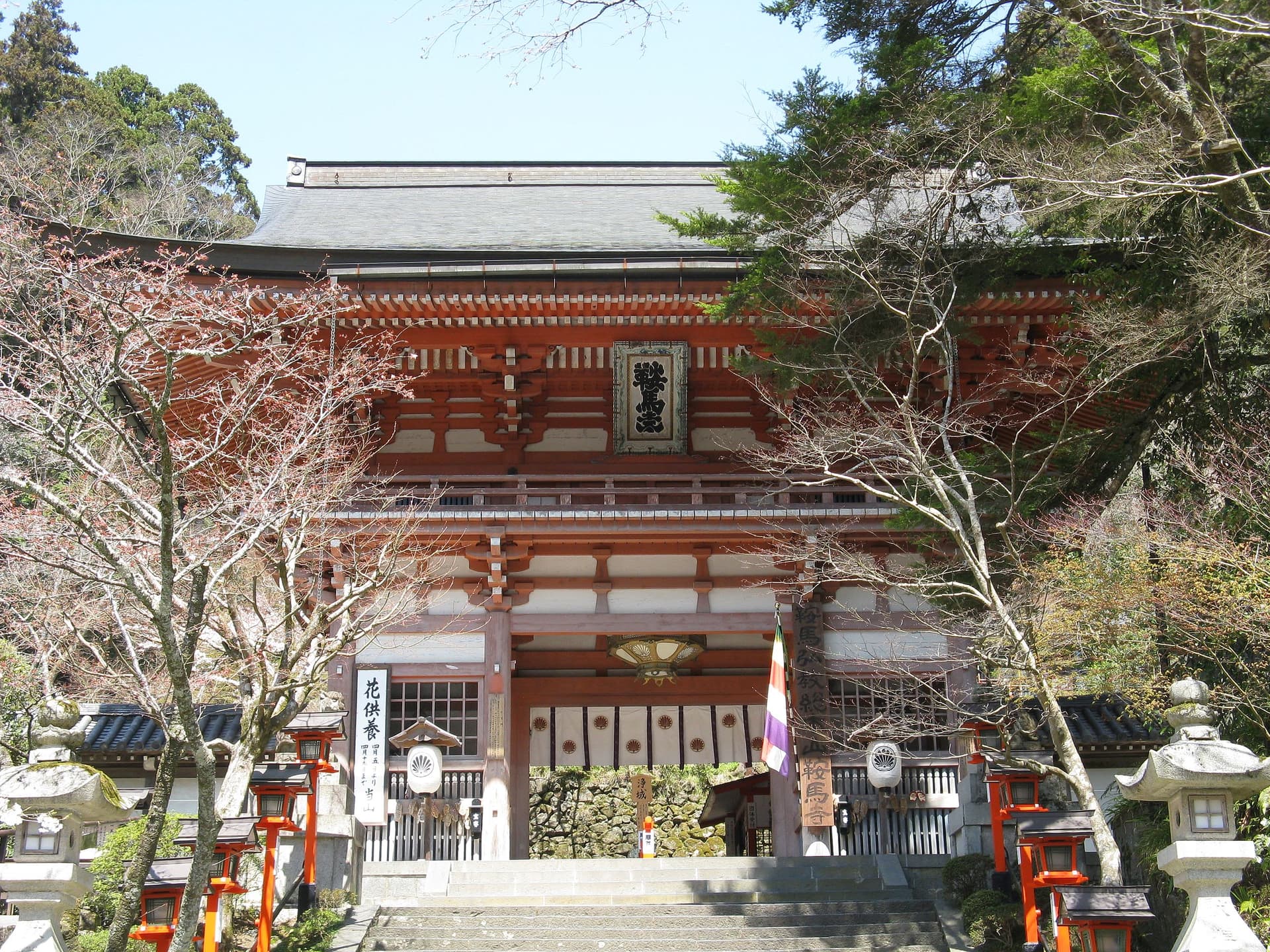
The shrine's most iconic feature appears immediately: a long stone staircase flanked by vermilion kasuga-dourou lanterns, their orange-red forms creating a visual path upward through the green shade of towering trees. In autumn, maple leaves frame this ascent in scarlet and gold. In winter, snow settles on the lantern tops. At any season, climbing these steps carries the quality of progression—a physical enactment of moving from the mundane toward something set apart.
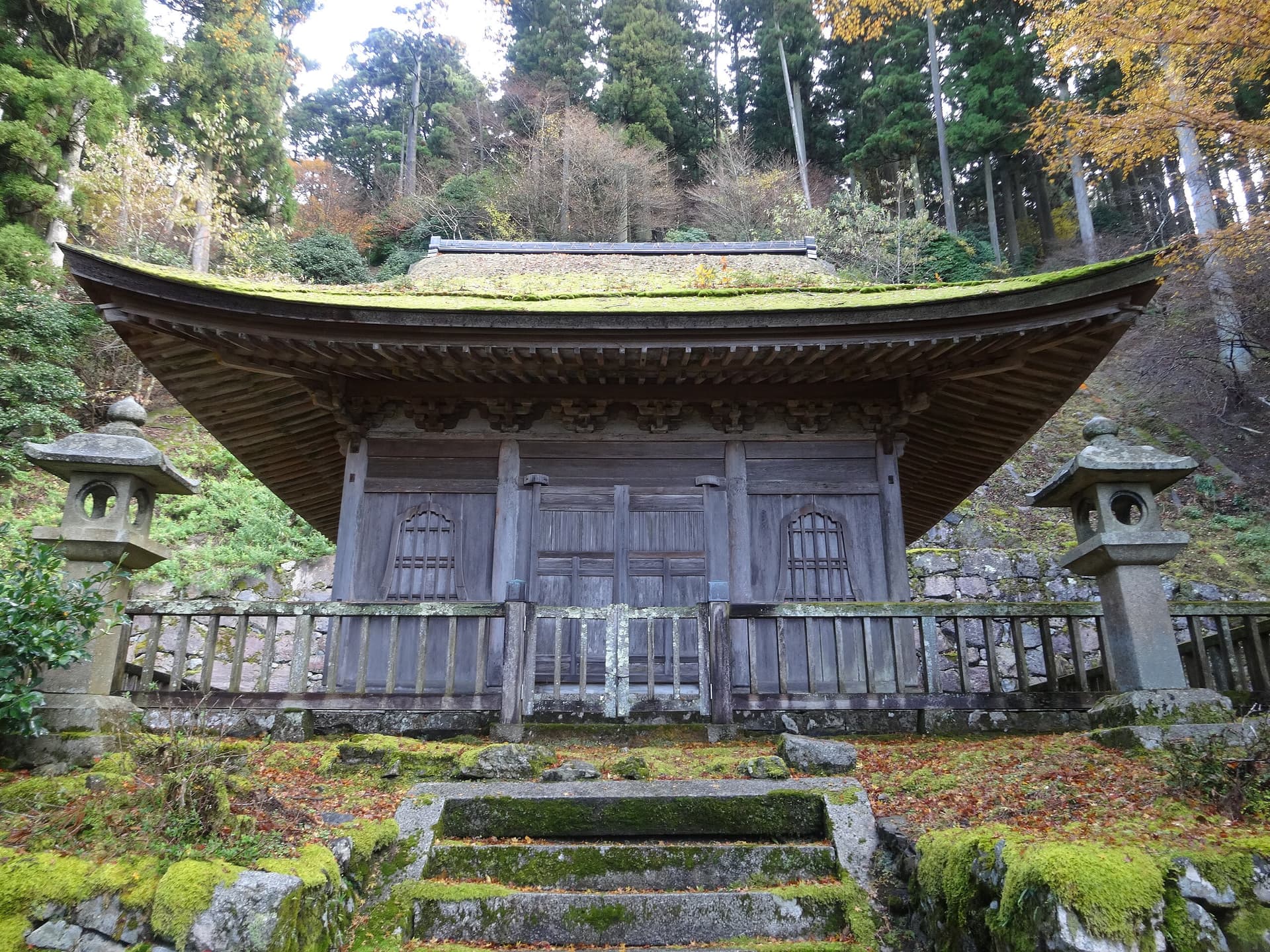
At the main shrine compound, the atmosphere shifts further. The sound of the Kibune River accompanies everything, a continuous presence that visitors report as both calming and subtly energizing. The shrine buildings themselves demonstrate the aesthetic restraint characteristic of Shinto architecture—unpainted wood, copper roofing weathered to soft green, spaces that frame rather than overwhelm the natural surroundings.
The sansha-mairi pilgrimage to all three shrine areas requires walking along the river valley, passing traditional restaurants where in summer, visitors dine on platforms built over the rushing water. This integration of sacred and daily life characterizes the Japanese approach—the shrine is not separate from the village but continuous with it.
Many visitors are drawn to the water fortune-telling, where blank paper placed in a spring slowly reveals its hidden message. There is something fitting about receiving guidance through water at this place—the medium itself enacting the shrine's core teaching that essential truths often emerge from sources we cannot see.
Those who come during the evening illumination events encounter a transformed landscape. When the lanterns are lit against gathering darkness, the staircase becomes a corridor of warm light ascending into shadow. The experience tends toward the liminal—neither fully day nor night, neither wholly ordinary nor entirely otherworldly.
Kifune welcomes visitors of all backgrounds and does not require adherence to Shinto belief. The shrine exists within a living tradition; priests perform regular ceremonies, and local worshippers make offerings alongside tourists. Approach the site with respect—this is an active place of worship, not a museum—but feel free to participate in the available practices according to your own comfort and intention. The shrine offers an opportunity to contemplate humanity's relationship with water, the elemental force that sustains all life.
Kifune Shrine has been understood through multiple lenses across its long history—as a site of agricultural necessity, a mirror of human emotional extremes, and a place where the fundamental nature of water as life force can be contemplated.
Academic study of Kifune situates it within the broader context of Shinto water worship and imperial shrine networks. Historians note the shrine's documented imperial patronage from 965 CE, its role in the development of ema offering practice, and its place in the literature and folklore of the Heian period. The shrine serves scholars as a case study in how sacred sites accumulate meaning over time, incorporating new functions (matchmaking) while retaining older ones (rain prayers), and holding complex cultural memories (curse rituals) without endorsing them.
Within living Shinto practice, Kifune is understood as a primary source of water kami's blessing, the head shrine from which spiritual power flows to thousands of subsidiary shrines nationwide. The deity Kuraokami represents water not merely as a natural element but as ki—vital energy—in liquid form. The shrine's position at a headwater source is spiritually significant: just as water emerges here to flow outward through the land, so too does blessing flow outward from this altar. Practitioners understand the shrine as actively powerful, a place where prayers are heard and responses given, where relationship between human and kami remains living and reciprocal.
Some contemporary visitors approach Kifune through the lens of 'power spots' (pawā supotto), a concept popular in Japanese spiritual culture. From this perspective, the shrine's long history of worship has accumulated spiritual energy that modern visitors can access for various purposes. The site's dual nature—blessing both love and historically harboring curses—suggests to some that it amplifies intention of all kinds, a place where prayers and wishes gain force. Others are drawn by interest in the darker aspects of the shrine's history, seeking connection to the more transgressive dimensions of Japanese spirituality.
Mysteries remain at Kifune. The exact founding date is lost to time, with traditions claiming over 1,600 years but documentary evidence only reaching back approximately 1,300 years. The legendary yellow boat of Tamayori-hime is said to remain buried beneath a stone cairn at the inner shrine—but its actual presence has never been archaeologically verified. Why did the goddess's boat choose this particular valley? What exactly happened here in the centuries before written records? The shrine holds its secrets in the way that very old places do, suggesting that not everything can or should be known.
Visit Planning
Kifune is located in the mountains north of Kyoto, requiring about an hour to reach from central Kyoto. The shrine is accessible year-round with no admission fee, though different seasons offer distinct experiences.
Several traditional ryokan (Japanese inns) operate in Kibune village, offering kaiseki meals and the opportunity to experience the shrine at quieter hours. Staying overnight allows for early morning visits before day-trippers arrive. Reservations are essential, especially during peak seasons. Most Kyoto visitors stay in the city center and visit Kifune as a day trip.
Kifune follows standard Shinto shrine etiquette with no unusual requirements. Visitors should approach with basic respect, perform purification before worship, and be mindful that this is an active place of prayer.
Visiting Kifune requires no special religious knowledge or commitment. The shrine welcomes visitors of all backgrounds who approach with respect. However, understanding basic Shinto etiquette enhances the experience and shows consideration for practicing worshippers.
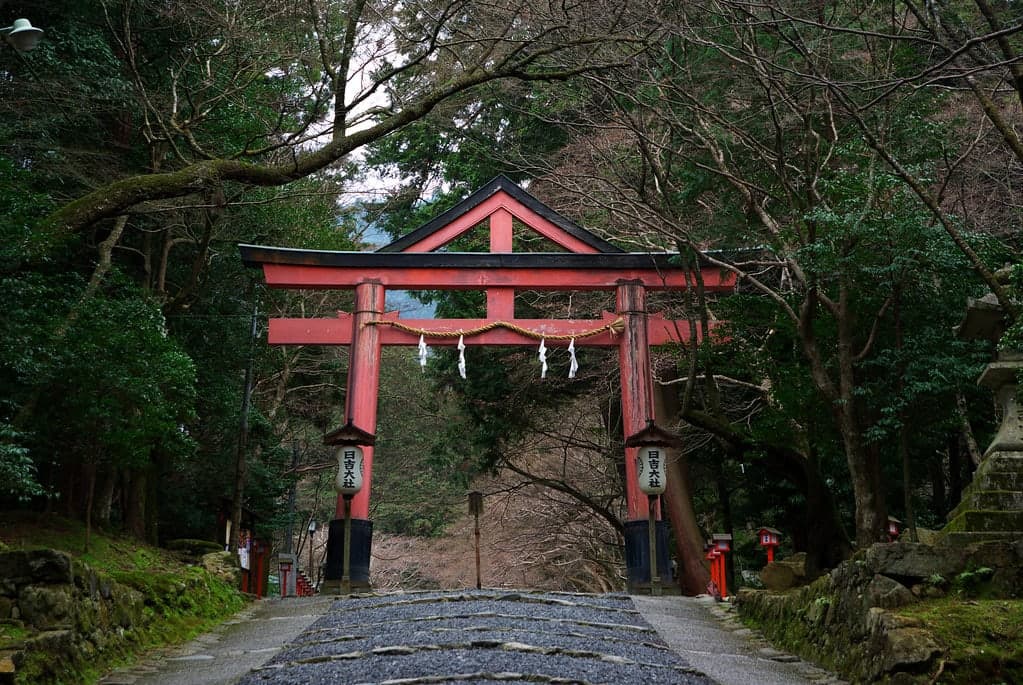
Upon approaching the first torii gate, pause and offer a slight bow. This acknowledges transition into sacred space. When walking on pathways, keep to the sides; the center is traditionally understood as the path of the kami (deities).
Before approaching the main worship hall, stop at the temizuya (purification fountain). Using the provided ladle, pour water over your left hand, then your right hand. Next, pour a small amount into your cupped left hand and use it to rinse your mouth (do not drink directly from the ladle). Finally, tilt the ladle to rinse its handle before returning it.
At the offertory box, the standard practice is: offer a coin, bow twice deeply, clap twice, pray silently with palms together, then bow once more. If a bell or gong is present, ring it before beginning this sequence. The amount of offering is not important—it represents intention rather than transaction.
These forms are invitations rather than requirements. If they feel uncomfortable, simply approaching with quiet respect is entirely appropriate. What matters is internal disposition more than external performance.
No strict dress code applies to casual visitors. However, for those intending to pray formally at the worship hall, the shrine suggests avoiding overly casual clothing such as shorts, tank tops, or beachwear. Modest, neat attire demonstrates respect. Shoulders covered and knee-length bottoms represent a reasonable guideline. Comfortable walking shoes are practical for the stone stairs and paths.
Photography is generally permitted in outdoor areas of the shrine complex. The lantern-lined staircase is particularly popular with photographers. However, refrain from photography inside shrine buildings, during ceremonies, or of worshippers engaged in prayer without their consent. Drone usage is prohibited. Commercial photography requires advance permission from the shrine office.
Monetary offerings can be made at offertory boxes throughout the shrine. The amount is not significant—offerings represent respect rather than payment. For a more involved offering, ema (wooden prayer plaques) can be purchased at the shrine office. Write your wish or prayer on the blank side and hang the plaque at the designated boards. Omamori (amulets) are available for purchase, each designed for different intentions: water blessings, love and relationships, health, and general fortune.
Do not leave personal items, food, or drink as offerings unless specifically designated. Do not place objects on altars or in springs. The water fortune-telling papers are designed to dissolve and may be left in the spring after reading.
Access to certain areas may be restricted during ceremonies or festivals. Follow guidance from shrine staff. The main staircase and upper areas are not wheelchair accessible. Strollers face significant challenges on stone steps and narrow paths. Do not climb on structures, statues, or lanterns. Do not remove items from the shrine premises, including natural objects. Loud conversation, phone calls, and disruptive behavior are inappropriate in the worship areas.
Sacred Cluster
Nearby sacred places create the location cluster described in the growth plan. This block is intentionally crawlable and links into the wider regional graph.