Site type guide
Island
Crawlable taxonomy page generated from the current site detail schema and used in the internal linking graph.
Traditions represented here
9 sites
Browse this type across countries, traditions, and sacred landscapes.
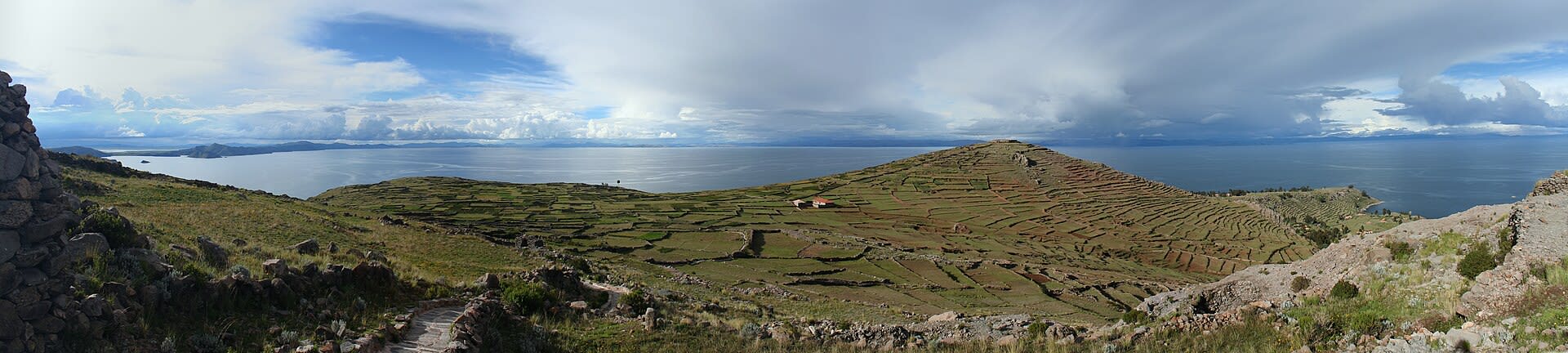
Amantani, Pachatata & Pachamama
Santa Rosa, Puno, Peru
Amantani, Pachatata & Pachamama is a island of sacred significance. Approximate coordinates: -15.66512, -69.71199. Attributes: natural, cultural. Located in Amantaní, Puno, Peru.

Bardsey Island
Gwynedd, Wales, United Kingdom
Bardsey Island is a island of sacred significance. Approximate coordinates: 52.76331, -4.78618. Attributes: built, natural, cultural, archaeological, pilgrimage. Tradition: Christianity. Associated figure: Saint Cadfan. Mythological context: Welsh. Bardsey Island (Welsh: Ynys Enlli), known as the legendary Island of 20,000 Saints , is located 1.9 miles (3.1 km) off the Llŷn Peninsula in the Welsh county of Gwynedd. The Welsh name means The Island in the Currents , while its English name refers to the Island of the Bards , or possibly the Viking chieftain, Barda . At 179 hectares (440 acres; 0.69 sq mi) in area it is the fourth largest offshore island in Wales, with a population of 11. The north east rises steeply from the sea to a height of 548 feet (167 m) at Mynydd Enlli, which is a Marilyn, while the western plain is low and relatively flat cultivated farmland. To the south the island narrows to an isthmus, connecting a peninsula on which the lighthouse stands. Since 1974 it has been included in the community of Aberdaron. The island has been an important religious site since the 6th century, when it is said that the Welsh king Einion Frenin and Saint Cadfan founded a monastery there. In medieval times it was a major centre of pilgrimage and, by 1212, belonged to the Augustinian Canons Regular. The monastery was dissolved and its buildings demolished by Henry VIII in 1537, but the island remains an attraction for pilgrims, marking the end point of the North Wales Pilgrims Way. Bardsey Island is famous for its wildlife and rugged scenery. A bird observatory was established in 1953. It is a nesting place for Manx shearwaters and choughs, with rare plants, and habitats undisturbed by modern farming practices. The waters around the island attract dolphins and porpoises and grey seals. In 2023, the island became the first site in Europe to be awarded International Dark Sky Sanctuary certification. Located in Cymru / Wales, United Kingdom.
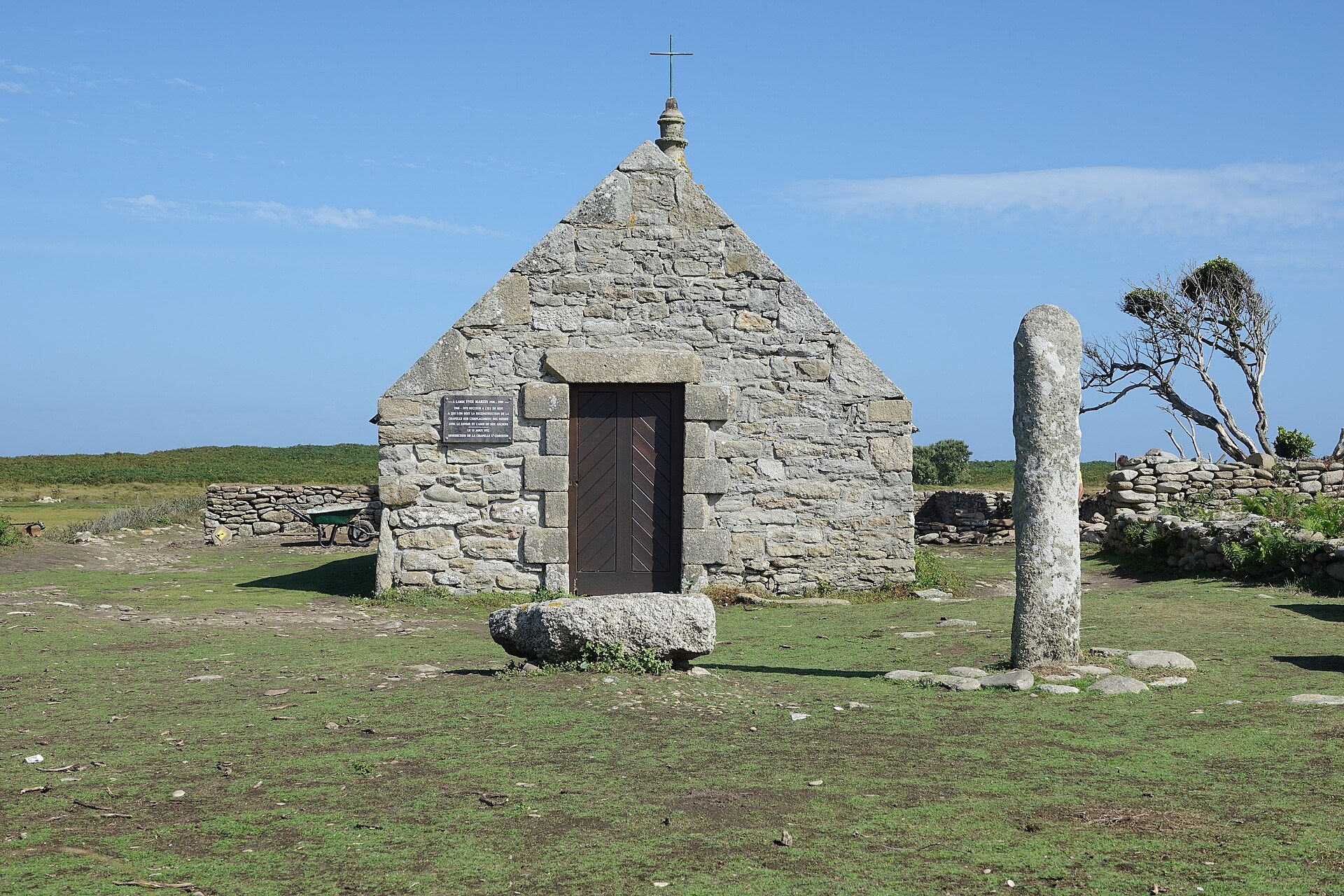
Chapelle Seinaint Corentin, Ile de Sein
Île-de-Sein, Brittany, France
Ile de Sein is a pagan holy island of sacred significance. Approximate coordinates: 48.03896, -4.85201. Attributes: natural, cultural, archaeological. Tradition: Pagan. Located in Quimper, Bretagne, France.
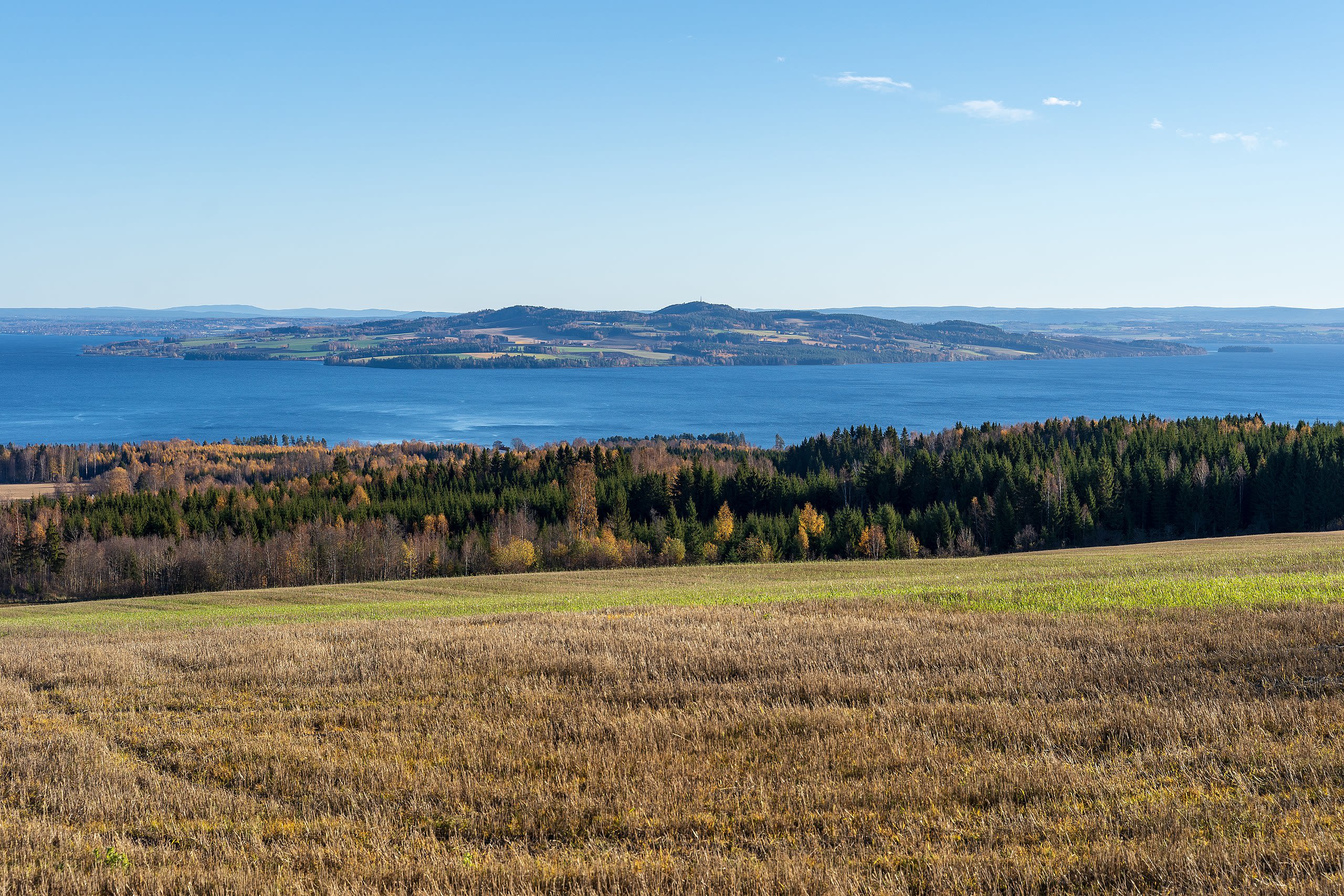
Helgøya Island
Ringsaker, Innlandet, Norway
Helgøya Island in Ringsaker, Innlandet, Norway.
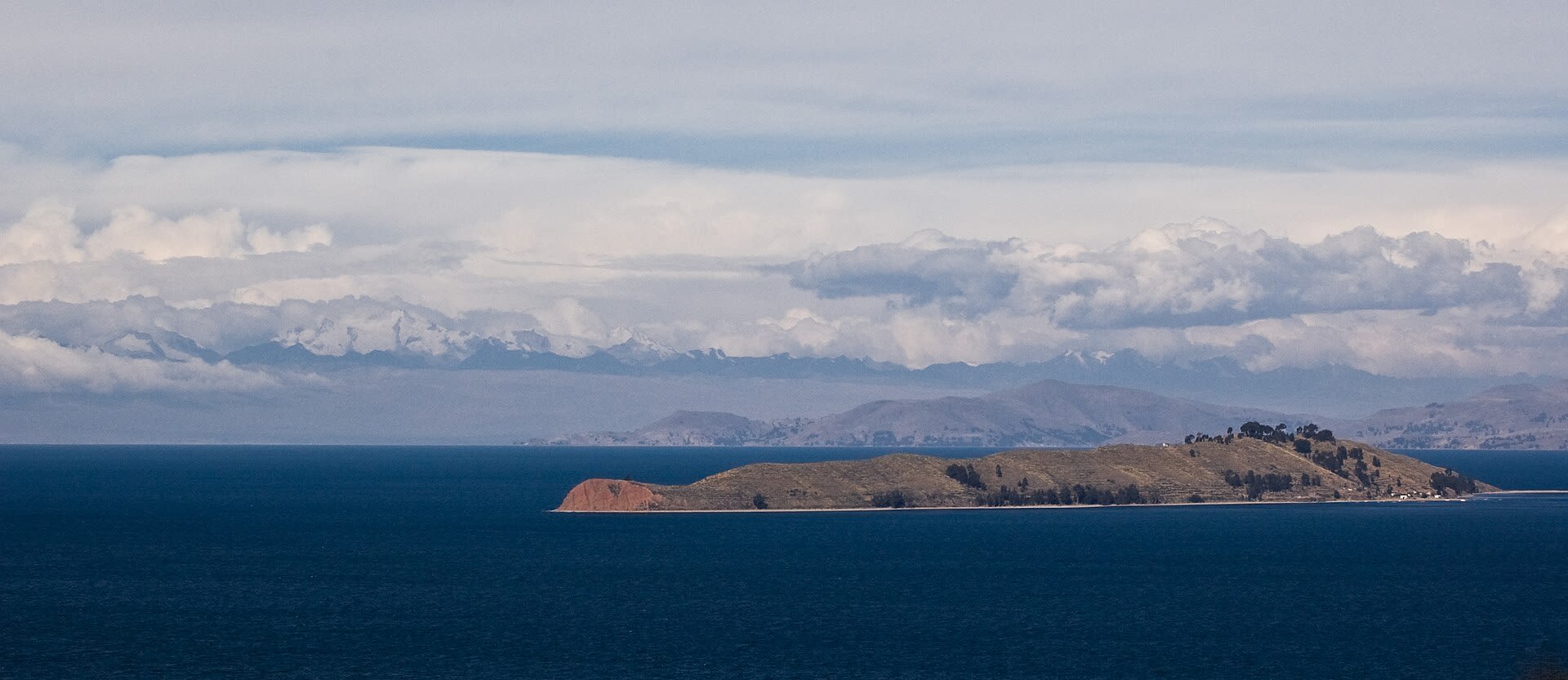
Isla Del Luna
Copacabana, La Paz, Bolivia
Isla Del Luna in Copacabana, La Paz, Bolivia.
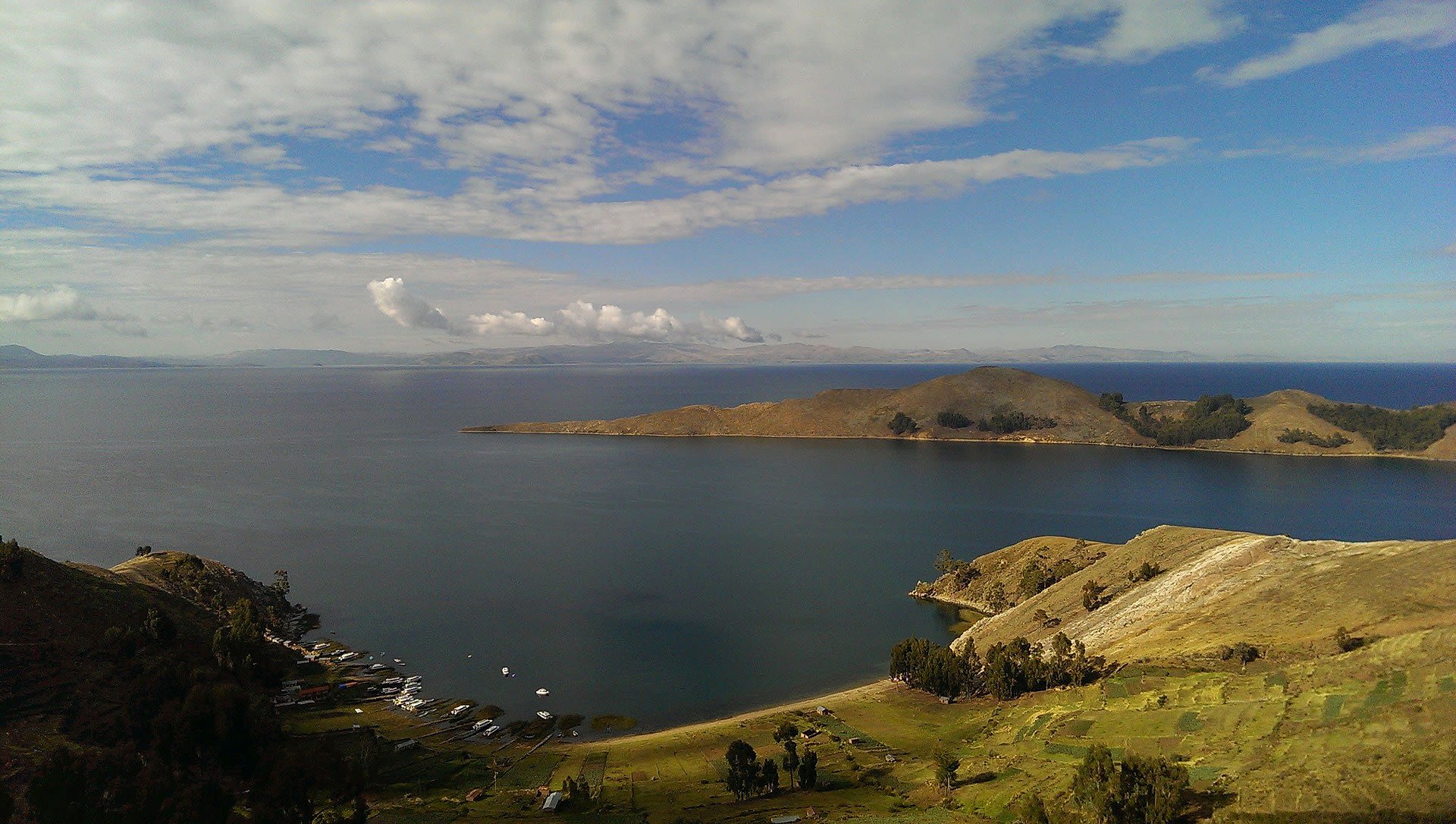
Isla Del Sol
Copacabana, La Paz, Bolivia
Isla Del Sol in Copacabana, La Paz, Bolivia.

Islands of the Sun and Moon, Lake Titicaca
Peru
Islands of the Sun and Moon, Lake Titicaca is a island of sacred significance. Approximate coordinates: -15.82397, -69.39514. Attributes: natural, cultural. Located in Peru.
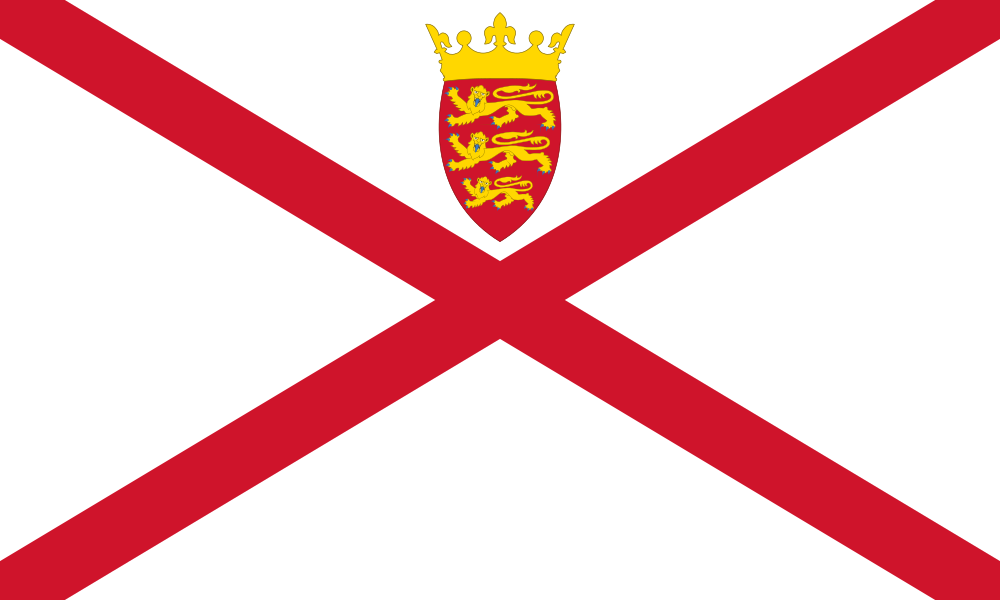
Jersey
Grouville, Jersey
Jersey is a island of sacred significance. Approximate coordinates: 49.20035, -2.06384. Attributes: built, natural, cultural. Tradition: Norman-French. Jersey ( JUR-zee; Jèrriais: Jèrri [ʒɛri]), officially the Bailiwick of Jersey, is an autonomous and self-governing island territory of the British Islands. Although as a British Crown Dependency it is not a sovereign state, it has its own distinguishing civil and government institutions, so qualifies as a small nation or island country. Located in Northwestern Europe, off the coast of north-west France, it is the largest of the Channel Islands and is 14 miles (23 km) from Normandy s Cotentin Peninsula. The Bailiwick consists of the main island of Jersey and some surrounding uninhabited islands and rocks including Les Dirouilles, Les Écréhous, Les Minquiers, and Les Pierres de Lecq. Jersey was part of the Duchy of Normandy, whose dukes became kings of England from 1066. After Normandy was lost by the kings of England in the 13th century, and the ducal title surrendered to France, Jersey remained loyal to the English Crown, though it never became part of the Kingdom of England. At the end of the Napoleonic Wars, Jersey was at the frontline of Anglo-French Wars and was invaded a number of times, leading to the construction of fortifications such as Mont Orgueil Castle and a thriving smuggling industry. During the Second World War, the island was invaded and occupied for five years by the armed forces of Nazi Germany. The island was liberated on 9 May 1945, which is now celebrated as the island s national day. Jersey is a self-governing parliamentary democracy under a constitutional monarchy, with its own financial, legal and judicial systems, and the power of self-determination. Jersey s constitutional relationship is with the Crown; it is not part of the United Kingdom. The Bailiff is the civil head, president of the states and head of the judiciary; the lieutenant governor represents the head of state, the British monarch; and the chief minister is the head of government. Jersey s defence and international representation – as well as certain policy areas, such as nationality law – are the responsibility of the UK government, but Jersey still has a separate international identity. The island has a large financial services industry, which generates 40% of its GVA. British cultural influence on the island is evident in its use of English as the main language and the pound sterling as its primary currency. Additional British cultural similarities include: driving on the left, access to British television, newspapers and other media, a school curriculum following that of England, and the popularity of British sports, including football and cricket. The island also has a strong Norman-French culture, such as its historic dialect of the Norman language, Jèrriais, being one of only two places in Normandy with government status for the language (the other being Guernsey), as well as the use of standard French in legal matters and officially in use as a government language, strong cultural ties to mainland Normandy as a part of the Normandy region, and place names with French or Norman origins. The island has very close cultural links with its neighbouring islands in the Bailiwick of Guernsey, and they share a good-natured rivalry. Located in Grouville, Jersey.
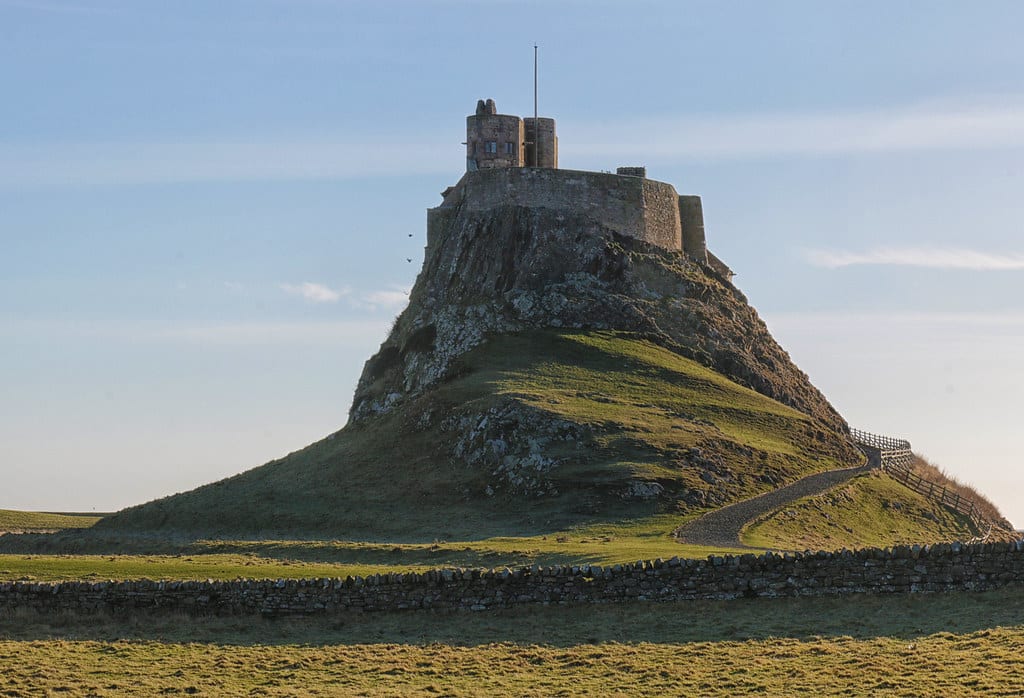
Lindisfarne
Holy Island, England, United Kingdom
Lindisfarne is a monastery of sacred significance. Approximate coordinates: 55.66932, -1.80193. Attributes: built, natural, cultural, archaeological, pilgrimage. Tradition: Christianity. Associated figure: Saints Aidan, Cuthbert, Eadfrith, and Eadberht of Lindisfarne. Lindisfarne, also known as Holy Island, is a tidal island off the northeast coast of England, which constitutes the civil parish of Holy Island in Northumberland. Holy Island has a recorded history from the 6th century AD; it was an important centre of Celtic Christianity under Saints Aidan, Cuthbert, Eadfrith, and Eadberht of Lindisfarne. The island was originally home to a monastery, which was destroyed during the Viking invasions but re-established as a priory following the Norman Conquest of England. Other notable sites built on the island are St Mary the Virgin parish church (originally built AD 635 and restored in 1860), Lindisfarne Castle, several lighthouses and other navigational markers, and a complex network of lime kilns. In the present day, the island is an Area of Outstanding Natural Beauty and a hotspot for historical tourism and bird watching. As of February 2020, the island had three pubs, a hotel and a post office as well as a museum. Located in England, United Kingdom.