Site type guide
Buddhist Temple
Crawlable taxonomy page generated from the current site detail schema and used in the internal linking graph.
Countries to explore next
Traditions represented here
18 sites
Browse this type across countries, traditions, and sacred landscapes.
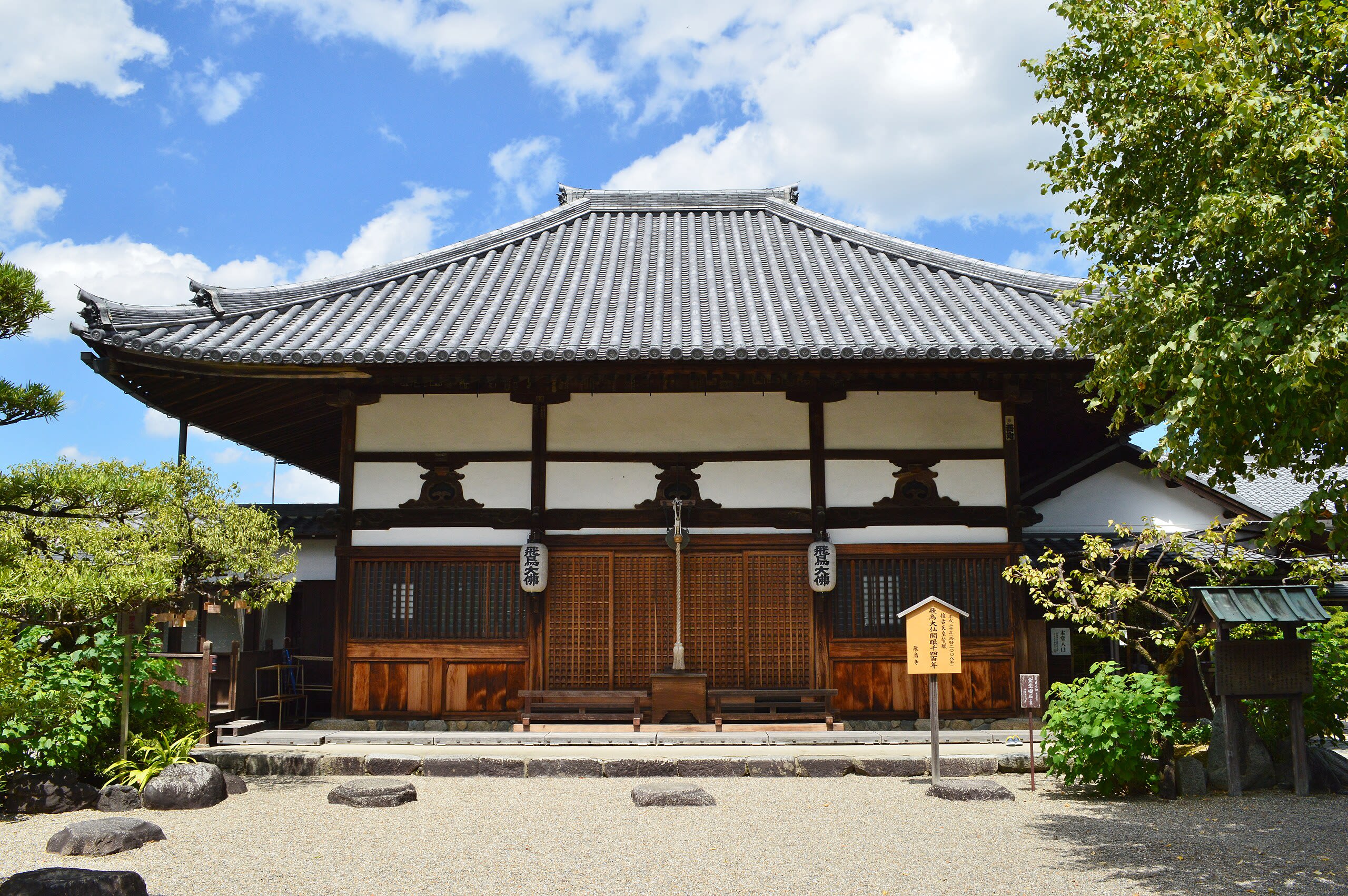
Asuka-dera
Asuka, Nara Prefecture, Japan
In a quiet valley surrounded by rice fields, Japan's oldest surviving Buddha statue has watched from the same location for over 1,400 years. Asuka-dera marks where Buddhism transformed from a foreign import to an established Japanese institution. When the Soga clan built this temple in 588 CE using Korean craftsmen, they created Japan's first full-scale Buddhist complex. The Great Buddha's face bears the scars of fire and time—half original bronze, half later repair—yet continues to receive devotees at the birthplace of institutional Buddhism in Japan.

Bai Dinh Temple
Tây Hoa Lư Ward, Ninh Bình Province, Vietnam
Bai Dinh Temple is a buddhist temple of sacred significance. Approximate coordinates: 20.27622, 105.86516. Attributes: built, cultural. Tradition: Buddhism. Located in Hoa Lư, Tỉnh Ninh Bình, Vietnam.
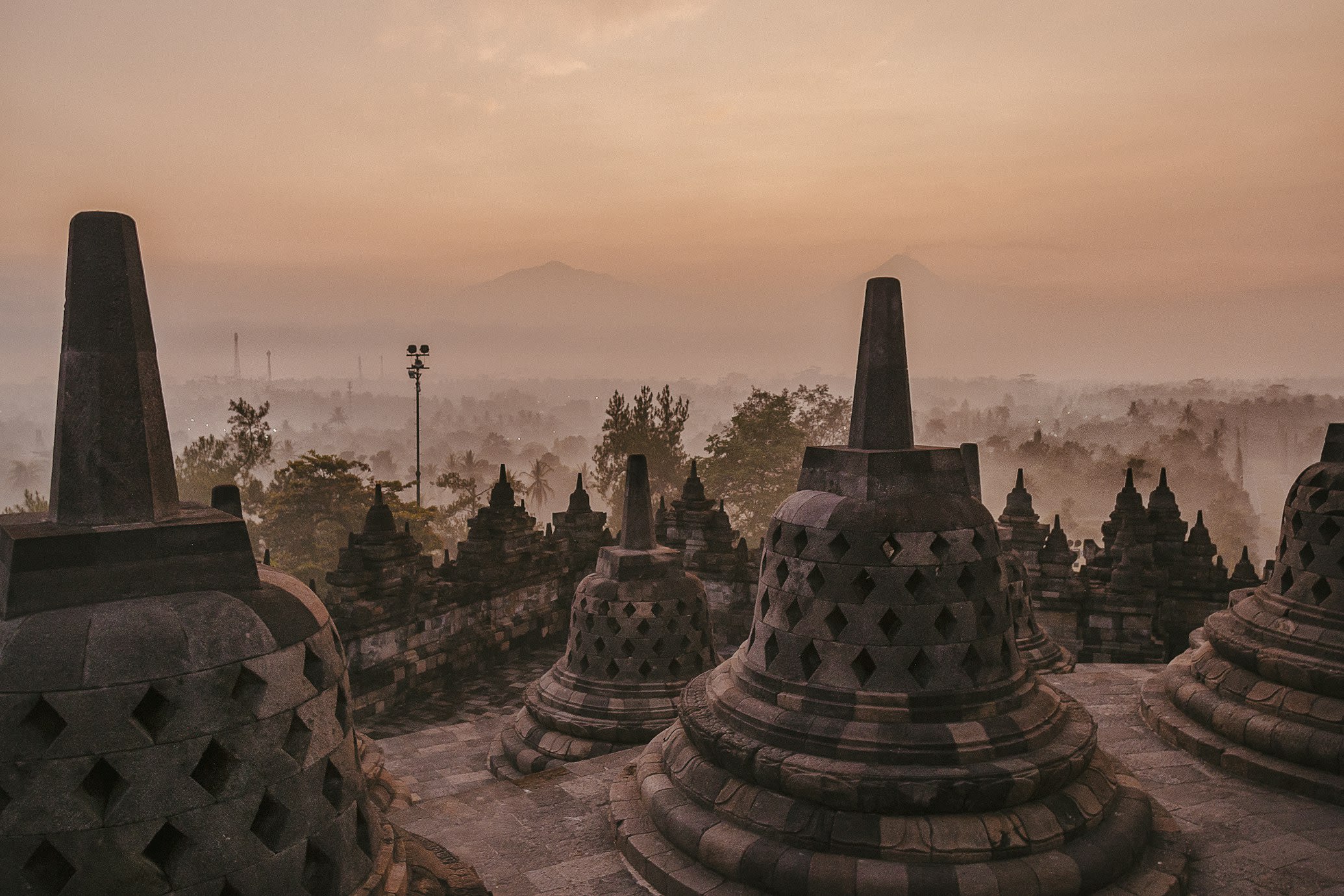
Borobudur
Desa Borobudur, Central Java, Indonesia
Borobudur is a buddhist temple of sacred significance. Approximate coordinates: -7.60787, 110.20375. Attributes: built, cultural, archaeological, pilgrimage. Tradition: Buddhism. Associated figure: Buddha. Recognized as a UNESCO World Heritage Site. Borobudur, also transcribed Barabudur (Indonesian: Candi Borobudur, Javanese: ꦕꦤ꧀ꦝꦶꦧꦫꦧꦸꦝꦸꦂ, romanized: Candhi Barabudhur), is a 9th-century Mahayana Buddhist temple in Magelang Regency, near the city of Magelang and the town of Muntilan, in Central Java, Indonesia. Constructed of gray andesite-like stone, the temple consists of nine stacked platforms, six square and three circular, topped by a central dome. It is decorated with 2,672 relief panels and originally 504 Buddha statues. The central dome is surrounded by 72 Buddha statues, each seated inside a perforated stupa. The monument guides pilgrims through an extensive system of stairways and corridors with 1,460 narrative relief panels on the walls and the balustrades. Borobudur has one of the world s most extensive collections of Buddhist reliefs. Built during the reign of the Sailendra Dynasty, the temple design follows Javanese Buddhist architecture, which blends the Indonesian indigenous tradition of ancestor worship and the Buddhist concept of attaining nirvāṇa. The monument is a shrine to the Buddha and a place for Buddhist pilgrimage. Evidence suggests that Borobudur was constructed in the 8th century and subsequently abandoned following the 14th-century decline of Hindu kingdoms in Java and the Javanese conversion to Islam. Worldwide knowledge of its existence was sparked in 1814 by Sir Thomas Stamford Raffles, then the British ruler of Java, who was advised of its location by native Indonesians. Borobudur has since been preserved through several restorations. The largest restoration project was completed in 1983 by the Indonesian government and UNESCO, followed by the monument s listing as a UNESCO World Heritage Site. Borobudur is the largest Buddhist temple in the world, and ranks with Bagan in Myanmar and Angkor Wat in Cambodia as one of the great archeological sites of Southeast Asia. Borobudur remains popular for pilgrimage, with Buddhists in Indonesia celebrating Vesak Day at the monument. Among Indonesia s tourist attractions, Borobudur is the most-visited monument. Located in Jawa Tengah, Indonesia.
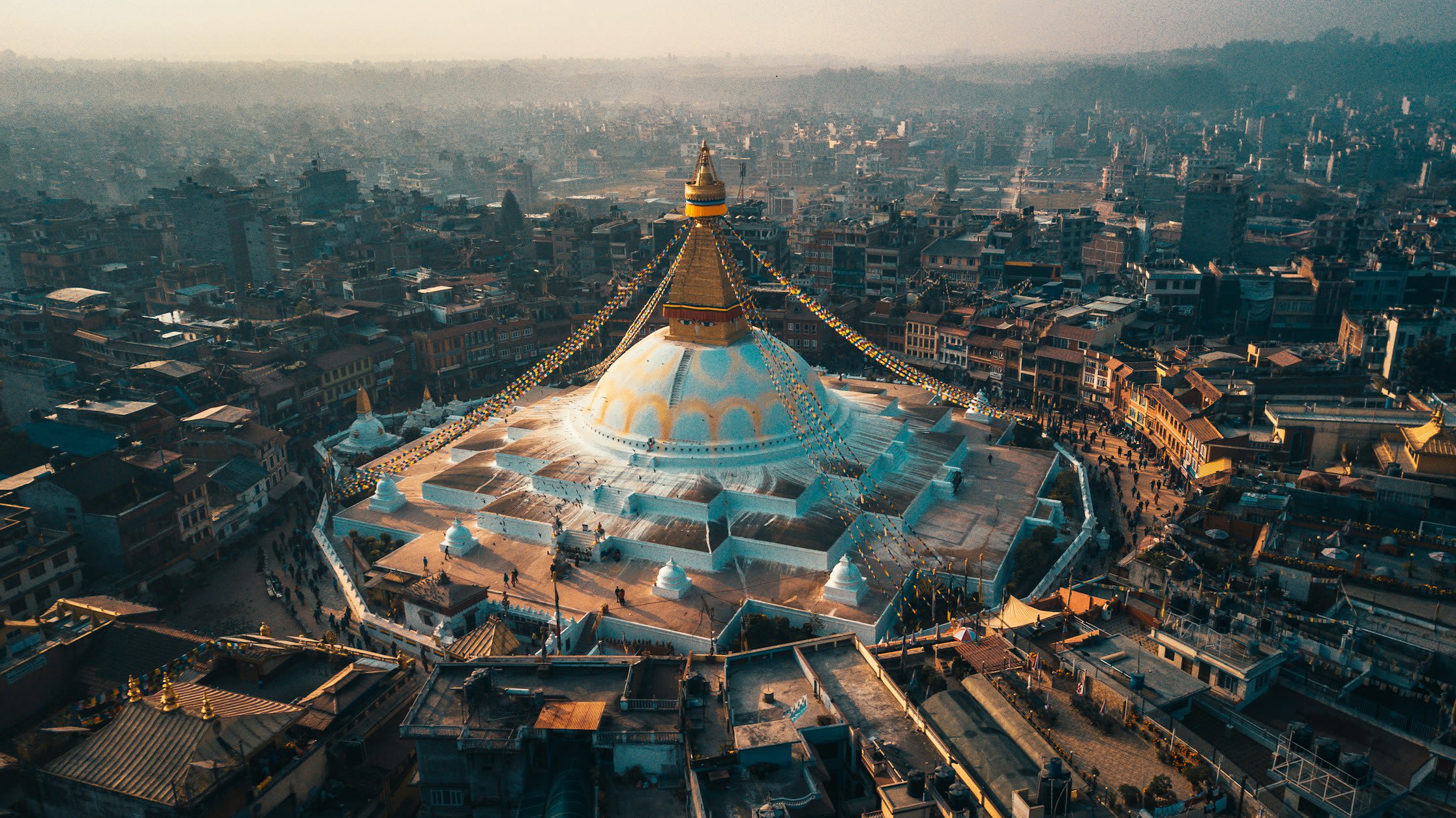
Boudhnath (Boudha)
Gokarneshwar Municipality, Bagamati Province, Nepal
Boudhnath is a buddhist temple of sacred significance. Approximate coordinates: 27.72168, 85.36192. Attributes: built, cultural, pilgrimage. Tradition: Buddhism. Located in काठमाडौँ महानगरपालिका, बागमती प्रदेश, नेपाल.
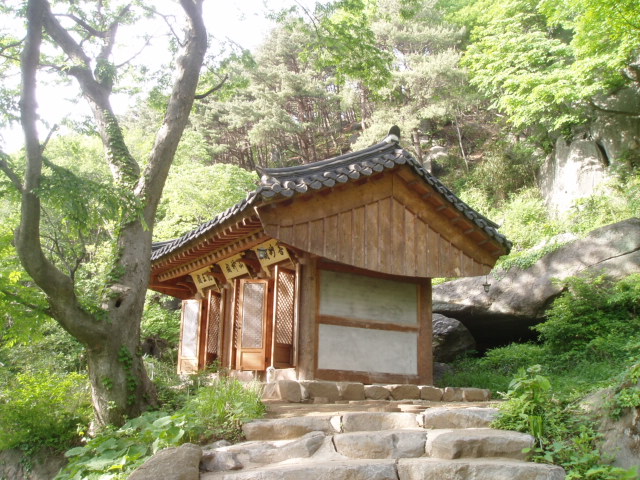
Buseok-sa
Yeongju-si, North Gyeongsang, South Korea
Buseok-sa is a buddhist temple of sacred significance. Approximate coordinates: 36.99895, 128.68746. Attributes: built, cultural, pilgrimage. Tradition: Buddhism. Associated figure: Buddha. Located in 영주시, 대한민국.

Fo Guang Shan Temple, Kaohsiung
Kaohsiung, Taiwan
Fo Guang Shan Temple, Kaohsiung is a buddhist temple of sacred significance. Approximate coordinates: 22.75168, 120.44530. Attributes: built, cultural, pilgrimage, ceremonial. Tradition: Buddhism. Associated figure: Buddha. Located in 高雄市, 臺灣.

Guang Hua Temple, Putian, Fujian, China
Chengxiang, Fujian, China
Guang Hua Temple, Putian, Fujian, China is a buddhist temple of sacred significance. Approximate coordinates: 25.42525, 118.99146. Attributes: built, cultural, pilgrimage, ceremonial. Tradition: Buddhism. Associated figure: Guanyin. Mythological context: Buddhist mythology. Located in 福建省, China.
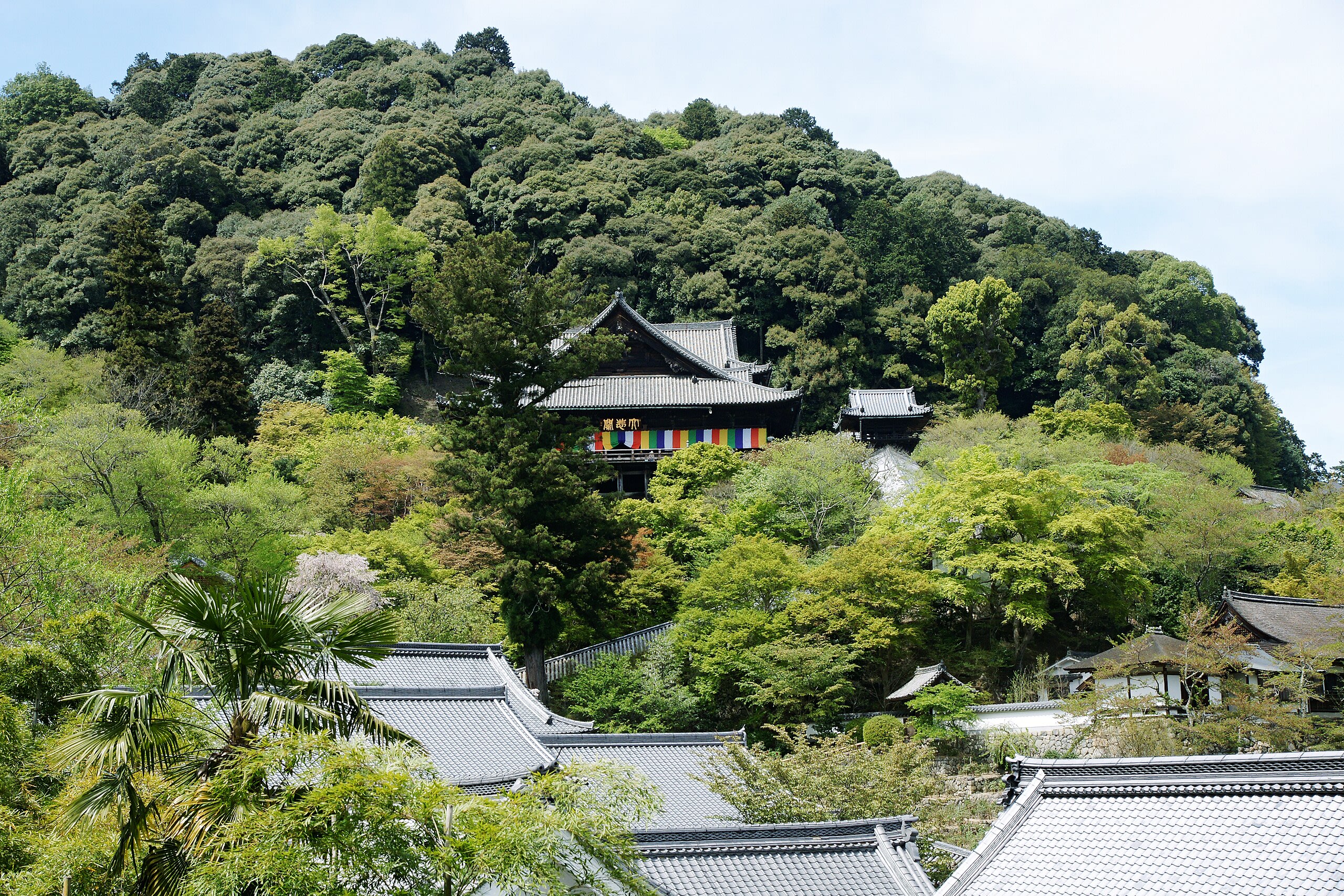
Hase-dera Shingon Buddhist Temple, Sakurai
Sakurai, Nara Prefecture, Japan
Hase-dera Shingon Buddhist Temple, Sakurai is a buddhist temple of sacred significance. Approximate coordinates: 34.53589, 135.90679. Attributes: built, cultural, pilgrimage, ceremonial. Tradition: Shingon Buddhism. Located in 桜井市, Japan.
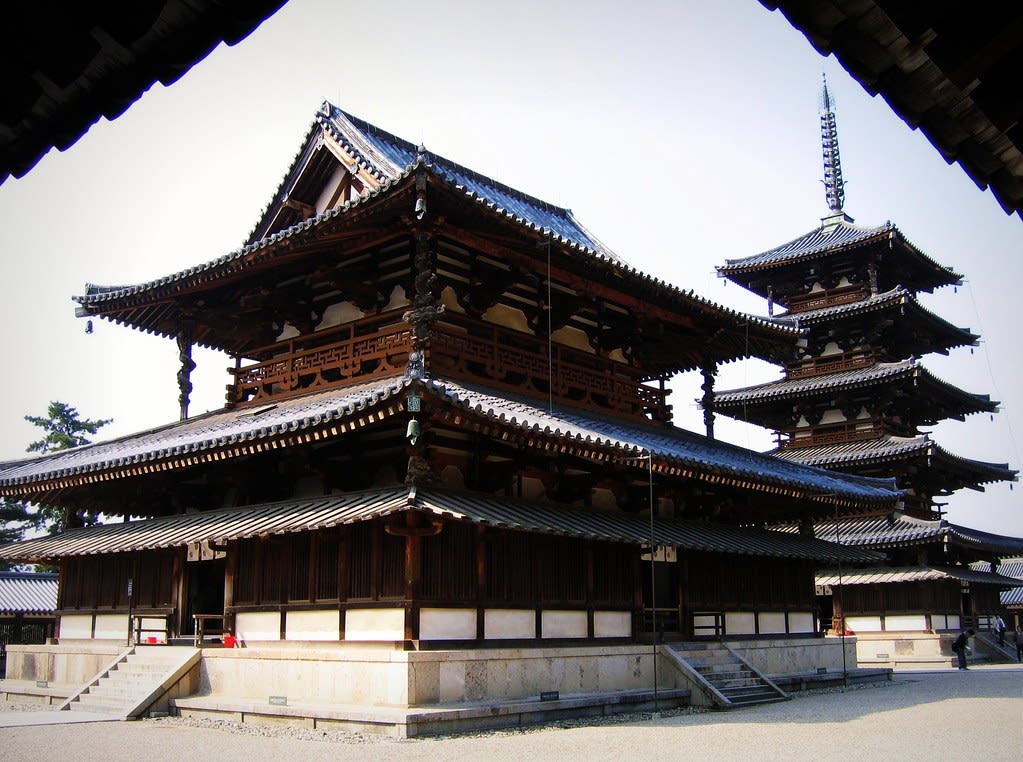
Horyuji
Ikaruga, Nara Prefecture, Japan
The pagoda and main hall of Hōryū-ji have stood for over 1,300 years—the oldest surviving wooden structures on earth. Founded by Prince Shōtoku in 607 CE to fulfill his father's dying wish, the temple became Japan's first UNESCO World Heritage Site and remains a living repository of Buddhist practice. Within its halls and treasure houses, over 180 National Treasures preserve the artistic flowering of early Japanese Buddhism. In the octagonal Yumedono, a hidden Buddha awaits those who visit during its brief seasonal openings.

Kelani Raja Maha Viharaya
Kelaniya, Western Province, Sri Lanka
Kelani Raja Maha Viharaya is a buddhist temple of sacred significance. Approximate coordinates: 6.95182, 79.91862. Attributes: built, cultural, pilgrimage, ceremonial. Tradition: Buddhism. Associated figure: Buddha. Mythological context: Buddhist mythology. Located in Western Province, Sri Lanka.
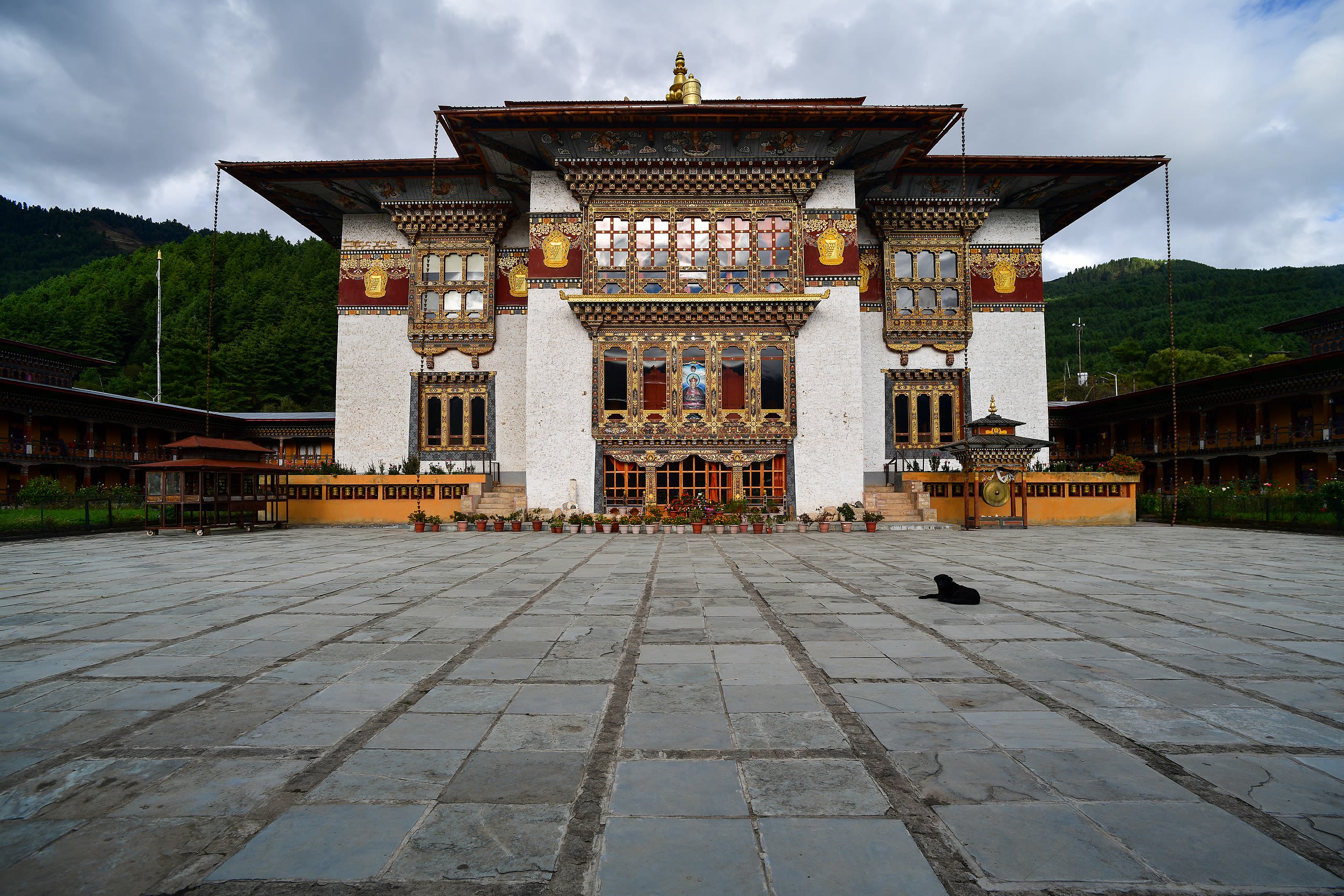
Konchogsum Lhakhang, Bumthang
Pedtsheling_Tamzhing, Bumthang District, Bhutan
Konchogsum Lhakhang, Bumthang is a buddhist temple of sacred significance. Approximate coordinates: 27.58555, 90.73936. Attributes: built, cultural, pilgrimage. Tradition: Buddhism. Associated figure: Buddha. Mythological context: Buddhist Mythology. Located in Pedtsheling_Tamzhing, བུམ་ཐང་རྫོང་ཁག་, འབྲུགཡུལ་.
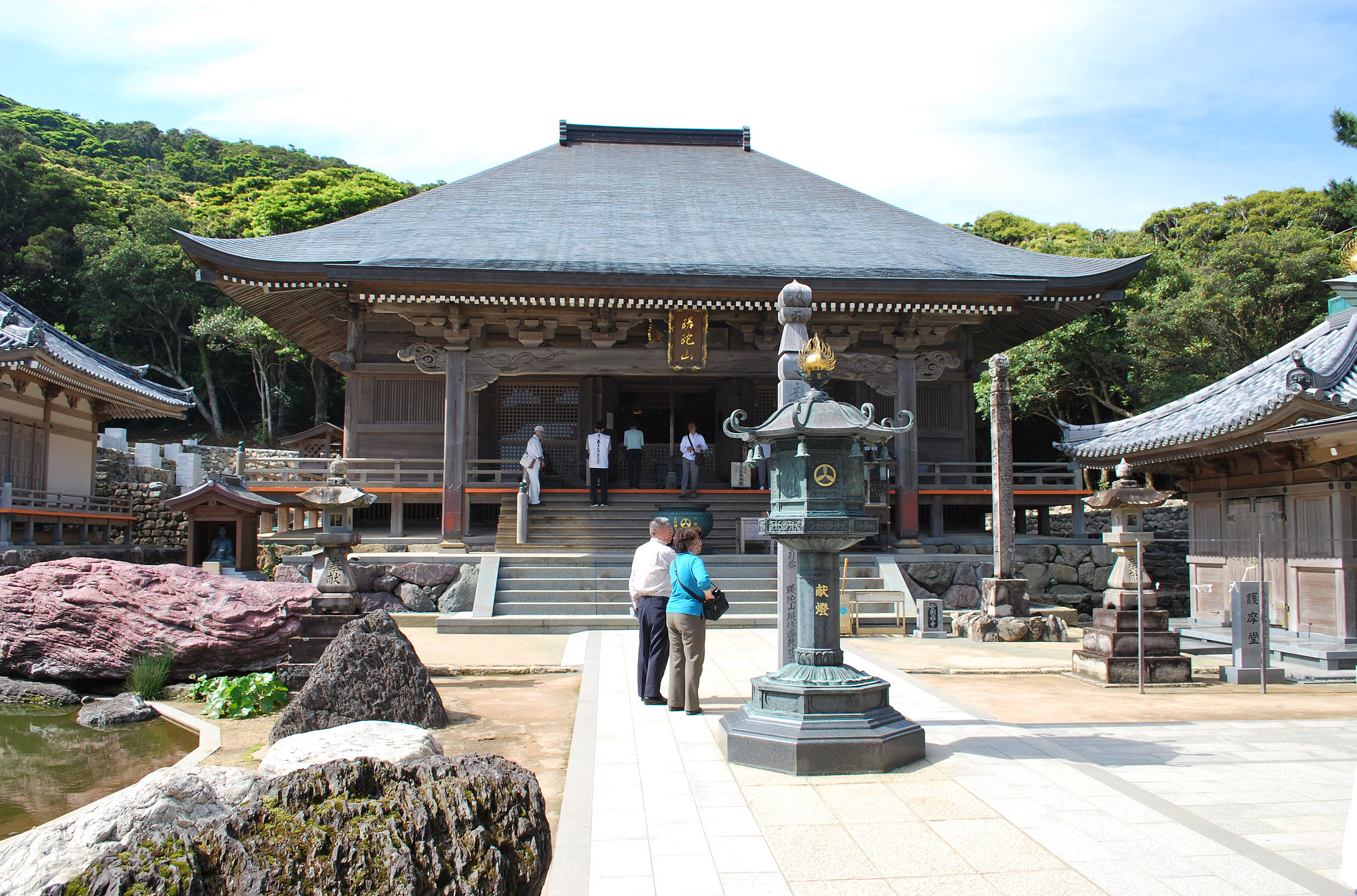
Kongofukuji Temple, Tosashimizu
Tosashimizu, Kochi Prefecture, Japan
Kongofukuji Temple, Tosashimizu is a buddhist temple of sacred significance. Approximate coordinates: 32.72557, 133.01867. Attributes: built, cultural, pilgrimage. Tradition: Buddhism. Associated figure: Kobo Daishi (Kukai). Located in 土佐清水市, Japan.

Mahamuni Pagoda, Mandalay
Mandalay, Mandalay, Myanmar
Mahamuni Pagoda, Mandalay is a buddhist temple of sacred significance. Approximate coordinates: 21.95187, 96.07851. Attributes: built, cultural, pilgrimage. Tradition: Buddhism. Associated figure: Buddha. Located in မန္တလေး, မန္တလေးတိုင်း, မြန်မာ.
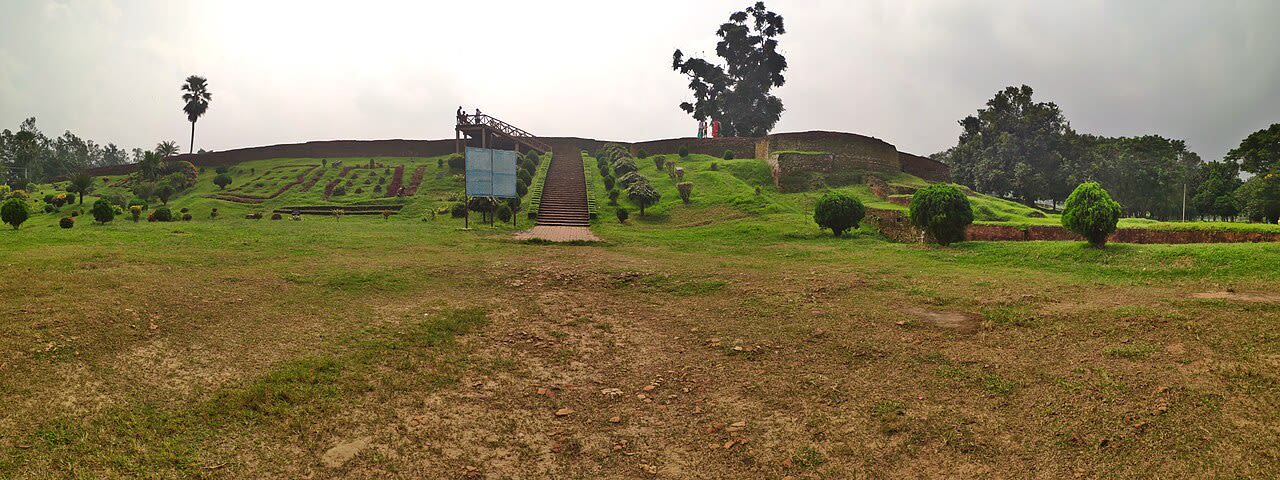
Mahasthangarh Buddhist temples
Shibganj Upazila (Bogura), Rajshahi Division, Bangladesh
Mahasthangarh Buddhist temples is a buddhist temple of sacred significance. Approximate coordinates: 24.96272, 89.34392. Attributes: built, cultural, archaeological. Tradition: Buddhism. Located in রাজশাহী বিভাগ, বাংলাদেশ.
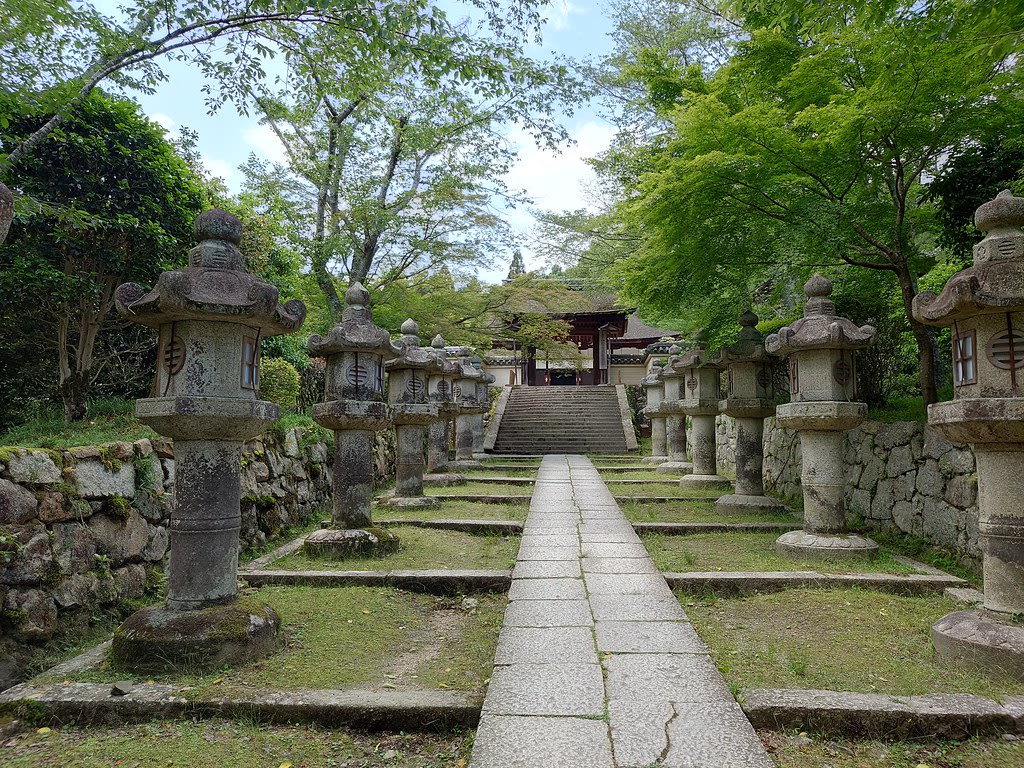
Mii-dera
Otsu, Shiga Prefecture, Japan
Mii-dera has earned its nickname—the Phoenix Temple—through seven destructions and seven risings. The sacred spring that gave the temple its name (Temple of Three Wells) provided the first bath water for three emperors in the 7th century. Today, visitors can still hear the ancient water bubbling within the Akaiya Well House. The temple serves as the head of Tendai Buddhism's Jimon sect and Temple 14 on the Saigoku Kannon Pilgrimage. Its evening bell, ranked among the Eight Views of Ōmi, has echoed across Lake Biwa for over a millennium.
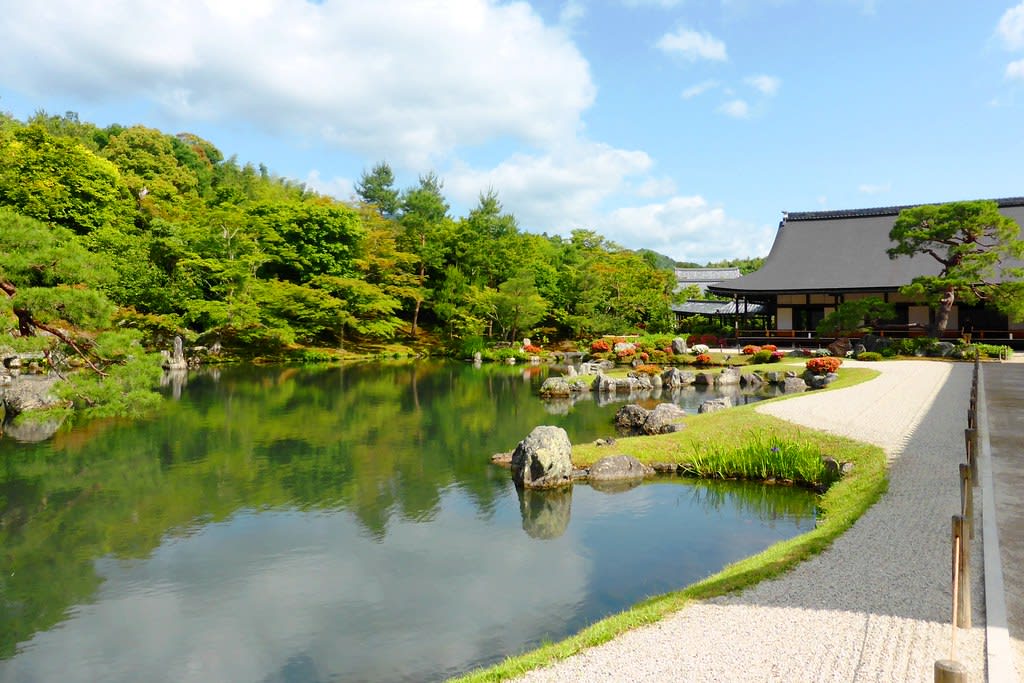
Tenryu-ji Temple
Kyoto, Kyoto, Japan
Tenryu-ji Temple in Kyoto, Kyoto, Japan.
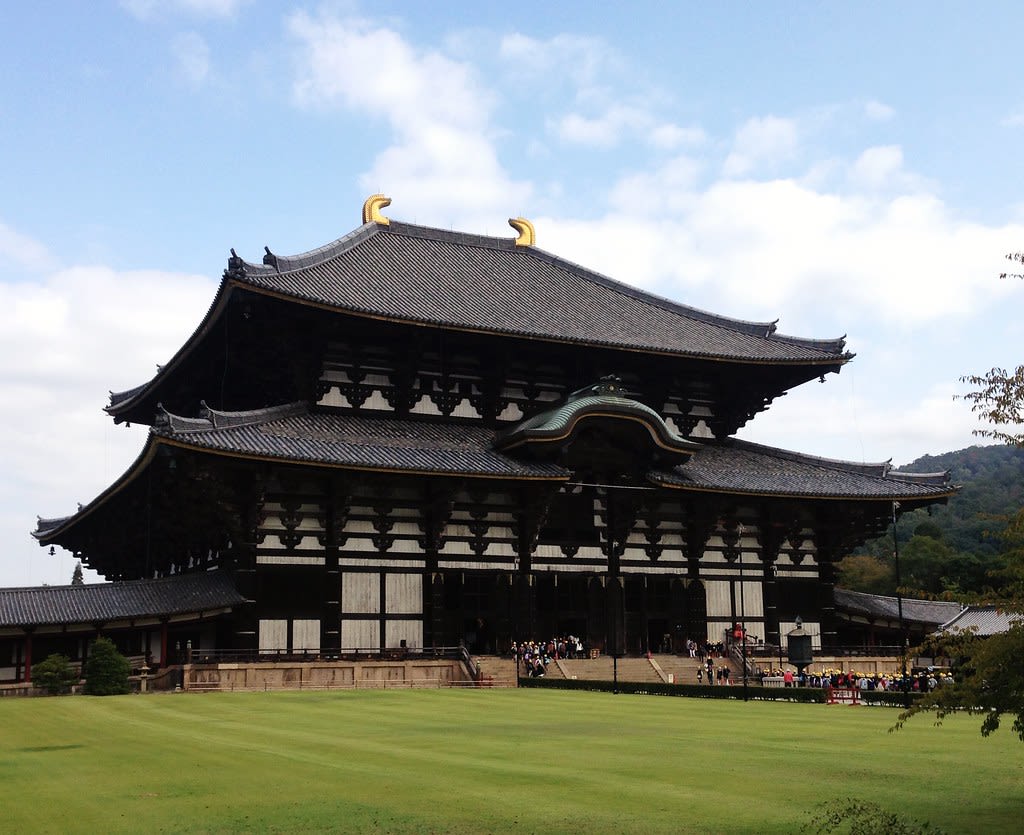
Todaiji
Nara, Nara Prefecture, Japan
In 752 CE, Emperor Shōmu consecrated a bronze Buddha of unprecedented scale—15 meters tall, cast from nearly all the copper in Japan—to bring peace to a nation wracked by plague and disaster. Today, Tōdai-ji's Great Buddha sits within one of the world's largest wooden buildings, visited by millions who come to stand before the cosmic Buddha Vairocana. Sacred deer wander the grounds as divine messengers. In March, the Omizutori ceremony draws sacred water in fire-lit rituals unchanged since 752 CE.
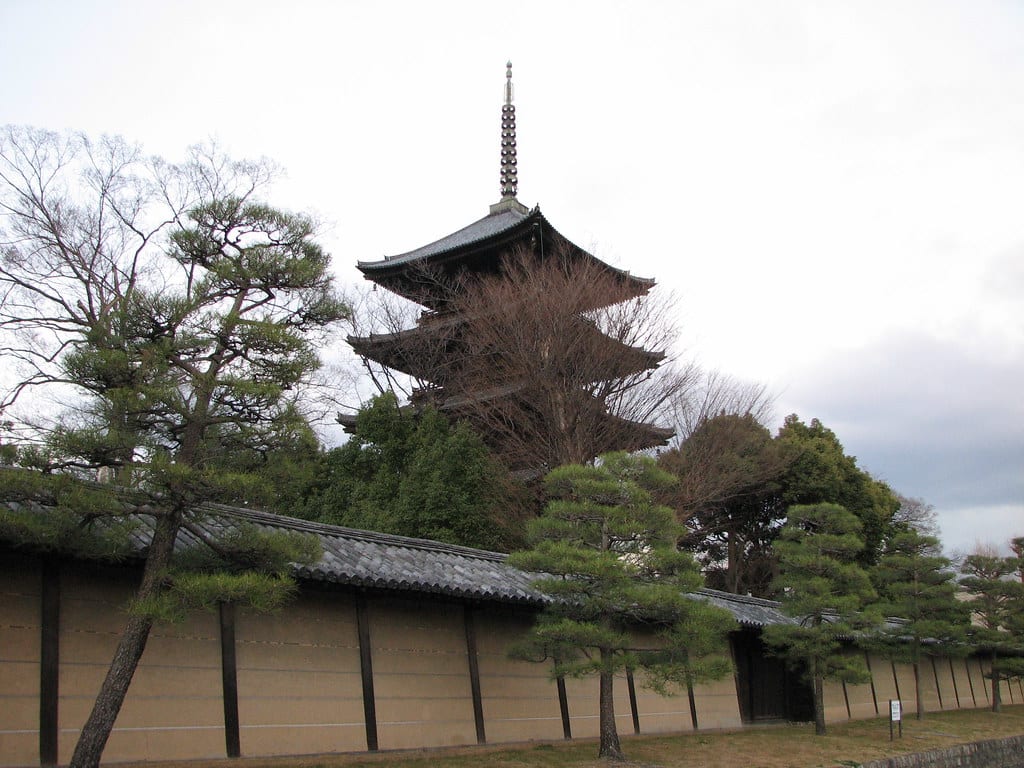
Toji
Kyoto, Kyoto Prefecture, Japan
For over 1,200 years, Tō-ji has been the beating heart of Shingon Buddhism—the esoteric tradition that Kūkai brought from China in the 9th century. The 57-meter five-story pagoda, Japan's tallest wooden structure, has become a symbol of Kyoto itself. Inside the Lecture Hall, 21 Buddhist statues form a three-dimensional mandala—the universe as understood in esoteric Buddhism made physical and walkable. On the 21st of each month, the Kobo-san market honors Kūkai with over 1,000 stalls.