Sanctuary of Chimayo, New Mexico
The Lourdes of America, where holy earth heals and pilgrims walk their prayers home
Santa Fe County, New Mexico, United States
At A Glance
- Coordinates
- 36.0039, -105.9470
- Suggested Duration
- Minimum 1-2 hours allows visiting both chapels, el pocito, prayer rooms, and grounds. Half-day allows deeper contemplation. Good Friday pilgrimage from Santa Fe (25 miles) takes 8-12 hours of walking.
- Access
- Located 25 miles north of Santa Fe on the High Road to Taos (NM 76). Address: 15 Santuario Drive, Chimayo, NM 87522. Accessible by car only; no public transportation. Handicapped parking and facilities available. Hours: 9 AM - 5 PM (October-April); 9 AM - 6 PM (May-September). Phone: (505) 351-4360.
Pilgrim Tips
- Located 25 miles north of Santa Fe on the High Road to Taos (NM 76). Address: 15 Santuario Drive, Chimayo, NM 87522. Accessible by car only; no public transportation. Handicapped parking and facilities available. Hours: 9 AM - 5 PM (October-April); 9 AM - 6 PM (May-September). Phone: (505) 351-4360.
- Modest dress appropriate for Catholic church. Cover shoulders and knees. Comfortable walking shoes advised.
- Permitted generally in chapels and grounds. Forbidden in el pocito. No flash. No photography during Mass. Professional photography requires Archdiocesan permission.
- The Penitente Brotherhood's practices are private and should not be photographed or intruded upon. During Holy Week, follow traffic and crowd management guidelines for safety. The Church takes no official position on whether miracles occur at Chimayo. Faith and skepticism can coexist; the tradition persists regardless of scientific verification. The village of Chimayo is a residential community. Respect private property and residents' need for normal life outside of pilgrimage season.
Overview
El Santuario de Chimayo is the most important Catholic pilgrimage site in the United States, drawing up to 300,000 visitors annually and tens of thousands of walking pilgrims during Holy Week. At its heart is el pocito, a small pit of sacred earth that pilgrims have collected for healing since 1810, continuing a tradition the Tewa Pueblo began centuries before.
The little adobe chapel sits quietly in a New Mexico valley, its simplicity belying its power. Each year, especially during Holy Week, tens of thousands of pilgrims walk the highways to reach it, some from as far as ninety miles, some barefoot, some carrying wooden crosses. They come for the holy dirt.
El pocito, the little well, is a pit in a small room adjacent to the main chapel. From it, pilgrims take handfuls of earth they believe possesses miraculous healing properties. They rub it on afflicted limbs, mix it with water and drink it, carry it home to those who cannot come themselves. The Church replaces the dirt from nearby hillsides, sometimes more than once daily, totaling twenty-five to thirty tons annually. Yet the tradition persists, unbroken since the chapel's founding and rooted in Tewa practices that predate it by centuries.
The walls of the prayer rooms are covered with testimony: crutches left by those who no longer need them, photographs of the healed and the hoped-for, military medals from soldiers who prayed to survive, children's shoes offered to Santo Nino de Atocha, letters in Spanish and English pleading or giving thanks. Each object represents a story, a suffering, a faith. The accumulation across generations creates weight that most visitors feel immediately.
What draws seekers here is not simply Catholic devotion, though that current runs deep. It is the tangibility of the sacred, the ability to touch and take and apply what you believe can heal. The tierra bendita, blessed earth, makes the spiritual material in a way that prayer alone cannot. In a world of abstractions, something you can hold in your hands carries particular power.
The Good Friday pilgrimage that brings tens of thousands to Chimayo was nearly extinct before 1946, when a survivor of the Bataan Death March walked 125 miles to fulfill a vow he had made in captivity. His walk sparked a renewal that transformed a fading local custom into America's largest Catholic pilgrimage. The tradition of physical suffering transformed into spiritual practice, the echo of Christ's walk to Calvary in the blistered feet of pilgrims, continues to draw those who sense that faith lived in the body reaches deeper than faith held only in the mind.
Context And Lineage
The Santuario was built between 1810 and 1816 by Bernardo Abeyta, a member of the Penitente Brotherhood, after he reportedly discovered a miraculous crucifix in the earth. The site had been sacred to Tewa Pueblo people for centuries before. The modern pilgrimage tradition was revived by Bataan Death March survivors after World War II.
According to the primary legend, on Good Friday 1810, Bernardo Abeyta was performing penance on his property when he saw a bright light emanating from the ground near the Santa Cruz River. Digging at the spot, he uncovered a six-foot wooden crucifix depicting the crucified Christ, which he identified as Nuestro Senor de Esquipulas, a devotion originating in Guatemala where similar healing earth traditions exist.
Abeyta reported the discovery to the priest at Santa Cruz, who placed the crucifix in his church. The next morning, the crucifix had disappeared and was found back in its original hole. This happened three times, convincing the community that the Lord of Esquipulas desired to remain at this spot. A chapel was built over the hole, and the earth from the site began effecting cures.
Scholars suggest Abeyta deliberately introduced the Esquipulas devotion to a location already considered sacred by the Tewa, who had practiced earth-healing at this site for centuries. If so, the genius was in recognizing and formalizing what was already present rather than creating something from nothing.
The healing tradition at Chimayo stretches back before the chapel through Tewa Pueblo practice, forward through two centuries of Catholic devotion, and outward through connection to Esquipulas, Guatemala, where similar healing earth traditions persist.
The Penitente Brotherhood, the lay confraternity to which Abeyta belonged, has maintained presence since the early 1800s. Their practices, emphasizing penance and mutual aid, filled vital community roles when priests were scarce in northern New Mexico.
The Good Friday pilgrimage represents a particular lineage: from the veterans of World War II who revived it, through generations who have walked since, to the tens of thousands who continue today. The tradition of physical suffering transformed into prayer, of walking as devotion, connects contemporary pilgrims to practices stretching back centuries.
Bernardo Abeyta
historical
Founder of the Santuario, member of the Penitente Brotherhood, who discovered the miraculous crucifix and built the chapel around 1810-1816.
Nuestro Senor de Esquipulas
devotion
The miraculous crucifix that Abeyta discovered and that remains behind the altar. The devotion originated in Guatemala, where similar healing earth traditions exist.
Santo Nino de Atocha
devotion
Jesus depicted as a child pilgrim, patron of travelers and prisoners. The adjacent chapel houses a beloved statue; believers leave children's shoes for his nightly wanderings.
Conrado Vigil
historical
Bataan Death March survivor who walked 125 miles from Belen to Chimayo in 1946 to fulfill a wartime vow, sparking the revival of the Good Friday pilgrimage.
Why This Place Is Sacred
Chimayo's quality as a thin place emerges from the convergence of indigenous and Catholic sacred geography, the tangibility of healing earth that pilgrims can touch and take, the accumulated faith expressed in thousands of ex-votos, the physical practice of pilgrimage that transforms suffering into prayer, and the continuous tradition stretching back before the chapel was built.
The Tewa Pueblo people considered this ground sacred before any chapel stood here. Hot springs in the valley held healing spirits, and when the springs dried up, the power was believed to remain in the earth itself. The Tewa gathered soil, mixed it with water, and applied it to wounds. Whatever they recognized in this place predates Catholic interpretation by centuries.
When Bernardo Abeyta built the chapel in the early 1800s, he was not creating sacred space but acknowledging what the landscape already was. The legend of the miraculous crucifix appearing in the earth, returning three times to its discovery site after being moved to the parish church, suggests the site's insistence on its own significance. The tierra bendita tradition that developed echoes both the Guatemalan Esquipulas devotion Abeyta introduced and the indigenous practice that was already present. Two traditions met in the same soil.
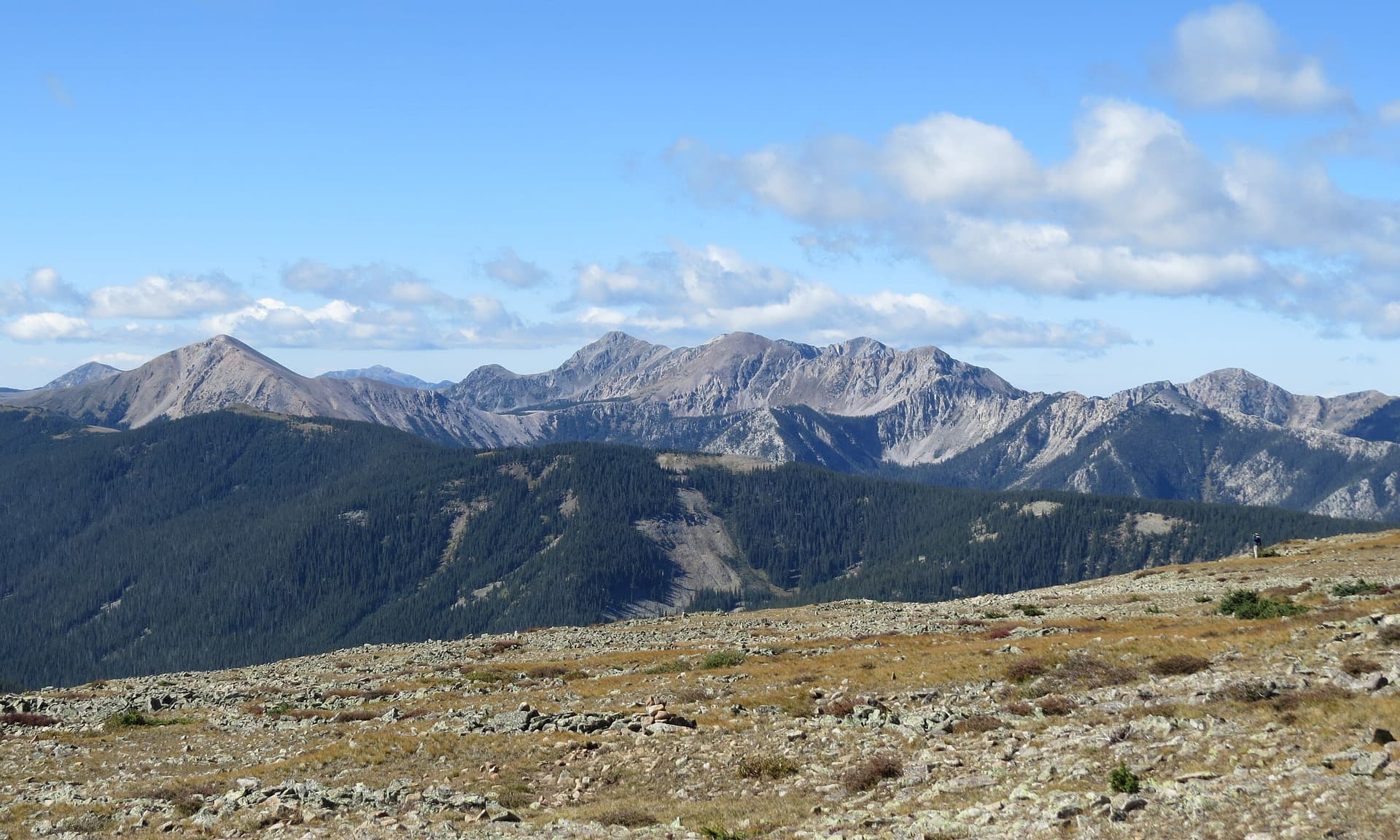
The Sangre de Cristo Mountains, whose name means Blood of Christ, create a sense of enclosure. The valley holds the chapel as a chalice holds wine. Something about the geography encourages a sense of separation from ordinary reality, of entering a space set apart.
The accumulated faith of generations adds another layer. The prayer rooms are lined with ex-votos: crutches, photographs, military medals, children's shoes, handwritten prayers. Each represents someone's hope or gratitude, their willingness to believe that this place, this dirt, this practice might help. The density of expressed faith creates atmosphere.
The physical act of pilgrimage, walking miles through high desert, arriving exhausted and blistered, prepares body and spirit for whatever encounter follows. The suffering is not punishment but preparation, an echo of Christ's journey to Calvary that pilgrims take into their own bodies. Faith practiced this way goes deeper than faith merely believed.
The Tewa recognized this valley as healing ground for centuries before colonization. When Bernardo Abeyta built the chapel around 1810-1816, he formalized Catholic worship at a site already considered sacred, housing a crucifix he identified with the Guatemalan devotion to Our Lord of Esquipulas. The tierra bendita tradition synthesized indigenous and Catholic healing practices around the same earth.
The chapel remained in the Abeyta family until the Spanish Colonial Arts Society purchased it in 1929 and donated it to the Archdiocese of Santa Fe. The Good Friday pilgrimage, which had declined, was revived dramatically in 1946 when Bataan Death March survivor Conrado Vigil walked 125 miles to fulfill a wartime vow. Other veterans followed, and within years the pilgrimage grew into America's largest Catholic walking pilgrimage.
Father Casimiro Roca served the community from 1954 to 2015, overseeing restoration and development. The Santo Nino Chapel was renovated as a children's chapel. The site received National Historic Landmark designation in 1970.
Today, approximately 300,000 visitors come annually, with Holy Week bringing 30,000 to 60,000 walking pilgrims. The tradition shows no signs of diminishing.
Traditions And Practice
Daily Mass is celebrated at El Santuario de Chimayo. The tierra bendita tradition allows all visitors to take holy dirt from el pocito. The Good Friday pilgrimage brings tens of thousands of walking pilgrims. Ex-votos may be left in the prayer rooms.
The Penitente Brotherhood historically performed and continues to perform private devotions during Holy Week, including rosaries, Stations of the Cross, and singing of alabados, traditional Spanish laments. The tierra bendita ritual of taking earth from el pocito and applying it for healing dates to the sanctuary's founding and has indigenous antecedents. The leaving of ex-votos as testimony to healings or prayers is continuous tradition.
Daily Mass is celebrated at 11:00 AM, with location varying seasonally. Sunday Masses occur at 10:30 AM in Spanish and 12:00 PM in English. Free guided tours are offered on Fridays at 10:30 AM, 12:30 PM, and 2:30 PM.
The Good Friday pilgrimage brings 30,000 to 60,000 walking pilgrims during Holy Week. Some walk from Albuquerque (90 miles) or Santa Fe (25 miles), with some traveling barefoot or carrying crosses. Traffic control and medical stations support the pilgrims along the routes.
The tierra bendita may be taken freely from el pocito. Small bags are available for carrying the dirt. Ex-votos may be left in the prayer rooms. Candles may be lit. Holy dirt can even be requested by mail for those unable to visit.
For meaningful engagement, arrive with intention rather than curiosity alone. Consider what you might bring to this place, what healing or hope you seek for yourself or others.
In el pocito, take time with the act of taking earth. Kneel, reach down, feel the soil in your hands. Whether you apply it to your body, take it home, or simply hold it, engage with the tangibility that distinguishes this devotion.
If you leave an ex-voto, let it represent something genuine: a photograph of someone you pray for, a written note expressing what words you have, an object meaningful to your need. These are not decorations but communications.
If possible, consider walking at least a portion of the journey rather than driving directly to the parking lot. The tradition of pilgrimage on foot transforms the body into the prayer. Even a mile or two of walking changes the quality of arrival.
For the deepest engagement, come during Holy Week and join the walking pilgrims. The experience of arriving after miles of highway, exhausted and blistered, connects to something the drive-through visit cannot reach.
Tierra Bendita Healing Tradition
ActiveThe holy earth from el pocito is the central devotional focus of El Santuario. Pilgrims believe it possesses miraculous healing properties. The tradition predates the Catholic chapel, originating with Tewa Pueblo practices. The Church replaces the dirt regularly but takes no official position on miracles.
Pilgrims enter el pocito and take earth from the pit. The dirt is applied to the body, mixed with water and consumed, or taken home. Many leave ex-votos in adjacent prayer rooms: photographs, crutches, medals, and handwritten testimonies.
Good Friday Pilgrimage
ActiveThe largest Catholic pilgrimage in the United States, bringing 30,000-60,000 walking pilgrims during Holy Week. Revived after World War II by Bataan Death March survivors. Transforms physical suffering into spiritual practice.
Pilgrims walk from across New Mexico, some from Albuquerque (90 miles) or Santa Fe (25 miles). Many walk barefoot or carry crosses. Upon arrival, pilgrims attend Mass, pray at el pocito, and take holy dirt.
Santo Nino de Atocha Devotion
ActiveThe adjacent chapel houses a statue of Jesus as child pilgrim. According to tradition, Santo Nino wanders at night bringing healing and comfort, wearing through his shoes in service. Patron of travelers, prisoners, and the abandoned.
Visitors leave children's shoes at the statue's feet as offerings. The chapel walls are covered with ex-votos and photographs. The devotion became significant to World War II soldiers who attributed survival to Santo Nino's intercession.
Tewa Pueblo Healing Traditions
HistoricalThe Tewa considered this valley sacred before colonization. Hot springs held healing spirits, and after they dried, the power remained in the earth. Their practices of gathering soil for healing predate and underlie the Catholic devotion.
The Tewa gathered obsidian-laced soil, mixed it with water, and applied it to wounds or consumed it. Thirty-three prehistoric settlements have been documented in the area.
Experience And Perspectives
Visitors to Chimayo consistently describe a profound sense of peace upon entering the intimate adobe interior. The accumulation of ex-votos covering the prayer room walls creates overwhelming sense of communal prayer across time. The experience of taking earth from el pocito creates visceral connection to the site's healing tradition.
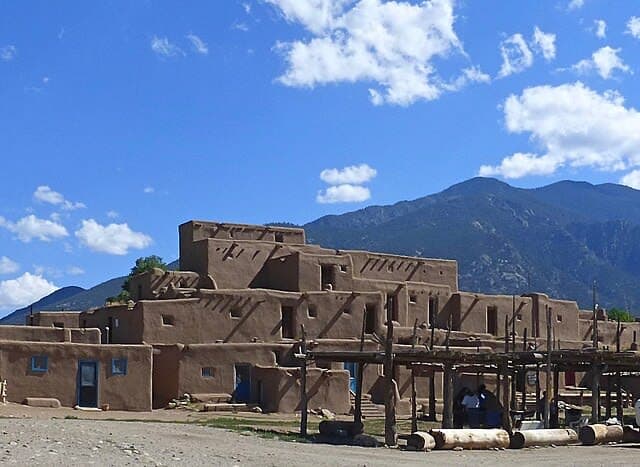
The first impression is of intimacy. The adobe chapel is small, its ceiling low, its proportions human rather than monumental. After the vast landscapes of New Mexico, this enclosure feels like homecoming. Light filters through small windows onto whitewashed walls and the painted wooden saints that line the altar.
The main chapel contains the Esquipulas crucifix behind the altar screen, the founding sacred object that reportedly returned three times to this site after being moved. Praying before it connects visitors to the devotion that began in 1810. The santos and bultos, carved wooden saints of New Mexican folk tradition, create an atmosphere distinctly different from typical church aesthetics.
The prayer rooms adjacent to el pocito convey what statistics cannot. Every surface is covered with testimony: crutches and braces left by those claiming healing, photographs of the sick and the recovered, military medals from soldiers who prayed to survive, handwritten notes in Spanish and English expressing gratitude or pleading for help. Each object carries someone's suffering and hope. The accumulation across generations creates a presence that many find overwhelming. Tears are common.
Entering el pocito itself requires kneeling. The small room, the round pit in the floor, the act of reaching down to take earth: all create a physical posture of humility and supplication. Whether or not one believes in miraculous healing, the act of taking holy dirt engages the body in ways that mere prayer does not. Something you can hold in your hands, apply to your skin, carry home to those you love: this tangibility distinguishes Chimayo from more abstract devotion.
Those who walk during Holy Week describe the pilgrimage itself as transformative. Miles of highway, blistered feet, exhausted bodies arriving at dawn: the suffering becomes prayer, the physical echo of Christ's walk to Calvary. To arrive after such a journey and then kneel to take earth is to have earned something through effort that cannot be bought.
Approach Chimayo as pilgrims have approached it for two centuries: with intention and openness. The drive through the Sangre de Cristo foothills along the High Road to Taos prepares the mind, the landscape shifting from desert to pine as elevation rises.
In the main chapel, take time with the Esquipulas crucifix. This is the founding image, the object around which the devotion formed. The santos and retablos deserve slow attention, examples of New Mexican folk Catholic art created with devotion rather than academic training.
The prayer rooms require patience. Each object on the walls represents a story. Reading handwritten notes, studying photographs of unknown faces, sitting with the weight of so much expressed hope: this is not museum viewing but encounter.
In el pocito, kneel and take earth. Whether you believe in its healing properties matters less than the act of humility and participation. The dirt itself is ordinary clay from nearby hillsides, blessed and replenished regularly. What pilgrims do with it, how they approach it, the faith they bring: these transform the substance.
The Santo Nino Chapel next door offers devotion of different character. The child-sized shoes covering every surface testify to the belief that Santo Nino wanders at night helping those in need, wearing through his shoes in service. The tenderness of this tradition touches even skeptical visitors.
El Santuario de Chimayo invites interpretation from scholarly, indigenous, Catholic, and alternative perspectives. Each illuminates aspects of why this small adobe chapel draws hundreds of thousands seeking healing.
Scholars recognize Chimayo as significant example of religious syncretism where indigenous Tewa healing traditions merged with Spanish Colonial Catholicism and specifically the Guatemalan Esquipulas devotion. Stephen de Borhegyi theorized that Abeyta deliberately introduced Esquipulas to a location already sacred to indigenous peoples. The site is studied as exemplar of New Mexican folk Catholicism and Penitente traditions. The post-World War II pilgrimage revival by Bataan survivors is documented as key moment in the tradition's modern development.
For Catholic tradition, Chimayo represents the healing ministry of Christ made tangible through blessed earth. The persistence of the devotion across two centuries, the testimony of claimed healings, the annual pilgrimage: all demonstrate living faith. The Church takes no official position on whether miracles occur, maintaining appropriate distinction between popular devotion and verified miracle. The tierra bendita tradition is permitted and blessed without being doctrinally required.
The Tewa Pueblo recognized this valley as sacred before colonization. The healing power attributed to the earth originates in their beliefs about spirits residing in hot springs and, after their drying, in the earth itself. While the current site operates within Catholic framework, indigenous understanding of the land's healing properties underlies the tradition.
Some interpret Chimayo's power through geomagnetic or telluric properties of the valley. The site sometimes appears in discussions of North American power spots. Skeptical investigators argue that healing claims are unsubstantiated and that the holy dirt is ordinary soil trucked in and blessed. The truth may be that the framework matters less than the engagement: what pilgrims do with the earth, the faith they bring, the physical practice of pilgrimage.
Central mysteries remain. What accounts for the healings claimed by thousands? Whether the tierra bendita possesses properties beyond the ordinary remains unexplained. The original crucifix's discovery and reported triple return cannot be historically verified. The exact relationship between Tewa sacred geography and the Catholic site remains partially obscured by time. Why this particular location, among many in northern New Mexico, became the nation's most important Catholic pilgrimage site involves factors that resist complete explanation.
Visit Planning
El Santuario de Chimayo is located approximately 25 miles north of Santa Fe on the High Road to Taos. Open daily year-round. Good Friday pilgrimage brings the largest crowds. The drive itself through the Sangre de Cristo foothills is part of the experience.
Located 25 miles north of Santa Fe on the High Road to Taos (NM 76). Address: 15 Santuario Drive, Chimayo, NM 87522. Accessible by car only; no public transportation. Handicapped parking and facilities available. Hours: 9 AM - 5 PM (October-April); 9 AM - 6 PM (May-September). Phone: (505) 351-4360.
Limited lodging in Chimayo itself. Santa Fe (30 minutes south) offers extensive options at all price points. Taos (45 minutes north) provides additional choices along the High Road.
Chimayo welcomes all visitors but requires respectful behavior in an active place of worship. Photography is forbidden in el pocito. Modest dress is expected. Silence and prayerful demeanor should be maintained inside the chapels.
Dress modestly as appropriate for a Catholic church: shoulders covered, knees covered preferred. Comfortable walking shoes are advised for exploring the grounds and essential for pilgrimage.
Photography is permitted in the chapels and grounds but is forbidden in el pocito, the sacred dirt room. No flash photography anywhere. No photography during Mass or other liturgies. Professional, academic, or commercial photography requires permission from the Archdiocese.
Maintain silence and prayerful demeanor inside the chapels. Do not disturb worshippers at prayer. Cell phones should be silenced.
Ex-votos may be left in the prayer rooms: photographs, medals, letters, crutches, or other objects of testimony. Small donations support shrine maintenance. Children's shoes may be left at the Santo Nino shrine.
Modest dress appropriate for Catholic church. Cover shoulders and knees. Comfortable walking shoes advised.
Permitted generally in chapels and grounds. Forbidden in el pocito. No flash. No photography during Mass. Professional photography requires Archdiocesan permission.
Candles may be lit. Ex-votos may be left in prayer rooms. Children's shoes appropriate at Santo Nino shrine. Small donations support maintenance. Holy dirt is free to take.
Photography forbidden in el pocito. Silence and prayerful behavior inside chapels. Do not disturb worshippers. Respect Penitente privacy during Holy Week. Respect Chimayo village residents and private property.
Sacred Cluster
Nearby sacred places create the location cluster described in the growth plan. This block is intentionally crawlable and links into the wider regional graph.