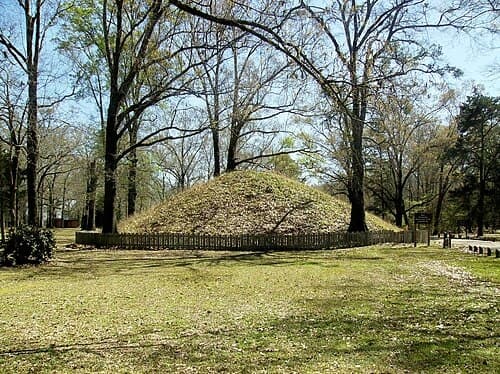
Marksville mounds
Sacred burial ground returned to the Tunica-Biloxi Tribe, where ancestors rest and ancient connections become visible
Marksville, Louisiana, United States
At A Glance
- Coordinates
- 31.1269, -92.0683
- Suggested Duration
- Two to three hours including the Tunica-Biloxi Cultural and Educational Resources Center.
Pilgrim Tips
- Casual, respectful attire appropriate for outdoor site visit.
- Check current policies when arranging visit. Photography rules may be set by tribal management.
- The site contains sacred Native American burial grounds. Approach with appropriate reverence. Do not disturb mounds or remove any materials. Follow all directions from site staff. Check current policies when arranging your visit, as access and programming may evolve under tribal management.
Overview
For two thousand years, the mounds at Marksville have held the dead. The Marksville culture that built them was connected by trade and ceremony to peoples across North America, demonstrating how interconnected the continent was long before Europeans arrived. In 2022, the site was returned to the Tunica-Biloxi Tribe, restoring sacred ancestral land to its rightful stewards. The burial ground now belongs again to those whose ancestors rest within it.
The embankment at Marksville stretches 3,300 feet, curving in a great semicircle on a bluff above Old River. For over two thousand years, the mounds within have held the dead. The people who built this place were not isolated. They were connected to a continent.
This is what makes Marksville significant beyond its local importance. As Louisiana State Archaeologist Chip McGimsey explains, Marksville demonstrates "for the first time how connected North America was in the past. It wasn't little communities isolated from each other." The artifacts found here came from far away. The ceremonial practices echo those at sites hundreds of miles distant. The people of Marksville participated in something larger than themselves.
The Marksville culture, a regional variant of the broader Hopewell tradition, flourished here from approximately 50 BCE to 350 CE. They built burial mounds and earthen embankments, created distinctive pottery, conducted elaborate mortuary ceremonies, and traded across vast distances. Then, for reasons we do not fully understand, the site was abandoned.
For centuries, the mounds persisted on the bluff. European colonization brought new peoples, new languages, new meanings. The site eventually became a state historic site, managed by Louisiana and interpreted through archaeology.
Then, in 2022, something changed. Ownership of Marksville was transferred from the State of Louisiana to the Tunica-Biloxi Tribe. The ancestral land returned to descendants of those who built it. The sacred burial ground came home.
This return matters. It means that visiting Marksville is not merely visiting an archaeological site but standing on land that a living Indigenous nation considers sacred, land they now steward as their own.
Context And Lineage
Marksville was constructed by the Marksville culture, a regional variant of the Hopewell tradition, from approximately 50 BCE to 350 CE. The site was abandoned after 350 CE and persisted as mounds on the landscape until modern preservation. National Historic Landmark designation came in 1964. In 2022, ownership was transferred to the Tunica-Biloxi Tribe.
The Marksville culture emerged as a regional expression of the Hopewell tradition, which linked ceremonial centers across eastern North America through trade, shared iconography, and related practices. Between 50 BCE and 350 CE, the people of Marksville built the embankment and mounds that remain today.
The embankment forms a semicircle on the bluff, with the river providing the open side. Within this enclosed space, they built burial mounds and conducted mortuary ceremonies. The timing of these ceremonies appears to have been keyed to astronomical observations, with sight lines from Mound 5 marking solar positions.
Trade goods found at the site demonstrate connections across the continent. Raw materials from distant sources appear in Marksville artifacts. The people here were not isolated but participants in networks spanning hundreds of miles.
After 350 CE, the site was abandoned. The reasons remain unclear. The mounds persisted, eventually becoming the archaeological site that modern investigation documented.
The Tunica-Biloxi Tribe is a federally recognized tribe descended from multiple earlier peoples including the Tunica, Biloxi, Ofo, and Avoyel. The tribe's connection to the Marksville site represents ancestral heritage, though the specific relationships between the Marksville culture and later tribal populations are complex.
The 2022 land transfer recognized the Tunica-Biloxi as rightful stewards of this ancestral site. The tribe operates the Cultural and Educational Resources Center nearby and maintains the site as part of their cultural heritage.
Gerald Fowke
historical
Smithsonian archaeologist who conducted the first scientific investigation of Marksville in 1926, establishing its significance for American archaeology.
Why This Place Is Sacred
Marksville's sacredness emerges from two thousand years as a burial ground, its role in a ceremonial complex connecting peoples across ancient America, the astronomical alignments that timed ceremonies, and the 2022 return of the land to the Tunica-Biloxi Tribe. The site demonstrates that sacredness can be restored, that return is possible.
The primary sacred function of Marksville was burial. The mounds within the earthen embankment held the dead of the Marksville culture. These were not simple graves but elaborate mortuary constructions, reflecting beliefs about death and afterlife that required significant community effort to express.
Burial was connected to ceremony. Research has established that from Mound 5, lines of sight to other mounds marked the rising and setting positions of the sun. The timing of burials and associated rituals was likely keyed to these celestial markers. The dead were placed within cosmic patterns.
The site's connections to distant places adds dimension. The Marksville culture was part of the Hopewell tradition, which linked ceremonial centers across the eastern half of North America. Trade goods moved hundreds of miles. Ceremonial practices showed shared elements across vast distances. To be buried at Marksville was to be buried within a network, not merely a local community.
The 2022 land transfer transformed what the site means. For decades, Marksville was managed by outsiders, however well-intentioned. Now it belongs to the Tunica-Biloxi Tribe, descendants of peoples connected to this land. The ancestors buried here are their ancestors. The sacred ground is their sacred ground.
This return does something that archaeology cannot measure. It restores relationship. The land is no longer orphaned, no longer separated from those who hold it sacred. Something broken has been repaired.
Marksville functioned as a ceremonial center where people from nearby villages gathered for important social and religious events. The primary purpose was mortuary: the burial of the dead within mounds built for that function. The embankment enclosed sacred space, separating the burial precinct from ordinary ground. Astronomical alignments timed ceremonies to celestial events.
The site was occupied from approximately 50 BCE to 350 CE, then abandoned for reasons that remain unclear. The mounds persisted through subsequent occupation of the region. The first scientific investigation came in 1926 when Smithsonian archaeologist Gerald Fowke documented the site. National Historic Landmark designation followed in 1964.
The critical evolution came in 2022 with the transfer of ownership to the Tunica-Biloxi Tribe. This was not merely administrative change but spiritual return. The site transitioned from state-managed archaeological preserve to tribally stewarded sacred land.
Traditions And Practice
No public ceremonial practices take place at Marksville today. The site is managed by the Tunica-Biloxi Tribe and open by appointment only. Visitors engage through scheduled tours and by visiting the nearby Tunica-Biloxi Cultural and Educational Resources Center.
The Marksville culture conducted elaborate mortuary ceremonies, burying the dead within mounds that required significant community labor to construct. Astronomical observations timed ceremonies to celestial events. Trade networks brought exotic materials for ceremonial use. Community gatherings in the enclosed space served both religious and social functions.
Specific practices are not fully documented and can only be inferred from archaeology and comparison with practices at related Hopewell sites.
The Tunica-Biloxi Tribe maintains the site as sacred ancestral land. Educational programming continues through the tribe's Cultural and Educational Resources Center. The specific practices of tribal stewardship are conducted by the tribe and are not public programming.
Visitors engage through scheduled appointments at the site and through the museum, which offers exhibits, artifacts, and a nature trail.
Contact the site in advance to arrange a visit. The appointment-only policy reflects the site's status as sacred ground under tribal stewardship.
Allow time for the Tunica-Biloxi Cultural and Educational Resources Center. The museum's "Tunica Treasure" collection and other exhibits provide context that enriches understanding of the mounds.
Approach the visit with awareness that you are entering burial ground that a living Indigenous nation considers sacred. The tribe has chosen to allow visitors, but access is a privilege rather than a right.
Consider what the land return means. Your visit occurs after a historic transfer of ownership. What you experience includes the restoration of relationship between land and people.
Marksville culture
HistoricalThe Marksville culture, a southeastern variant of the Hopewell tradition, built and used this ceremonial center from approximately 50 BCE to 350 CE. Characterized by elaborate mortuary ceremonialism, conical burial mounds, extensive trade networks, and distinctive pottery, the Marksville people were connected to communities across North America.
Construction of burial mounds. Elaborate mortuary ceremonies. Trade networks importing materials from distant sources. Astronomical observations timing ceremonies to celestial events. Community gatherings in the enclosed ceremonial space.
Tunica-Biloxi cultural heritage
ActiveThe Tunica-Biloxi Tribe is a federally recognized tribe descended from multiple earlier peoples. In 2022, the tribe regained ownership of Marksville, returning sacred ancestral land to descendants. The tribe operates the Cultural and Educational Resources Center and maintains cultural and language preservation programs.
Cultural and language preservation. Stewardship of ancestral sites. Operation of the Tunica-Biloxi Cultural and Educational Resources Center. The specific practices of tribal heritage maintenance are conducted by the tribe.
Experience And Perspectives
Visitors to Marksville encounter a burial ground that has been returned to its rightful stewards. The site requires advance arrangements and offers an opportunity to understand both ancient ceremonial life and contemporary Indigenous persistence. The nearby Tunica-Biloxi Cultural and Educational Resources Center extends the experience with museum collections and context.
The approach to Marksville has changed since the land transfer. The site is now open by appointment only, requiring visitors to contact the site in advance to schedule a visit. This is not inconvenience but intention. Sacred ground is not casual destination.
The setting itself shapes experience. The bluff overlooking Old River positions visitors above the water, in landscape the Marksville people chose. The embankment, stretching over 3,000 feet, creates a sense of enclosure even though one side opens to the bluff. What is enclosed is separated from ordinary ground.
Six mounds remain within the embankment, each a burial place. Walking among them, knowing that ancestors rest beneath, produces a quality of attention that flat markers cannot. These are not monuments to the dead but containers of the dead. They are present.
The astronomical alignments persist. From Mound 5, lines of sight to other mounds mark solar positions. Though no ceremonies occur, the geometry remains. What the builders created still functions.
The experience deepens when combined with the Tunica-Biloxi Cultural and Educational Resources Center, located nearby on the reservation. The museum's "Tunica Treasure" collection includes artifacts from colonial-period contact, connecting the ancient mounds to the centuries that followed. Together, site and museum tell a story of persistence.
The most significant aspect of visiting Marksville today may simply be the awareness that the land has come home. Standing on ground that living people consider sacred, that their tribe now stewards, that was returned after centuries of dispossession adds dimension that previous visits lacked.
Marksville requires planning. The site is open by appointment only. Contact the site to schedule a visit before traveling.
Approach the visit as entering sacred burial ground, because that is what you are doing. The Tunica-Biloxi Tribe considers this ancestral land containing their dead. Your presence is permitted but not casual.
Combine the site visit with the Tunica-Biloxi Cultural and Educational Resources Center. The museum provides context that the mounds alone cannot offer, connecting ancient ceremonialism to living culture.
Consider what the land transfer means. For centuries, this site belonged to those who did not build it. Now it belongs to descendants of those who did. Your visit occurs at a different moment in history than visits a decade ago.
Marksville invites understanding through archaeological, tribal, and historical perspectives. The 2022 land transfer shifted whose perspective takes precedence, placing the site under the stewardship of those who hold it sacred.
Marksville is recognized as a major ceremonial center of the Marksville culture, a regional variant of the Hopewell tradition. National Historic Landmark designation confirms its archaeological significance. The site demonstrates long-distance trade networks and sophisticated astronomical knowledge.
Scholarly consensus emphasizes Marksville's importance for understanding how connected ancient North America was. As Louisiana State Archaeologist Chip McGimsey notes, the site shows "for the first time how connected North America was in the past. It wasn't little communities isolated from each other."
The Tunica-Biloxi Tribe maintains Marksville as sacred ancestral land. The site contains burial grounds holding ancestral remains. The 2022 land transfer recognized Indigenous rights to ancestral territories and returned stewardship to descendants.
For the tribe, Marksville is not merely historical interest but living connection. The ancestors buried here are their ancestors. The land is their land, now again in their care.
Genuine mysteries remain. The specific ceremonial practices of the Marksville culture are not fully documented. The reasons for site abandonment after 350 CE are not clear. The full extent of trade networks and cultural connections awaits further research.
Visit Planning
Marksville State Historic Site is located in Marksville, Louisiana. The site is now managed by the Tunica-Biloxi Tribe and open by appointment only. The nearby Tunica-Biloxi Cultural and Educational Resources Center offers museum exhibits and additional context. Free admission.
Hotels available in Marksville and Alexandria, Louisiana.
Marksville requires visitors to approach as guests on sacred burial ground now stewarded by the Tunica-Biloxi Tribe. Schedule visits in advance, follow site policies, and maintain the reverent atmosphere appropriate to a place where ancestors rest.
You are entering sacred burial ground that belongs to a living Indigenous nation. The Tunica-Biloxi Tribe considers this ancestral land containing the remains of their forebears. Treat the site accordingly.
Schedule your visit in advance. The appointment-only policy is not obstacle but intention. It ensures that visits occur with appropriate awareness and site staff availability.
Follow all directions from site staff. The tribe manages this land; their policies govern access and behavior.
Do not disturb the mounds in any way. Do not climb on them, probe them, or remove any materials. These are burial places, not archaeological curiosities.
Maintain quiet and reverent demeanor. This is a cemetery as well as a heritage site. Behavior appropriate to standing among graves is appropriate here.
Photography policies may have changed under tribal management. Check current policies when arranging your visit.
Casual, respectful attire appropriate for outdoor site visit.
Check current policies when arranging visit. Photography rules may be set by tribal management.
Not applicable. Follow tribal guidance.
Visit by appointment only. Do not disturb mounds or remove any materials. Follow tribal policies.
Sacred Cluster
Nearby sacred places create the location cluster described in the growth plan. This block is intentionally crawlable and links into the wider regional graph.
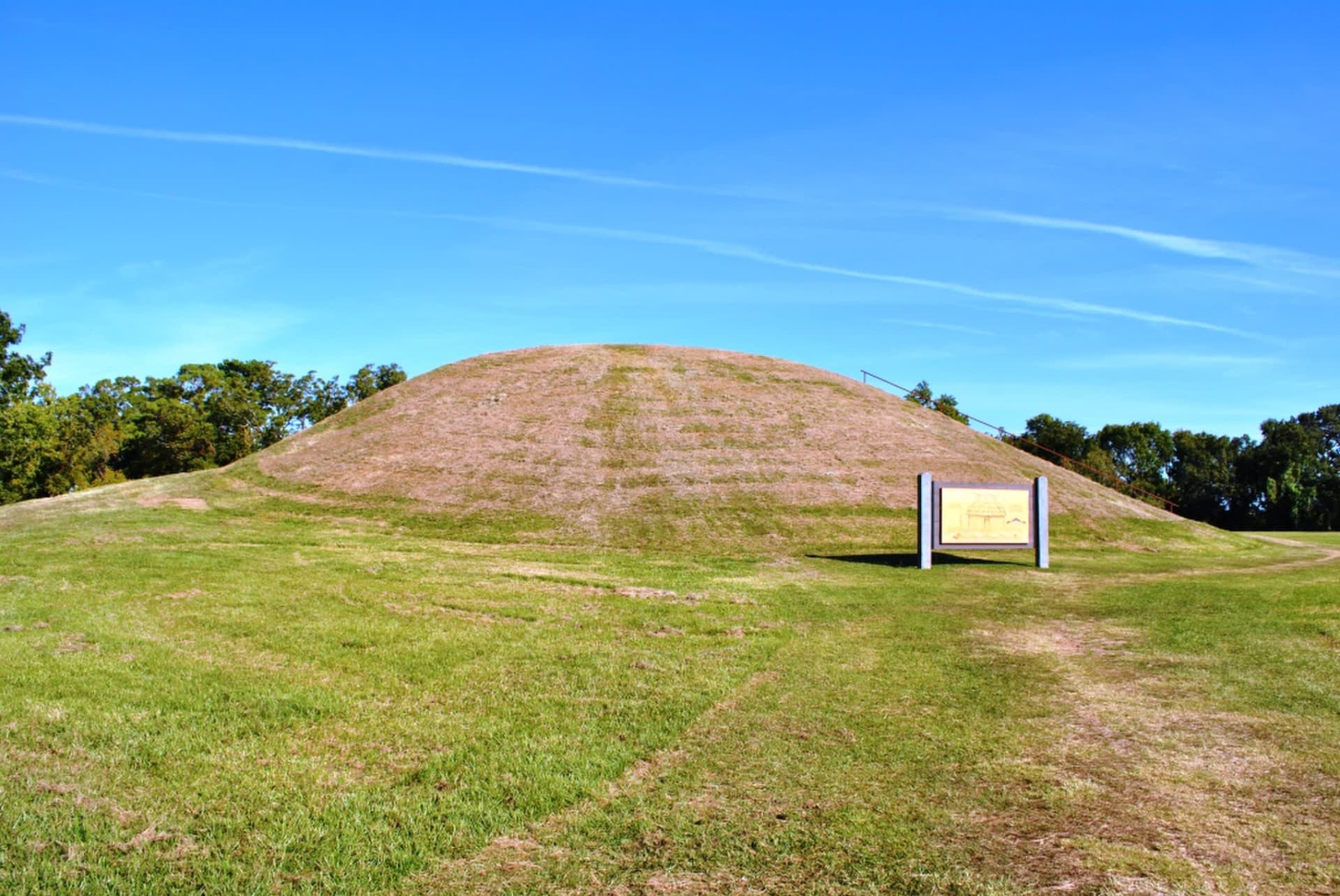
Emerald Mound, Stanton, Mississippi
Stanton, Mississippi, United States
112.3 km away
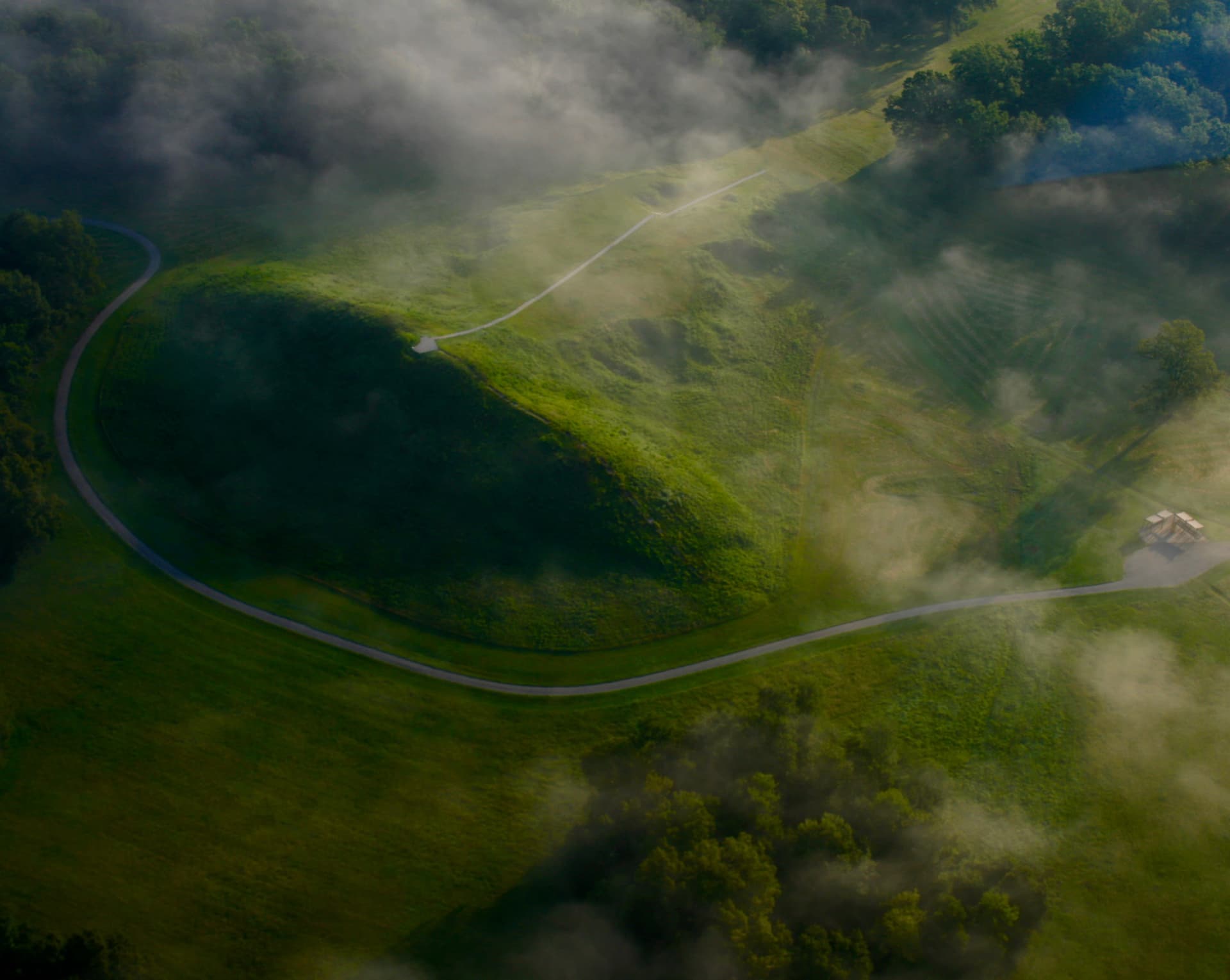
Poverty Point Mounds, Louisiana
West Carroll Parish, Louisiana, United States
179.2 km away
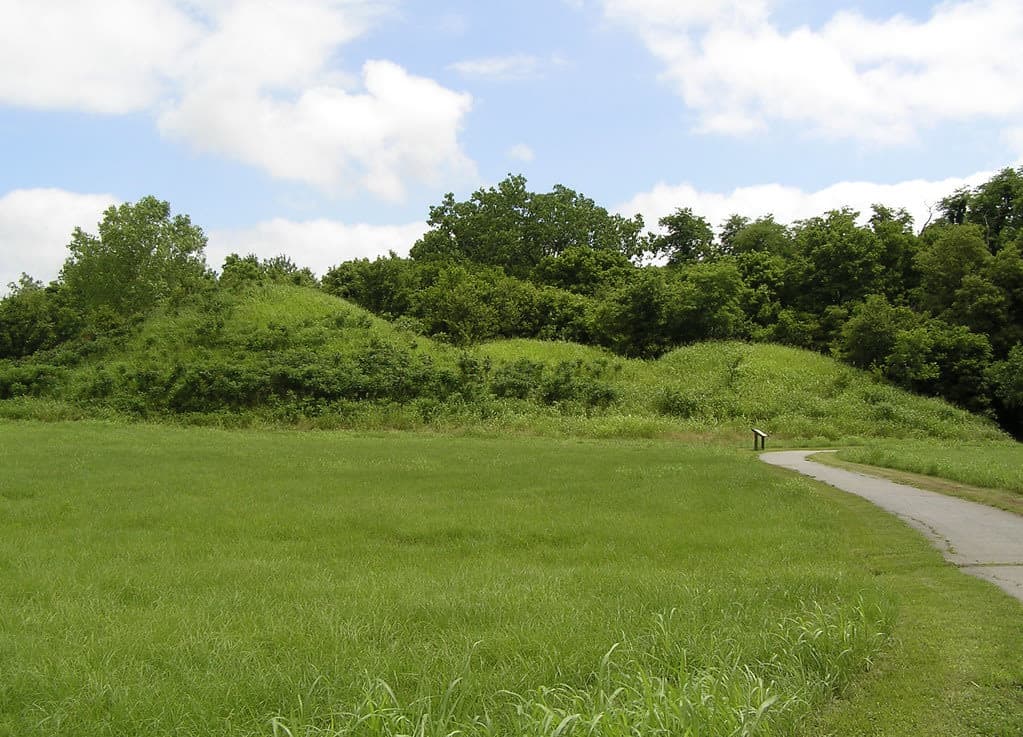
Spiro Mounds State Park
Spiro, Oklahoma, United States
520.2 km away
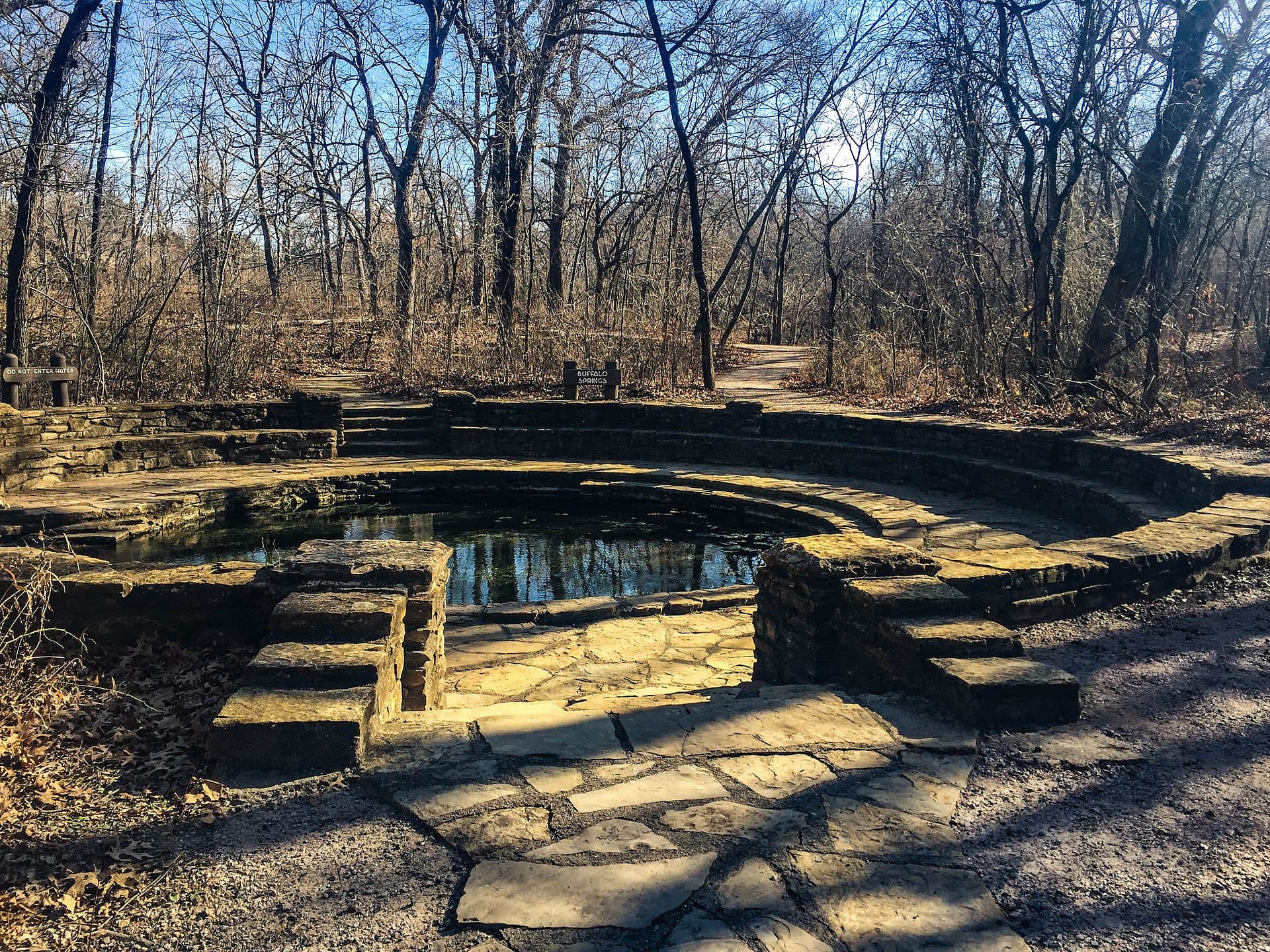
Antelope and Buffalo Springs (Chickasaw National Recreation Area)
Sulphur, Oklahoma, United States
591.8 km away