
Aachen Cathedral
Where Charlemagne built a new Rome and emperors received their crowns for six hundred years
Aachen, North Rhine-Westphalia, Germany
At A Glance
- Coordinates
- 50.7747, 6.0839
- Suggested Duration
- One to two hours for cathedral and treasury. Allow additional time for guided tours of the throne gallery.
Pilgrim Tips
- Modest clothing covering shoulders and knees appropriate for an active Catholic cathedral.
- Generally permitted outside services. Flash and tripods may be restricted. Verify current guidelines.
- The throne gallery requires a guided tour for access; these may book in advance during busy periods. During Heiligtumsfahrt years, crowds can be significant. Check Mass schedules to plan visits around or during services according to your preference.
Overview
In the octagonal chapel that Charlemagne built as the heart of his empire, 32 Holy Roman Emperors ascended a marble throne to receive their crowns. The Palatine Chapel remains what its founder intended: a claim in stone that Christian Rome had been reborn in northern Europe. Antique columns from Rome and Ravenna, Byzantine mosaics, and 1,200 years of unbroken worship make this one of Christendom's holiest sites—home to relics of Christ and Mary that draw pilgrims every seven years.
Aachen Cathedral began as an act of translation. When Charlemagne built his Palatine Chapel between 793 and 813, he was not merely constructing a palace church—he was claiming the spiritual authority of Rome and Constantinople for his Frankish empire. The octagonal plan echoed San Vitale in Ravenna and the Little Hagia Sophia in Constantinople. The antique marble columns, ordered brought from Rome and Ravenna, physically transplanted the Classical world into northern Europe. The golden mosaics declared that the Christian empire had risen again.
Pope Leo III consecrated the chapel in 805. Nine years later, Charlemagne was buried within it—the emperor in his church, the church his monument. When Otto I chose Aachen for his coronation in 936, he was deliberately connecting his rule to Charlemagne's legacy. For the next six centuries, German kings ascended the marble throne in the gallery and became Holy Roman Emperors in the space Charlemagne had built.
But Aachen is more than imperial memory. The cathedral was dedicated to the Virgin Mary from its founding, and relics believed to include her dress and the swaddling clothes of the infant Christ made it one of the great pilgrimage sites of medieval Christendom—ranked with Rome, Jerusalem, and Santiago de Compostela. Every seven years since 1349, the Heiligtumsfahrt brings tens of thousands of pilgrims to venerate the four great relics displayed from their golden shrines.
UNESCO recognized Aachen Cathedral as one of the first twelve World Heritage Sites in 1978, honoring its exceptional universal value. But the cathedral does not require such recognition. Over 1.3 million visitors enter annually, and Mass is celebrated daily as it has been for twelve centuries. The living faith continues.
Context And Lineage
Charlemagne built the Palatine Chapel between 793 and 813 as the spiritual heart of his new capital at Aachen. Pope Leo III consecrated the church in 805. After Charlemagne's death and burial here in 814, the chapel became his shrine. From 936 to 1531, 32 Holy Roman Emperors were crowned in the gallery on a marble throne that still stands.
Charlemagne chose Aachen for his capital partly because of its hot springs, known since Roman times. The Roman baths had long since crumbled, but the warm waters continued to flow, connecting the new capital to the ancient world.
The Palatine Chapel was Charlemagne's statement of intention. The architect Odo of Metz designed an octagonal structure consciously modeled on Byzantine churches—San Vitale in Ravenna, which Charlemagne had visited, and the Little Hagia Sophia in Constantinople. Charlemagne ordered antique marble columns brought from Rome and Ravenna to support the gallery. The message was clear: Christian Roman imperial authority had been translated to the Frankish kingdom.
Pope Leo III traveled to Aachen to consecrate the chapel in 805. This was the same pope who would crown Charlemagne as Roman Emperor on Christmas Day 800—the act that established the idea of a renewed Western Roman Empire under Christian rule. The chapel was the architectural expression of this political-spiritual vision.
When Charlemagne died in 814, he was buried in the church he had built. His tomb, the chapel, the memory of his empire—these fused into a sacred complex that would shape European history for centuries.
Aachen Cathedral represents the Carolingian Renaissance's effort to revive Roman Christian civilization in northern Europe. The architectural references to San Vitale in Ravenna and Constantinople claim continuity with the Byzantine Christian tradition. The coronation tradition connected medieval German kings to Charlemagne's imperial legacy. The pilgrimage to venerate relics of Christ and Mary placed Aachen among Christendom's holiest sites. Today the cathedral serves as the episcopal seat of the Diocese of Aachen, continuing its role as a center of Catholic faith.
Charlemagne
Founder and builder
Odo of Metz
Architect
Otto I
First coronation
Why This Place Is Sacred
Aachen Cathedral thins the boundary between past and present through physical continuity. The same octagonal space where Charlemagne worshipped, where emperors received their crowns, where pilgrims venerated relics for a millennium, continues to function as a site of active faith. The antique columns, the marble throne, the golden shrines—these are not museum pieces but elements of living sacred space.
What makes Aachen thin is the accumulation of sacred events in a single architectural space. This is not a memorial to dead faith but a continuously active church where twelve centuries of worship have concentrated spiritual meaning.
Stand in the octagonal nave and look upward. The dome above you was the largest north of the Alps for over two hundred years—a technological and artistic achievement that announced Charlemagne's ambition to rival Rome and Constantinople. The marble columns supporting the gallery came from Rome and Ravenna, physically imported pieces of the Classical world that Charlemagne claimed as his heritage. The Byzantine mosaics declare that Christian imperial power had found new expression.
Ascend—if the guided tour permits—to the throne gallery. The simple marble chair, constructed from ancient stone slabs, is where 32 kings sat to receive the imperial crown. For six hundred years, the ceremony that created Holy Roman Emperors took place in this small space above the octagon. The throne is not roped off as a relic; it remains, as it always was, elevated above the nave where common people worshipped.
But the thinness deepens when the relics are displayed. Every seven years, during the Heiligtumsfahrt, the four great relics emerge from the Marienschrein: Mary's dress, the swaddling clothes of Christ, the loincloth from the crucifixion, the cloth that received John the Baptist's head. Whether one believes these are authentic matters less than the fact that for eight centuries, believers have processed to Aachen to venerate them. Tens of thousands still come. The faith that animated medieval pilgrimage continues unbroken.
The cathedral succeeds because it is still being used for its original purpose. Mass is celebrated daily. The liturgical calendar governs the space. What was sacred remains sacred.
Charlemagne built the Palatine Chapel as the spiritual center of his palace complex and his claim to Christian Roman imperial succession. The church was dedicated to the Virgin Mary from its foundation, combining imperial statement with Marian devotion. After Charlemagne's death and burial here, the chapel became his shrine and eventually the coronation church of the Holy Roman Empire.
The original Carolingian octagon remains the cathedral's core, but significant additions have expanded it over the centuries. A Gothic choir hall was added in 1355 to accommodate the growing numbers of pilgrims drawn by the Heiligtumsfahrt. Various chapels were added in later centuries. The cathedral treasury grew to become one of the most important in northern Europe. Despite damage in World War II, the cathedral was restored and continues its function as episcopal seat, pilgrimage destination, and tourist landmark.
Traditions And Practice
Daily Mass continues the liturgical tradition established at the cathedral's consecration in 805. Every seven years, the Heiligtumsfahrt brings tens of thousands of pilgrims to venerate the four great relics displayed from their golden shrines. Charlemagne's feast day (January 28) receives special commemoration.
The coronation ritual for Holy Roman Emperors took place in the throne gallery from 936 to 1531. The king would ascend from the nave to sit on the marble throne, elevated above his subjects, to receive the imperial crown. The Heiligtumsfahrt pilgrimage is attested from 1238, with the four great relics displayed for fifteen days of veneration. During the medieval period, pilgrims came from across Europe—Germany, Austria, Hungary, England, Sweden—to see the relics and earn indulgences.
The Heiligtumsfahrt continues every seven years, most recently in 2023. During the fifteen-day pilgrimage period, the four great relics are displayed and tens of thousands of pilgrims attend. Daily Mass and regular liturgical celebrations maintain the cathedral's function as an active Catholic church. The feast of Charlemagne is commemorated on January 28. Marian feast days receive special observance given the cathedral's dedication to the Virgin Mary.
Attend Mass to experience the cathedral as its builders intended—a space for worship, not merely architectural tourism. If visiting during a Heiligtumsfahrt year, participate in the pilgrimage to the relics. Light a candle before the Marienschrein. If time permits, arrange a guided tour that includes the throne gallery—standing where emperors received their crowns connects you to the physical reality of medieval political-spiritual power. Visit the treasury to see the material culture of Carolingian and medieval Christianity.
Roman Catholicism
ActiveAachen Cathedral has functioned continuously as a Catholic church since Pope Leo III consecrated it in 805. It serves as the episcopal seat of the Diocese of Aachen. The cathedral embodies the Carolingian vision of Christian Roman renewal. Charlemagne's burial and later canonization made it his shrine. The coronation of 32 emperors invested it with political-spiritual authority. The four great relics established it among Christendom's holiest pilgrimage sites.
Daily Mass continues the liturgical tradition established at the cathedral's founding. The Heiligtumsfahrt occurs every seven years, when the four great relics are displayed and venerated by tens of thousands of pilgrims. The feast of Charlemagne is commemorated January 28. The liturgical calendar governs the cathedral's life.
Marian Devotion
ActiveThe cathedral was dedicated to the Virgin Mary from Charlemagne's founding—its medieval name was the 'Royal Church of St. Mary at Aachen.' The Marienschrein containing Mary's dress established Aachen as a major Marian pilgrimage site, ranked with Rome, Jerusalem, and Santiago de Compostela. Numerous images of Mary throughout the cathedral attest to continuous veneration.
Pilgrims venerate the Marian relics during the Heiligtumsfahrt. The statue of the Virgin Mary receives devotion year-round. Marian feast days are celebrated with special liturgies. The cathedral's dedication ensures that Marian devotion remains central to its spiritual life.
Experience And Perspectives
Enter through doors cast in Carolingian bronze. The octagonal space opens above you—the dome that was northern Europe's largest for two centuries. Antique columns ring the gallery where emperors received their crowns. The golden shrine of Charlemagne draws the eye; the Marienschrein awaits in the choir. Light filters through medieval windows onto stone worn by twelve centuries of feet.
Approach the cathedral from the market square, where Charlemagne's statue gestures toward the church he built. The facade presents accumulated centuries: Carolingian core wrapped in Gothic additions, tower rising above the medieval city center.
Enter through the Carolingian bronze doors—wolf's head knockers, original 9th-century metalwork. Cross the threshold that pilgrims have crossed for twelve centuries. The octagonal space opens around you, the dome rising above, the gallery circling at mid-height. The antique columns from Rome and Ravenna stand as they have since Charlemagne ordered them installed—pieces of the Classical world transplanted to northern Europe.
The proportions are not vast by later Gothic standards, but the space carries a different weight. This is not the soaring vertical of Cologne or Chartres but the centered completeness of Byzantine sacred geometry. Eight sides, eight columns in the gallery, the dome above—the number of resurrection, the eighth day of creation when Christ rose.
Look up to the gallery. There, modest and unassuming, sits the marble throne. Simple stone slabs, no decoration. Yet this is where 32 men became Holy Roman Emperors, ascending from the nave below to sit elevated above their subjects, receiving the crown that claimed Charlemagne's legacy. If the guided tour permits access, climb to the gallery and stand where Otto I stood in 936, where Charles V stood in 1520.
The Gothic choir hall extends eastward, added in 1355 for the pilgrimage crowds. Here the Marienschrein rests—the golden reliquary containing Mary's dress and the other great relics. During Heiligtumsfahrt years, these relics are displayed and venerated by tens of thousands. In ordinary times, the shrine glows in the candlelight, golden testament to medieval devotion.
Visit the treasury, one of Europe's finest. The Cross of Lothar, the reliquary bust of Charlemagne in gold and silver, the ancient sarcophagus that once held his body—these are not merely art objects but elements of a living sacred complex. Return to the octagon. Light a candle. Attend Mass if timing permits. The faith that Charlemagne declared in stone continues in liturgy.
Enter through the main west doors into the Carolingian octagon. The high altar and Gothic choir extend east. The throne gallery is above and may require a guided tour for access. The Marienschrein is in the choir. The treasury is accessible through a separate entrance (admission required). Allow the octagonal geometry to orient you—return to the center repeatedly to appreciate the spatial logic. Check Mass schedule for service times.
Aachen Cathedral invites multiple readings: as architectural masterpiece, as imperial shrine, as pilgrimage destination, as living church. Scholarly analysis emphasizes its role in the Carolingian Renaissance. Catholic tradition sees continuous sacred function. All perspectives acknowledge this as one of Christendom's most significant buildings.
Art historians view the Palatine Chapel as the most important surviving example of Carolingian architecture—a building that defined the architectural aspirations of northern European Christianity for centuries. UNESCO's designation as one of the first twelve World Heritage Sites recognizes exceptional universal value.
Scholars emphasize Charlemagne's conscious effort to claim Roman imperial legacy through architecture. The octagonal plan derived from Byzantine models (San Vitale, Little Hagia Sophia), the imported antique columns, the mosaic decoration—all declared that Christian Rome had been reborn in the Frankish kingdom. The building represents the Carolingian Renaissance's vision of renovatio imperii Romanorum (renewal of the Roman Empire).
The coronation tradition established by Otto I in 936 created political-spiritual continuity that shaped European history for centuries. The cathedral demonstrates how architecture can embody and transmit claims to sacred authority.
For Catholic faithful, Aachen Cathedral remains a living site of worship and pilgrimage. The 1,200 years of continuous celebration of Mass create sacred continuity. The relics of Christ and Mary provide material connection to salvation history. Charlemagne, whatever his historical complexity, holds the status of saint in the cathedral's liturgical tradition.
The Heiligtumsfahrt renews the medieval pilgrimage tradition, demonstrating that the faith that animated those centuries continues. Tens of thousands of pilgrims gather every seven years, venerate the relics, attend Mass, and pray—the same activities that drew their predecessors since 1238.
The cathedral's dedication to Mary from its foundation connects contemporary Marian devotion to Charlemagne's own piety.
Some researchers explore the symbolic significance of the octagonal geometry. Eight sides evoke the eighth day of creation—the day of Christ's resurrection, the beginning of the new creation. Baptisteries were traditionally octagonal for this reason. The dome above the octagon represents heaven; the throne in the gallery places the emperor between earth and heaven, mediating divine authority.
The cathedral's role in the coronation ritual has been analyzed as political theology—the architecture creating the conditions for sacred kingship. The emperor ascends physically above the congregation, sits on a throne that claims Carolingian heritage, and receives a crown that invests him with divine-right authority.
Questions remain about Charlemagne's complete vision for the palace complex, of which only the chapel survives. The authenticity of the four great relics—Mary's dress, Christ's swaddling clothes—cannot be verified; faith rather than evidence sustains their veneration. The specific ceremonies performed in the throne gallery beyond coronations are not fully documented. Why Charlemagne chose the octagonal form—Byzantine influence, baptismal symbolism, cosmic geometry, or other factors—continues to be debated.
Visit Planning
Aachen Cathedral is located in the city center of Aachen, easily accessible by rail. The cathedral is open year-round with daily Mass. The treasury and throne gallery require separate admission or guided tour. The next Heiligtumsfahrt provides the pilgrimage experience.
Aachen offers a range of accommodations in the city center within walking distance of the cathedral. The old town provides atmospheric surroundings. Day trips from Cologne or Brussels are also feasible.
Dress modestly for an active Catholic cathedral. Quiet and reverent behavior expected. No visiting during Mass unless attending worship.
Aachen Cathedral is an active Catholic church where daily Mass is celebrated and pilgrims come to pray. Visitors are welcome but should maintain appropriate reverence.
Modest dress is expected: shoulders and knees covered. This is a place of worship, not a museum.
During Mass and liturgical celebrations, the cathedral is for worshippers. If you wish to attend Mass, you are welcome. If you wish to tour, wait until services conclude.
Quiet voices are appropriate. The space invites reflection; loud conversation diminishes the experience for others.
Photography is generally permitted outside of services, but flash and tripods may be restricted. Check current guidelines.
Modest clothing covering shoulders and knees appropriate for an active Catholic cathedral.
Generally permitted outside services. Flash and tripods may be restricted. Verify current guidelines.
Candle lighting available. Donations support cathedral maintenance and restoration.
No touring during Mass unless attending worship. Throne gallery requires guided tour access. Quiet and reverent behavior expected throughout.
Sacred Cluster
Nearby sacred places create the location cluster described in the growth plan. This block is intentionally crawlable and links into the wider regional graph.
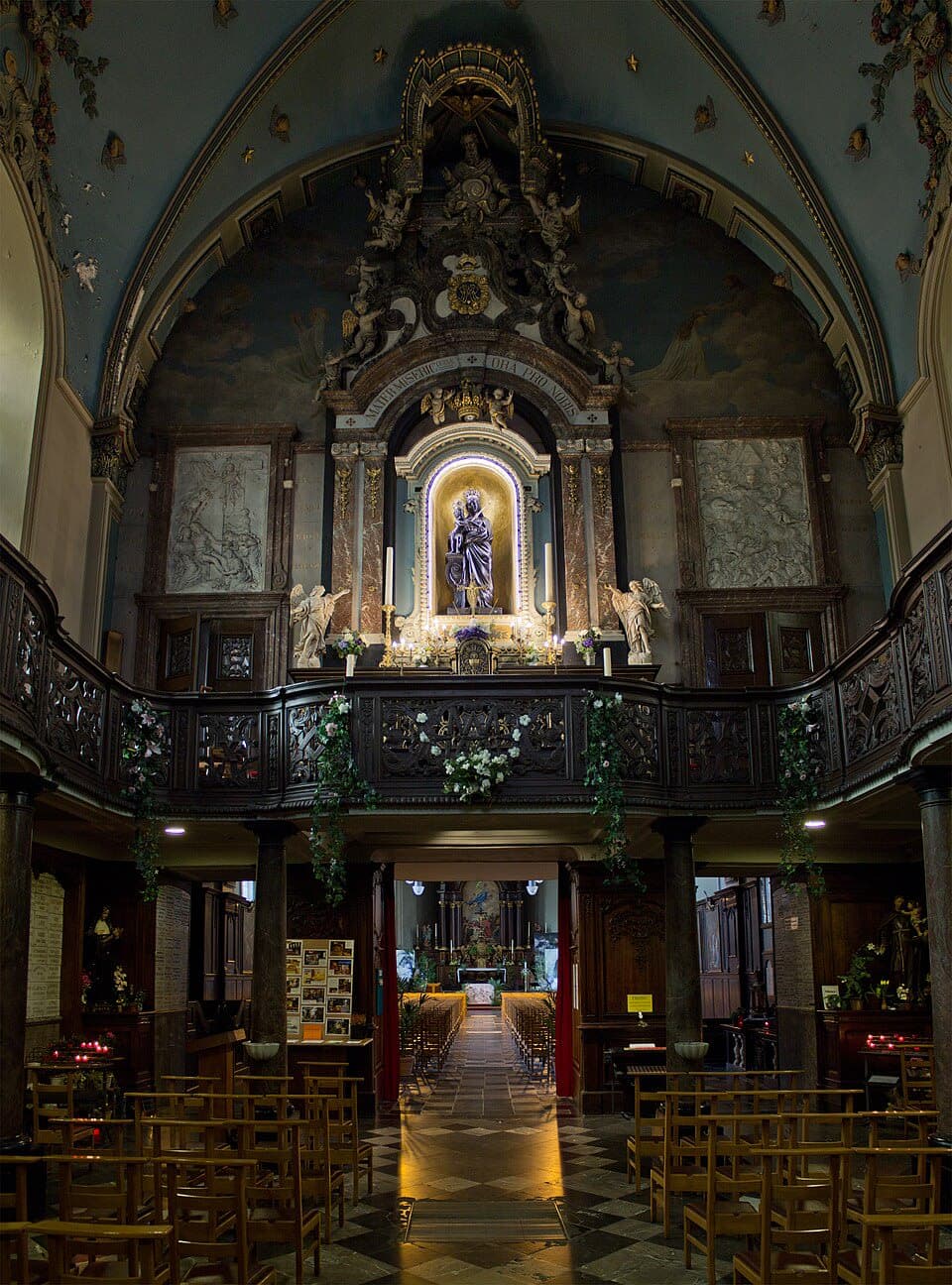
Black Virgin of the Recollects
Verviers, Liège, Belgium
25.3 km away
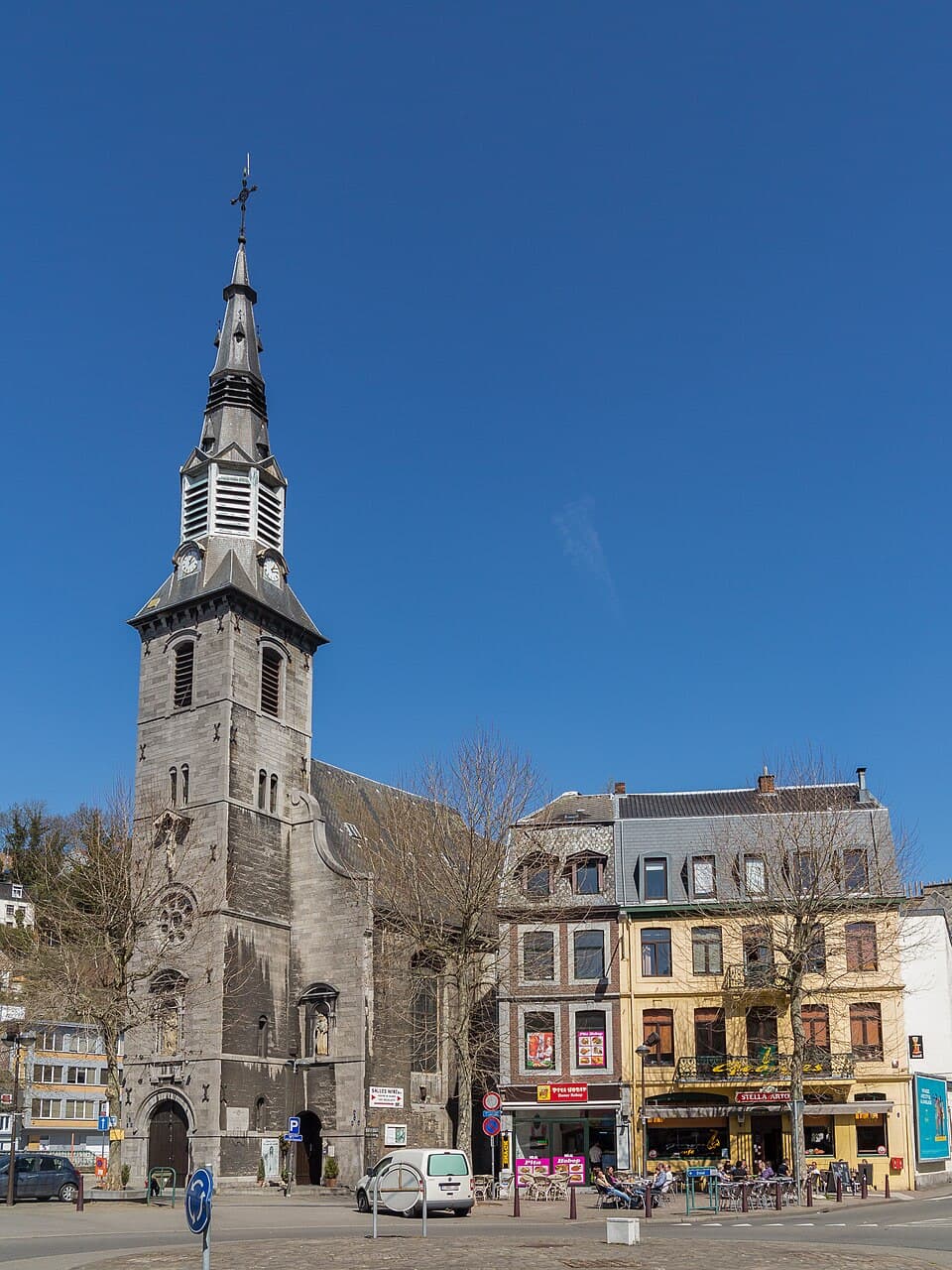
Church of Our Lady of the Recollects
Verviers, Liège, Belgium
25.7 km away
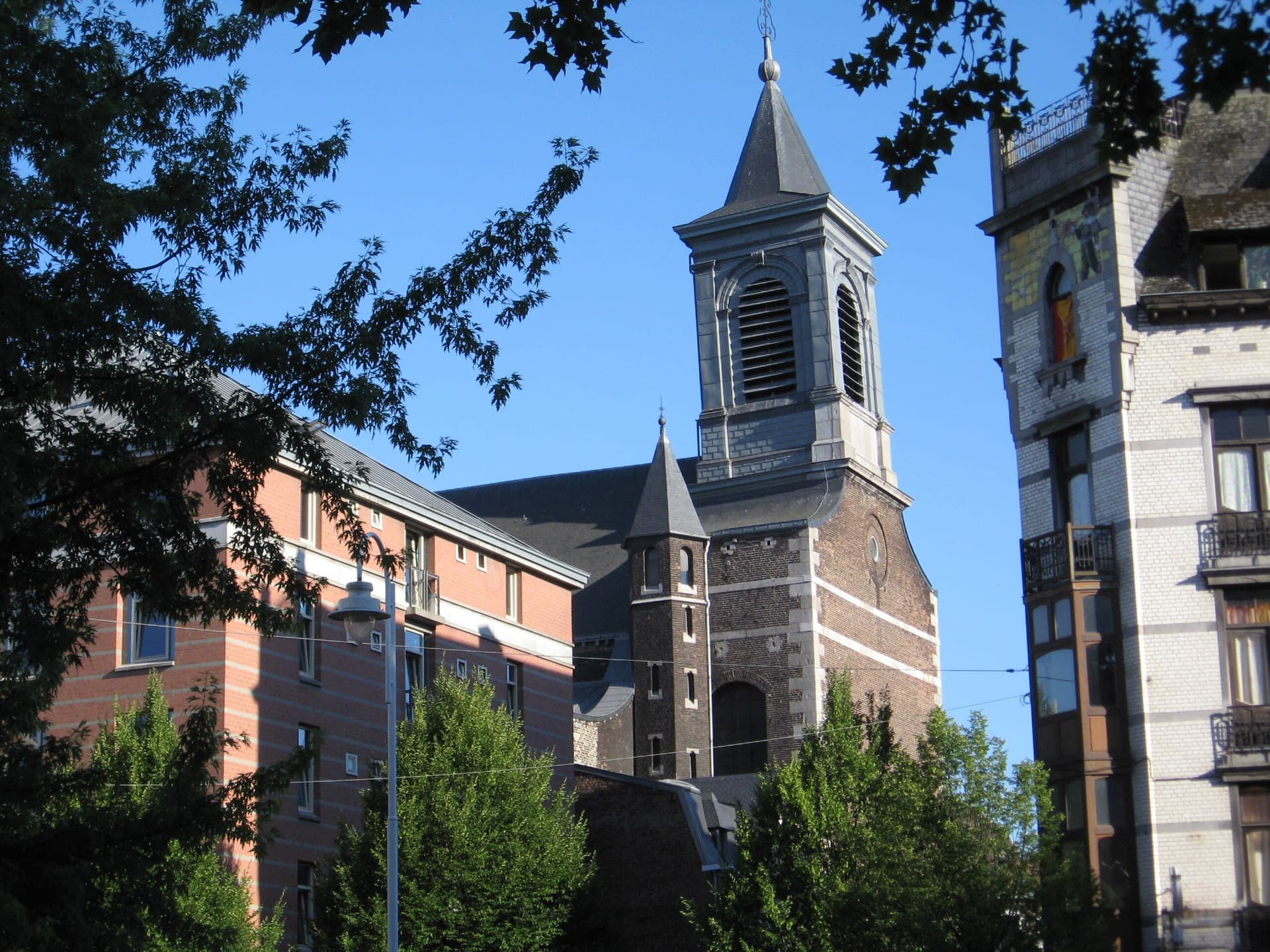
Church of St. Nicholas of Outremeuse (Black Virgin)
Liège, Wallonia, Belgium
38.5 km away
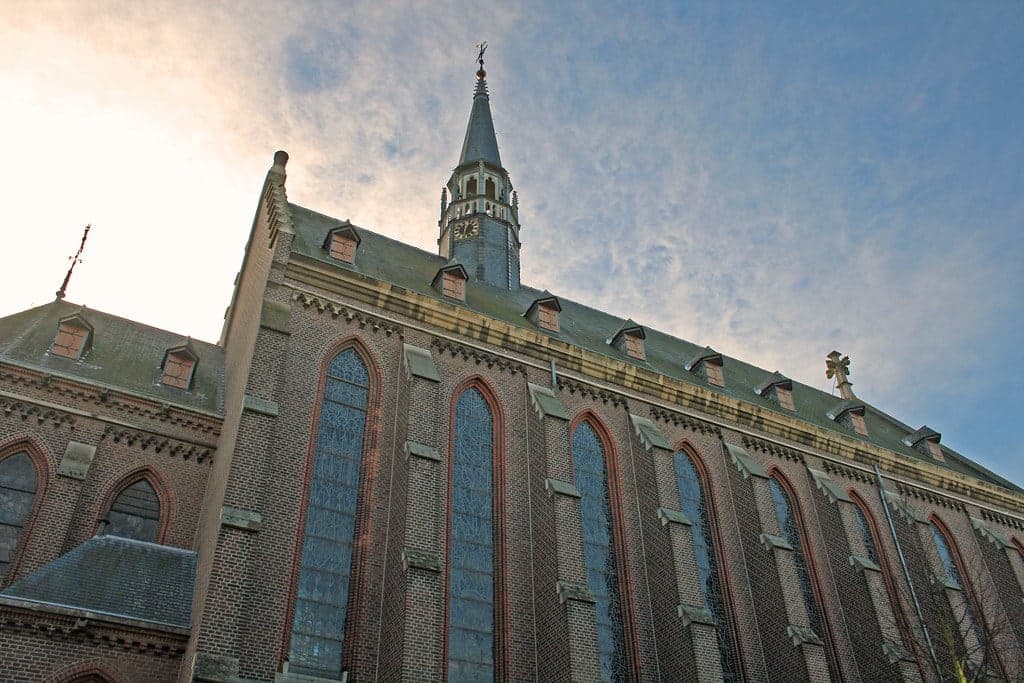
Kapel in 't Zand Church, Roermond, Netherlands
Roermond, Limburg, Netherlands
45.6 km away