Country guide
Sri Lanka
30 sacred sites across 9 regions.
Traditions present in Sri Lanka
Prominent site types
Central Province
4 sites

Matale Aluvihara Raja Maha Viharaya
Thotagamuwa, Central Province, Sri Lanka
Matale Aluvihara Raja Maha Viharaya is a temple of sacred significance. Approximate coordinates: 7.49773, 80.62178. Attributes: built, cultural, pilgrimage. Tradition: Buddhism. Associated figure: Buddha. Located in Matale, Central Province, Sri Lanka.
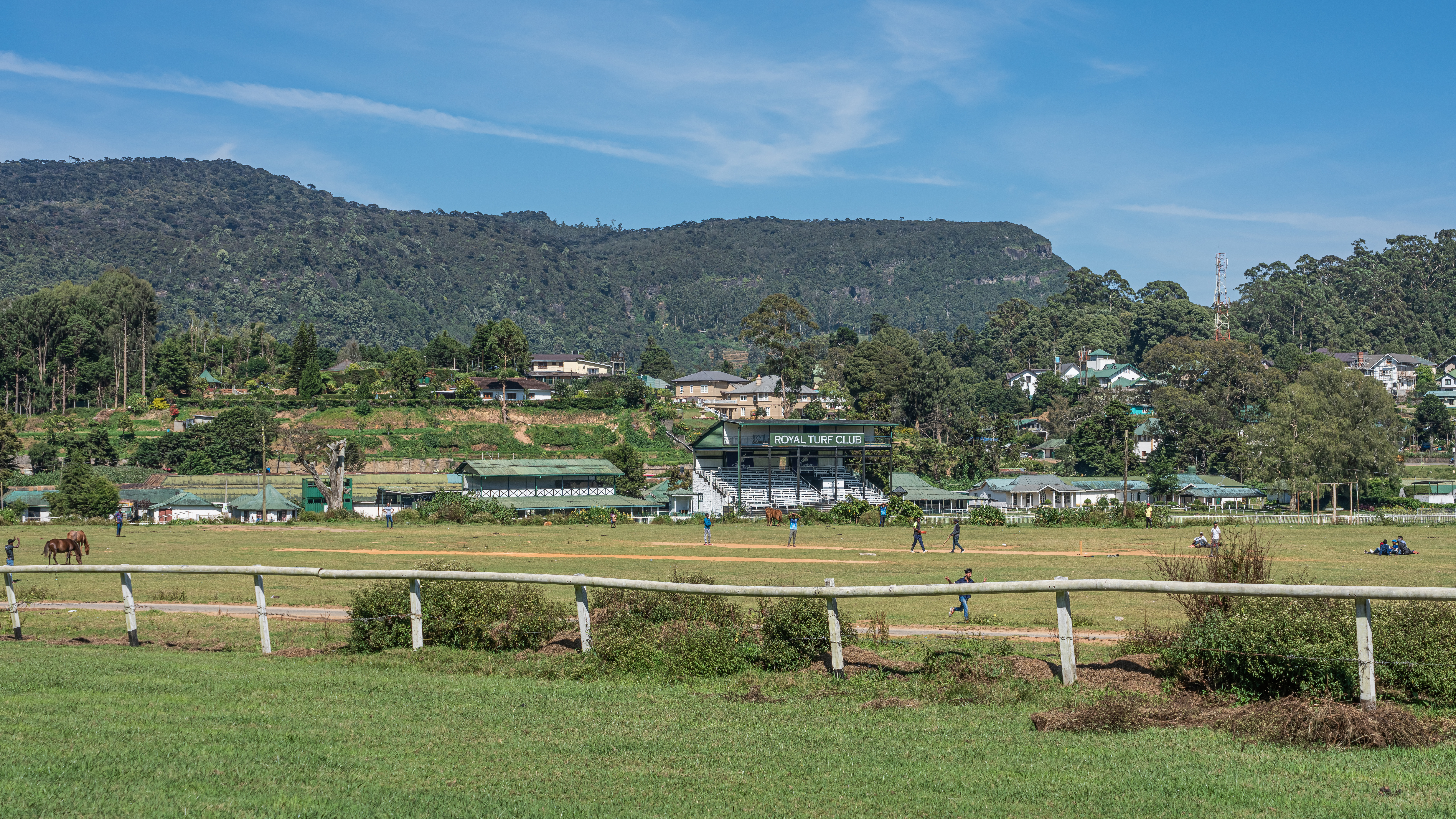
Seetha Eliya Temple
Seetha Eliya, Central Province, Sri Lanka
Seetha Eliya Temple is a site of sacred significance. Approximate coordinates: 6.93322, 80.81051. Located in Nuwara Eliya, Central Province, Sri Lanka.

Sri Dalada Maligawa, Temple of the Tooth
Kandy, Central Province, Sri Lanka
Sri Dalada Maligawa, Temple of the Tooth is a site of sacred significance. Approximate coordinates: 7.29361, 80.64133. Located in Kandy, Central Province, Sri Lanka.
Sri Muthumariamman Thevasthanam
Matale, Central Province, Sri Lanka
Sri Muthumariamman Thevasthanam is a site of sacred significance. Approximate coordinates: 7.47739, 80.62390. Located in Matale, Central Province, Sri Lanka.
Eastern Province
4 sites

Koneshwaram Temple
Trincomalee, Eastern Province, Sri Lanka
Koneshwaram Temple is a temple of sacred significance. Approximate coordinates: 8.58264, 81.24539. Attributes: built, cultural, pilgrimage. Tradition: Hinduism. Associated figure: Lord Shiva. Mythological context: Hindu mythology. Located in Trincomalee, Eastern Province, Sri Lanka.
Mandur Kandaswami Temple
Eastern Province, Sri Lanka
Mandur Kandaswami Temple is a temple of sacred significance. Approximate coordinates: 7.48089, 81.76041. Attributes: built, cultural. Located in Eastern Province, Sri Lanka.

Sri Kannahi Amman Alayam
Thambiluvil, Eastern Province, Sri Lanka
Sri Kannahi Amman Alayam is a site of sacred significance. Approximate coordinates: 7.12607, 81.84788. Located in Eastern Province, Sri Lanka.
Verugal Kovil (Sri Murugan Kovil)
Eastern Province, Sri Lanka
Verugal Kovil (Sri Murugan Kovil) is a site of sacred significance. Approximate coordinates: 8.25418, 81.37128. Located in Eastern Province, Sri Lanka.
North Central Province
3 sites
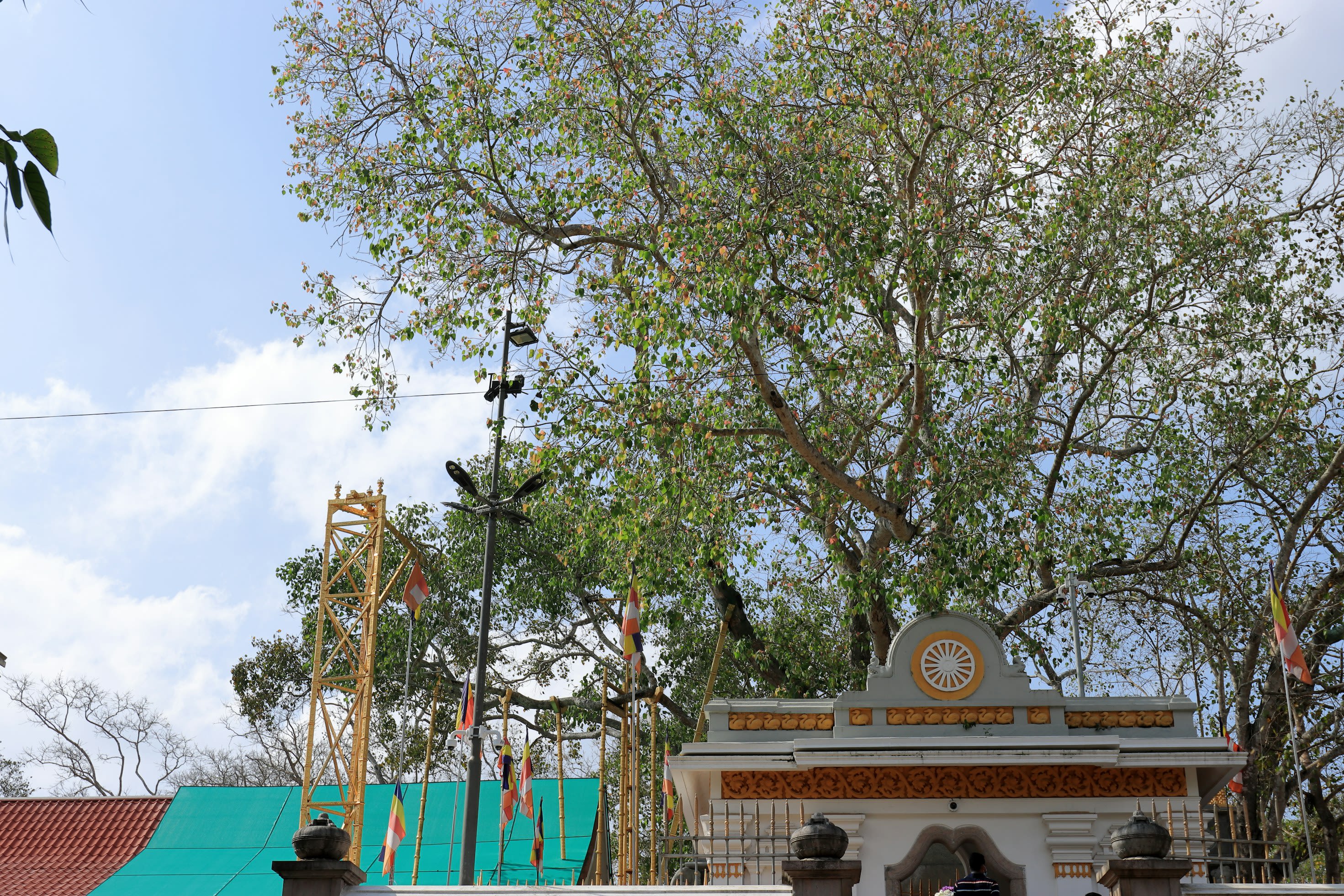
Jaya Sri Maha Bodhi
Anuradhapura, North Central Province, Sri Lanka
Jaya Sri Maha Bodhi is a sacred tree of sacred significance. Approximate coordinates: 8.34480, 80.39724. Attributes: natural, cultural, pilgrimage, ceremonial. Tradition: Buddhism. Associated figure: Siddhartha Gautama (Buddha). Mythological context: It is believed to be a tree grown from a cutting of the southern branch from the historical sacred bo tree, Sri Maha Bodhi, under which Siddhartha Gautama (Buddha) attained enlightenment.. Recognized as a UNESCO World Heritage Site. Jaya Sri Maha Bodhi Tree is a sacred bo tree (Ficus religiosa) in Mahamewuna Garden in the historical city of Anuradhapura, Sri Lanka. It is believed to be a tree grown from a cutting of the southern branch from the historical sacred bo tree, Sri Maha Bodhi, which was destroyed during the time of Emperor Ashoka, at Bodh Gaya in India, under which Siddhartha Gautama (Buddha) attained enlightenment. In 236 BC, the Buddhist nun Sangamitta Maha Theri, a daughter of Indian Ashoka, brought the tree cutting to Sri Lanka during the reign of Sinhalese King Devanampiya Tissa.[1] At more than 2,300 years old, it is the oldest living human-planted tree in the world with a known planting date. The Mahāvaṃsa, or the great chronicle of the Sinhalese, provides an elaborate account of the establishment of the Jaya Sri Maha Bodhi on the Island and the subsequent development of the site as a major Buddhist pilgrimage site. Today, the Jaya Sri Maha Bodhi is situated on a high terrace, about 6.5 meters above the ground, and surrounded by 4 other lower-level terraces with Bo trees called Parivara Bodhi planted for its protection. The site is currently administered by the Chief High Priest of Atamasthana and the Atamasthana Palakasabha, the administrative body of the Atamasthana. It receives millions of pilgrims each year. The site is open to visitors and continuously hosts numerous acts of worship throughout the year. However, access to the uppermost terrace where the bo tree is located is restricted due to the old age of the tree and various acts of vandalism it has endured throughout history, including a terrorist attack by the LTTE in 1985, where around 146 pilgrims were massacred. Located in Anuradhapura, North Central Province, Sri Lanka.

Mihintale
Mihintale, North Central Province, Sri Lanka
Mihintale is a site of sacred significance. Approximate coordinates: 8.35102, 80.51708. Mihintale is a mountain peak near Anuradhapura in Sri Lanka. It is believed by Sri Lankans to be the site of a meeting between the Buddhist monk Mahinda and King Devanampiyatissa which inaugurated the presence of Buddhism in Sri Lanka. It is now a pilgrimage site, and the site of several religious monuments and abandoned structures. Located in Anuradhapura, North Central Province, Sri Lanka.

Polonnaruwa
Polonnaruwa, North Central Province, Sri Lanka
Polonnaruwa is a site of sacred significance. Approximate coordinates: 7.95824, 81.00335. Poḷonnaruwa, (Sinhala: පොළොන්නරුව, romanized: Poḷonnaruva; Tamil: பொலன்னறுவை, romanized: Polaṉṉaṟuvai) also referred as Pulathisipura and Vijayarajapura in ancient times, is the main town of Polonnaruwa District in North Central Province, Sri Lanka. The modern town of Polonnaruwa is also known as New Town, and the other part of Polonnaruwa remains as the royal ancient city of the Kingdom of Polonnaruwa. The second-oldest of all Sri Lanka s kingdoms, Polonnaruwa was first established as a military post by the Sinhalese kingdom. It was renamed Jananathamangalam by the Chola dynasty after their successful invasion of the country s then capital, Anuradhapura, in the 10th century. The Ancient City of Polonnaruwa has been declared a World Heritage Site. Modern Polonnaruwa is undergoing a major development project known as the Awakening of Polonnaruwa, championed by former President Maithripala Sirisena. It envisions the development of all sectors in Polonnaruwa including roads, electricity, agriculture, education, health and environment. Located in Polonnaruwa, North Central Province, Sri Lanka.
North Western Province
4 sites
Munneswaram Kovil
Chilaw, North Western Province, Sri Lanka
Munneswaram Kovil is a site of sacred significance. Approximate coordinates: 7.58080, 79.81680. Located in North Western Province, Sri Lanka.

Sri Veerapathra Kali Amman Kovil, Udappu
Udappuwa, North Western Province, Sri Lanka
Sri Veerapathra Kali Amman Kovil, Udappu is a site of sacred significance. Approximate coordinates: 7.74839, 79.78987. Located in North Western Province, Sri Lanka.
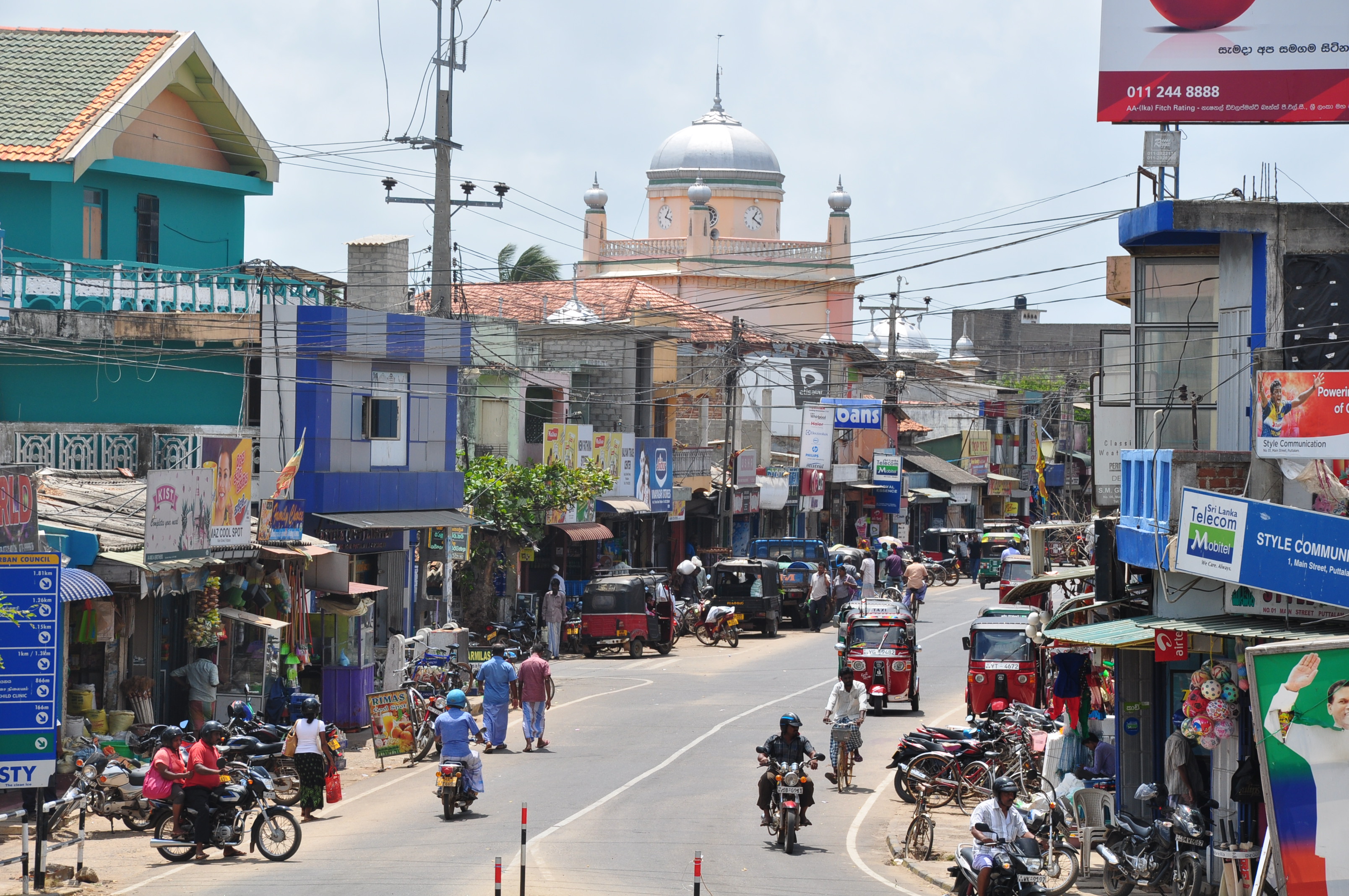
St. Anne’s Shrine, Thalawila
Koyyawadi, North Western Province, Sri Lanka
St. Anne’s Shrine, Thalawila is a site of sacred significance. Approximate coordinates: 8.11254, 79.70345. North Western Province (Sinhala: වයඹ පළාත Wayamba Paḷāta, Tamil: வட மேல் மாகாணம் Vada Mael Mākāṇam) is a province of Sri Lanka. It is the fourth-largest province by land area, covering 7,888 km2 (3,046 sq mi), and the fourth-most populated province with a population of over 2,592,000 people. North Western Province is bordered by the North Central Province, Sri Lanka to the north, Central Province, Sri Lanka to the east, Sabaragamuwa Province to the southeast, Western Province, Sri Lanka to the south, and is bounded by the Indian Ocean to the west. The province encompasses a variety of climates and geographical features, from its coastal regions to the central highlands and plains. The majority of the population is concentrated in the urban centers of Kurunegala, the provincial capital, and Puttalam. Kurunegala is the largest city in the province and serves as a major commercial and administrative hub. Puttalam, located on the western coast, is known for its lagoon and salt production. The region has numerous archaeological sites, including the ancient rock fortress of Yapahuwa and the Panduwasnuwara ruins. European colonization began with the Portuguese Empire in the 16th century, followed by the Dutch Empire and the British Empire. The province was established in its current form in 1833 during British Ceylon era and became part of the independent Dominion of Ceylon in 1948, later becoming the Democratic Socialist Republic of Sri Lanka. During the Sri Lankan civil war the Puttalam District was considered a part of proposed Tamil Eelam by the Tamil Tigers, despite the smaller Tamil population. North Western Province had nineteen seats in the Sri Lankan Parliament in last General elections. The provincial council consists of the Chief Minister, the Provincial Council, and the Governor. As of the most recent General elections, the Sri Lanka Podujana Peramuna is the dominant political party in the province. The Governor of North Western Province, the representative of the President of Sri Lanka, is currently Tissa Kumarasiri Warnasuriya. The economy of North Western Province is primarily based on Agriculture, Manufacturing, Fishing, and small-scale industries. Major agricultural products include coconut, rice, and spices, while the coastal areas are known for their fishing industry, the urban areas such as Kurunegala, Kuliyapitiya, Nikaweratiya and Mawathagama is famous for their Industries. The province also has significant mineral resources, including limestone and ilmenite. North Western Province is known for its cultural heritage, with numerous festivals, traditional dances, and local crafts. It is home to several important religious sites, including the Munneswaram temple and the St. Anne s Church in Thalawila, which attract pilgrims from across the country. The province s natural attractions, such as the Wilpattu National Park and the Puttalam Lagoon, are popular with tourists. Located in Puttalam, North Western Province, Sri Lanka.
Udappu
Udappuwa, North Western Province, Sri Lanka
Udappu is a site of sacred significance. Approximate coordinates: 7.74839, 79.78987. Udappu or Udappuwa is a traditional Tamil fishing, goldsmithing and shrimp farming village, situated 65 miles (105 km) north of Colombo the capital of Sri Lanka in the North Western Province. It is situated few miles north of Chilaw city and Munneswaram temple. Located in North Western Province, Sri Lanka.
Northern Province
7 sites

Keerimalai Naguleawaram Temple
Keerimalai, Northern Province, Sri Lanka
Keerimalai Naguleawaram Temple is a temple of sacred significance. Approximate coordinates: 9.81344, 80.01212. Attributes: built, cultural, pilgrimage. Located in Jaffna, Northern Province, Sri Lanka.

Nagapeepa Purana Rajamaha Viharaya
Northern Province, Sri Lanka
Nagapeepa Purana Rajamaha Viharaya is a site of sacred significance. Approximate coordinates: 9.61273, 79.77409. Located in Northern Province, Sri Lanka.
Nallur Kanthaswamy Temple
Nallur, Northern Province, Sri Lanka
Nallur Kanthaswamy Temple is a site of sacred significance. Approximate coordinates: 9.67453, 80.02944. Located in Jaffna, Northern Province, Sri Lanka.
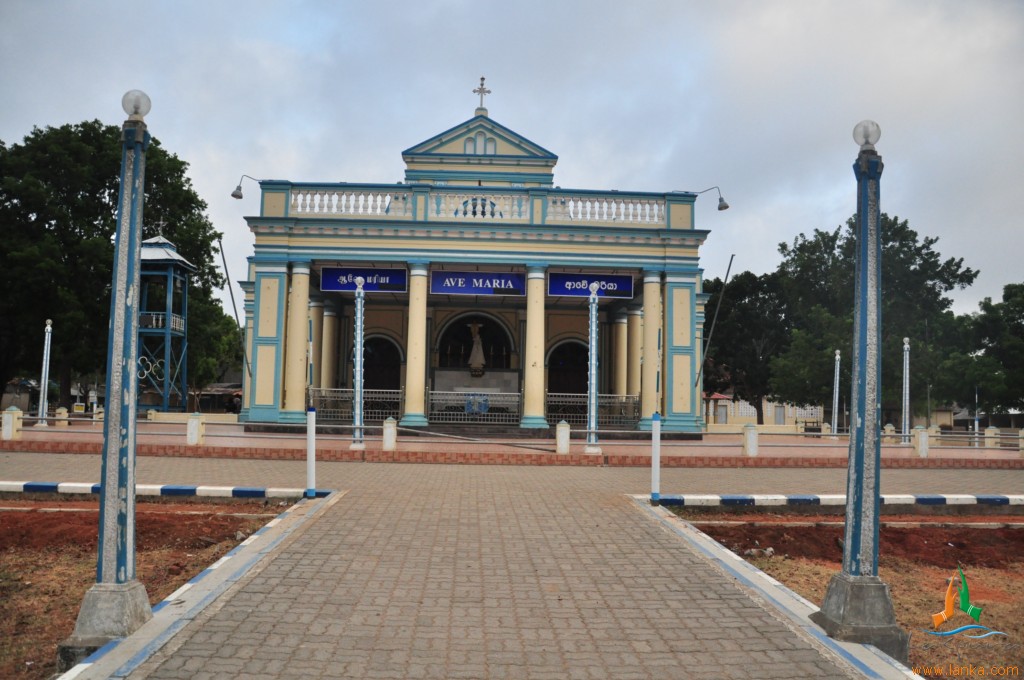
Shrine Of Our Lady Of Madhu
Piramaalankulam, Northern Province, Sri Lanka
Shrine Of Our Lady Of Madhu is a site of sacred significance. Approximate coordinates: 8.85502, 80.20284. The Shrine of Our Lady of Madhu is a Roman Catholic Marian shrine in Mannar district of Sri Lanka. With a history of more than 400 years, the shrine acts as a center of pilgrimage and worship for Sri Lankan Catholics. The site is considered as the holiest Catholic shrine in the island and is a well known place of devotion for both Tamil and Sinhalese Catholics. The church has been a symbol of unity not just between Tamils and Sinhalese but also between people of different religions, including Buddhists, Hindus and Protestants. Pope Benedict XV granted the image a pontifical decree of coronation on 7 April 1921 via the Prefect of the Sacred Congregation for the Propagation of the Faith, Cardinal Willem Marinus van Rossum. The rite of coronation was executed on 2 July 1924. Attendance for the August festival at times almost reached one million people before the outbreak of the Sri Lankan Civil War. Situated in the heart of the conflict zone, pilgrimage to this shrine was dramatically affected by the civil war with the presence of refugee camps around the shrine complex. It was shelled a number of times. Located in Northern Province, Sri Lanka.
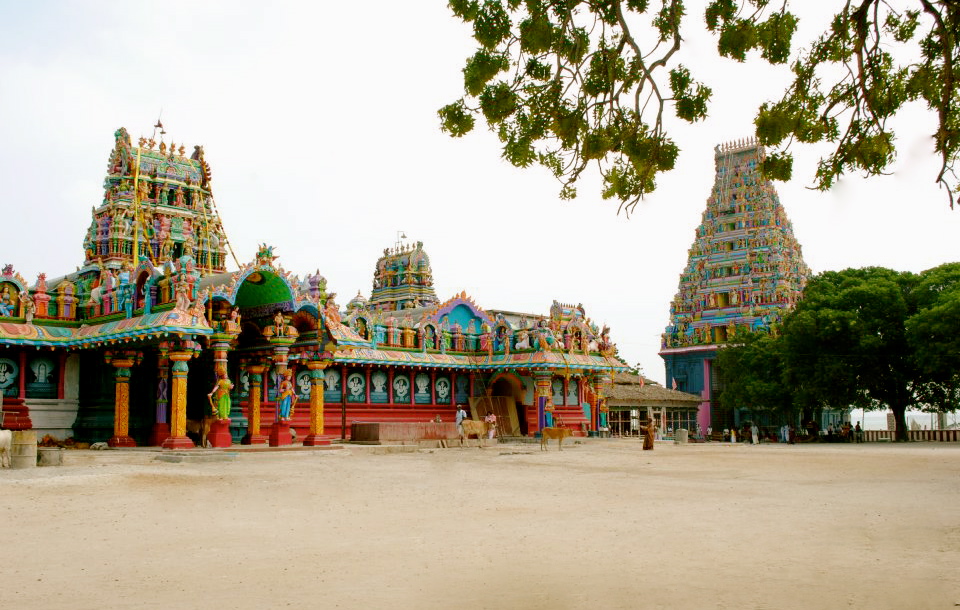
Sri Nagapooshani Amman Kovil
Northern Province, Sri Lanka
Sri Nagapooshani Amman Kovil is a site of sacred significance. Approximate coordinates: 9.61908, 79.77422. Located in Northern Province, Sri Lanka.

Thirukketeeswaram Kovil
Thiruketheeswaram, Northern Province, Sri Lanka
Thirukketeeswaram Kovil is a site of sacred significance. Approximate coordinates: 8.95787, 79.96299. Located in Mannar, Northern Province, Sri Lanka.
Vallipura Aalvar Kovil
Vallipuram, Northern Province, Sri Lanka
Vallipura Aalvar Kovil is a site of sacred significance. Approximate coordinates: 9.78945, 80.24267. Located in Northern Province, Sri Lanka.
Sabaragamuwa Province
2 sites
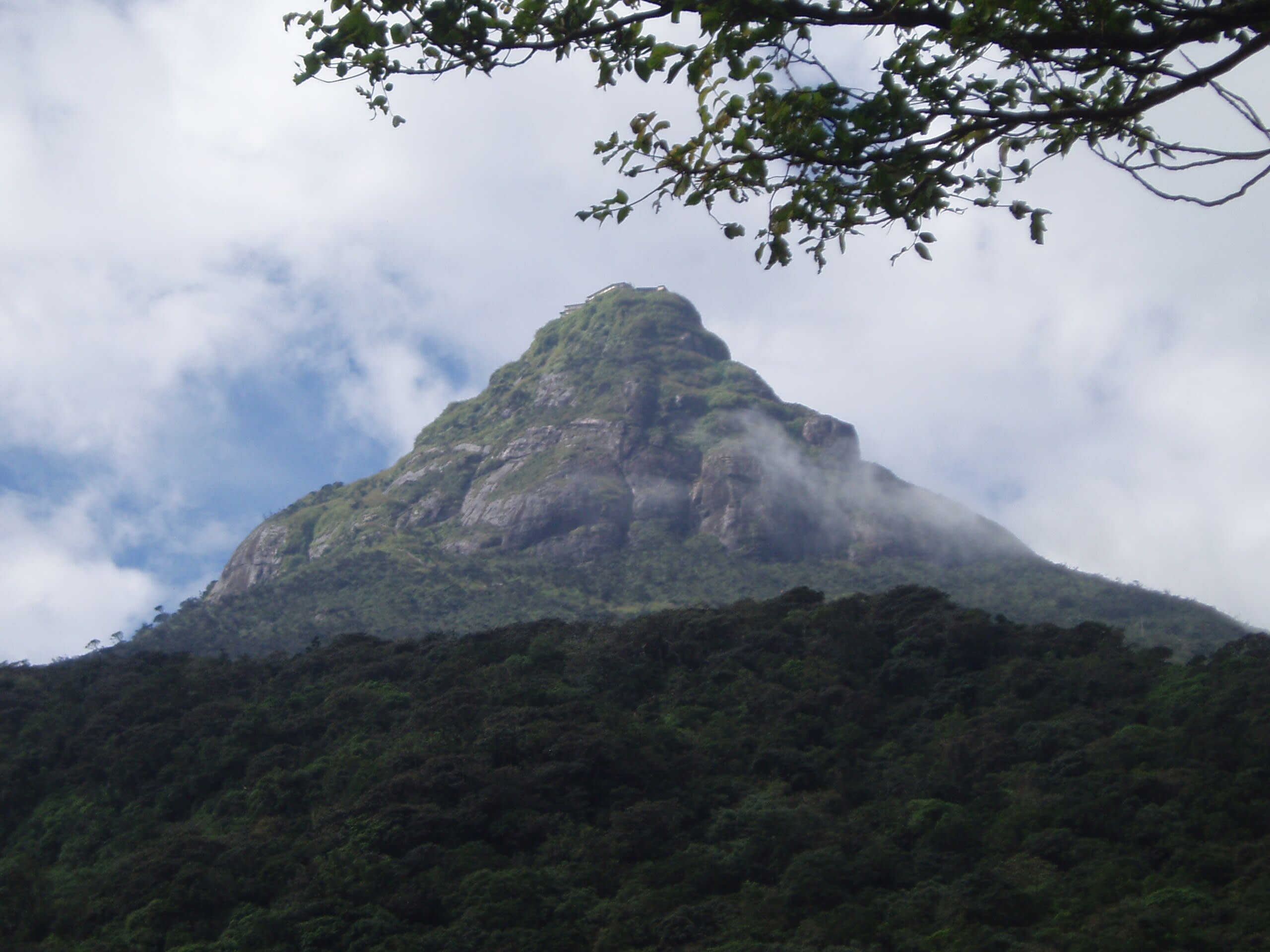
Adam's Peak (Sri Pada)
Dalhousie, Sabaragamuwa Province, Sri Lanka
Adam's Peak is a mountain of sacred significance. Approximate coordinates: 6.80964, 80.49939. Attributes: natural, cultural, pilgrimage. Tradition: Buddhist, Hindu, Muslim, Christian; also recognized in Interfaith contexts. Associated figure: Buddha, Shiva, Adam, St. Thomas. Mythological context: Footprint of Buddha, Shiva, Adam, St. Thomas.

Dafther Jailany Mohiyadeen Jumma Masjid
Kuuragala, Sabaragamuwa Province, Sri Lanka
Dafther Jailany Mohiyadeen Jumma Masjid is a mosque of sacred significance. Approximate coordinates: 6.62660, 80.86904. Attributes: built, cultural, pilgrimage. Tradition: Sufism. Associated figure: Sheikh Muhiyadeen Abdul Qadir Jilani. Located in Sabaragamuwa Province, Sri Lanka.
Southern Province
3 sites
Devinuwara Sri Vishnu Maha Devalaya
Dondra, Southern Province, Sri Lanka
Devinuwara Sri Vishnu Maha Devalaya is a temple of sacred significance. Approximate coordinates: 5.92746, 80.58891. Attributes: built, cultural, pilgrimage, ceremonial. Tradition: Hinduism. Associated figure: Vishnu. Located in Southern Province, Sri Lanka.
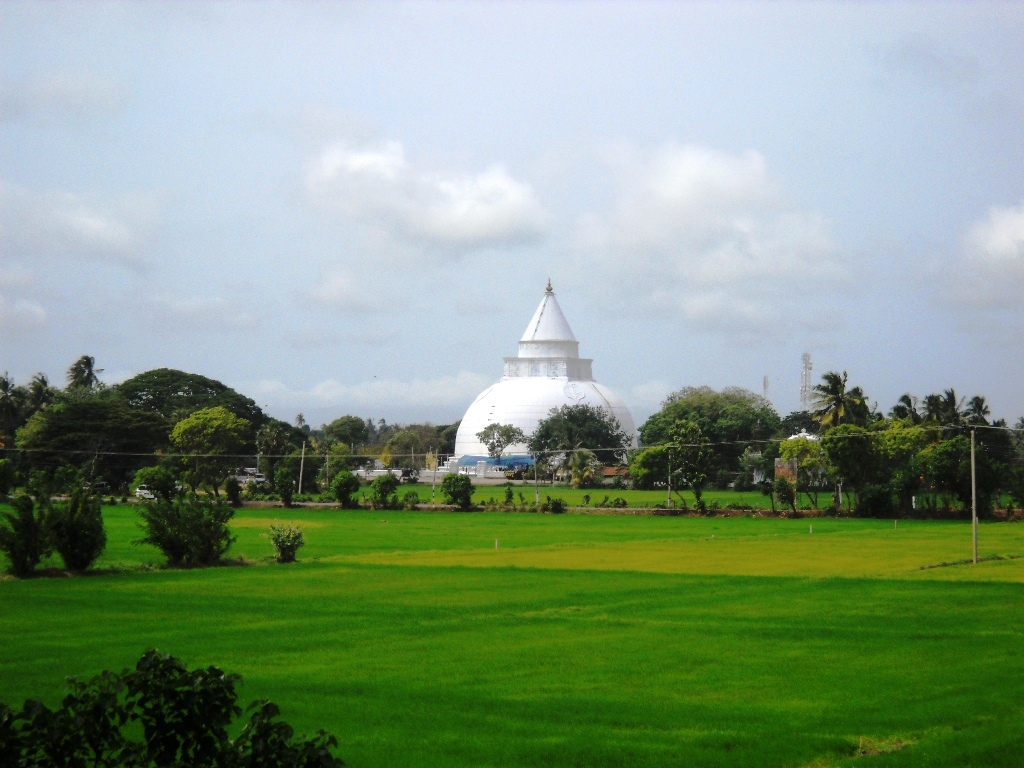
Thissamaharama Raja Maha Vihara
Thissamaharama, Southern Province, Sri Lanka
Thissamaharama Raja Maha Vihara is a site of sacred significance. Approximate coordinates: 6.28018, 81.29008. Located in Southern Province, Sri Lanka.

Thissamaharama Stupa
Thissamaharama, Southern Province, Sri Lanka
Thissamaharama Stupa is a site of sacred significance. Approximate coordinates: 6.27971, 81.29144. Located in Southern Province, Sri Lanka.
Uva Province
2 sites
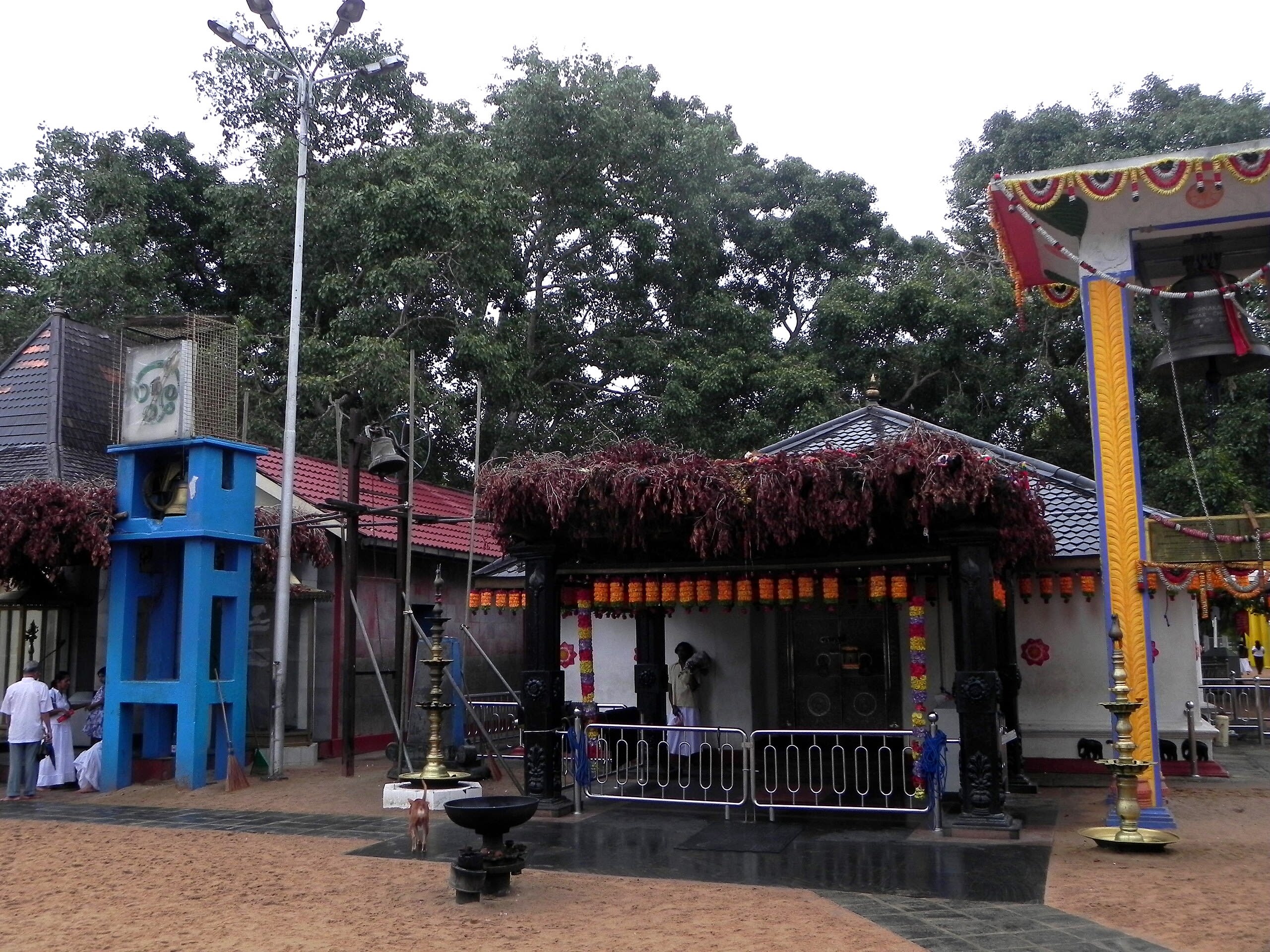
Kataragama Temple, Sri Lanka
Kataragama, Uva Province, Sri Lanka
Kataragama Mosque, Sri Lanka is a mosque of sacred significance. Approximate coordinates: 6.41644, 81.33554. Attributes: built, cultural, pilgrimage. Tradition: Islamic. Located in Uva Province, Sri Lanka.
Ruhunu Maha Kataragama Devalaya
Kataragama, Uva Province, Sri Lanka
Ruhunu Maha Kataragama Devalaya is a site of sacred significance. Approximate coordinates: 6.41852, 81.33326. Located in Uva Province, Sri Lanka.
Western Province
1 sites
