Tradition guide
Ancient Egyptian
18 sacred sites available through this shared spiritual lineage.
Countries with strong presence
Common site types
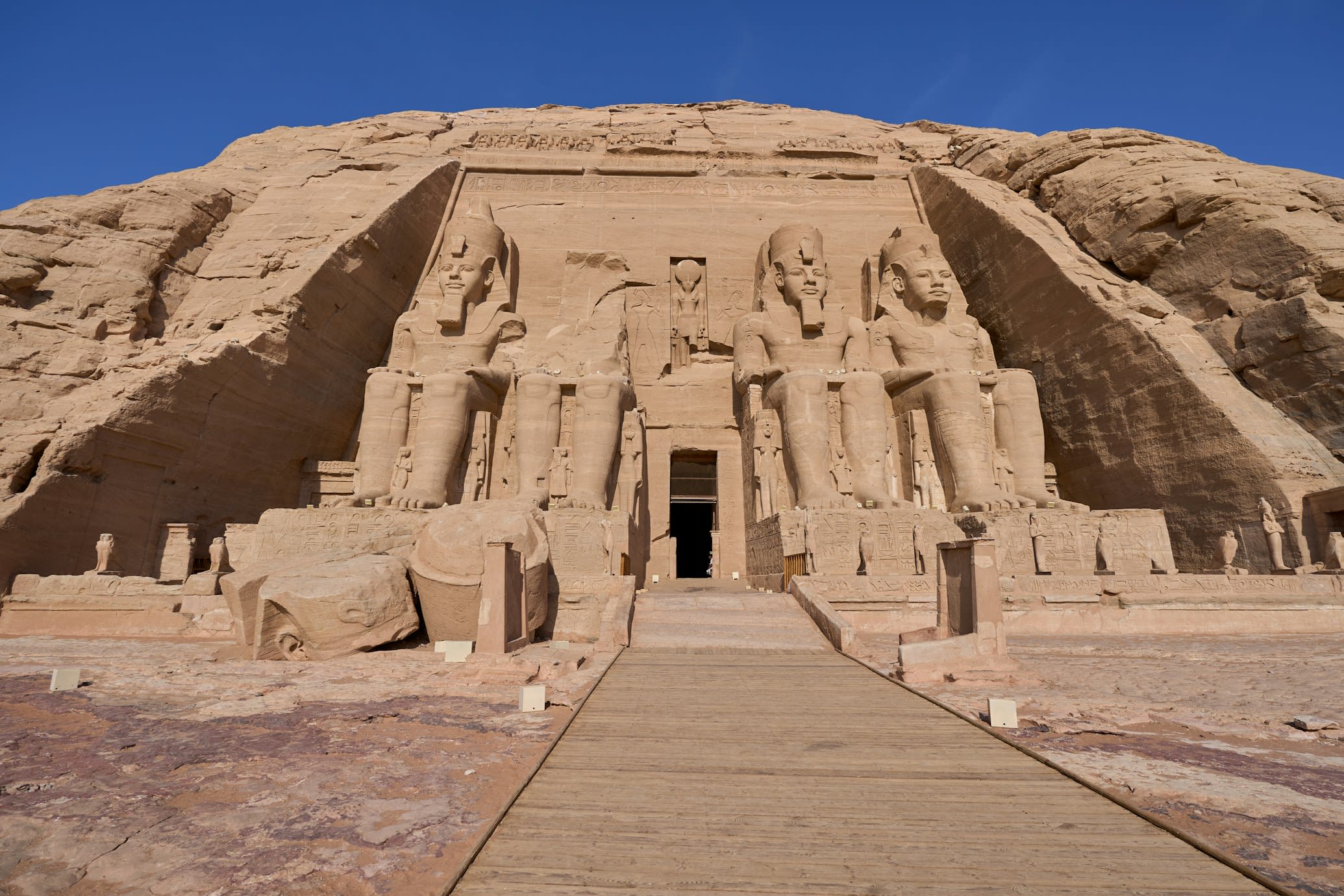
Abu Simbel Temples
Abu Simbel, Aswan, Egypt
Abu Simbel stands as Egypt's supreme statement of divine kingship carved into living rock. Four colossal statues of Ramesses II guard a temple calibrated so precisely that twice yearly, at dawn on his birthday and coronation anniversary, sunlight penetrates 63 meters to illuminate the innermost sanctuary. First buried by desert sands, then rescued from rising waters, this monument at Egypt's ancient frontier has survived through two salvations.
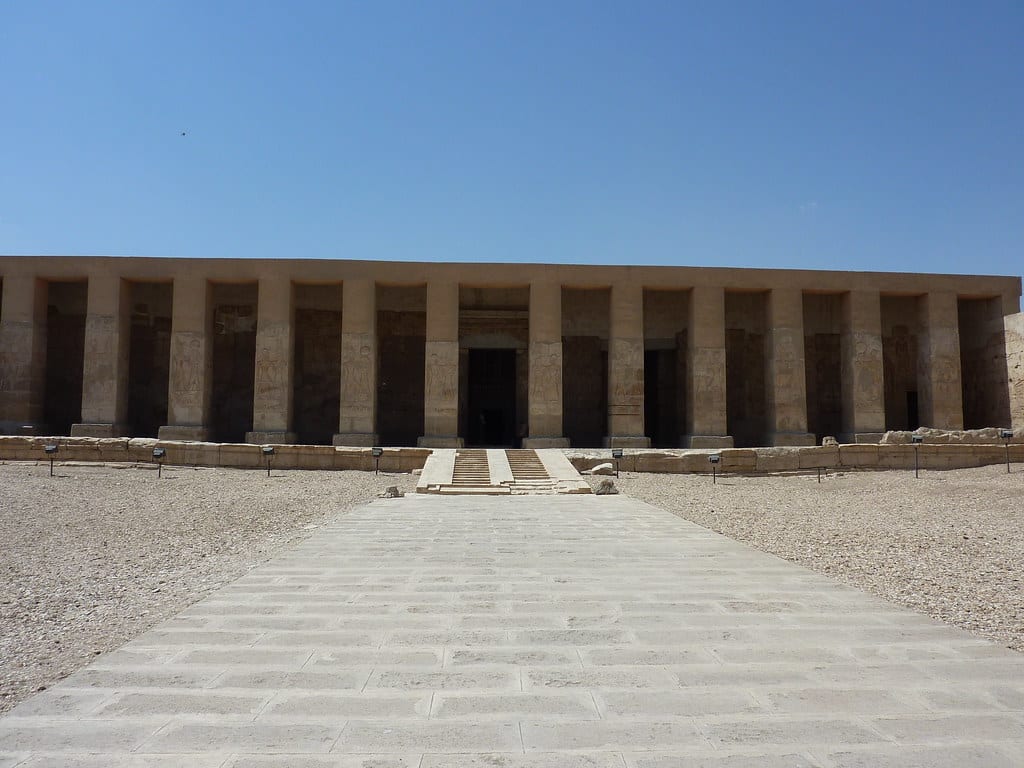
Abydos
Bani Mansour, New Valley, Egypt
Abydos is a temple of sacred significance. Approximate coordinates: 26.18480, 31.91888. Attributes: built, cultural, archaeological. Tradition: Ancient Egyptian. Associated figure: Seti I, Osiris. Mythological context: Ancient Egyptian mythology. Abydos may refer to: Abydos, a progressive metal side project of German singer Andy Kuntz Abydos (Hellespont), an ancient city in Mysia, Asia Minor Abydos (Stargate), name of a fictional planet in the Stargate science fiction universe Abydos, Egypt, a city in ancient Egypt Abydos Station, a pastoral lease and cattle station in Western Australia
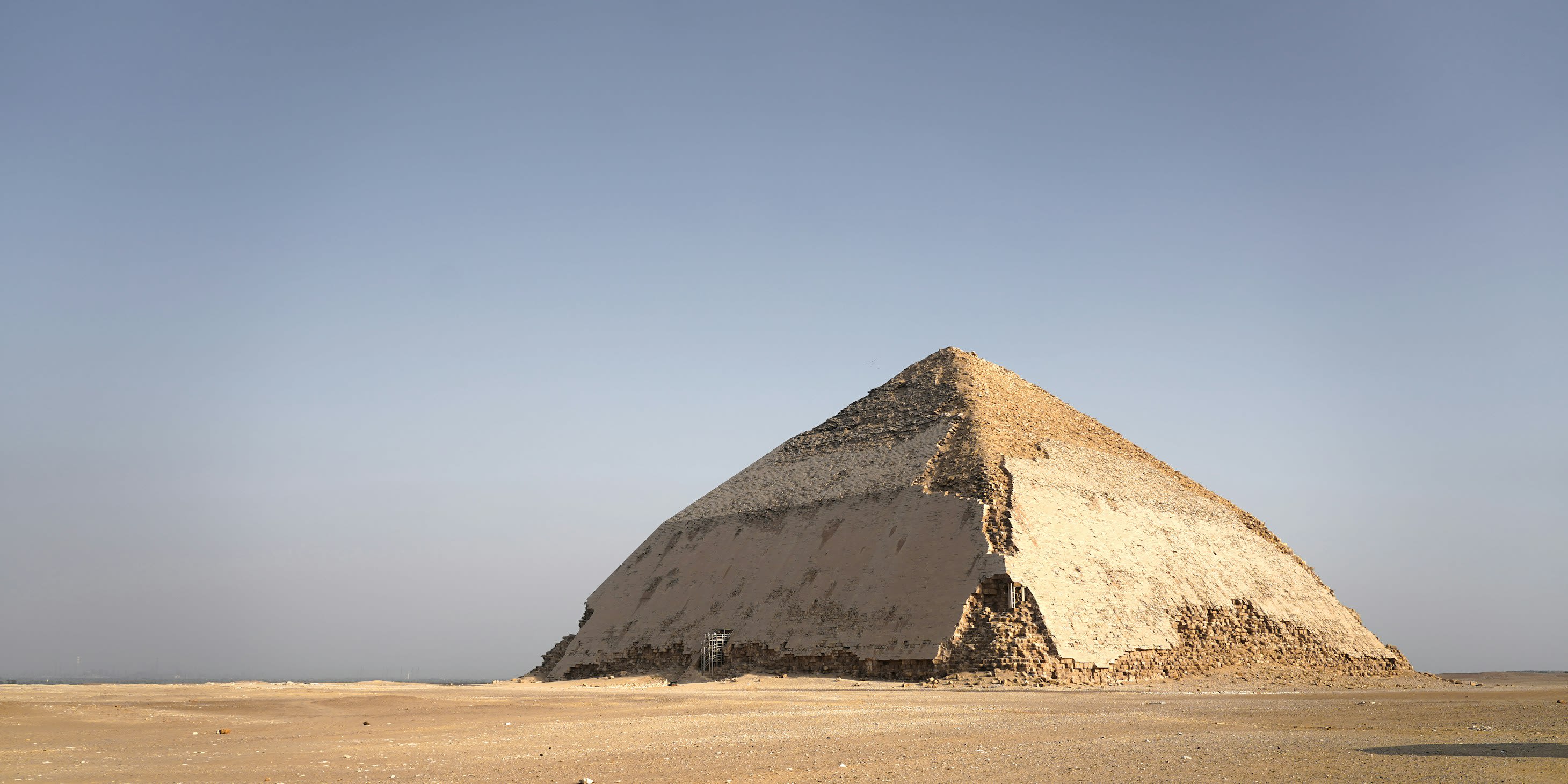
Bent Pyramid
Dahshur, Dahshur, Egypt
The Bent Pyramid rises from the desert at Dahshur with a silhouette like no other: steep at the base, then abruptly shallower at the 47-meter mark. Something happened here 4,600 years ago that forced the builders to change their plan. The result is frozen decision-making—a monument to adaptation that also preserves the best surviving example of original pyramid limestone casing. Stand before the Bent Pyramid and you see what all pyramids were meant to look like.
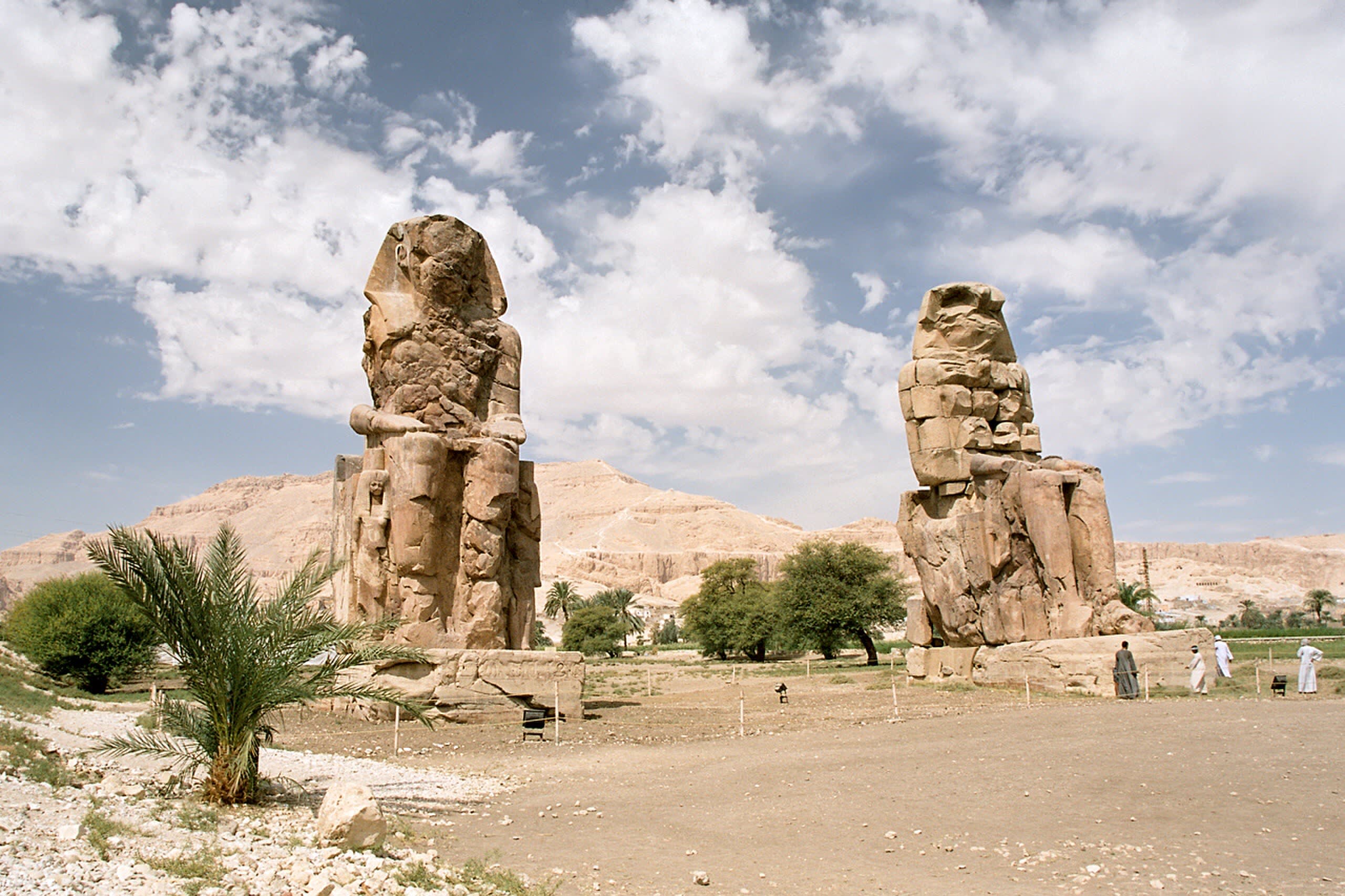
Colossi of Memnon, Luxor
Al Baairat Village, Luxor, Egypt
Colossi of Memnon, Luxor is a statues of sacred significance. Approximate coordinates: 25.72060, 32.61046. Attributes: built, cultural, archaeological. Tradition: Ancient Egyptian. Associated figure: Pharaoh Amenhotep III. Mythological context: Ancient Egyptian mythology. Located in الأقصر, الأقصر, Egypt.
Edfu
Idfu City, Aswan, Egypt
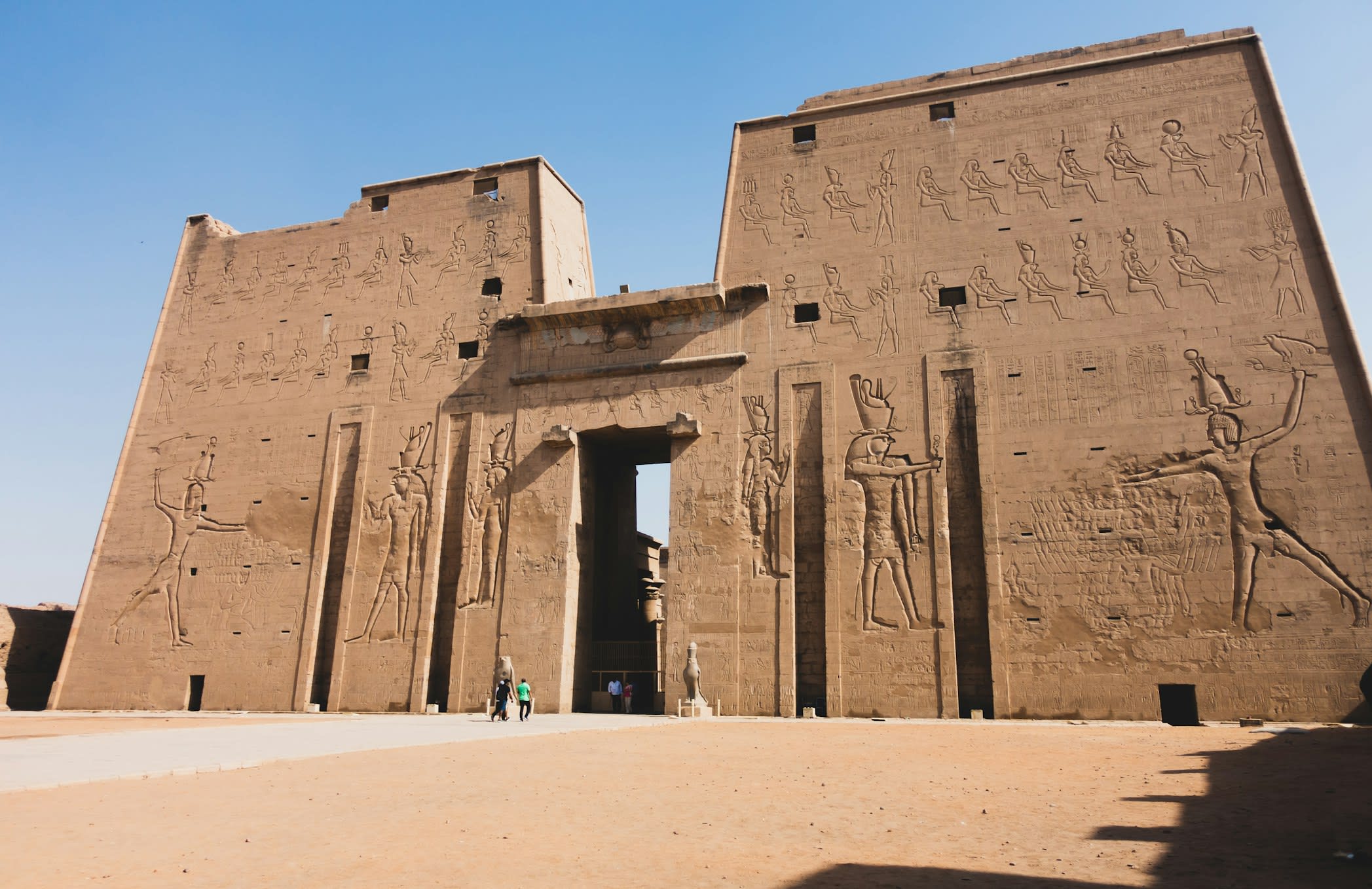
Edfu is a temple of sacred significance. Approximate coordinates: 24.97793, 32.87337. Attributes: built, cultural, archaeological, ceremonial. Tradition: Ancient Egyptian. Associated figure: Horus. Mythological context: Ancient Egyptian mythology. Edfu (Ancient Egyptian: bḥdt, Arabic: إدفو pronounced [ˈʔedfu], Sahidic Coptic: ⲧⲃⲱ, ⲧⲃⲟ, Bohairic Coptic: ⲑⲃⲱ, ⲁⲧⲃⲱ; also spelt Idfu, or in modern French as Edfou) is an Egyptian city, located on the west bank of the Nile River between Esna and Aswan, with a population of approximately 60,000 people. Edfu is the site of the Ptolemaic Temple of Horus and an ancient settlement, Tell Edfu. About 5 km (3.1 mi) south of Edfu are remains of ancient pyramids. Located in أسوان, Egypt.
Giza Necropolis
Giza, Giza, Egypt
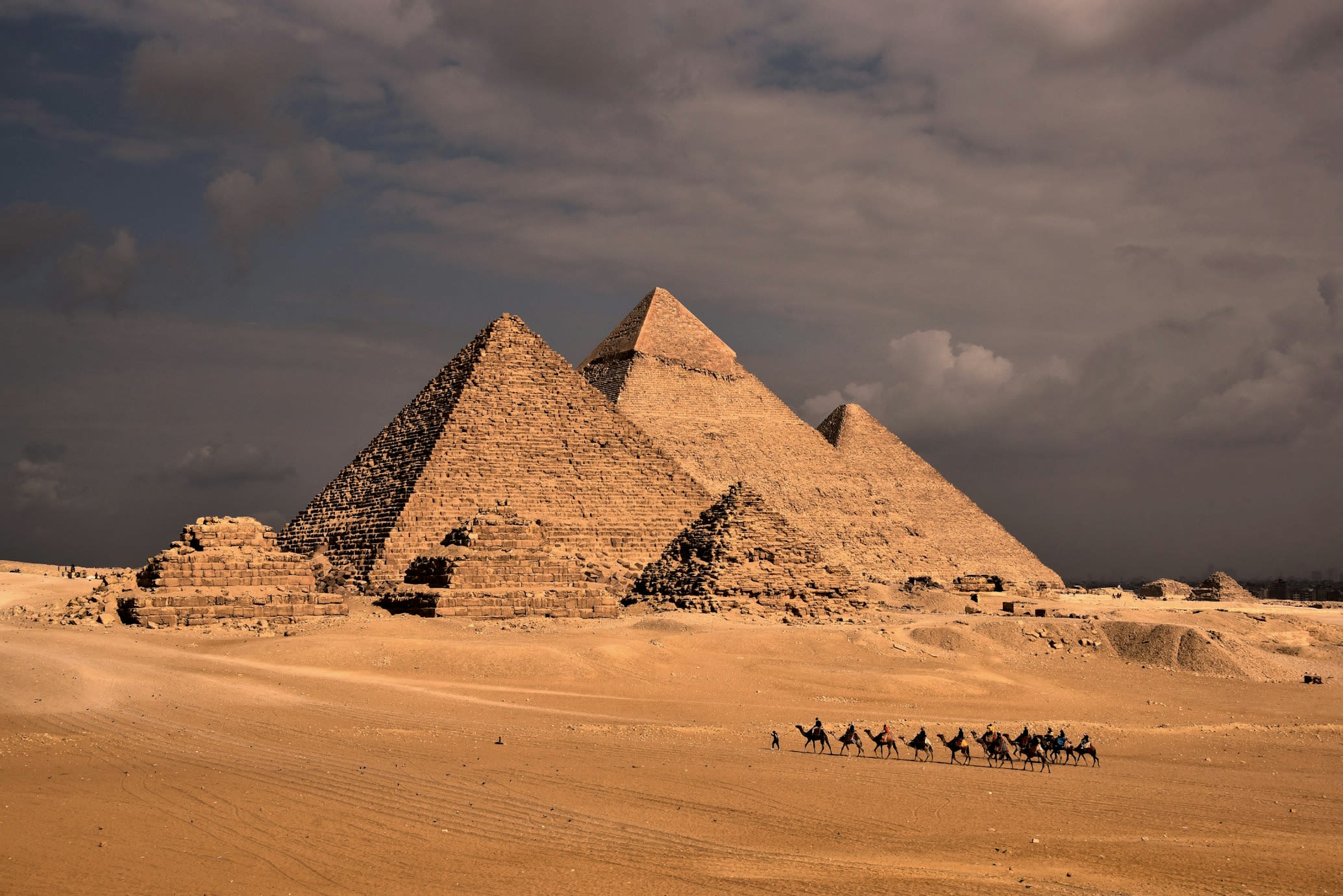
The Giza Necropolis is the only surviving Wonder of the Ancient World. Three pyramids rise from the desert plateau—grandfather, father, grandson—each an attempt to defeat death through stone and precision. The Great Sphinx guards the eastern approach, facing the equinoctial sunrise. Temples, causeways, boat pits, and tombs form an integrated sacred landscape designed to transform mortal kings into divine beings. For 4,500 years, humanity has come here to contemplate what endures.
Great Pyramid of Giza
Giza, Giza, Egypt
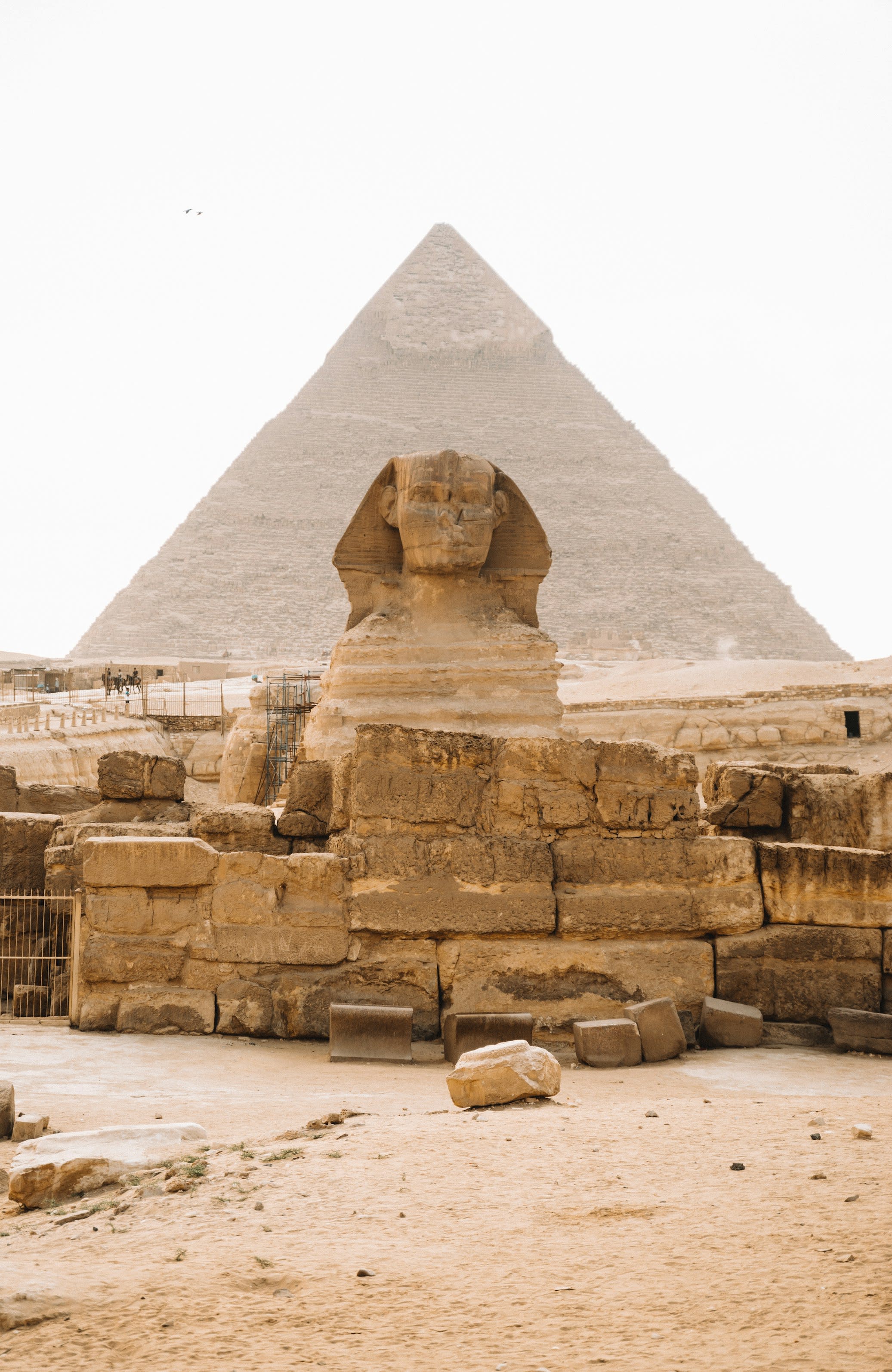
Great Pyramid of Giza is a pyramid of sacred significance. Approximate coordinates: 29.97924, 31.13420. Attributes: built, cultural, archaeological. Tradition: Ancient Egyptian. Associated figure: Khufu. Mythological context: Ancient Egyptian mythology. Recognized as a UNESCO World Heritage Site. The Great Pyramid of Giza is the largest Egyptian pyramid. It served as the tomb of pharaoh Khufu, who ruled during the Fourth Dynasty of the Old Kingdom. Built c. 2600 BC, over a period of about 26 years, the pyramid is the oldest of the Seven Wonders of the Ancient World, and the only wonder that has remained largely intact. It is the most famous monument of the Giza pyramid complex, which is part of the UNESCO World Heritage Site Memphis and its Necropolis . It is situated at the northeastern end of the line of the three main pyramids at Giza. Initially standing at 146.6 metres (481 feet), the Great Pyramid was the world s tallest human-made structure for more than 3,800 years. Over time, most of the smooth white limestone casing was removed, which lowered the pyramid s height to the current 138.5 metres (454.4 ft); what is seen today is the underlying core structure. The base was measured to be about 230.3 metres (755.6 ft) square, giving a volume of roughly 2.6 million cubic metres (92 million cubic feet), which includes an internal hillock. The dimensions of the pyramid were 280 royal cubits (146.7 m; 481.4 ft) high, a base length of 440 cubits (230.6 m; 756.4 ft), with a seked of 5+1/2 palms (a slope of 51°50 40 ). The Great Pyramid was built by quarrying an estimated 2.3 million large blocks, weighing 6 million tonnes in total. The majority of the stones are not uniform in size or shape, and are only roughly dressed. The outside layers were bound together by mortar. Primarily local limestone from the Giza Plateau was used for its construction. Other blocks were imported by boat on the Nile: white limestone from Tura for the casing, and blocks of granite from Aswan, weighing up to 80 tonnes, for the King s Chamber structure. There are three known chambers inside of the Great Pyramid. The lowest was cut into the bedrock, upon which the pyramid was built, but remained unfinished. The so-called Queen s Chamber and King s Chamber, which contain a granite sarcophagus, are above ground, within the pyramid structure. Hemiunu, Khufu s vizier, is believed by some to be the architect of the Great Pyramid. Many varying scientific and alternative hypotheses attempt to explain the exact construction techniques, but, as is the case for other such structures, there is no definite consensus. The funerary complex around the pyramid consisted of two mortuary temples connected by a causeway (one close to the pyramid and one near the Nile); tombs for the immediate family and court of Khufu, including three smaller pyramids for Khufu s wives; an even smaller satellite pyramid ; and five buried solar barques. Located in الجيزة, الجيزة, Egypt.
King's Chamber
Giza, Giza, Egypt
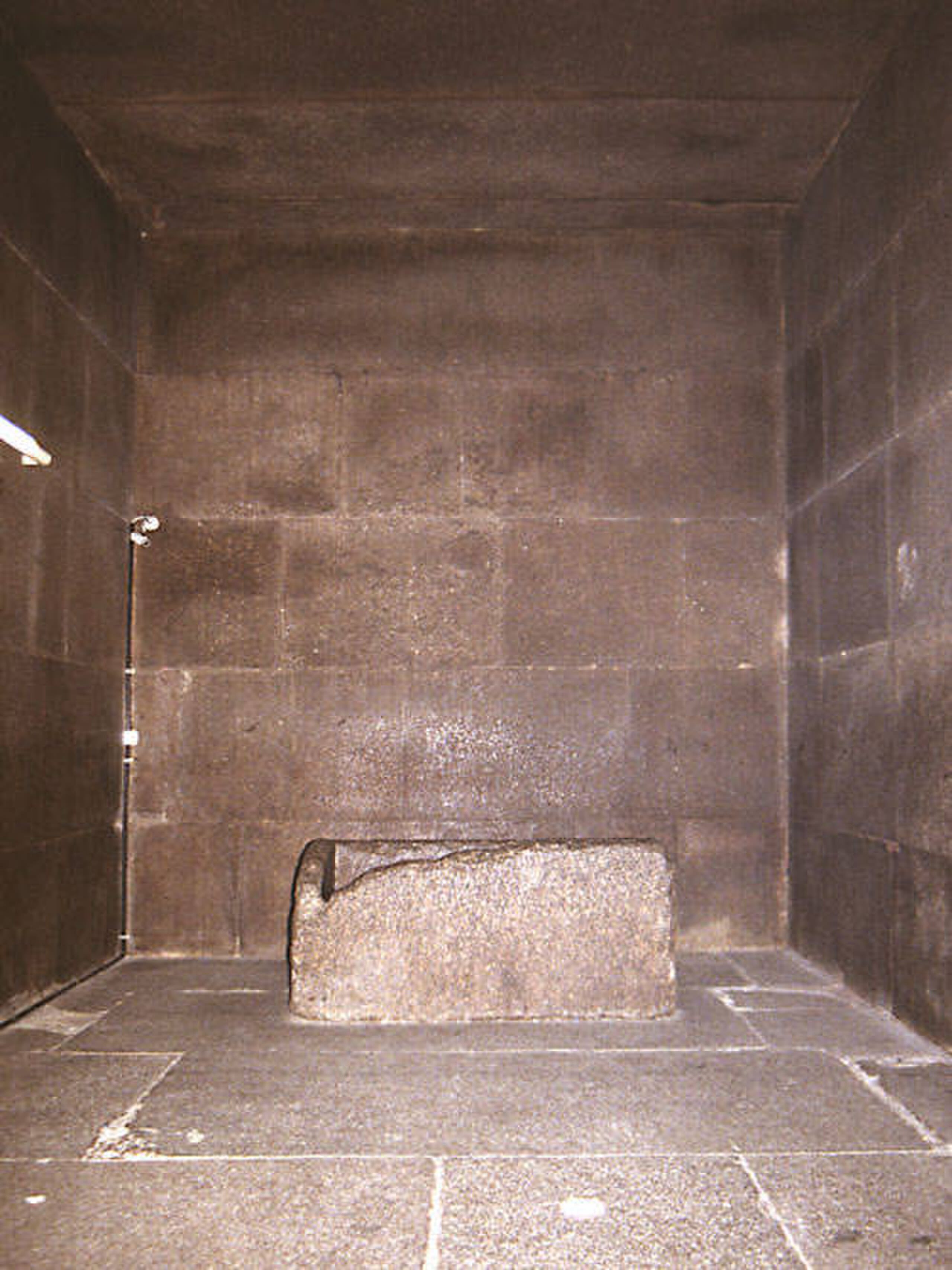
The King's Chamber sits at the geometric center of the Great Pyramid, a granite room built 4,600 years ago to endure eternity. Nine ceiling slabs weighing 80 tons each support over 400 tons of masonry above. Inside stands an empty sarcophagus, its lid missing, its intended occupant never found. Whatever was meant to happen here—burial, transformation, or something we no longer understand—the chamber remains, waiting.
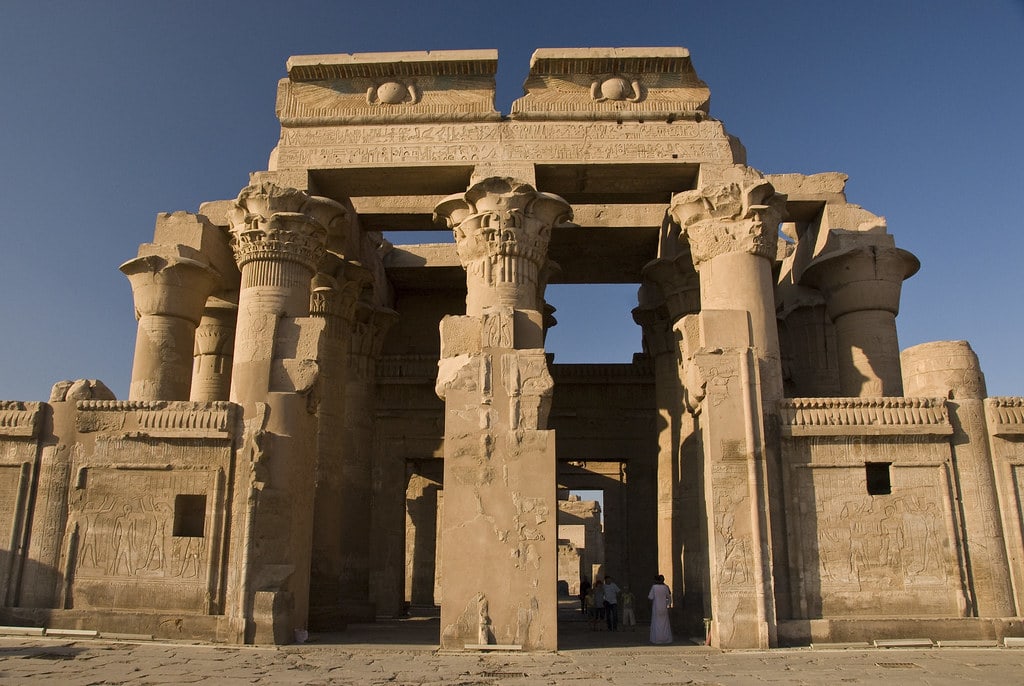
Kom Ombu
Koum Ombo City, Aswan, Egypt
Kom Ombu is a temple of sacred significance. Approximate coordinates: 24.45213, 32.92843. Attributes: built, cultural, archaeological, ceremonial. Tradition: Ancient Egyptian. Associated figure: Sobek, Haroeris, Hathor, Khonsu, Tasenetnofret, Panebtawy. Mythological context: Ancient Egyptian mythology. Located in أسوان, Egypt.
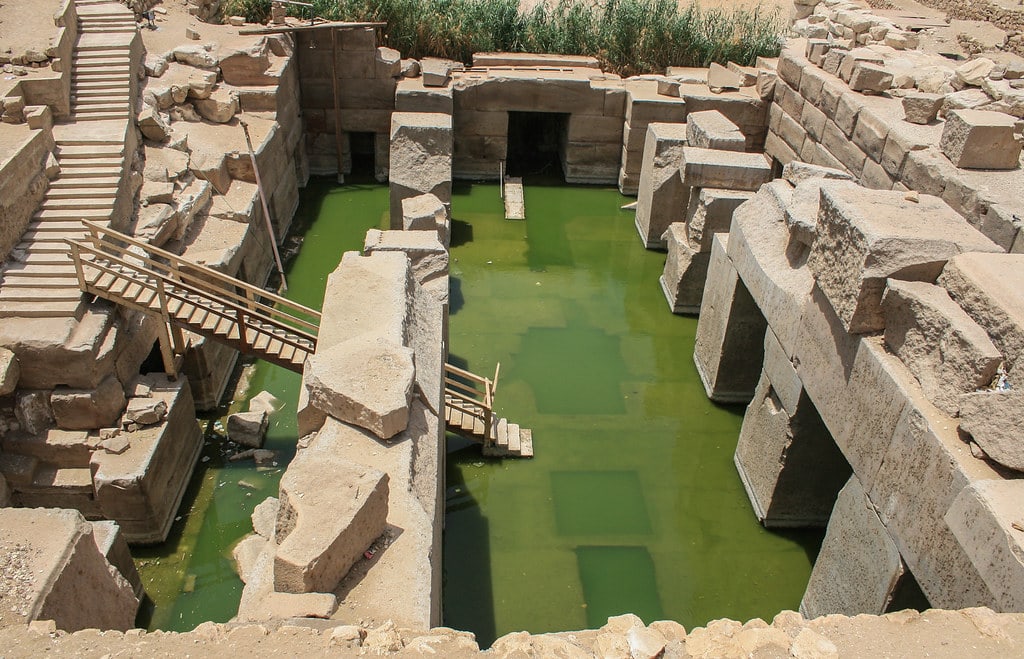
Osireion
Abydos, Sohag, Egypt
The Osireion is an underground structure behind the Temple of Seti I at Abydos, built as a symbolic tomb for Osiris. Its design—a central island platform surrounded by water channels, supported by massive granite pillars—recreates the Egyptian creation myth of the first land rising from primordial chaos. Deliberately built in archaic megalithic style three thousand years ago, it was designed to feel ancient even then. Most visitors view it from above; interior access requires special permits.
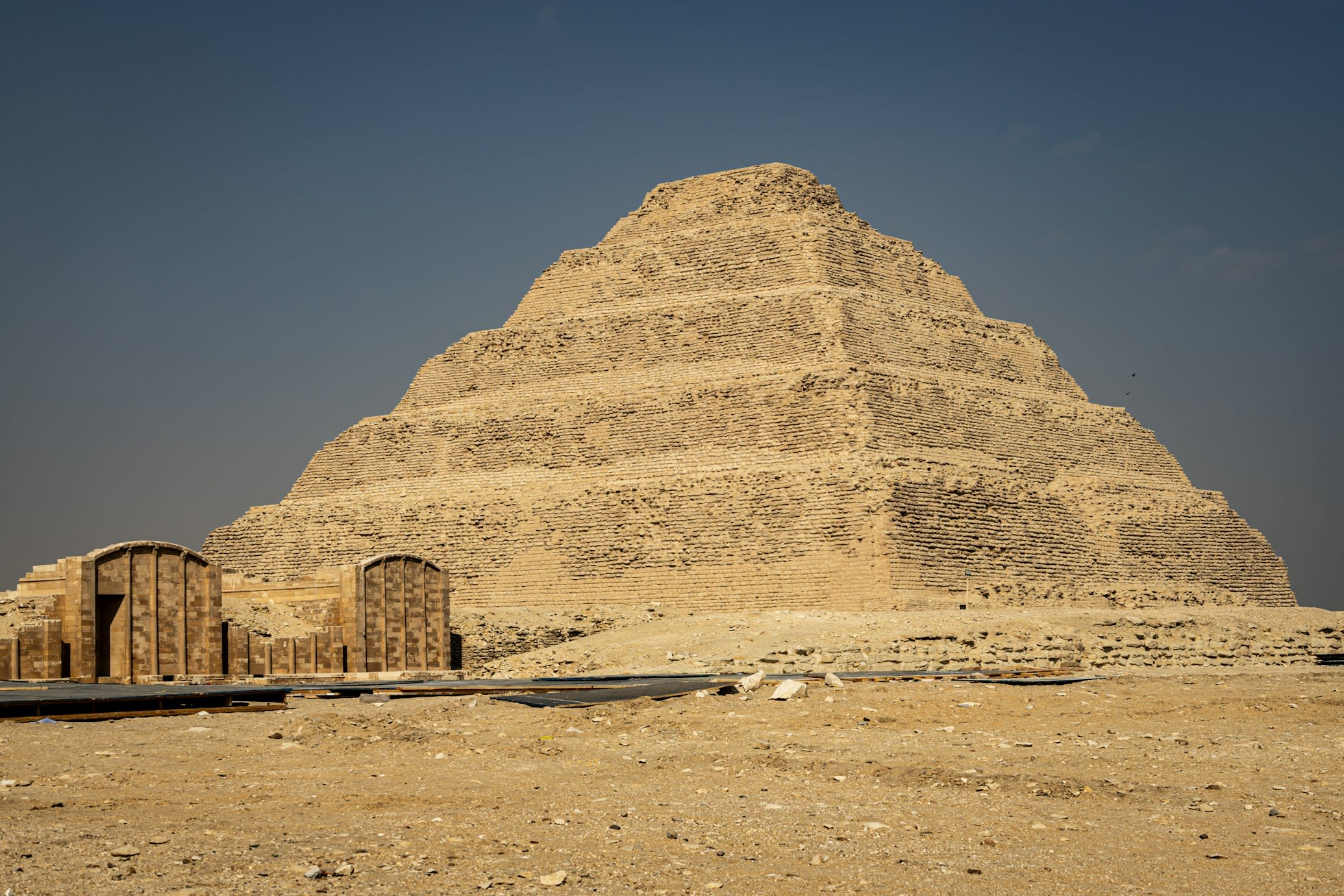
Pyramid of Djoser
Saqqara, Saqqara, Egypt
Before Giza, before the true pyramids, there was this: six limestone tiers rising from the desert at Saqqara, humanity's first monumental stone building. The Step Pyramid was conceived not merely as a tomb but as an eternal machine—a complete environment where Pharaoh Djoser would celebrate festivals forever, receive offerings perpetually, and ascend to the circumpolar stars. Its architect Imhotep became the first named builder in history, later worshipped as a god.
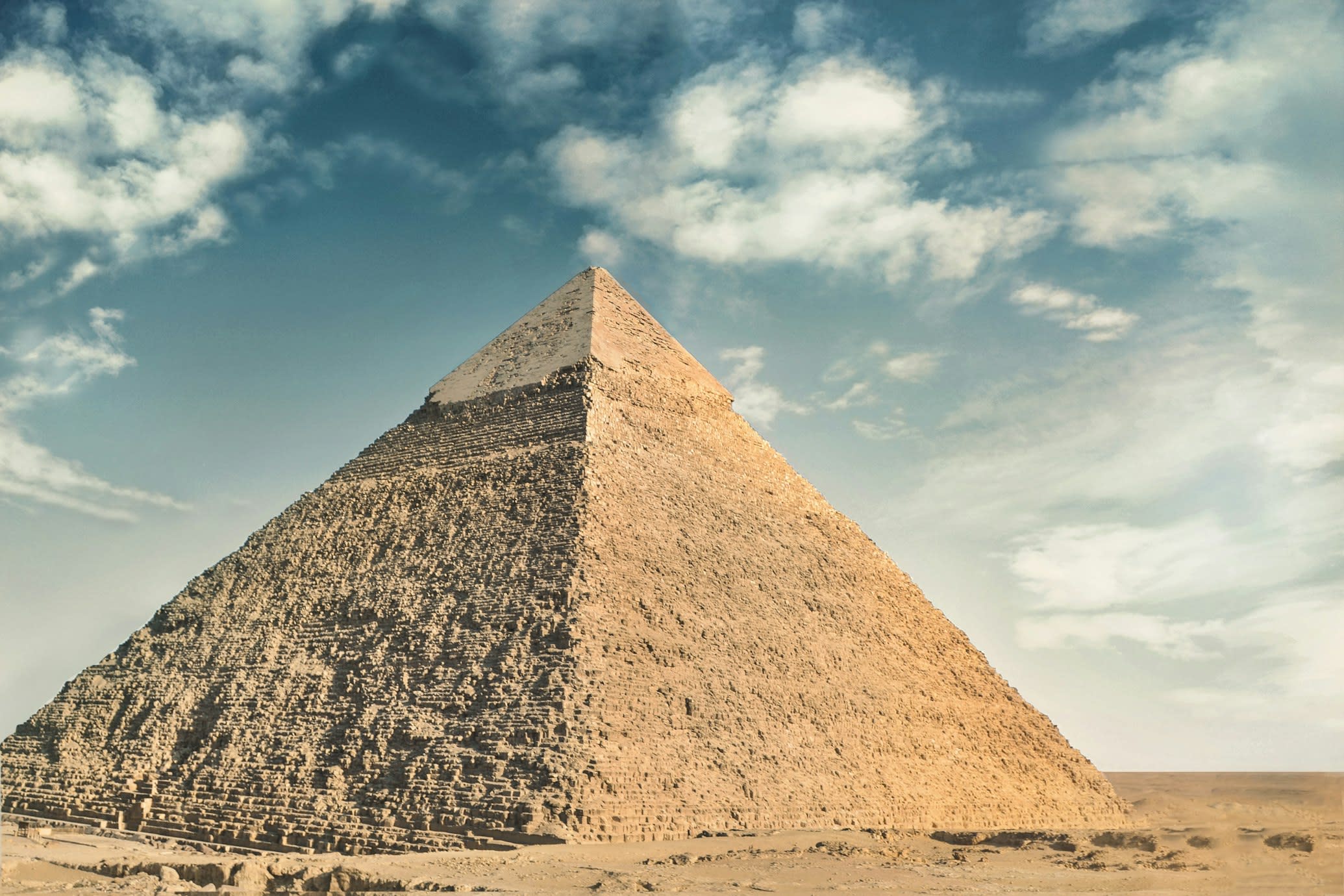
Pyramid of Khafre
Giza, Giza, Egypt
The Pyramid of Khafre appears to be the tallest at Giza, though it is not. Built on bedrock ten meters higher than his father Khufu's monument, Khafre's pyramid creates an optical illusion of dominance. Look closely at the apex: the white limestone casing still clinging there is the only surviving glimpse of how all the Giza pyramids once appeared—brilliant beacons visible from the Nile. The Great Sphinx crouches beside Khafre's causeway, likely his creation too. Father, son, and the guardian between them: a family necropolis spanning three generations.
Pyramid of Menkaure
Giza, Giza, Egypt
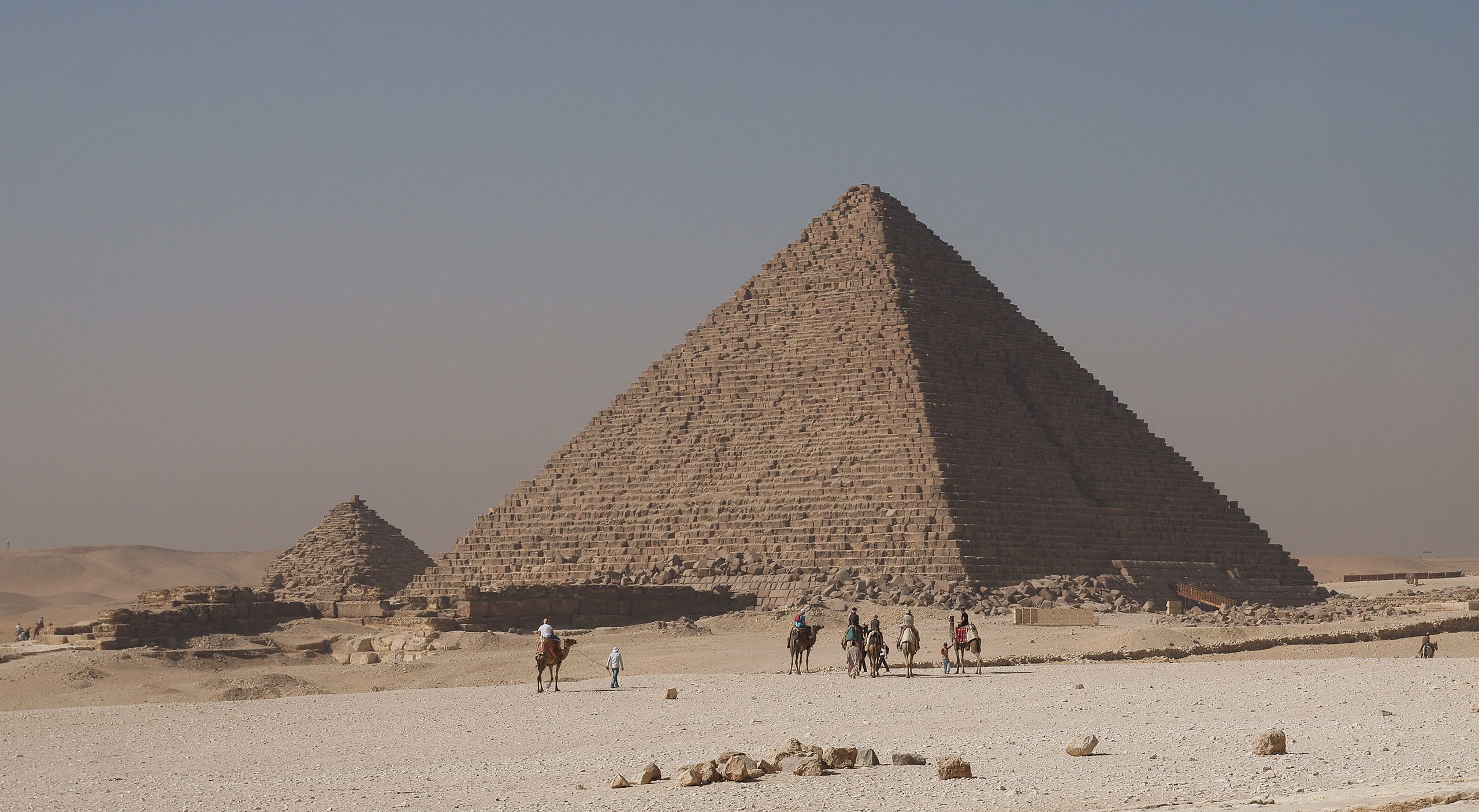
The Pyramid of Menkaure completes what three generations of pyramid builders began at Giza. Though smallest of the three great pyramids, its interior is the most elaborate—pink granite chambers, carved decorative panels, a vaulted ceiling. Menkaure's basalt sarcophagus was discovered here in 1837 but lies now at the bottom of the Mediterranean, lost when the ship carrying it to England sank. The empty chamber asks what endures when even stone cannot preserve what we most valued.
Red Pyramid
Dahshur, Dahshur, Egypt
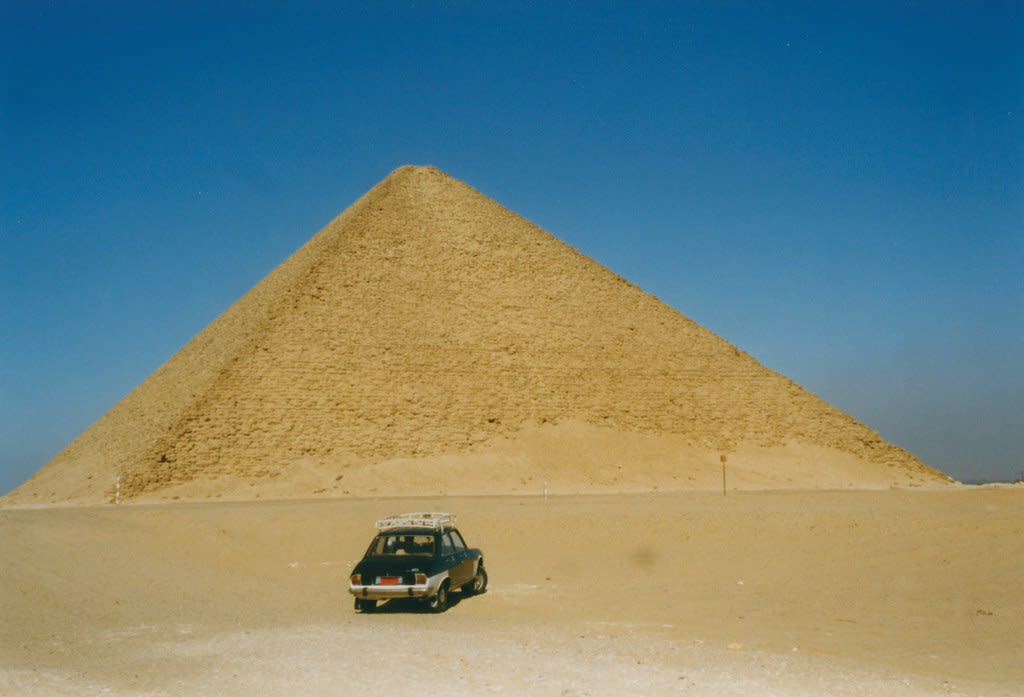
The Red Pyramid stands as proof of mastery achieved. After the collapsed pyramid at Meidum and the necessary angle change at the Bent Pyramid, Sneferu's engineers finally built what they had been working toward: the world's first successful true smooth-sided pyramid. The red limestone visible today once gleamed white beneath Tura casing, earning it the ancient name 'Sneferu Shines.' Inside, three chambers with corbelled ceilings have held for 4,600 years without cracking despite two million tons of stone above.
Temple of Hatshepsut
Luxor, Luxor, Egypt
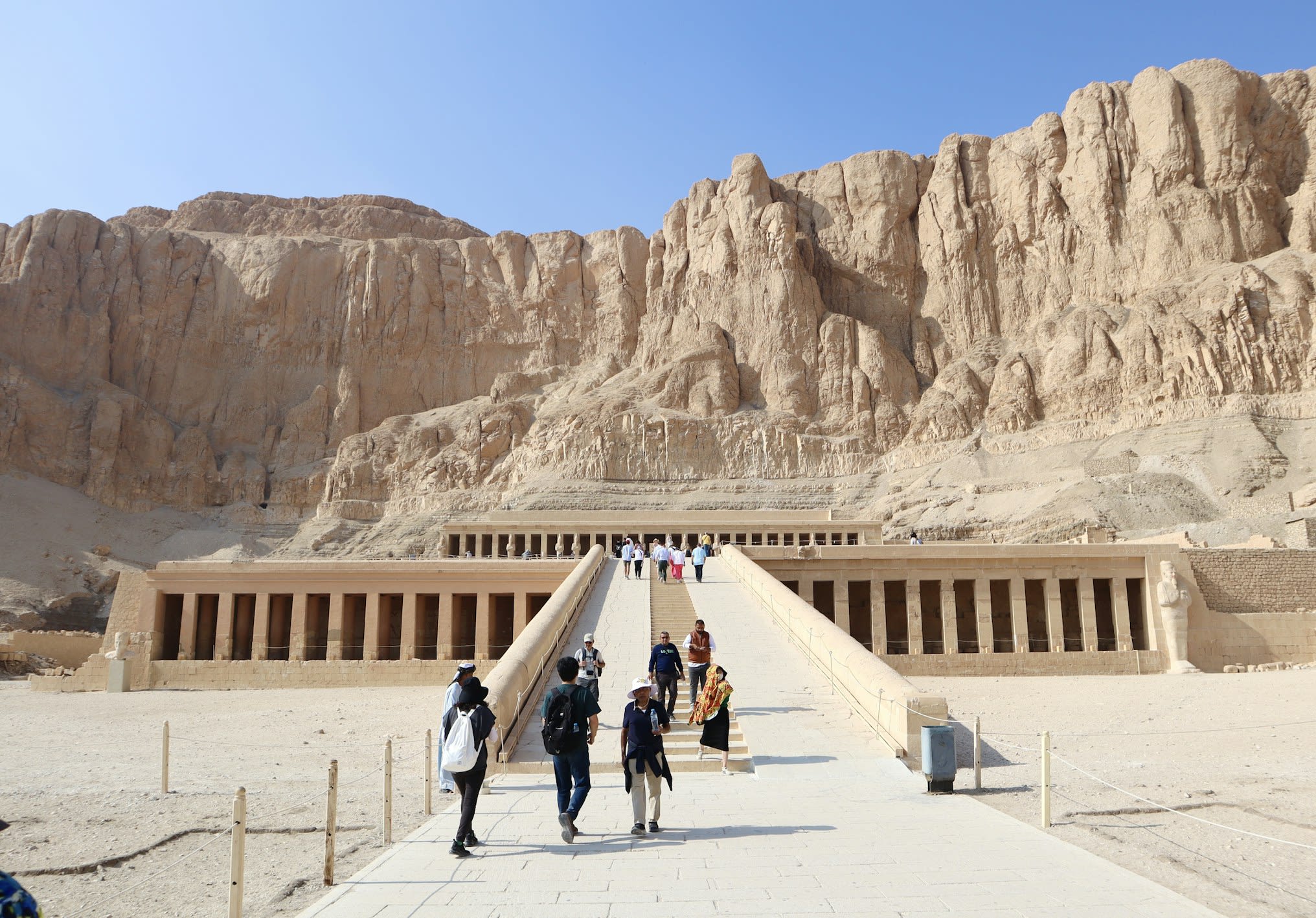
Hatshepsut declared herself pharaoh in a world that reserved that title for men. She commissioned a temple that appears to grow from the living rock at Deir el-Bahri, proclaiming her divine birth as daughter of Amun. After her death, her successors attempted to chisel her from memory. They failed. The temple stands. Her name is known. What was meant to be forgotten has become one of Egypt's most visited monuments.
Temple of Ptah
Luxor, Luxor, Egypt
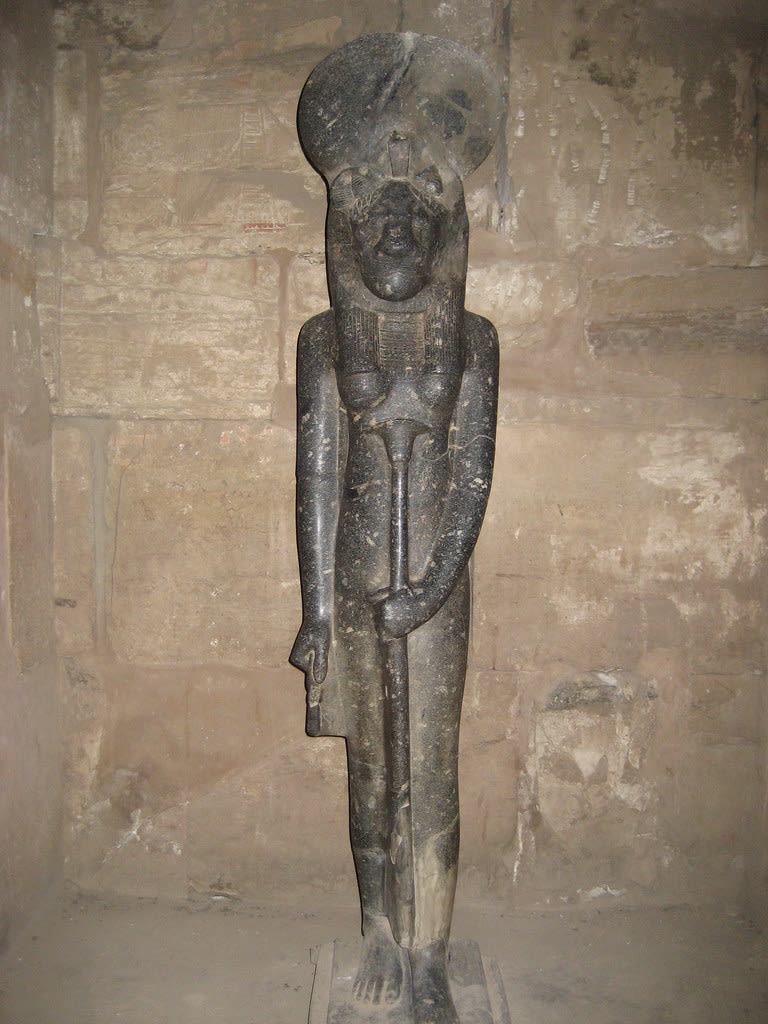
Hidden in Karnak's northern corner, the Temple of Ptah offers what the vast complex cannot: intimate encounter. Here the creator god of Memphis established his presence in Thebes, while in a darkened side chapel, the original cult statue of Sekhmet—lioness-headed goddess of destruction and healing—still stands where priests once awakened her. Light filters through apertures onto ancient stone. Many visitors report that she still sees them.
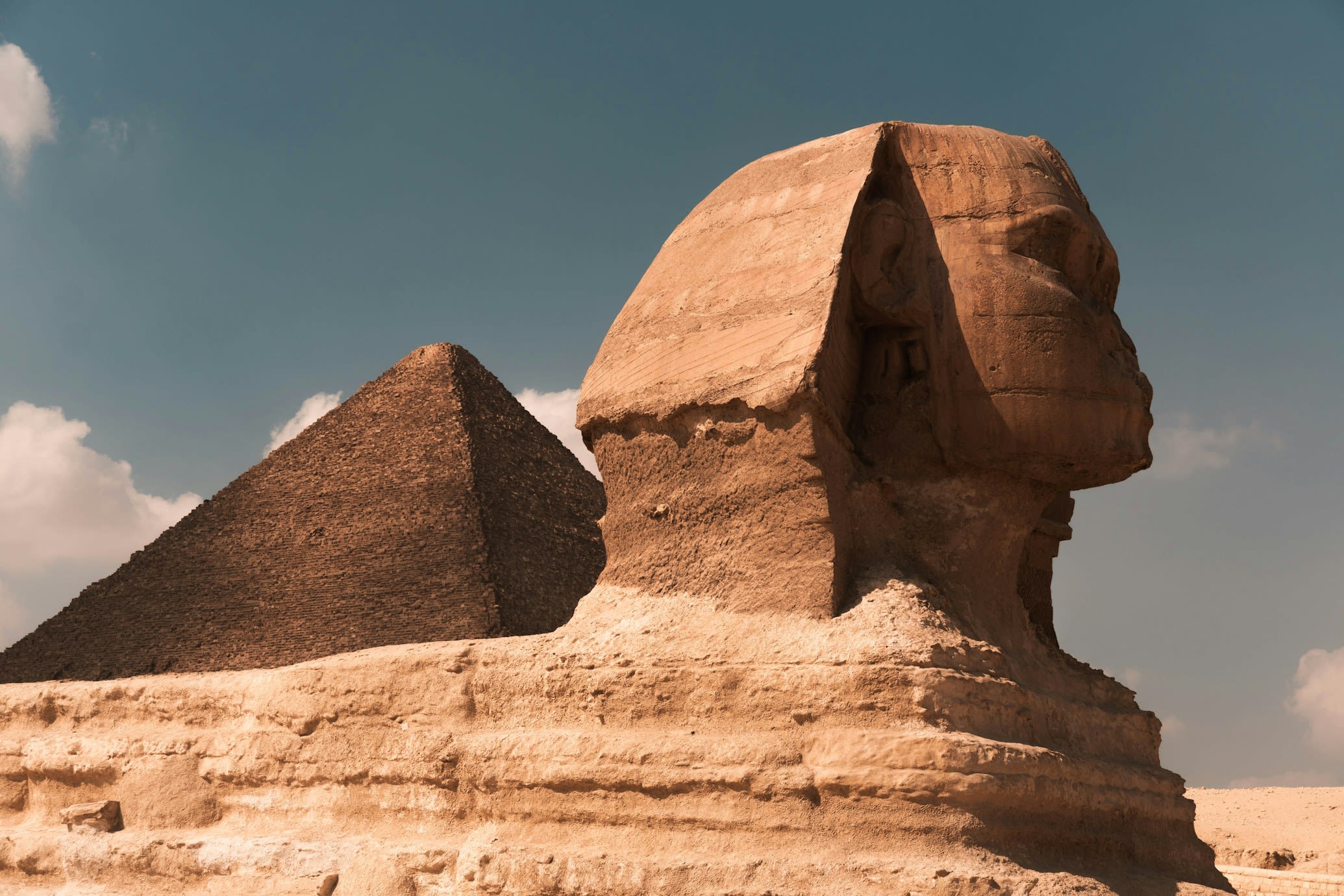
The Great Sphinx
Giza, Giza, Egypt
The Great Sphinx of Giza is a limestone statue of a reclining sphinx, a mythical creature with the head of a human and the body of a lion. Facing directly from west to east, it stands on the Giza Plateau on the west bank of the Nile in Giza, Egypt. The face of the Sphinx appears to represent the pharaoh Khafre. The original shape of the Sphinx was cut from the bedrock, and has since been restored with layers of limestone blocks. It measures 73 m (240 ft) long from paw to tail, 20 m (66 ft) high from the base to the top of the head and 19 m (62 ft) wide at its rear haunches.

Valley Temple of Khafre
Giza, Giza, Egypt
The Valley Temple of Khafre is Egypt's best-preserved Old Kingdom temple, where priests once transformed the dead pharaoh into a divine being. Massive granite pillars rise from alabaster floors. Light filters through clerestory openings. Twenty-three Ka statues once stood in pits carved into the floor—eternal vessels for the royal life force. Adjacent to the Great Sphinx and connected by causeway to Khafre's pyramid, the temple forms the gateway to a sacred landscape designed for resurrection.