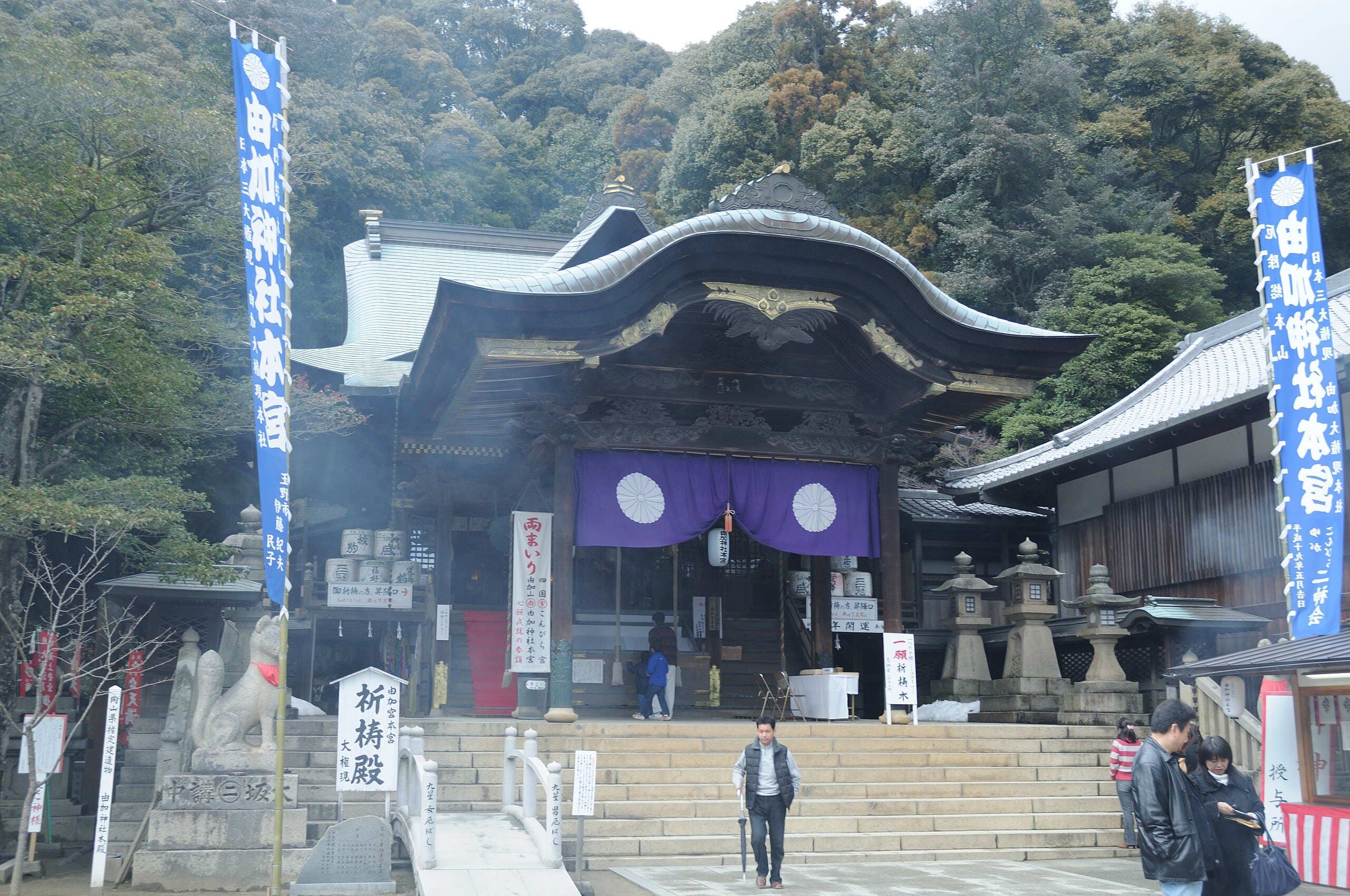
Yuga Shinto Shrine, Kurashiki
Where sacred rocks have hosted divine presence for over 2,000 years, guarding against evil since before recorded time
Kurashiki, Okayama Prefecture, Japan
At A Glance
- Coordinates
- 34.4767, 133.8144
- Suggested Duration
- 1-2 hours for a thoughtful visit
- Access
- Open daily. Free admission. Accessible by bus from Kurashiki and Kojima. Car recommended for convenient access.
Pilgrim Tips
- Open daily. Free admission. Accessible by bus from Kurashiki and Kojima. Car recommended for convenient access.
- No specific dress code; comfortable shoes recommended for the many stone steps.
- Permitted in most areas. Be mindful of worshipers engaged in prayer.
- New Year period is extremely crowded - over 350,000 visitors in just a few days. Those seeking contemplative experience should visit at other times. The climb involves considerable stairs; adequate footwear is important.
Overview
Yuga Shrine rises on Mount Yuga in Okayama, where massive sacred rocks have been venerated for over 2,000 years. Known as the head shrine for protection against evil spirits, it draws over 350,000 worshipers during New Year. Stone steps counting life's vulnerable years lead to blessings that have flowed here since prehistoric times.
Before Buddhism came to Japan, before the great shrines were built, before recorded history began, something was already happening on Mount Yuga. The ancient Iwakura faith - the veneration of large rocks as seats of kami - was practiced on this hillside where massive boulders emerged from the earth like bones of the mountain itself.
For over 2,000 years, worship has continued at this site. In 733 CE, the monk Gyoki established Rendai-ji Temple on the sacred mountain, bringing Buddhism to join the indigenous Shinto practice. This was the beginning of Shinbutsu-shugo - the syncretic blending of Shinto and Buddhist traditions that would characterize Japanese religion for a millennium.
Yuga Shrine became known as the head shrine for protection against evil spirits (yakuyoke). People came from across the region seeking protection at life's most vulnerable moments. The stone steps leading to the shrine count out these moments: 19 steps, 25 steps, 33 steps, 42 steps, 61 steps - ages when protection is especially needed according to Japanese tradition.
A dual pilgrimage tradition once linked Yuga Shrine with Kotohira-gu across the Seto Inland Sea. Pilgrims would visit both shrines, completing a sacred circuit that spanned the water. This connection created a spiritual geography linking the mountains and islands of the region.
Today, over 350,000 worshipers come during the New Year period alone. They climb the symbolic steps, pray before the ancient rocks, and receive the protection that has flowed from this hillside for over twenty centuries. The Bizen-ware komainu (guardian dogs) at the entrance, crafted in 1829, watch over this most ancient of sanctuaries.
Context And Lineage
Over 2,000 years of continuous worship, from prehistoric rock veneration through Buddhist-Shinto syncretism to today's 350,000 New Year pilgrims.
The origins of Yuga Shrine reach back before recorded history. On the slopes of Mount Yuga, massive rocks emerged from the earth - natural formations that ancient peoples recognized as seats of divine presence. This was Iwakura faith, the veneration of sacred rocks that represents the oldest layer of Japanese religion.
For how long people worshiped at these rocks before history began, we cannot know. But by the time records appear, the mountain was already sacred. In 733 CE, the monk Gyoki - a figure of immense importance in Japanese Buddhist history - established Rendai-ji Temple on the sacred mountain. Buddhism joined the indigenous tradition, and the syncretic practice of Shinbutsu-shugo was born.
The original kami came to be understood as Yuga Daigongen - a title reflecting the syncretic view that kami and Buddhist deities are different manifestations of the same reality. The mountain became known as the head shrine for protection against evil spirits, and pilgrims came seeking that protection.
During the Edo period, the dual pilgrimage tradition flourished. Pilgrims would visit both Yuga Shrine and Kotohira-gu across the Seto Inland Sea, completing a sacred circuit that connected mountain and sea. The lords of Okayama domain became patrons, with Lord Ikeda Tsunamasa and his successors regularly worshiping here between 1638 and 1714.
Yuga Shrine represents the Shinbutsu-shugo tradition - the syncretic blending of Shinto and Buddhism that characterized Japanese religion for over a millennium. The original Iwakura faith continues beneath the formal religious structure. The dual pilgrimage tradition connects the shrine to Kotohira-gu and the wider sacred geography of the Seto Inland Sea region.
Gyoki
Temple founder
Why This Place Is Sacred
Yuga Shrine is thin where the oldest form of Japanese religion - the veneration of sacred rocks - continues unchanged for over two millennia.
The thinness of Yuga Shrine reaches back to the origins of Japanese religion. Before there were shrines, before there were priests, before there were rituals in any formal sense, there was Iwakura faith: the recognition that certain rocks housed divine presence.
The sacred rocks on Mount Yuga are not monuments built by human hands but natural formations that ancient peoples recognized as seats of kami. To stand before them is to stand before the original form of Japanese spirituality - the direct encounter with numinous presence in the natural world.
This original encounter has been elaborated over two millennia. Gyoki brought Buddhism. The syncretic tradition of Shinbutsu-shugo developed. The dual pilgrimage with Kotohira-gu connected the shrine to a wider sacred geography. The specialty in yakuyoke (protection from evil) gave focus to the prayers offered here. But beneath all these developments, the sacred rocks remain: unchanged, receiving worship as they have since before history began.
The symbolic step counts (19, 25, 33, 42, 61) add another dimension. These are the vulnerable ages according to Japanese tradition - years when the barrier between fortune and misfortune is thin. Climbing these steps is to acknowledge vulnerability and seek protection. The mountain that has offered protection for over 2,000 years receives this acknowledgment and responds.
The 350,000 New Year worshipers testify to this reality. People do not come in such numbers to cultural relics. They come because something here still works.
The original purpose of worship at Mount Yuga was Iwakura faith - the veneration of sacred rocks as seats of kami. These natural formations were recognized as places where divine presence manifested in the physical world. No human purpose was imposed; humans responded to what the rocks already were.
The evolution of Yuga Shrine traces the history of Japanese religion. Indigenous rock worship was joined by Buddhism when Gyoki founded Rendai-ji Temple in 733 CE. The syncretic tradition of Shinbutsu-shugo developed, understanding the original kami as manifestations of Buddhist deities. The specialty in yakuyoke (evil protection) became established. The dual pilgrimage with Kotohira-gu created regional sacred geography. Through all this, the original sacred rocks remained the foundation - quite literally - of the tradition.
Traditions And Practice
Yakuyoke (evil protection) prayers, symbolic step climbing, New Year pilgrimage drawing over 350,000 worshipers.
Traditional practice at Yuga Shrine centers on yakuyoke - prayers for protection against evil spirits. The symbolic stone steps (19, 25, 33, 42, 61) are climbed as acknowledgment of life's vulnerable ages. The dual pilgrimage with Kotohira-gu once brought pilgrims across the Seto Inland Sea. Veneration of the sacred rocks (Iwakura) continues the oldest stratum of practice.
Contemporary practice maintains yakuyoke as the specialty. New Year hatsumode brings over 350,000 visitors in the first days of January. Daily worship services continue. Omamori (protective amulets) are particularly sought after, given the shrine's yakuyoke specialty. The sacred rocks continue to receive veneration as they have for over two millennia.
Visitors seeking spiritual experience at Yuga Shrine might approach the stone steps with awareness of their symbolic meanings. Consider your own age and the ages of those you love; which steps correspond to current vulnerabilities? At the sacred rocks, recognize that you are encountering the oldest form of Japanese religion - worship that has continued at this very spot for over 2,000 years. If protection is what you seek, this is a place specially designated to provide it.
Shinto / Iwakura Faith
ActiveYuga Shrine has origins in the ancient Iwakura faith - the worship of sacred rocks believed to house kami. The hillside contains numerous large sacred rocks venerated since prehistoric times. This makes Yugasan one of the oldest continuously worshipped sacred sites in the region, with over 2,000 years of religious practice.
Worship at sacred rocks, prayers for protection against evil, New Year pilgrimage, climbing the ritual stone steps
Shinbutsu-shugo (Shinto-Buddhist Syncretism)
ActiveMount Yuga demonstrates the integration of Shinto and Buddhism that characterized Japanese religion for centuries. The original kami Yuga Daigongen was considered a manifestation of Buddhist deities. Rendai-ji Temple, founded by Gyoki in 733, shares the sacred mountain with the shrine. The dual pilgrimage tradition linked Yuga with Kotohira-gu across the Seto Inland Sea.
Combined Shinto-Buddhist worship, dual pilgrimage to Kotohira (historical), protection against evil spirits
Experience And Perspectives
Climbing the symbolic stone steps past ancient sacred rocks, visitors encounter the oldest continuous layer of Japanese religion.
The approach to Yuga Shrine introduces its distinctive elements. The Bizen-ware komainu at the entrance - crafted in 1829 in the famous local ceramic tradition - announce that this is a place of special character. Bizen-ware is unglazed, fired for long periods in wood-burning kilns; these guardian dogs emerged from that primal process.
Then come the stone steps. Unlike ordinary stairs, these are numbered symbolically: 19, 25, 33, 42, 61 - the vulnerable ages according to Japanese tradition. Climbing them is not merely ascending; it is acknowledging the years when one needs protection most. Some visitors pause at the number corresponding to their current age. Others climb for family members.
The sacred rocks emerge from the hillside along the way. These massive formations are the original reason for worship here - seats of kami venerated since prehistoric times. Unlike shrine buildings, which can be rebuilt, these rocks are immovable and unchanged. They witnessed the first prayers offered here over 2,000 years ago.
At the summit, the shrine complex integrates with the Buddhist Rendai-ji Temple. This juxtaposition preserves the syncretic tradition that characterized Japanese religion for over a millennium. Shinto shrine and Buddhist temple share the sacred mountain, as they have since 733 CE.
The atmosphere tends toward the powerful rather than the peaceful. This is a place of protection, after all - protection against evil spirits requires a certain intensity. Visitors often report feeling watched, guarded, surrounded by attention that is benevolent but not passive.
Yuga Shrine stands on Mount Yuga in Kojima, Kurashiki City, Okayama Prefecture. The shrine complex shares the mountain with Rendai-ji Temple, reflecting the syncretic Shinto-Buddhist tradition. The Seto Inland Sea is visible in the distance, connecting visually to Kotohira-gu, the shrine's historical dual pilgrimage partner.
Yuga Shrine offers insights into the evolution of Japanese religion from prehistoric rock worship to syncretic shrine-temple complexes.
Scholars recognize Yuga Shrine as an important example of both ancient Iwakura faith and Shinbutsu-shugo syncretism. The transition from rock worship to organized shrine demonstrates the evolution of Japanese religion. The dual pilgrimage tradition with Kotohira-gu shows how sacred geography connected communities across the Seto Inland Sea. The site provides evidence for understanding how indigenous practices were incorporated rather than replaced as Buddhism arrived.
In Shinto understanding, the sacred rocks on Mount Yuga genuinely house kami presence. This is not symbolic or historical but actual: divine beings dwell in these formations and have dwelt there for over two millennia. The shrine's power to ward off evil reflects its ancient status as a seat of divine protection.
The original forms of Iwakura worship on the mountain are not recorded. The identity of the earliest deities venerated here - before they received names and systematization - remains unknown. The significance of the specific step counts (19, 25, 33, 42, 61) may have layers of meaning beyond the yakudoshi (calamitous years) interpretation.
Visit Planning
Open daily, free admission; 1-2 hours for visit; avoid New Year if seeking quiet.
Open daily. Free admission. Accessible by bus from Kurashiki and Kojima. Car recommended for convenient access.
Lodging in Kurashiki (historic merchant district with many options); accommodations in the Kojima area
Standard Shinto etiquette; special reverence for the ancient sacred rocks.
Yuga Shrine follows standard Shinto etiquette with particular attention to the sacred rocks. These formations have received worship for over 2,000 years; they deserve corresponding respect.
Purify at the temizu (water basin) before approaching the shrines. When passing the sacred rocks, recognition and reverence are appropriate - these are not decorative features but the original seats of divine presence that made this mountain sacred.
The shrine's specialty in yakuyoke (evil protection) creates an atmosphere of purposeful prayer. Many visitors come with specific concerns, seeking protection for themselves or family members. Respect this intention in others.
No specific dress code; comfortable shoes recommended for the many stone steps.
Permitted in most areas. Be mindful of worshipers engaged in prayer.
Coins at offering boxes. Yakuyoke amulets available for purchase.
{"Follow Shinto shrine etiquette","Treat sacred rocks with appropriate reverence","Purify at temizu before worship","Respect inner sanctuary areas"}
Sacred Cluster
Nearby sacred places create the location cluster described in the growth plan. This block is intentionally crawlable and links into the wider regional graph.
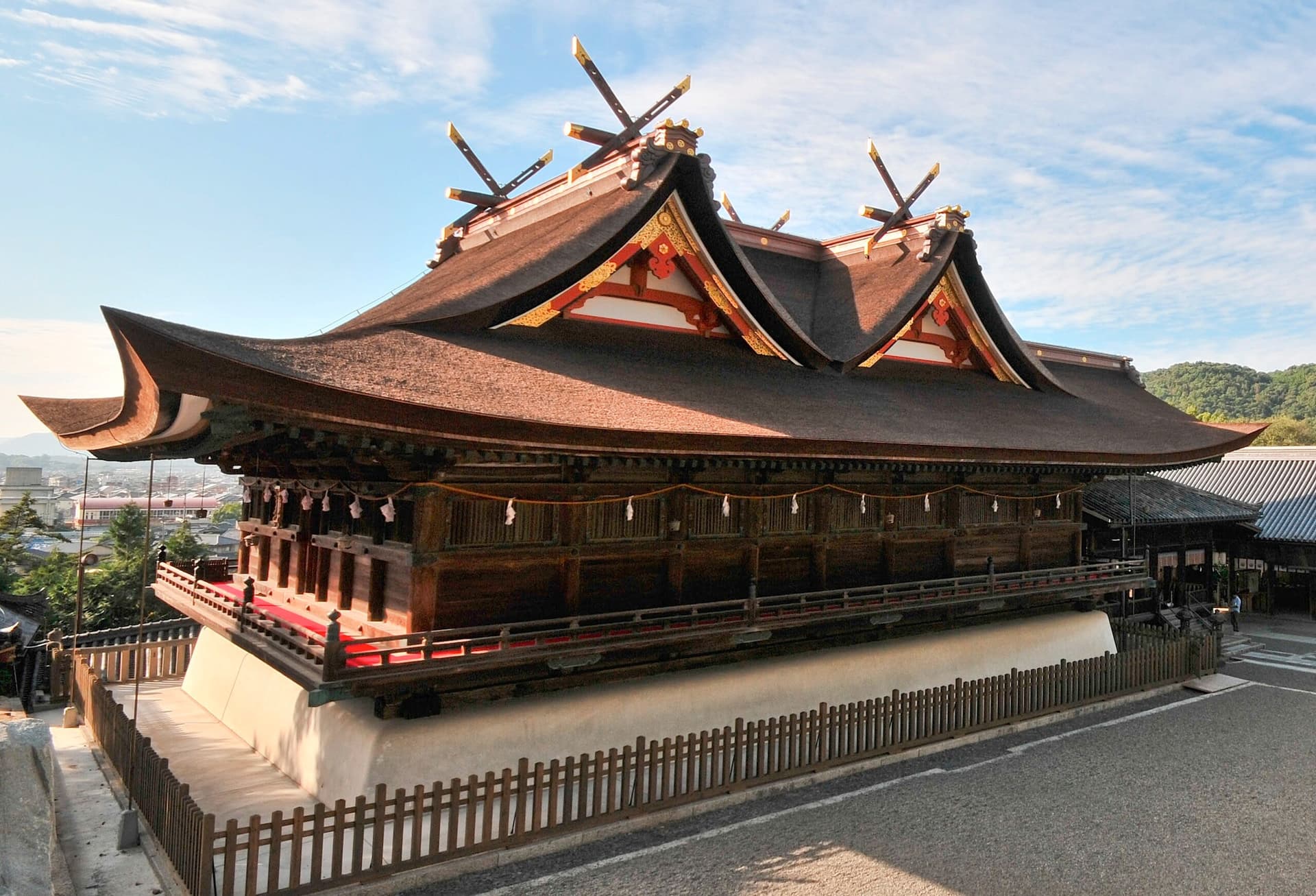
Kibitsu Jinja Shinto Shrine, Okayama
Okayama, Okayama Prefecture, Japan
21.8 km away
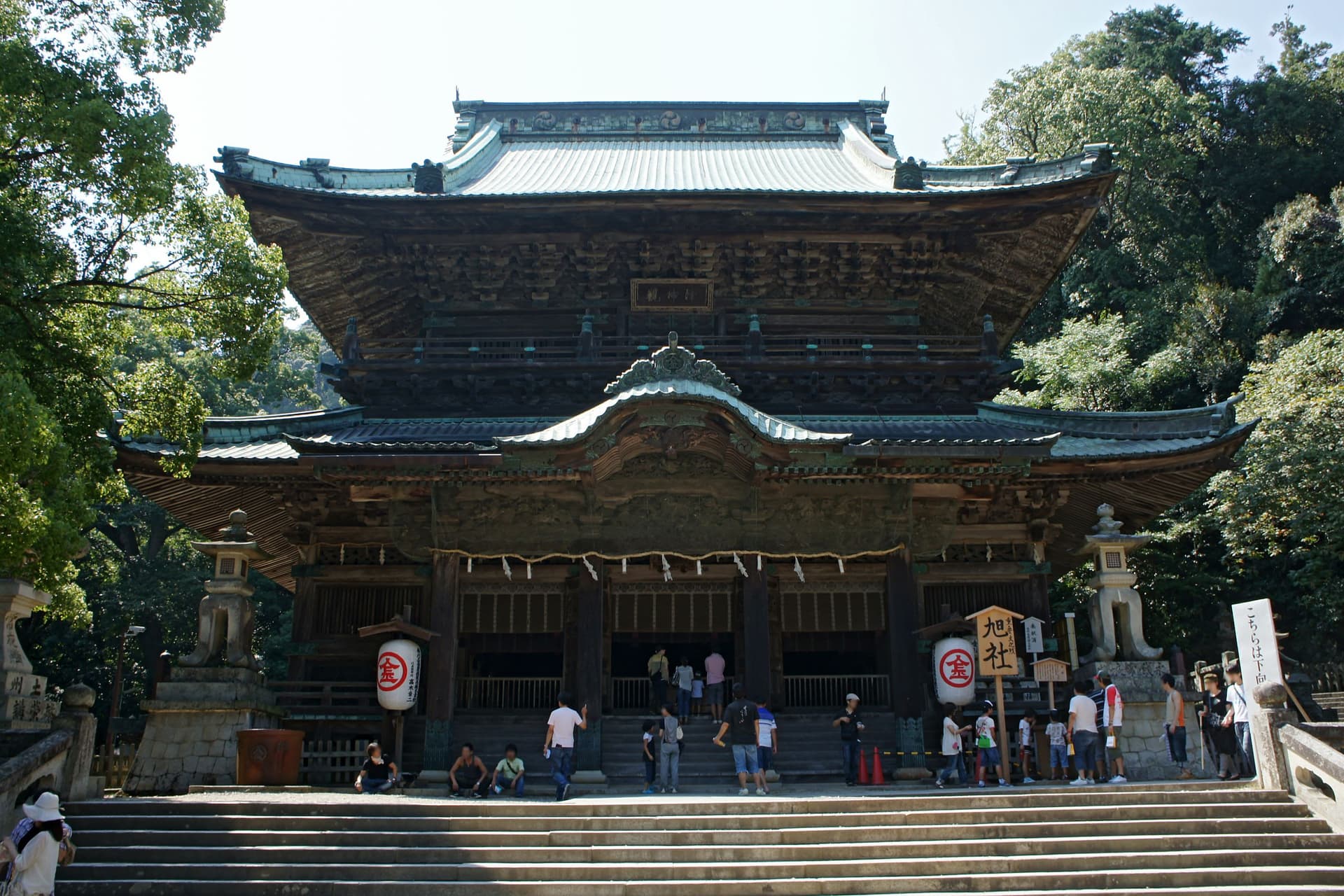
Kotohira shrine, Kotohira, Japan
Kotohira, Kagawa Prefecture, Japan
32.2 km away
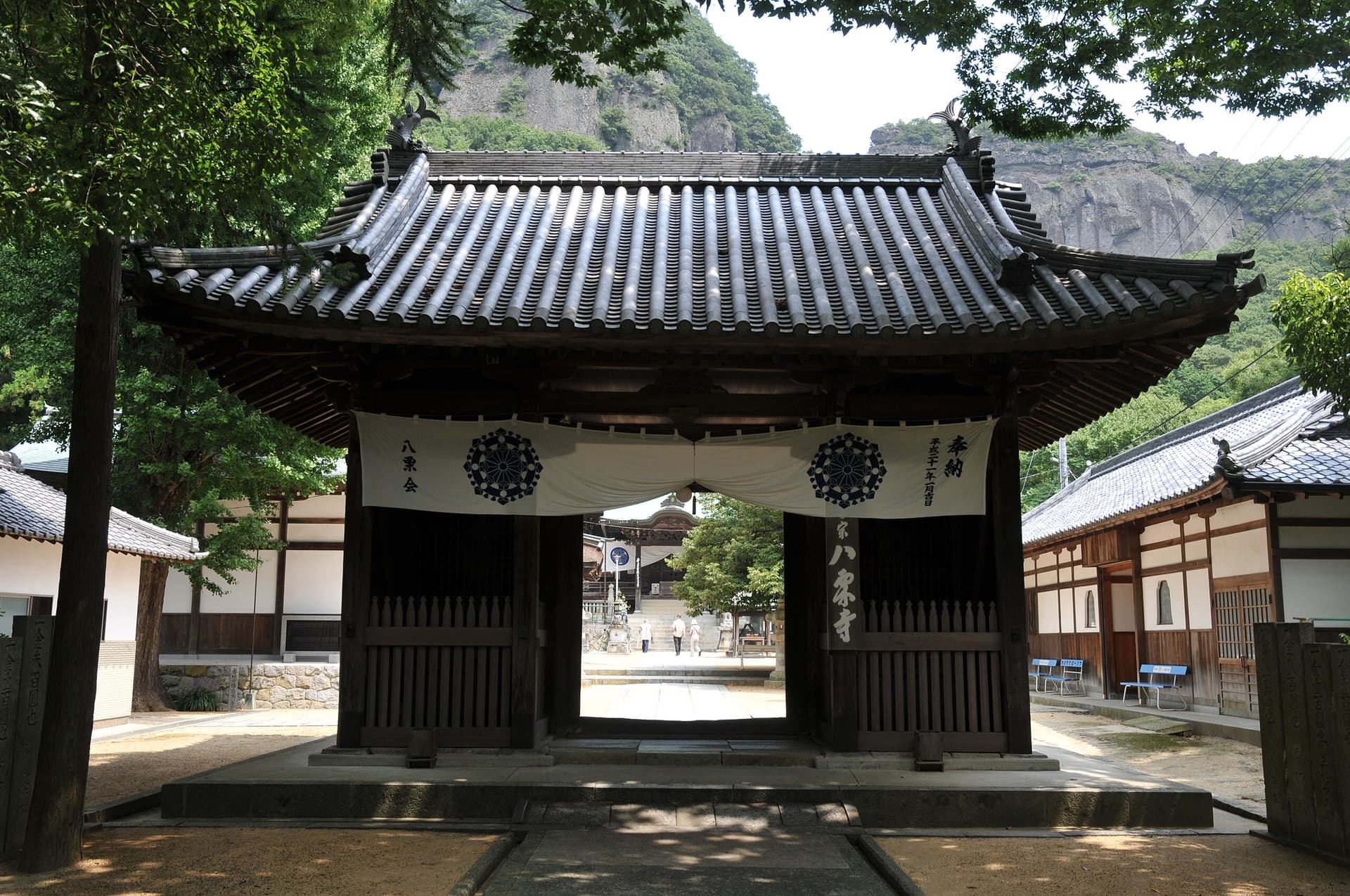
Yakuriji Temple, Yakuri
Takamatsu, Kagawa Prefecture, Japan
32.6 km away
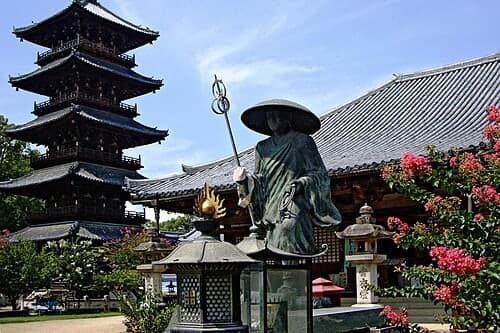
Motoyamaji Temple, Motoyama
Mitoyo, Kagawa Prefecture, Japan
43.9 km away