
Tobar Nalt
A holy well where five thousand years of sacred water veneration flow beneath ancient woodland near Lough Gill
County Sligo, Sligo Municipal Borough District, Ireland
At A Glance
- Coordinates
- 54.2439, -8.4460
- Suggested Duration
- 1.5 to 2 hours for a contemplative visit including all stations, mass rock, well, and rag tree
Pilgrim Tips
- No formal dress code, but modest attire appropriate for a place of worship is recommended. Sturdy walking shoes essential as the woodland paths can be uneven and muddy.
- Photography is permitted but should be done respectfully, especially when others are praying or during devotional activities. Do not photograph individuals at prayer without their permission. The rag tree is frequently photographed; ensure you are not disturbing attached offerings.
- The woodland paths can be muddy and uneven, especially in wet weather. Sturdy walking shoes recommended. The site is an active place of Catholic devotion; quiet and respectful behavior is expected. Walk clockwise around the well; the tradition holds that anti-clockwise walking brings bad luck.
Overview
In a sheltered woodland south of Sligo town, a spring emerges from a cliff face into a stone basin that has held prayers for over five millennia. Tobernalt Holy Well is one of Ireland's most significant sacred water sites, with Neolithic cairns on the hill above and a Penal-era mass rock below. Pilgrims still walk the stations, tie rags to the healing tree, and collect water held to be curative. On Garland Sunday, hundreds gather for dawn Mass, continuing a tradition rooted in the Celtic harvest festival of Lughnasa.
A sign at the entrance reads: 'Pilgrim walk softly, this is holy ground.' The instruction is not ceremonial. Tobernalt asks for a particular quality of attention from the moment you step beneath the trees. The woodland closes around the path, blocking the road noise and the sky, creating an enclosure that feels older than the trees themselves. The sound of running water reaches you before the well does. The spring emerges from a cliff face at the foot of Carns Hill, whose Neolithic cairns, dated to at least 3200 BCE, crown the heights above. This vertical axis, water rising from below while ancient stones mark the summit, is the site's fundamental architecture. Beneath the earth, the sacred. Above it, the ancestral. Between them, the living. For the Celts who celebrated Lughnasa here, the spring marked the beginning of the harvest season under the god Lugh. For Saint Patrick, according to tradition, the spring became a place of baptism, and his fingerprints are said to be visible on the mass rock. During the Penal Laws, when Catholic worship could mean death, priests celebrated Mass here in secret, using the natural rock as an altar, word spreading quietly through the community when the priest was expected. The well survived every transition. Its water continued to flow, indifferent to which tradition claimed it. Today, Tobernalt is maintained by St John's Parish, Carraroe, as an active pilgrimage site. Fourteen Stations of the Cross wind through the woodland, marked by marble crosses. Rosary stones represent each mystery of the Rosary. The rag tree, heavy with cloth strips and ribbons, carries the healing petitions of hundreds of visitors. Candles burn in a sheltered alcove. And on Garland Sunday, before dawn, pilgrims walk from St Anne's Church in Sligo to arrive at the well for 6am Mass, celebrated by the Bishop of Elphin at the same mass rock where Penal-era priests risked their lives.
Context And Lineage
Five thousand years of sacred water veneration, from Neolithic cairn builders through Celtic harvest festivals and Penal-era defiance to living Catholic pilgrimage.
The Neolithic cairns on Carns Hill above the well date to at least 3200 BCE, over five thousand years ago, confirming that this landscape held sacred significance long before any written record. The Celts who arrived millennia later recognized the spring's power and celebrated the festival of Lughnasa here, marking the beginning of the harvest season under the god Lugh. According to tradition, Saint Patrick came to this well and recognized its pagan sacredness, using it to baptize converts to Christianity. His fingerprints are said to be visible on the mass rock, though whether this tradition reflects a historical visit or a later attribution is unknown. The Christianization of Lughnasa into Garland Sunday, celebrated on the last Sunday of July, is one of the best-documented examples of Ireland's pattern of absorbing and transforming pagan festivals. During the Penal Laws, from approximately 1690 to 1828, when Catholic worship was outlawed, Tobernalt served as one of the most significant secret Mass sites in the northwest. Priests celebrated the sacraments at the natural rock altar, and word of their presence spread through the community by quiet channels. The risk was real: discovery could mean imprisonment or death for both priest and congregation.
Tobernalt belongs to the Irish holy well tradition, one of the richest sacred water traditions in Europe, with hundreds of active wells across the country. Its Lughnasa connection links it to sites like Croagh Patrick, where the harvest festival was similarly Christianized. The Penal-era mass rock tradition connects it to dozens of secret worship sites across Ireland. The County Sligo setting places it within a dense sacred landscape that includes Carrowmore, Knocknarea, Carrowkeel, and Drumcliffe.
Saint Patrick
Anonymous Penal-era priests
Bishop of Elphin
St John's Parish, Carraroe
Why This Place Is Sacred
Where a spring emerges from beneath a Neolithic hilltop, carrying five thousand years of accumulated prayer into a woodland that asks visitors to walk softly.
The thinness of Tobernalt is hydrological. Water rises from the earth at the foot of a hill crowned by Neolithic cairns over five thousand years old, as if the sacred flows downhill from the deep past. The spring has no off switch; it does not pause between traditions or wait for permission to be holy. It simply emerges, as it has since before human beings gave it meaning. The woodland amplifies the effect. The canopy filters light and sound, creating a quality of enclosure that separates the site from the surrounding countryside without walls or gates. The path winds through this enclosure, past stations and stones and the rag tree, and the rhythm of walking, pausing, and walking again creates its own form of contemplative practice. The rag tree is a particular locus of thinness. Hundreds of cloth strips, ribbons, and religious medals hang from its branches, each one representing someone's pain, someone's hope, someone's petition for healing. The tradition predates Christianity; tying cloth to trees near sacred water is an ancient Celtic practice, and its survival into the twenty-first century at this site suggests that the impulse it serves is deeper than any single religious framework. The mass rock adds another dimension. This is where Penal-era priests celebrated the sacraments in secret, under threat of death. The act of worship at this rock was not merely devotional but defiant. The fingerprint tradition, whether or not Patrick literally touched this stone, encodes a memory of hands placed on rock in prayer across centuries. The mass rock holds that accumulated weight.
The sacred spring has been venerated since at least the Neolithic period, as evidenced by the cairns on Carns Hill above. The Celts celebrated Lughnasa here. Saint Patrick is traditionally associated with baptisms at the well. During the Penal Laws, it served as a secret Mass site.
From Neolithic spring veneration through Celtic Lughnasa celebrations, Christian baptism, Penal-era secret worship, and into its current form as a maintained Catholic pilgrimage site with Garland Sunday as the annual highlight. The fourteen Stations of the Cross, rosary stones, and rag tree tradition represent successive layers of devotional infrastructure added over centuries.
Traditions And Practice
Walk the fourteen Stations of the Cross. Collect holy water. Tie a rag to the healing tree. Attend Garland Sunday Mass for the full communal experience.
Celtic Lughnasa harvest festival celebrations at the spring. Pre-Christian water veneration and circumambulation. The rag tree healing tradition, in which cloth from sick persons was tied to branches near the well. Clockwise walking around the well, following the path of the sun. Secret Penal-era Mass celebrations at the mass rock.
Annual Garland Sunday celebrations on the last weekend of July: Friday Rosary at 7pm, Saturday and Sunday Masses at the mass rock, with the principal 6am Mass celebrated by the Bishop of Elphin, Anointing of the Sick, and concluding Adoration of the Blessed Sacrament at 3:30pm Sunday. A pilgrimage walk from St Anne's Church, Sligo departs at 4:45am to arrive for the dawn Mass. Year-round: walking the fourteen Stations of the Cross, praying the Rosary at the rosary stones, collecting holy water, lighting candles, and tying rags to the rag tree.
Bring a bottle for water collection. Enter the woodland and let the change in atmosphere settle before beginning the stations. Walk clockwise, as the tradition holds, and take the stations slowly; they are a framework for attention, not a checklist. At the mass rock, pause. Consider what was risked here. At the rag tree, if you carry something that needs releasing, a worry, a grief, a petition for healing, tie a piece of cloth and leave it. The tradition does not ask for a specific belief; it asks for sincerity. If Garland Sunday is possible, the 4:45am pilgrimage walk from Sligo arriving for dawn Mass at the mass rock is the most complete way to experience the site.
Roman Catholic / Celtic Christianity
ActiveTobernalt is one of Ireland's most important holy wells, serving as a major pilgrimage site with deep connections to early Irish Christianity and the Penal era. Saint Patrick is traditionally associated with baptisms here, and the mass rock served as a secret altar when Catholic worship was forbidden.
Annual Garland Sunday Mass celebrated by the Bishop of Elphin, Stations of the Cross, Rosary devotion, holy water collection, candle lighting, Anointing of the Sick, and the 4:45am pilgrimage walk from Sligo.
Celtic Paganism / Pre-Christian
HistoricalThe natural spring has been venerated as sacred since at least the Neolithic period. The Celtic harvest festival of Lughnasa was celebrated here, marking the harvest season under the god Lugh. The rag tree healing tradition has pre-Christian roots.
Lughnasa festival celebrations, sacred spring veneration, clockwise circumambulation, and the rag tree healing tradition of tying cloth from sick persons to branches near the well.
Irish Folk Healing
ActiveThe well's water is widely held to have curative and therapeutic powers. The rag tree tradition connects healing to the sacred spring through a practice that has survived for centuries.
Collecting holy water believed to have healing properties. Tying rags, ribbons, or religious medals belonging to sick persons to the rag tree. The belief holds that the sickness transfers to the well while the person recovers.
Garland Sunday / Christianized Lughnasa
ActiveThe last Sunday of July marks one of Ireland's best-documented examples of a pre-Christian festival absorbed into Catholic practice. The Garland Sunday celebration at Tobernalt draws hundreds of pilgrims annually.
Pre-dawn pilgrimage walk from Sligo, 6am outdoor Mass at the mass rock, communal celebration, Anointing of the Sick, and Adoration of the Blessed Sacrament.
Experience And Perspectives
Enter the woodland. Walk the stations. Collect water from the spring. Tie a rag to the tree if you carry something that needs releasing.
The car park is small and the entrance unassuming. A sign asks you to walk softly. Beneath the trees, the temperature drops and the sounds of the road fade. The path is a natural woodland trail, uneven in places, muddy in wet weather, and entirely appropriate to the site's character. Tobernalt does not polish itself for visitors. The fourteen Stations of the Cross are marked by marble crosses set along the woodland path, each with a brief meditation. Walking them in sequence creates a structured contemplative circuit that takes thirty to forty-five minutes. The pace is slow by design. Between stations, the woodland fills the silence: birdsong, running water, wind in the canopy. The mass rock is the site's most historically charged feature. A large natural stone that served as an altar during the Penal Laws, when priests risked death to celebrate the sacraments in this hidden woodland. Standing before it, knowing what was risked here, shifts the register of the visit. The well itself is a stone basin fed by the spring emerging from the cliff face. Visitors collect water in bottles brought for the purpose, and the tradition holds that the water has curative properties. The rag tree stands nearby, its branches heavy with cloth strips, ribbons, rosary beads, and medals. Each piece of fabric represents a prayer for healing, a petition left at the water's edge. The tradition of tying rags to trees near holy wells is one of the oldest surviving folk practices in Ireland. On a weekday morning, you may have the site to yourself. The woodland holds its quiet, the water sounds, and the rags move in the wind. On Garland Sunday, the last weekend of July, the site transforms. Hundreds gather. The pre-dawn pilgrimage walk from St Anne's Church arrives for 6am Mass at the mass rock, celebrated by the Bishop of Elphin. The Anointing of the Sick is offered. The weekend closes with Adoration of the Blessed Sacrament at 3:30pm Sunday.
Tobernalt Holy Well is located near the southwest corner of Lough Gill, approximately 5 km south of Sligo town. The site is accessed from the R287 road. A small car park marks the entrance to the woodland. The stations, mass rock, well, and rag tree are all within the woodland circuit.
Tobernalt invites interpretation through archaeology, folk practice, Catholic devotion, and the enduring question of what draws human beings to the same spring for five thousand years.
Scholars recognize Tobernalt as a prime example of religious syncretism in Ireland, a sacred water source continuously venerated across multiple religious eras. The Neolithic cairns on Carns Hill, dated to at least 3200 BCE, confirm the area's ancient significance. The Christianization of Lughnasa into Garland Sunday is well-documented by folklorists as part of the broader pattern of Irish Christianity absorbing and transforming pagan festivals. The Penal-era mass rock tradition is historically well-attested and represents an important chapter in Irish Catholic resistance history.
In Irish Catholic tradition, the well's healing powers are attributed to divine grace, particularly through the intercession of Saint Patrick. The water is understood as genuinely curative. The Garland Sunday gathering continues an unbroken chain of communal celebration spanning millennia, from the Celtic harvest festival to outdoor Catholic Mass. The rag tree tradition represents a living folk practice with roots that extend deep into pre-Christian healing custom.
Some visitors regard Tobernalt as a sacred water site with inherent earth energies, viewing the spring as a point where subterranean forces meet the surface. The alignment of the Carns Hill cairns above the well is sometimes interpreted as marking earth energy lines. The five-thousand-year continuity of sacred use is cited as evidence of a spiritual power that transcends any single religious framework.
The precise nature of the pre-Christian rituals performed at the spring remains unknown. The relationship between the Neolithic cairns on Carns Hill and the well below has not been fully investigated archaeologically. Whether the spring has been in continuous use since the Neolithic or was rediscovered by later peoples is unclear. The true age and origin of the rag tree tradition, and its relationship to similar traditions across the Celtic world, remain debated by folklorists.
Visit Planning
Free access year-round, 5 km south of Sligo town. Garland Sunday (last weekend of July) is the most significant time to visit.
Accommodation widely available in Sligo town, 5 km north. Book in advance for Garland Sunday weekend.
Walk softly, as the sign says. This is holy ground maintained by a living parish for living devotion.
The sign at the entrance sets the tone: 'Pilgrim walk softly, this is holy ground.' Tobernalt is maintained by St John's Parish as a devotional site, and while visitors of all backgrounds are welcome, the primary purpose is prayer and healing. Keep your voice low. If others are praying at the stations, at the well, or at the mass rock, give them space. Do not remove or disturb offerings left by others on the rag tree; each piece of cloth represents someone's prayer. Walk clockwise around the well, following the traditional direction. Take only water from the well, not stones or other materials. If you light a candle, ensure it is placed safely in the designated area.
No formal dress code, but modest attire appropriate for a place of worship is recommended. Sturdy walking shoes essential as the woodland paths can be uneven and muddy.
Photography is permitted but should be done respectfully, especially when others are praying or during devotional activities. Do not photograph individuals at prayer without their permission. The rag tree is frequently photographed; ensure you are not disturbing attached offerings.
Candles are available on-site for a small donation. Rags, ribbons, or religious medals may be tied to the rag tree as part of the healing tradition. Visitors are asked to treat the site with care and take away any litter.
Walk clockwise around the well. Maintain quiet and respectful behavior. Do not remove or disturb offerings on the rag tree. No admission fee, but donations are welcome for site maintenance.
Sacred Cluster
Nearby sacred places create the location cluster described in the growth plan. This block is intentionally crawlable and links into the wider regional graph.
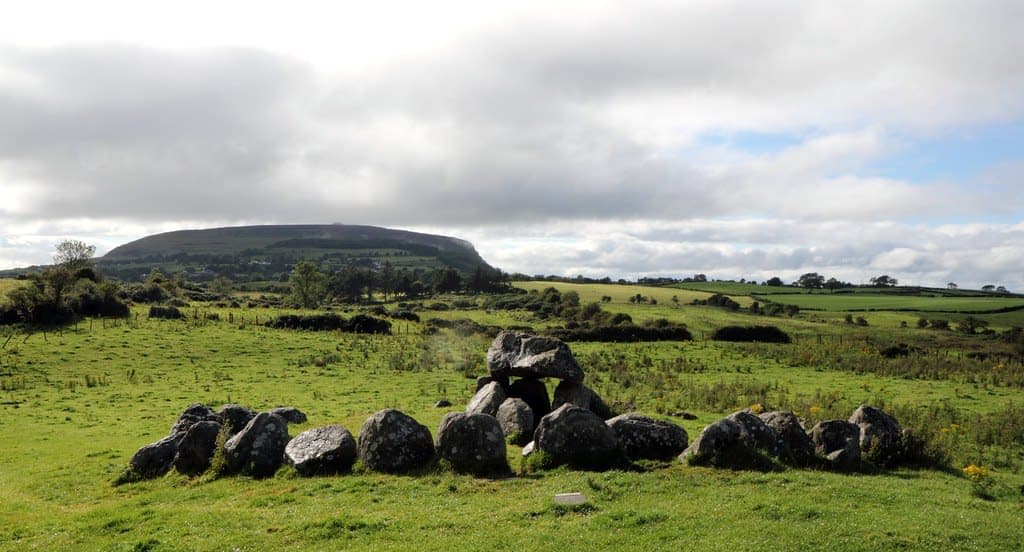
Carrowmore
County Sligo, Sligo Municipal Borough District, Ireland
4.8 km away
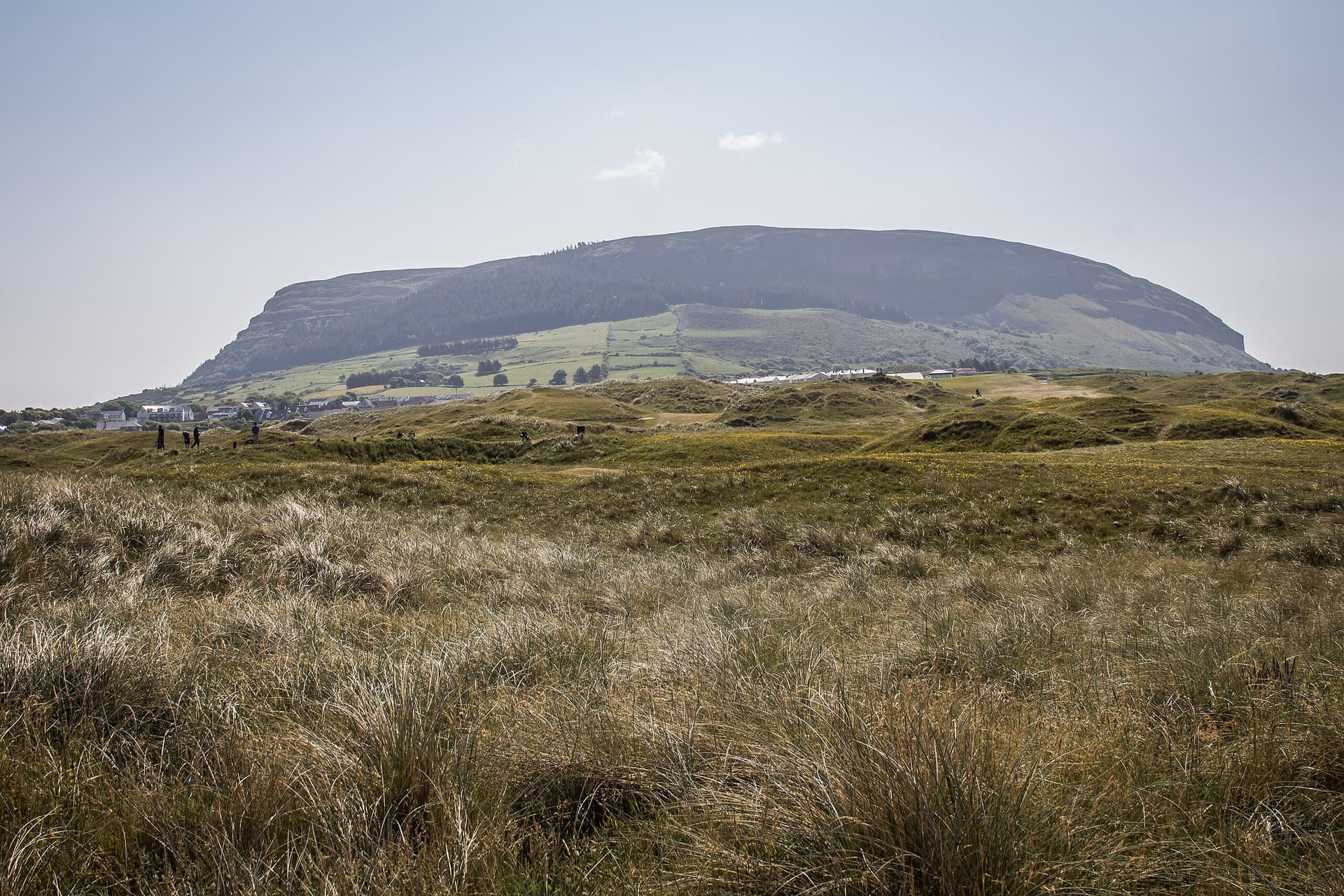
Knocknarea megalthic site, Sligo, Ireland
County Sligo, Sligo Municipal Borough District, Ireland
8.5 km away
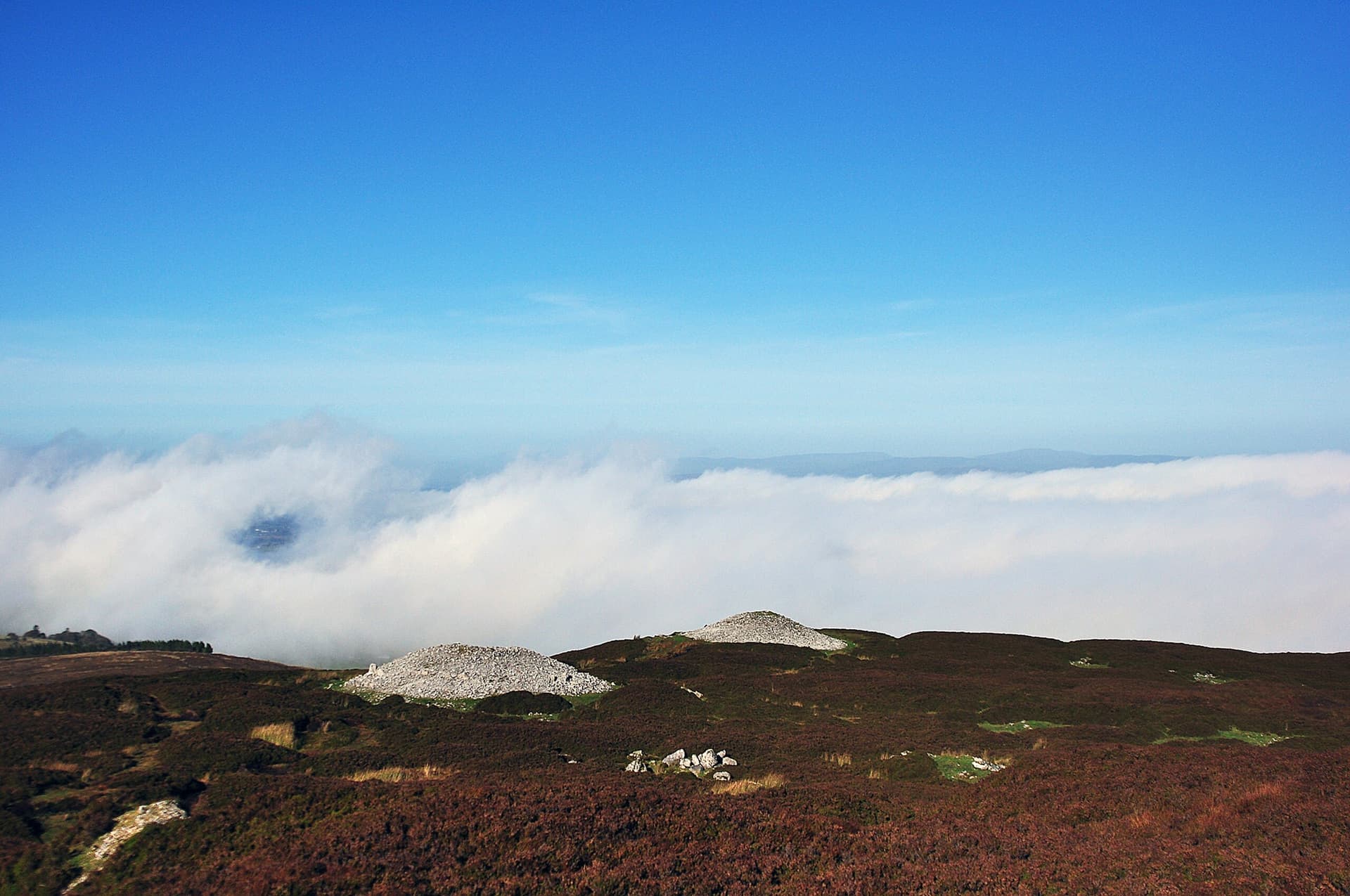
Carrowkeel
County Sligo, Ballymote-Tubbercurry Municipal District, Ireland
21.2 km away
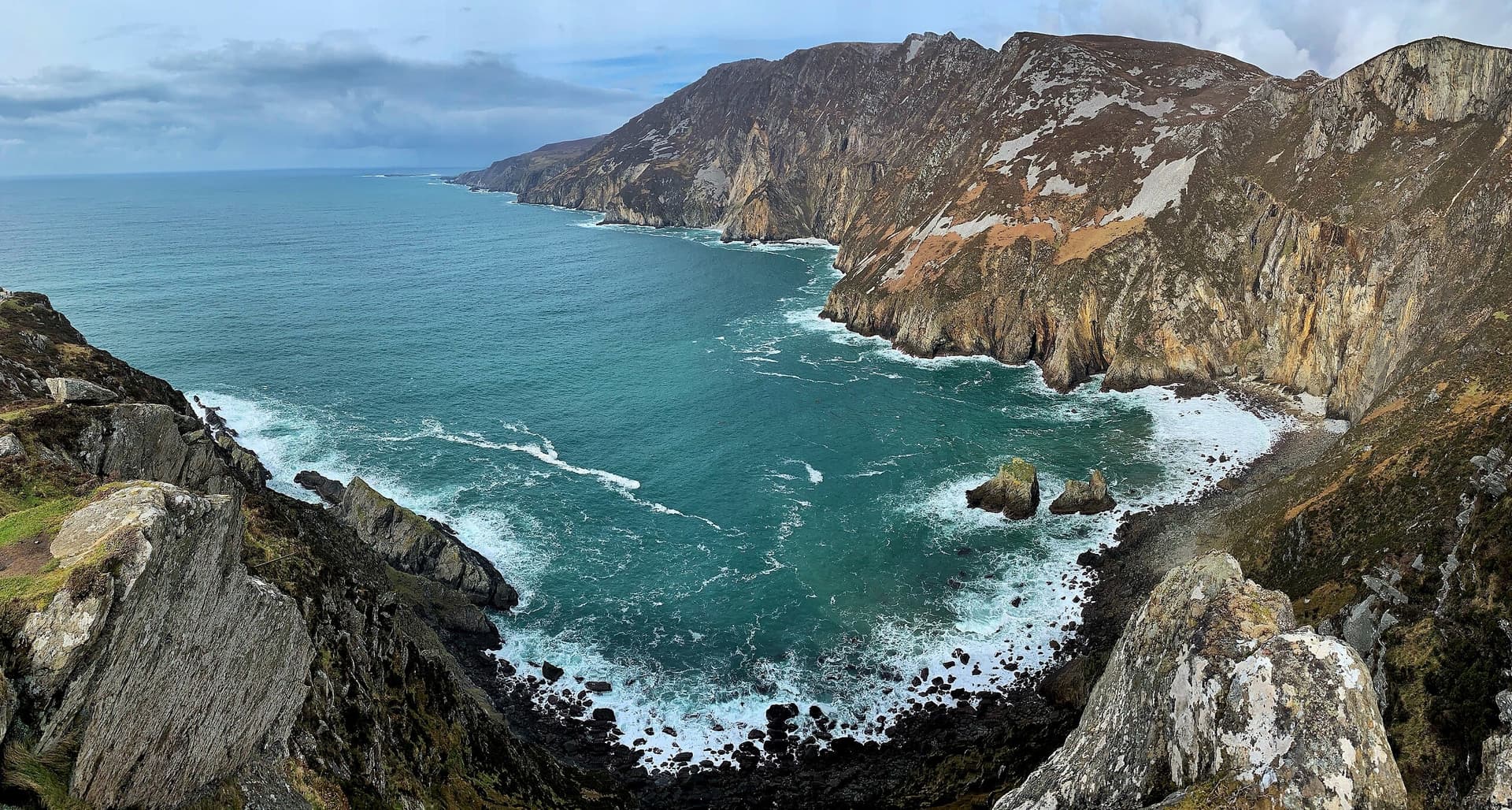
Slieve League, County Donegal, Ireland
County Donegal, Donegal Municipal District, Ireland
46.6 km away