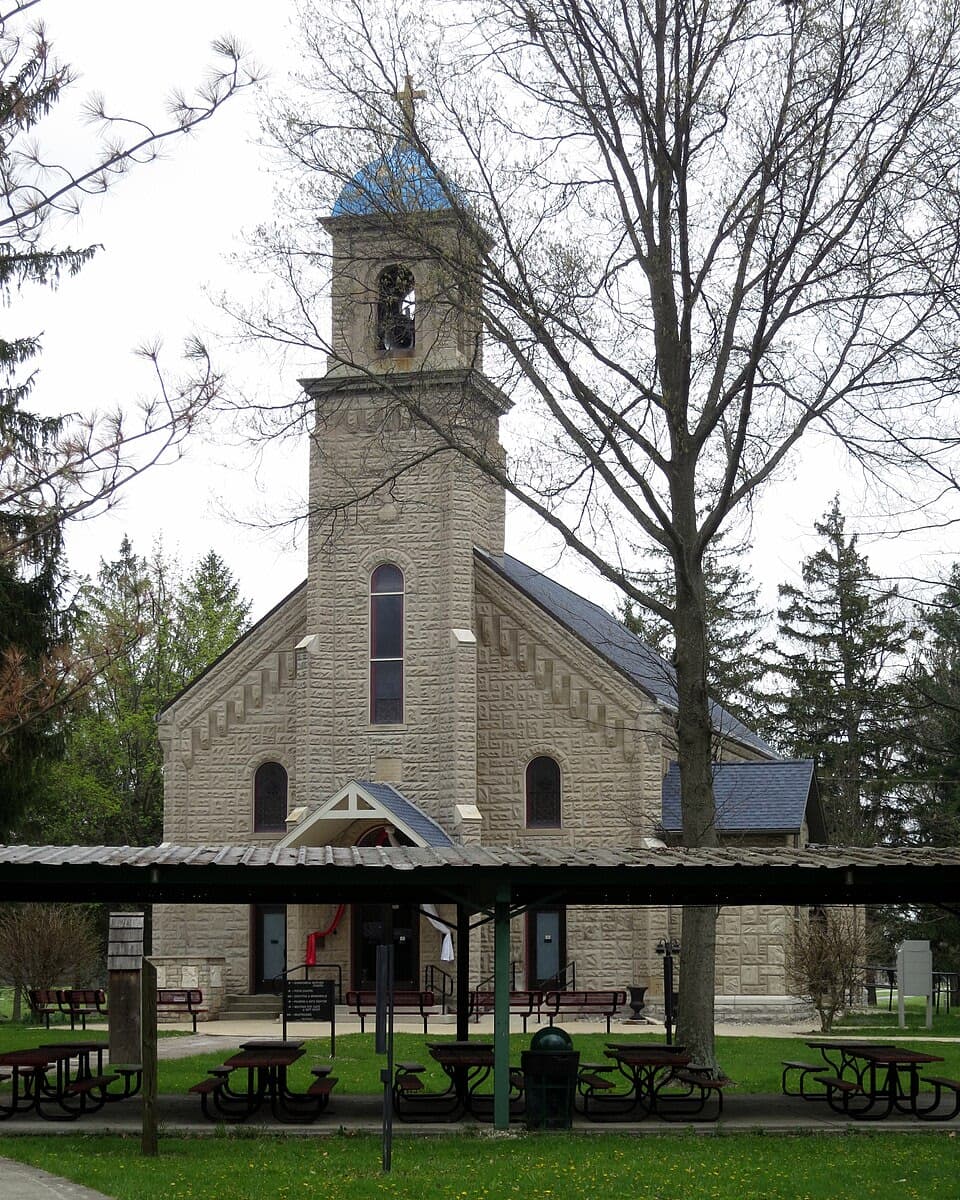
The Sorrowful Mother Shrine
Where sorrow meets solace in the Ohio woodlands
Bellevue, Ohio, United States
At A Glance
- Coordinates
- 41.2639, -82.8403
- Suggested Duration
- Plan ninety minutes for a basic visit including the shrine chapel and Pieta Chapel. Two to three hours allows exploration of the full grounds and multiple grottos. Add time for Mass attendance (approximately one hour) and cafeteria visit if desired.
- Access
- The shrine is located at 4106 State Route 269 N, Bellevue, Ohio 44811, six miles south of the intersection of US Routes 20 and 18. From the Ohio Turnpike (I-80/90), exit at either the Sandusky or Fremont exits and follow signs to Bellevue. The grounds and facilities are fully handicap accessible.
Pilgrim Tips
- The shrine is located at 4106 State Route 269 N, Bellevue, Ohio 44811, six miles south of the intersection of US Routes 20 and 18. From the Ohio Turnpike (I-80/90), exit at either the Sandusky or Fremont exits and follow signs to Bellevue. The grounds and facilities are fully handicap accessible.
- Modest dress appropriate for a Catholic religious site. Shoulders and knees should be covered when entering the chapels. Comfortable walking shoes are essential for exploring the wooded grounds.
- Permitted throughout the grounds with respect for other pilgrims' privacy and prayer. No photography during the consecration of the Eucharist at Mass.
- The shrine is an active place of Catholic worship. While visitors of all backgrounds are welcome, certain practices are reserved for Catholics: reception of communion, confession, and certain blessings. Non-Catholic visitors can participate in Mass as observers, receiving a blessing in place of communion if they approach with arms crossed. During ethnic pilgrimage days, the grounds become quite crowded. If you seek solitude, visit on a weekday when fewer pilgrims are present. Reported healings at the shrine have not been formally investigated or approved by the Catholic Church. Those seeking healing should maintain appropriate medical care and understand that while many report positive experiences, outcomes cannot be guaranteed.
Overview
In the rolling farmland of northern Ohio, pilgrims have sought solace at this Marian shrine for over 170 years. Founded in 1850 by a priest who credited the Virgin Mary with his safe passage from Europe, the Sorrowful Mother Shrine draws those carrying grief, illness, and questions that have no easy answers. Crutches left at the outdoor Pieta Chapel bear witness to healings that pilgrims attribute to Mary's intercession.
There is a particular quality to sorrow when it finds a place to rest. At the Sorrowful Mother Shrine, set within 153 acres of Ohio woodland, grief does not need to be explained or resolved. It simply has a home.
For over 170 years, those carrying burdens they cannot name have found their way to this cluster of chapels, grottos, and wooded paths south of Bellevue. The founding image speaks directly to human suffering: Mary holding the body of her son after the crucifixion, a mother's worst nightmare rendered in devotional art. This is not triumphant religion. This is faith that knows the weight of loss.
The shrine draws more than 120,000 visitors annually, many returning year after year for ethnic pilgrimage days when Mass is celebrated in the languages their grandparents spoke. German, Polish, Slovak, Hungarian, Croatian congregations gather on successive summer Sundays, maintaining connections that span generations and continents. What began as a mission for German Catholic immigrants has become a place where many forms of longing find expression.
Crutches and casts accumulated at the Pieta Chapel testify to something beyond ordinary explanation. The Catholic Church has not formally investigated these healings, yet the physical evidence remains, left by those who came seeking and departed changed.
Context And Lineage
The shrine emerged from the missionary work of the Precious Blood fathers among German Catholic immigrants in mid-19th century Ohio, founded as an act of gratitude for safe passage across the Atlantic.
In 1844, Fr. Francis de Sales Brunner received a request that would shape the spiritual landscape of the American Midwest. Archbishop John Purcell of Cincinnati needed missionaries who could serve the growing population of German-speaking Catholics settling in Ohio. Brunner, a Swiss-born priest of the Missionaries of the Precious Blood, gathered seven priests and seven brothers for the dangerous Atlantic crossing.
The voyage was harrowing. Brunner later credited the intercession of the Blessed Virgin Mary with their safe arrival. Upon establishing missions throughout northern Ohio, he sought to honor that protection. In 1850, he built a small red brick chapel in the countryside south of what would become Bellevue, dedicating it to the Sorrowful Mother.
With him from Europe, Brunner had brought a wood-carved statue of Our Lady, which became the devotional centerpiece of the new shrine. German Catholic settlers, many recently arrived and grieving the communities they had left behind, found in this image a connection to home and a place to bring their sorrows.
The shrine grew as the immigrant community grew. A larger chapel replaced the original in 1870. Grottos and devotional sites began to appear throughout the surrounding woodland. What had begun as one priest's act of gratitude became a regional pilgrimage destination, drawing the sorrowful from across the Midwest.
The shrine has been operated continuously by the Missionaries of the Precious Blood since its founding in 1850. The society, founded by St. Gaspar del Bufalo in Rome in 1815, came to America through Fr. Brunner's missionary expedition and established numerous parishes and institutions throughout the Midwest. The shrine represents one of their earliest and most enduring foundations in the United States.
Fr. Francis de Sales Brunner, C.PP.S.
Founder
St. Gaspar del Bufalo
Founder of the Missionaries of the Precious Blood
Why This Place Is Sacred
The shrine's thinness derives from its sustained encounter with human sorrow. Over 170 years of pilgrims bringing their grief, their illness, their unanswerable questions have saturated this ground with a particular kind of presence. The woodland setting creates natural contemplative space, while the forty-plus grottos and shrines offer multiple entry points for encounter.
Something accumulates in places where grief is repeatedly brought and held. The Sorrowful Mother Shrine has received the sorrows of over a century and a half of pilgrims, and that sustained attention has left its mark on the land.
The forty-plus grottos scattered through 153 acres of woodland create a landscape of devotion rather than a single focal point. Pilgrims walk among them at their own pace, pausing where they are drawn, passing what does not call to them. This distributed sacredness invites personal discovery rather than prescribed encounter.
The outdoor Pieta Chapel, constructed in 1968, has become the devotional heart of the grounds. The image of Mary holding Christ's body after the crucifixion speaks to anyone who has loved and lost, regardless of doctrinal understanding. Visitors report emotional releases here that surprise them, grief surfacing for losses they thought they had processed, or permission finally granted to feel what they had been holding back.
The accumulation of reported healings adds another dimension. Crutches, casts, and medical devices left by pilgrims create a visual testimony to experiences that exceed ordinary explanation. Whether one attributes these to divine intervention, placebo effect, or something beyond current categories, the evidence of transformation is present and documented.
The shrine's status as one of the oldest Marian pilgrimage sites in the Midwest matters for its spiritual weight. This is not a recent phenomenon or manufactured attraction. Generation after generation has walked these grounds seeking what only they could name, and that continuity has layered the place with accumulated intention.
Fr. Francis de Sales Brunner established the shrine in 1850 as an act of gratitude to Mary for protecting him and his missionary companions during their dangerous Atlantic crossing. The original small red brick chapel with its wood-carved German statue served the spiritual needs of German Catholic immigrants settling in northern Ohio, offering them a devotional connection to their homeland traditions.
The shrine has grown from a single chapel to a complex of over forty devotional sites spread across 153 acres. The original 1850 chapel was replaced by a larger structure in 1870, which itself burned on the Feast of the Assumption in 1912, taking the original German statue with it. The current shrine chapel, built in 1914, features new devotional imagery, stained glass, and ceiling paintings. The outdoor Pieta Chapel added in 1968 has become the most visited devotional site on the grounds. The ethnic pilgrimage tradition, beginning with German communities, has expanded to include twelve or more ethnic groups celebrating Mass in their native languages throughout summer months.
Traditions And Practice
Daily Mass anchors the shrine's spiritual life, with confession available and ethnic pilgrimage days drawing communities throughout summer. Personal devotion at the grottos and Pieta Chapel follows individual rhythms rather than prescribed forms.
The devotion to the Seven Sorrows of Mary forms the theological foundation of the shrine's spirituality. This medieval Marian devotion contemplates seven specific moments of Mary's suffering: the prophecy of Simeon, the flight into Egypt, the loss of Jesus in the temple, meeting Jesus on the way to Calvary, standing at the foot of the cross, receiving Jesus's body after the crucifixion, and the burial of Jesus. Each sorrow invites meditation on the nature of suffering and the meaning of compassionate presence.
The Stations of the Cross walk pilgrims through Christ's final hours, from condemnation to burial. The shrine's outdoor stations, set among the woodland paths, transform this meditation into physical pilgrimage, each station a destination and a departure.
Veneration at the Pieta Chapel continues the medieval tradition of affective piety, using sacred images to engage the emotions and open the heart to divine encounter.
Mass is celebrated daily: Monday through Friday at 11am, Saturday at 4pm, and Sunday at 9am and 11am. First Saturday devotions include an 11am Mass honoring the traditional Marian First Saturday practice.
Ethnic pilgrimage days transform summer Sundays into celebrations of particular heritage communities. Twelve or more ethnic groups, including German, Polish, Slovak, Hungarian, and Croatian communities, schedule their pilgrimages throughout the season. Mass is celebrated in native languages, and fellowship follows with traditional foods and music. These gatherings maintain connections that span generations, linking contemporary pilgrims to the immigrant communities that first found solace here.
The sacrament of confession is available by appointment, offering the traditional Catholic practice of reconciliation within the pilgrimage context.
Personal prayer throughout the grounds follows individual rhythms. Some walk the full circuit of grottos. Others find a single site and remain there. The shrine accommodates both communal celebration and solitary seeking.
Attend Mass if your schedule allows, as the Eucharistic celebration is the spiritual heart of Catholic pilgrimage. If Mass times do not align with your visit, begin at the shrine chapel to center yourself before walking the grounds.
Move slowly. The 153 acres invite contemplative walking, not efficient coverage. Let yourself be drawn to particular grottos or images without forcing the encounter.
At the Pieta Chapel, allow whatever arises to arise. This is a place where grief finds permission to surface. If tears come, let them. If nothing stirs, that too is acceptable. The image asks nothing of you but honest presence.
Consider bringing an intention, a person or situation you wish to hold in prayer. Catholic tradition understands Mary as an intercessor, one who presents human needs to God. Whether or not you share this theology, the practice of focused intention within sacred space has value across traditions.
If you are carrying a burden of guilt or regret, consider scheduling confession with one of the priests. The sacrament of reconciliation offers formal release within the Catholic framework.
Roman Catholicism
ActiveThe Sorrowful Mother Shrine is one of the oldest Marian pilgrimage sites in the Midwest, founded in 1850 and operated continuously by the Missionaries of the Precious Blood. The shrine's devotion centers on Mary as Mater Dolorosa, the Sorrowful Mother, particularly as depicted in the Pieta holding Christ's body after the crucifixion. The Seven Sorrows of Mary devotion provides theological structure for the pilgrimage experience, inviting the faithful to contemplate suffering through the lens of Mary's participation in Christ's passion.
Daily Mass serves as the spiritual anchor of the shrine. The Sacrament of Reconciliation offers confession. Personal devotion at the Pieta Chapel and throughout the forty-plus grottos follows individual rhythms. The Stations of the Cross walk pilgrims through Christ's final hours. Ethnic pilgrimage days celebrate Mass in native languages for twelve or more heritage communities. First Saturday devotions honor the traditional Marian practice. Candle lighting and prayer intentions continue throughout operating hours.
Experience And Perspectives
Visitors consistently describe a quality of peace that settles upon them as they walk the wooded grounds. The Pieta Chapel draws the deepest emotional responses, with pilgrims reporting unexpected tears, a sense of Mary's maternal presence, and release from burdens they had carried for years.
The first thing most visitors notice is the quiet. Not silence exactly, but a particular quality of stillness that remains even when other pilgrims are present. The 153 acres of woodland absorb sound and create a sense of separation from the ordinary world.
Walking the grounds, visitors move between devotional sites at their own pace. There is no prescribed route, no required sequence. Some are drawn immediately to the Pieta Chapel, the devotional heart of the complex. Others wander among the grottos, discovering saints and Marian images tucked into hillsides and clearings. The distributed nature of the sacred sites means that private encounter remains possible even on crowded pilgrimage days.
At the Pieta Chapel, something often shifts. Visitors describe kneeling before the image of Mary holding Christ's body and feeling grief they did not know they carried. Parents who have lost children find particular resonance here, as do those accompanying loved ones through illness. The image speaks to loss without offering easy resolution, holding sorrow as sorrow, not rushing toward redemption.
Those who come with physical ailments report experiences ranging from peaceful acceptance to dramatic improvement. The crutches and medical devices left at the chapel testify to healings that pilgrims attribute to Mary's intercession. The Catholic Church has not formally investigated these reports, maintaining institutional caution while the physical evidence accumulates.
Many visitors speak of a maternal presence, a sense of being held in compassion that does not require explanation. This quality seems to persist regardless of whether the visitor identifies as Catholic, Christian, or holds no religious affiliation. The shrine appears to meet seekers where they are, offering what they are able to receive.
Begin at the shrine chapel to orient yourself, then allow intuition to guide your movement through the grounds. The Pieta Chapel draws most pilgrims eventually, but rushing there misses the contemplative walking that prepares the heart. Give yourself at least ninety minutes, more if you attend Mass. The grounds invite slowness. Let them set your pace.
The Sorrowful Mother Shrine invites interpretation through multiple frameworks, from traditional Catholic theology to broader consideration of how places become saturated with meaning through sustained human attention.
Academic study of the shrine situates it within the material religion of Catholic immigrant communities in the American Midwest. The Materializing the Bible project has documented the shrine as an example of how devotional practice creates sacred landscape through the accumulation of images, grottos, and ritual use over time.
From a religious studies perspective, the shrine exemplifies the transference of European Marian devotion to American soil, adapting old-world practices to new-world contexts while maintaining connections to origin communities through ethnic pilgrimage traditions. The evolution from serving German immigrants specifically to welcoming twelve or more ethnic communities demonstrates both the adaptability and the persistence of devotional patterns.
The shrine's role as one of the oldest Marian pilgrimage sites in the Midwest makes it significant for understanding the development of American Catholic devotional culture.
Catholic theology understands the shrine as a place where the faithful encounter Mary's intercession with particular intensity. The Sorrowful Mother devotion meditates on Mary's participation in Christ's suffering, seeing in her grief a model for how believers might offer their own suffering in union with Christ.
The reported healings, while not formally investigated by the Church, fit within a long Catholic tradition of miraculous intercession at Marian shrines. Catholic teaching holds that God may choose to grant healing through Mary's intercession, though no individual is guaranteed such healing. The appropriate posture is petition with acceptance of whatever outcome God permits.
For the Missionaries of the Precious Blood, who have tended the shrine since its founding, the site represents their founder's gratitude made permanent in landscape. It embodies the spirituality of the Precious Blood devotion, which emphasizes Christ's redemptive suffering and Mary's presence at the crucifixion.
The specific circumstances of reported healings remain largely undocumented in detail. Pilgrims leave crutches and medical devices as testimony to their experiences, but comprehensive records of individual cases have not been compiled or investigated. What actually happens in these encounters, whether understood as divine intervention, psychological release, placebo effect, or something else entirely, remains an open question.
The original 1850 statue of the Sorrowful Mother was lost in the 1912 fire that destroyed the second chapel. Whether any fragments survived, and what Fr. Brunner's specific intentions were for the shrine's development, are questions the historical record does not fully answer.
What Fr. Brunner experienced during the Atlantic crossing that led him to credit Mary with his survival has been summarized in general terms, but the specific events of that voyage are not well documented.
Visit Planning
The shrine is located six miles south of Route 20/18 near Bellevue, Ohio, accessible from the Ohio Turnpike and major highways. Open year-round during daylight hours with special events concentrated April through October. Plan ninety minutes to three hours for a thorough visit.
The shrine is located at 4106 State Route 269 N, Bellevue, Ohio 44811, six miles south of the intersection of US Routes 20 and 18. From the Ohio Turnpike (I-80/90), exit at either the Sandusky or Fremont exits and follow signs to Bellevue. The grounds and facilities are fully handicap accessible.
The Pilgrim Center on-site includes a cafeteria serving meals during operating hours. No overnight lodging at the shrine itself, but hotels and motels are available in Bellevue, Sandusky, and surrounding communities. The Sandusky area, approximately 20 miles north, offers extensive lodging options.
Modest dress and quiet respect apply throughout the grounds, with particular reverence expected in the chapels and during Mass. Photography is generally permitted but should not intrude on others' prayer.
The Sorrowful Mother Shrine welcomes all visitors while maintaining its character as an active place of worship. Your presence here is a privilege extended by a community that has tended this ground for over 170 years.
In the shrine chapel, silence or whispered conversation allows those in prayer to maintain their focus. During Mass, full participation in the liturgical responses is welcome, though reception of communion is reserved for Catholics in good standing. Non-Catholic visitors may approach for a blessing by crossing their arms over their chest.
At the Pieta Chapel and other outdoor devotional sites, respect the space of those in prayer. Wait quietly if someone occupies a site you wish to visit. Many come here carrying heavy burdens, do not intrude on their encounter.
The grounds invite walking and contemplation. Stay on designated paths to protect both the landscape and the devotional sites. Leashed pets are permitted on the grounds but not in the chapels or buildings.
Photography is generally acceptable but should never interrupt or intrude on others' prayer. Do not photograph other visitors without their permission. During Mass or other services, photography should be minimized and unobtrusive.
The gift shop and cafeteria at the Pilgrim Center offer opportunities for rest and refreshment. Staff and volunteers can answer questions about the shrine's history and current programs.
Modest dress appropriate for a Catholic religious site. Shoulders and knees should be covered when entering the chapels. Comfortable walking shoes are essential for exploring the wooded grounds.
Permitted throughout the grounds with respect for other pilgrims' privacy and prayer. No photography during the consecration of the Eucharist at Mass.
Candles may be lit at designated areas with accompanying donation. Monetary offerings support the shrine's maintenance and the work of the Missionaries of the Precious Blood. The gift shop offers devotional items for purchase.
No smoking on the grounds. Leashed pets permitted outdoors but not in buildings. Reception of communion reserved for Catholics. Climbing on grottos or devotional structures is not permitted.
Sacred Cluster
Nearby sacred places create the location cluster described in the growth plan. This block is intentionally crawlable and links into the wider regional graph.
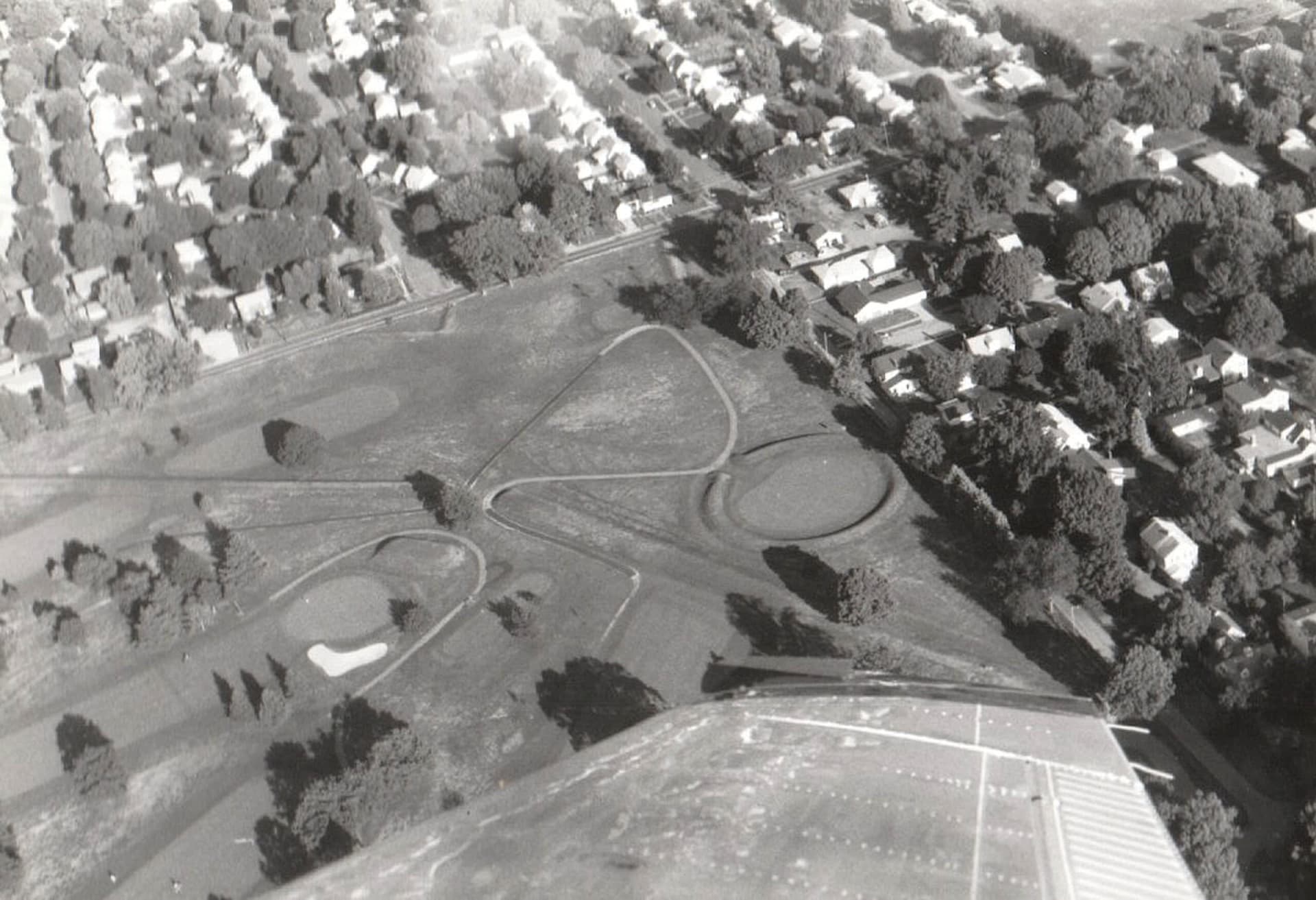
Hopewell Ceremonial Earthworks
Newark, Ohio, United States
139.2 km away
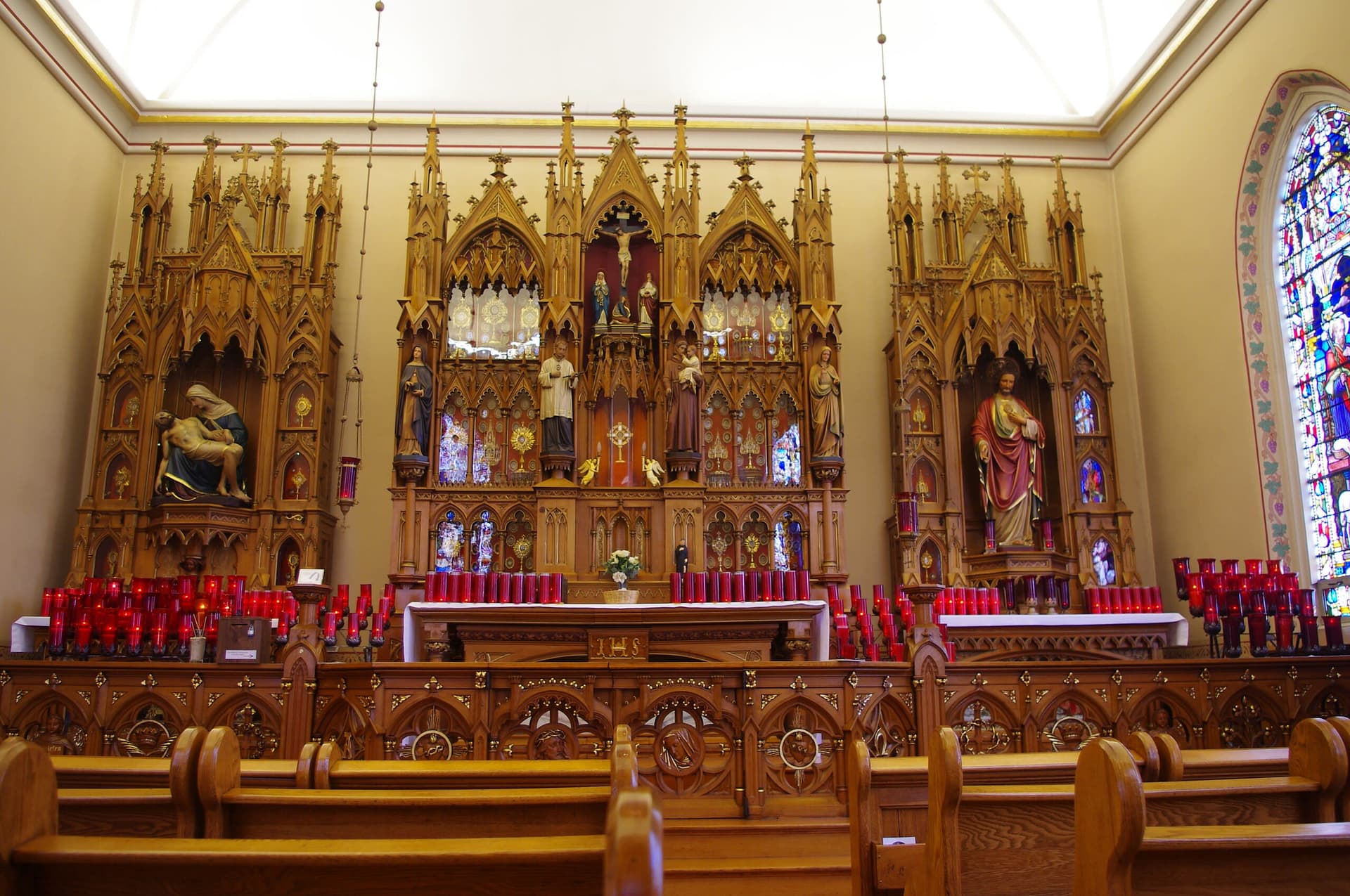
Maria Stein Shrine of the Holy Relics
Maria Stein, Ohio, United States
166.8 km away
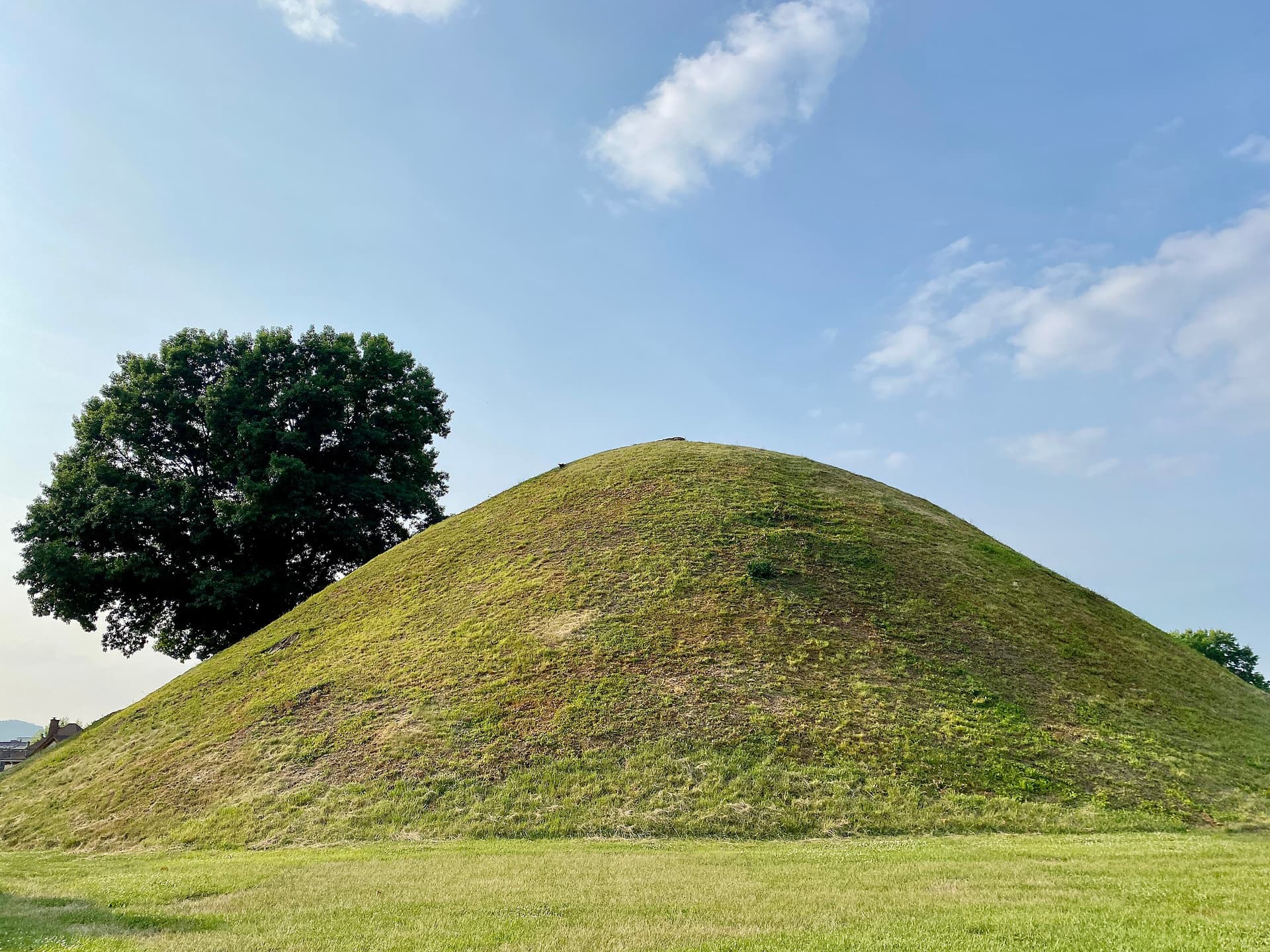
Grave Creek Mound, Moundsville, Ohio
Moundsville, West Virginia, United States
232.1 km away
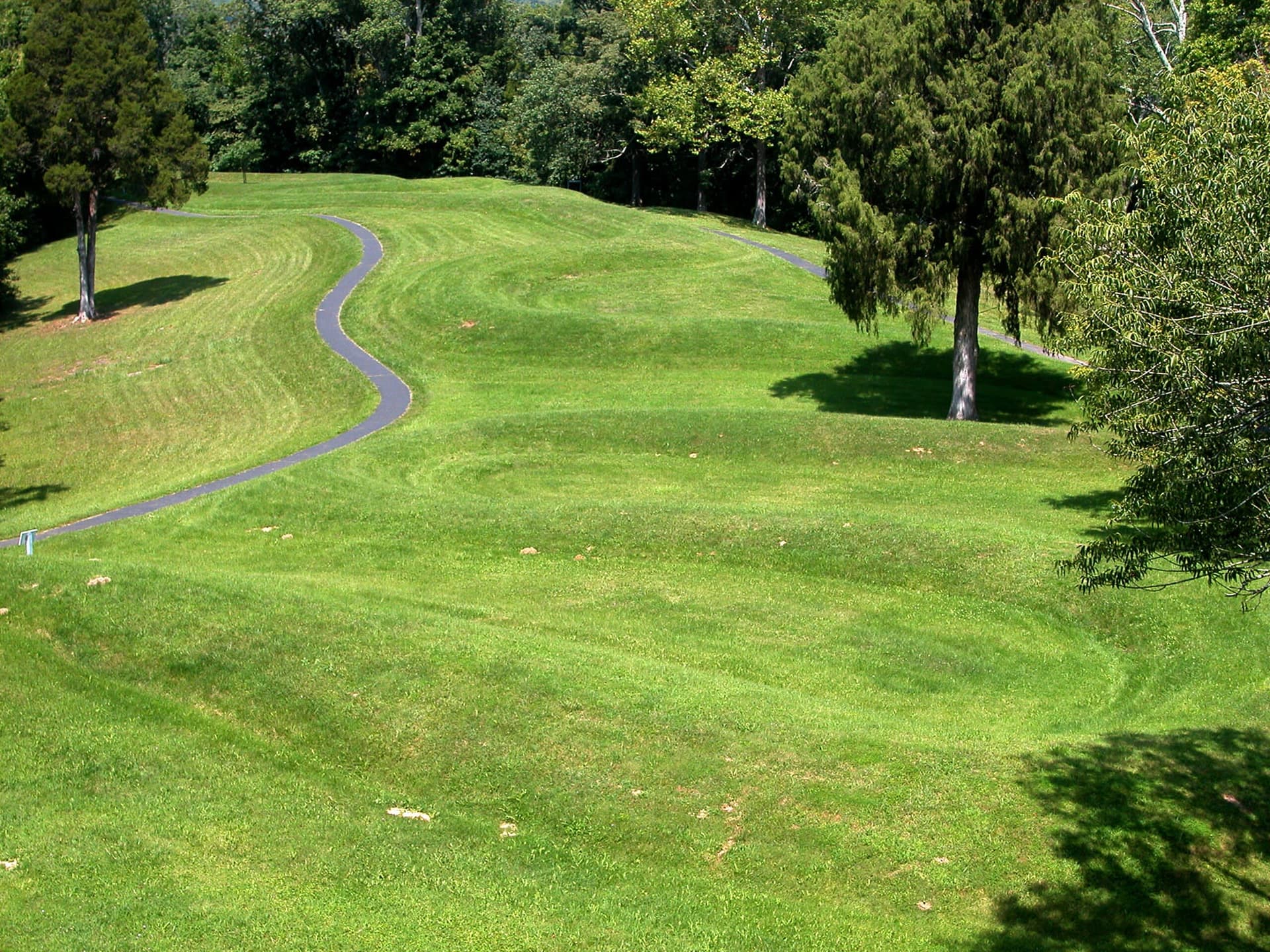
Serpent Mound, Peebles, Ohio
Bratton Township, Ohio, United States
253.9 km away