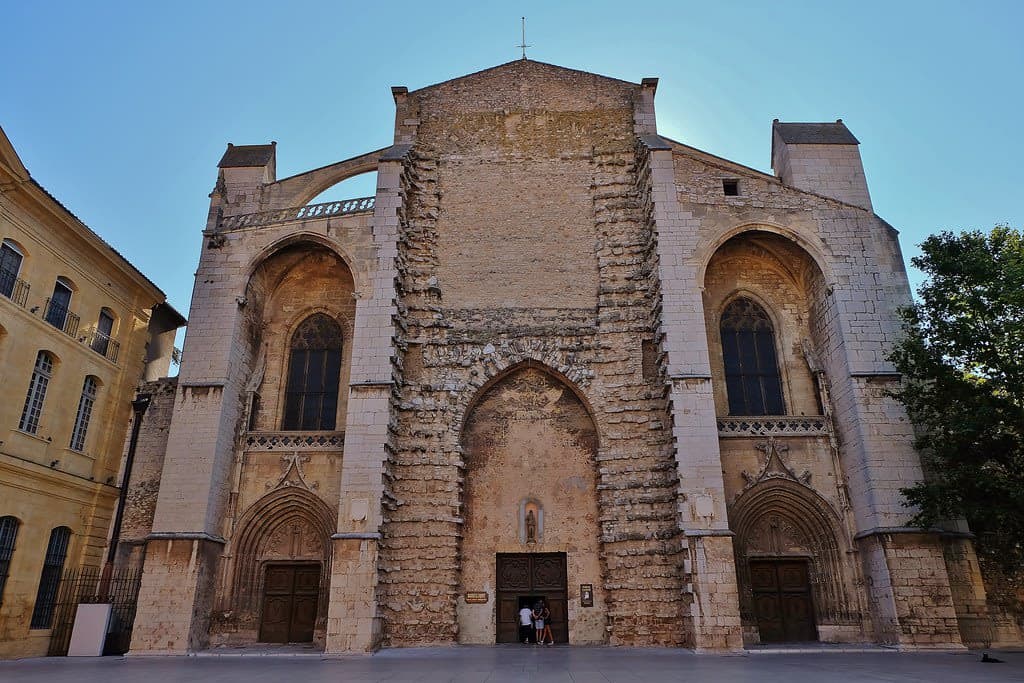
Saint-Maximin-la-Sainte-Baume, Basilica of Mary Magdalene
Where the first witness of resurrection rests, her skull in gold, in the Gothic heart of Provence
Saint-Maximin-la-Sainte-Baume, Provence-Alpes-Côte d'Azur, France
At A Glance
- Coordinates
- 43.4524, 5.8636
- Suggested Duration
- 1-2 hours for basilica and crypt. Add 3-4 hours for La Sainte-Baume grotto (drive + hike + contemplation). A full day allows both sites.
- Access
- Saint-Maximin-la-Sainte-Baume is 40 km east of Aix-en-Provence, accessible via A8 motorway. Limited public transport—car recommended. La Sainte-Baume is 30 minutes by car, then 45-minute hike to grotto.
Pilgrim Tips
- Saint-Maximin-la-Sainte-Baume is 40 km east of Aix-en-Provence, accessible via A8 motorway. Limited public transport—car recommended. La Sainte-Baume is 30 minutes by car, then 45-minute hike to grotto.
- Modest dress: shoulders and knees covered. This is an active church.
- Permitted in basilica, may be restricted in crypt. No photography during services. No flash.
- The July procession draws large crowds—plan accordingly. The hike to La Sainte-Baume grotto is moderate but requires proper footwear. Summer heat in Provence can be intense.
Overview
In Saint-Maximin-la-Sainte-Baume, the skull of Mary Magdalene rests in a golden reliquary. Christianity's third most important tomb, tradition claims, after Christ's own and Peter's. She was the first to see the risen Lord, sent to tell the apostles. Whether one believes the relics genuine or medieval piety, the devotion they have inspired for seven centuries is real. Pilgrims still come. The procession still winds through the streets each July.
Mary Magdalene was the first. On Easter morning, when the apostles had scattered, she came to the tomb and found it empty. She met a man she mistook for the gardener. He spoke her name. She knew him. He sent her to tell the others.
The Provencal legend says she came here. After persecution drove the early Christians from Palestine, Mary Magdalene and companions—Martha, Lazarus, others—were set adrift in a boat without sails or oars. They landed on the southern coast of Gaul. While others went to evangelize, Mary withdrew to a mountain cave called La Sainte-Baume. For thirty years, she lived in solitary prayer, contemplating what she had witnessed.
At her death, tradition says she was carried by angels to Saint-Maximin, where Bishop Maximin—one of the seventy disciples—buried her. Her tomb was lost during the Saracen invasions. In 1279, Charles II of Provence ordered excavations. On December 10, workers found a marble sarcophagus. Inside: bones, a scroll identifying them as Mary Magdalene's, and a sprig of fennel grown through the tomb and found in the saint's mouth.
Pope Boniface VIII reunited the skull with its jawbone in Rome, then established the Dominicans as guardians of the relics. They have maintained the tradition for over seven hundred years.
The basilica that Charles II built is the largest Gothic church in Provence—its western facade still unfinished, its interior soaring, its crypt holding the reliquary with the blackened skull. Each July, near the feast of Mary Magdalene, eight men carry the 400-kilogram reliquary through the streets of Saint-Maximin by candlelight.
The relics may be medieval fiction. Or they may be the remains of a woman who knew Jesus, who saw him die and saw him risen. Either way, the pilgrims keep coming. The candles keep burning. The skull keeps waiting in its golden case.
Context And Lineage
In 1279, Charles II of Provence claimed to discover Mary Magdalene's relics in Saint-Maximin. He built the basilica and established the Dominicans as guardians. The tradition connects to the Provencal legend of Mary Magdalene's arrival in Gaul after the resurrection and her thirty years as a hermit at La Sainte-Baume.
The Provencal legend tells that after Jesus's ascension, persecution drove his followers from Palestine. Mary Magdalene, with her sister Martha, brother Lazarus, and other disciples, was placed in a boat without sails or oars and set adrift. The boat landed miraculously at Saintes-Maries-de-la-Mer on the Provencal coast, around 47 AD.
The companions dispersed to evangelize. Mary Magdalene withdrew to a mountain cave called La Sainte-Baume—'the holy cave' in Provencal. For thirty years, she lived as a hermit, contemplating the mysteries she had witnessed: Jesus's ministry, his death, and above all his resurrection, which she alone saw first.
At the end of her life, tradition says she was carried by angels to Saint-Maximin, where Bishop Maximin—one of Jesus's seventy disciples—gave her last rites and buried her. Her tomb was hidden during the Saracen invasions and forgotten.
In 1279, Charles II, Count of Provence, ordered excavations. On December 10, workers struck marble. Inside the sarcophagus: bones, a scroll identifying them as Mary Magdalene's, and a sprig of fennel grown through the tomb and found in the saint's mouth—fulfilling, it was claimed, an ancient prophecy. Pope Boniface VIII authenticated the relics and established the Dominicans as their guardians.
The Dominican Order has maintained the basilica and the tradition since 1295. Dominican sisters maintain the grotto at La Sainte-Baume. The tradition connects to the broader Catholic veneration of relics and the particular significance of Mary Magdalene in Western Christianity—a figure who has been variously identified, conflated, and reimagined through twenty centuries.
Mary Magdalene
The saint whose relics are venerated
Charles II of Provence
Discoverer of relics and basilica founder
Pope Boniface VIII
Authenticator of relics
Why This Place Is Sacred
Saint-Maximin is thin because it claims to hold the remains of the first witness of resurrection. Whether the relics are authentic or not, the tradition connects directly to the foundational event of Christianity. Seven centuries of devotion have accumulated around these bones.
The thinness here is the thinness of witness. Mary Magdalene saw the empty tomb. She saw the risen Christ. She was sent to tell the others. Everything that Christianity became—the church, the councils, the creeds, the cathedrals—rests on the testimony of witnesses. Mary was first.
If the relics in the crypt are genuine, they are the remains of that witness. The skull behind glass is the skull that housed the mind that recognized Jesus when he spoke her name. The bones are the bones of the woman who ran to tell Peter and John. The tangibility is overwhelming—not just a story but a body, not just faith but remains.
If the relics are medieval fiction—if Charles II found old bones and wrapped them in sacred story—the thinness persists in another form. Seven centuries of pilgrims have prayed here, have touched this reliquary, have asked Mary Magdalene to pray for them. The accumulated devotion is itself a form of the sacred. Something becomes true through the believing, even if it was not true at the beginning.
The linked site of La Sainte-Baume adds another dimension. Thirty years in a mountain cave, contemplating what she had witnessed. The solitary hermit processing what no human being had ever experienced: encounter with the risen Lord. The grotto itself—dark, stone, filled with silence—suggests what that processing might have required.
And the July procession makes the thinness public. The reliquary weighing 400 kilograms, carried through the streets by candlelight, the community gathered to honor a first-century woman who saw what no one else saw first. The procession is not historical reenactment but living ritual—the kind of action that makes the past present.
Charles II built the basilica after discovering (or claiming to discover) Mary Magdalene's relics in 1279. The purpose was pilgrimage: to provide a proper shrine for one of the most important figures in Christian tradition. The Dominicans were established to maintain the liturgical life and welcome pilgrims.
Construction began in 1295 and continued over centuries. The basilica was never fully completed—the western facade remains unfinished. The French Revolution disrupted the Dominican community, but they returned. The tradition of the July procession has continued, with interruptions, for seven centuries. The grotto at La Sainte-Baume remains a linked pilgrimage site, maintained by Dominican sisters.
Traditions And Practice
Daily Mass and Divine Office in the basilica. Veneration of relics in the crypt. Annual July procession with the reliquary. Pilgrimage to La Sainte-Baume grotto. The Dominicans welcome pilgrims and maintain the tradition.
Since 1295, pilgrims have come to venerate Mary Magdalene's relics, pray in the crypt, and continue to the grotto at La Sainte-Baume. The July procession dates to the medieval period. Kings, popes, and saints have made this pilgrimage over the centuries.
Daily Mass in the basilica, maintained by Dominican friars. Veneration of the relics in the crypt. The annual July procession (Sunday nearest July 22) remains the high point—the skull in its golden reliquary carried through the streets by candlelight. Pilgrimage to La Sainte-Baume, maintained by Dominican sisters. The sites draw both traditional Catholic pilgrims and those interested in Mary Magdalene from other perspectives.
Attend Mass if possible to experience the basilica as a living church, not a museum. Spend time in the crypt with the reliquary—let the encounter happen. Then drive to La Sainte-Baume and make the hike to the grotto. The forest walk is part of the pilgrimage—preparation for the cave. In the grotto, sit in silence. Consider what thirty years of contemplating the resurrection might mean.
Roman Catholicism - Mary Magdalene Veneration
ActiveThe basilica claims to hold relics of Mary Magdalene, making it Christianity's third most important tomb. The tradition connects to the Provencal legend of her arrival in Gaul and thirty years as hermit. Pope Boniface VIII authenticated the relics in 1295.
Daily Mass. Veneration of relics. Annual July procession with the reliquary. Pilgrimage to La Sainte-Baume grotto.
Dominican Order
ActiveGuardians of the basilica and relics since 1295. Dominican friars maintain liturgical life; Dominican sisters maintain La Sainte-Baume grotto.
Divine Office. Daily Mass. Hospitality to pilgrims. Preaching.
Experience And Perspectives
Visitors enter the largest Gothic church in Provence, then descend to the crypt where Mary Magdalene's skull rests in a golden reliquary. The atmosphere is one of active devotion, not museum display. The July procession offers the most intense experience. La Sainte-Baume grotto, 30 minutes away, completes the pilgrimage.
The basilica rises from the center of Saint-Maximin—a small Provencal town dominated by this Gothic church that was never quite finished. The western facade is a flat wall where ornate decoration was planned but never executed. The incompleteness suggests that the builders cared more about the interior than the exterior, more about the relics than the facade.
Inside, the Gothic architecture soars—the largest such church in Provence, begun in 1295 to house the remains of Mary Magdalene. The nave is high and light. The Dominican community maintains the liturgical life; you may encounter Mass in progress or the Divine Office being sung.
The crypt is the destination. Descend to find the reliquary: a golden case containing the skull, blackened by time, said to be Mary Magdalene's. The setting is devotional, not clinical. Candles burn. Pilgrims kneel. This is not a museum exhibit but an object of veneration.
The skull weighs on the mind. If genuine, you are looking at the face of the first resurrection witness. If not, you are looking at an object that has focused the prayers of millions for seven hundred years. Either significance is profound.
The July procession, on the Sunday nearest Mary Magdalene's feast (July 22), offers the most intense experience. Eight men carry the 400-kilogram reliquary through the streets of Saint-Maximin by candlelight. The town processes behind, singing, praying. This is medieval Christianity alive in the 21st century.
The pilgrimage is incomplete without La Sainte-Baume. Thirty minutes by car, then a forest hike, brings you to the grotto where Mary Magdalene is said to have spent her last thirty years. The cave is dark, cool, silent. An altar and statue mark the space. Dominican sisters maintain the site. Here, in solitude, the Magdalene processed what she had witnessed. Here, the first resurrection faith took its contemplative form.
Begin with the basilica and crypt. Allow 1-2 hours. Then drive to La Sainte-Baume (30 minutes), park, and hike to the grotto (about 45 minutes each way). The full pilgrimage takes most of a day. The July procession requires planning—arrive early for position, expect crowds.
Saint-Maximin invites interpretation as a medieval pilgrimage site, as a focus of Mary Magdalene devotion, as a test case for relic authenticity, and as a place where traditional and alternative spiritualities encounter the same figure.
Historians note that the Provencal legend appears in texts only from the 9th century, over 800 years after Mary Magdalene's death. The 1279 discovery served Charles II's political interests. Prior to this, Vezelay claimed the relics. Scholarly consensus treats the legend as medieval pious tradition, while acknowledging its cultural impact. The conflation of Mary Magdalene with other biblical women (the sinful woman who anointed Jesus, Mary of Bethany) is now recognized as a medieval error later corrected.
For Catholic pilgrims, the authenticity of the relics is supported by papal approval and centuries of graces and miracles. The Church permits and encourages veneration without requiring belief in authenticity. The Provencal legend connects France to earliest Christianity and honors a woman apostle.
Mary Magdalene has become a focus of alternative spirituality, especially after 'The Da Vinci Code.' Some see her as representing the sacred feminine, as Jesus's wife, or as carrier of a secret tradition. These interpretations lack historical support and are rejected by the Church, but they have increased interest in Magdalene sites. The grotto appeals to those drawn to cave symbolism and contemplative solitude.
Were the 1279 relics authentic? Why do the Provencal legends appear only in medieval texts? What was Mary Magdalene's actual role in earliest Christianity? Why has she been subject to so much conflation and reinterpretation across centuries?
Visit Planning
Located 40 km east of Aix-en-Provence. Free entry. Car recommended. Combine with La Sainte-Baume grotto (30 min drive + 45 min hike). July procession is the major annual event.
Saint-Maximin-la-Sainte-Baume is 40 km east of Aix-en-Provence, accessible via A8 motorway. Limited public transport—car recommended. La Sainte-Baume is 30 minutes by car, then 45-minute hike to grotto.
Saint-Maximin has limited accommodation. Aix-en-Provence (40 km) offers more options. Retreat houses near La Sainte-Baume welcome pilgrims.
Modest dress required. Photography may be restricted in the crypt. Services take priority over tourism. Approach the relics with respect whether or not you share the faith.
Saint-Maximin is an active pilgrimage site, not a museum. Dress modestly: shoulders and knees covered. The atmosphere is devotional; maintain appropriate quiet.
Photography is permitted in the basilica but may be restricted in the crypt near the relics. No photography during services. Flash is prohibited.
The veneration of relics is a matter of faith. You need not share the belief to respect those who do. Approach the reliquary as you would approach what others hold sacred.
At La Sainte-Baume, the grotto is maintained as a place of prayer. Silence is appropriate. Leave no trace.
Modest dress: shoulders and knees covered. This is an active church.
Permitted in basilica, may be restricted in crypt. No photography during services. No flash.
Donations welcomed. Candles may be lit.
Services take priority. Crypt may have specific visiting hours.
Sacred Cluster
Nearby sacred places create the location cluster described in the growth plan. This block is intentionally crawlable and links into the wider regional graph.
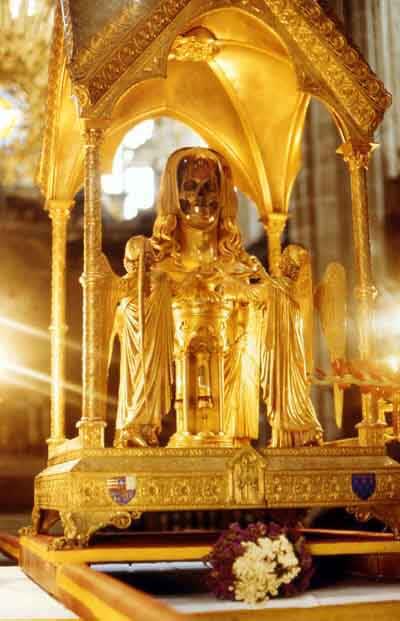
Skelton of Mary Magdalene at Saint Maximin la Sainte-Baume
Saint-Maximin-la-Sainte-Baume, Provence-Alpes-Côte d'Azur, France
0.0 km away
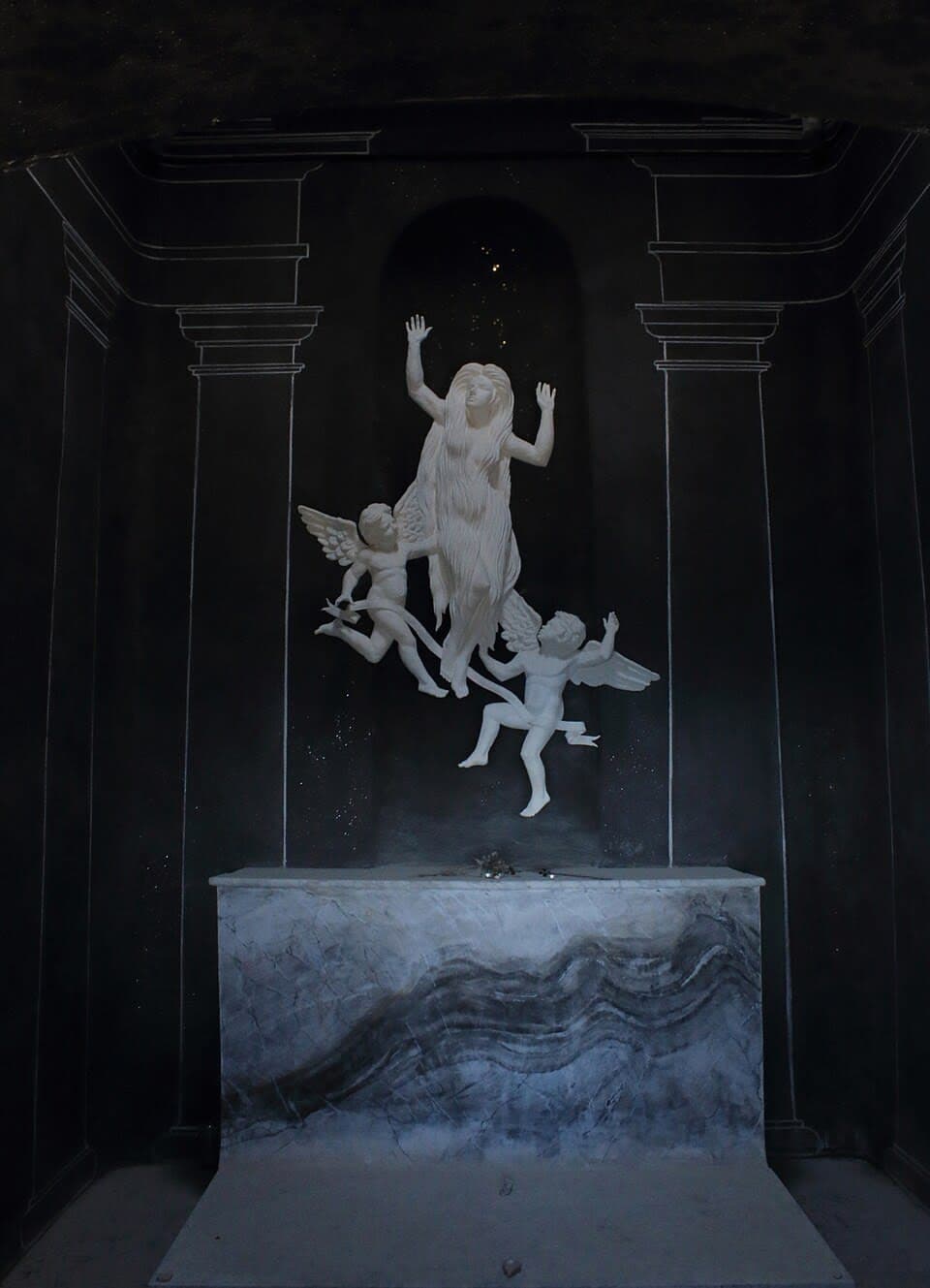
Chapelle du Saint-Pilon
Plan-d'Aups-Sainte-Baume, Provence-Alpes-Côte d'Azur, France
16.0 km away
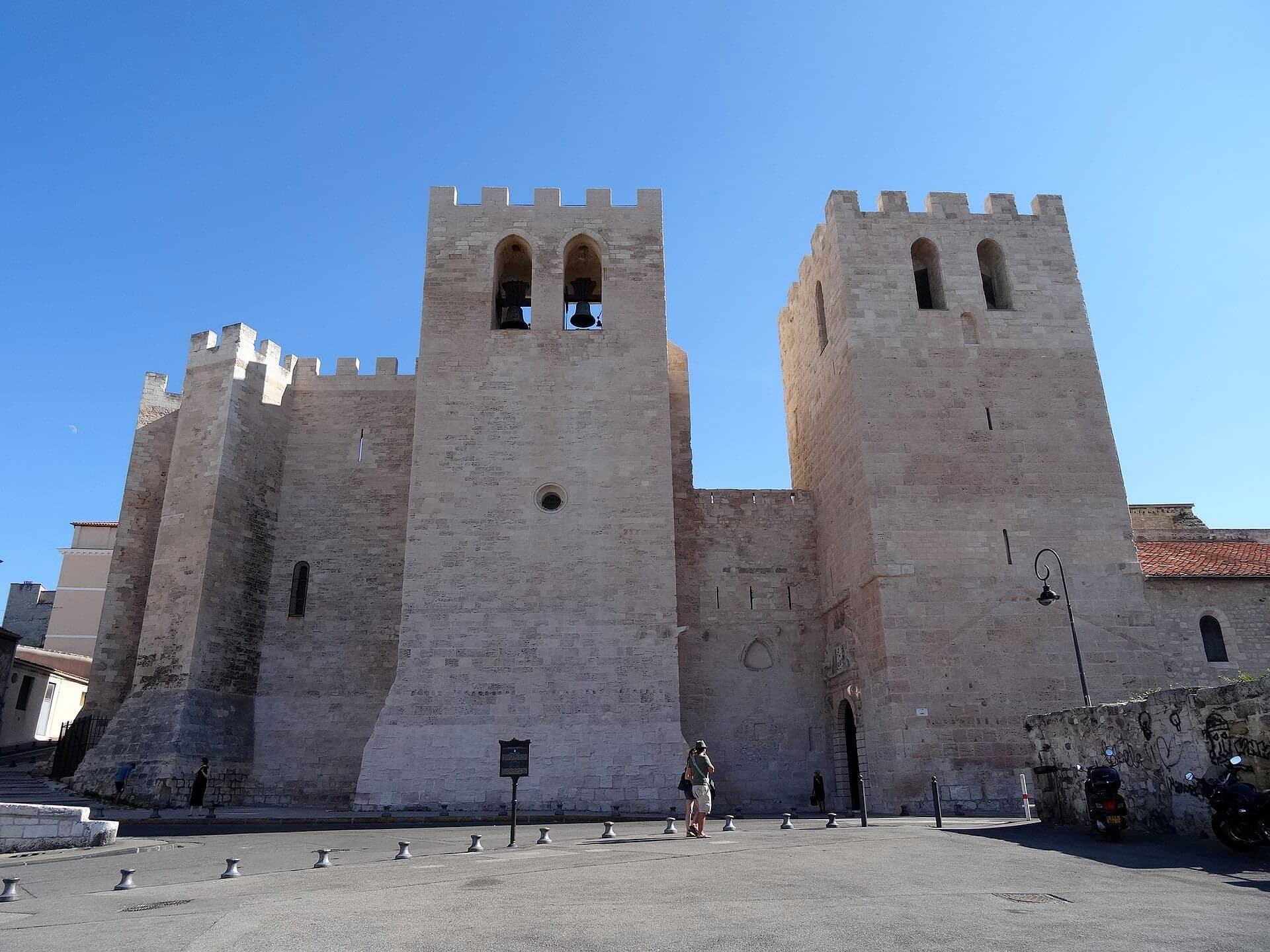
Abbey of Saint-Victor
Marseille, Provence-Alpes-Côte d'Azur, France
44.1 km away
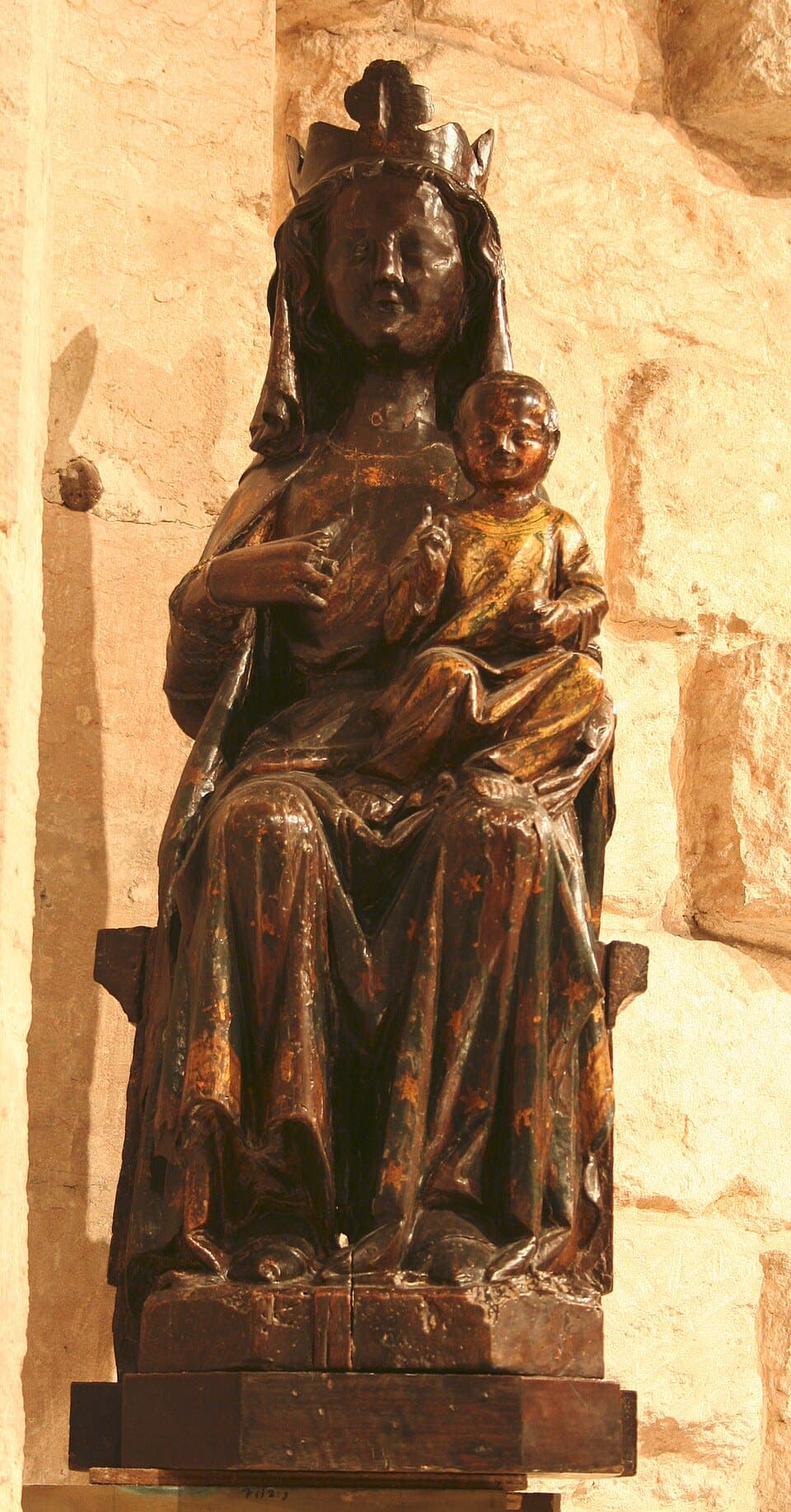
Notre-Dame de Confession (Our Lady of Confession)
Marseille, Provence-Alpes-Côte d'Azur, France
44.1 km away