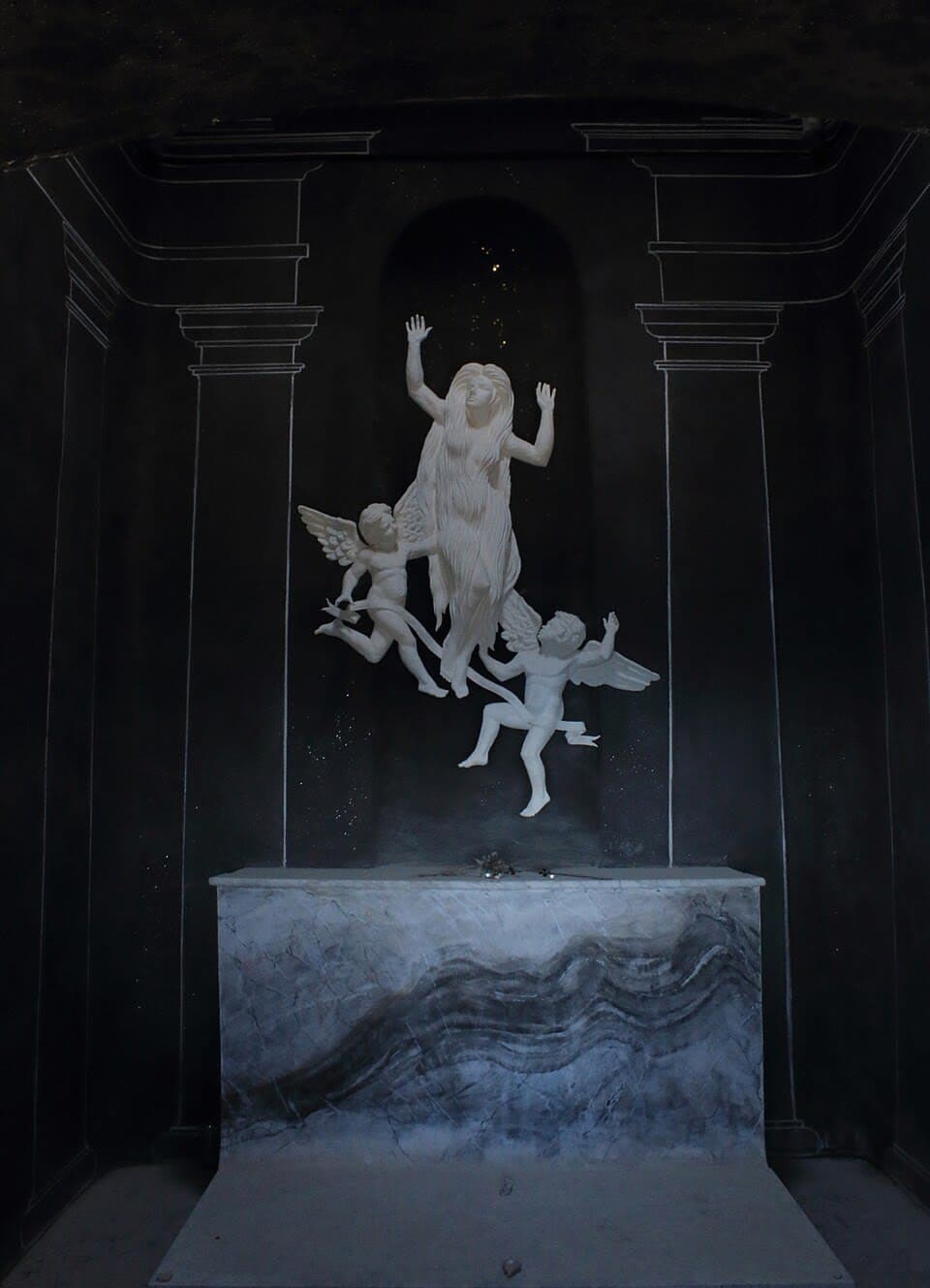
Chapelle du Saint-Pilon
A mountaintop chapel where Mary Magdalene was said to be lifted by angels, offering panoramic views and spiritual elevation
Plan-d'Aups-Sainte-Baume, Provence-Alpes-Côte d'Azur, France
At A Glance
- Coordinates
- 43.3272, 5.7650
- Suggested Duration
- From the Hostellerie to the chapel and back: 2-3 hours. From the grotto to the chapel: 30-45 minutes one way. Combined with grotto visit, plan a full day. Time at the chapel itself: allow 20-30 minutes minimum to appreciate views and interior.
- Access
- The chapel is accessible only on foot via marked hiking trails (GR9 and GR98). Primary trailhead: Sainte-Baume Tourist & Discovery Area, Plan-d'Aups-Sainte-Baume. The route passes through the grotto area. In summer, check forest access conditions with the Var prefecture before departure.
Pilgrim Tips
- The chapel is accessible only on foot via marked hiking trails (GR9 and GR98). Primary trailhead: Sainte-Baume Tourist & Discovery Area, Plan-d'Aups-Sainte-Baume. The route passes through the grotto area. In summer, check forest access conditions with the Var prefecture before departure.
- Practical hiking attire and sturdy footwear required. Layers recommended for temperature changes with elevation. Wind protection advisable for the exposed summit.
- Freely permitted. The panoramic views are the primary draw for many visitors.
- The ridge is exposed to wind and weather. Avoid the summit in storms or when lightning threatens. Summer brings fire risk and potential trail closures—check conditions before setting out. The climb, while moderate, requires basic fitness and appropriate footwear. Bring water and sun protection.
Overview
At 994 meters atop the Sainte-Baume massif, a small stone chapel marks the legendary spot where angels lifted Mary Magdalene seven times daily for divine sustenance. The climb through ancient forest to this wind-swept summit rewards pilgrims with 360-degree views extending to the Mediterranean—a fitting complement to the grotto below where the saint spent her earthly hermitage.
The path rises from the grotto through limestone terrain toward the ridge. Vegetation thins; wind picks up; sky opens. What was intimate and enclosed in the cave below becomes expansive and exposed. At the summit, nearly a thousand meters above the sea visible in the distance, stands the Chapelle du Saint-Pilon—a simple stone structure that has drawn pilgrims since the medieval era.
The name tells the story: pilon derives from the Provencal pieloun, meaning pillar. According to tradition, a stone column once marked this spot as the place where Mary Magdalene, during her thirty years of contemplative hermitage, was lifted by angels for heavenly nourishment. Seven times daily, tradition holds, she ascended from her earthly cave to this peak for divine communion before returning to her prayers below.
Ravaged during the French Revolution and carefully restored by the Compagnons du Devoir between 2015 and 2017, the chapel today offers shelter from the mountain wind and a space for quiet reflection. A single opening in the roof admits natural light. Outside, the panorama unfolds: the Mediterranean to the south, Montagne Sainte-Victoire to the northwest, the Provencal countryside in every direction.
For pilgrims who have visited the grotto's darkness and moisture, the chapel completes the journey with light and air. Together, cave and summit describe the full arc of Mary Magdalene's legendary spiritual life: earthly withdrawal and heavenly elevation, descent into depths and ascent toward sky. The effort required to reach the chapel—the climb through protected ancient forest—becomes part of its meaning. Nothing of significance is easily reached.
Context And Lineage
The chapel sits within the larger sacred geography of Sainte-Baume, marking the heavenly pole of Mary Magdalene's spiritual life while the grotto below represents her earthly hermitage. Medieval pilgrims walked the Kings Path to visit both sites.
The legend behind the chapel describes the unseen dimension of Mary Magdalene's thirty-year hermitage. While her body remained in the grotto, engaged in prayer and contemplation, seven times daily her soul was lifted by angels to this mountaintop for divine nourishment. She took no earthly food during these decades; heaven sustained her. A stone pillar marked the spot where angels set her down, and around this pillar the chapel eventually rose. The name Saint-Pilon preserves the memory of that original marker.
The chapel belongs to the network of Mary Magdalene sites that developed after the 1279 discovery of her relics at Saint-Maximin. The Chemin des Roys (Kings Path), opened in 1295 when the Dominicans took custody of Sainte-Baume, connected the relics at Saint-Maximin to the grotto and chapel on the mountain. Oratories along the path, depicting scenes from Mary Magdalene's life, guided pilgrims' contemplation. This infrastructure of pilgrimage—much of it now classified as Historic Monuments—created the sacred geography that the chapel crowns.
Mary Magdalene
The Gospel figure whose legendary angelic elevation at this site is commemorated by the chapel
Monseigneur Ferrier
Archbishop of Arles who commissioned the oratories along the pilgrimage path in 1516
Compagnons du Devoir
French guild of craftspeople who restored the chapel between 2015 and 2017
Why This Place Is Sacred
The chapel's thin place quality emerges from mountaintop elevation, panoramic openness, physical pilgrimage effort, and the legend of angelic lifting that transforms the site into a threshold between earth and heaven.
Mountaintops have served as sacred sites across cultures and millennia. Something about elevation—the literal rising above ordinary terrain, the expanded horizon, the closeness to sky—evokes transcendence. The Chapelle du Saint-Pilon participates in this universal pattern while carrying its particular legend.
The story of Mary Magdalene's angelic elevation transforms the summit from mere high point to sacred threshold. If the grotto represents withdrawal from the world, the chapel represents what that withdrawal makes possible: communion with the divine. The vertical axis from cave to peak describes the soul's journey—descent into depths, ascent toward light. Seven times daily, tradition says, the hermit traveled this axis, lifted by angels, fed by heaven.
The physical experience reinforces the symbolism. Reaching the chapel requires effort—the climb through ancient forest, the final ascent over limestone terrain. By the time visitors stand at the summit, the body knows it has worked, and that effort creates receptivity. The panoramic views—Mediterranean sparkling in the distance, mountains rolling toward every horizon—expand perception beyond ordinary limits.
The chapel itself is simple: stone walls, a single roof opening for light, space for perhaps a dozen visitors. This simplicity focuses attention. There are no distractions here, no programs or displays. Only the elemental encounter with height, horizon, and the question of what Mary Magdalene sought in her daily ascension—and whether we might seek the same.
The chapel commemorates the legendary location where Mary Magdalene received angelic elevation and divine nourishment during her hermitage. A stone pillar (pieloun) originally marked the spot; the chapel was built to honor and enclose this sacred site.
The original chapel, dating to the 14th or 15th century, was destroyed during the French Revolution along with other religious sites in the region. Gradual reconstruction occurred through the 19th century. The most recent restoration (2015-2017) by the Compagnons du Devoir—a French guild of craftspeople—returned the chapel to its current condition. Today it serves both pilgrims in the Mary Magdalene tradition and hikers drawn to the summit views.
Traditions And Practice
The chapel supports contemplative hiking as spiritual practice. No formal services are regularly scheduled, but the site provides shelter for personal prayer and meditation as part of the broader Mary Magdalene pilgrimage.
Medieval pilgrims walked the Chemin des Roys from Saint-Maximin, praying at oratories that depicted Mary Magdalene's life, visiting the grotto, and climbing to the chapel. The full circuit constituted a pilgrimage that engaged body and spirit over considerable distance and elevation. The chapel represented the journey's climax—the earthly traveler standing where the saint received heavenly visitation.
Today the chapel is reached primarily through recreational hiking, though many hikers approach with devotional intention. No regular liturgical services are held. The chapel provides shelter from wind and weather, space for sitting and reflection, and a destination that transforms ordinary hiking into pilgrimage. Many visitors combine the chapel with the grotto below, maintaining the traditional understanding of the two sites as complementary.
If time permits, begin at the grotto and allow the cave's atmosphere to work before climbing to the chapel. The ascent takes 30-45 minutes from the grotto. Upon reaching the summit, spend time with the panoramic views before entering the chapel. Inside, sit in stillness and allow the contrast with the open summit to settle. Consider what Mary Magdalene might have sought in her daily elevation—and what draws you upward. On the descent, let silence integrate the experience.
Roman Catholic
ActiveThe chapel commemorates Mary Magdalene's legendary angelic elevation and represents the heavenly dimension of her earthly hermitage. It completes the sacred geography of Sainte-Baume.
Pilgrimage hike, personal prayer and meditation, integration with grotto visit
Experience And Perspectives
Reaching the chapel requires a moderate hike through protected ancient forest, culminating in panoramic views and a simple stone shelter. The physical effort and visual reward combine to create an experience of earned elevation.
The experience often begins at the grotto. Having descended into Mary Magdalene's cave, absorbed its humid darkness and accumulated prayer, pilgrims face a choice: return down the forest path, or continue upward to the chapel where she reportedly received heavenly sustenance.
The path from the grotto climbs through changing terrain. Below the treeline, ancient beech and yew—part of a forest so exceptional it carries the Forêt d'Exception label—provide shade and company. As elevation increases, vegetation gives way to limestone. The path becomes more exposed. Wind that was imperceptible in the forest makes itself known.
The final approach reveals the chapel: small, stone, solitary on the ridge. The views that open simultaneously compete for attention—the Mediterranean a blue presence to the south, Sainte-Victoire's distinctive profile to the northwest, endless Provencal landscape in between. Many visitors spend significant time simply looking, allowing the panorama to work on perception.
The chapel interior provides contrast: shelter from wind, dimness after brightness, enclosure after exposure. A single roof opening admits light that shifts with the sun's movement. Benches allow sitting. The stone walls, recently restored but built on centuries of tradition, hold accumulated intention. Whether understood as the spot of angelic visitation or simply as a place where humans have sought elevation for hundreds of years, the chapel invites pause.
The descent afterward completes the journey. Returning through the forest, carrying what the summit offered, the body integrates the climb. Many report that the combination of effort, elevation, and enclosed shelter creates lasting impression—the kind of experience that continues to work on consciousness after the visit ends.
The chapel is best understood as complement to the grotto—if you visit one, consider visiting both. The recommended sequence is grotto first (depth, darkness, intimacy) followed by chapel (height, light, expansion). Bring water and wear appropriate footwear for the climb. Allow time at the summit; the views reward lingering. Check weather conditions, as the exposed ridge is uncomfortable in wind and dangerous in storms. In summer, verify forest access conditions with the Var prefecture before setting out.
The chapel can be understood through devotional, historical, and experiential lenses. Each contributes to the site's meaning without claiming exclusive truth.
The chapel dates to the medieval period, built to commemorate the legend of Mary Magdalene's angelic elevation. Historical evidence for the legend itself is lacking—it forms part of the broader Provencal Mary Magdalene tradition that developed around the veneration of her relics. The site's significance is devotional and cultural rather than historical in the evidentiary sense.
Catholic tradition holds the Provencal accounts as pious legends that convey spiritual truth about Mary Magdalene's contemplative life. Whether or not angels literally lifted her to this summit, the legend teaches that withdrawal from the world opens the soul to divine nourishment. The chapel marks this teaching in stone, inviting pilgrims to seek their own elevation.
Some interpret the angelic elevation symbolically, seeing it as a description of mystical experience rather than physical levitation. The vertical axis from cave to mountaintop represents the soul's journey from earthly depths to heavenly awareness. Others note the pre-Christian significance of mountaintops and caves in human spiritual practice, seeing the Mary Magdalene tradition as one layer in deeper sacred geography.
The precise origin of the angelic elevation legend remains unknown. Whether the site had sacred significance before the Mary Magdalene tradition cannot be determined. The nature of Mary Magdalene's actual experience—if she indeed spent years in the Sainte-Baume region—lies beyond historical recovery.
Visit Planning
The chapel requires a moderate hike to reach. Spring and autumn offer ideal conditions. Summer brings potential closures due to fire risk. Allow 2-3 hours for the round trip from the Hostellerie, or 1-1.5 hours from the grotto.
The chapel is accessible only on foot via marked hiking trails (GR9 and GR98). Primary trailhead: Sainte-Baume Tourist & Discovery Area, Plan-d'Aups-Sainte-Baume. The route passes through the grotto area. In summer, check forest access conditions with the Var prefecture before departure.
The Dominican-run Hostellerie de la Sainte-Baume at the trailhead offers pilgrim accommodation. Hotels and guesthouses are available in Plan-d'Aups-Sainte-Baume and Saint-Maximin.
The chapel is a simple mountain structure on marked hiking trails. Respectful behavior appropriate to both natural area and sacred site is expected.
The Chapelle du Saint-Pilon functions as both hiking destination and sacred site. Comportment should honor both dimensions. The chapel provides shelter and invites contemplation; treat it accordingly. Avoid loud conversation inside. Allow others their solitary experience.
The surrounding area is protected forest with high fire risk. Stay on marked trails. No open fires, no smoking on trails during high-risk periods. Pack out all waste. The ancient forest deserves the respect that has protected it since 1853.
Photography is welcome—the views are spectacular. Be mindful of others seeking quiet contemplation.
Practical hiking attire and sturdy footwear required. Layers recommended for temperature changes with elevation. Wind protection advisable for the exposed summit.
Freely permitted. The panoramic views are the primary draw for many visitors.
No formal offering facilities. The site is maintained through regional park management.
{"Stay on marked trails in the protected forest","No open fires; no smoking during high fire risk","Check forest access conditions with Var prefecture in summer","Avoid the ridge in storms or poor visibility"}
Sacred Cluster
Nearby sacred places create the location cluster described in the growth plan. This block is intentionally crawlable and links into the wider regional graph.
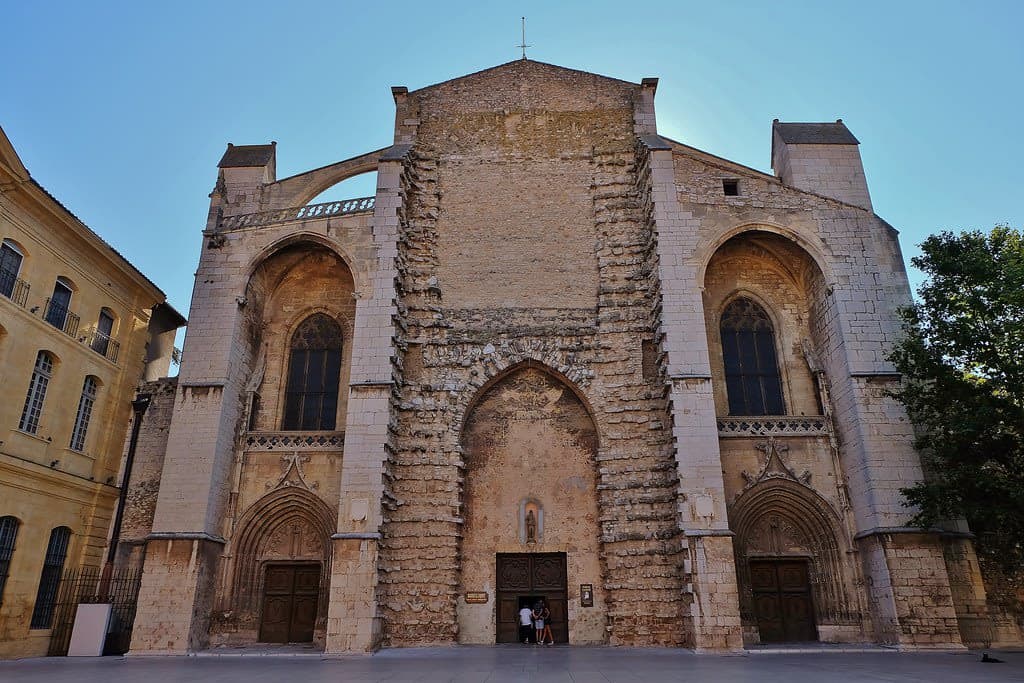
Saint-Maximin-la-Sainte-Baume, Basilica of Mary Magdalene
Saint-Maximin-la-Sainte-Baume, Provence-Alpes-Côte d'Azur, France
16.0 km away
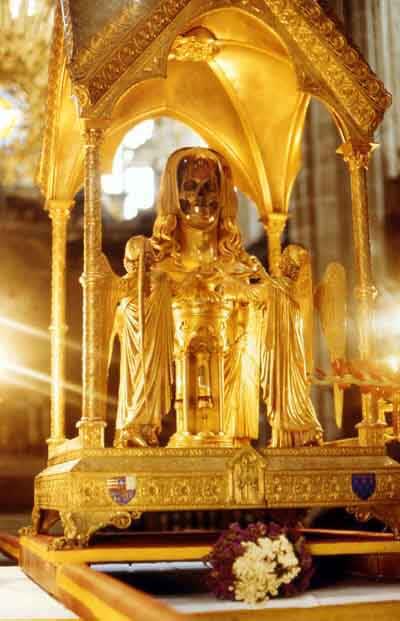
Skelton of Mary Magdalene at Saint Maximin la Sainte-Baume
Saint-Maximin-la-Sainte-Baume, Provence-Alpes-Côte d'Azur, France
16.1 km away
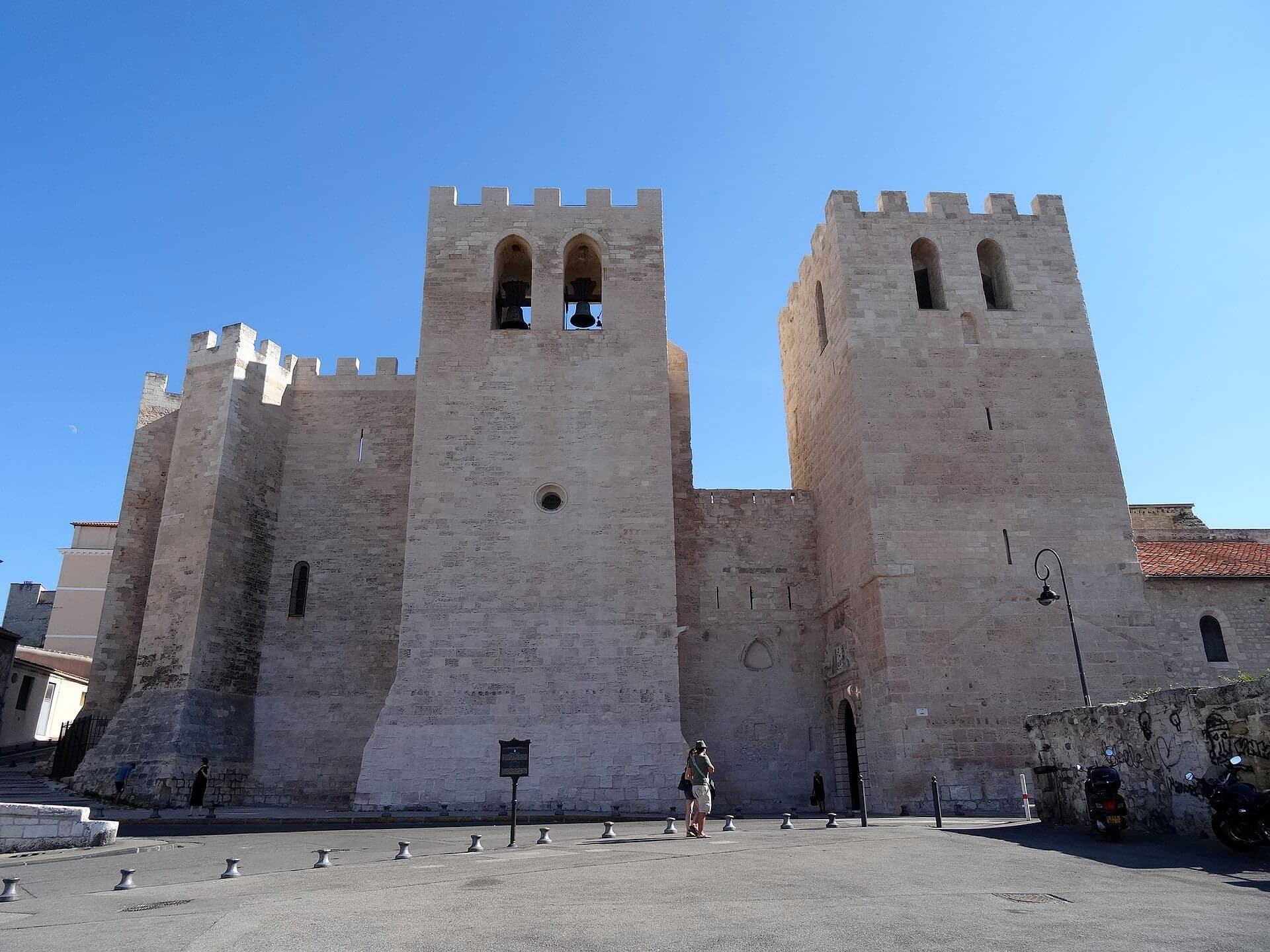
Abbey of Saint-Victor
Marseille, Provence-Alpes-Côte d'Azur, France
32.6 km away
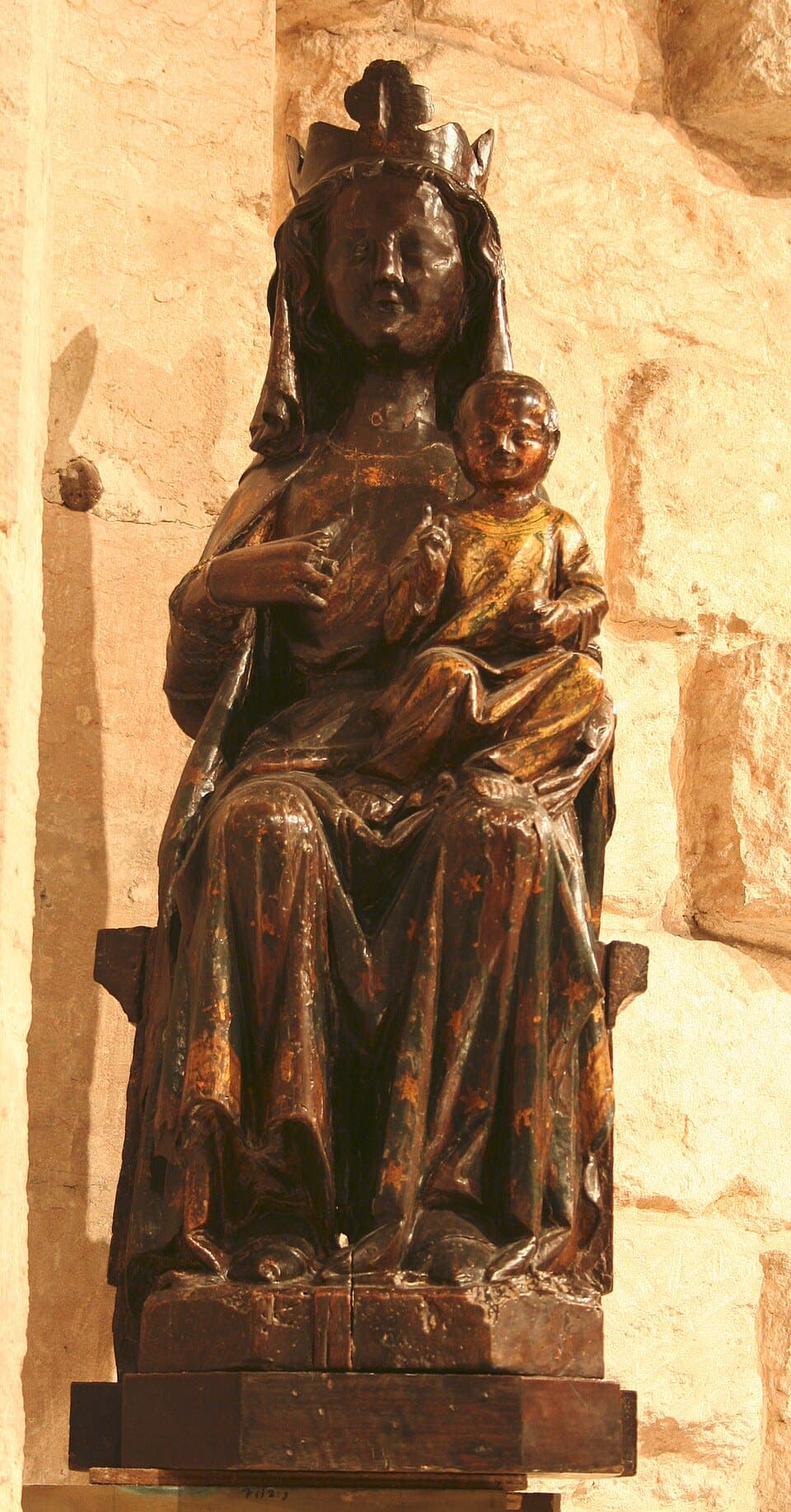
Notre-Dame de Confession (Our Lady of Confession)
Marseille, Provence-Alpes-Côte d'Azur, France
32.6 km away