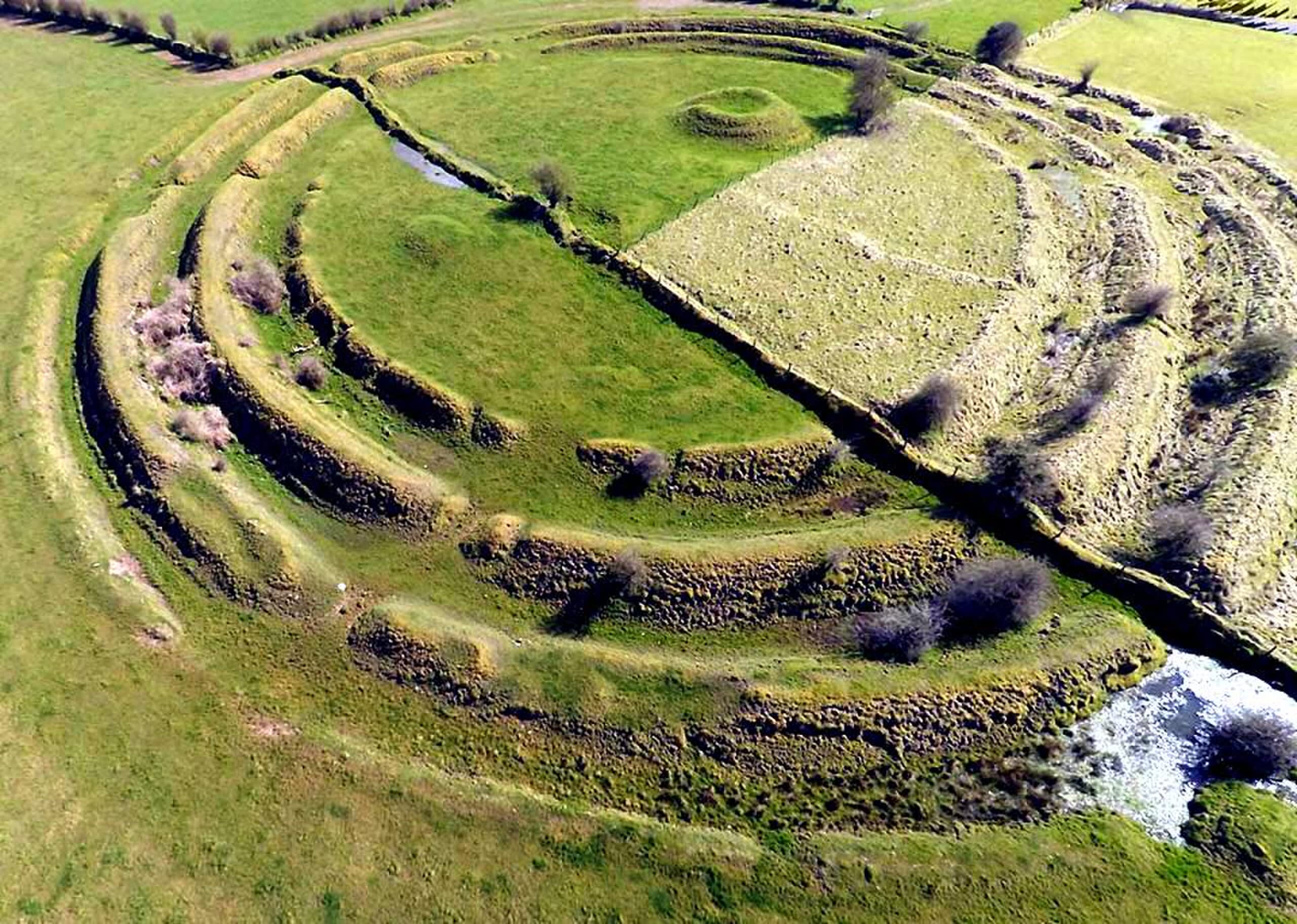
Rathcroghan
Ireland's gate to the Otherworld, where Queen Medb ruled and the veil still thins at Samhain
Tulsk, County Roscommon, Ireland
At A Glance
- Coordinates
- 53.8023, -8.3042
- Suggested Duration
- A guided tour of key sites including Oweynagat takes 2-4 hours. Those wishing to explore the wider landscape should allow a full day. The mythology alone repays extended engagement.
Pilgrim Tips
- Practical outdoor clothing and sturdy waterproof footwear. Warm layers for cave visits, which maintain a constant cool temperature.
- Permitted throughout. Be mindful of other visitors' experiences and the working agricultural context.
- Oweynagat can only be visited by guided tour; do not attempt to enter on your own. Some monuments are on private farmland and require guided access. Respect the working agricultural landscape. Do not disturb or remove any artifacts or stones. The site's unexcavated status is itself a form of preservation.
Overview
Rathcroghan was the sacred heart of Connacht for over 5,500 years. This ancient royal site, spread across the Roscommon plains, contains more than 240 monuments including Oweynagat, the Cave of the Cats, believed to be an entrance to the Otherworld. At Samhain, the boundaries between worlds were said to thin here, allowing spirits to emerge. Today, seekers come to walk a landscape saturated with Irish mythology.
Some places hold such density of myth that walking through them feels like moving through story itself. Rathcroghan is such a place. For over five thousand years, this landscape in County Roscommon served as the political and spiritual center of Connacht, one of Ireland's ancient provinces.
The numbers alone convey something of its significance: more than 240 archaeological monuments spread across the plains, making it one of the largest and most important royal site complexes in Europe. But numbers do not capture what persists here. This is where Queen Medb ruled with her husband Ailill, setting in motion the events of the Tain Bo Cuailnge, Ireland's greatest epic. This is where kings were inaugurated through ritual marriage to the earth goddess. This is where the Otherworld was believed to breach into our own.
Oweynagat, the Cave of the Cats, is the site's dark heart. This natural limestone cave with its souterrain entrance was known in medieval times as Ireland's Gate to Hell. According to tradition, during Samhain, supernatural beings emerged from its depths: wild pigs that devastated the countryside, flocks of birds that withered crops, and the Morrigan herself, goddess of war, fate, and sovereignty.
The site remains largely unexcavated, preserving its mystery. Non-invasive surveys have revealed extensive features still hidden beneath the grass, structures whose purpose we can only guess. To walk here is to walk over secrets.
Modern Celtic practitioners consider Rathcroghan one of the most powerful sacred sites in Ireland, particularly at Samhain. The academic study confirms what intuition suggests: this was a place where the Irish believed worlds could meet.
Context And Lineage
Rathcroghan's history stretches from the Neolithic period (around 4000 BCE) through the Early Medieval period, representing over 5,500 years of continuous sacred use. It served as the inauguration site of Connacht's kings and the setting for Ireland's greatest epic, the Tain Bo Cuailnge. The site was added to UNESCO's Tentative List in 2010.
The mythology of Rathcroghan centers on Queen Medb and her husband Ailill, rulers of Connacht. One night, comparing their possessions, they found themselves perfectly equal except for Ailill's white bull. Medb's determination to acquire a matching bull, the Brown Bull of Ulster, launched the Tain Bo Cuailnge, Ireland's Iliad.
The war that followed drew in the hero Cuchulainn, who single-handedly defended Ulster while its warriors lay under a curse. Heroes died, landscapes were transformed, and finally the two bulls fought each other to mutual destruction. The epic begins and ends at Cruachan, making Rathcroghan the origin point of Ireland's greatest story.
Oweynagat carries its own mythology. The cave was believed to be the dwelling of the Morrigan, the triple goddess of war, fate, and sovereignty. At Samhain, creatures emerged from its depths to terrorize Ireland. The cave's name, Cave of the Cats, may refer to shape-shifting beings or to the wildcats that once inhabited such places.
The historical lineage at Rathcroghan includes the Connachta dynasty, the ruling family of Connacht through much of the early medieval period. The site's monuments represent continuous use by multiple peoples across five millennia, from Neolithic farmers through Bronze Age communities to Iron Age Celts. The O'Connor kings of Connacht were inaugurated at the nearby Carnfree into the medieval period.
Queen Medb
deity/legendary_queen
Queen of Connacht and central figure of the Tain Bo Cuailnge. Medb is understood by scholars as a sovereignty goddess whose favor legitimized kingship. Her name may derive from mead, the sacred drink of royal inauguration.
The Morrigan
deity
Triple goddess of war, fate, and sovereignty, associated with Oweynagat. She appears in the Tain as shape-shifter and prophet. Her dwelling in the cave made Rathcroghan a place of power and terror.
Ailill mac Mata
legendary_figure
King of Connacht and husband of Medb. His ownership of the white bull whose equal Medb sought precipitated the Cattle Raid of Cooley.
Why This Place Is Sacred
Rathcroghan's sacred power emerges from its 5,500 years of ritual use, its association with Irish mythology and divine beings, its function as a site where kings married the land, and the presence of Oweynagat, the cave believed to be an entrance to the Otherworld. At Samhain, this was where the boundaries between worlds dissolved.
The thinness of Rathcroghan operates on multiple levels. The sheer duration of sacred use, stretching back over five millennia, has layered intention upon intention until the ground itself seems charged. Generations of Neolithic, Bronze Age, and Iron Age peoples buried their dead here, performed ceremonies here, approached the divine here.
Irish tradition understood certain places as doorways between this world and the Otherworld, the realm of gods, spirits, and ancestors. Rathcroghan was perhaps the most significant of these doorways. Oweynagat, the cave at its heart, was believed to be not a symbol of the Otherworld but an actual entrance to it. During Samhain, when the year turned from light to dark, this entrance opened.
The creatures said to emerge were not benign: the Morrigan, shape-shifting goddess of war and death; flocks of birds that brought blight; wild pigs that ravaged the land. These beings were not evil in the Christian sense but powers that demanded recognition, forces that the turning of the year released. To be at Rathcroghan during Samhain was to stand at the threshold.
The site's association with sovereignty adds another layer. Irish kingship was sacred, validated through ritual marriage between the king and the goddess of the land, often represented by Queen Medb herself. Medb was not simply a historical queen but a sovereignty figure whose favor confirmed legitimate rule. Kings came to Rathcroghan to marry the land.
The Tain Bo Cuailnge, Ireland's great epic, begins and ends at Cruachan. When Medb and Ailill compared their possessions and found them equal except for Ailill's white bull, Medb launched a war to capture the Brown Bull of Ulster. The cosmic consequences of that war, the deaths of heroes, the transformation of the landscape itself, all flowed from this place.
That the site remains largely unexcavated preserves its mystery. Modern surveys have revealed more than can yet be explained. Whatever lies within the Rathcroghan mound itself, whatever secrets the underground passages still hold, the unknowing intensifies the site's power.
Rathcroghan served as both political and spiritual capital of Connacht. The royal site complex included burial mounds for nobles and heroes, ceremonial enclosures for gatherings and rituals, and Oweynagat as the point of contact with the Otherworld. The great fairs (oenach) held here combined trade, law-making, athletics, and religious celebration. Royal inauguration ceremonies enacted the sacred marriage between king and land.
Traditions And Practice
No formal religious ceremonies take place at Rathcroghan today, but the site draws modern Celtic practitioners for meditation, offerings, and Samhain observances. Guided tours provide the primary structured way to engage with the landscape and enter Oweynagat.
Traditional practices at Rathcroghan would have included royal inauguration ceremonies involving symbolic marriage between the king and the land goddess, great fairs (oenach) combining trade, law, athletics, and religious celebration, burial rites for nobles and heroes, and Samhain rituals acknowledging the opening between worlds. The specific forms of these practices are reconstructed from manuscript sources and archaeological inference rather than documented directly.
Today, engagement with Rathcroghan takes several forms. Guided tours led by knowledgeable local guides provide historical, archaeological, and mythological context, including entry to Oweynagat. The visitor center offers educational resources.
Modern Celtic practitioners visit for meditation, contemplation, and personal ritual, particularly at Samhain. The site occasionally hosts organized Samhain events. Those seeking to connect with Irish mythological tradition find this among the most significant landscapes in Ireland.
Archaeological and heritage tourism draws visitors interested in Ireland's deep past. The site's status on UNESCO's Tentative List reflects its international significance.
Book a guided tour through the visitor center well in advance, especially if visiting near Samhain. The tour to Oweynagat is essential for fully experiencing the site.
Before visiting, read the Tain Bo Cuailnge or at least a summary of its story. Walking a landscape without knowing its mythology is like visiting a temple without knowing its god. The stories animate the land.
If spiritual practice is part of your intention, bring what is appropriate to your tradition. Small, biodegradable offerings may be left respectfully. Meditation and silent contemplation are welcomed. The landscape itself is the teacher.
Consider visiting at Samhain if possible. The mythological calendar and the modern calendar align at this site in ways that deepen the experience.
Ancient Celtic/Gaelic Religion
HistoricalRathcroghan was one of the most important sacred sites in pre-Christian Ireland, one of the island's three great heathen cemeteries and a site of great fairs. The location was associated with sovereignty rituals where kings were symbolically married to the earth goddess. Oweynagat was believed to be an entrance to the Otherworld, associated with the Morrigan and the festival of Samhain.
Royal inauguration ceremonies involving marriage to the land, Samhain festivals and Otherworld communion, burial of nobles and heroes, great fairs combining trade, law, and celebration.
Celtic Reconstructionism/Neopaganism
ActiveModern Celtic spiritual practitioners view Rathcroghan as a powerful sacred landscape connected to Irish mythology, the goddess Medb/Morrigan, and the festival of Samhain. The site is visited by those seeking to connect with Celtic spiritual traditions and to practice at one of Ireland's most significant thin places.
Samhain pilgrimages and rituals, meditation and small offerings at sacred sites, connecting with deity energies associated with the location, study of the mythological traditions.
Experience And Perspectives
Visitors to Rathcroghan encounter a landscape dense with mythological resonance. The experience of entering Oweynagat, crawling through the dark passage into the cave known as Ireland's Gate to Hell, is often described as profoundly atmospheric. Those who come at Samhain report the strongest sense of the site's power.
The first thing you notice at Rathcroghan is the subtlety. These are not dramatic ruins thrusting from the earth but grassy mounds and earthworks spread across pastureland, monuments that require knowledge to recognize. The landscape asks something of you: attention, patience, a willingness to see what is not obvious.
A guided tour transforms the experience. The visitor center in Tulsk provides context, and knowledgeable guides can lead you to monuments hidden in fields, explain what archaeological surveys have revealed, and bring the mythology alive. Without guidance, you see pleasant Irish countryside. With it, you walk through the setting of an epic.
Oweynagat is the site's heart, and entering it requires a guided tour. The approach is through an old souterrain, a stone-lined underground passage. You descend into darkness, the modern world falling away. The cave itself is natural limestone, not large, but somehow immense. Medieval scribes called this Ireland's Gate to Hell. Standing in that darkness, the description feels less literary than literal.
Visitors describe various experiences in Oweynagat: a sense of being watched, unexpected emotion, the feeling that something waits just beyond perception. Whether this reflects the cave's association with the Morrigan, the accumulated weight of centuries of fear and reverence, or something inherent to the space, the effect is consistent enough to note.
Above ground, walking among the monuments, a different quality emerges. The sense is of vastness both physical and temporal. More than 240 monuments spread across several square miles, representing over 5,500 years of sacred use. The landscape swallows you, not dramatically but persistently, until you realize that you are very small and very recent.
Samhain brings the site's significance into sharpest focus. Those who visit in late October, when the year turns from light to dark, report the strongest experiences. Something about the timing aligns with the mythology, even for those who arrive skeptical.
Begin at the Rathcroghan Visitor Centre in Tulsk for context and to arrange guided tours. The cave of Oweynagat can only be visited by guided tour, which must be booked in advance. Wear sturdy footwear and weather-appropriate clothing; you will be walking across fields.
Approach the landscape with openness. You may not immediately perceive what made this place so significant. Let the mythology frame your seeing: this is where Medb ruled, where the Tain began, where the Otherworld broke through. What persists here is subtle but real.
If you can visit at Samhain, do. The visitor center sometimes organizes special events. Even without organized programming, being present when the mythological calendar aligns with your visit deepens the encounter.
Rathcroghan invites interpretation from archaeological, mythological, and spiritual perspectives. Each illuminates aspects of this complex landscape that has held significance for over 5,500 years.
Archaeological consensus confirms Rathcroghan as one of Ireland's most important prehistoric complexes. Non-invasive technologies have revealed extensive underground features and confirmed connections to other Royal Sites like Tara and Emain Macha. The site's mythology reflects genuine Iron Age beliefs about sovereignty, the Otherworld, and the sacred nature of landscape.
Scholars understand Queen Medb as a sovereignty goddess, a divine figure whose favor legitimized kingship rather than a historical queen. The rituals enacted at Rathcroghan involved symbolic marriage between the king and this goddess-figure, establishing the sacred relationship between ruler and land.
The site's presence on UNESCO's Tentative List since 2010 recognizes its outstanding universal value as the oldest and largest unexcavated Royal Site in Europe.
In Irish tradition, Rathcroghan was the seat of Connacht's kings and the origin point of the greatest epic. Oweynagat was genuinely believed to be an entrance to the Otherworld from which supernatural beings emerged at Samhain. The landscape was sacred and imbued with the presence of gods and ancestors. This was not metaphor but reality to those who lived within the tradition.
Modern practitioners view Rathcroghan as a major earth energy site and portal, particularly powerful at Samhain. Some consider it a goddess site sacred to Medb, Morrigan, and the sovereignty of the land. The unexcavated nature of many monuments preserves an original energetic integrity that excavation might disturb.
What lies within the unexcavated Rathcroghan mound remains unknown. The full extent of underground passages connected to Oweynagat has not been mapped. The original ritual practices performed at the site can only be inferred. Whether Queen Medb and Ailill have any historical basis, or are entirely mythological, cannot be determined.
Visit Planning
Rathcroghan is located near Tulsk in County Roscommon, Ireland. The Visitor Centre provides tours, maps, and context. Key sites including Oweynagat require guided tours that must be booked in advance. A car is recommended for reaching the site.
Limited accommodation in immediate area; Tulsk has B&Bs. Larger towns like Boyle, Roscommon, or Carrick-on-Shannon offer more options. Staying nearby allows for multiple visits and exploration at different times of day.
Rathcroghan requires practical preparation and respect for both the archaeological heritage and the private farmland across which the monuments spread. Guided tours are essential for accessing key sites including Oweynagat.
Rathcroghan is not a single fenced site but a complex of monuments spread across a working agricultural landscape. This requires visitors to approach with appropriate respect for both the heritage and the land.
Book guided tours in advance through the visitor center, especially for Oweynagat. The cave is on private property and cannot be accessed independently. Attempting to enter without guidance is both illegal and disrespectful to the landowners who allow access.
Dress practically. You will be walking across fields, potentially in wet conditions. Sturdy boots, waterproof layers, and warm clothing are appropriate. The Irish climate is unpredictable.
When visiting monuments, do not climb on, disturb, or remove anything. These are ancient sites that have survived because people have treated them with care. Modern visitors are the latest in a 5,500-year chain of human interaction with this landscape.
If you encounter farmers or landowners, greet them respectfully. Their cooperation makes visitor access possible.
For those practicing modern Celtic spirituality, small biodegradable offerings may be left discretely. Do not leave anything that will persist: no coins, no ribbons, no objects. The land does not need your plastic.
Practical outdoor clothing and sturdy waterproof footwear. Warm layers for cave visits, which maintain a constant cool temperature.
Permitted throughout. Be mindful of other visitors' experiences and the working agricultural context.
Small, biodegradable offerings may be left respectfully by modern practitioners. Do not leave anything that will persist or that could harm the environment.
{"Oweynagat requires guided tour only","Some areas on private farmland require permission","Do not disturb or remove any artifacts or stones","Do not damage monuments","Book tours in advance"}
Sacred Cluster
Nearby sacred places create the location cluster described in the growth plan. This block is intentionally crawlable and links into the wider regional graph.
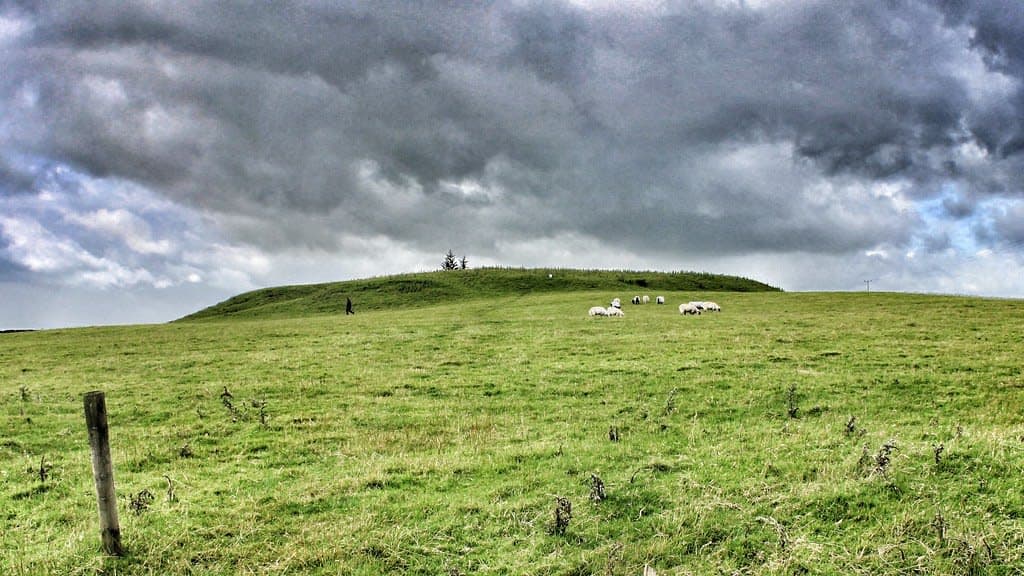
Rath Cruachan, Roscommon, Ireland
County Roscommon, Boyle Municipal District, Ireland
0.0 km away
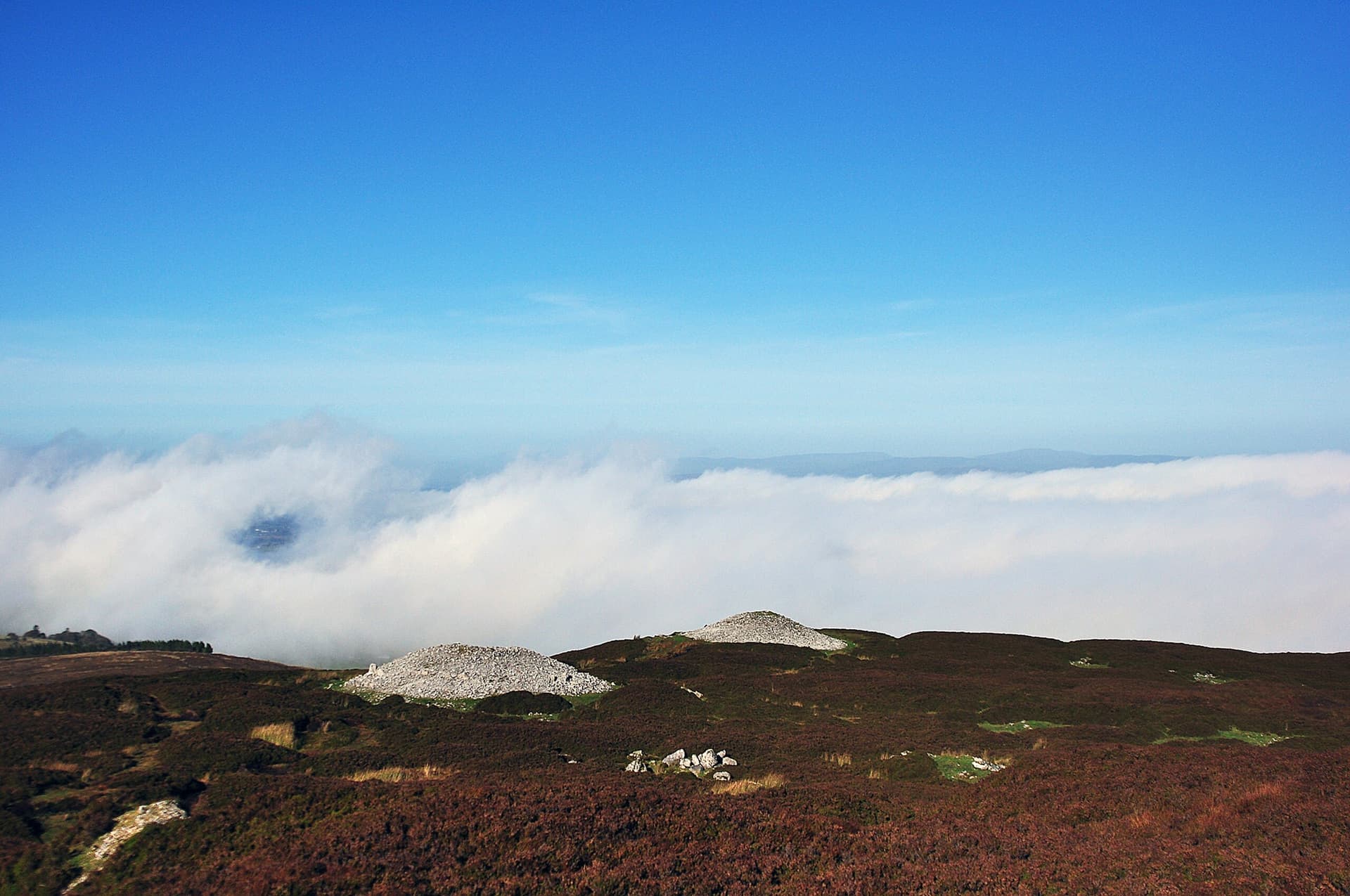
Carrowkeel
County Sligo, Ballymote-Tubbercurry Municipal District, Ireland
28.8 km away
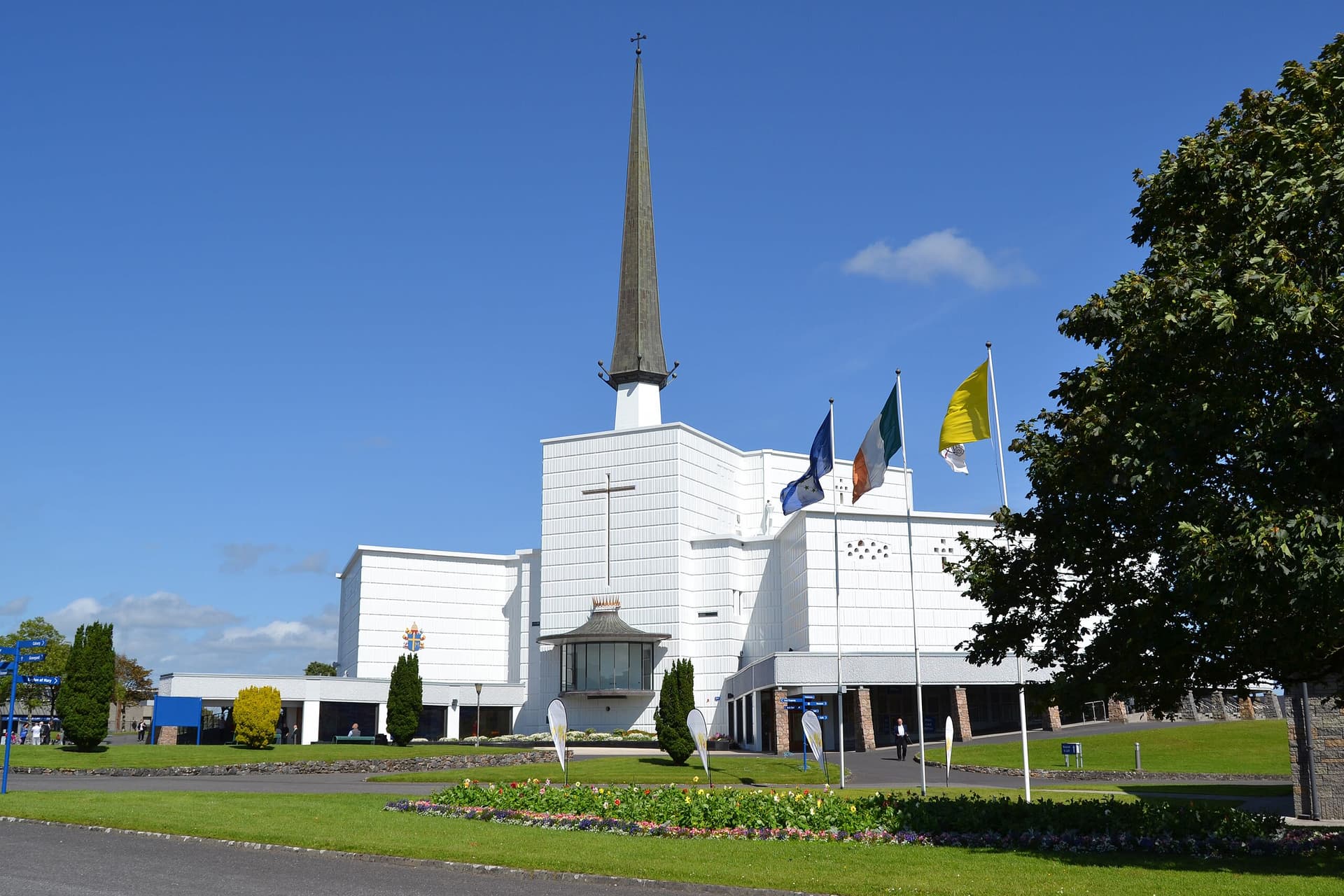
Basilica of Our Lady of Knock, Queen of Ireland
County Mayo, Claremorris-Swinford Municipal District, Ireland
40.3 km away
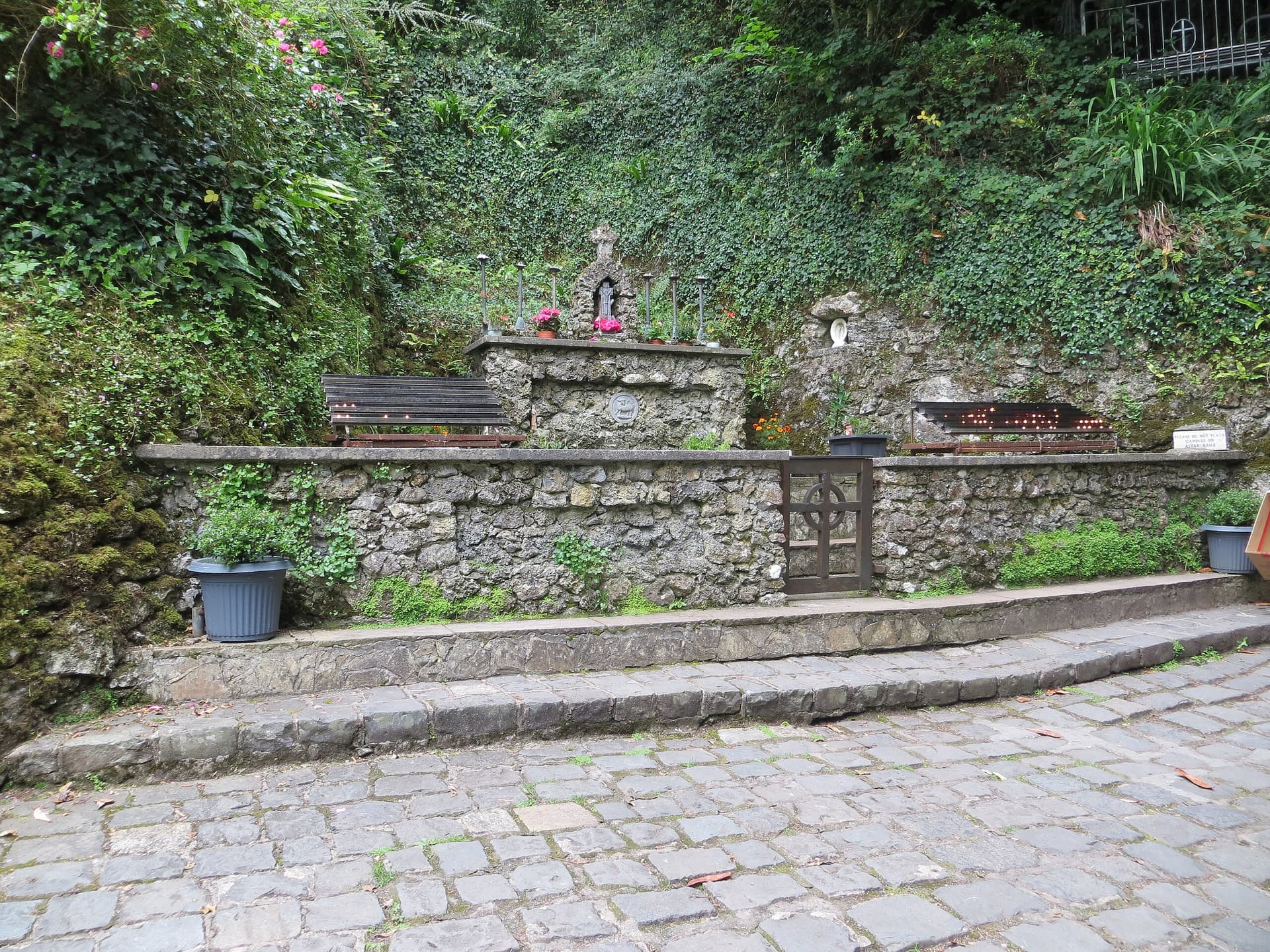
Tobar Nalt
County Sligo, Sligo Municipal Borough District, Ireland
50.0 km away