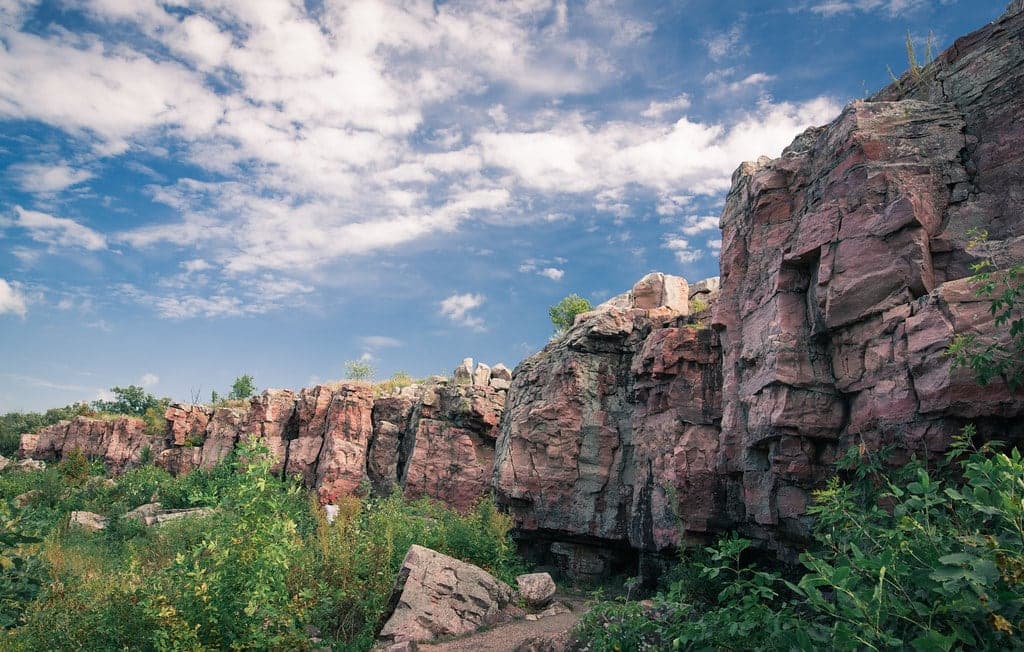
Pipestone National Monument, Minnesota
Where sacred pipes are born from the blood of ancestors, and three thousand years of quarrying continue
Pipestone, Minnesota, United States
At A Glance
- Coordinates
- 44.0136, -96.3256
- Suggested Duration
- One hour is minimum for visitor center and Circle Trail. Two to three hours allows for thorough engagement with demonstrations and exhibits. A half day permits contemplative time.
Pilgrim Tips
- Appropriate outdoor clothing. The Circle Trail is paved and accessible. Sun protection may be needed on the open prairie portions.
- Ask permission before photographing Native American demonstrators. General photography of the landscape and quarries is permitted. Do not photograph people without consent.
- This is one of the most sacred sites in Native American spirituality. The stone itself is sacred, understood as ancestral blood transformed into mineral. The pipes made from it are sacred objects with specific uses and protocols. Do not attempt to quarry pipestone. The right is restricted to enrolled members of federally recognized tribes. Unauthorized quarrying is both illegal and sacrilegious. If you purchase a pipe, treat it with respect. Sacred objects deserve appropriate handling. If you are uncertain how to treat a pipe, ask the artisan who made it or seek guidance from someone knowledgeable in the relevant traditions. Do not appropriate Indigenous ceremonies. Purchasing a pipe does not convey the right to conduct sacred pipe ceremonies. Such ceremonies belong to the traditions that developed them. Respect these boundaries.
Overview
For over three thousand years, Native Americans have traveled to this quarry in southwestern Minnesota to extract the red pipestone used for ceremonial pipes. In Dakota tradition, the stone is the blood of ancestors who perished in a great flood sent by the Great Spirit to cleanse the earth. Pipes carved from this catlinite carry prayers to the spirit world. The quarries were neutral ground where even warring tribes laid down arms to work side by side. Today, only enrolled members of federally recognized tribes may quarry here, continuing traditions passed through generations. Some pipe makers at the site are third or fourth generation.
Pipestone National Monument preserves one of the most sacred sites in Native American spirituality. For over three thousand years, Indigenous peoples have journeyed to this exposed outcrop of red catlinite to quarry stone for ceremonial pipes. The pipes were not mere smoking implements but instruments of prayer, diplomacy, and spiritual connection. Smoke rising from a properly made and consecrated pipe carried prayers to the Great Spirit, sealed treaties between nations, and invoked divine witness to human agreements.
The stone itself is sacred. In Dakota Sioux tradition, the red color represents the blood of ancestors who perished in a great flood sent by the Great Spirit to cleanse the earth. The pipestone, called inya sa in Lakota, carries the essence of those ancestors. To carve a pipe from this stone is to give form to ancestral presence, to create a vessel for prayer that participates in the sacred.
The quarries were neutral territory. This is perhaps the most remarkable feature of Pipestone's history: tribes who were at war with each other would lay down their weapons and work side by side at the quarries. The site was called 'the crossroads of the Indian world,' a place where the sacred obligation to obtain pipestone superseded all political conflicts. No other site in North America carried this status.
Pipes and artifacts made from Pipestone catlinite have been found across the continent, from Manitoba to Georgia, from the Atlantic to the Rockies. The trade networks that distributed this sacred material connected Indigenous peoples across thousands of miles. Chemical analysis can identify Pipestone catlinite, confirming that objects found at Tremper Mound in Ohio, at Macon, Georgia, and at countless other sites originated in this quarry in southwestern Minnesota.
Today, the site is managed by the National Park Service, but the quarrying right belongs exclusively to Native Americans. The 1937 legislation establishing the monument specifically protected Indigenous quarrying rights. Only enrolled members of federally recognized tribes may extract pipestone from these quarries. They use traditional methods: sledgehammers and wedges, no power tools. Some of the pipe makers working at the monument are third or fourth generation, inheriting both skill and right from their ancestors.
The Upper Midwest Indian Cultural Center, housed in the visitor center, provides interpretation of the site's significance and displays contemporary pipe making. During summer months, Native American artisans demonstrate their craft, transforming raw stone into sacred objects using techniques passed down through generations.
Context And Lineage
Pipestone has been quarried for over three thousand years. The stone, called catlinite after artist George Catlin who visited in 1836, is sacred to numerous Native American tribes. Pipestone artifacts have been found across North America from Manitoba to Georgia. The 1937 establishment of the national monument protected Indigenous quarrying rights that continue today.
In Dakota Sioux tradition, the Great Spirit once sent a flood to cleanse the earth. The ancestors who perished in that flood became the red pipestone. The stone is called inya sa in Lakota, literally 'red stone,' but its significance goes beyond color: it is the blood, the essence, the transformed presence of those who came before.
The Great Spirit called the tribes together at this place and told them that the red stone belonged to all of them. It was to be used for pipes, for prayer, for peace. The quarries would be neutral ground where enemies must lay down their weapons. The sacred obligation to obtain pipestone superseded political conflict.
This origin story establishes both the sacredness of the material and the rules for obtaining it. The stone is sacred because of what it is. The quarries are neutral because the Great Spirit decreed it. The pipes carry prayers because they are made from ancestral essence.
The Pipestone quarries connect to a network of sacred sites and practices across Native North America. The pipes made here were used in ceremonies from the Pacific to the Atlantic, from Canada to the Gulf. The material itself created connection: to possess a pipe of Pipestone catlinite was to hold something from this specific sacred place.
The tradition of sacred pipe use extends across many Indigenous peoples, with variations in specific practices but shared recognition of the pipe's power. The smoke carries prayers. The pipe witnesses agreements. The ceremony creates sacred space.
Pipestone's status as neutral ground was unique. No other site in North America carried the same protected character. This uniqueness reflects the stone's particular significance: it was necessary for ceremonies that transcended political divisions.
The 1937 legislation establishing the national monument recognized and protected Indigenous rights to quarry. This was exceptional for its time. The monument does not merely commemorate past use but enables ongoing practice.
George Catlin
Artist and documenter
Contemporary Pipe Makers
Continuation of tradition
Why This Place Is Sacred
Pipestone's sacred character derives from the stone itself, understood as the blood of ancestors. Pipes carved from this catlinite carry prayers to the Great Spirit. The quarries were neutral ground where political enemies worked in peace. Three thousand years of quarrying have consecrated this place. The tradition continues: Native American pipe makers still extract stone using ancestral methods.
Hold a piece of raw catlinite and you hold something that has been sacred for over three thousand years. The stone is soft when freshly quarried, hardening with exposure to air. It can be carved with basic tools, polished to a sheen, shaped into forms that range from simple to elaborate. The color is red, the red of blood, the red that Dakota tradition identifies with ancestral remains.
The story as the Dakota tell it: the Great Spirit sent a flood to cleanse the earth. The ancestors who perished in that flood became the red stone. The pipestone is not merely colored like blood but is blood, transformed by time and pressure into mineral form. To carve a pipe from this stone is to give shape to ancestral presence, to work with material that is not inanimate but imbued with the essence of those who came before.
Smoke from a pipe made of this stone carries prayers to the spirit world. This is not metaphor but belief: the smoke rises, taking with it the intentions of the one who prays. The pipe is conduit, the stone is medium, the smoke is messenger. When the pipe is used properly, in ceremony, with the correct protocols, communication with the sacred is established.
The neutrality of the quarries speaks to the stone's significance. Tribes at war suspended their conflicts to quarry here. No other site in North America carried this protected status. The sacred obligation to obtain pipestone superseded political enmity. Enemies laid down weapons and worked side by side, then picked up weapons again when they left. The quarries were outside ordinary space, governed by sacred rather than political rules.
Pipestone has been called 'the crossroads of the Indian world.' Peoples from across the continent traveled here or traded for the stone. Pipes made from this quarry have been found from Manitoba to Georgia. The trade networks that distributed catlinite connected Indigenous peoples across thousands of miles, creating relationships that facilitated cultural exchange beyond what trade in ordinary goods could accomplish.
The tradition continues. Native American pipe makers still quarry here, still use hand tools, still employ techniques inherited from ancestors. Federal law protects their exclusive right to this stone. The tradition is not reconstructed but unbroken, passed from generation to generation without interruption.
The quarries existed to provide sacred material for ceremonial pipes. The pipes served multiple purposes: prayer, treaty-making, diplomacy, healing, and spiritual communication. The smoke from properly made pipes carried prayers to the Great Spirit. The pipes witnessed agreements between nations and individuals. The pipe ceremony was and remains central to the spiritual life of many Plains peoples.
The quarries also served social purposes. The neutral status created a place where enemies could encounter each other in peace. The annual gathering at the quarries facilitated diplomacy, trade, and cultural exchange. The sacred character of the site enabled relationships that ordinary political space could not support.
The quarries have been in continuous use for over three thousand years, making this one of the longest continuously used sacred sites in North America. Artifacts of Pipestone catlinite appear in archaeological contexts across the continent, documenting the spread of both the material and the beliefs associated with it.
European contact brought disruption but not destruction. George Catlin, the artist who visited in 1836 and after whom catlinite is named, documented the quarries and the peoples who used them. His paintings and writings introduced the site to non-Indigenous audiences.
The establishment of Pipestone National Monument in 1937 represented an unusual recognition of Indigenous sacred rights. The enabling legislation specifically protected Native American quarrying rights, ensuring that the tradition could continue under federal management. This was exceptional for its time and remains significant.
Today, the Upper Midwest Indian Cultural Center provides interpretation while Native American pipe makers continue their work. The cultural center operates within the visitor center, displaying contemporary craft alongside historical interpretation. During summer, demonstrations allow visitors to observe traditional techniques in practice.
Traditions And Practice
Traditional practices at Pipestone include quarrying sacred stone, carving ceremonial pipes, and sacred pipe ceremonies. Contemporary Native Americans continue all of these practices. Only enrolled tribal members may quarry. Demonstrations during summer allow visitors to observe traditional techniques. Purchasing authentic pipes supports Indigenous artisans and provides sacred objects for appropriate use.
The quarrying itself is sacred work. Before beginning, proper protocols must be observed. The stone is not merely extracted but received from the earth with appropriate ceremony. The relationship between quarrier and stone is reciprocal: the earth gives; the quarrier receives with gratitude.
Pipe making transforms raw material into sacred object. The carving requires skill developed over years. Traditional forms include the T-shaped pipe, the elbow pipe, and more elaborate sculptural forms. The specific form matters less than the material and the maker's intention.
The pipe ceremony is the culmination of the process. A properly made and consecrated pipe is filled with tobacco or other sacred plant material and smoked in ceremony. The smoke carries prayers to the Great Spirit. The pipe may witness agreements, seal treaties, or facilitate healing. The ceremony creates sacred space where ordinary rules are suspended.
Native American pipe makers continue to quarry at Pipestone using traditional methods. Federal law protects their exclusive right to the stone. Some are third or fourth generation pipe makers, inheriting both skill and right from their families.
The Upper Midwest Indian Cultural Center operates within the visitor center, providing interpretation and displaying contemporary work. During summer months, demonstrations allow visitors to observe traditional techniques: the breaking of quartzite, the extraction of catlinite, the carving of pipes.
Authentic pipes and crafts made by Native American artists are available for purchase in the gift shop. These are not souvenirs but sacred objects made from sacred material by Indigenous people using traditional methods. Appropriate use of such objects requires understanding of their significance.
For visitors who are not members of tribes with traditional pipe practices, the appropriate engagement is observation and learning. Watch the demonstrations during summer visits. Learn about the significance of the pipes and the stone. Consider whether purchasing a pipe is appropriate for your situation.
If you do purchase a pipe, understand what you are obtaining: a sacred object made from ancestral blood, carved by hands that continue a three-thousand-year tradition. Such objects deserve respect. They should not be treated as decorations or curiosities.
The use of sacred pipes in ceremony requires protocols that vary by tradition. Obtaining a pipe does not convey the right to conduct ceremonies. If you wish to use a pipe in a sacred manner, seek guidance from those who hold the traditions.
Walking the Circle Trail with awareness of what lies beneath transforms the experience. The quarries are not merely historical sites but active sacred ground. The stone being extracted today will become pipes that carry prayers to the spirit world, continuing a tradition older than recorded history.
Sacred Pipe Traditions
ActiveFor over three thousand years, Native Americans have quarried pipestone here to create ceremonial pipes. The pipes carry prayers to the Great Spirit. The stone is understood as the blood of ancestors who perished in a primordial flood. The pipe ceremony creates sacred space where divine communication is possible.
Quarrying sacred stone using traditional methods. Carving ceremonial pipes in traditional forms. Conducting pipe ceremonies according to tribal protocols. The smoke from sacred pipes carries prayers to the spirit world.
Pan-Tribal Neutral Territory
ActiveThe Pipestone quarries were historically neutral ground where all tribal nations could quarry regardless of political conflicts. Even during wars, opposing tribes would lay down arms and work side by side. No other site in North America carried this status.
Recognition of the quarries as sacred ground above political division. Contemporary continuation of multi-tribal quarrying under federal protection. Shared recognition across tribal nations of the stone's significance.
Experience And Perspectives
Visiting Pipestone National Monument offers encounter with an active Indigenous sacred site. The three-quarter-mile Circle Trail leads to the quarries and a waterfall. The visitor center houses the Upper Midwest Indian Cultural Center. During summer, Native American pipe makers demonstrate traditional techniques. Visitors can observe living tradition while purchasing authentic sacred objects made by Indigenous artisans.
Begin at the visitor center, where the Upper Midwest Indian Cultural Center provides orientation to what you are about to see. Exhibits explain the significance of the pipestone, the traditions associated with it, and the ongoing practice of Indigenous pipe making. Take time here before walking to the quarries.
The Circle Trail is three-quarters of a mile, leading from the visitor center to the quarries and back. The path passes through restored tallgrass prairie, providing a glimpse of the landscape that once covered this region. The quarries themselves are not dramatic landscapes but working sites, places where stone is extracted through labor.
At the quarries, you may see Native American pipe makers at work. Only enrolled members of federally recognized tribes may quarry here, using traditional methods: sledgehammers and wedges to break through the quartzite, careful extraction of the catlinite beneath. The work is physical, the techniques ancestral, the right legally protected.
A waterfall along the trail adds natural beauty to the sacred significance. The water falls over the same Sioux quartzite that covers the pipestone, a reminder of the geological context in which the sacred material lies.
The visitor center gift shop offers authentic pipes and crafts made by Native American artists. Purchasing a pipe here means obtaining a sacred object made from stone quarried at this site by Indigenous people using traditional methods. This is not souvenir but genuine sacred material. Consider whether you are prepared to treat such an object with appropriate respect before purchasing.
During summer months, demonstrations in the cultural center allow visitors to observe pipe making in practice. Watching the transformation of raw stone into sacred object connects the abstract significance to tangible process. The skill of the carvers, accumulated over generations, becomes visible.
The atmosphere at Pipestone differs from many national monuments. This is not a site of past significance but ongoing practice. The sacred tradition is not interpreted but enacted. Native American people are not historical subjects but contemporary presence. The monument commemorates what continues to happen, not merely what happened before.
Pipestone National Monument occupies approximately 301 acres in southwestern Minnesota, including the quarries, a waterfall, and 260 acres of restored tallgrass prairie. The monument is located just north of the city of Pipestone.
The visitor center serves as the primary orientation point, housing the Upper Midwest Indian Cultural Center, exhibits, a gift shop, and restrooms. The Circle Trail, a three-quarter-mile loop, leads from the visitor center to the quarries and waterfall.
The pipestone lies in veins twelve to eighteen inches deep beneath layers of Sioux quartzite. The quarries themselves are excavations where this overburden has been removed to access the catlinite.
Pipestone is understood through Indigenous and archaeological frameworks. For numerous Native American tribes, it is among the most sacred sites in their spirituality. Archaeologically, it represents over three thousand years of continuous use, with artifacts distributed across North America.
Archaeological and geological analysis has documented Pipestone's significance. Chemical analysis can identify catlinite from this specific quarry, confirming that artifacts found across North America from Manitoba to Georgia originated here.
The quarries have been in continuous use for over three thousand years, making this one of the longest continuously used extraction sites in North America. The stone's softness when freshly quarried and its workability have made it ideal for carving since prehistoric times.
Historical documentation, including George Catlin's nineteenth-century paintings and writings, provides evidence of the site's significance and the traditions associated with it. The neutral character of the quarries is documented in multiple sources.
For numerous Native American tribes, Pipestone is among the most sacred sites. The stone is understood as the blood of ancestors, transformed by the Great Spirit into mineral form. Pipes made from this stone carry prayers to the spirit world. The quarries were and remain neutral ground where sacred obligation supersedes political conflict.
The living tradition continues. Native American pipe makers quarry and carve using ancestral techniques. Some are third or fourth generation pipe makers. The 1937 legislation protecting their quarrying rights recognized the ongoing sacred significance.
The pipe ceremony, for those traditions that practice it, creates sacred space where the ordinary and the divine intersect. The smoke carries prayers. The pipe witnesses agreements. The stone connects contemporary practitioners to ancestors who perished in the flood at the beginning of time.
No significant alternative or esoteric interpretations attach to Pipestone National Monument. The site is understood through Indigenous and archaeological frameworks without substantial fringe theories.
The specific ceremonial protocols of traditional pipe use are held within the tribes that practice them and are not publicly shared. General visitors can learn about the significance of pipes but cannot access the full traditional knowledge.
The identities of the earliest peoples who quarried here, before the historical record begins, are unknown. The three-thousand-year tradition extends beyond what can be attributed to specific tribes.
Visit Planning
Pipestone National Monument is located in southwestern Minnesota near the city of Pipestone. The monument is open year-round. Summer brings the most programming, including pipe-making demonstrations. The Circle Trail provides access to quarries and waterfall. The Upper Midwest Indian Cultural Center offers interpretation and authentic pipes for purchase.
Lodging in the city of Pipestone and nearby communities.
Pipestone is an active sacred site. Approach with reverence. Do not disturb the quarries or take any stone. Ask permission before photographing Native American demonstrators. If you purchase a pipe, understand that you are obtaining a sacred object that deserves appropriate treatment.
This is sacred ground where active quarrying and ceremony continue. Your presence is permitted but comes with obligations.
Do not take any stone from the site. Only enrolled members of federally recognized tribes may quarry pipestone. Taking even small pieces is both illegal and disrespectful. The stone is sacred; unauthorized removal is theft of sacred material.
Do not disturb the quarries. These are working sites, not historical exhibits. Respect the work in progress.
Ask permission before photographing Native American demonstrators or artisans. They are continuing sacred traditions, not performing for tourists. Their consent is required.
In the cultural center and gift shop, treat the sacred objects with respect. The pipes and other items for sale are not souvenirs but sacred material. Handle them appropriately.
If you purchase a pipe, understand what you are obtaining. These are sacred objects made from stone understood as ancestral blood. They deserve treatment appropriate to their significance. If you are uncertain how to treat a pipe, ask the artisan or do not purchase.
Quiet, respectful behavior is appropriate throughout the monument. Others may be present for purposes more serious than tourism. The atmosphere should support sacred work, not entertainment.
Appropriate outdoor clothing. The Circle Trail is paved and accessible. Sun protection may be needed on the open prairie portions.
Ask permission before photographing Native American demonstrators. General photography of the landscape and quarries is permitted. Do not photograph people without consent.
Not appropriate for general visitors unless you are part of a tradition that uses this site. Do not leave objects or create makeshift shrines.
{"Do not take any stone from the site","Do not disturb the quarries","Ask permission before photographing people","Treat sacred objects with respect","Only enrolled tribal members may quarry"}
Sacred Cluster
Nearby sacred places create the location cluster described in the growth plan. This block is intentionally crawlable and links into the wider regional graph.
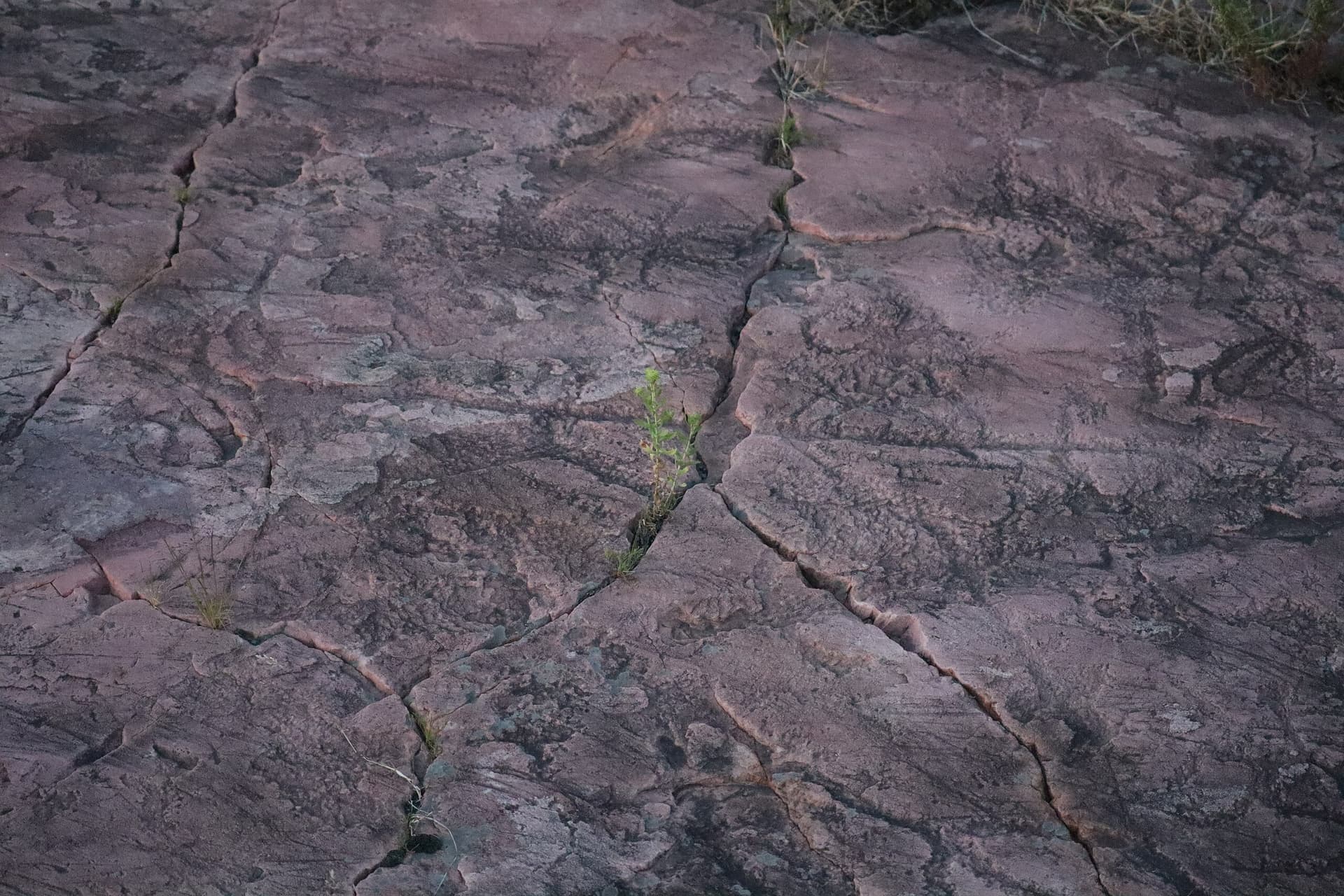
Jeffers Petroglyphs, Comfrey, Minnesota
Comfrey, Minnesota, United States
103.7 km away
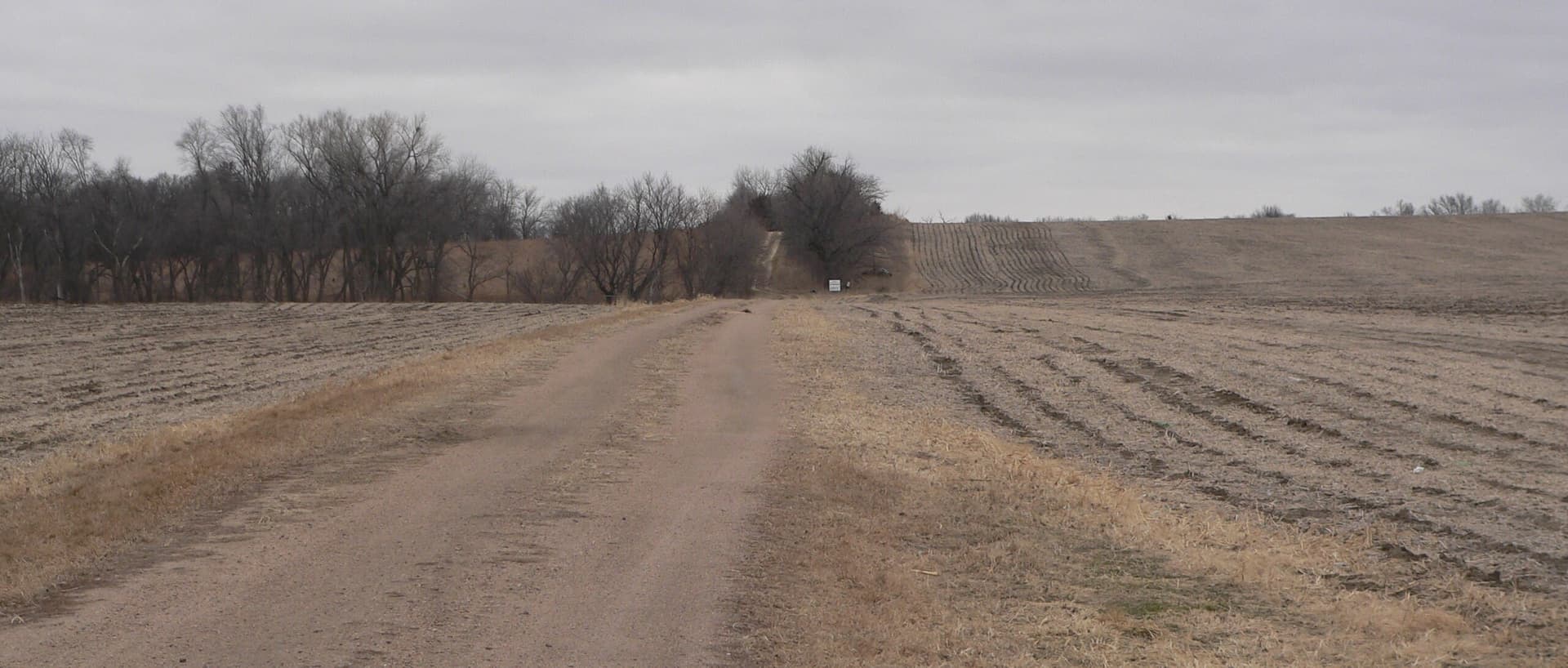
Pahuk Hill, Nebraska
Cedar Bluffs, Nebraska, United States
302.9 km away
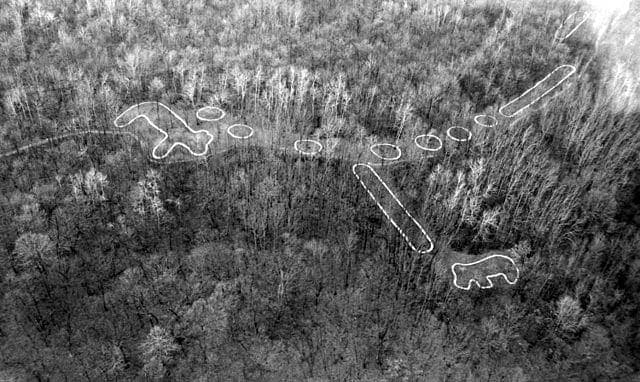
Effigy Indian Mound, Iowa
Allamakee County, Iowa, United States
425.5 km away
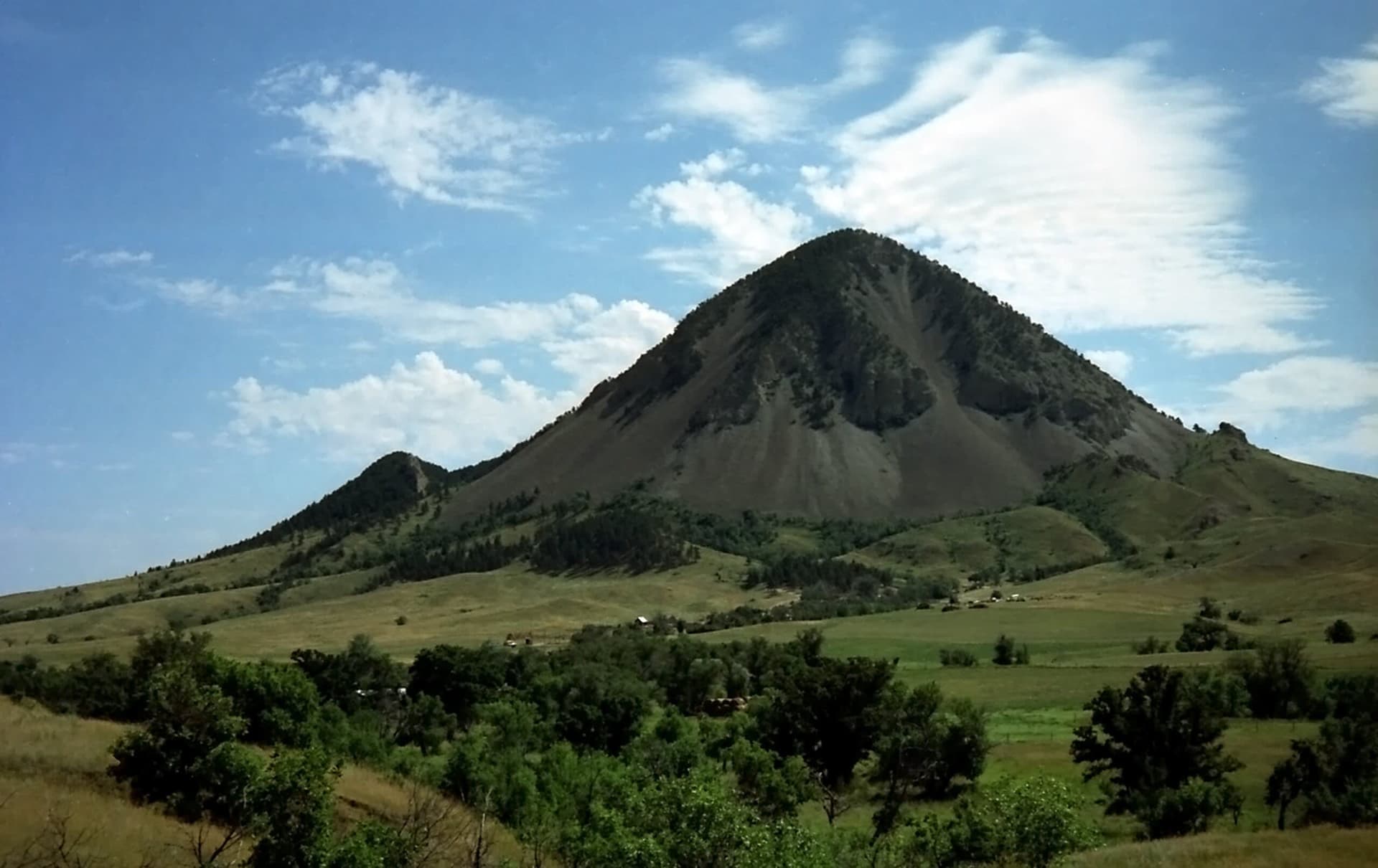
Bear Butte, South Dakota
Sturgis, South Dakota, United States
567.8 km away