Darjiu Fortified Church
Where medieval frescoes meet the world's oldest Unitarianism and families still store bacon in the church tower
Darjiu, Harghita County, Romania
At A Glance
- Coordinates
- 46.2403, 25.2056
- Suggested Duration
- 1-2 hours for church, frescoes, and fortifications. Longer if witnessing Wednesday tradition or attending service.
- Access
- Located about 20 km from Odorheiu Secuiesc in Harghita County. Roads from the north are passable; roads from the southwest are poor. A car is necessary. Contact the church or local tourism office to arrange visit.
Pilgrim Tips
- Located about 20 km from Odorheiu Secuiesc in Harghita County. Roads from the north are passable; roads from the southwest are poor. A car is necessary. Contact the church or local tourism office to arrange visit.
- Modest, casual clothing appropriate for a rural church.
- Permitted. Be respectful of services and community members.
- The village is remote and Hungarian-speaking. Visits require advance appointment. Roads from the southwest are poor. This is a living community, not a museum; approach with appropriate respect.
Overview
In the hills of Transylvania, the Darjiu Fortified Church holds stories within stories. Fourteenth-century walls bear 1419 frescoes of St. Ladislaus rescuing a maiden. The church transitioned through four denominations to become the world's only UNESCO-listed Unitarian Szekely site. Most remarkably, families still store smoked bacon in the tower, accessing it each Wednesday at dawn when the church bell rings. Sacred and practical have never separated here.
Some churches are museums of faith. Darjiu is faith in continuous operation.
Built by Hungarian Szekely settlers in the 14th century, the church began as Roman Catholic. Painted on its walls in 1419, the legend of St. Ladislaus—a king who rescued a maiden from pagan kidnappers—spoke to communities who faced similar threats from Ottoman raiders. Fortifications rose around the church, transforming it into a defensive center.
Then came the Reformation. The church became Lutheran, then Calvinist, then Unitarian—following the radical religious freedom of 16th-century Transylvania, where Ferenc David proclaimed that faith could not be forced. Today it remains Unitarian, serving a village that is over 60% adherents of the world's oldest Unitarian tradition.
But what makes Darjiu truly remarkable is the 'Bacon Fortress' tradition. Since medieval times, families have stored smoked meats in the church tower. Wooden hooks, inherited through generations, hold each family's hams and sausages. Every Wednesday at dawn, the church bell rings to announce that the gates are open. Families come to retrieve their bacon.
Grain can be collected any day. Bacon only on Wednesdays.
This is a church where the sacred and the survival-practical have never been separated. Where the bell that calls to worship also calls to breakfast. Where faith is measured not only in prayers but in the number of hooks your family has earned through generations of belonging.
Context And Lineage
Built by Szekely Hungarians in the 14th century, the church transitioned through four denominations during the Reformation to become Unitarian. The 1419 frescoes by Paul of Ung depict St. Ladislaus. Fortifications were added against Ottoman threat. UNESCO inscription came in 1999.
The dominant story at Darjiu is the legend of St. Ladislaus, painted on the walls in 1419. King Ladislaus I of Hungary (ruled 1077-1095) was a warrior king who defended Christianity against pagan invaders. The fresco cycle depicts his most famous legend: seeing a Cuman warrior kidnapping a Hungarian maiden, Ladislaus pursues. His horse cannot catch the swifter Cuman mount. He calls to the maiden to pull the warrior down. She does. Ladislaus wrestles with the enemy, and with the maiden's help, defeats and beheads him.
The legend resonated with Szekely communities who faced similar threats. St. Ladislaus was not a distant saint but a model for their own struggles. The church walls made this legend visible, a constant reminder of holy valor.
The church embodies the religious history of Transylvania—from medieval Catholicism through the Reformation to the unique Unitarian tradition that survives here. The Szekely community has maintained the church through Hungarian, Ottoman, Habsburg, and Romanian governance. The bacon tradition demonstrates continuity of practical community life across political changes.
St. Ladislaus I of Hungary
Patron saint depicted in frescoes
Paul of Ung
Fresco painter
Ferenc David
Founder of Transylvanian Unitarianism
Why This Place Is Sacred
Darjiu is thin where the sacred and the practical merge—where church tower stores bacon, where medieval frescoes survive through centuries of denominational change, where the oldest Unitarian tradition continues in the remote hills of Transylvania.
The thinness of Darjiu is the thinness of integration. Most sacred spaces set themselves apart from ordinary life. Darjiu refuses this separation. The tower that rises toward heaven also stores the bacon that sustains through winter. The bell that calls to worship also announces that the gates are open for food.
This integration is not a dilution of the sacred but its expansion. When survival and faith share the same walls, the sacred cannot be compartmentalized into one hour on Sunday. The whole of life becomes its domain.
The frescoes add another dimension of thinness. Painted in 1419, they depict St. Ladislaus—a king who became a saint, a warrior who defended the faith. For communities facing Ottoman raids, the legend of holy valor was not abstract theology but lived reality. The walls still hold this meaning.
The transition through four denominations without loss of sanctity suggests that thinness attaches to place rather than particular doctrine. Catholic, Lutheran, Calvinist, Unitarian—the walls received each change and remained sacred. The community adapted its faith but kept its church.
For Transylvanian Unitarians, there is another layer. This is one of the sources—one of the places where the world's oldest Unitarian tradition took root in the 16th century. The radical principle that 'faith is the gift of God' and cannot be compelled found expression in these hills. That history persists.
Defense and worship. The fortifications protected the community during Ottoman raids. The church served as spiritual center. The tower stored food against siege and winter. All these functions merged in a single building that was simultaneously fortress, granary, and house of God.
The church evolved from Catholic to Lutheran to Calvinist to Unitarian across the 16th century. Fortifications were added as Ottoman threat intensified. The frescoes were whitewashed during Protestant periods, rediscovered in 1887, and subsequently restored. UNESCO inscription in 1999 recognized the site's unique character.
Traditions And Practice
Regular Unitarian services in Hungarian. The Wednesday bacon tradition continues: at dawn the bell rings, families access stored meats. Baptisms, weddings, and funerals follow Unitarian rites. The community gathers for festivals.
Medieval Catholic practices included veneration of St. Ladislaus. The 1419 frescoes were created for a Catholic congregation. After the Reformation, Protestant worship replaced Catholic ritual, culminating in the Unitarian tradition that continues today.
Regular Unitarian services follow Transylvanian tradition—distinct from American Unitarianism, maintaining Christian liturgy and Hungarian hymns. The Wednesday bacon tradition persists: at dawn the bell rings, the gates open, families collect their stored meats. Weddings, baptisms, and funerals mark community life.
Arrange a Wednesday visit to witness the bacon tradition—contact the church in advance. Attend a service if possible to experience Transylvanian Unitarian worship. Examine the frescoes carefully; their detail rewards close looking. Consider the integration of sacred and practical that the building embodies.
Transylvanian Unitarianism
ActiveThe Unitarian Church of Transylvania, founded in 1568, is the oldest continuously operating Unitarian denomination. Darjiu is the only Szekely fortified church on the UNESCO list. Over 60% of the commune is Unitarian.
Regular services in Hungarian following Transylvanian Unitarian liturgy. Baptisms, weddings, funerals. The Wednesday bacon tradition—families access stored meats at the ringing of the dawn bell.
Experience And Perspectives
Visitors entering by appointment discover medieval frescoes, the Szekler runic brick, fortification towers, and the famous bacon hooks. The intimate scale of a working village church contrasts with tourist-oriented heritage sites. The Wednesday bacon tradition can be witnessed by arrangement.
You arrive by appointment in a village that speaks Hungarian and stores bacon in its church tower. This is not a tourist site with queues and audio guides. It is a living community that happens to maintain a UNESCO World Heritage building.
The church itself appears as fortified churches do across Transylvania—walls within walls, a tower that served for defense and storage, the church proper protected at the center. The Szekely built these structures to survive Ottoman raids. Many still stand.
Inside, the 1419 frescoes demand attention. The St. Ladislaus cycle shows the legendary king in pursuit of a Cuman kidnapper, the struggle, the maiden's intervention, the enemy's defeat. The colors have survived six centuries. The Gothic style shows Italian Renaissance influence—evidence of cultural connections in medieval Transylvania.
The Szekler runic brick, discovered in 1929, connects to deeper Hungarian history. These runes, a writing system predating Latin adoption, suggest continuity with pre-Christian Hungarian culture. Scholars debate the brick's exact date (somewhere between 1274 and 1431) and purpose.
The bacon hooks remain in the tower. If you visit on a Wednesday and have made prior arrangement, you may witness the ancient custom: the bell rings, families arrive, smoked meats come down from inherited hooks. This is not a reenactment but a living practice.
The Unitarian service, conducted in Hungarian, follows a tradition rooted in 16th-century Transylvania—distinct from American Unitarianism but sharing the core conviction that faith cannot be compelled.
Arrange your visit in advance. The church requires appointment access, especially in fall/winter. If witnessing the Wednesday bacon tradition matters to you, coordinate this specifically. Expect a Hungarian-speaking community; bring a guide or interpreter if needed. Allow 1-2 hours for the church, frescoes, and fortifications.
Darjiu invites interpretation as a Gothic art site, as the world's only UNESCO Unitarian Szekely church, as a study in how sacred sites survive religious change, and as a model of community where the sacred and practical merge.
Art historians recognize the 1419 frescoes as among the finest Gothic paintings in Transylvania. The Italian Renaissance influence in Paul of Ung's work demonstrates cultural connections across medieval Europe. The Szekler runic brick is an important artifact of Hungarian pre-Christian culture.
For Transylvanian Unitarians and the Szekely Hungarian community, Darjiu represents their unique heritage—the survival of a medieval community through religious change, foreign domination, and modern marginalization. The bacon tradition demonstrates continuity of practical community life.
Some connect the Szekler runes to ancient Hungarian spiritual traditions predating Christianity. The church's transition through four denominations interests those studying how sacred sites maintain sanctity across religious changes.
The exact dating and purpose of the Szekler runic brick remain debated. Why the frescoes survived whitewashing during Protestant periods—whether deliberately preserved or simply overlooked—is unclear.
Visit Planning
Located in Harghita County, eastern Transylvania. Visit by appointment only. Best access from the north; southwestern roads are poor. Donation expected. 1-2 hours for visit.
Located about 20 km from Odorheiu Secuiesc in Harghita County. Roads from the north are passable; roads from the southwest are poor. A car is necessary. Contact the church or local tourism office to arrange visit.
Limited in Darjiu itself. Odorheiu Secuiesc (20 km) offers guesthouses and hotels.
Visit by appointment. Dress modestly. Photography permitted. The community is Hungarian-speaking; English may be limited. Donations appreciated.
Darjiu requires the respect due to both a sacred site and a living community. Arrange your visit in advance—the church cannot accommodate unannounced visitors. Dress modestly as appropriate for a church. The village is rural; casual but respectful clothing is suitable.
Photography is generally permitted inside the church. Be respectful of community members and any services in progress.
The community is Hungarian-speaking. English may be limited. A guide or interpreter can enrich your visit considerably.
Donations are appreciated and support the maintenance of this UNESCO site.
Modest, casual clothing appropriate for a rural church.
Permitted. Be respectful of services and community members.
Donations welcomed and support the church's maintenance.
Visit by appointment only. Contact in advance. Limited English in the community.
Sacred Cluster
Nearby sacred places create the location cluster described in the growth plan. This block is intentionally crawlable and links into the wider regional graph.
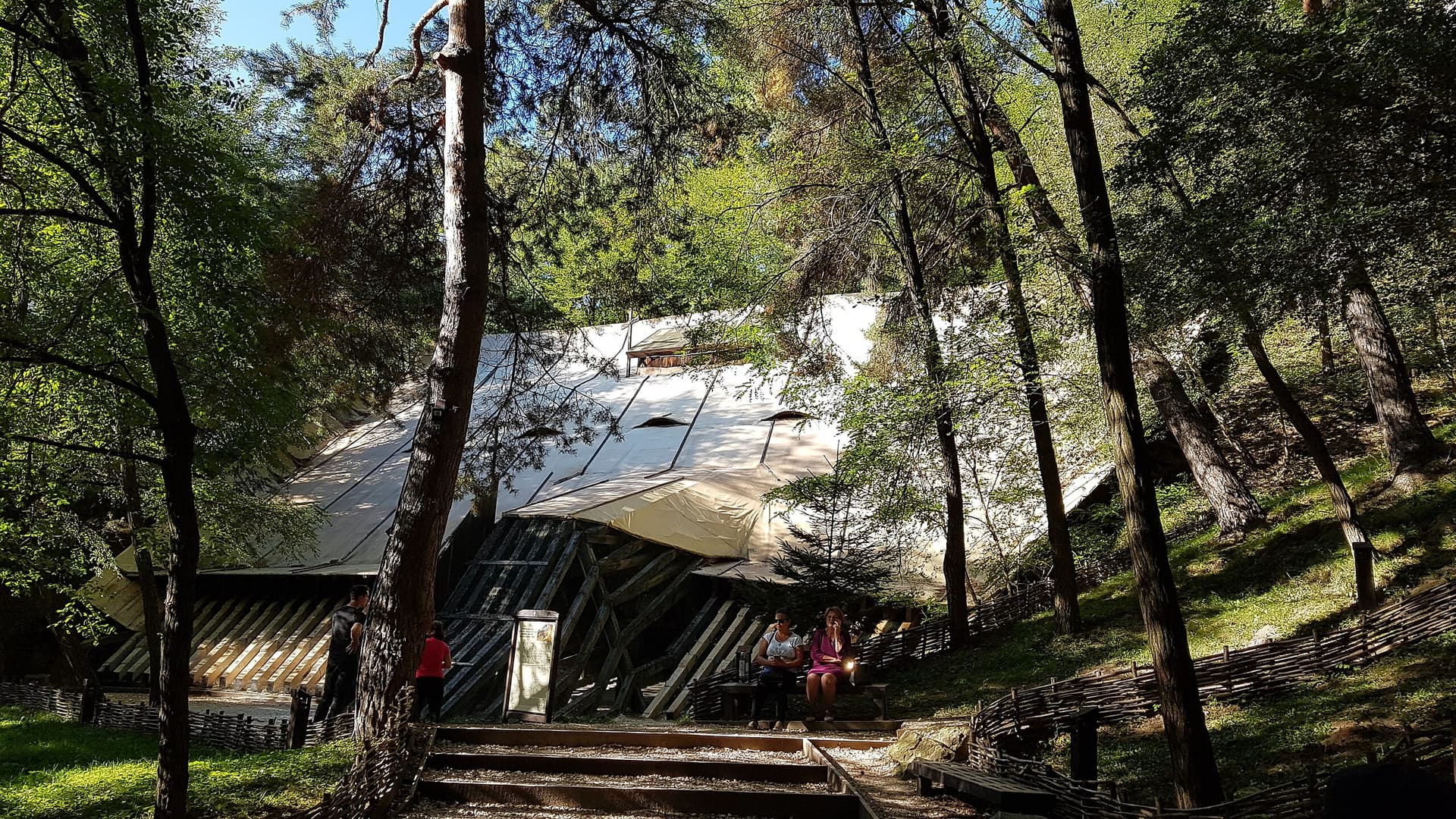
Rupestra Sinca Veche Monastery, Romania
Șinca Veche, Brașov, Romania
53.9 km away
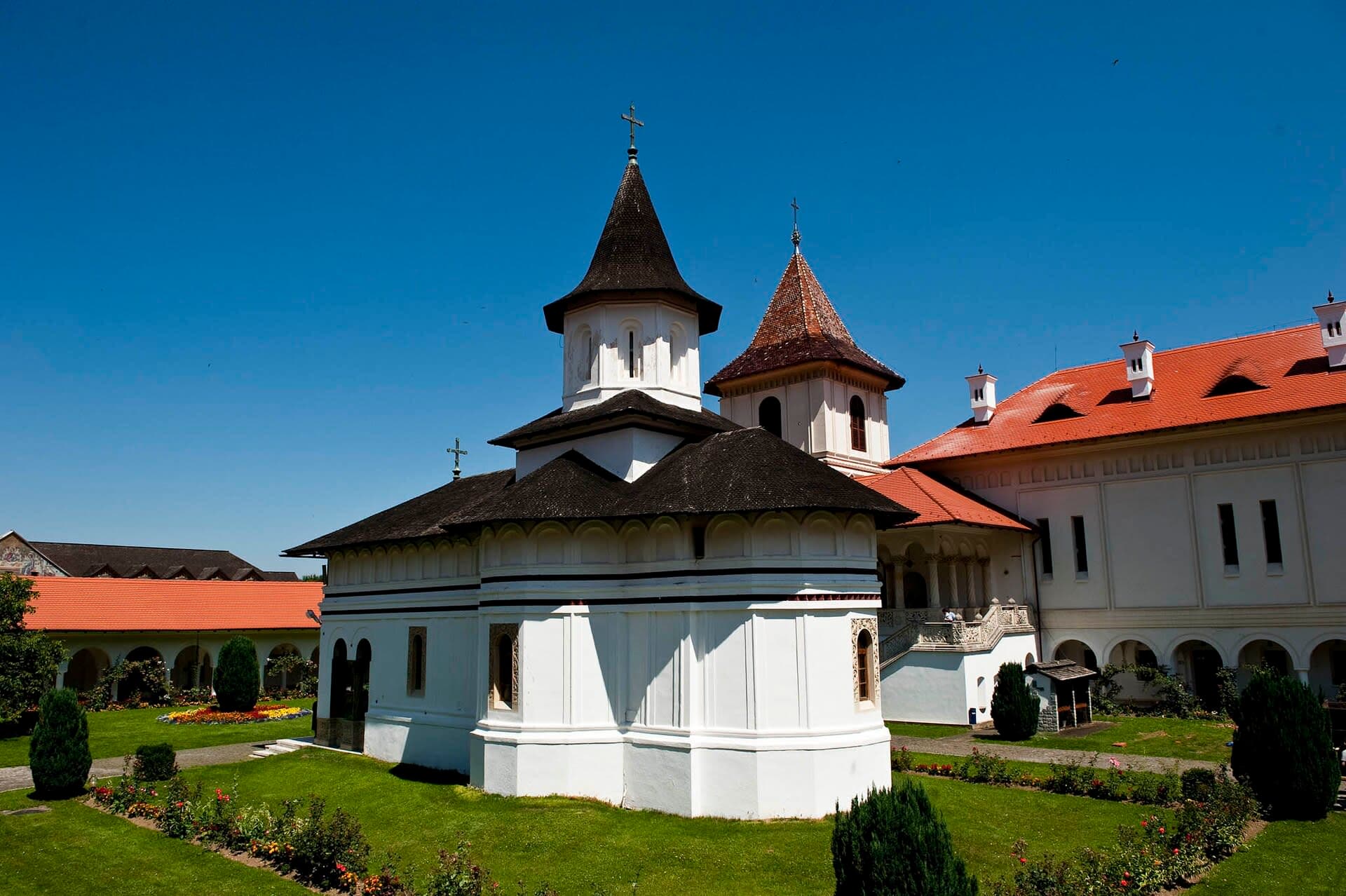
Sambata Brancoveanu Monastery, Romania
Stațiunea Climaterică Sâmbăta, Brașov, Romania
68.9 km away
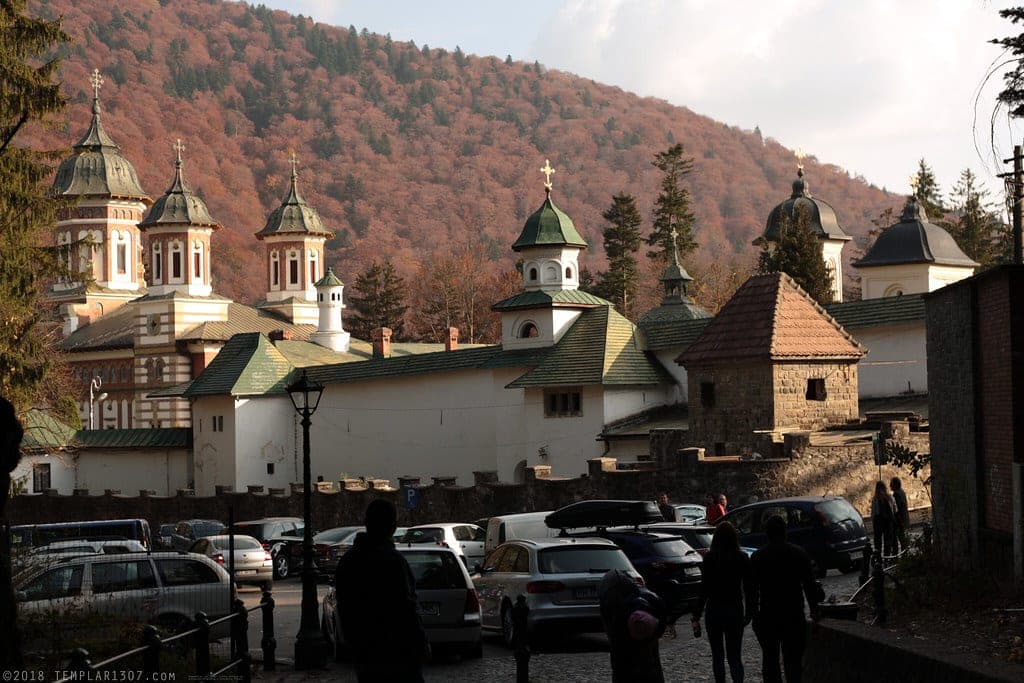
Sinaia Monastery, Romania
Sinaia, Prahova, Romania
101.9 km away
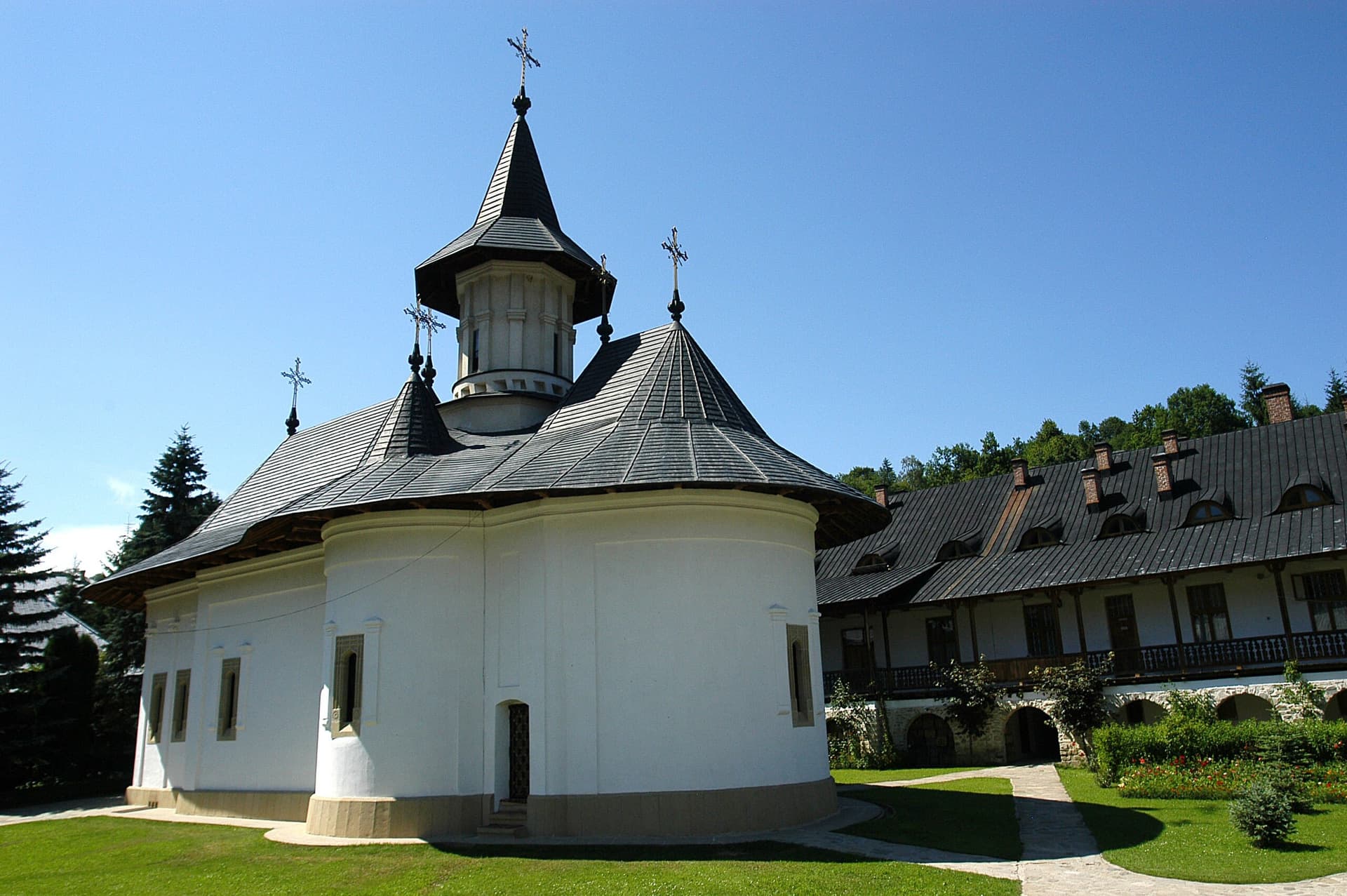
Sihastria Monastery, Romania
Vânători-Neamț, Neamț, Romania
127.3 km away