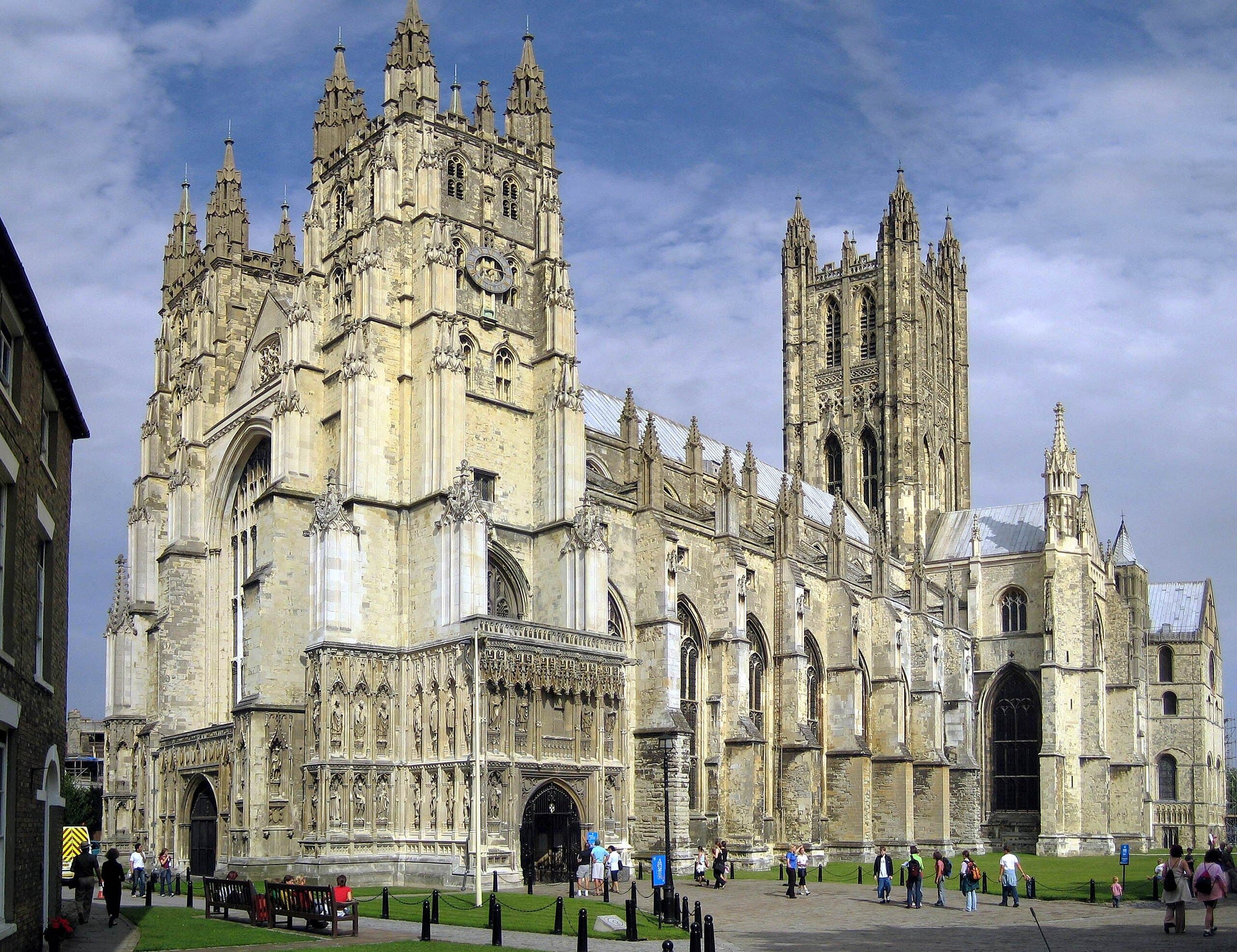
Canterbury Cathedral
Where a murder made a saint, and pilgrims still seek what Chaucer's travelers sought
Canterbury, England, United Kingdom
At A Glance
- Coordinates
- 51.2798, 1.0828
- Suggested Duration
- A basic visit takes one to two hours. A meaningful visit, including attending Evensong, exploring the precincts, and sitting with the martyrdom site, benefits from half a day. Those walking the Pilgrims' Way from London allow three to four days for the journey.
Pilgrim Tips
- Modest attire appropriate for a place of worship is expected. Shoulders and knees should be covered. No explicit dress code is enforced, but dressing with respect reflects understanding of where you are.
- Photography is generally permitted throughout the cathedral except during services. Flash photography is discouraged. Be mindful that others may be seeking contemplative space, not photo opportunities. Consider putting the camera away for at least part of your visit, letting yourself see the cathedral rather than frame it.
- The cathedral is an active place of worship, not simply a heritage site. Services take precedence over tourism. If a service is in progress, respectful observation or participation is welcome, but wandering and photography are not. Be attentive to the difference between meaningful engagement and appropriation. The cathedral belongs to a specific tradition, Anglican Christianity, which welcomes visitors but does not exist to validate personal spiritual experiments. If you wish to engage with practices beyond quiet presence and attendance at services, do so with humility about whose house this is.
Overview
Canterbury Cathedral has drawn pilgrims for over eight centuries, since four knights murdered Archbishop Thomas Becket at the altar in 1170. As the Mother Church of the Anglican Communion and seat of the Archbishop of Canterbury, it remains a place where the collision of sacred and political power echoes through stone, where the question Becket embodied still asks itself: what is worth dying for?
On the evening of December 29, 1170, four knights entered Canterbury Cathedral and murdered Archbishop Thomas Becket during vespers. His last words, by some accounts, were a declaration of readiness to die for the Church. Within two years he was a saint. Within a decade, 703 miracles were recorded at his tomb. For nearly four centuries, Canterbury rivaled Rome, Jerusalem, and Santiago de Compostela as Christendom's great pilgrimage destinations.
Henry VIII destroyed Becket's shrine in 1538, but he could not destroy what drew people here. The cathedral remains the Mother Church of the Anglican Communion, spiritual home to 85 million Anglicans in 165 countries. The Archbishop of Canterbury still sits where Augustine of Canterbury established the English Church in 597 CE. Daily prayer continues unbroken.
A candle now marks the spot where Becket fell. The stones that once held his magnificent shrine lie empty. Yet pilgrims still come, walking the ancient route from London as Chaucer's characters once did. Some come for the architecture, the medieval glass, the history layered like sediment. Others come with questions they cannot quite articulate, drawn by the same gravity that has pulled seekers here for eight and a half centuries.
The collision happened here: a king's frustration, a priest's defiance, swords in a cathedral. What followed transformed murder into martyrdom, crime into pilgrimage. That transformation continues to work on those who enter.
Context And Lineage
Canterbury Cathedral's history spans nearly fifteen centuries, from Augustine's arrival in 597 CE through Becket's martyrdom in 1170, the medieval pilgrimage era, the Reformation's destruction, and its continuing role as the seat of Anglican Christianity. The conflict between Becket and Henry II, which led to the archbishop's murder, exemplifies tensions between ecclesiastical and royal power that shaped English and European history.
The story of Canterbury begins with a mission and a murder.
In 596 CE, Pope Gregory I sent a Benedictine monk named Augustine to convert the Anglo-Saxon kingdoms. Augustine landed in Kent the following year, met with King Ethelbert, and began the work that would make Canterbury the Mother Church of English Christianity. The cathedral was established, the succession of archbishops begun, a foundation laid that would endure.
The murder came five and a half centuries later. Thomas Becket, Archbishop of Canterbury, had been in conflict with King Henry II for years. The dispute centered on the respective powers of Church and Crown: who could judge clergy accused of crimes, whether royal customs could override ecclesiastical law. Becket had fled to France, reconciled tentatively with Henry, and returned to England. The reconciliation did not hold.
On December 29, 1170, four knights who had heard the king express his frustration with Becket arrived at Canterbury. According to witnesses, they found the archbishop at vespers, demanded he come with them, and when he refused, struck him down with their swords. His final words reportedly were: 'For the name of Jesus and the protection of the Church, I am ready to embrace death.'
The aftermath transformed everything. Within days, people were touching cloths to the bloodstained stones and reporting miracles. Pope Alexander III canonized Becket in 1173, faster than any saint in history. Henry II himself walked barefoot through Canterbury's streets in sackcloth while monks flogged him, performing public penance that only increased the cult. Within a decade, 703 miracles were recorded. Canterbury became one of Christendom's great pilgrimage destinations.
The succession of Archbishops of Canterbury stretches unbroken from Augustine in 597 CE to the present. Each archbishop has been enthroned at Canterbury, has led the English Church from this seat, has added another link in a chain spanning nearly fifteen centuries.
The pilgrims who came for Becket traveled from across Europe. Kings and peasants, the healthy and the desperate, those seeking healing and those seeking merit. Chaucer's Canterbury Tales captures a cross-section of medieval society on pilgrimage, revealing how Canterbury functioned as a destination that drew all classes, all temperaments, all degrees of faith.
After the Reformation, the pilgrimage ceased but the cathedral endured. It became the center of a different kind of Christianity, Anglican rather than Catholic, reformed yet continuous with its past. The Archbishop of Canterbury today leads a communion of 85 million believers in 165 countries, inheriting Augustine's mission in a form neither Augustine nor Becket could have imagined.
Thomas Becket
saint
Archbishop of Canterbury from 1162 until his murder in 1170. His conflict with Henry II over the rights of the Church, and his death defending those rights, made him one of medieval Christianity's most venerated saints. His shrine at Canterbury drew pilgrims for nearly four centuries until its destruction in 1538.
Augustine of Canterbury
saint
The first Archbishop of Canterbury, sent by Pope Gregory I in 597 CE to convert the Anglo-Saxon kingdoms. He established the cathedral and began the unbroken succession of archbishops that continues today.
Henry II
historical
King of England from 1154 to 1189, whose conflict with Becket led to the archbishop's murder. Whether he intended the killing or merely expressed frustration that knights interpreted as command remains debated. His public penance at Canterbury became part of the cult's founding narrative.
Henry VIII
historical
King of England who broke with Rome and destroyed Becket's shrine in 1538. He denounced Becket as a traitor, ordered his bones burned, and confiscated the vast wealth that had accumulated at the shrine.
Why This Place Is Sacred
Canterbury's sacredness rests on three foundations: its role as the Mother Church of English Christianity since Augustine arrived in 597 CE; the martyrdom of Thomas Becket, which transformed it into one of medieval Europe's great pilgrimage sites; and its continuing function as the spiritual center of the worldwide Anglican Communion. The accumulated weight of nearly fifteen centuries of prayer creates a quality visitors consistently describe.
Some places become sacred through landscape, through the way a mountain rises or a spring emerges. Canterbury became sacred through history, through events that marked these stones with meaning that persists.
The first layer was laid in 597 CE when Pope Gregory I sent Augustine to convert the Anglo-Saxon kingdoms. Augustine established his seat at Canterbury, beginning an unbroken succession of archbishops that continues today. For over fourteen centuries, this has been the spiritual heart of English Christianity. The accumulation of prayer, of ceremonies, of generations seeking the divine in this space, creates a quality that visitors notice even when they cannot name it.
The second layer came in blood. When Thomas Becket was struck down in the northwest transept, he became something larger than an archbishop. He became a question: about power and conscience, about what a person owes to earthly authority versus sacred duty, about what is worth dying for. His murder scandalized Christendom. His rapid canonization confirmed what pilgrims already sensed: this had become a thin place, somewhere the boundary between human and divine had torn.
The third layer continues to form. As Mother Church of the Anglican Communion, Canterbury remains a living center of worship, not merely a monument. When the Archbishop of Canterbury speaks, he speaks from this place. When Anglican bishops gather, they gather here. The site's significance is not only historical but present, not only remembered but renewed with each service.
Visitors describe an atmosphere that accumulates these layers. The vast Gothic nave, the medieval stained glass depicting Becket's miracles, the candle burning where he fell, the daily rhythm of prayer echoing through the choir. Whether this quality reflects acoustic properties, psychological response to history, or something beyond conventional explanation, the effect is consistent enough to take seriously.
Augustine of Canterbury arrived in 597 CE with a mission from Pope Gregory I: to convert the pagan Anglo-Saxon kingdoms to Christianity. He established his cathedral at Canterbury, the capital of King Ethelbert of Kent, whose queen Bertha was already Christian. The cathedral that stands today is not Augustine's original structure, which was rebuilt multiple times after fires and conquest, but it has never ceased to serve its original purpose: as the seat of the Archbishop of Canterbury and the mother church of English Christianity.
Canterbury's evolution reflects England's religious history in stone. The Norman Archbishop Lanfranc rebuilt the cathedral after the conquest of 1066, asserting the new order's permanence. The fire of 1174, just four years after Becket's martyrdom, destroyed the east end and prompted the Gothic rebuild that transformed Canterbury into a pilgrimage church capable of receiving thousands of devotees. The magnificent Trinity Chapel was built specifically to house Becket's shrine.
The Reformation marked a violent rupture. Henry VIII ordered Becket's shrine destroyed in 1538, his bones burned, his name erased from liturgical books. The king denounced the murdered archbishop as a traitor. The pilgrimage industry collapsed. Yet the cathedral endured, transformed from Catholic to Anglican, from pilgrimage church to parish and diocesan center.
In recent decades, pilgrimage has returned. The ancient route from London, which Chaucer's pilgrims walked, has been revived. Walkers arrive having journeyed for days, seeking something the medieval pilgrims sought, even if they frame it differently. The shrine is gone, but the pull remains.
Traditions And Practice
Canterbury Cathedral maintains daily worship in the Anglican tradition, including Morning Prayer, Eucharist, and Evensong. Special commemorations mark Becket's feast day on December 29 and the translation of his relics on July 7. The revival of pilgrimage routes offers a way to approach the cathedral as medieval pilgrims did, on foot, with intention.
Medieval pilgrims arriving at Canterbury would have undergone specific rituals. The night before entering the cathedral, they fasted and confessed their sins. Approaching the shrine, they knelt, often moving on their knees through the final passage. At Becket's tomb, they venerated the relics, touched cloths to the shrine to carry the saint's power home, and left offerings according to their means. Pilgrims' badges, small metal tokens depicting Becket's martyrdom, were worn as proof of completed pilgrimage.
The shrine itself was a monument of staggering richness. Gold, jewels, and precious offerings accumulated over centuries, drawing pilgrims as much by its magnificence as by its sanctity. When Henry VIII destroyed it, the treasures filled twenty-six wagons.
Daily services continue the cathedral's primary purpose as a place of worship. Morning Prayer begins each day, followed by Eucharist, with Evensong in late afternoon. These services are open to all, regardless of belief, and offer the cathedral as it was meant to be experienced: as liturgical space, not museum.
December 29 marks Becket's feast day with special commemoration. July 7 marks the translation of his relics, the day in 1220 when his bones were moved to the magnificent shrine in Trinity Chapel. These dates draw those who wish to honor the saint's memory in the setting where he died.
Pilgrimage has revived in recent years. The Via Francigena, the ancient route from Rome to Canterbury, and the Pilgrims' Way from London both bring walkers who have journeyed for days to arrive as medieval pilgrims did, on foot. Organizations coordinate group walks. Some walk in religious devotion; others walk for the simple discipline of the journey, finding that the act of walking toward a destination creates its own form of preparation.
If you come seeking more than a visit, consider these invitations:
Attend Evensong. The service requires nothing of you except presence. Sit in the choir stalls, close your eyes, and let centuries of plainsong wash through the space. Something about hearing the cathedral used for its intended purpose shifts the quality of attention.
At the martyrdom site, stand with the question Becket embodied. What is worth defending, even at the cost of life? What do you serve that is larger than convenience or comfort? You need not answer these questions. Holding them is enough.
Light a candle if the gesture means something to you. The cathedral provides candles for purchase, and the act of lighting one, setting intention into flame, has served human beings across traditions for millennia. Whatever you believe, the gesture connects you to the countless pilgrims who have sought something here.
If time permits, walk at least part of the Pilgrims' Way. Even an hour of walking before arriving changes how the destination receives you. Arriving on foot is different from arriving by car or train. The body remembers what the mind might forget.
Anglican Christianity
ActiveCanterbury Cathedral serves as the Mother Church of the Anglican Communion, a global fellowship of 85 million Christians in 165 countries. The Archbishop of Canterbury, whose seat is here, serves as the senior bishop and principal leader of the Church of England and symbolic head of the worldwide communion. This role traces directly to Augustine of Canterbury, who established the archbishopric in 597 CE.
Daily services include Morning Prayer, Holy Eucharist, and Evensong, continuing patterns of worship that have filled this space for centuries. Major festivals of the Christian year receive special celebration. Ordinations and confirmations take place here. The archbishop presides over significant liturgical occasions that draw Anglicans from around the world.
Medieval Catholic Pilgrimage
HistoricalFrom 1170 until the Reformation, Canterbury was the most important pilgrimage destination in England and one of the major pilgrimage sites in Europe, rivaling Rome, Jerusalem, and Santiago de Compostela. The shrine of Thomas Becket drew pilgrims seeking healing, spiritual merit, and encounter with the sacred. The pilgrimage generated vast wealth and shaped English culture and literature.
Medieval pilgrims typically fasted and confessed before entering the cathedral, approached the shrine on their knees, venerated the relics, left offerings, and received pilgrims' badges as proof of completed pilgrimage. The journey itself was part of the practice, with pilgrims traveling on foot for days or weeks, often in company, making the road to Canterbury a social as well as spiritual experience.
Experience And Perspectives
Visitors describe Canterbury as a place saturated with history in a way that produces more than historical interest. The interplay of vast Gothic architecture, medieval glass, and the specific site of Becket's martyrdom creates an atmosphere that visitors consistently characterize as charged, present, or heavy with accumulated meaning. Many report unexpected emotional responses, particularly at the martyrdom site.
The experience begins with scale. Canterbury Cathedral is vast, its nave stretching upward in a way that makes human concerns feel proportionally small. This is intentional, the architecture of awe, designed to orient the soul toward something greater. Eight centuries later, it still works.
The medieval stained glass offers another kind of encounter. The Miracle Windows in the Trinity Chapel depict Becket's posthumous healings, each panel a story of suffering transformed. A man struck blind sees again. A child declared dead revives. Whatever one believes about miracles, these windows document what thousands believed they experienced here. To stand before them is to witness faith made visible.
The martyrdom site draws visitors with particular force. In the northwest transept, a simple candle and sculpture mark where Becket fell. The space is smaller than expected, more intimate. The altar where he knelt, the stones where his blood spilled, the ceiling under which the knights' swords fell. People often pause here longer than they intend, caught by something they did not anticipate.
Unexpected emotion is common. Visitors who arrived as tourists find themselves moved in ways they struggle to explain. The weight of centuries, perhaps, the accumulated prayers and grief and hope that have soaked into these stones. Or something about the story itself: a man who chose death over compromise, whose murder became pilgrimage, whose shrine drew millions until a king destroyed it. The narrative resonates with questions that do not age.
Evensong offers a different quality of experience. The choir raises ancient plainsong beneath the vaulted ceiling as it has done for centuries. For the duration of the service, time collapses. The same sounds that filled this space when Becket was alive fill it now. Visitors often describe evensong as the moment the cathedral most fully revealed itself.
Canterbury rewards unhurried attention. The cathedral can be seen in an hour, but it asks for more. Arrive without a schedule. Let the architecture work on you before you begin to analyze it.
Consider beginning at the martyrdom site. Before you have seen the rest, before the building's splendor has distracted you, stand where Becket stood. Let the question form: what is worth this? You need not answer it. Simply holding the question opens something.
The Miracle Windows repay slow looking. Each panel tells a story. Some are strange, some disturbing, some tender. They document a world where the supernatural intervened regularly in human suffering, where pilgrimage might heal what medicine could not. Whether or not you share this worldview, the hope it contained was real.
If possible, attend evensong. The service is free, requires no particular belief, and offers the cathedral as it was meant to be experienced: as a space for worship, not only observation. Sit in the choir, close your eyes, and let the sound place you in a lineage that stretches back beyond memory.
Canterbury Cathedral invites multiple interpretations. Historians, theologians, pilgrims, and tourists each encounter something genuine here, though they may describe it in different terms. Holding these perspectives together, without forcing resolution, allows the site's full complexity to emerge.
Historians view Canterbury as a uniquely rich case study in the relationship between sacred and political power. The conflict between Becket and Henry II exemplifies medieval tensions between Church and Crown: who holds ultimate authority, and what happens when these claims collide. Becket's rapid canonization reflected both genuine popular devotion and the political utility of embarrassing the English king.
The medieval pilgrimage industry that grew around Becket's shrine offers insight into medieval social structure, economics, and belief. Chaucer's Canterbury Tales remains the most famous literary treatment, presenting pilgrimage as both sacred journey and social occasion, devotion mixed with commerce and desire. Scholars continue to debate how genuine religious fervor interacted with tourism, commerce, and social display.
The destruction of Becket's shrine in 1538 represents a defining moment in the English Reformation. Henry VIII's attack on the saint cult was simultaneously theological, political, and financial. By denouncing Becket as a traitor, Henry rewrote history to serve his purposes, demonstrating how sacred sites can be unmade by political will, even as something persists beyond the destruction.
Anglican Christianity understands Canterbury as the Mother Church of its communion, the seat from which English Christianity has been led for nearly fifteen centuries. The Archbishop of Canterbury inherits Augustine's mission, continuing a lineage that connects the present church to its apostolic origins.
For Anglican believers, the cathedral is not merely historical but living. Daily worship continues unbroken. The sacraments are celebrated. Prayer rises from the same stones where Becket prayed, where medieval pilgrims knelt, where generations have sought God. This continuity matters: the faith is not museum piece but ongoing relationship with the divine.
Becket himself presents a more complex figure for Anglicans than for Roman Catholics. As a defender of ecclesiastical rights against royal power, he stands in tension with a church that emerged precisely from royal assertion over ecclesiastical authority. Yet his willingness to die for principle, his refusal to compromise his understanding of truth, continues to challenge and inspire.
Some visitors describe sensing a spiritual presence at the martyrdom site that they cannot explain through historical or architectural appreciation. The accumulated weight of centuries of prayer, they suggest, creates something measurable in its effects if not in its nature. Similar language of accumulated spiritual energy appears in discussions of other long-sacred sites.
Popular interest in Becket extends beyond conventional religious devotion. His story has resonated with anyone who has faced the question of standing for principle against power. T.S. Eliot's Murder in the Cathedral and Jean Anouilh's Becket brought the story to modern audiences, finding in the medieval archbishop a figure whose dilemma remains contemporary.
Some visitors approach Canterbury through interest in ley lines and sacred geography, noting the cathedral's position along alleged energy lines crossing England. These interpretations lack mainstream scholarly support but reflect genuine attempts to understand why certain places feel significant.
Genuine mysteries persist. What happened to Becket's remains? Henry VIII ordered the bones burned and scattered, but some evidence suggests relics may have been secretly preserved. A tomb in the crypt has been proposed as a possible relocation site. The full truth may never be known.
What did medieval pilgrims actually experience here? The recorded miracles number in hundreds, healings and interventions that changed lives. Whether these represent genuine supernatural events, psychological phenomena, misattribution, or fraud, the records document what people believed they experienced. That belief was powerful enough to draw millions across centuries.
The question Becket embodied remains open: what is worth dying for? His answer, the rights of the Church, may not translate directly to contemporary circumstances. But the willingness to stake everything on something larger than self-interest, the refusal to compromise under pressure, the readiness to accept consequences, these continue to challenge. The cathedral holds the question, not the answer.
Visit Planning
Canterbury is easily accessible from London by high-speed train, making day visits possible. The cathedral is open year-round, with visiting hours accommodating both tourists and worshippers. Those seeking deeper engagement benefit from spending a night in Canterbury or walking part of the pilgrimage route.
Canterbury offers accommodation at all levels, from budget hostels to historic inns. The Cathedral Lodge, within the precincts, allows overnight guests to experience the cathedral after tourists have departed. Several hotels in the city center place visitors within minutes' walk of the cathedral.
Canterbury Cathedral is an active place of worship where visitors are guests. Modest dress, quiet reverence, and respect for ongoing services are expected. Photography is generally permitted outside of services but should be practiced mindfully.
The most important principle is recognition: you are entering a space where people pray. The cathedral welcomes visitors, but its primary purpose is worship, and this purpose takes precedence.
During services, the cathedral asks either participation or respectful observation from the margins. Do not wander through areas where worship is taking place. Do not photograph during services. The sound of camera shutters and the glow of phone screens intrude on something that matters to those who have gathered.
Outside service times, movement is freer, but the atmosphere of reverence should be maintained. Speak quietly. The acoustics that carry plainsong through the nave also carry conversation. Others may be praying; your voice should not interrupt them.
Approach the martyrdom site with particular care. This is where someone died for what he believed. Whether or not you share his beliefs, the gravity of the location deserves acknowledgment. A moment of stillness here costs nothing and honors everything.
Modest attire appropriate for a place of worship is expected. Shoulders and knees should be covered. No explicit dress code is enforced, but dressing with respect reflects understanding of where you are.
Photography is generally permitted throughout the cathedral except during services. Flash photography is discouraged. Be mindful that others may be seeking contemplative space, not photo opportunities. Consider putting the camera away for at least part of your visit, letting yourself see the cathedral rather than frame it.
Donations are welcomed and support the cathedral's maintenance and mission. Candles are available for purchase and may be lit with intention. The offering is simple, but the gesture connects visitors to a practice stretching back through all the pilgrims who have brought their hopes here.
Entry requires a fee for general visitors, though those attending services enter free. This is not gatekeeping but practical necessity, the cost of maintaining a structure that has stood for centuries. Eating and drinking are not permitted inside. Reverent silence is expected in certain areas.
Sacred Cluster
Nearby sacred places create the location cluster described in the growth plan. This block is intentionally crawlable and links into the wider regional graph.
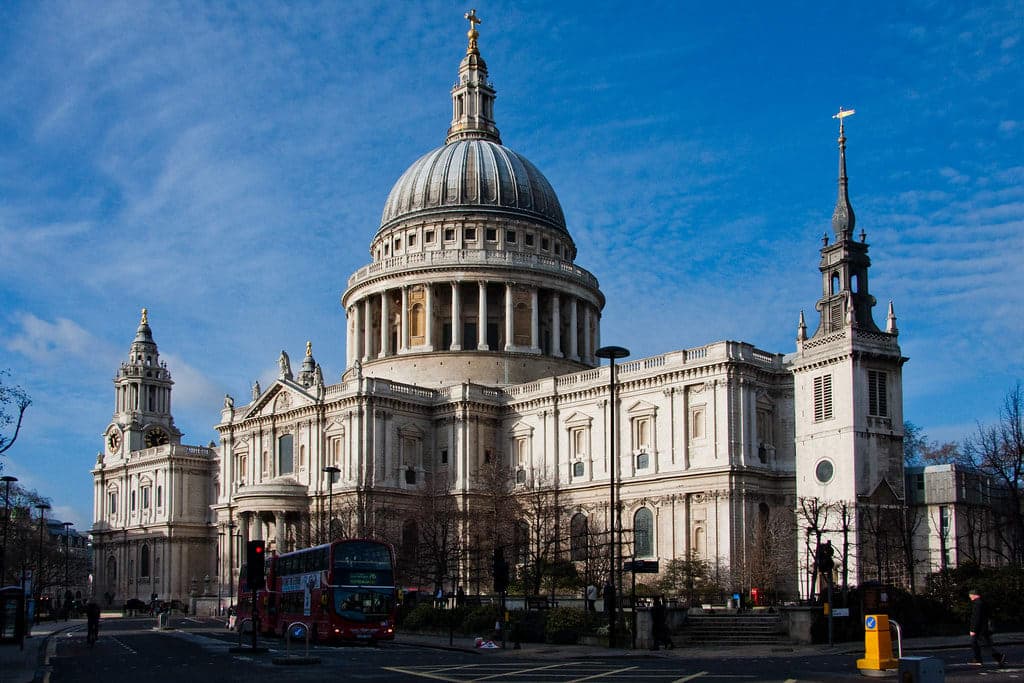
St. Paul’s Cathedral, London, England
City of London, England, United Kingdom
86.0 km away
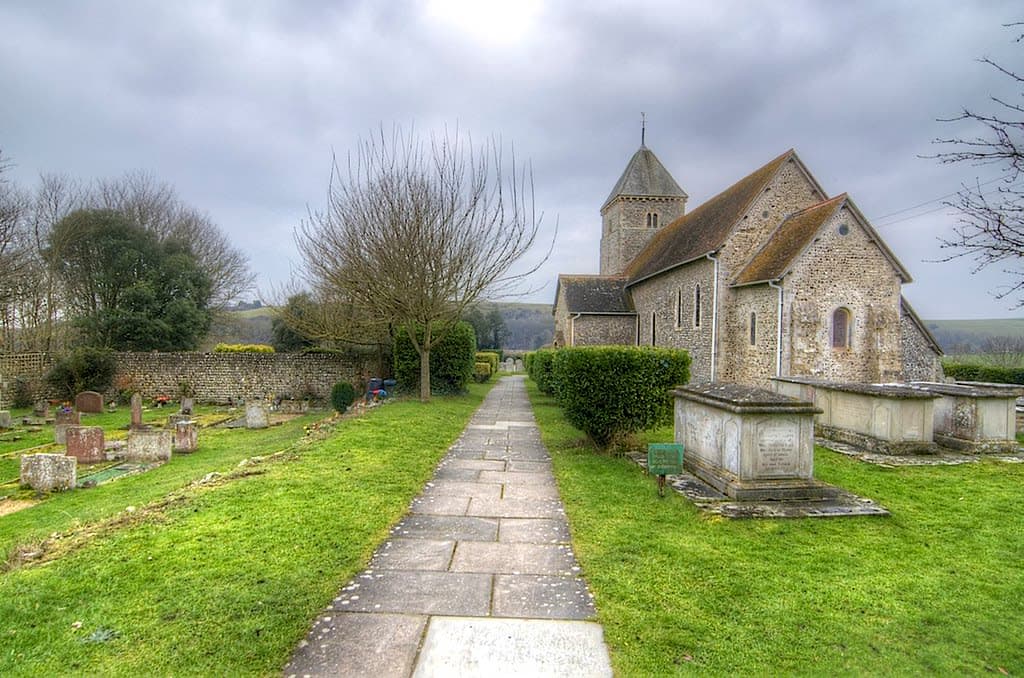
St. Andrew’s Church, Bishopstone, England
Seaford, England, United Kingdom
88.3 km away
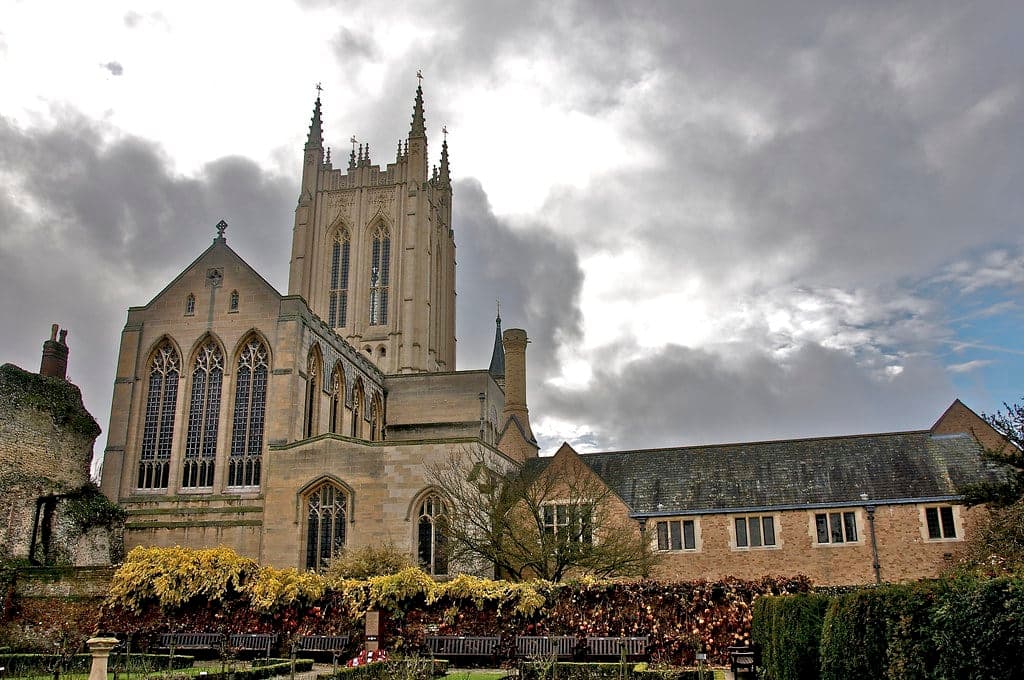
St. Edmundsbury Cathedral
West Suffolk, England, United Kingdom
110.3 km away
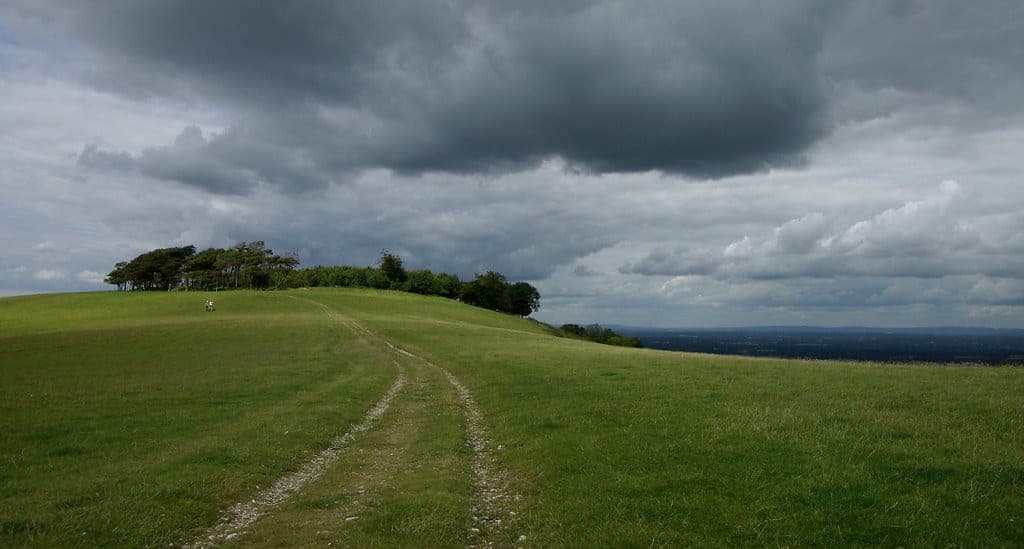
Chanctonbury Rings, Findon, West Sussex, England
Horsham, England, United Kingdom
110.8 km away