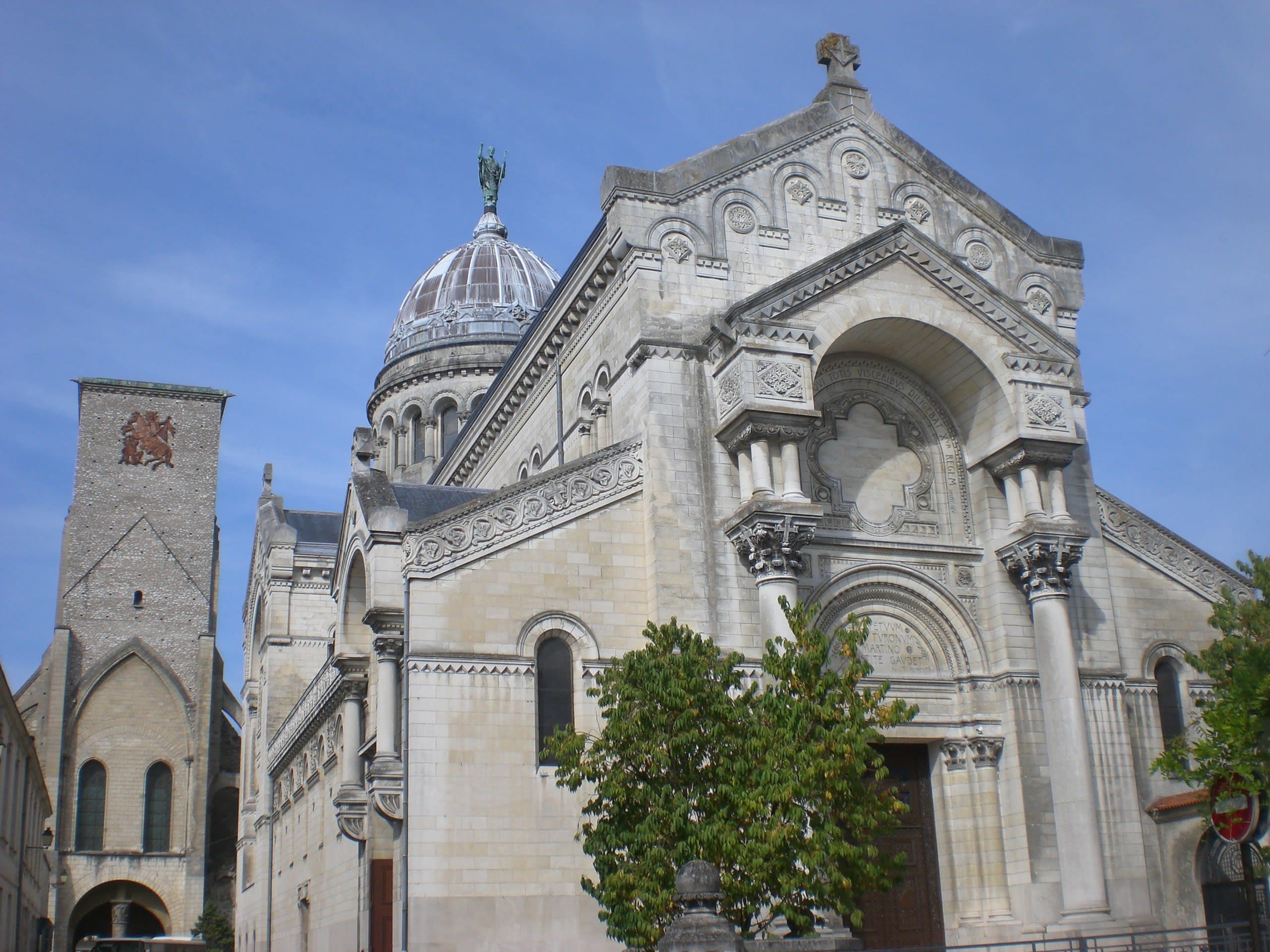
Basilica of Saint Martin
Where a Roman soldier's compassion became the heart of medieval Christendom
Tours, Centre-Val de Loire, France
At A Glance
- Coordinates
- 47.3942, 0.6833
- Suggested Duration
- A meaningful visit takes 30 to 60 minutes, allowing time for both the upper church and the crypt. Those seeking deeper engagement, or combining with Mass attendance, should allow more time. The nearby Tower of Charlemagne and Clock Tower, remnants of the medieval basilica, add context and can extend a visit to one to two hours.
- Access
- The basilica is located in central Tours at Rue Descartes, a short walk from the train station and cathedral. The entrance is accessible. Stairs lead down to the crypt; accessibility for those with mobility challenges should be confirmed in advance.
Pilgrim Tips
- The basilica is located in central Tours at Rue Descartes, a short walk from the train station and cathedral. The entrance is accessible. Stairs lead down to the crypt; accessibility for those with mobility challenges should be confirmed in advance.
- Modest dress is required, as is standard for Catholic churches. Shoulders and knees should be covered. No beachwear, overly casual attire, or clothing with offensive imagery. This is not strictly enforced but is a matter of respect.
- Photography is generally permitted in both the upper church and the crypt. Use discretion and avoid flash, especially where others may be praying. Do not photograph individuals without permission. Consider experiencing the space first, photographing later.
- This is an active place of worship. While visitors are welcome, Mass and other services take precedence. During services, remain quiet and respectful, or wait until the liturgy concludes to explore. Photography is generally permitted but should be practiced discreetly, especially in the crypt where pilgrims may be in prayer. Flash photography disturbs the atmosphere of contemplation. Do not touch the relics or climb on structures. The site has survived sixteen centuries; its preservation requires care from each visitor.
Overview
In the heart of Tours, pilgrims have journeyed for over sixteen centuries to honor Saint Martin, the Roman soldier who shared his cloak with a freezing beggar and later saw Christ wearing it in a dream. Once ranked alongside Rome and Jerusalem as Christianity's holiest destinations, the basilica's crypt holds walls carved with centuries of votive prayers, each a whispered hope left by the faithful who came seeking intercession.
A Roman soldier on a winter road encounters a man freezing to death. He cuts his military cloak in half, sharing what he has. That night, Christ appears to him in a dream, wearing the beggar's portion. From this single act of compassion, one of Christianity's most enduring pilgrimage traditions was born.
Saint Martin died in 397 CE, and more than two thousand mourners followed his body to Tours. Within decades, his tomb had become one of the three foremost pilgrimage destinations in Western Christendom, rivaling Rome and Jerusalem. Kings came seeking blessing. Clovis, who would become the first Christian king of the Franks, meditated here before his conversion. For over a millennium, the road to Tours was as traveled as the road to Compostela.
The medieval basilica that housed this devotion no longer stands. Revolutionary forces demolished it, sold its stones, and built streets across its foundations. Yet the tomb survived, rediscovered in 1860 beneath what had become an ordinary city block. The current basilica, rebuilt in Neo-Byzantine splendor, rises above that crypt where Martin's relics still rest and where centuries of pilgrims have carved their prayers into the walls.
To descend those stairs is to join a conversation that has continued, unbroken, since the fourth century.
Context And Lineage
Saint Martin of Tours (c. 316-397) was a Roman soldier who became a monk, then Bishop of Tours, and eventually one of the most beloved saints of medieval Christianity. His tomb became a pilgrimage destination almost immediately after his death, eventually ranking with Rome and Jerusalem. The site's history includes destruction during the French Revolution and rediscovery in 1860, adding layers of loss and restoration to its significance.
The founding story is one of Christianity's most enduring: A Roman soldier named Martin, stationed in Gaul, encounters a beggar dying of cold at the gates of Amiens. Having nothing else to give, Martin draws his sword and cuts his military cloak in two, sharing half with the freezing man. That night, Christ appears to him in a dream, wearing the beggar's half of the cloak.
This vision transformed Martin's life. He sought baptism, left the army, and eventually became a monk and then Bishop of Tours. His reputation for holiness, humility, and miracle-working spread throughout Gaul. When he died in 397 at Candes, some thirty kilometers from Tours, more than two thousand mourners followed his body to the city where he had served as bishop.
Within decades, his tomb had become a site of pilgrimage. Gregory of Tours, who would become the city's bishop in the sixth century, recorded numerous miracles attributed to Martin's intercession. The pilgrimage grew until Tours ranked among the three most important destinations in Western Christendom.
The devotion to Saint Martin at Tours has continued, in various forms, since the fourth century. Pilgrims came during the Roman period, the Frankish kingdoms, the medieval era. The site survived fires, Viking raids, and the Wars of Religion, when Huguenots sacked the basilica in 1562.
The French Revolution seemed to end the tradition. The basilica was demolished, its stones scattered, its site built over. But the faithful preserved the memory, and when the tomb was rediscovered in 1860, the pilgrimage resumed. The current basilica, though architecturally modern, maintains an unbroken spiritual lineage.
Today, pilgrims still come seeking Martin's intercession. The Via Turonensis brings Camino walkers through the city. November 11, the feast of Saint Martin, draws special celebration. The tradition that began with two thousand mourners following a humble bishop to his grave continues, sixteen centuries later, with visitors from around the world descending to that same tomb.
Saint Martin of Tours
founder
Roman soldier, monk, and Bishop of Tours (c. 316-397). His act of sharing his cloak with a beggar, and the subsequent vision of Christ, made him one of the most beloved saints of medieval Europe. His tomb at Tours became one of Christianity's foremost pilgrimage sites.
Clovis I
historical
King of the Franks who visited Martin's tomb around 496 before his conversion to Christianity. His baptism in 498, following victories he attributed to Christian prayer, established France's identity as a Christian nation. The connection between Martin and Clovis made Tours foundational to French Christian history.
Bishop Perpetuus
historical
Bishop of Tours who built the first major basilica over Martin's tomb around 466-472, establishing the site as a major pilgrimage destination.
Leo Dupont
historical
The 'Holy Man of Tours' who led excavations in 1860 that rediscovered Saint Martin's tomb beneath the city, allowing the pilgrimage to resume after Revolutionary destruction.
Why This Place Is Sacred
The basilica's sacredness flows from multiple sources: the presence of Saint Martin's relics, the centuries of pilgrimage that wore paths to this place, the trauma of Revolutionary destruction and the hope of rediscovery, and the crypt walls covered in votive prayers that make tangible the faith of generations. Here, the boundary between the living and the communion of saints feels permeable.
Saint Martin remains one of the most human of saints. Not a martyr, not a mystic, but a soldier who learned compassion. The story of the divided cloak resonates across centuries because it asks nothing supernatural of us, only generosity. Perhaps this is why his tomb has drawn such continuous devotion: people recognize themselves in him, in the choice he made on that winter road.
The medieval basilica that first housed his relics became a center of miraculous reports. The sick came seeking healing. Those in trouble came seeking intercession. The tomb was believed to work wonders, and the faithful came from across Europe to experience them. This accumulated devotion, layer upon layer for over a thousand years, creates the spiritual weight that visitors sense even in the rebuilt structure.
The Revolutionary destruction adds another dimension. When the medieval basilica was demolished, when its stones were sold and streets built over its foundations, it seemed the pilgrimage had ended. But the tomb persisted beneath the earth. Its rediscovery in 1860 felt, to the faithful, like resurrection. The current basilica carries both the original sanctity and this more recent miracle of persistence.
The crypt itself is extraordinary. The walls are covered with votive inscriptions, prayers carved into stone by pilgrims across centuries. These are not grand theological statements but intimate appeals: healing for a child, success in an endeavor, gratitude for prayers answered. To stand among them is to stand amid a crowd of the faithful stretching back through time, each adding their voice to an ongoing conversation with the saint.
Saint Martin's tomb became a pilgrimage site almost immediately after his death in 397 CE. The first basilica, built by Bishop Perpetuus around 466-472, established the site as a major Christian sanctuary. The tomb served as a place of intercession, where the faithful believed Martin's continued spiritual presence could convey their prayers. The relics themselves were objects of veneration, and the various basilicas built over them served to house and protect both the saint's remains and the pilgrims who came seeking his blessing.
The site has been transformed by both destruction and renewal. The original basilica gave way to larger structures as pilgrim numbers grew. Fire destroyed the building in 988, and again in 1230. The medieval Romanesque basilica that followed became one of the great pilgrimage churches of Europe, a major stop on the route to Santiago de Compostela.
The French Revolution brought catastrophe. The basilica was deconsecrated, used as a stable, then systematically demolished. In 1802, the stones were sold specifically to prevent reconstruction. For decades, the site lay beneath ordinary streets and buildings. Only in 1860, when Leo Dupont excavated beneath the city, was the tomb rediscovered, allowing the pilgrimage to resume.
Victor Laloux designed the current Neo-Byzantine basilica, completed in 1924. It is consciously different from its predecessors, a modern structure honoring an ancient devotion. The Tower of Charlemagne and the Clock Tower, remnants of the medieval building, stand nearby as witnesses to what was lost.
Traditions And Practice
The basilica hosts active Catholic worship including daily Mass and the veneration of Saint Martin's relics. Pilgrims visit the crypt to pray at the tomb and add their intentions to the walls covered with votive inscriptions. Those walking the Via Turonensis can receive pilgrim blessings, connecting to the medieval tradition of Tours as a Camino waypoint.
Medieval pilgrims came seeking Martin's intercession for healing, guidance, and protection. The tomb was believed to work miracles, and the faithful touched it, kissed it, prayed before it for answers to their petitions. Votive offerings were made. Prayers were inscribed on the walls. The pilgrimage to Tours was often combined with the longer journey to Santiago de Compostela, making the basilica a stop on the great pilgrimage routes of Europe.
The feast of Saint Martin, November 11, was a major celebration. The date marks both his burial and, in later centuries, would become Armistice Day. Martin, the soldier who became a man of peace, holds particular significance on this day of remembrance.
Mass is celebrated regularly in the basilica and is open to all. The crypt remains the spiritual heart of the pilgrimage. Visitors descend to pray before the tomb, light candles, and spend time in the presence of the relics. Many add their own prayers to the walls, continuing a tradition centuries old.
Pilgrims walking the Via Turonensis toward Santiago de Compostela stop here for blessing and spiritual renewal. The basilica recognizes this tradition and welcomes pilgrims as participants in a journey that predates the current building by centuries.
Private prayer and contemplation are welcome throughout the day. The upper church offers space for meditation in the Neo-Byzantine interior, while the crypt provides more intimate encounter with the tomb itself.
If you come seeking more than architecture, consider these approaches:
Attend Mass if your schedule permits, joining the community of believers who still gather here as they have for sixteen centuries. Even if you do not share the faith, the liturgy connects you to the living tradition.
In the crypt, take time to read the votive inscriptions on the walls. These prayers, carved by pilgrims across centuries, tell of hope, gratitude, and petition. Consider what you would add to this conversation. You need not carve anything into stone; a silent intention is enough.
Light a candle before the tomb. This simple act joins you to generations of pilgrims who have done the same, adding their light to the accumulated devotion of this place.
If you are walking the Camino, ask about receiving a pilgrim blessing. The tradition of stopping at Tours, of gathering strength here before the long road to Compostela, is as old as the pilgrimage itself.
Roman Catholicism
ActiveSaint Martin of Tours holds a unique place in Catholic tradition as one of the first non-martyr saints to be widely venerated. His reputation for humility, charity, and miracle-working made him one of the most beloved figures of medieval Christianity. His tomb at Tours became one of the three foremost pilgrimage destinations in Western Christendom, alongside Rome and Jerusalem. The feast of Saint Martin, November 11, remains an important celebration in the liturgical calendar.
The basilica hosts regular Mass and the sacraments. Pilgrims venerate the relics in the crypt, pray for Saint Martin's intercession, and light candles. The walls of the crypt bear votive inscriptions from centuries of pilgrims. The feast of Saint Martin brings special celebrations. Pilgrims walking the Via Turonensis can receive blessing here.
Via Turonensis / Santiago de Compostela Pilgrimage
ActiveTours was historically one of the major stops on the pilgrimage to Santiago de Compostela. The Via Turonensis, one of four main French routes to Compostela, passes through the city. Medieval pilgrims stopped here to venerate Saint Martin and gather strength for the journey ahead. This tradition continues today with pilgrims walking to Santiago.
Pilgrims walking the Camino stop at the basilica for prayer, blessing, and connection to the medieval tradition. The visit to Martin's tomb is understood as part of the larger pilgrimage journey, honoring a saint whose own tomb was once a destination equal to Compostela itself.
Experience And Perspectives
Visitors to the basilica report a range of experiences: peace in the Neo-Byzantine interior, profound emotion in the crypt before the tomb, and a sense of connection to the generations of pilgrims whose prayers remain carved in the walls. The contrast between the bright upper church and the intimate crypt creates a journey from public devotion to private encounter.
The basilica above ground is a place of light. The Neo-Byzantine design, unusual in France, fills the space with a quality different from Gothic gloom or Romanesque weight. Mosaics gleam. The dome draws the eye upward. Many visitors find themselves unexpectedly moved by the beauty of a building less than a century old.
But the heart of the experience lies below. The stairs to the crypt descend through layers of history to the place where Martin's relics rest. The space is small, intimate, the opposite of the grand architecture above. Candles flicker. The walls are covered with inscriptions, prayers carved by pilgrims across centuries, some fresh, some worn nearly illegible by time and touch.
Those who spend time in the crypt often report a sense of presence. Whether this is understood as the saint's intercession, the accumulated devotion of millions of pilgrims, or simply the psychological effect of such concentrated history, the experience is consistent enough to take seriously. People weep here without quite knowing why. Questions that seemed urgent become less pressing. A quality of stillness settles.
For pilgrims walking the Via Turonensis toward Santiago de Compostela, the basilica represents connection to the great medieval pilgrimage tradition. To stop here, as countless walkers have stopped before, is to join a lineage of seekers stretching back over a thousand years.
The basilica rewards different approaches at different times. The morning light transforms the interior, making an early visit worthwhile for contemplation in the upper church. The crypt can be visited when it opens, allowing time alone with the tomb before other pilgrims arrive.
Consider approaching the crypt as prayer rather than tourism. Whether or not you share the Catholic faith, the space invites a quality of attention different from sightseeing. Read some of the votive inscriptions on the walls. Notice what others have asked for, have been grateful for, across centuries. Consider what you might add to this ongoing conversation, even if only in silence.
If you are walking the Camino, take time to receive the pilgrim blessing offered here. The tradition of stopping at Tours predates the current building by centuries, predates the medieval building that was destroyed, reaches back to a time when this pilgrimage was as significant as the journey to Compostela itself.
Saint Martin and his tomb invite multiple perspectives. Historical scholarship documents the development of the cult and the architectural history of the various basilicas. Catholic tradition understands the site as a place of ongoing intercession and miracle. For those on the Camino, Tours represents connection to medieval pilgrimage tradition. Each perspective illuminates aspects of why this place continues to draw seekers.
Historical evidence confirms the basic outline of Martin's life and the development of his cult. He lived approximately 316-397 CE, served as Bishop of Tours, and his tomb became a major pilgrimage site within decades of his death. The medieval basilica was destroyed during the French Revolution, and the current building dates to 1886-1924.
Scholars have traced the growth of pilgrimage to Tours and its relationship to other medieval pilgrimage routes. The Via Turonensis, one of the four main French routes to Santiago de Compostela, made Tours a waypoint for centuries of pilgrims. The ranking of the site alongside Rome and Jerusalem reflects its genuine importance in medieval Christianity.
Catholic teaching holds that saints, having entered eternal life, continue to pray for those on earth. Saint Martin's intercession is believed to remain active, and the proximity to his relics intensifies this connection. The miracles recorded at his tomb, from Gregory of Tours in the sixth century to contemporary accounts, testify to this ongoing spiritual presence.
The Revolutionary destruction and subsequent rediscovery add a dimension of providence. That the tomb survived beneath the demolished basilica, beneath streets and buildings, to be found again in 1860, is understood by the faithful as evidence of God's protection of holy things. The rebuilt basilica continues a tradition the Revolution could not destroy.
Details of medieval pilgrimage practices at the site are not fully documented. The specific rituals performed, the full extent of miracles attributed to Martin's intercession, and the exact nature of medieval devotion are partly reconstructed from fragmentary sources.
What was lost when the medieval basilica was demolished remains uncertain. Relics, archives, and artifacts may have been scattered or destroyed. The Revolutionary period created gaps in the historical record that cannot be fully recovered.
Visit Planning
The basilica is located in central Tours, easily accessible on foot from the train station. It is open daily for visits and worship. The feast of Saint Martin on November 11 brings special celebrations. Combining a visit with the nearby Tours Cathedral and the medieval remnants (Tower of Charlemagne, Clock Tower) provides a fuller picture of the city's sacred history.
The basilica is located in central Tours at Rue Descartes, a short walk from the train station and cathedral. The entrance is accessible. Stairs lead down to the crypt; accessibility for those with mobility challenges should be confirmed in advance.
Tours offers hotels and guesthouses at all price levels. Pilgrims walking the Via Turonensis can find pilgrim-friendly accommodations and support. The city makes a good base for exploring Loire Valley sacred sites.
The basilica is an active Catholic church requiring modest dress and respectful behavior. Visitors are welcome to explore and pray, with discretion particularly important in the crypt where pilgrims may be in intimate prayer. Silence or quiet conversation is expected throughout.
The basilica welcomes visitors of all backgrounds but expects behavior appropriate to an active place of worship. This is not merely a historical monument but a living church where the faithful come for prayer, Mass, and the sacraments. Your presence is a privilege extended by this community.
Maintain a quality of reverence throughout your visit. Speak quietly if you must speak. Silence is preferred, especially in the crypt. Do not treat the space as a photography backdrop; be present before being productive.
The crypt requires particular sensitivity. Pilgrims may be in deep prayer before the tomb, adding their intentions to the centuries of devotion this place has witnessed. Give them space. Do not interrupt others' prayers. If the crypt is empty, consider the gift of solitude and use it well.
Modest dress is required, as is standard for Catholic churches. Shoulders and knees should be covered. No beachwear, overly casual attire, or clothing with offensive imagery. This is not strictly enforced but is a matter of respect.
Photography is generally permitted in both the upper church and the crypt. Use discretion and avoid flash, especially where others may be praying. Do not photograph individuals without permission. Consider experiencing the space first, photographing later.
Candles may be lit with a small donation. Financial offerings support the basilica's maintenance and ministry. Those who feel moved to leave a written prayer can do so; carving new inscriptions on the ancient walls is, of course, not appropriate.
Respectful silence during Mass and other services. No food or drink inside the basilica. Guided tours may be available at certain times; check with the welcome desk.
Sacred Cluster
Nearby sacred places create the location cluster described in the growth plan. This block is intentionally crawlable and links into the wider regional graph.
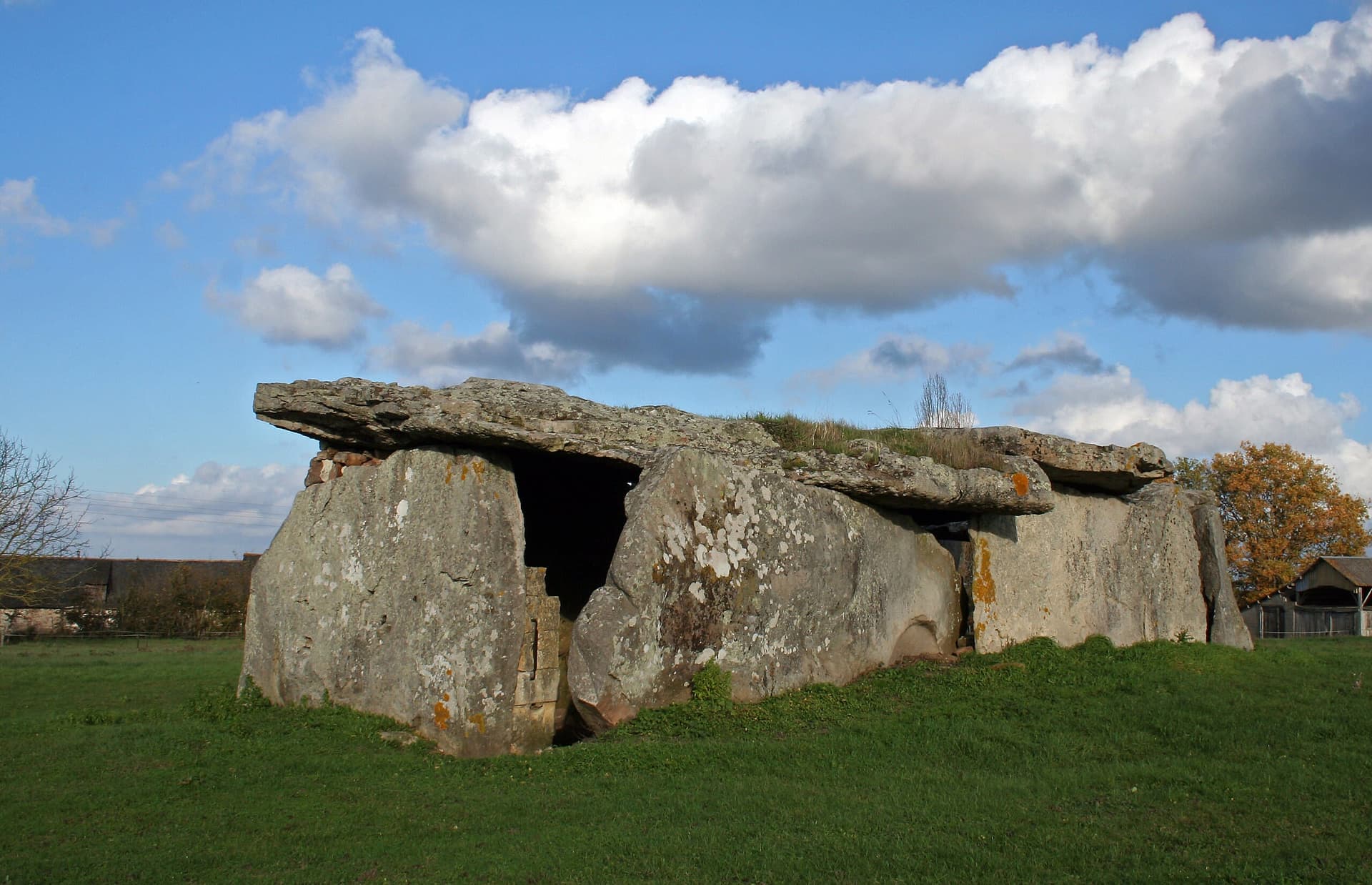
Dolmen de la Madeleine
Gennes, Pays de la Loire, France
69.1 km away
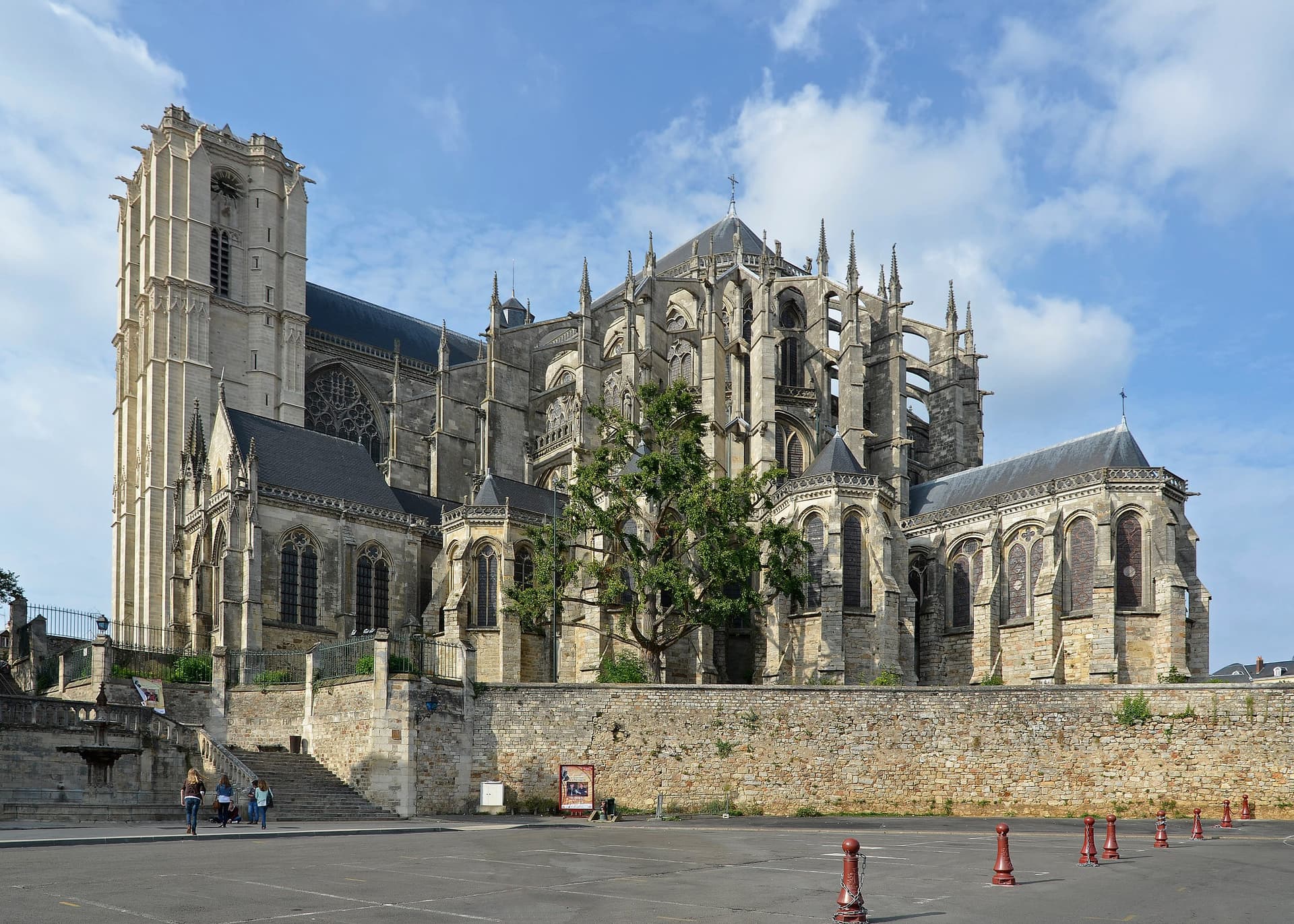
Cathedral of St. Julian, Le Mans
Le Mans, Pays de la Loire, France
77.5 km away
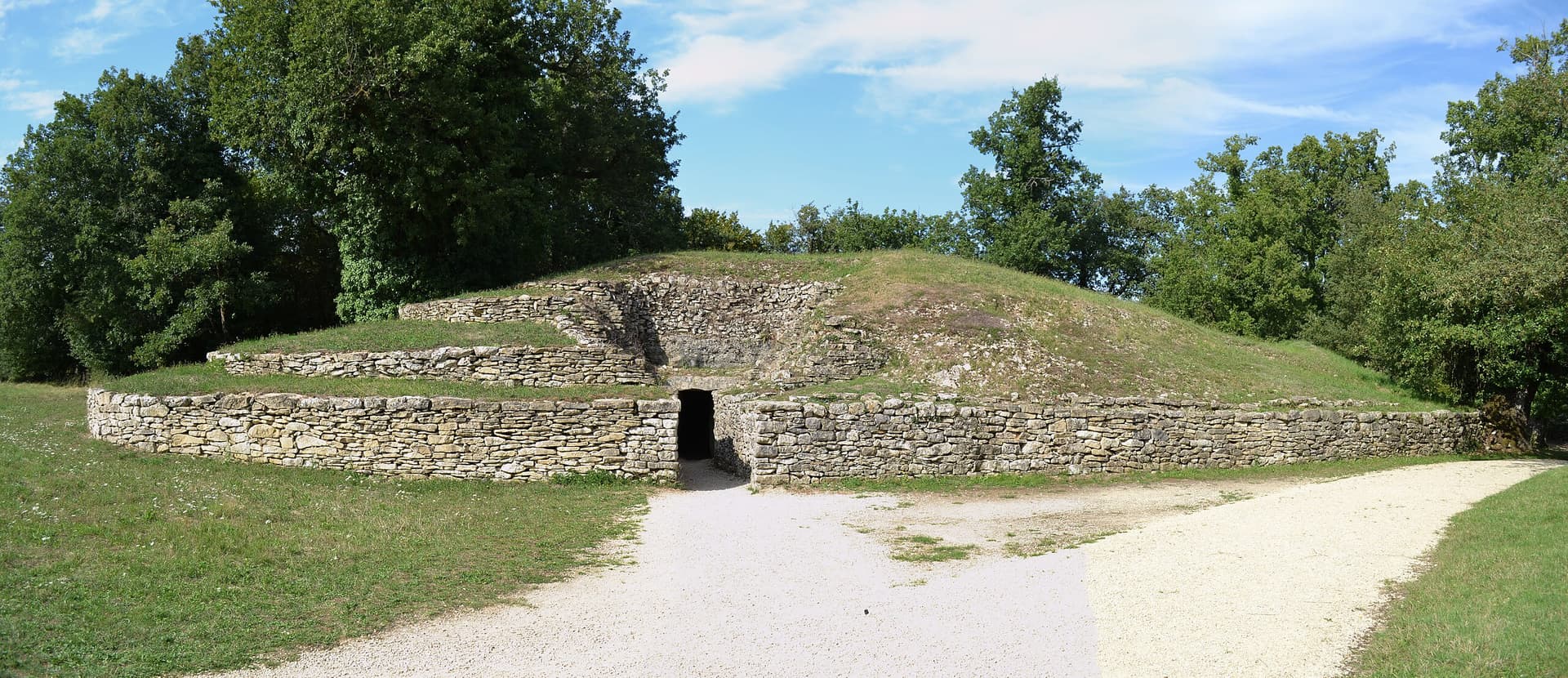
Tumulus of Bougon, Bougon, France
Bougon, Nouvelle-Aquitaine, France
126.8 km away
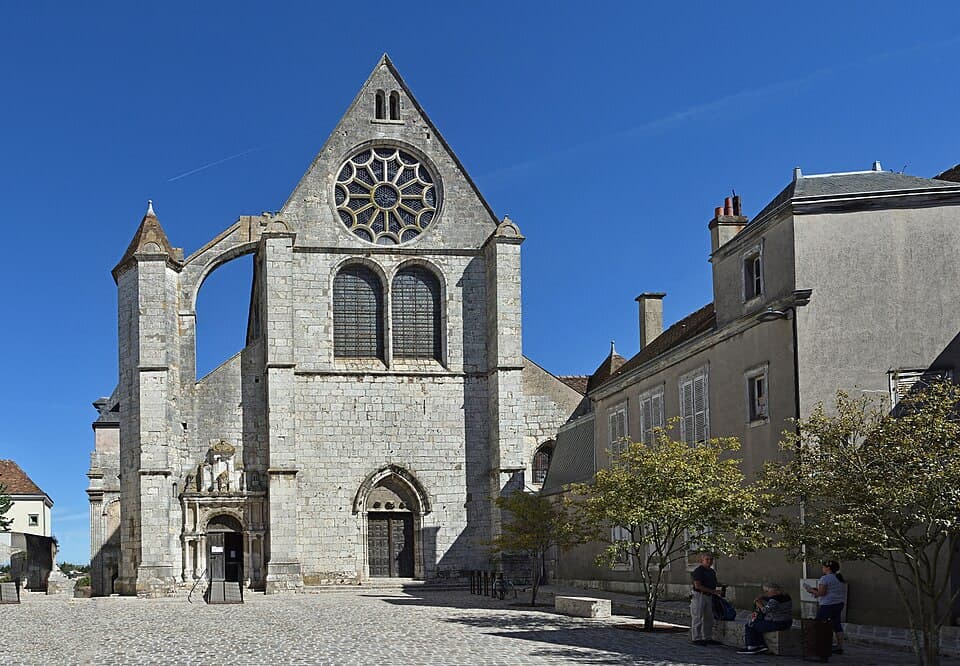
Church of St. Aignan, Chartres
Chartres, Centre-Val de Loire, France
131.4 km away