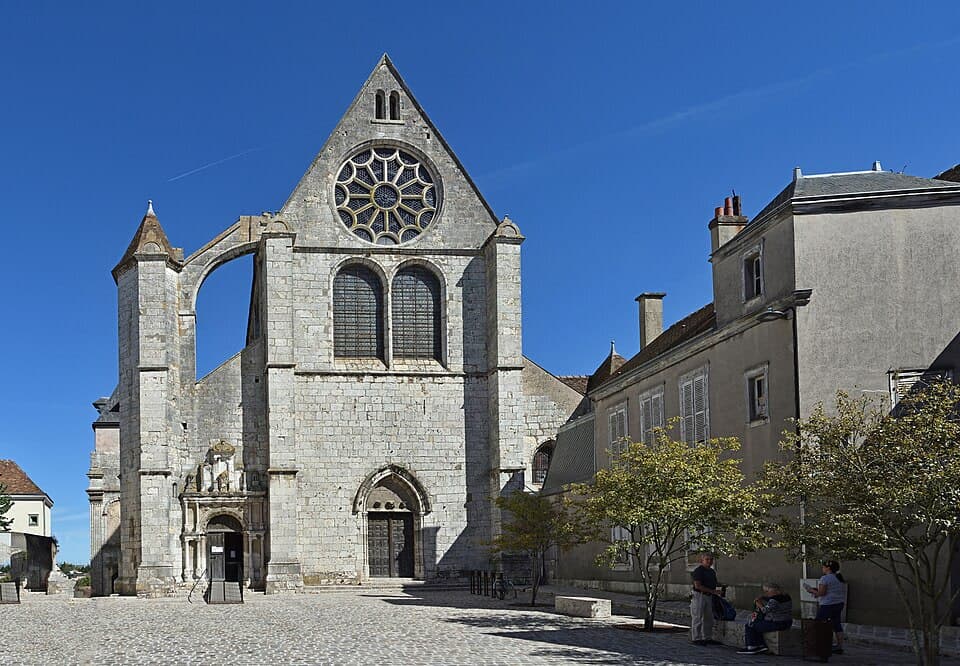
Church of St. Aignan, Chartres
Chartres' oldest parish, where 16 centuries of worship persist and Renaissance glass shines at human scale
Chartres, Centre-Val de Loire, France
At A Glance
- Coordinates
- 48.4464, 1.4869
- Suggested Duration
- A contemplative visit takes 20 to 40 minutes. Those wishing to study the stained glass carefully may spend longer. Mass attendance requires additional time. Combined with a cathedral visit, St. Aignan makes an effective half-day itinerary exploring Chartres' sacred heritage.
- Access
- Located in central Chartres near Place Saint-Aignan, somewhat hidden by surrounding houses. The church is a short walk from the cathedral. Opening hours are limited—typically 10am to 12pm and 2pm to 4pm—and should be confirmed locally. Chartres is accessible by train from Paris Gare Montparnasse in about one hour.
Pilgrim Tips
- Located in central Chartres near Place Saint-Aignan, somewhat hidden by surrounding houses. The church is a short walk from the cathedral. Opening hours are limited—typically 10am to 12pm and 2pm to 4pm—and should be confirmed locally. Chartres is accessible by train from Paris Gare Montparnasse in about one hour.
- Modest dress appropriate for a Catholic church. Shoulders and knees covered.
- Permitted outside services. No flash, which can damage historic stained glass. Be aware of others' need for undisturbed contemplation.
- Visiting hours are limited; check locally before arrival. During services, non-participating visitors should observe quietly from the back. Photography is generally permitted but should be discrete and never during worship.
Overview
Hidden among the houses near Chartres' famous cathedral, the Church of St. Aignan represents something the cathedral cannot offer: intimacy. Founded around 400 CE by the bishop who gave it his name, this is Chartres' most ancient parish—over 1,600 years of continuous worship. Renaissance stained glass windows, viewable at eye level rather than cathedral distance, reward visitors who seek the overlooked.
The cathedral dominates Chartres. Its Gothic spires draw pilgrims from across the world; its windows define an era of sacred art. Yet something essential about Christian worship in this city lies elsewhere—in a small church half-hidden by surrounding houses, where the scale is human and the continuity longer even than the great cathedral's.
St. Aignan was founded around 400 CE, when Bishop Aignan established what would become the most ancient parish in Chartres. The current structure is primarily 16th century, rebuilt after fires destroyed earlier versions. But the thread of worship has never broken. Through fires and wars, through the Revolution—when the church served as military hospital, prison, and fodder shop—through two World Wars and into the present, something has persisted here.
What visitors discover is a counterpoint to cathedral grandeur. The stained glass windows, dating to the 16th and 17th centuries, are viewable at human scale. Standing before them, you can study details that would be invisible in the distant heights of Notre-Dame. The polychrome wall paintings from 1869 add warmth that Gothic stone does not attempt. The blue-green decor of the nave creates an atmosphere of unusual intimacy.
This is not a site for crowds. It opens only limited hours, and many visitors to Chartres never find it. But for those who seek the overlooked, who understand that the oldest is not always the largest, St. Aignan offers something the cathedral cannot. Here, worship has continued for over sixteen centuries. Here, the sacred takes human scale.
Context And Lineage
St. Aignan was founded around 400 CE by the Bishop of Chartres who gave it his name, making it the city's oldest parish. The current structure is primarily 16th century following fire damage. The church survived Revolutionary profanation to return to worship in 1822.
Bishop Aignan of Chartres founded this church in the pre-Romanesque era, around 400 CE. Christianity was still establishing itself in Gaul; the Roman Empire still nominally held the Western provinces, though its authority was waning. What Bishop Aignan created would outlast Rome itself.
The founding is recorded in tradition rather than detailed documentary evidence; records from this period are sparse. What is preserved is the continuity of the parish—the oldest in Chartres, maintaining an unbroken (or nearly unbroken) succession of worship from late antiquity to the present.
The succession of parish priests from Bishop Aignan to the present constitutes one of the longest continuous pastoral lineages in France. The parish has served its community through the Middle Ages, the Renaissance, the Reformation conflicts, the Revolution, and into modernity. Each generation has added its layer: the medieval stone, the Renaissance glass, the 19th century paintings, the ongoing life of the worshipping community.
The Revolutionary interruption, when the church was profaned to secular uses, lasted roughly three decades. In 1822, worship resumed. The thread, stretched nearly to breaking, held.
Bishop Aignan of Chartres
founder
Bishop of Chartres in the early 5th century who founded the church that bears his name. Details of his life and episcopacy are sparse, but his legacy is the parish that has persisted for over 1,600 years.
Boeswillwald
artist
19th century artist who created the polychrome wall paintings in 1869, adding the colorful decorative scheme visible today.
Why This Place Is Sacred
St. Aignan's thinness derives from the sheer depth of time—1,600 years of continuous worship create an accumulation that no single architectural achievement can match. The intimacy of the space, the accessibility of its sacred art, and its survival through repeated destruction speak to a persistence that exceeds human intention.
There is a kind of holiness that comes from duration. Grand gestures can create sacred space quickly, but only time can create the particular quality that accumulates in places where humans have gathered in prayer for generation after generation, century after century.
St. Aignan possesses this quality. When Bishop Aignan founded this parish around 400 CE, Christianity was still consolidating its presence in Gaul. The barbarian invasions had not yet swept away Roman order. What he established here would outlast empires. Sixteen centuries later, mass is still celebrated, prayers still offered, in the parish he founded.
The fires that repeatedly damaged the church—12th century, 13th century, early 16th century—tested but did not break the continuity. Each time, the community rebuilt. When the Revolution closed the church and profaned it to secular uses, the community endured. In 1822, worship resumed. The thread had stretched but never snapped.
The intimacy of the space contributes to its power. Where the cathedral overwhelms, St. Aignan embraces. The stained glass windows are at eye level, inviting close attention rather than distant awe. The 16th and 17th century glass, while not as famous as the cathedral's medieval masterworks, offers something those distant windows cannot: accessibility. You can see the brushwork, study the faces, trace the narratives without binoculars.
The very obscurity of the church protects its atmosphere. Hidden among houses, opening only limited hours, it does not attract the crowds that fill the cathedral. Those who find it often find themselves alone, or nearly so—able to sit in silence without competition for space or attention. In an age of spiritual tourism, this obscurity is itself a gift.
Bishop Aignan founded this church in the earliest centuries of Christianity in Gaul, establishing what would become Chartres' most ancient parish. The original structure, built in the pre-Romanesque era, served the ordinary worship needs of a local community—baptisms, masses, funerals, the weekly rhythm of faith that forms the foundation of parish life.
The physical church has been rebuilt repeatedly. Fire damaged it in the 12th and 13th centuries; a major fire in the early 16th century necessitated substantial reconstruction. The current structure is primarily 16th century, with the Renaissance stained glass installed then and in the following century. The polychrome wall paintings by Boeswillwald date to 1869.
The Revolution interrupted worship but did not end it. The church served secular purposes—hospital, prison, fodder shop—before returning to religious use in 1822. This interruption, lasting about three decades, is the only gap in a continuity otherwise stretching back to antiquity.
Today, St. Aignan functions as an active parish church while also welcoming visitors during limited hours. The integration of heritage and living practice maintains the church's dual identity: both historical treasure and place of ongoing worship.
Traditions And Practice
St. Aignan functions as an active parish church with regular masses alongside visitor access during limited hours. Practices include participation in ordinary parish worship, personal prayer, and contemplation of the Renaissance stained glass.
As an active parish, St. Aignan maintains the traditional practices of Catholic worship: mass, confession, baptisms, weddings, funerals, the weekly and annual rhythms of the liturgical calendar. These practices have continued, with one interruption, for over 1,600 years. The very ordinariness of parish life is part of what makes the church significant—the persistence of everyday faith over sixteen centuries.
Today, masses are celebrated regularly, serving a local congregation. The church opens to visitors during limited hours—typically 10am to 12pm and 2pm to 4pm, though times should be confirmed locally. Personal prayer and contemplation are welcome during visiting hours. The stained glass windows invite particular attention, their accessibility allowing a form of visual prayer that cathedral distance prohibits.
If you come primarily as a visitor, use the opportunity of intimacy. Stand close to the stained glass windows. Study the faces of saints and biblical figures. Notice details—gestures, colors, narrative choices—that would be invisible at cathedral scale. This is sacred art meant to be seen at human distance.
Sit in the silence if the church is empty. Let sixteen centuries of accumulated prayer inform your awareness. You are not merely looking at history; you are participating in a continuity that extends backward to late antiquity and forward beyond your own life.
If you come during a service, participate or observe according to your practice. Either way, you experience the church as what it primarily is: a place of living worship.
Roman Catholicism
ActiveSt. Aignan is an active Catholic parish, the oldest in Chartres, maintaining continuous worship (with one interruption) since around 400 CE. The church represents the ordinary persistence of parish life—not grand pilgrimage or architectural monument, but the steady rhythm of masses, baptisms, weddings, and funerals that forms the foundation of Catholic community.
Regular masses serving the local congregation. Personal prayer during visiting hours. Participation in the liturgical calendar and sacramental life of the parish. Contemplation of the Renaissance stained glass as a form of visual prayer.
Experience And Perspectives
Visitors describe the pleasure of encountering sacred art at human scale, the quiet of a space free from cathedral crowds, and the awareness of standing where Christians have worshipped for over 1,600 years. The intimacy allows contemplation impossible in grander settings.
The first discovery is often simply finding the place. St. Aignan hides among surrounding houses, not announcing itself with Gothic heights. A modest facade gives little hint of what lies within. Many visitors to Chartres walk past without noticing. Those who enter often feel they have stumbled upon a secret.
Inside, the scale surprises. After the cathedral's immensity, St. Aignan feels almost domestic. The blue-green nave decor creates an unusual atmosphere—warmer and more intimate than typical church interiors. The polychrome wall paintings add color that medieval stone rarely offers.
The stained glass windows are the particular treasure. Where the cathedral's windows soar beyond detailed view, requiring binoculars and explanatory guides, St. Aignan's Renaissance glass is at eye level. You can stand before a window and study faces, follow narratives, appreciate the craft of 16th and 17th century glaziers. The subjects include biblical scenes and saints, but the intimacy of scale transforms the encounter from spectacle to conversation.
Often, visitors find themselves alone. The limited hours and obscure location filter out casual tourists. In this solitude, something else becomes possible: awareness of the sixteen centuries that have accumulated here, the generations of prayer offered in this space, the persistence of faith through destruction and profanation. The empty church is not really empty; it is full of time.
Those who visit during a service encounter the church in its primary function—as parish, as place of living worship. The congregation is typically small, the liturgy ordinary. But ordinary liturgy in a church founded in 400 CE carries its own extraordinary weight.
Approach St. Aignan as a counterpoint to the cathedral, not a substitute for it. Both deserve attention; they offer different gifts. The cathedral gives grandeur, theological program in stone and glass, the accumulated power of one of Christianity's supreme architectural achievements. St. Aignan gives intimacy, accessible sacred art, and the quieter power of simple persistence.
Take time with the stained glass. The proximity allows attention to detail that cathedral viewing prohibits. Notice the faces, the gestures, the narrative choices the glaziers made. This is sacred art at human scale, inviting you into relationship rather than awe.
Sit in the silence if you are alone. Let the accumulation of sixteen centuries of prayer settle into your awareness. You are not the first to sit here seeking something; you will not be the last. The chain extends backward and forward in time.
If you attend a service, participate or observe as your conscience dictates. Either way, you will experience the church in its primary function—as place of living worship rather than historical artifact.
St. Aignan invites appreciation from multiple angles: as historical survival, as architectural and artistic heritage, and as living parish. These perspectives complement rather than compete; the church is large enough, despite its modest scale, to hold them all.
Historical records confirm a church on this site from the early 5th century, making it the oldest parish in Chartres. The current structure is primarily 16th century, rebuilt after fire damage. Only the main portal survives from earlier construction. The stained glass windows date to the 16th and 17th centuries; the polychrome wall paintings to 1869.
The church's survival through the Revolution—serving as hospital, prison, and fodder shop before returning to worship in 1822—documents the pattern of profanation and restoration common throughout France. The relatively brief interruption of worship (roughly thirty years) preserves an otherwise remarkable continuity.
For Catholic faithful, St. Aignan represents the persistence of parish life through every challenge history could offer. Fire, war, revolution—the parish survived them all. Bishop Aignan's foundation, over 1,600 years ago, continues to serve its original purpose: providing the ordinary worship that forms the foundation of Catholic community.
The church's relative obscurity is almost a virtue from this perspective. It has never been a major pilgrimage site or architectural wonder. It has simply persisted, generation after generation, doing what parishes do.
The exact founding date and circumstances remain uncertain—5th century records are sparse, and tradition rather than documentation preserves the church's origins. The original pre-Romanesque appearance is unknown; only fragments survive from before the 16th century. What was lost during Revolutionary profanation—images, furnishings, records—cannot be fully reconstructed.
These gaps in knowledge are inevitable for a site of this antiquity. They invite humility: we do not know everything about this place, and we never will. What we know is that worship has continued here, with one interruption, for over sixteen centuries. That is enough.
Visit Planning
St. Aignan is located in central Chartres, somewhat hidden by surrounding houses, near Place Saint-Aignan. Opening hours are limited, typically 10am-12pm and 2pm-4pm. The church is a short walk from Chartres Cathedral.
Located in central Chartres near Place Saint-Aignan, somewhat hidden by surrounding houses. The church is a short walk from the cathedral. Opening hours are limited—typically 10am to 12pm and 2pm to 4pm—and should be confirmed locally. Chartres is accessible by train from Paris Gare Montparnasse in about one hour.
Chartres offers hotels and guesthouses in various price ranges. The proximity to Paris makes day visits possible, though overnight stays allow for deeper exploration of the city's sacred heritage.
St. Aignan is an active parish church. Modest dress, respectful silence, and appropriate behavior during services are expected. Photography is generally permitted outside worship times.
This is first and foremost a functioning parish—a place where local Catholics come to worship, not primarily a tourist attraction. Behavior should reflect that reality. When services are in progress, either participate appropriately or wait quietly until they conclude. The space between masses may be used for personal prayer and contemplation.
The intimacy of the space makes disturbance particularly disruptive. Voices carry in the small church. Maintain silence or hushed conversation. Allow others the quiet contemplation that the space invites.
Photography of the stained glass windows is generally welcomed—the Renaissance glass deserves documentation and appreciation. But never photograph during services, and be aware of any other visitors who may wish to contemplate without camera intrusion.
Modest dress appropriate for a Catholic church. Shoulders and knees covered.
Permitted outside services. No flash, which can damage historic stained glass. Be aware of others' need for undisturbed contemplation.
Donations welcome; they support the ongoing maintenance of this ancient parish.
Limited visiting hours; check locally. Respectful silence throughout. No photography during services.
Sacred Cluster
Nearby sacred places create the location cluster described in the growth plan. This block is intentionally crawlable and links into the wider regional graph.
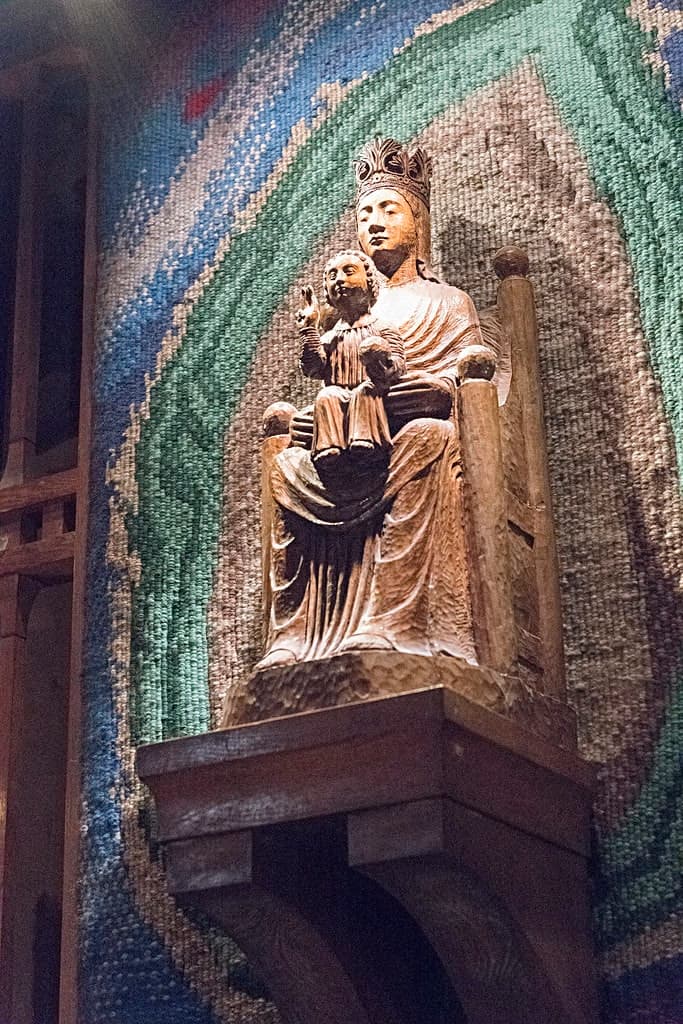
Notre-Dame de Sous-Terre (Our Lady Under the Earth)
Chartres, Centre-Val de Loire, France
0.2 km away

Chartres Cathedral
Chartres, Centre-Val de Loire, France
0.2 km away
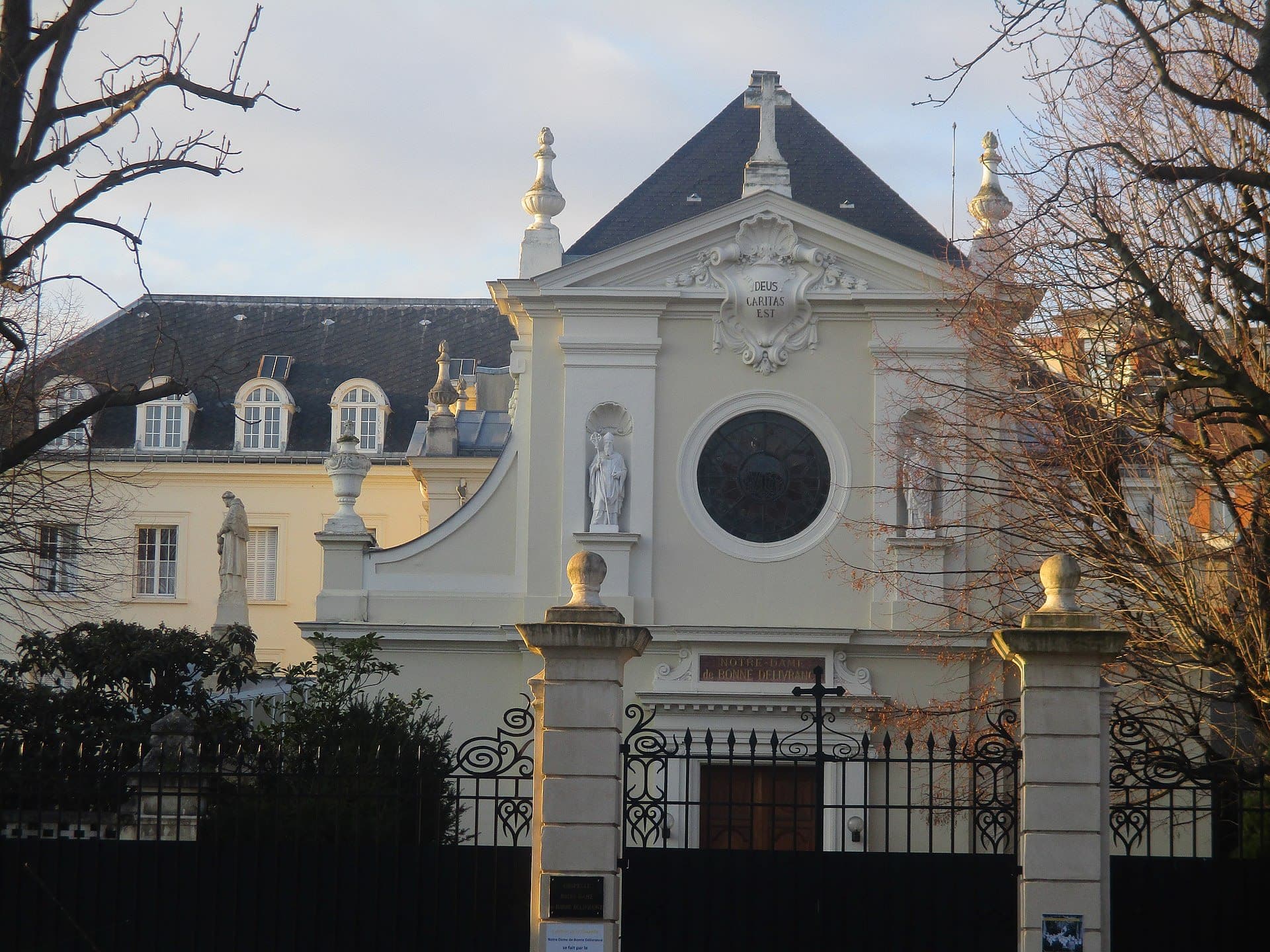
Chapelle Notre-Dame de Bonne Délivrance
Neuilly-sur-Seine, Île-de-France, France
75.6 km away
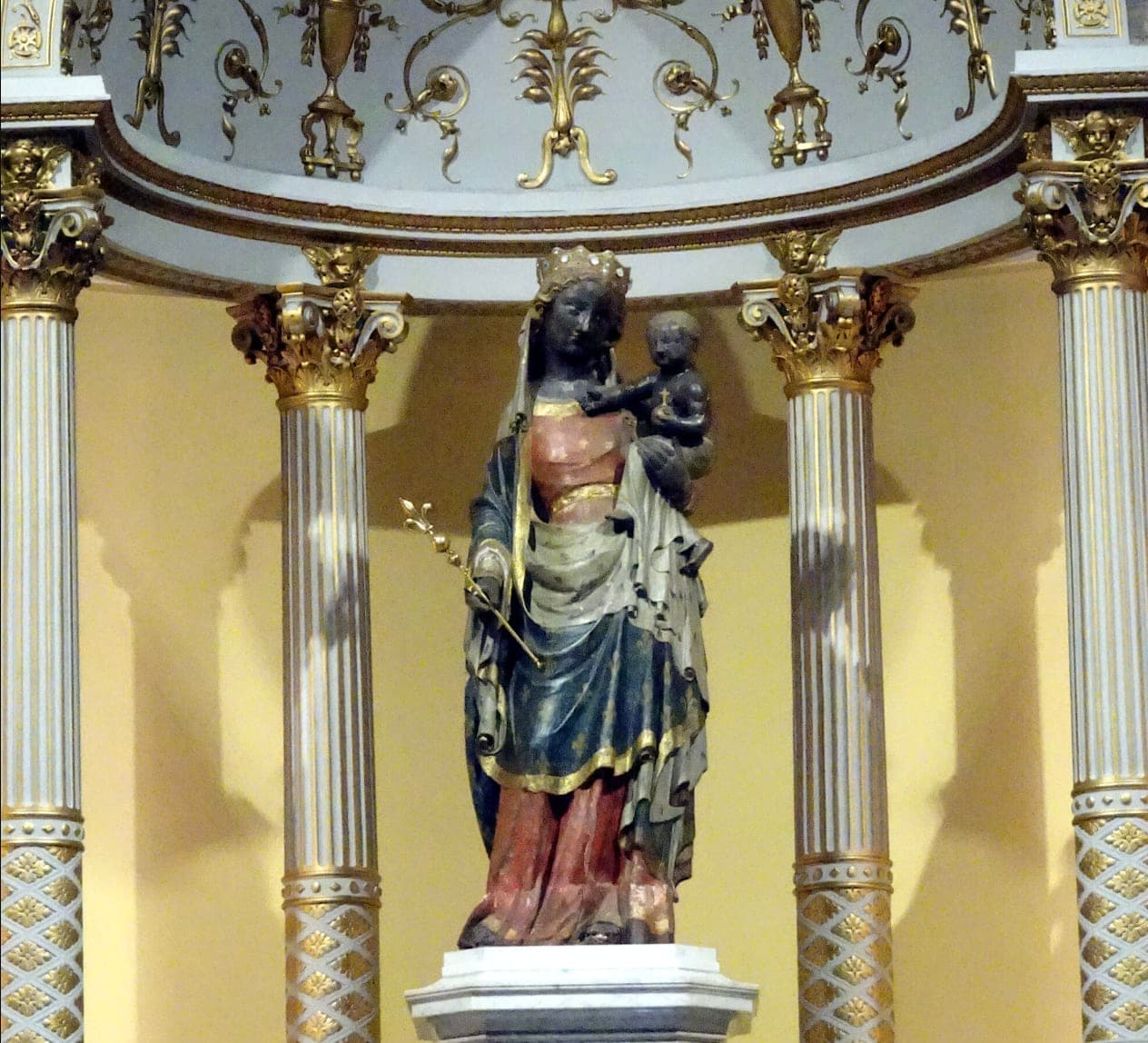
Our Lady of Good Deliverance, Paris
Neuilly-sur-Seine, Île-de-France, France
75.6 km away