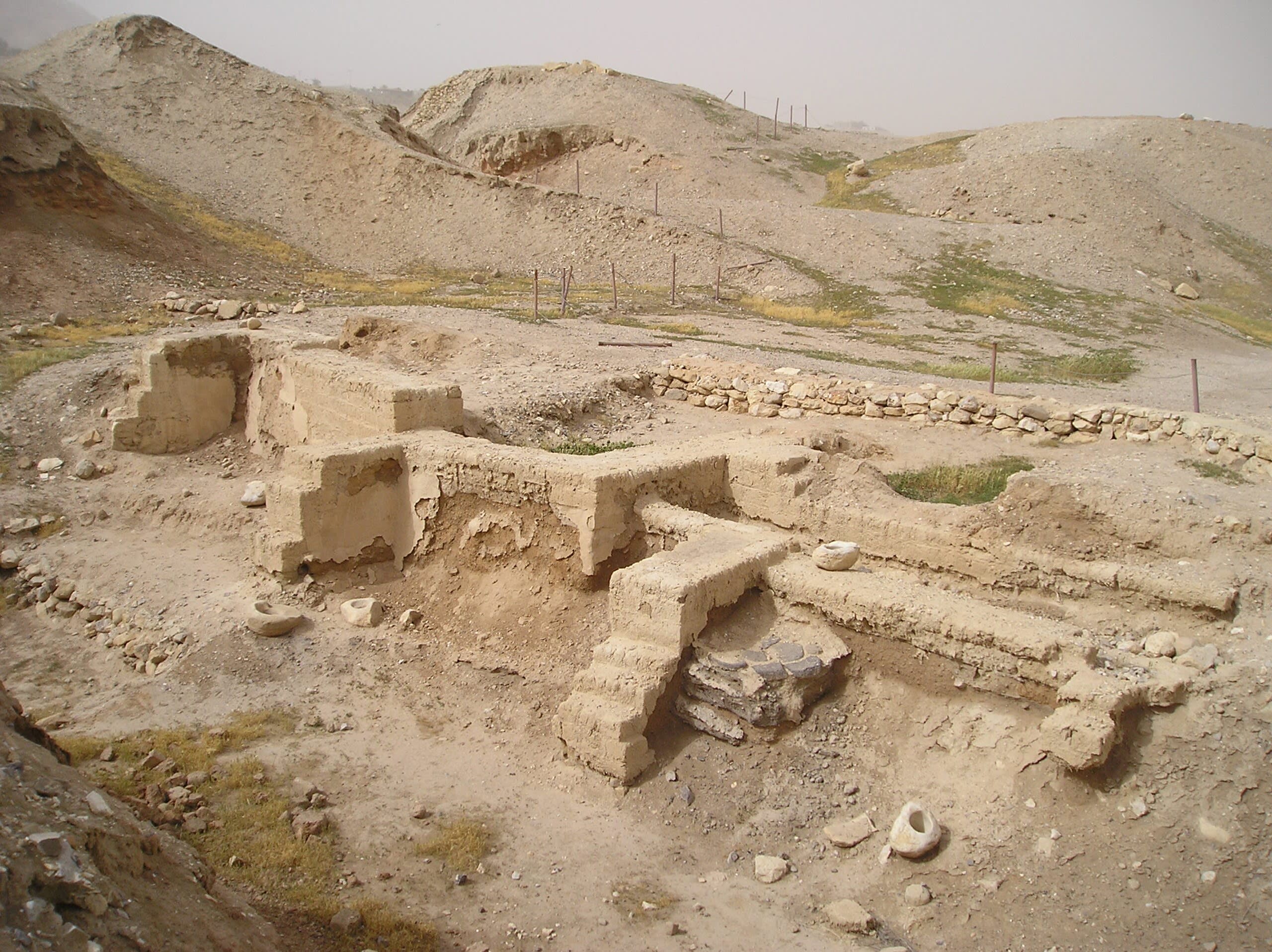
Ancient Jericho/Tell es-Sultan
Where eleven thousand years of human seeking lie stratified in earth and stone
Jericho, West Bank, Palestinian Territories
At A Glance
- Coordinates
- 31.8711, 35.4442
- Suggested Duration
- A minimum of half a day allows for Tell es-Sultan archaeological site and the Mount of Temptation cable car and monastery. A full day permits more contemplative engagement and can include Hisham's Palace, Elisha's Spring, and exploration of the modern city. Those seeking deeper connection to the site sometimes return over multiple days, though accommodation options in Jericho itself are limited.
Pilgrim Tips
- Modest dress is required at the Monastery of the Temptation and strongly recommended throughout religious sites. Women must cover their hair with scarf or hat at the monastery; long skirts or pants are expected. Men should wear long pants. Light, breathable fabrics help manage the extreme heat, but modesty takes precedence. Comfortable walking shoes with good grip are essential for the archaeological site and monastery access.
- Photography is generally permitted at Tell es-Sultan archaeological site. Rules may be more restrictive inside the Monastery of the Temptation—ask before photographing, and do not photograph the monks without permission. Photographing local people requires asking permission. Drones are prohibited. Be mindful that photographing checkpoint areas or security installations may create problems.
- Do not attempt to perform rituals involving physical offerings at the archaeological site—they will be considered litter. The Neolithic peoples who left offerings here nine thousand years ago cannot receive yours; their traditions are not continuous. Respect the active sacred sites. The monastery is a place of genuine worship, not a backdrop for photographs. Dress modestly before entering—women must cover their hair with a scarf or hat. Be aware of the political sensitivity of the region. Jericho is in the Palestinian Territories (Area A under Palestinian Authority control). Israeli citizens and passport holders are prohibited from entering. International visitors need passports for checkpoint crossings. The security situation should be checked before visiting.
Overview
Tell es-Sultan rises from the Jordan Valley as one of humanity's oldest continuously inhabited places. Here, nine thousand years ago, people first built permanent homes, constructed monumental architecture, and practiced rituals of ancestor veneration. For Abrahamic faiths, this is where walls fell at Joshua's command and where Jesus resisted temptation in the wilderness above. The sacred here is not singular but layered, each era adding its own understanding to what endures.
Jericho confronts you with time itself. Standing before the Neolithic tower—eight meters of carefully laid stone erected five millennia before the pyramids—you face evidence that humans were building monuments before they had metal tools, before they had writing, before the wheel. The people who constructed this understood something about permanence, about marking earth to match sky.
The tell rises twenty-one meters above the plain, twenty-nine layers of human occupation compressed into soil. Beneath your feet, nine thousand years of dwelling. Plastered skulls of ancestors kept close. Mud-brick houses where families slept above buried kin. Whatever they believed, it was serious enough to shape their lives around.
For those who carry biblical faith, different layers speak. The walls that Joshua commanded to fall. The spring that Elisha healed by casting salt into its waters. The wilderness above where Jesus fasted forty days and faced what he would become. The Greek Orthodox monastery clings to the cliff there still, monks maintaining prayers begun seventeen centuries ago.
Jericho does not offer a single sacred story. It offers the evidence that humans have been seeking—building, praying, burying their dead with care, reaching toward something beyond themselves—for as long as we have been settled anywhere. The particulars shift across millennia. The reaching does not.
Context And Lineage
Ancient Jericho represents one of humanity's first experiments in permanent settlement. Around 9,500 BCE, as the last ice age ended, Natufian peoples established year-round habitation near the spring. Within a thousand years, they had built the earliest known monumental architecture. The site then passed through Canaanite, Israelite, Babylonian, Persian, Hellenistic, Roman, Byzantine, Arab, and Ottoman hands—each layer visible in the archaeological record, each adding meaning to what endures.
The story begins with climate. Around 9,600 BCE, the Younger Dryas cold period ended, temperatures rose, and the conditions that had made nomadic life necessary began to shift. Near a spring in the Jordan Rift Valley, hunter-gatherers who had long moved with the seasons found they could stay.
Within centuries, they were building. The earliest structures were circular, semi-subterranean, with walls of mud brick and roofs likely of thatch and mud. They buried their dead beneath the floors of their homes—and sometimes, they returned to those burials, removed the skulls, and covered them in plaster to recreate living faces.
By around 8300 BCE, the community had undertaken something unprecedented: the construction of a stone tower eight and a half meters tall, with an internal staircase of twenty-two steps. Adjacent to the tower, a massive wall and ditch further enclosed the settlement. Whether for defense, flood control, ritual, or political display, this was architecture beyond the scale of individual household need. It was communal effort toward lasting purpose.
This is what we can say with reasonable confidence. What we cannot say is what it meant to them—what they believed about the skulls they kept, the tower they climbed, the dead beneath their feet. The excavated evidence suggests sophisticated spiritual life. The particulars remain beyond recovery.
The biblical narrative enters later. According to the Book of Joshua, after forty years in the wilderness, the Israelites stood before Jericho as the first obstacle to the Promised Land. God commanded them to march around the city daily for six days, then seven times on the seventh day, and when the priests blew their horns and the people shouted, the walls fell. Joshua cursed anyone who would rebuild.
Archaeology and scripture do not easily reconcile here. Kathleen Kenyon's excavations showed that the massive walls collapsed around 1550 BCE, perhaps centuries before traditional dating of the conquest. More recent work by Lorenzo Nigro has complicated the picture, finding evidence of Late Bronze Age habitation and wall refurbishment. The debate continues. What remains clear is that this site held significance enough to generate stories that endure three thousand years later.
The line of human presence at Jericho is unbroken for eleven millennia, though the traditions that have claimed the site have shifted entirely. The Neolithic peoples who built the tower and plastered the skulls left no direct descendants who maintain their practices. Whatever they believed died with them, leaving only material evidence for archaeologists to interpret.
The Canaanites who worshipped at what may have been a lunar cult center were displaced or absorbed by Israelite settlement. The Israelites themselves were scattered by Babylonian conquest, returned under Persian rule, and saw their temple destroyed by Romans. Yet Jewish connection to the land persisted—the Byzantine-era synagogues with their elaborate mosaics testify to community presence two millennia ago, and limited prayer services continue at the Shalom Al Israel Synagogue today.
Christian presence began with the hermits who sought solitude in the cliffs where Jesus fasted. By the fourth century, formal monasteries emerged. The Monastery of the Temptation, established by Chariton the Confessor and rebuilt multiple times, maintains continuous Orthodox prayer at the site.
Islam recognizes the site's significance through Quranic connections—the stories of Musa (Moses) and Yusha (Joshua) are part of Islamic scripture. The broader Jericho region, as part of the Holy Land, draws Muslim visitors as well.
For eleven thousand years, humans have found this place worth claiming. The names and frameworks change. The spring still flows.
Joshua (Yehoshua)
leader
Biblical figure who led the Israelites into the Promised Land. According to the Book of Joshua, he commanded the conquest of Jericho, where the walls fell after the people marched around them for seven days. The story has shaped how Jericho is understood across Abrahamic traditions for three millennia.
Elisha
prophet
Hebrew prophet who succeeded Elijah. Based at Jericho with a school of prophets, he purified the city's spring by casting salt into it—a miracle commemorated in the spring's alternative name, Elisha's Spring (Ein es-Sultan). His presence established Jericho as a center of prophetic activity.
Jesus of Nazareth
central figure
According to the Gospels, Jesus fasted forty days in the wilderness above Jericho after his baptism, resisting Satan's three temptations. He also healed blind Bartimaeus near Jericho and encountered Zacchaeus the tax collector in the city. The Mount of Temptation monastery marks the site of his fasting.
Kathleen Kenyon
archaeologist
British archaeologist whose excavations at Jericho from 1952 to 1958 established the site's Neolithic antiquity and revolutionized understanding of early human settlement. Her discovery of the tower and wall, and her dating of the famous wall collapse to 1550 BCE, fundamentally shaped scholarly and popular understanding of the site.
Lorenzo Nigro
archaeologist
Director of the Italian-Palestinian archaeological expedition at Tell es-Sultan since 1997. His recent excavations have refined the site's chronology, confirmed Late Bronze Age occupation, and were instrumental in achieving UNESCO World Heritage inscription in 2023.
Chariton the Confessor
saint
Fourth-century Christian saint who established the first lavra-type monastery on the Mount of Temptation around 340 CE, beginning the tradition of monasticism at the site that continues today through the Greek Orthodox community.
Why This Place Is Sacred
Ancient Jericho sits at an intersection of factors that cultures across time have understood as sacred: a perennial spring emerging in desert, the lowest inhabited place on earth, a threshold between wilderness and cultivation. The tower may have aligned with the summer solstice. The site drew permanent settlement when humans first learned how. Something about this place has called people to stay for eleven thousand years.
The spring called Ein es-Sultan is the reason anything exists here. In the Jordan Rift Valley, two hundred fifty meters below sea level, water emerges from the earth at a rate that has sustained human settlement since the end of the last ice age. For Natufian hunter-gatherers around 9,600 BCE, this spring made permanence possible. For every culture since, it has made Jericho an oasis in otherwise unforgiving terrain.
The landscape itself occupies thresholds. Desert and river valley meet here. The Dead Sea lies ten kilometers to the south, its salt waters the endpoint of waters flowing from sacred sites across the region. The cliffs above the spring rise toward the wilderness where, according to tradition, Jesus faced his testing. Below sea level yet within sight of mountains, Jericho sits where categories blur.
The Neolithic tower has generated particular scholarly attention. Research by Tel Aviv University suggests its internal staircase aligns with the summer solstice sunset—the dying of the light at the year's longest day. Whether the tower served as observatory, ritual site, political statement, or something beyond modern categories, its builders understood themselves in relationship with cosmic time. They were not merely surviving. They were marking their place in larger patterns.
The plastered skulls found throughout Neolithic Jericho speak to a different threshold: that between living and dead. Skulls removed from buried bodies, covered in plaster to recreate faces, shells placed as eyes—these were kept in homes, handled over time, maintained as presences. Whatever these people believed about death, it did not end relationship.
For visitors today, the thinness at Jericho may be less about any single phenomenon than about accumulation. Eleven millennia of humans have found this place worth staying. Worth building. Worth burying ancestors beneath floors. Worth claiming for their gods. The weight of that seeking is palpable, even before you know the particulars.
The earliest permanent settlement at Tell es-Sultan arose where the spring made year-round habitation possible. Within this proto-urban community of perhaps two to three thousand people, the tower and wall represented monumental effort—collective labor organized toward purposes that remain debated. Defense, flood control, astronomical observation, ritual, political demonstration: scholars propose all of these. The plastered skulls and under-floor burials suggest a community organized around relationship with ancestors. Whatever else Neolithic Jericho was, it appears to have been a place where the boundary between living and dead remained permeable.
By the Bronze Age, Jericho had become a Canaanite city-state, its name likely derived from the word for moon or the moon deity Yarikh. As a possible lunar cult center, the city would have served religious functions across the broader Canaanite world. The massive walls of this era—the ones that figure in biblical narrative—protected a prosperous trading city.
The history of Jericho is a history of interruption and return. The city was destroyed and abandoned multiple times, yet people always came back to the spring. The Middle Bronze Age walls collapsed around 1550 BCE—whether by earthquake, siege, or some combination remains unclear. Later occupations rose over the ruins.
Israelite tradition claimed Jericho as the first conquest of the Promised Land, its walls fallen by divine intervention at Joshua's command. The prophet Elisha later headquartered here with a school of prophets, purifying the spring that still bears his name. By the Byzantine era, Jewish communities had built synagogues with elaborate mosaics, while Christian hermits occupied caves in the cliffs above.
The Mount of Temptation draws seekers of a different kind—those who climb toward the wilderness where Jesus reportedly fasted forty days after his baptism. The Greek Orthodox monastery established in the fourth century continues, monks maintaining the oldest Christian tradition at Jericho.
Today, Tell es-Sultan functions as an archaeological site rather than active temple. Yet pilgrims still come—Jewish visitors to the Byzantine synagogue, Christians to the monastery and sites associated with Jesus's ministry, Muslims honoring the Quranic connection, and seekers of all kinds drawn to walk where humans have walked for eleven thousand years. The 2023 UNESCO World Heritage inscription recognized what visitors have sensed: this is ground that matters.
Traditions And Practice
Tell es-Sultan itself is an archaeological site rather than an active temple, and the Neolithic practices that once animated it ceased millennia ago. However, the broader Jericho area hosts active worship—Greek Orthodox liturgy at the Monastery of the Temptation, weekly Jewish prayer at the Shalom Al Israel Synagogue, and Christian pilgrimage to sites associated with Jesus's ministry. Visitors seeking spiritual engagement find ways to practice within these contexts.
The Neolithic practices at Jericho must be inferred from material remains. The dead were buried beneath house floors, maintaining proximity between living and dead. Skulls were sometimes removed from these burials, covered in plaster to recreate facial features, and inset with shells for eyes. These plastered skulls were kept in homes and show evidence of handling over time, suggesting ongoing ritual interaction with ancestors.
The tower's function remains debated. Its alignment with the summer solstice suggests possible astronomical or ritual significance. Large ceremonial buildings have been excavated, though specific rituals remain unknown. Whatever was practiced here, it was organized enough to motivate monumental construction.
By the Bronze Age, Jericho likely served as a center for worship of the moon deity Yarikh, though direct evidence is limited due to erosion of later archaeological layers. The Israelite period brought prophetic activity—Elisha's school of prophets was based here, and his purification of the spring established a tradition of the site's sanctity.
Byzantine-era Jewish communities held services at the synagogues, whose mosaics survive. Christian hermits and monks established continuous prayer traditions on the Mount of Temptation that persist today.
The Monastery of the Temptation maintains regular Greek Orthodox liturgy. Visitors may enter the monastery (outside of Sunday closure) and venerate the cave chapel marking the site of Jesus's first temptation, as well as the stone where he reportedly sat during his fast. The atmosphere is one of genuine monastic prayer, not performance for tourists.
The Shalom Al Israel Synagogue, since 2007, permits weekly Jewish prayer services. Access requires coordination due to location and security considerations, but the continuation of Jewish worship at this ancient site carries particular significance for those who participate.
Christian pilgrimage groups regularly visit the Mount of Temptation, the traditional site of the sycamore tree where Zacchaeus climbed to see Jesus, and Ein es-Sultan (Elisha's Spring). These visits often include prayer services conducted by group leaders.
Tell es-Sultan itself is managed as an archaeological site. Formal ceremonies are not conducted among the ruins. However, visitors seeking contemplative engagement find that the Neolithic tower, the visible stratification of human occupation, and the spring itself all invite sustained attention that functions as practice even without prescribed form.
If you seek more than historical tourism, consider approaching the site in stages. Begin at Ein es-Sultan, the spring that has sustained human life here for eleven millennia. Water still flows. Whatever you believe about Elisha's miracle, the spring's persistence is its own kind of testimony.
At Tell es-Sultan, approach the Neolithic tower in silence. Allow the temporal scale to register before attempting to understand. The people who built this had no metal tools, no writing, no wheel. Yet they organized to create something that has stood for ninety centuries. What did they believe was worth such effort? You cannot answer this question—no one can—but holding it shapes attention.
If you ascend to the Monastery of the Temptation, enter with respect for the monks who live here in continuous prayer. This is not a museum but a working monastery. Light a candle if you wish. Sit in the chapel. The stone where Jesus reportedly sat invites contemplation of what it means to face temptation—to be tested by the gap between what you could do and what you should.
Before leaving the Jericho area, find a place to sit in silence. You have walked where humans have sought something beyond themselves for eleven thousand years. Let that settle.
Pre-Pottery Neolithic Ancestor Veneration
HistoricalJericho provides some of humanity's earliest evidence of organized spiritual practice. The plastered skulls—removed from buried bodies, covered in plaster to recreate facial features, inset with shells for eyes—represent a sophisticated relationship with the dead that suggests beliefs about the continued presence and power of ancestors. Dating to around 9,000 years ago, these practices predate any living religious tradition.
The deceased were buried beneath house floors, maintaining proximity between living and dead. Skulls were later exhumed and carefully plastered, creating individualized portraits. Evidence of handling over time suggests ongoing ritual interaction. Large ceremonial buildings have been excavated, though specific rituals remain unknown. The tower's possible solstice alignment may indicate astronomical observation or calendrical ceremony.
Canaanite Religion
HistoricalThe name 'Jericho' likely derives from the Canaanite word for moon or the moon deity Yarikh, suggesting the city was an early center of lunar worship. As a major Bronze Age city-state, Jericho participated in the broader Canaanite religious system that later Israelite tradition would both absorb and reject.
Moon deity worship at what may have been a significant lunar cult center. Participation in the broader Canaanite pantheon including El, Baal, and Asherah. Specific practices at Jericho are poorly documented due to erosion of Bronze Age levels and the overlay of later traditions.
Judaism
ActiveJericho holds profound significance in Jewish tradition as the first city conquered in the Israelite entry to the Promised Land. The miraculous fall of its walls, as described in Joshua, symbolizes divine intervention and the power of faithful obedience. The prophetic tradition of Elijah and Elisha centered here adds another layer. Byzantine-era synagogues attest to long Jewish community presence.
The Shalom Al Israel Synagogue permits weekly prayer services, maintaining Jewish worship at the site. Pilgrimage to Jericho, while complicated by political realities, continues for Jewish groups who can arrange access. Study and commemoration of biblical narratives—the conquest, Joshua's curse, Elisha's miracles—connect contemporary Jews to the site's scriptural significance.
Christianity
ActiveJericho features prominently in the Gospels. Jesus healed blind Bartimaeus near here, encountered Zacchaeus the tax collector, and—most significantly—fasted forty days on the Mount of Temptation, resisting Satan's testing before beginning his public ministry. The Monastery of the Temptation has maintained continuous Christian presence since the fourth century.
Greek Orthodox monks maintain the Monastery of the Temptation as an active place of worship, holding regular liturgy in the cliff-built chapel. Christian pilgrims visit to venerate the cave of Jesus's first temptation and the stone where he reportedly sat during his fast. Pilgrimage groups often conduct prayer services at the monastery and at sites associated with Jesus's ministry in the area. The cable car ascent functions as contemporary pilgrimage practice, replacing older foot paths up the mountain.
Islam
ActiveJericho is recognized in Islamic tradition through the Quranic accounts of Musa (Moses) and Yusha (Joshua). As part of the Holy Land acknowledged across Abrahamic faiths, it holds significance for Muslims beyond its specific narrative mentions. The region's modern Palestinian Muslim community maintains connection to the site.
Muslim pilgrims visit Jericho as part of broader Holy Land pilgrimage. No specific Islamic ceremonies center on Tell es-Sultan, but the recognition of shared prophetic tradition connects the site to Islamic practice. Contemporary Palestinian Muslim community life gives Jericho living Islamic presence beyond historical significance.
Experience And Perspectives
Visitors to Ancient Jericho encounter the depth of human time in ways that produce profound stillness. Standing before the Neolithic tower, contemplating eleven millennia of continuous habitation, or ascending to the Mount of Temptation where monks have prayed for seventeen centuries—these experiences consistently generate reports of temporal disorientation, a sense of the relative brevity of one's own concerns, and for many, unexpected emotional responses.
The first thing many visitors notice is the heat. Jericho sits at the lowest elevation of any city on earth, and summer temperatures regularly exceed forty degrees Celsius. This is not incidental to the experience. The heat slows you down, makes rushing impossible, forces a kind of attention that air-conditioned travel rarely requires.
Approaching the tell, what strikes most visitors is how modest it appears at first. A mound rising from the plain, covered in excavation trenches and protective shelters. The drama is not visual. It is conceptual. The realization that the twenty-one-meter rise beneath your feet represents twenty-nine distinct phases of human occupation, that people have been living here continuously since before agriculture was invented anywhere else.
The Neolithic tower produces a particular response. Standing before eight and a half meters of stone laid by hands nine thousand years ago, visitors report a quality of silence. Not the absence of sound—there is traffic nearby, often the calls of vendors—but an internal quieting. The temporal frame shifts. What felt urgent that morning recedes. The concerns of a single lifespan diminish against this evidence of accumulated centuries.
Those who ascend to the Monastery of the Temptation by cable car encounter a different dimension. The view across the Jordan Valley is vast. The monastery itself clings to the cliff face, built into caves where hermits lived for centuries before any formal structure existed. Inside, the chapel marks a stone where Jesus reportedly sat during his forty-day fast. Whether or not you hold this tradition, there is something in the posture of the monks, the depth of the silence, the centuries of prayer soaked into stone that invites a different quality of presence.
Pilgrims across traditions report that Jericho produces a sense of perspective. Problems do not disappear, but they resize. What endures becomes more apparent. What passes becomes easier to release.
Jericho rewards both knowledge and openness. Some visitors come with deep familiarity with the archaeological or biblical narratives; they see what they have studied come to life. Others arrive knowing little beyond the name, encountering the site as pure phenomenon before any interpretation.
Both approaches have merit. If you come with extensive knowledge, try to set it aside for the first hour. Stand before the tower without immediately cataloging what you know. Let the stones themselves register before your understanding of them. If you come knowing little, resist the urge to immediately consult your phone. The experience of not-knowing, of encountering something genuinely strange and old, is itself valuable.
Consider what question you carry. Jericho is old enough to have seen every human trouble. The people who plastered skulls of their ancestors faced grief. Those who built walls faced fear. Those who prayed in the wilderness faced doubt. You do not need to believe the site has power to find that question settling into clearer form.
The heat is real. Bring water. Arrive early. The experience of Jericho cannot be rushed, but it also cannot be sustained in forty-degree heat. The morning hours, when shadows still fall and the air retains some coolness, are when deeper attention becomes possible.
Jericho invites multiple interpretations, and honest engagement requires holding them in relationship without forcing resolution. Archaeological evidence, biblical tradition, and contemporary spiritual seeking each offer genuine insight—and each has limits. The site is old enough to contain contradiction.
Archaeological consensus recognizes Tell es-Sultan as one of the most important sites in human prehistory, providing evidence of the transition from nomadic to sedentary life around 9,500-9,000 BCE. The Neolithic tower and wall, dating to approximately 8300 BCE, represent some of the earliest known monumental architecture. Kathleen Kenyon's excavations established this chronology, which subsequent work has refined.
Regarding the biblical conquest narrative, scholarly opinion is divided. Kenyon's finding that the famous walls collapsed around 1550 BCE—centuries before traditional dating of Joshua's conquest—challenged straightforward historical readings of the biblical account. Lorenzo Nigro's more recent excavations confirm Late Bronze Age occupation and wall refurbishment (1400-1200 BCE), partially addressing the chronological gap but not resolving the fundamental questions.
The plastered skulls continue to generate scholarly interpretation. Ancestor veneration, memorial portraiture, protective functions, and community identity formation have all been proposed. The Neolithic tower's purpose remains actively debated—fortification, flood control, astronomical observatory, ritual site, political symbol, or some combination.
What scholars agree upon is the site's exceptional significance: evidence of humanity's first successful experiment in permanent settlement, sustained across eleven millennia despite repeated destructions and abandonments.
Jewish tradition understands Jericho as the gateway to the Promised Land—the place where God's power was most dramatically demonstrated through the falling of walls at Joshua's command. The story teaches that obedience to divine instruction, even when it seems irrational, results in supernatural victory. The curse Joshua placed on the city gives the narrative weight that persists into the present.
The prophet Elisha's connection to Jericho adds another layer. His school of prophets, his purification of the spring, and his miraculous works here establish the site as a center of prophetic activity during the divided kingdom period. The spring's continued flow is, for some, ongoing testimony to that healing.
Christian tradition centers on Jesus's forty-day fast on the Mount of Temptation—the period between his baptism and the beginning of his public ministry when he faced and overcame Satan's temptations. This testing established the pattern for his ministry: the rejection of material acquisition, spiritual pride, and worldly power. The monastery marking this site has maintained continuous prayer for seventeen centuries.
Islamic tradition honors Jericho through Quranic connections to Musa (Moses) and Yusha (Joshua). As part of the Holy Land, it holds significance across the Abrahamic faiths.
Some researchers propose that the Neolithic tower functioned as an astronomical observatory, its internal staircase aligned with the summer solstice sunset. Work by Tel Aviv University researchers Ran Barkai and Roy Liran supports this interpretation, suggesting sophisticated cosmological knowledge among prehistoric peoples that challenges conventional narratives of gradual human development.
The plastered skulls have attracted interpretation beyond mainstream archaeology. Some propose early shamanic practices or beliefs about ancestral spirits that protected the living. The sophistication of the plastering technique—creating individualized portraits from the bones of the dead—suggests a relationship with death more complex than simple burial.
For some contemporary seekers, Jericho's extreme antiquity and the sophistication of its Neolithic engineering point toward lost knowledge or capabilities that standard historical models underestimate. The nine-thousand-year persistence of the tower suggests building techniques we may not fully understand.
These interpretations lack mainstream scholarly endorsement but often emerge from genuine attempts to account for the site's remarkable characteristics.
Genuine mysteries persist at Jericho. The purpose of the Neolithic tower remains debated after decades of scholarship—fortification, flood control, astronomical marker, ritual center, political statement, or some function for which we lack categories. The plastered skulls speak to beliefs about ancestors and death that cannot be recovered from material remains alone.
The relationship between archaeological dating and biblical narrative remains unresolved. Whether the fall of Jericho in the Book of Joshua reflects a historical event, and if so when it occurred, cannot be determined with current evidence. Lorenzo Nigro's recent findings complicate rather than settle the question.
The religious practices of the Canaanite period—the possible lunar cult center, the worship of Yarikh—are known more from the city's name than from direct evidence. What exactly happened in the temples that once stood here remains largely unknown.
Why this particular location became one of humanity's first permanent settlements is clear enough—the spring made it possible. But why it continued to draw people back after repeated destructions, why it became the symbolic gateway to the Promised Land, why it features in the testing of Christianity's central figure—these questions resist simple answers. Perhaps the spring, the threshold location, the accumulated weight of millennia of human seeking, have created something that rewards return.
Visit Planning
Jericho lies in the West Bank (Palestinian Territories), requiring checkpoint crossing from Israel and prohibiting entry to Israeli passport holders. Most visitors come as part of organized tours from Jerusalem or Bethlehem. The extreme heat—temperatures often exceeding 40°C in summer—makes October through April the preferred season. A half-day allows for the archaeological site and Mount of Temptation; a full day permits more contemplative engagement.
Accommodation options in Jericho itself are limited. The InterContinental Jericho offers full-service facilities. Smaller guesthouses and hotels exist in the city center. Many visitors base themselves in Bethlehem or Jerusalem and visit Jericho as a day trip. For those seeking extended contemplation, the Sacred Valley area or Dead Sea resorts offer alternative bases, though these complicate daily access.
Jericho requires attentiveness to both sacred and political dimensions. At religious sites, modest dress is essential—especially at the Monastery of the Temptation, where women must cover their hair and entry may be refused without compliance. At archaeological sites, preservation takes priority. The broader context of visiting Palestinian Territories adds layers of sensitivity around documentation, photography of people, and awareness of current conditions.
The most important principle across Jericho's sites is respect—for the accumulated weight of eleven millennia, for the communities who hold these places sacred today, and for the political realities that shape access.
At Tell es-Sultan, do not climb on archaeological remains. The structures you see have survived ninety centuries but are fragile against the pressure of modern tourism. Stay on designated paths. The excavation trenches that allow you to see stratified layers of occupation are themselves part of the site's interpretive value—disturbing them damages future understanding.
At the Monastery of the Temptation, religious protocol takes precedence. This is an active place of worship. Monks living here have not designed their lives around visitors; they have welcomed visitors into their lives of prayer. Dress modestly before arriving—long pants for men, covered shoulders and hair for women. Enforcement is real; visitors have been turned away. Inside the monastery, maintain silence appropriate to a place of prayer. Photography may be restricted; ask before assuming.
At Elisha's Spring, etiquette is less formal, but the site deserves more than casual tourism. This water has sustained human life for eleven thousand years. Treat it with attention.
Throughout Jericho, ask permission before photographing local people. Palestinian communities have complex and valid reasons for sensitivity around documentation. A request and a smile generally receive warm response; assumptions do not.
Be aware that you are crossing into territory where political tensions are real and ongoing. The UNESCO inscription of Tell es-Sultan under 'State of Palestine' carries weight. Respect for local people and their circumstances is not optional. The Shalom Al Israel Synagogue has experienced vandalism during conflict periods—Jewish visitors should coordinate access through appropriate channels.
Modest dress is required at the Monastery of the Temptation and strongly recommended throughout religious sites. Women must cover their hair with scarf or hat at the monastery; long skirts or pants are expected. Men should wear long pants. Light, breathable fabrics help manage the extreme heat, but modesty takes precedence. Comfortable walking shoes with good grip are essential for the archaeological site and monastery access.
Photography is generally permitted at Tell es-Sultan archaeological site. Rules may be more restrictive inside the Monastery of the Temptation—ask before photographing, and do not photograph the monks without permission. Photographing local people requires asking permission. Drones are prohibited. Be mindful that photographing checkpoint areas or security installations may create problems.
No physical offerings are appropriate at the archaeological site. At the monastery, candles may be lit and donations are welcome. There are no established offering traditions for secular visitors at the spring, but a moment of silent acknowledgment—of the water's antiquity, of what it has sustained—functions as its own kind of offering.
{"Israeli passport holders are prohibited from entering Jericho","Passports required for checkpoint crossings","Monastery of the Temptation is closed on Sundays","Modest dress enforced at the monastery—entry refused without compliance","Women must cover hair at the monastery","Do not climb on archaeological remains","Shalom Al Israel Synagogue visits require advance coordination","Check current security situation before visiting","Photography may be restricted inside monastery"}
Sacred Cluster
Nearby sacred places create the location cluster described in the growth plan. This block is intentionally crawlable and links into the wider regional graph.
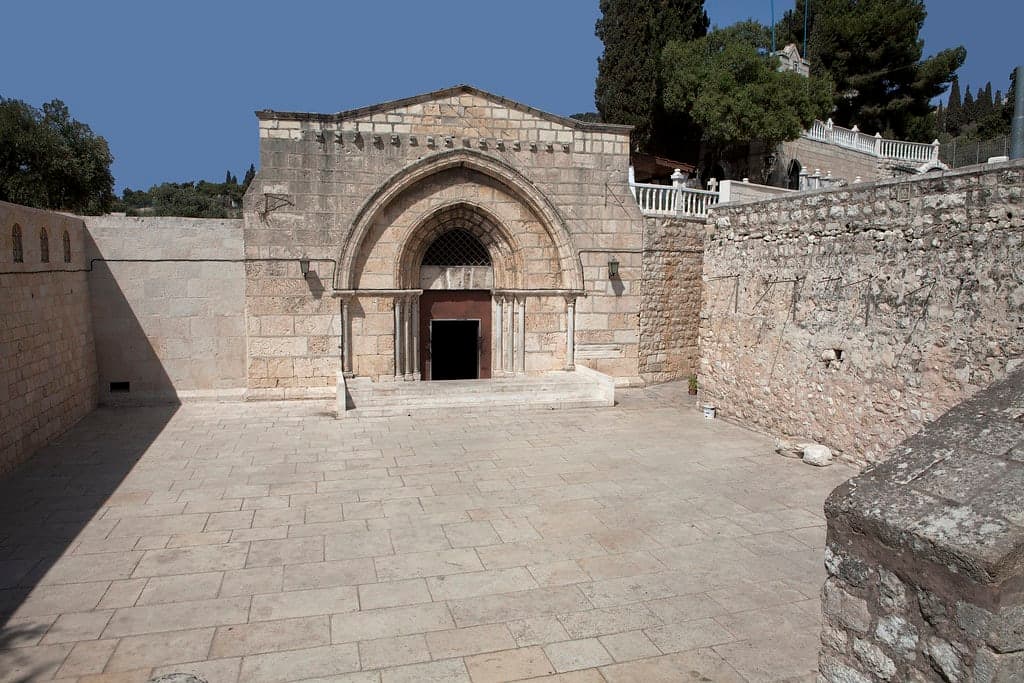
Tomb of Mary, Valley of Cedron, Jerusalem, Israel
Jerusalem, Jerusalem District, Israel
21.8 km away
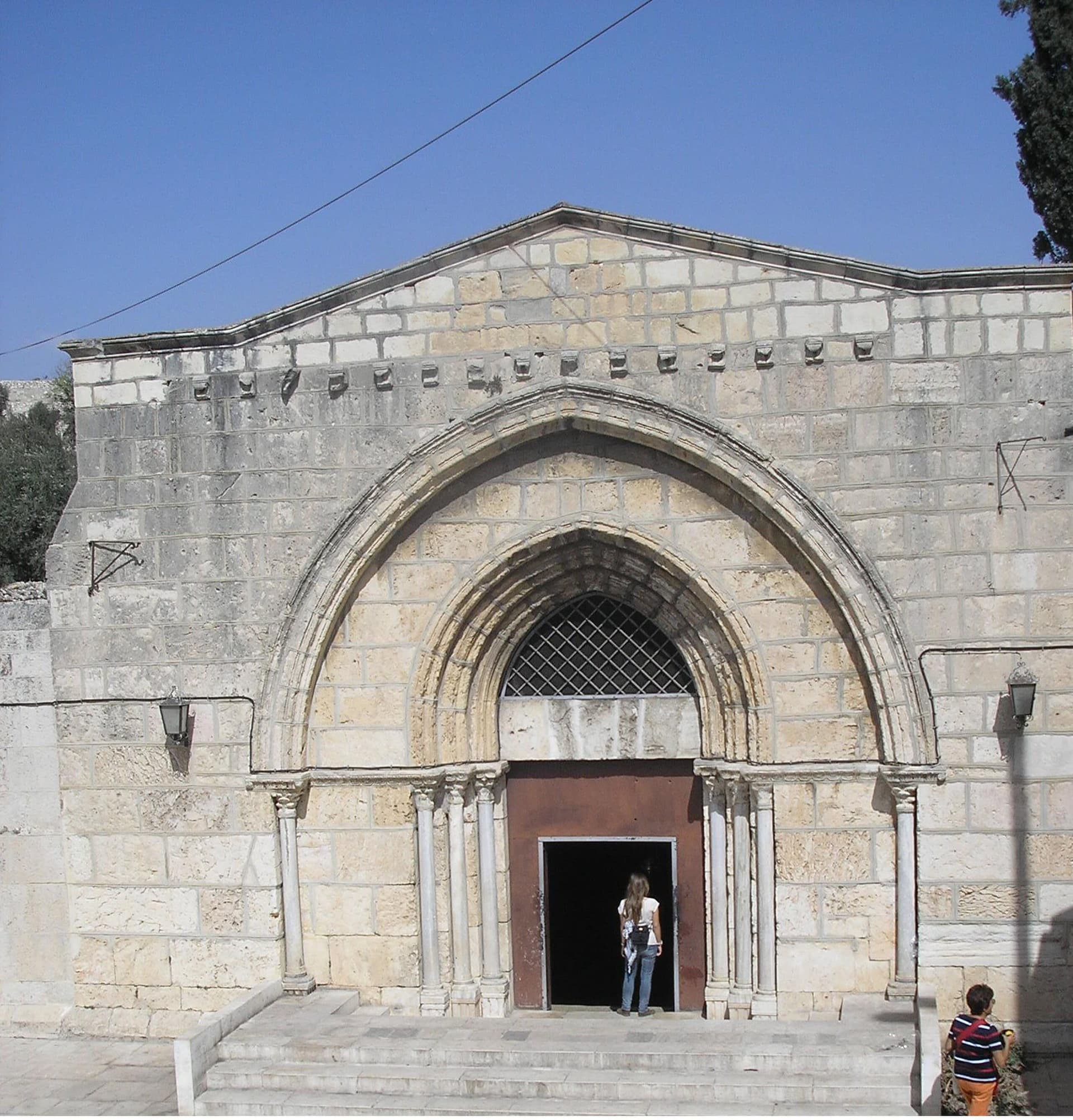
Tomb of the Virgin
Jerusalem, Jerusalem District, Israel
21.8 km away
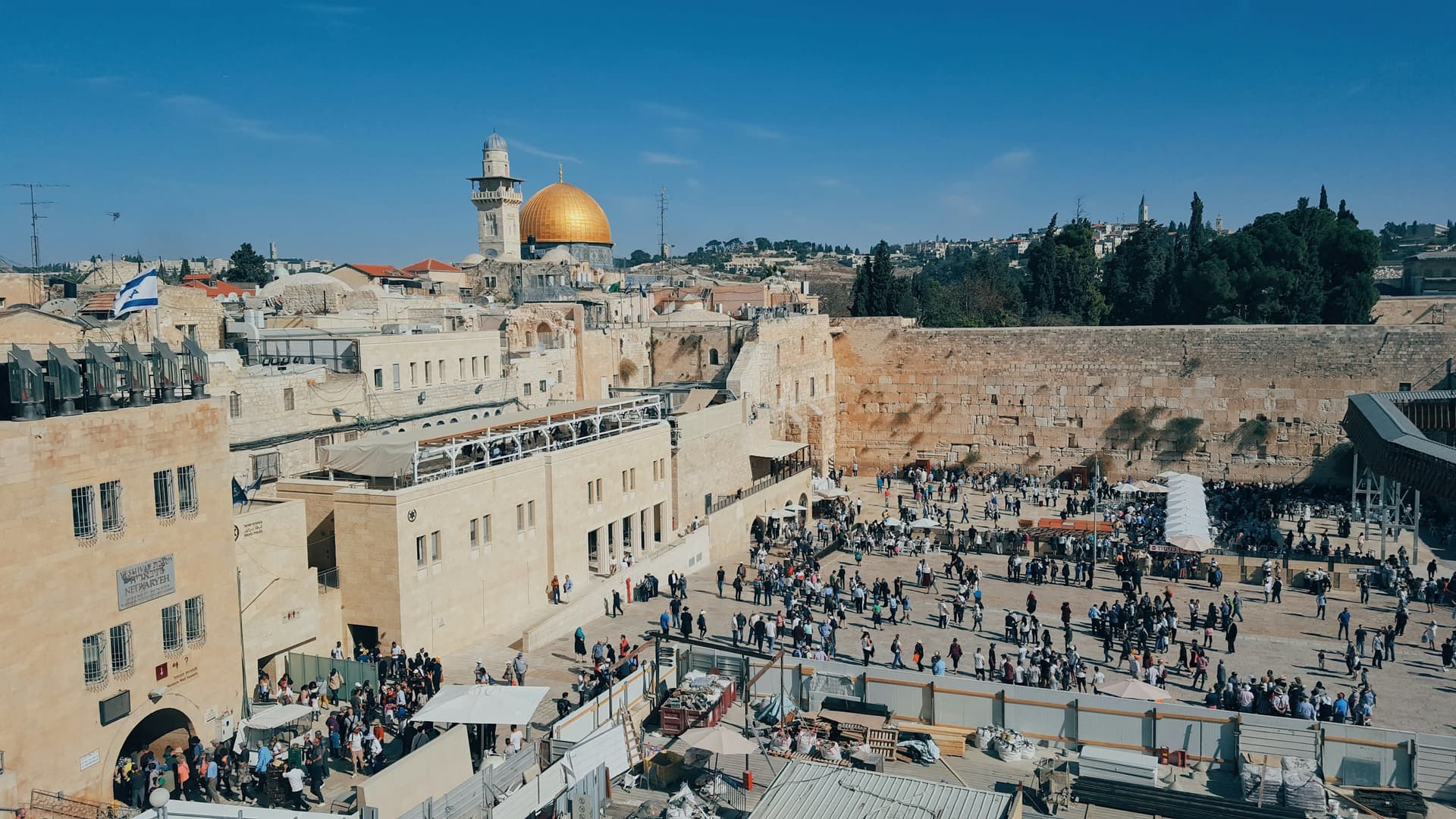
Western Wall
Jerusalem, Jerusalem, Israel
22.4 km away
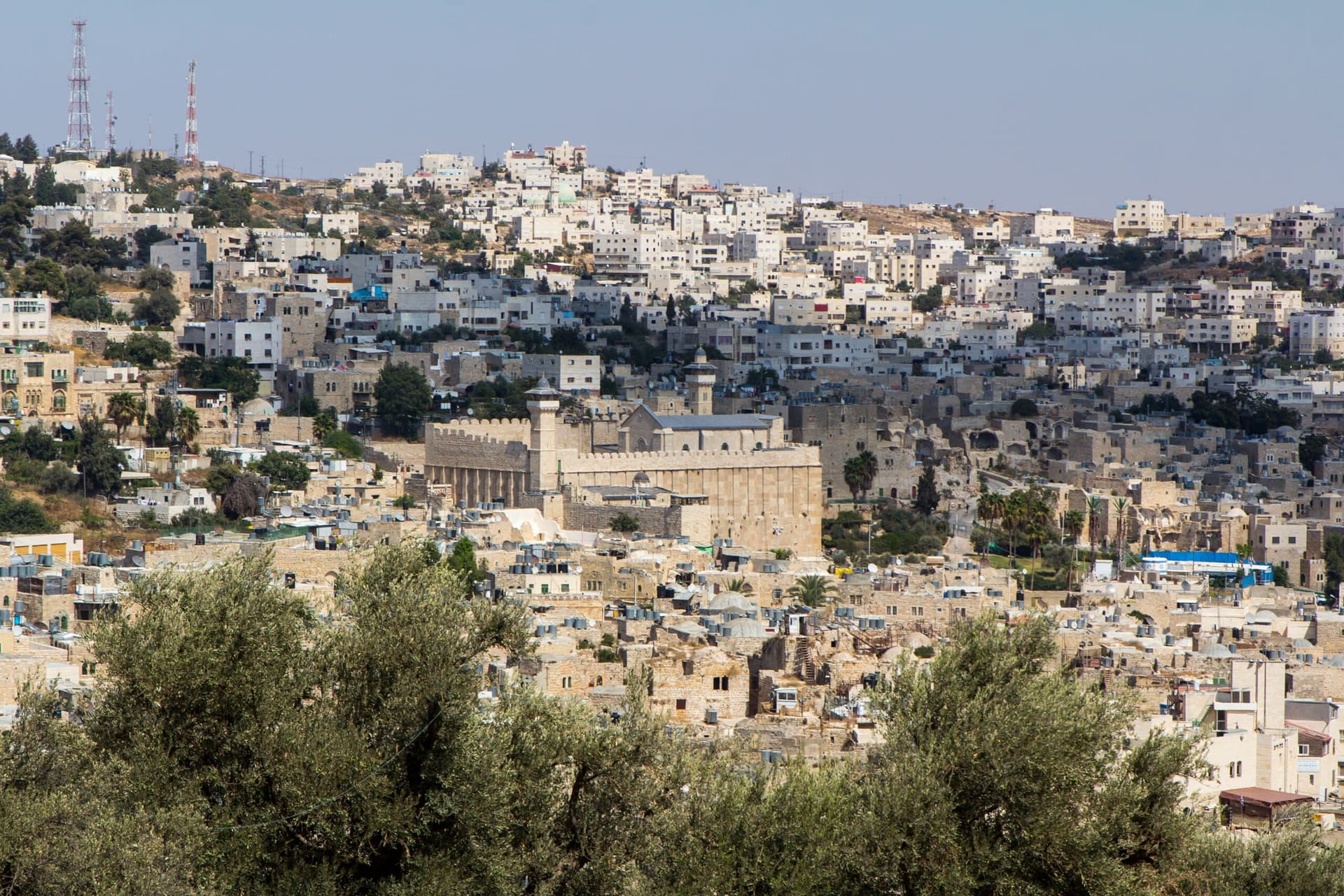
Hebron/Al-Khalil Old Town
Hebron, Judea and Samaria, Palestinian Territories
49.8 km away