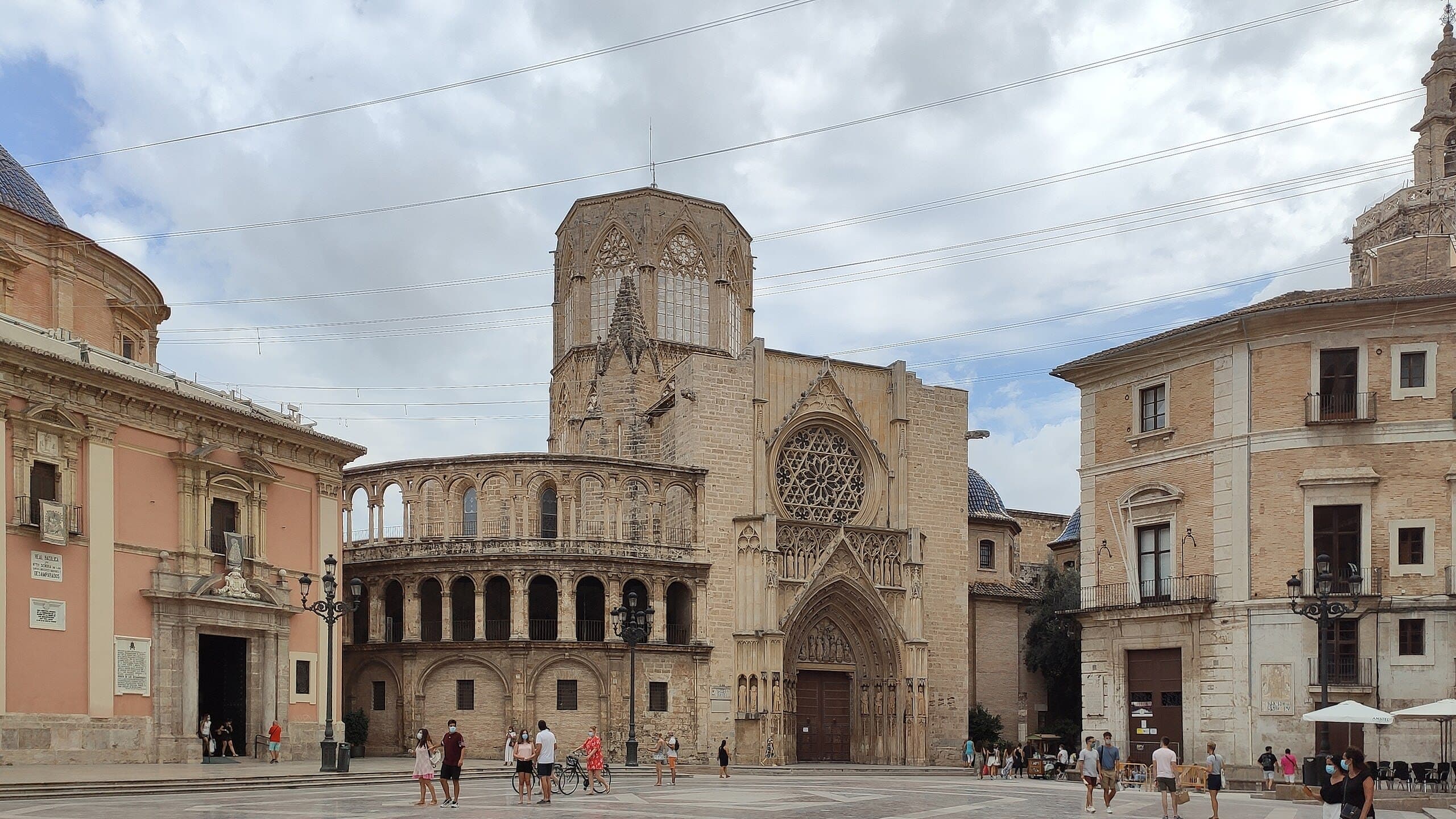
Valencia, Valencia Cathedral, Chalice of the Holy Grail
Where a first-century agate cup waits behind glass, and the Grail legend meets living liturgy
Valencia, Valencian Community, Spain
At A Glance
- Coordinates
- 39.4756, -0.3752
- Suggested Duration
- One to two hours for the cathedral, Holy Grail chapel, and Miguelete Tower. A half-day if combined with the surrounding historic center including the nearby Basilica de la Virgen de los Desamparados. The Camino del Santo Grial pilgrimage takes approximately twenty-two days on foot from San Juan de la Pena.
- Access
- Located at Plaza de la Reina in the heart of Valencia's old city. Easily accessible on foot from most central locations. Metro and bus connections throughout the city. Valencia has an international airport (VLC) and high-speed AVE train connections to Madrid (approximately 1.5 hours) and Barcelona (approximately 3 hours). Entrance fee approximately 7-10 euros including audio guide. Mobile phone signal is available throughout the cathedral and surrounding area. The cathedral has some accessibility provisions; contact the cathedral office for current arrangements for visitors with mobility needs.
Pilgrim Tips
- Located at Plaza de la Reina in the heart of Valencia's old city. Easily accessible on foot from most central locations. Metro and bus connections throughout the city. Valencia has an international airport (VLC) and high-speed AVE train connections to Madrid (approximately 1.5 hours) and Barcelona (approximately 3 hours). Entrance fee approximately 7-10 euros including audio guide. Mobile phone signal is available throughout the cathedral and surrounding area. The cathedral has some accessibility provisions; contact the cathedral office for current arrangements for visitors with mobility needs.
- Modest attire appropriate for an active Catholic cathedral. Shoulders and knees should be covered. No beach attire despite Valencia's warm climate.
- Photography is generally permitted inside the cathedral but may be restricted during services. Flash photography is discouraged near artworks and the Santo Caliz. The chalice can be photographed through its display case. Professional equipment requires advance permits.
- The Santo Caliz is displayed behind protective glass and cannot be touched. Tourist access may be limited during active worship times. The cathedral charges an entrance fee of approximately seven to ten euros, which includes an audio guide. Services and special events may close certain areas without advance notice.
Overview
Valencia Cathedral houses the Santo Caliz, a dark agate cup dated to 100-50 BCE that the Catholic Church considers the most credible candidate for the cup of the Last Supper. Two popes have celebrated Mass using it. The cathedral itself layers Visigothic, Islamic, and Gothic sacred architecture, while at its door, a thousand-year-old Water Tribunal still convenes every Thursday at noon.
The cup is smaller than you expect. Behind protective glass in its chapel within Valencia Cathedral, the Santo Caliz sits on a shelf of medieval goldsmiths' work, its handles and base added centuries after the dark brown agate cup was carved in workshops near Antioch or Alexandria around 100-50 BCE.
The claim is extraordinary: that this object was held by Jesus of Nazareth during the Passover meal that became the Last Supper. That Saint Peter brought it to Rome, where it was used by the early popes. That when persecution came, the deacon Lawrence sent it to his hometown of Huesca for safekeeping. That it survived the Moorish invasion in Pyrenean cave sanctuaries and monasteries. That it passed through the hands of Aragonese kings before arriving in Valencia in 1437.
No documentary evidence bridges the gap between the first century and the medieval period. The cup's antiquity is confirmed by archaeology; its identity as the Grail rests on tradition. And yet, two popes have celebrated Mass with it. Both John Paul II in 1982 and Benedict XVI in 2006 placed their hands on the agate and raised it in consecration, an act that stops short of formal authentication but carries unmistakable weight.
What the visitor encounters in the Chapel of the Holy Grail is not certainty but the full force of a two-thousand-year-old question held open. The cup is either the most sacred object in Christianity or a beautiful ancient vessel that attracted a legend. The cathedral holds both possibilities without resolving them, and the tension between the two is precisely what gives the encounter its power.
Context And Lineage
Valencia Cathedral has served as the seat of the Archbishop of Valencia since the Reconquista of 1238, built on a site with Visigothic Christian and Islamic precedents. The Santo Caliz arrived in 1437 and has been the subject of increasing scholarly and devotional attention, culminating in papal Masses celebrated with the cup in 1982 and 2006.
According to tradition, Saint Peter brought the cup used at the Last Supper from Jerusalem to Rome, where successive popes used it in liturgical celebration. In 258 CE, during Emperor Valerian's persecution of Christians, the deacon Lawrence, a native of Huesca in northern Spain, sent the chalice to his hometown for safekeeping. During the Moorish invasion of 711, the chalice was hidden in Pyrenean cave sanctuaries and monasteries, ultimately reaching the Monastery of San Juan de la Pena.
In 1399, King Martin I of Aragon obtained the chalice and brought it to his palace in Zaragoza. It passed through Barcelona before arriving at Valencia Cathedral in 1437, when King Alfonso the Magnanimous transferred it as part of a financial settlement with the Church. The chalice has remained in Valencia since, surviving the French occupation, the Spanish Civil War, and the vicissitudes of seven centuries.
The chalice's claimed lineage traces from the table of the Last Supper through the early popes of Rome, to Saint Lawrence, to the bishops of Huesca, through various Pyrenean monasteries including San Juan de la Pena, to the Crown of Aragon, and finally to Valencia Cathedral. The cathedral's own lineage encompasses Visigothic Christianity, the Islamic period, and the Reconquista, making the building itself a repository of layered sacred history. The Water Tribunal's lineage extends to the Islamic governance of water resources, preserved by the Christian conquerors as too valuable a tradition to abandon.
Saint Lawrence (San Lorenzo)
Deacon of Rome from Huesca who, according to tradition, sent the chalice to Spain for safekeeping during the Valerian persecution of 258 CE
King James I the Conqueror
Reconquered Valencia from the Moors in 1238 and ordered the cathedral's construction on the site of the former mosque
King Alfonso the Magnanimous
Transferred the Santo Caliz to Valencia Cathedral in 1437 as part of a financial settlement with the Church
Pope John Paul II
Celebrated Mass using the Santo Caliz during his visit to Valencia in 1982, the first papal use in modern times
Pope Benedict XVI
Celebrated Mass with the Santo Caliz in 2006, reinforcing papal recognition of the relic's significance
Why This Place Is Sacred
Valencia Cathedral derives its sacred quality from the convergence of an ancient relic of extraordinary claimed significance, a layered architectural history spanning Visigothic, Islamic, and Gothic periods, and living traditions including liturgical worship, the Grail pilgrimage, and the thousand-year-old Water Tribunal.
The cathedral occupies a site where sacred architecture has stood since before the Moorish period. Visigothic Christians worshipped here before 711. The space became a mosque under Islamic rule. When James I the Conqueror took Valencia in 1238, he rededicated it to the Virgin Mary and ordered a cathedral built. Each civilization constructed its own form of the sacred on the same ground, and echoes of each persist in the current building's architectural diversity: Romanesque elements from the earliest construction, dominant Gothic structure, a Renaissance-era inner chapel, and the dramatic Baroque main door added in 1703.
Into this palimpsest of sacred architecture, the Santo Caliz arrived in 1437. The Chapel of the Holy Grail, established in its current form in 1916, is smaller and more intimate than the chapel's significance might suggest. The agate cup sits at eye level, close enough that visitors can study the dark stone, the gold mounting, the carved base with its Arabic-inscribed setting. The proximity is part of the effect: this is not a distant relic viewed across a vast nave but an object you could, were the glass removed, hold in your hands.
The Water Tribunal adds an unexpected dimension to the cathedral's sacred character. Every Thursday at noon, nine elected representatives of the irrigation communities gather at the Door of the Apostles to resolve water disputes orally, in Valencian language, following a protocol unchanged for over a thousand years. The proceedings are open, immediate, and without appeal. Watching the tribunal, one witnesses a form of living sacredness that has nothing to do with relics or liturgy: the sanctification of communal justice, held in place by the cathedral's presence.
The Camino del Santo Grial pilgrimage route, extending 520 kilometers from the Monastery of San Juan de la Pena in the Pyrenees to Valencia, retraces the legendary journey of the chalice itself. Pilgrims walking this route carry the relic's story in their bodies, arriving at the cathedral having physically traversed the geography of the Grail's claimed provenance.
The site has held religious buildings since the Visigothic period. After the Reconquista, it served as the seat of the Archbishop of Valencia and the center of Catholic worship in the region. The arrival of the Santo Caliz in 1437 added the dimension of relic veneration, transforming the cathedral into a destination for pilgrims seeking encounter with what may be the most significant single object in Christian history.
From Visigothic church to mosque to Gothic cathedral, the site has been continuously reimagined while remaining a center of spiritual authority. The establishment of the Chapel of the Holy Grail in 1916, the recognition of the Camino del Santo Grial as a European Cultural Itinerary, and the papal celebrations using the chalice in 1982 and 2006 have progressively elevated the cathedral's international profile. The UNESCO inscription of the Water Tribunal in 2009 added a non-ecclesiastical dimension to the site's recognized heritage.
Traditions And Practice
Valencia Cathedral sustains the full cycle of Catholic liturgical life alongside specific practices centered on the Santo Caliz, including the Camino del Santo Grial pilgrimage route. The Water Tribunal, meeting every Thursday, adds a dimension of civic-sacred practice unique among European cathedrals.
The most extraordinary traditional practice is the papal celebration of Mass using the Santo Caliz itself. Both John Paul II in 1982 and Benedict XVI in 2006 performed this act, placing the ancient cup at the center of the Eucharistic liturgy. The Water Tribunal, which has met at the cathedral's Door of the Apostles every Thursday since at least the medieval period, represents a tradition of civic governance sanctified by its association with the sacred building.
The Feast of the Holy Chalice, celebrated on the last Thursday of October, brings specific liturgical attention to the relic within the broader cycle of cathedral worship.
Daily Masses anchor the cathedral in ongoing liturgical life. The Santo Caliz is publicly displayed year-round in the Chapel of the Holy Grail, accessible to all visitors during opening hours. The Camino del Santo Grial, a 520-kilometer pilgrimage route from San Juan de la Pena to Valencia established in 2002 and recognized as a European Cultural Itinerary, draws increasing numbers of walkers who retrace the legendary path of the chalice. Pilgrims collect stamps in their credentials along the route, arriving at the cathedral as the culmination of approximately twenty-two days of walking.
Special liturgical celebrations during Holy Week and major feast days bring the cathedral's devotional life to its fullest expression. The Water Tribunal continues every Thursday at noon, open to public observation, maintaining a form of communal practice that predates the cathedral's current walls.
Stand before the Santo Caliz and allow the full weight of the claim to settle. Do not rush to judgment about authenticity; let the tension between the archaeological evidence, the tradition, and the gap between them work on your thinking. Whether the cup is what the tradition claims or not, it has been the focus of profound devotion for centuries, and that accumulated regard is itself a form of sanctity.
If visiting on a Thursday, arrive at the Door of the Apostles before noon. The Water Tribunal is brief, conducted in Valencian, and may require some background reading to fully appreciate. But witnessing nine representatives resolve disputes about water using a protocol more than a thousand years old, in the shadow of a building that claims to house the cup of Christ, is to encounter the sacred in a form that most visitors never expect to find at a cathedral.
Veneration of the Santo Caliz (Holy Chalice)
ActiveThe Santo Caliz of Valencia is considered by the Catholic Church to be the most credible candidate for the cup used by Jesus at the Last Supper. Archaeological analysis dates the agate cup to approximately 100-50 BCE, consistent with first-century Palestinian use. Two popes have celebrated Mass using the chalice, and it is the only Grail claimant to have received such papal recognition.
The chalice is displayed year-round in the Chapel of the Holy Grail. Special veneration occurs on the last Thursday of October, the Feast of the Holy Chalice. The Camino del Santo Grial pilgrimage route (520 km from San Juan de la Pena to Valencia) was established in 2002 and recognized as a European Cultural Itinerary. Pilgrims collect stamps in their credentials along the route, culminating at the cathedral.
Cathedral worship and sacramental life
ActiveValencia Cathedral has served as the seat of the Archbishop of Valencia since 1238, representing over 780 years of continuous Christian worship on a site with even older Visigothic Christian roots. The cathedral's architectural diversity, spanning Romanesque, Gothic, Renaissance, and Baroque periods, embodies the persistence of sacred purpose across centuries of changing artistic expression.
Daily Masses and the full cycle of Catholic liturgical celebrations. Special services during Holy Week, Christmas, and major feast days. The cathedral houses significant artworks including paintings attributed to Goya, the arm of Saint Vincent Martyr, and other important relics. The Miguelete bell tower has called the faithful since the fourteenth century.
Tribunal de las Aguas (Water Tribunal)
ActiveEvery Thursday at noon, the Water Tribunal meets at the Door of the Apostles, continuing a tradition dating to the Islamic period (ninth to thirteenth centuries). Inscribed on UNESCO's Intangible Cultural Heritage list in 2009, it is one of the oldest functioning democratic institutions in Europe.
Nine syndics, elected from the irrigation communities, meet publicly at the cathedral door to resolve water disputes orally, in Valencian language, following a thousand-year-old protocol. Decisions are rendered immediately and without appeal. The proceedings are open to public observation.
Experience And Perspectives
Visitors consistently report a powerful emotional response upon viewing the Santo Caliz, amplified by the chapel's intimate scale. The architectural diversity of the cathedral, the panoramic views from the Miguelete Tower, and the living tradition of the Water Tribunal create a layered experience that extends well beyond relic veneration.
The Chapel of the Holy Grail catches many visitors off guard. After entering the cathedral through the grand Baroque portal and moving through the Gothic nave, the chapel is surprisingly contained, almost domestic in scale. The Santo Caliz rests behind glass at a height that places it in direct visual relationship with the viewer. The dark agate absorbs light rather than reflecting it, giving the cup a quality of density and age that photographs do not convey.
The moment of encounter is private even in a crowd. Each person standing before the glass must make their own reckoning with the claim: that this cup was present at the event Christians hold as the inauguration of their central sacrament. The archaeological dating is consistent. The provenance from the medieval period is documented. The gap between the first and fourteenth centuries is a void that neither faith nor scholarship can definitively fill. Standing before the chalice is standing before that void.
The Miguelete Tower, with its 207 steps spiraling upward, offers a physical counterpoint to the interior contemplation. From the top, Valencia spreads below in a geometry of old city and new, the cathedral's own roof visible from above, placing the visitor in a relationship of overview rather than enclosure. The climb is its own form of pilgrimage, the effort rewarded not by a relic but by perspective.
On Thursdays, the Water Tribunal transforms the cathedral's exterior into a stage for living tradition. Nine men in black smocks sit in a semicircle at the Door of the Apostles and conduct proceedings that predate the current building. Witnessing this is to encounter the sacred in its most pragmatic form: the shared governance of water, the substance of life, conducted in the shadow of a building that claims to house the cup of Christ.
Begin at the Chapel of the Holy Grail. Allow yourself adequate time in the intimate space rather than rushing through on a circuit of the cathedral. After the chalice, explore the cathedral's architectural diversity, noticing how each style represents a different era's understanding of sacred space. If visiting on a Thursday, arrive at the Door of the Apostles before noon to witness the Water Tribunal. End with the Miguelete Tower climb, which provides both physical engagement and the broadest perspective on the cathedral's place in the city.
The Santo Caliz of Valencia occupies a unique position where archaeological evidence, religious tradition, literary legend, and personal encounter converge. Each lens reveals something different about what rests behind the glass in the Chapel of the Holy Grail.
Archaeological analysis confirms the agate cup dates to approximately 100-50 BCE, consistent with stone vessels used in first-century Palestinian Jewish dining. The documented provenance from the medieval period is well-established through royal archives and church records. However, the gap between the first century and the earliest documented mention creates an unprovable chain of custody. Most scholars accept the cup's antiquity while remaining cautious about definitively linking it to the Last Supper. The chalice remains the only Grail claimant to receive significant papal endorsement through liturgical use, a distinction that carries weight regardless of one's position on ultimate authenticity.
The Catholic tradition holds that the Santo Caliz is the cup of the Last Supper, preserved through an unbroken chain of custodianship from Saint Peter through Saint Lawrence to the Pyrenean monasteries and the Crown of Aragon. The papal celebrations using the chalice in 1982 and 2006 constitute the strongest institutional endorsement any Grail claimant has received. For the faithful, the question of provenance is answered by faith supported by archaeology, and the experience of the Eucharist celebrated with the actual cup of the Last Supper represents the most direct possible connection to the founding event of Christian worship.
The literary tradition of the Holy Grail, originating with Chretien de Troyes in the twelfth century and developed through Arthurian romance, has created a separate mythological framework that sometimes intersects with the Santo Caliz claim. Some researchers propose that the Grail romances were inspired by knowledge of the Valencia chalice's existence in Pyrenean monasteries. Esoteric traditions associate the Grail with concepts of spiritual transformation, alchemical perfection, and divine feminine mysteries that extend well beyond the literal cup into the realm of symbol and archetype.
The critical gap in provenance between the first century and the medieval period cannot be bridged with current evidence. Whether the cup truly passed through Rome and was sent by Saint Lawrence to Huesca in 258 CE rests on tradition rather than documentation. The relationship between the physical Santo Caliz and the literary Grail tradition remains a subject of scholarly investigation. Why this particular cup attracted and maintained the Grail attribution is itself a mystery that archaeology alone cannot solve.
Visit Planning
Valencia Cathedral sits at the heart of the old city, easily accessible on foot from most central locations. The city is well connected by international airport, high-speed train, and major road networks. The cathedral charges a small entrance fee including audio guide.
Located at Plaza de la Reina in the heart of Valencia's old city. Easily accessible on foot from most central locations. Metro and bus connections throughout the city. Valencia has an international airport (VLC) and high-speed AVE train connections to Madrid (approximately 1.5 hours) and Barcelona (approximately 3 hours). Entrance fee approximately 7-10 euros including audio guide. Mobile phone signal is available throughout the cathedral and surrounding area. The cathedral has some accessibility provisions; contact the cathedral office for current arrangements for visitors with mobility needs.
Valencia offers extensive accommodation in all categories, from historic city-center hotels to modern apartments. The old city provides the most atmospheric base for visiting the cathedral and surrounding sites. During Fallas festival (March) and major holidays, booking well in advance is essential.
Valencia Cathedral is the active seat of an archbishop and a functioning place of worship. Visitors should conduct themselves with the awareness that they are entering a community's spiritual home, not merely a museum.
The cathedral's dual function as worship space and tourist attraction creates moments of tension. When services are in progress, the atmosphere shifts from heritage site to sacred precinct. Read the room when you enter: if Mass is being celebrated, your role changes from visitor to witness. Move to the periphery, lower your voice, and allow the liturgy its space.
In the Chapel of the Holy Grail, the intimate scale demands particular restraint. Extended photography sessions, loud conversations, and rushing through the space diminish the experience for others who may have traveled great distances or walked hundreds of kilometers to stand before the chalice. Allow each person their moment with the cup.
The Water Tribunal is a public proceeding and may be observed freely, but it is not a performance staged for tourists. The syndics are conducting real governance. Maintain the respectful distance and silence you would offer any judicial proceeding.
Modest attire appropriate for an active Catholic cathedral. Shoulders and knees should be covered. No beach attire despite Valencia's warm climate.
Photography is generally permitted inside the cathedral but may be restricted during services. Flash photography is discouraged near artworks and the Santo Caliz. The chalice can be photographed through its display case. Professional equipment requires advance permits.
Candles can be lit in the cathedral. Donations are welcomed for cathedral maintenance and restoration.
Silence and reverence expected during services. The Santo Caliz is behind protective glass and cannot be touched. Tourist access may be limited during active worship. No food or drink inside the cathedral.
Sacred Cluster
Nearby sacred places create the location cluster described in the growth plan. This block is intentionally crawlable and links into the wider regional graph.
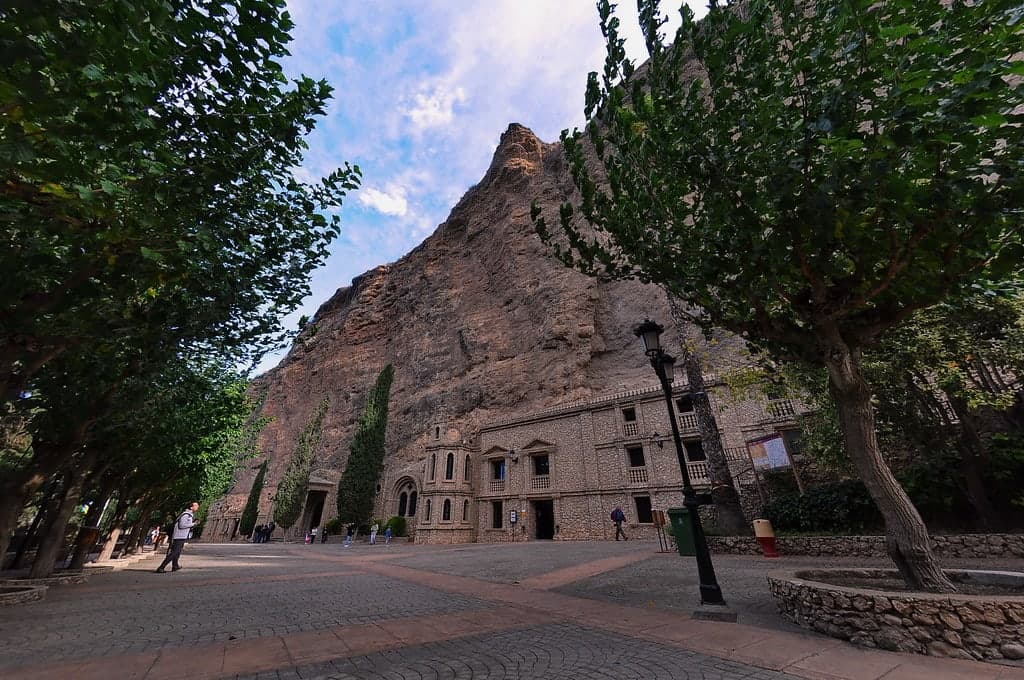
Santuario Virgen de la Esperanza
Calasparra, Region of Murcia, Spain
177.8 km away
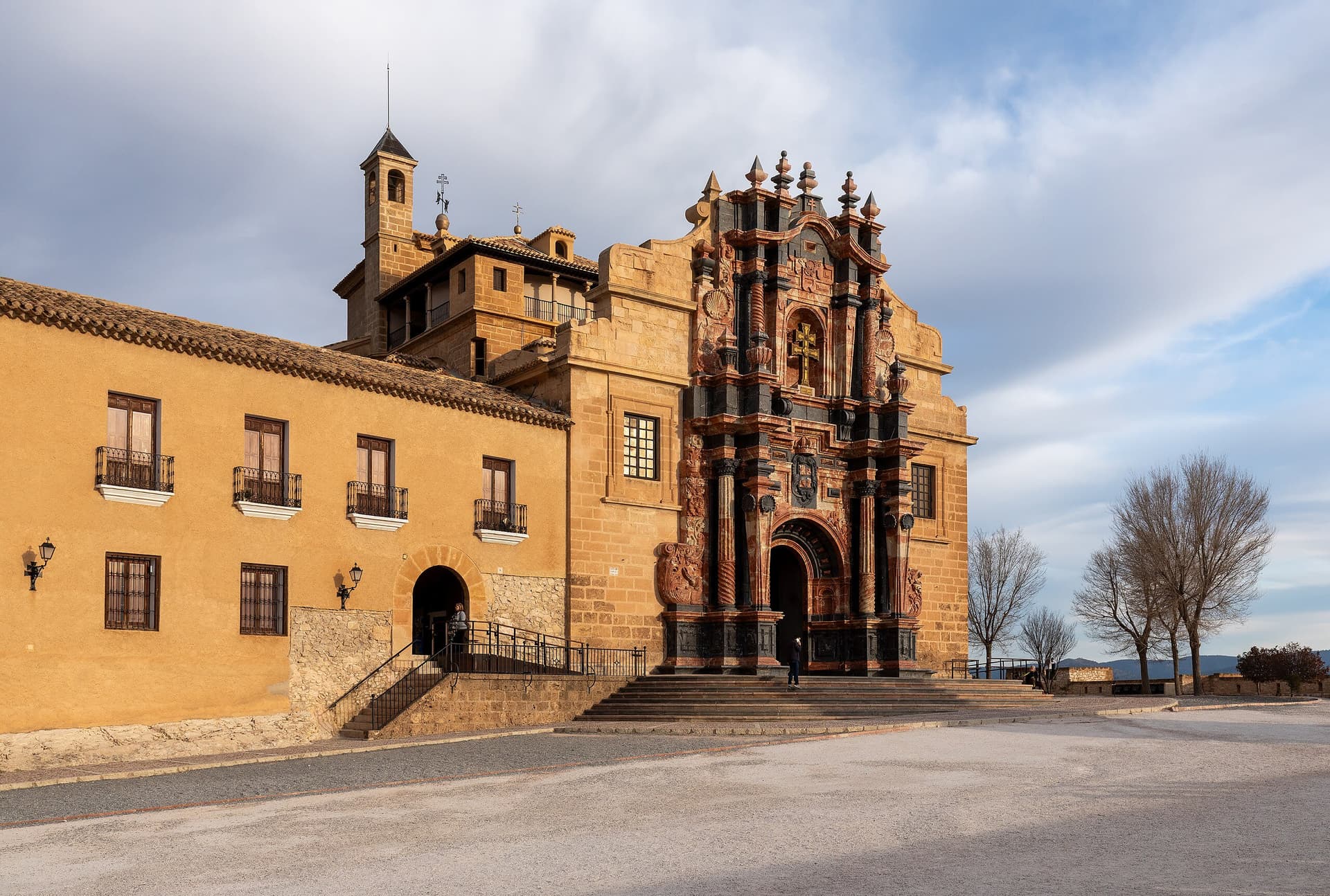
Basilica Shrine of Caravaca de la Cruz, Spain
Caravaca de la Cruz, Region of Murcia, Spain
199.2 km away
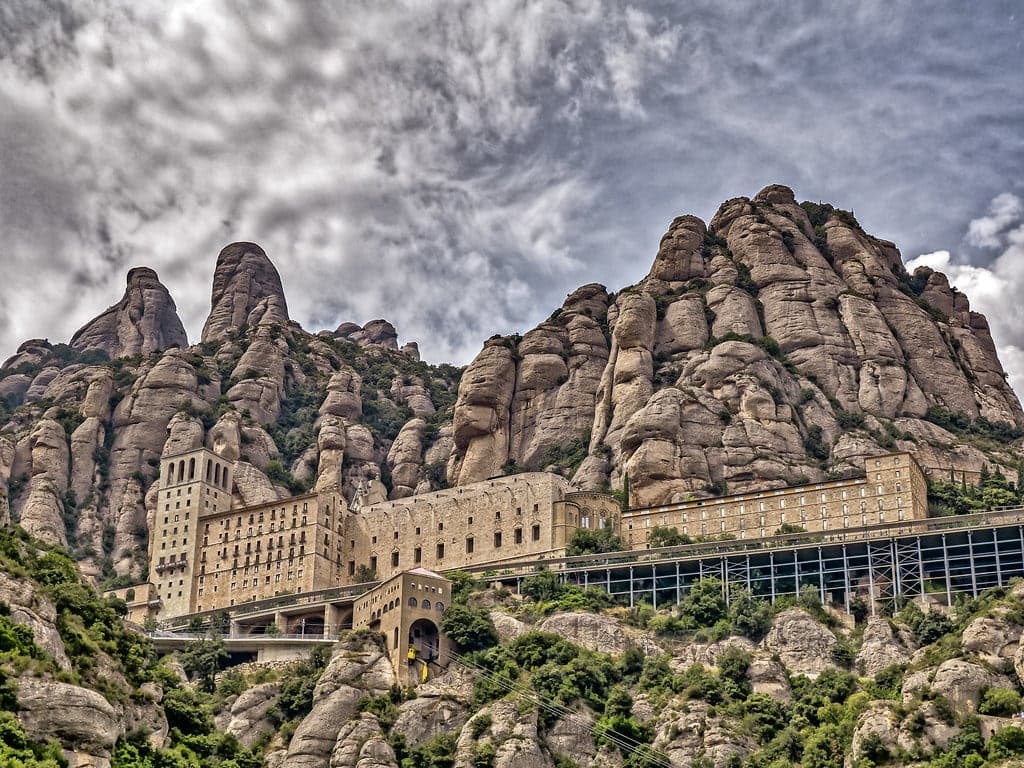
Santa Maria de Montserrat Abbey
Monistrol de Montserrat, Catalonia, Spain
300.7 km away
Our Lady of Atocha
Madrid, Community of Madrid, Spain
302.4 km away