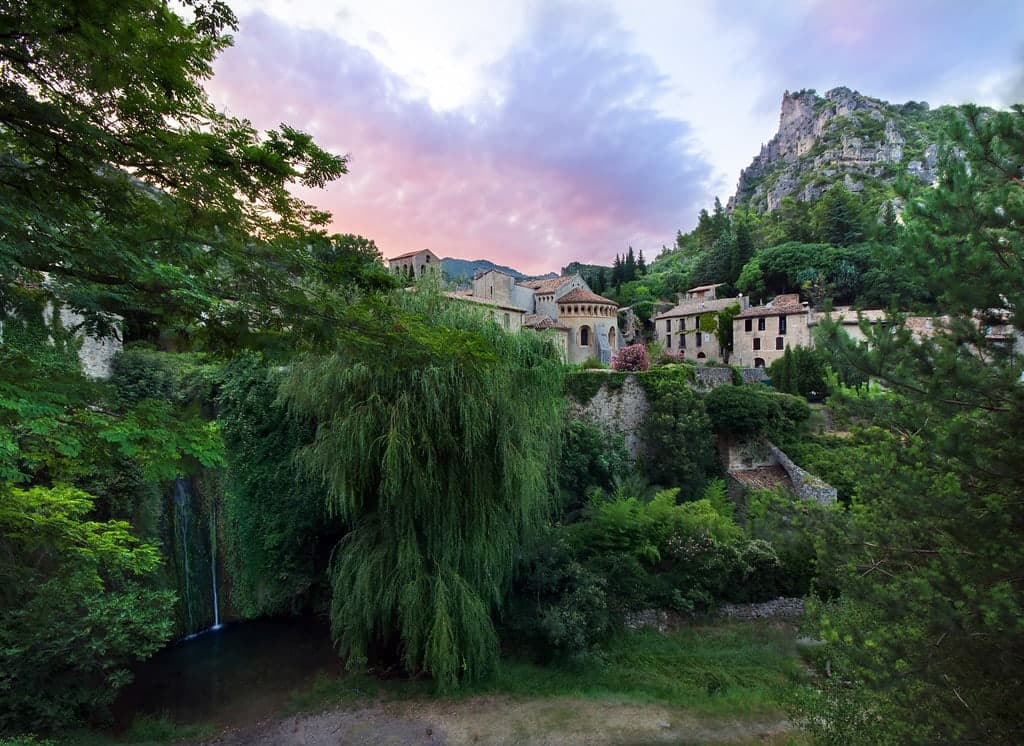
St. Guilhem le Desert
Where Charlemagne's knight laid down his sword to seek God
Saint-Guilhem-le-Désert, Occitania, France
At A Glance
- Coordinates
- 43.7342, 3.5478
- Suggested Duration
- 2-3 hours for village and abbey.
Pilgrim Tips
- Modest dress in the church.
- Generally permitted outdoors; check policies in the museum.
- The village is popular; timing affects the quality of experience. The approach road is narrow.
Overview
In 804, Guillaume—Count of Toulouse, Duke of Aquitaine, grandson of Charles Martel, knight of Charlemagne—retired to a desert valley to found a monastery. He brought a relic of the True Cross, a gift from the emperor. He died a monk in 812. For over 1,200 years, pilgrims on the road to Santiago have stopped here to honor a warrior who chose peace.
Saint-Guilhem-le-Désert is a medieval village frozen in amber, tucked into a remote gorge of the Hérault River. At its heart stands the Abbey of Gellone, founded in 804 by a man whose transformation from warrior to monk became the subject of epic poetry.
Guillaume (Guilhem in Occitan) was grandson of Charles Martel, the commander who stopped the Muslim advance at Tours in 732. Guillaume himself fought the Moors in the Spanish marches, a hero in the wars that shaped medieval Europe. But in 804, at the height of his power, he retired to this uninhabited valley—this 'desert'—to seek God.
Charlemagne gave Guillaume a relic of the True Cross for his new foundation. The abbey prospered. Guillaume died in 812 and was canonized in 1066, after which the village was renamed in his honor. The abbey became a major stop on the Via Tolosana, one of the four pilgrimage routes to Santiago de Compostela.
Today the village remains remarkably preserved—a UNESCO World Heritage site where medieval streets lead to the Romanesque abbey church. The True Cross relic is still displayed. Pilgrims on the Camino still pass through, following paths worn smooth by 1,200 years of footsteps.
Guillaume's story resonates across time: the possibility of transformation, of laying down power to seek something deeper. His choice of this remote valley—deliberately difficult to reach, deliberately withdrawn—embodies the spiritual geography of pilgrimage itself.
Context And Lineage
A warrior's transformation into a monk created a pilgrimage destination that has endured for 1,200 years. The abbey Guillaume founded holds the True Cross relic he received from Charlemagne.
Guillaume was born into Europe's most powerful family. His grandfather was Charles Martel, who stopped the Muslim advance at Tours. His cousin was Charlemagne. Guillaume himself served as Count of Toulouse and Duke of Aquitaine, fighting in the wars that established the Carolingian empire.
In 804, Guillaume retired from public life. He chose an uninhabited valley in what is now the Hérault department—so remote it was called a 'desert.' Here he founded the Abbey of Gellone and took monastic vows. Charlemagne gave him a relic of the True Cross for the new foundation.
Guillaume died in 812. His story entered the epic poetry of the Middle Ages, particularly the Chanson de Guillaume. In 1066, he was canonized, and the village was renamed Saint-Guilhem-le-Désert in his honor.
By the tenth century, the abbey had become a major stop on the Via Tolosana pilgrimage route. Pilgrims came to venerate Guillaume's relics and the True Cross. The wealth brought by pilgrims funded the Romanesque rebuilding visible today.
The abbey was Benedictine until the Revolution. The church now serves as a parish. The site is inscribed as part of the UNESCO World Heritage Routes of Santiago de Compostela in France.
Saint Guillaume (Guilhem)
Founder
Charlemagne
Patron
Why This Place Is Sacred
The transformation of a warrior into a monk, the presence of the True Cross, and 1,200 years of pilgrimage create layered sacredness. Guillaume's story of conversion gives the place its particular power.
The thin quality at Saint-Guilhem-le-Désert emerges from a story made stone. Guillaume was not born to monasticism; he was born to power and violence. Grandson of Charles Martel, cousin of Charlemagne, Count of Toulouse and Duke of Aquitaine—his was a life of command, of armies, of the brutal realities of eighth-century warfare.
And then he stopped. At the height of his power, he withdrew to a valley so remote it was called a desert. He founded a monastery. He took the monastic vow. He died within the walls he had built, having spent his final eight years in the rhythm of prayer that replaced the rhythm of war.
The True Cross relic connects this transformation to the central mystery of Christianity. Charlemagne's gift was no ordinary present; it was a piece of the instrument of Christ's death and resurrection. Guillaume brought this relic to his desert, placing at the heart of his new life a reminder of the ultimate laying down of power.
Pilgrims have walked through this valley for 1,200 years. The Via Tolosana passes through, one of the four major routes to Santiago de Compostela. Each pilgrim who has walked these paths has added something to the accumulation of intention and prayer that fills the narrow streets.
The preserved medieval village amplifies the effect. Unlike sites that have been rebuilt or modernized, Saint-Guilhem looks much as it did centuries ago. Walking these streets is walking where pilgrims have always walked. The stones remember.
Guillaume's conversion offers pilgrims a model: transformation is possible; another life is possible; laying down whatever binds you is possible. The thin quality here is the thin quality of possibility itself.
Guillaume founded the Abbey of Gellone in 804 as a place of monastic retreat after his warrior career. Charlemagne endowed it with a True Cross relic.
Guillaume was canonized in 1066, and the village was renamed in his honor. The abbey became a major pilgrimage station. The site is now inscribed as part of the UNESCO World Heritage Routes of Santiago de Compostela.
Traditions And Practice
The abbey maintains regular Catholic worship. Camino pilgrims receive credential stamps. The True Cross relic draws devotion. Guillaume's story invites reflection on transformation and conversion.
Medieval pilgrims came to venerate Guillaume's relics and the True Cross. The abbey was a major station on the Via Tolosana pilgrimage route.
Regular masses continue. Camino pilgrims walking the Via Tolosana pass through and receive credential stamps. The museum displays the True Cross relic. The village draws both pilgrims and tourists seeking medieval authenticity.
Walk the streets slowly, understanding that your footsteps follow 1,200 years of pilgrims. Enter the abbey and sit where Guillaume prayed. Visit the museum to see the True Cross relic. Consider what Guillaume's transformation might mean for your own life.
Roman Catholicism / Santiago Pilgrimage
ActiveThe abbey has been a pilgrimage station for 1,200 years, honoring a saint whose transformation from warrior to monk represents one of the great conversion stories of the medieval world.
Veneration of the True Cross, pilgrimage on the Via Tolosana, mass and worship, credential stamping for Camino pilgrims.
Experience And Perspectives
A preserved medieval village surrounding a Romanesque abbey in a dramatic river gorge. Walk streets little changed since the Middle Ages, enter the abbey where Guillaume died, and see the True Cross relic. The setting is as powerful as the history.
Saint-Guilhem-le-Désert lies at the end of a winding road through the Hérault Gorge, about forty kilometers northwest of Montpellier. The approach is dramatic—the road follows the river through increasingly narrow passages until the village appears, medieval towers rising above the gorge.
Park outside the village (parking is limited and controlled) and walk in. The streets are narrow, paved in ancient stone, lined with houses that have stood for centuries. This is one of the 'Plus Beaux Villages de France,' but it is not prettified—it is preserved, which is different. The medieval reality remains.
The Abbey of Gellone stands at the village center. Enter the Romanesque church and find the proportions that medieval builders used to create sacred space: heavy columns, rounded arches, the weight of stone balanced by the lift of the clerestory. Guillaume died here in 812. Something of that presence persists.
The True Cross relic is displayed in the museum adjacent to the church. This piece of wood, tradition holds, was part of the cross on which Christ died—the gift Charlemagne gave to his knight. Whether or not the tradition is historical, the relic has focused devotion here for over 1,200 years.
Take time to walk the village, to sit in the shade of the plane trees, to let the atmosphere accumulate. The river flows below, cold and clear. The walls of the gorge rise around. Guillaume chose this place for its remoteness, its difficulty. To reach it is already a kind of pilgrimage.
The village is in the Hérault department, about 40 km northwest of Montpellier. Park in designated areas outside the village and walk in. The abbey is at the village center; the museum houses the True Cross relic.
Saint-Guilhem-le-Désert can be understood as a Romanesque architectural treasure, as a living Camino station, as a story of medieval conversion, or as a preserved glimpse of the world pilgrims have walked for over a millennium.
Architectural historians recognize the abbey as an important example of early Languedoc Romanesque. Guillaume's biography illustrates patterns of aristocratic piety and monastic foundation in the Carolingian period.
Within Catholic tradition, Saint Guillaume exemplifies the conversion from worldly glory to spiritual seeking. His story offers a model for transformation.
The True Cross relic has attracted interest from those exploring medieval relic traditions. Guillaume's warrior-monk pattern has Templar resonances.
The authenticity and full history of the True Cross relic. Guillaume's exact motivations for his dramatic life change. The extent of medieval pilgrimage traffic.
Visit Planning
Located in the Hérault department, about 40 km northwest of Montpellier. Best reached by car through the dramatic Hérault Gorge. Parking controlled; walk into the village. Allow 2-3 hours.
Limited accommodations in the village; more options in nearby towns.
Standard church etiquette in the abbey. Respect the village's quiet atmosphere. The site is both pilgrimage destination and living community.
Saint-Guilhem-le-Désert is a living village as well as a pilgrimage site. Residents live here year-round; respect their home as well as the sacred spaces.
Modest dress in the church.
Generally permitted outdoors; check policies in the museum.
Candles available in the church.
Some museum areas may restrict photography.
Sacred Cluster
Nearby sacred places create the location cluster described in the growth plan. This block is intentionally crawlable and links into the wider regional graph.
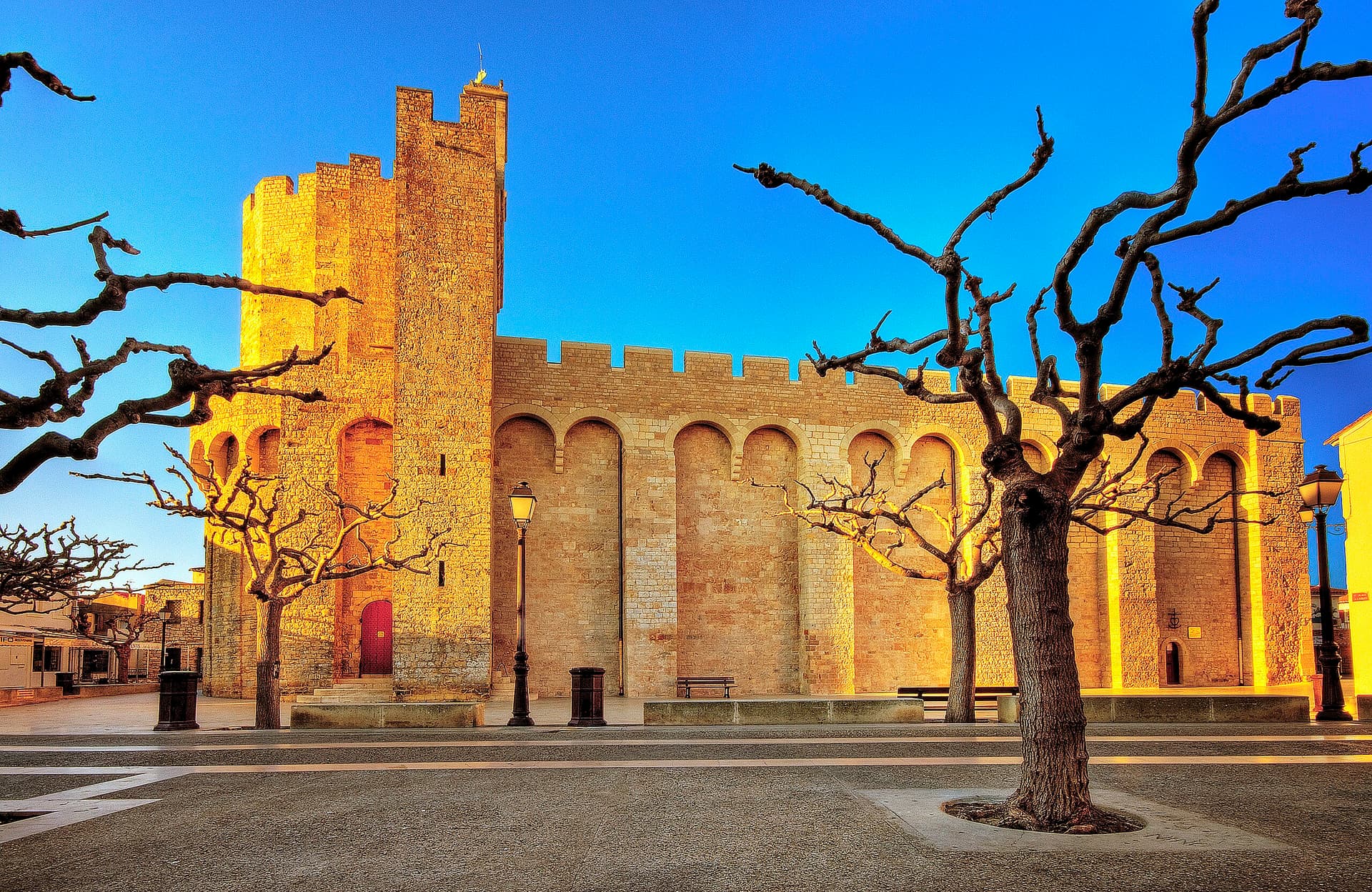
Church of the Saintes Maries de la Mer
Saintes-Maries-de-la-Mer, Provence-Alpes-Côte d'Azur, France
77.5 km away

Saint Sarah
Saintes-Maries-de-la-Mer, Provence-Alpes-Côte d'Azur, France
77.5 km away
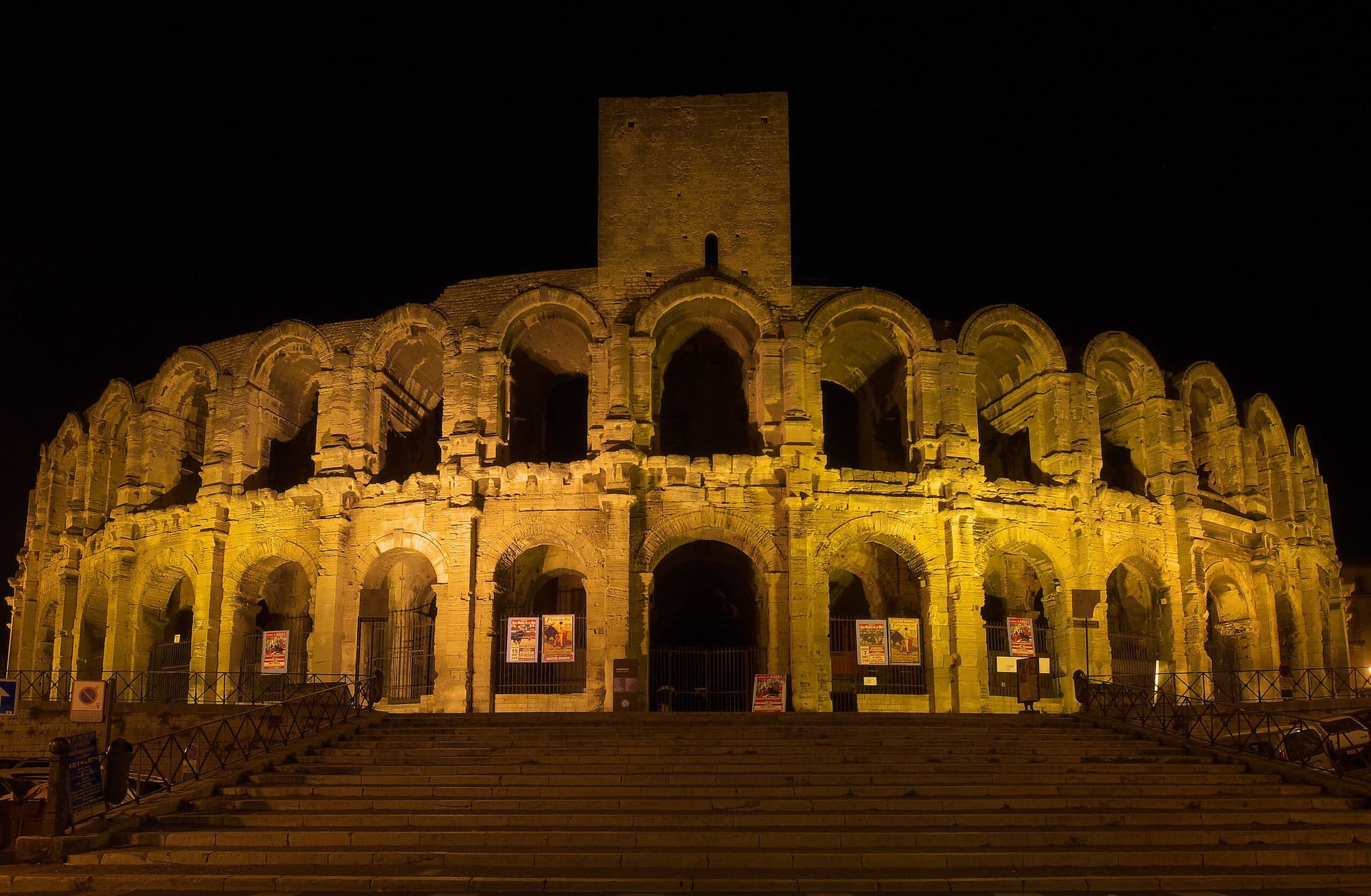
Arles
Arles, Provence-Alpes-Côte d'Azur, France
87.1 km away
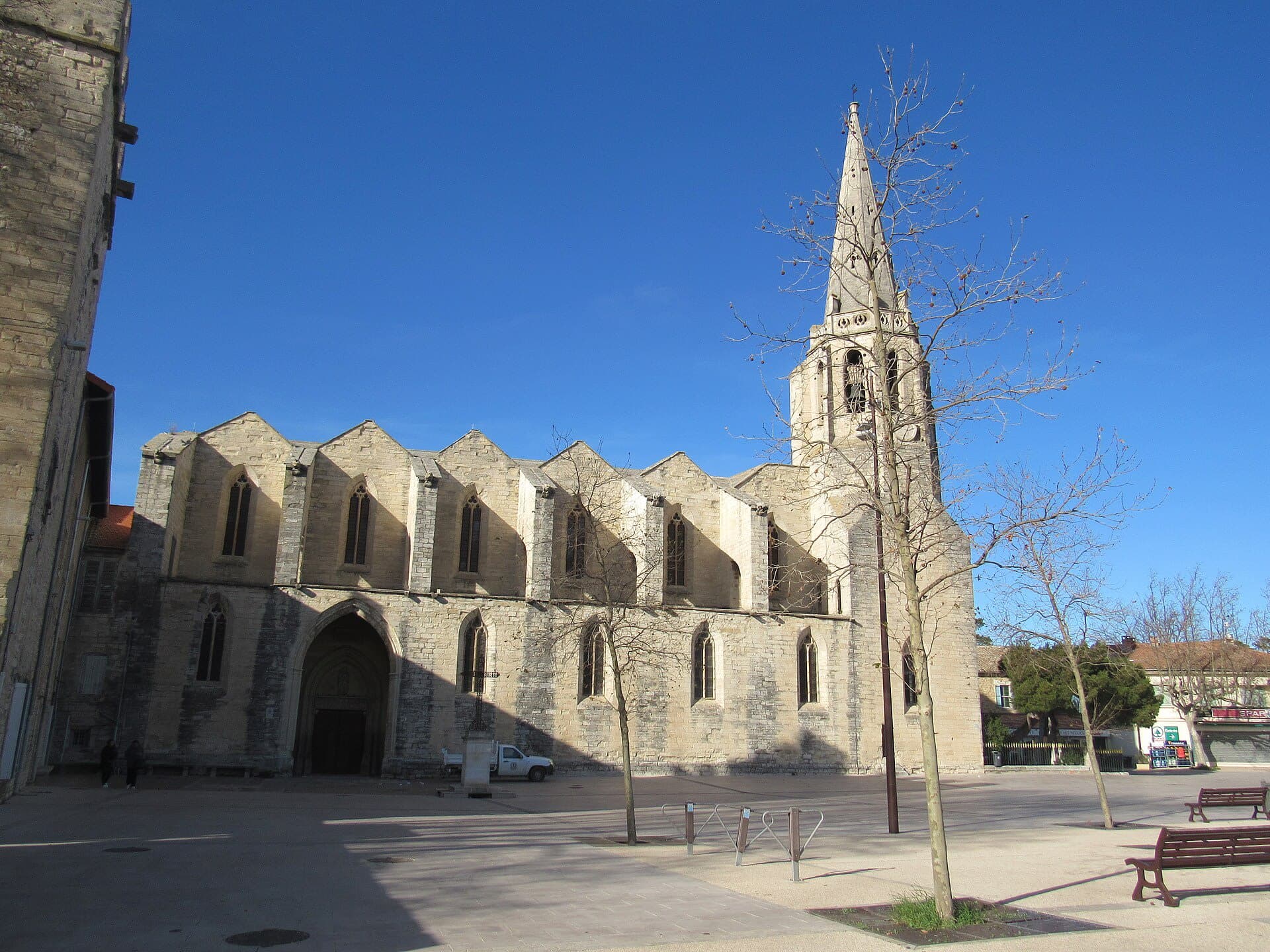
Church of Our Lady of Good Repos
Montfavet, Provence-Alpes-Côte d'Azur, France
105.6 km away