Sonohyan-utaki
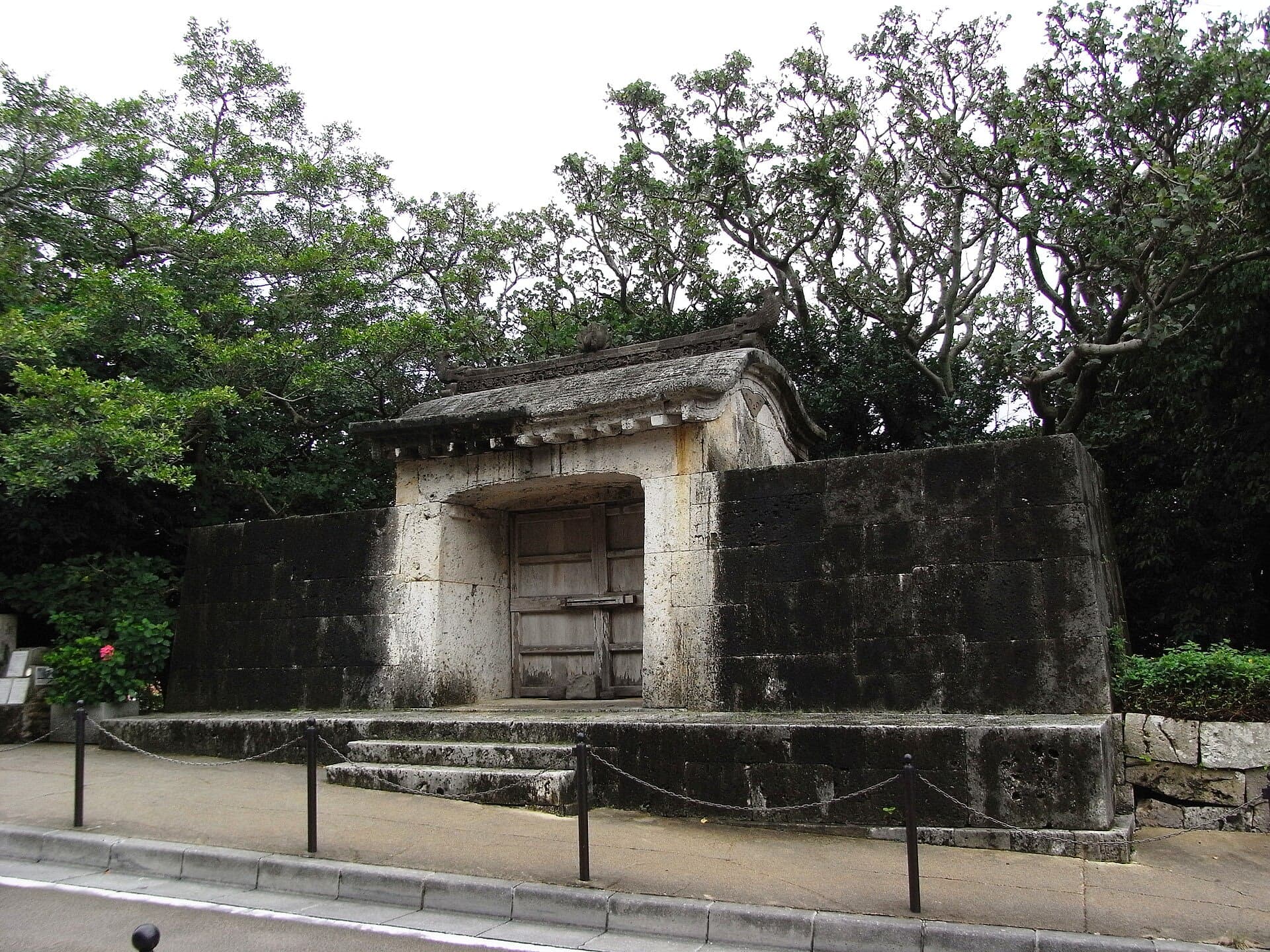
The prayer gate through which Ryukyuan kings sought divine protection before every journey
Naha, Okinawa Prefecture, Japan
At A Glance
- Coordinates
- 26.2181, 127.7174
- Suggested Duration
- A focused visit to Sonohyan-utaki requires 15-30 minutes. Most visitors combine this with a broader exploration of Shuri Castle, which can take 2-3 hours or more.
- Access
- Within Shuri Castle Park, the gate stands between Shureimon and Kankaimon (the main castle entrance). Access to the stone gate area is free, though admission is charged for Shuri Castle's interior. By public transport: Take the Okinawa Monorail (Yui Rail) to Shuri Station. From there, walk approximately 15 minutes to the castle complex. By car: Parking is available at Shuri Castle Park. The walk from the parking area passes through Shureimon to reach the stone gate.
Pilgrim Tips
- Within Shuri Castle Park, the gate stands between Shureimon and Kankaimon (the main castle entrance). Access to the stone gate area is free, though admission is charged for Shuri Castle's interior. By public transport: Take the Okinawa Monorail (Yui Rail) to Shuri Station. From there, walk approximately 15 minutes to the castle complex. By car: Parking is available at Shuri Castle Park. The walk from the parking area passes through Shureimon to reach the stone gate.
- No specific dress requirements apply. Respectful casual attire is appropriate. As an outdoor site within a larger tourist area, practical comfortable clothing is fine.
- Photography of the stone gate is permitted. Be mindful of people who may be praying and avoid including them in photographs without permission. The grove itself, while visible, should be photographed with the understanding that you are capturing a sacred space.
- Do not attempt to enter the grove behind the gate. The stone gate marks the boundary of sacred space that is not to be transgressed physically. Do not pass through the gate, even if it appears physically possible. Respect that this is an active place of worship, not merely a historical monument.
Overview
At the threshold of Shuri Castle, a coral limestone gate opens onto a sacred grove that cannot be entered. For five centuries, Ryukyuan kings prayed here before every journey beyond the palace walls, and here the High Priestess received her first blessing. The stone gate is not a passage for humans but a threshold for communication with the divine realm within. Today, practitioners still come to pray at this UNESCO World Heritage site where Ryukyuan spirituality persists.
Sonohyan-utaki stands as a portal between worlds, though not one you walk through. This coral limestone gate, elegant in its blend of Chinese and Japanese architectural influences, marks the entrance to a sacred grove where the deity Tanoue no Sonohiyabu dwells. For the rulers of the Ryukyu Kingdom, no journey outside Shuri Castle could begin without first praying here.
The concept of the utaki is central to Ryukyuan spirituality. An utaki is a sacred space where kami are believed to dwell or visit, a grove or enclosure that must not be desecrated by inappropriate entry. Sonohyan-utaki held supreme importance among these sites because of its location at the heart of royal power and its connection to the most significant rituals of the kingdom. When a new High Priestess, the Kikoe-ogimi, was invested with spiritual authority that paralleled the king's political power, she received her first blessing at this very gate.
The stone gate was constructed in 1519 by the master craftsman Nishito from Taketomi Island, on orders of King Sho Shin. Its design serves a theological purpose that visitors often find counterintuitive at first: this gate is not meant to be passed through. It stands as a permanent prayer threshold, an architectural embodiment of how Ryukyuan tradition understands sacred space as something approached with reverence but not transgressed.
Almost completely destroyed during the Battle of Okinawa in 1945, the gate was restored in 1957 and designated a UNESCO World Heritage Site in 2000 as part of the Gusuku Sites and Related Properties of the Kingdom of Ryukyu. Yet its significance is not merely historical. Local practitioners still come here to pray, maintaining a living connection to Ryukyuan spirituality that continues despite centuries of political change.
Context And Lineage
Sonohyan-utaki emerged from Ryukyuan religious tradition, which centers on the veneration of kami at sacred groves called utaki. The stone gate was built in 1519 to mark and formalize worship at a grove of supreme importance to the royal family.
The deity Tanoue no Sonohiyabu was brought to this site from Iheya Island, the ancestral homeland of the Sho royal dynasty. This practice of kanjo, transferring a deity from one location to another, established a direct spiritual connection between the kingdom's seat of power and its founding lineage. The specific traditions surrounding this deity remain part of Ryukyuan oral transmission rather than written documentation.
King Sho Shin, who reigned during the golden age of the Ryukyu Kingdom, commissioned the stone gate in 1519. This was a period of centralization and codification, when the kingdom consolidated both political power and religious authority at Shuri. The gate's construction formalized the site's importance while creating an architectural masterpiece that synthesized the cultural influences flowing through Okinawa from China, Japan, and indigenous tradition.
Ryukyuan indigenous religion developed independently from mainland Japanese Shinto, though parallels exist. The utaki tradition predates the formal establishment of the kingdom and represents indigenous Okinawan spirituality. The Kikoe-ogimi, the High Priestess who held spiritual authority parallel to the king's political power, headed a network of priestesses who maintained the kingdom's ritual life. This female religious authority distinguished Ryukyuan spirituality from many other traditions. While the formal kingdom structures ended with Japanese annexation in 1879 and the High Priestess institution no longer exists, utaki worship continues in contemporary Okinawa.
King Sho Shin
Commissioned the stone gate in 1519
Nishito
Master craftsman who built the gate
Kikoe-ogimi
High Priestess of the Ryukyu Kingdom
Why This Place Is Sacred
Sonohyan-utaki functions as a threshold between the human and divine realms. The stone gate marks the boundary beyond which lies sacred space, a grove where deity dwells. Its position at the entrance to Shuri Castle created a spiritual gateway that mirrored the physical gateway to royal power.
The concept of the thin place finds distinctive expression in Ryukyuan utaki. These are locations understood as points of contact between the human world and the realm of spirits, places where communication with kami becomes possible. Sonohyan-utaki exemplifies this understanding through its very architecture.
The stone gate's purpose clarifies the Ryukyuan concept of sacred boundary. Unlike Western gates designed for passage, this gate exists to establish relationship without transgression. The worshipper stands before it, directing prayers through the opening toward the deity within the grove. The gate is permeable to spiritual communication while remaining physically closed. This architectural theology creates a threshold that is permanently active, always maintaining the distinction between sacred and ordinary space while enabling their interaction.
The site's position between Shureimon and the main entrance to Shuri Castle placed it at a liminal point in the kingdom's sacred geography. Those approaching the seat of power passed through successive thresholds, each marking deeper entry into sanctified space. Sonohyan-utaki stood at the first of these transitions, where the royal precinct began and ordinary territory ended.
The connection to Iheya Island, the ancestral homeland of the Sho royal dynasty, adds another dimension of thinness. The deity enshrined here was brought from that island, creating a spiritual link across water and time. Standing before this gate, pilgrims connect not only to the grove before them but to the origins of royal lineage and the maritime world of Ryukyuan spirituality.
The utaki predates the stone gate, which was constructed in 1519. The site was already venerated as a sacred grove before King Sho Shin commissioned its architectural marking. The gate formalized and enhanced worship that was already occurring, creating a permanent structure for what had been a more organically defined sacred space.
The gate has survived conquest, integration into Japan, devastating war, and reconstruction. Its destruction during the Battle of Okinawa and subsequent restoration in 1957 demonstrate the persistence of its sacred character through radical historical change. UNESCO recognition in 2000 added international acknowledgment to its continuing local significance. Throughout these transformations, the site has maintained its function as an active place of worship in Ryukyuan tradition.
Traditions And Practice
Traditional practice centered on prayers for safe journeys and the investiture of the High Priestess. Today, local practitioners continue to pray at the gate, maintaining Ryukyuan spiritual tradition within a site that welcomes respectful visitors.
The kings of Ryukyu were required to pray at Sonohyan-utaki before any journey outside the castle walls. This practice bound royal travel to divine protection, acknowledging that the ruler's safety depended on powers beyond human control. The regularity of this requirement, applied to every departure, made the gate central to the rhythm of royal life.
The investiture of the High Priestess, the Kikoe-ogimi, incorporated this site into her initiation. Receiving her first blessing here connected the new priestess to the supreme utaki of the royal precinct and to the deity associated with the dynasty's origins. This ceremony established her authority within the kingdom's sacred geography.
Offerings and prayers to Tanoue no Sonohiyabu formed the ongoing devotional life of the site. The specific rituals are not fully documented in written sources, belonging instead to oral tradition and priestly knowledge that was disrupted by the kingdom's end.
Local practitioners continue to visit Sonohyan-utaki for prayer. The site remains active within Ryukyuan spiritual tradition, even as many visitors come primarily as tourists. Formal ceremonies may be conducted by religious practitioners at appropriate times. The continuation of worship here demonstrates the persistence of indigenous Ryukyuan spirituality despite historical disruption.
Visitors may observe the site respectfully and, if moved to do so, may offer prayers from outside the gate. Stand before the opening as Ryukyuan worshippers do, directing your attention toward the sacred grove within. Remember that the gate is a threshold for communication, not physical passage.
Observing local people at prayer offers insight into how the site continues to function. Maintain respectful distance. If you do not share the Ryukyuan tradition, you need not appropriate its specific practices, but the universal human capacity for reverent attention is always appropriate at sacred sites.
Ryukyuan indigenous religion
ActiveSonohyan-utaki represents one of the most important sites in Ryukyuan indigenous religion, a tradition centered on the veneration of kami at sacred groves called utaki. Its location at the entrance to Shuri Castle made it the spiritual gatekeeper of the kingdom. The High Priestess institution, which held spiritual authority parallel to the king's political power, incorporated this site into its most important ceremonies.
Prayer for safe journeys before departures from the castle. Investiture of the High Priestess with her first blessing. Ongoing worship directed through the gate toward the deity within the grove. Contemporary practitioners continue to visit for prayer and ritual observance.
Experience And Perspectives
Visitors encounter the gate within the approach to Shuri Castle, between Shureimon and the main entrance. The elegance of the coral limestone architecture, the sense of layered thresholds as one moves deeper into the castle precinct, and the sight of local people praying create a distinctive atmosphere.
The approach to Sonohyan-utaki unfolds naturally within a visit to Shuri Castle. After passing through Shureimon, the famous vermillion gate that has become an icon of Okinawa, visitors encounter the stone gate on their right. Its refined proportions and the coral limestone construction catch the eye, but understanding its purpose transforms observation into encounter.
The gate's materials deserve attention. Coral limestone gives the structure a warmth and texture different from the granite or wood of mainland Japanese sacred architecture. The blend of Chinese bracketing, Japanese roof forms, and indigenous Ryukyuan sensibility in a single structure speaks to the cultural synthesis that characterized the kingdom. Master craftsman Nishito came from Taketomi Island in the Yaeyama archipelago to create this work, bringing building traditions from the far reaches of the kingdom to its heart.
Many visitors observe local people praying at the gate. This transforms the site from historical monument to living sacred space. Watching someone direct prayers toward a gate they do not pass through illuminates the Ryukyuan understanding of utaki in ways that explanation alone cannot achieve. The gate functions as it was designed to function, five centuries after its construction.
The survival of this gate through the catastrophic destruction of 1945 carries its own emotional weight. Almost everything around it was destroyed. That it stands here now, restored but continuous with what King Sho Shin built, speaks to resilience both architectural and spiritual. The High Priestess institution no longer exists in its formal kingdom structure, but the gate still receives prayers.
Approach the gate as part of your Shuri Castle visit, but do not rush past it toward the more visually dramatic castle structures. Stand before it as Ryukyuan kings once stood, understanding that this is not a passage but a threshold for communication. The grove beyond is sacred space that visitors do not enter. If you witness local people praying, maintain respectful distance and quiet.
Sonohyan-utaki can be understood through multiple lenses: as an architectural treasure synthesizing diverse cultural influences, as a monument to Ryukyuan royal religion, as an example of indigenous Okinawan spirituality distinct from mainland Japanese tradition, or as a living sacred site where practitioners continue ancient patterns of worship.
Scholars recognize utaki worship as the distinctive religious tradition of the Ryukyu Islands, related to but distinct from mainland Japanese Shinto. The concept of sacred groves where kami dwell or visit appears throughout the archipelago, with Sonohyan-utaki representing the tradition's expression at the kingdom's political center.
The stone gate's architecture demonstrates the cultural synthesis characteristic of Ryukyu. Chinese bracketing, Japanese roof forms, and indigenous materials and sensibilities combine in a structure that could only have been built in this meeting place of cultures. UNESCO recognition acknowledges this synthesis as well as the site's religious significance.
The Kikoe-ogimi system, with its female religious authority paralleling male political power, distinguishes Ryukyuan religion from many other traditions. The High Priestess's initiation at this gate placed her within a sacred geography that extended across the kingdom.
In Ryukyuan belief, utaki are places where kami dwell or descend. The boundary marked by the stone gate is not merely symbolic but functionally real: the grove beyond holds divine presence that must not be profaned by inappropriate human entry. The gate establishes proper relationship, allowing communication while maintaining necessary distinction.
The connection to Iheya Island, the royal family's ancestral homeland, makes this utaki a link between Shuri and the origins of the dynasty. The deity brought here carries the protective power of the Sho family's ancestors across water and time.
Some contemporary visitors are drawn to Sonohyan-utaki as a 'power spot,' sensing concentrated sacred energy at a location where centuries of royal worship and High Priestess ceremonies have occurred. This framing, drawing on contemporary spiritual vocabulary, seeks to name experiences that arise at the site.
The specific rituals of High Priestess investiture are not fully documented in sources available to researchers. The nature of worship at the utaki before the stone gate's construction in 1519 remains largely unknown. The oral traditions surrounding the deity Tanoue no Sonohiyabu exist within Ryukyuan religious communities but are not fully represented in written scholarship.
Visit Planning
Sonohyan-utaki is located within Shuri Castle Park, freely accessible between Shureimon and the castle's main entrance. The Okinawa Monorail provides convenient access to Shuri Station, from which the site is a 15-minute walk.
Within Shuri Castle Park, the gate stands between Shureimon and Kankaimon (the main castle entrance). Access to the stone gate area is free, though admission is charged for Shuri Castle's interior.
By public transport: Take the Okinawa Monorail (Yui Rail) to Shuri Station. From there, walk approximately 15 minutes to the castle complex.
By car: Parking is available at Shuri Castle Park. The walk from the parking area passes through Shureimon to reach the stone gate.
Naha city offers extensive accommodation options at all price levels. Staying in Naha provides convenient access via the monorail. The area around Shuri Castle has some smaller accommodations with traditional Okinawan character.
The primary requirement is understanding that the gate is a prayer threshold, not a passage. Do not attempt to enter the grove. Maintain a reverent atmosphere, particularly when local people are praying.
Sonohyan-utaki welcomes visitors while maintaining its character as an active sacred site. The key etiquette concerns understanding the gate's purpose and respecting the boundary it establishes.
The stone gate marks the limit of permissible approach. The grove beyond belongs to the deity and should not be entered by humans, regardless of whether physical barriers prevent entry. This understanding is fundamental to Ryukyuan utaki tradition. Standing before the gate, one may pray, observe, photograph, and reflect. Attempting to pass through or enter the grove would violate the site's sacred character.
When local people are praying, maintain appropriate distance and quiet. Do not photograph individuals at prayer without permission. The continuing use of the site by practitioners is precious and should not be disrupted by tourist activity.
General shrine etiquette applies. Approach with clean hands and clear intentions. Avoid loud conversation. Mobile phones should be silenced. If you choose to offer prayers, face the gate opening and direct your attention toward the grove within.
No specific dress requirements apply. Respectful casual attire is appropriate. As an outdoor site within a larger tourist area, practical comfortable clothing is fine.
Photography of the stone gate is permitted. Be mindful of people who may be praying and avoid including them in photographs without permission. The grove itself, while visible, should be photographed with the understanding that you are capturing a sacred space.
Offerings may be made according to Ryukyuan custom. If you are unfamiliar with the tradition, observing local practitioners can provide guidance. Coins are commonly offered at Japanese sacred sites, though Ryukyuan practice has its own specifics.
Do not enter the utaki grove. Do not pass through the stone gate. Maintain a reverent atmosphere. Follow any posted guidelines within Shuri Castle Park.
Sacred Cluster
Nearby sacred places create the location cluster described in the growth plan. This block is intentionally crawlable and links into the wider regional graph.