Our Lady of Caversham
A medieval shrine destroyed by Henry VIII, now revived for modern pilgrims
Reading, England, United Kingdom
At A Glance
- Coordinates
- 51.4678, -0.9669
- Suggested Duration
- 30-45 minutes for prayer and reflection
Pilgrim Tips
- Modest attire appropriate for a Catholic church.
- Usually permitted in the church; be respectful at the shrine. Do not photograph people at prayer without permission.
- The shrine is within an active parish church. Respect any services in progress. Pilgrim groups should contact the parish in advance.
Overview
For over 500 years, pilgrims traveled along the Thames to pray before Our Lady of Caversham, England's second most important Marian shrine after Walsingham. Kings and queens came; Catherine of Aragon knelt here in 1532, seeking the Virgin's intercession during her marriage crisis. Six years later, Dr John London arrived with royal orders. In a single day, he stripped the shrine and sent the statue to London to be burned. The site itself was forgotten. The modern shrine, blessed in 1958 and housing a possibly medieval statue, reclaims what the Reformation tried to end.
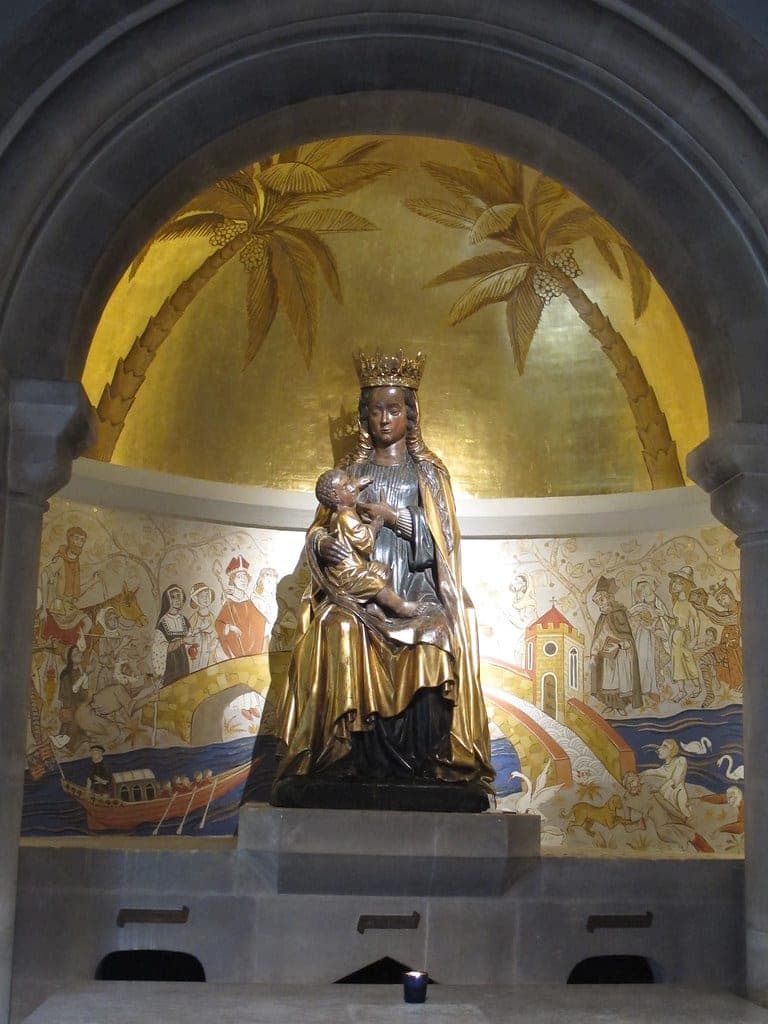
The destruction was thorough. On September 14, 1538, Dr John London arrived at the shrine of Our Lady of Caversham beside the Thames and, in a single day, ended 500 years of pilgrimage. He stripped the chapel of its silver-plated statue, its crusader relic, its centuries of votive offerings. He sent the image to Thomas Cromwell in London, where it was burned. He even removed the roof from the chapel, ensuring that no structure would remain to attract devotion. So complete was the erasure that by the 18th century even the location of the shrine had been forgotten. For three and a half centuries, Our Lady of Caversham existed only in historical records. Then, in 1897, devotion revived. A new parish church was established in Caversham—Our Lady and St Anne—and recovery began. In 1954, a stone chapel was built within the church. A statue was acquired: an oak image darkened by age, thought by some to predate the Reformation, purchased from a London antique shop. In 1996, this statue was crowned with a crown that Pope John Paul II had blessed during a parish pilgrimage to Rome. The modern shrine does not occupy the original site—that remains unknown. But it occupies the same devotional space. Pilgrims travel along the Thames again, pray before an image of the Virgin, continue the tradition that Catherine of Aragon joined when she came seeking divine help in her darkest hour. What was burned can be rekindled.
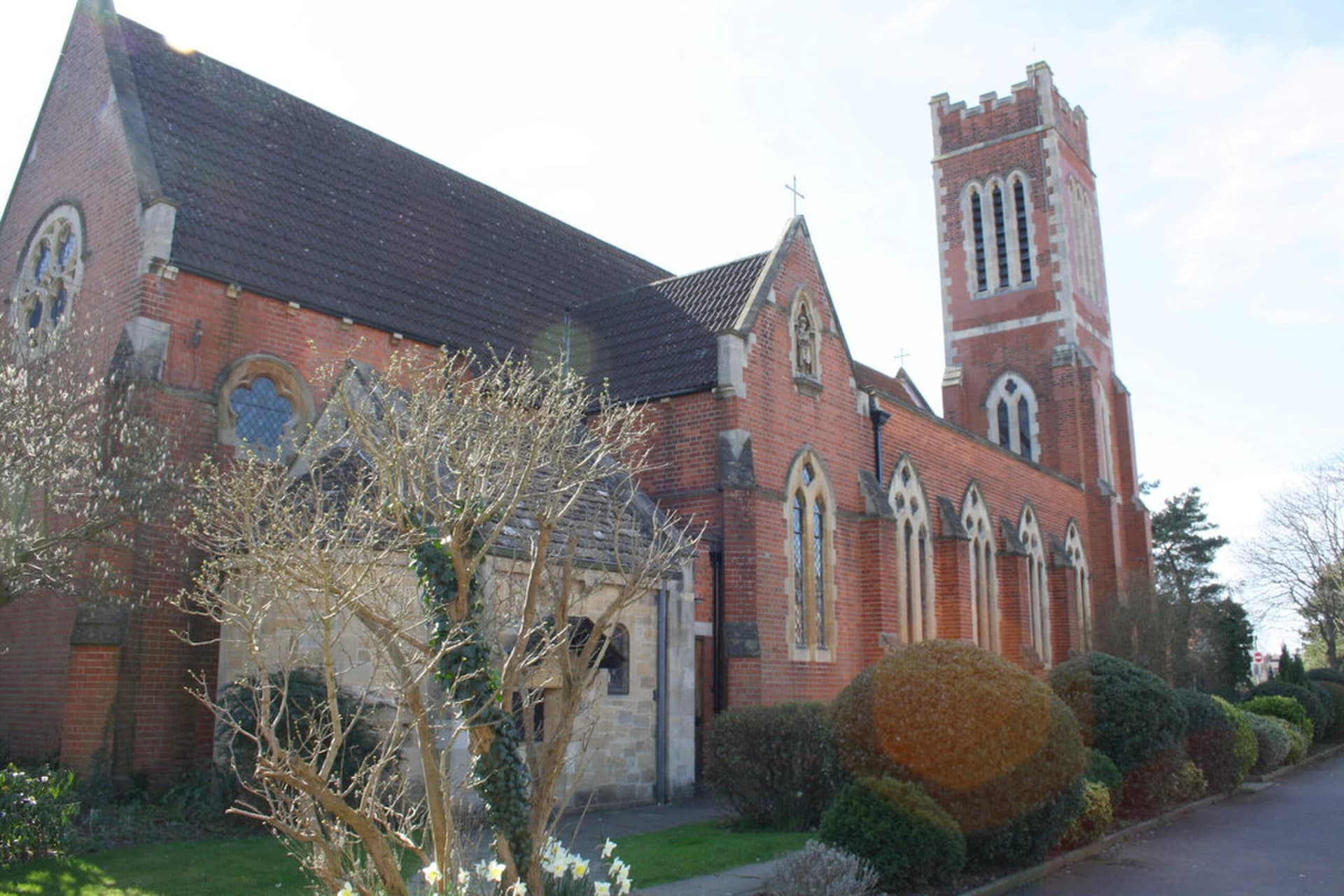
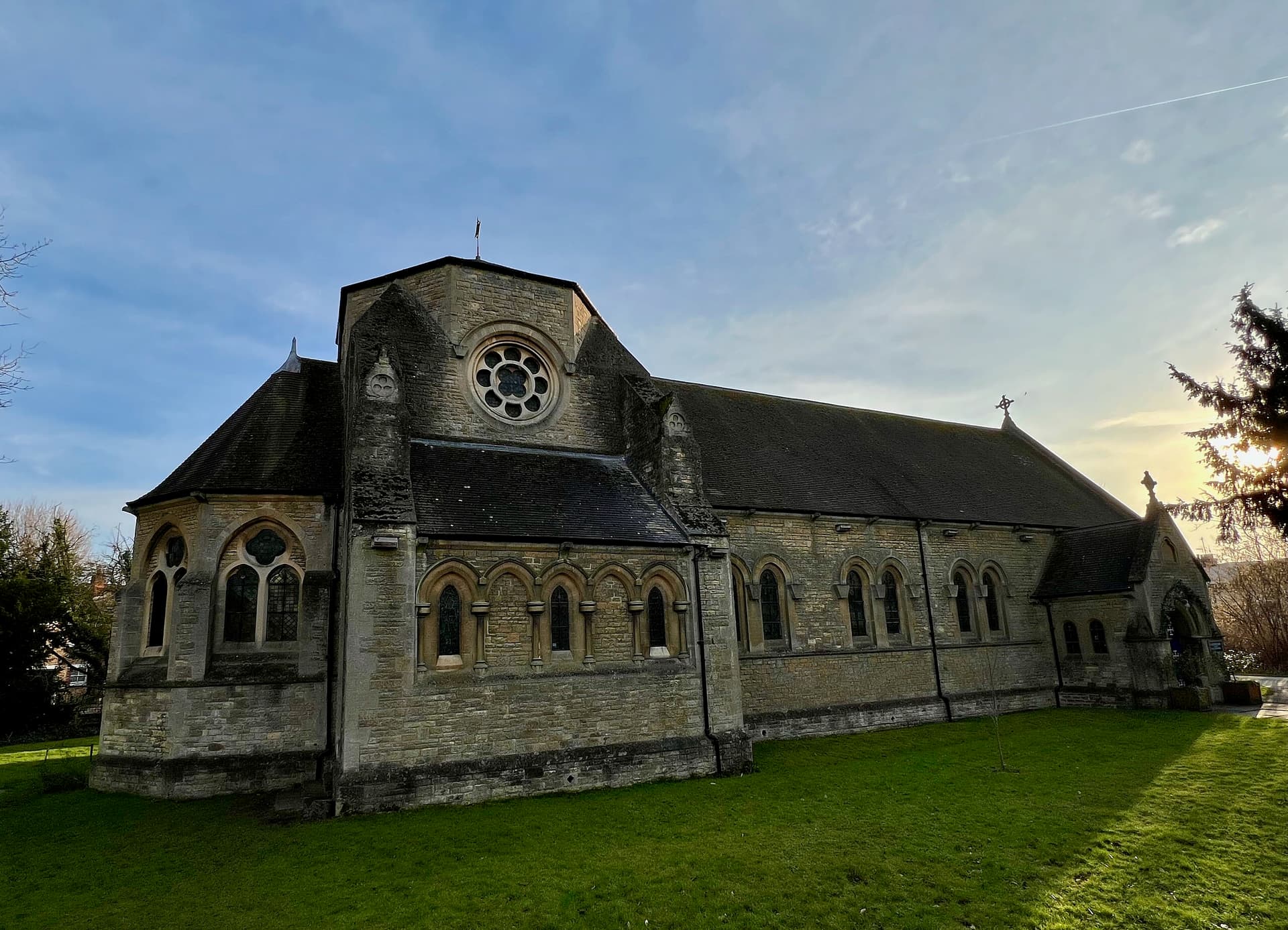
Part of Our Lady and St. Annes Church.
Context And Lineage
One of medieval England's most important Marian shrines, destroyed in 1538 on Henry VIII's orders, revived in the late 19th century.
The origins of the shrine are lost. By the Norman Conquest, a chapel beside the Thames held a statue of the Virgin that drew pilgrims. In 1106, Duke Robert of Normandy presented a relic of Christ's Passion that he had brought from the first Crusade, lending the shrine additional prestige. In 1162, the care of the shrine was entrusted to the Augustinian Canons of Nutley Abbey, one of whom always served as Warden. Through the medieval centuries, pilgrims traveled along the Thames—kings and commoners alike—to pray before the image. By the 15th century, the statue was plated in silver and dressed in clothes. In 1439, Isabella Beauchamp, Countess of Warwick, left 20 pounds of gold to make a crown for the image. The last royal pilgrim was Catherine of Aragon, who came on July 17, 1532, seeking the Virgin's help as Henry VIII pressured her to accept annulment. Six years later, the shrine was destroyed. Dr John London, acting on royal orders, arrived on September 14, 1538 and in a single day stripped the chapel, sent the statue to be burned, and ended the pilgrimage. So complete was the destruction that the site was eventually forgotten. Revival came slowly. In 1896, the parish of Our Lady and St Anne was founded in Caversham. In 1897, devotion to Our Lady of Caversham was formally revived. In 1954, a stone chapel was built and a statue acquired. In 1996, the statue was crowned with a crown blessed by Pope John Paul II. The shrine continues to receive pilgrims.
Our Lady of Caversham belongs to the tradition of English Marian shrines that includes Walsingham, which it rivaled in importance. The modern revival connects to the broader 19th-20th century Catholic restoration in England.
Duke Robert of Normandy
Catherine of Aragon
Dr John London
Pope John Paul II
Why This Place Is Sacred
The shrine embodies the Catholic understanding that what is destroyed can be restored, that devotion survives its material expressions.
What makes a place sacred: the stones that built it, or the faith that consecrated it? The shrine of Our Lady of Caversham tests this question. The original chapel is gone—not merely ruined but erased, its very location forgotten. The silver-plated statue that pilgrims venerated for centuries was burned in London five centuries ago. The crusader relic that Duke Robert of Normandy presented in 1106 has vanished. The chapel of St Anne and the healing well that complemented the shrine are lost to history. Nothing material survives from the medieval pilgrimage. Yet the devotion has returned. The modern shrine makes no claim to occupy the original site. It makes a different claim: that what was destroyed was not the Virgin herself but an image of her, and that images can be remade. The oak statue that now receives pilgrims' prayers may or may not predate the Reformation. Its origins are uncertain—purchased from an antique shop, its history unknown. But its function is clear. Pilgrims kneel before it, light candles, offer their petitions. Catherine of Aragon did the same, 500 years ago, before a different image in an unknown location. The continuity is not physical but devotional. The shrine exists because people choose to make pilgrimage, not because walls have survived. This is, perhaps, what all shrines ultimately offer: the belief that the sacred persists even when its material expressions are destroyed.
Pilgrimage shrine to the Virgin Mary, documented from at least 1106. Pilgrims came to pray, present offerings, and seek the Virgin's intercession. The shrine held a crusader relic and received royal visitors.
Origins unknown, possibly Saxon. First documented 1106. Care given to Augustinian Canons of Nutley Abbey 1162. Peak prominence 13th century. Statue silver-plated by 15th century. Last royal pilgrim (Catherine of Aragon) 1532. Destroyed September 14, 1538. Site forgotten. Devotion revived 1897. Stone chapel built 1954. Statue crowned 1996. Shrine restored 2017.
Traditions And Practice
Active Catholic shrine with regular devotions. Pilgrims walk the Thames route connecting Caversham to Reading Abbey. Groups welcome by arrangement.
Medieval pilgrims traveled along the Thames, often continuing to Reading Abbey. They prayed before the statue, presented votive offerings, visited the chapel of St Anne on the bridge, and drank from the healing well. The statue was dressed and crowned. Rich gifts included gold, silver, and relics from the Crusades.
Regular Marian devotions at the shrine. Candles can be lit. The parish welcomes pilgrim groups; the shrine can accommodate larger numbers. A five-mile pilgrimage along the Thames to Reading Abbey includes a stop at Caversham. Longer routes connect to Southampton.
If walking the Thames pilgrimage, approach Caversham as medieval pilgrims did—by the river. Enter the church, light a candle at the shrine, offer your prayers. Consider the statue's uncertain history: possibly medieval, possibly not, but functioning as a focus of devotion regardless. If you are not Catholic, you remain welcome to visit the shrine as part of England's pilgrimage heritage.
Medieval Marian pilgrimage
HistoricalThe medieval shrine of Our Lady of Caversham was second only to Walsingham. For over 500 years, pilgrims traveled along the Thames to pray before the silver-plated statue. Kings, queens, and nobles came; Catherine of Aragon's visit in 1532 was the last royal pilgrimage.
Pilgrims traveled by river or road, prayed before the statue, left votive offerings. The nearby chapel of St Anne and healing well complemented the shrine. The statue was dressed and crowned.
Modern Catholic devotion
ActiveDevotion revived in 1897. The current shrine, blessed 1958 and restored 2017, reclaims the medieval tradition. The statue was crowned in 1996 with a crown blessed by Pope John Paul II.
Regular Marian devotions. Pilgrim groups welcome. Thames pilgrimage route to Reading Abbey includes Caversham. Candles, prayers, petitions continue the tradition.
Experience And Perspectives
A parish church in suburban Reading houses a shrine that reclaims medieval devotion. The oak statue, dark with age, receives the prayers of modern pilgrims.
You approach through Caversham, a residential district of Reading that gives no immediate hint of medieval pilgrimage. The Church of Our Lady and St Anne stands on South View Avenue, a Catholic parish church established in 1896, the year before devotion to Our Lady of Caversham was formally revived. Inside, the shrine occupies a chapel built in 1954 during the Marian Year. The oak statue stands within, dark with age, bearing traces of gilding that suggest former splendor. On its head rests the crown blessed by Pope John Paul II in 1996, a visible assertion of continuity with the medieval tradition that crowned the original image. The atmosphere is that of an active parish shrine—candles, flowers, the quiet presence of those who have come to pray. This is not a museum or a heritage site but a functioning place of devotion. People kneel before the statue as their predecessors knelt before an earlier image in an unknown location. The prayers are the same; only the context has changed. The shrine was restored in 2017 to better accommodate pilgrims. Those walking the Thames pilgrimage route to Reading Abbey stop here, connecting two medieval pilgrimage destinations in a single journey. The church welcomes groups and can accommodate larger numbers. Whether you come as a pilgrim seeking intercession or a visitor exploring England's Catholic heritage, the shrine offers encounter with both loss and recovery.
The shrine is within the Church of Our Lady and St Anne, 2 South View Avenue, Caversham, Reading. The shrine chapel is accessible during church opening hours. The statue is the focus of devotion; candles can be lit.
Our Lady of Caversham embodies the paradox of English Catholic heritage: destroyed by royal command, forgotten for centuries, yet revived in defiance of historical rupture.
The medieval shrine is documented from 1106, when Duke Robert of Normandy presented a crusader relic. It was second only to Walsingham among English Marian shrines. Care was entrusted to the Augustinian Canons of Nutley Abbey. The shrine was destroyed on September 14, 1538 by Dr John London; the statue was burned in London. The original site is now unknown. The modern shrine, established 1954 and restored 2017, contains a statue of uncertain provenance.
The shrine represents the persistence of Marian devotion in England. What the Reformation destroyed, Catholic faith has restored. The statue's crowning by papal-blessed crown in 1996 asserts continuity with the medieval tradition. For Catholic pilgrims, the shrine offers what it always offered: a place to bring petitions to the Virgin.
Some note that the shrine's connection to healing waters (St Anne's Well) suggests older traditions of sacred springs. The Black Madonna tradition is sometimes mentioned. The Virgin as divine feminine connects to broader patterns of goddess devotion in human history.
The original location of the medieval shrine remains unknown. Whether the current statue truly dates to before the Reformation cannot be confirmed. The origins of the shrine—was it Saxon?—are uncertain. The fate of the crusader relic and other treasures is lost to history.
Visit Planning
Shrine within the Church of Our Lady and St Anne in Caversham (Reading). Accessible during church hours. Part of the Thames pilgrimage route.
Reading offers extensive hotel and B&B accommodation. Well-connected by rail (mainline from London Paddington) and road (M4).
Active Catholic shrine welcoming visitors and pilgrims. Standard church etiquette applies.
The shrine of Our Lady of Caversham is a place of active devotion, not merely historical interest. Enter quietly and respectfully. If others are praying, give them space. Catholics may follow their usual practices—genuflection, sign of the cross, lighting candles. Non-Catholics are welcome to visit, observe, and reflect. The shrine offers encounter with a tradition that has survived destruction and revival; approach it with the respect its persistence deserves.
Modest attire appropriate for a Catholic church.
Usually permitted in the church; be respectful at the shrine. Do not photograph people at prayer without permission.
Votive candles available. Donations welcome to support shrine maintenance.
Standard church etiquette. Respect any services in progress.
Sacred Cluster
Nearby sacred places create the location cluster described in the growth plan. This block is intentionally crawlable and links into the wider regional graph.