Filitosa
Where Bronze Age warriors carved themselves into standing stones, and a conquest's violence is preserved in ruined walls
Sollacaro, Corsica, France
At A Glance
- Coordinates
- 41.7656, 8.8708
- Suggested Duration
- Most visitors spend one to two hours, including the museum. Those seeking deeper engagement may stay longer, particularly if visiting at atmospheric hours.
- Access
- Filitosa is located on road D57, near the hamlet of Filitosa, approximately 5 km west of Sollacaro and north of Propriano. The site is accessible by car. Admission is charged.
Pilgrim Tips
- Filitosa is located on road D57, near the hamlet of Filitosa, approximately 5 km west of Sollacaro and north of Propriano. The site is accessible by car. Admission is charged.
- Comfortable walking attire is appropriate. The site involves moderate walking on sometimes uneven terrain. No formal dress requirements exist.
- Photography is permitted throughout the site. The carved faces are particularly compelling in directional light, favoring early morning or late afternoon visits. Consider photographing thoughtfully rather than compulsively, allowing time to see before capturing.
- Do not touch the stones. The temptation to connect physically is understandable given the human features, but preservation requires restraint. Stay on marked paths and respect barriers. Be cautious of spiritual interpretations that claim specific knowledge of original practices. What the menhir-builders believed and did is largely unknown. Anyone claiming definitive understanding is extrapolating beyond evidence. This uncertainty is worth preserving rather than filling with invented tradition.
Overview
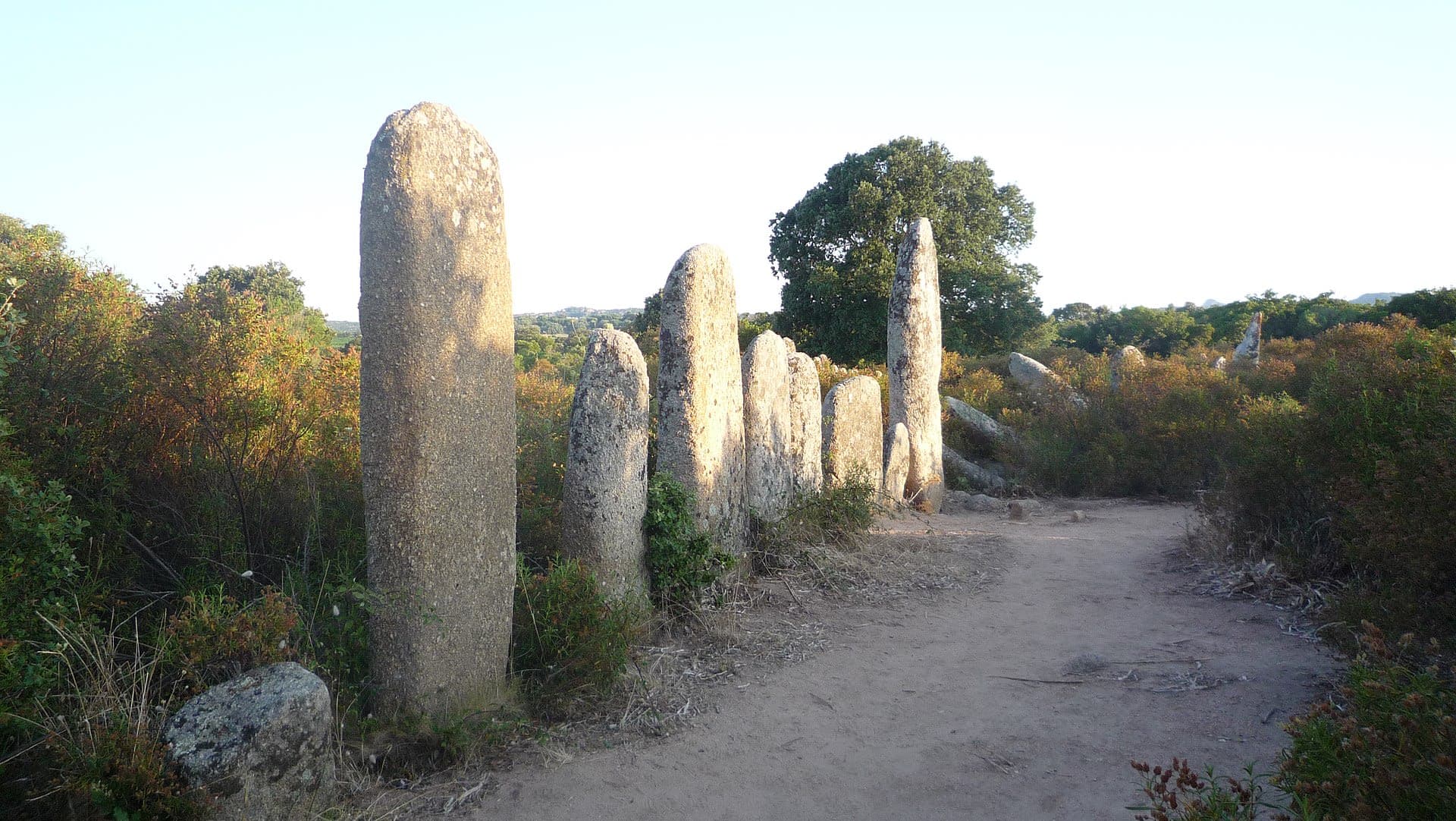
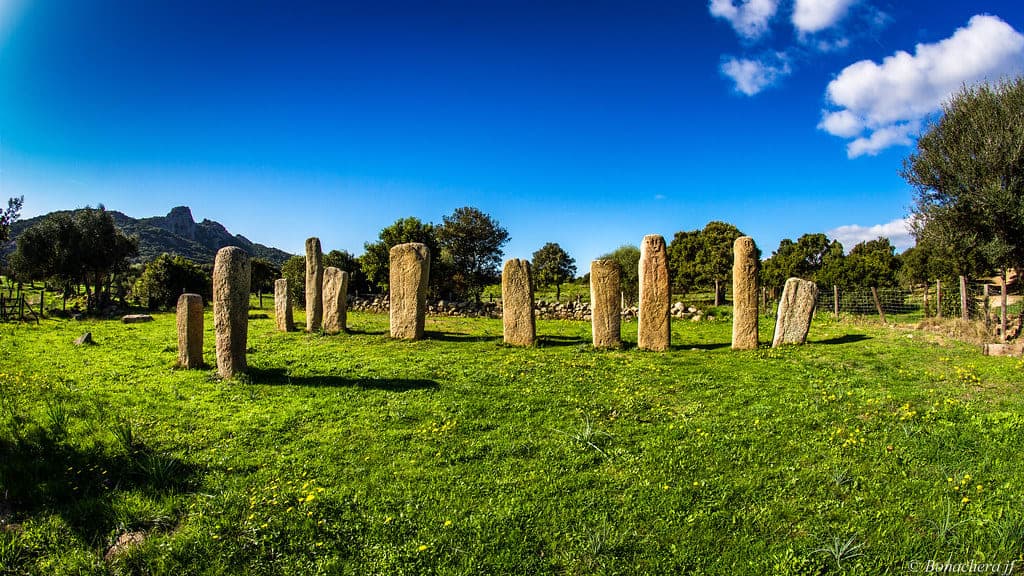
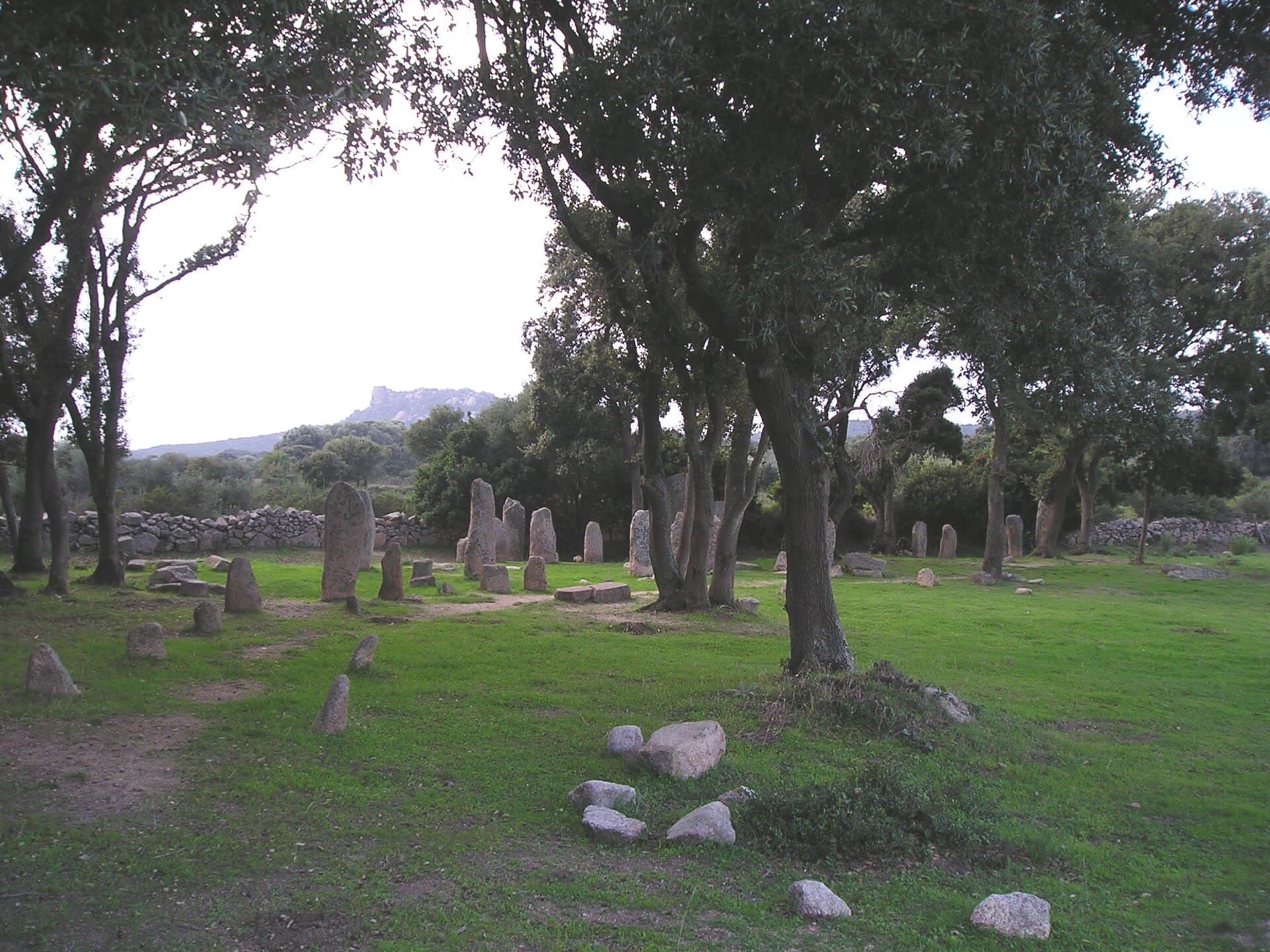
On a Corsican hillside overlooking the Taravo valley, twenty menhirs stand as witness to 8,000 years of human presence. Some bear the carved faces of warriors, their features and weapons etched into granite around 1200 BCE. Others were deliberately destroyed by conquering Torreans, their fragments embedded in tower walls. Filitosa preserves both the sacred and its desecration.
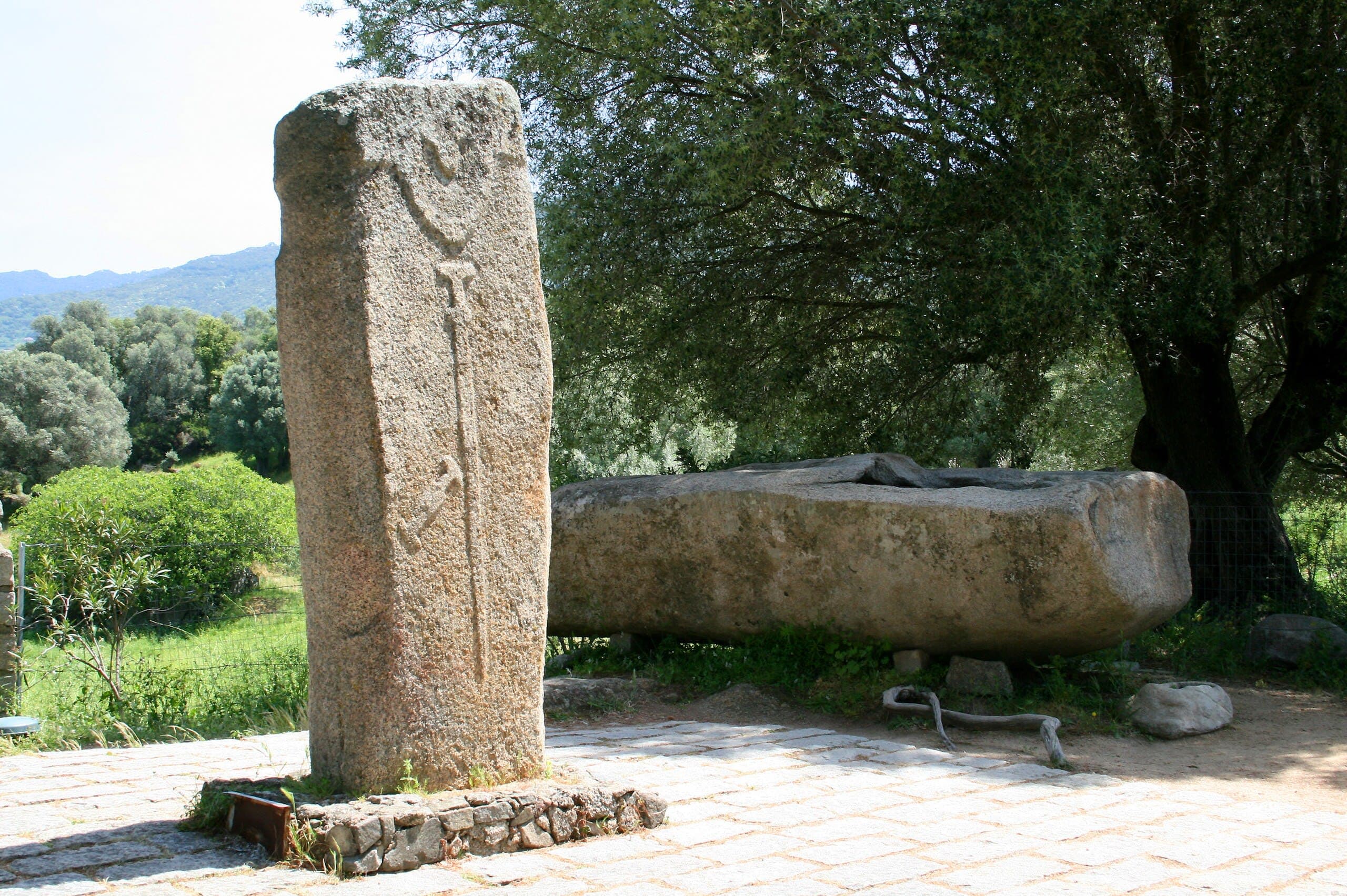
Something watches from the stones at Filitosa. Faces carved three thousand years ago still stare across the Taravo valley, their expressions weathered but unbroken. These are not abstract standing stones but portraits of individuals, perhaps ancestors, perhaps warriors, perhaps gods. They wear swords and helmets. They have shoulders and spines. They mean something specific, though that meaning has slipped beyond recovery.
The site holds 8,000 years of human presence on a single hillside. The first megaliths appeared around 4000 BCE as plain stones, markers whose purpose we can only infer. A thousand years later, unknown sculptors transformed some into statue-menhirs, adding human features to granite. Then came the Torreans around 1300 BCE, who toppled these carved ancestors and built their circular towers with the broken fragments, sealing sacred stones into profane walls.
This is what makes Filitosa rare among prehistoric sites: the evidence of conflict is legible. You can see where the conquerors built their towers, where they incorporated destroyed menhirs into foundations and walls. The violence of cultural transition preserved in architecture. Walking here means walking through layers of meaning, destruction, and transformation that most sites have lost to time.
The original purposes are gone. What remains is stone, silence, and the valley wind. But visitors consistently describe something more. The carved faces seem to follow you. The site feels watched, attended, alive with something older than explanation.
Context And Lineage
Filitosa preserves evidence of human presence spanning from the ninth millennium BCE through Roman times. The site is best known for its unique statue-menhirs carved around 1200 BCE, depicting human figures with weapons. The Torrean conquest around 1300 BCE resulted in the deliberate destruction and reuse of these sacred monuments. Modern discovery in 1946 led to excavations that established Filitosa as one of the Mediterranean's most important prehistoric sites.
No origin narrative survives from the cultures that created Filitosa. The site speaks to us only through stone, revealing human presence without explaining human intention. What we know comes from archaeology rather than tradition.
The first inhabitants arrived in the ninth millennium BCE, leaving arrowheads and pottery to mark their presence. By 4000 BCE, communities were raising plain megaliths on the hillside, initiating the tradition that would culminate in the statue-menhirs. Around 1500 BCE, larger menhirs appeared, some reaching two to three meters. The carving of human features came around 1200 BCE, transforming standing stones into warrior figures.
Archaeologist Roger Grosjean proposed that these warriors represented Shardanes, members of the Sea Peoples confederation that attacked Egypt and other Mediterranean civilizations in the late Bronze Age. His theory suggests Corsican warriors joined these movements, and the statue-menhirs commemorate them. Alternative interpretations see local ancestors or protective deities. The truth may be lost forever.
What is certain is the Torrean conquest. These newcomers, possibly from Sardinia, arrived around 1300 BCE with different building traditions. Their circular towers replaced the earlier megalithic culture. They broke the statue-menhirs and incorporated the fragments into their constructions, a deliberate erasure that paradoxically preserved evidence of what they destroyed.
Filitosa's lineage is one of rupture rather than continuity. The menhir-builders whose work we see today were conquered and their monuments destroyed around 1300 BCE. The Torreans who replaced them left their towers and departed or were absorbed by later populations. Roman control came in the third century BCE, and after that, the historical record goes silent.
No continuous tradition connects modern Corsicans to the people who carved these stones. The site was forgotten for centuries before its modern rediscovery. What lineage exists is archaeological: the patient work of scholars who have read meaning from stone, traced patterns across the Mediterranean, and attempted to reconstruct vanished worldviews from their material remains.
The Carved Warriors
ancestral/mythological
The statue-menhirs depict individuals with distinct features, weapons, and postures. Whether they represent actual warriors, ancestral heroes, protective deities, or foreign fighters like the Shardanes remains debated. They are the primary presence visitors encounter.
Charles-Antoine Cesari
historical
The property owner who discovered the carved stones in 1946, initiating the archaeological investigation that would reveal Filitosa's significance.
Roger Grosjean
historical
The French archaeologist who led systematic excavations from 1954 and developed the Shardanes theory. His work established Filitosa as a major Mediterranean prehistoric site.
Why This Place Is Sacred
Filitosa's sacredness emerges from its 8,000 years of continuous human significance, its unique anthropomorphic statue-menhirs, and the visible evidence of cultural conflict and monument destruction. Scientists consider it one of the most mysterious cultural sites of the Mediterranean. Something persists in the carved faces that draws visitors into encounter with deep time.
The Taravo valley below Filitosa has drawn human attention since the ninth millennium BCE. What made this hillside sacred to Neolithic communities remains unknown, but their decision to raise standing stones here initiated a tradition that would continue for thousands of years.
By 4000 BCE, the first plain megaliths appeared. They stand today among their later companions, unmarked granite forms that speak to a relationship between humans and stone we no longer fully understand. Were they boundary markers, ancestor representations, territorial claims, or something beyond our categories? The questions remain open.
Around 1500 BCE, sculptors began transforming some stones into statue-menhirs. These are not simply carved standing stones but genuine sculptures with human features: faces with eyes, noses, and mouths; shoulders and arms; and significantly, weapons. Swords, daggers, and helmets appear on many figures. Whether these represent actual warriors, ancestral heroes, protective deities, or something else entirely remains debated. The weapons are detailed enough that archaeologist Roger Grosjean proposed they depicted Shardanes, the Sea Peoples who troubled the Mediterranean world in the late Bronze Age.
Then came destruction. Around 1300 BCE, the Torreans conquered Filitosa. They built circular stone towers and deliberately destroyed the statue-menhirs, incorporating the fragments into their construction. This was not mere practical reuse but apparent desecration. The conquered culture's sacred monuments were broken and built into the conquerors' walls, their faces buried in foundations.
What makes Filitosa a thin place is this visible layering of the sacred and its violation. The carved warriors still stand where they were re-erected by archaeologists, but nearby you can see their broken companions embedded in Torrean walls. The site holds creation and destruction together, eight millennia compressed into a single hillside. Visitors walk through time made visible in stone.
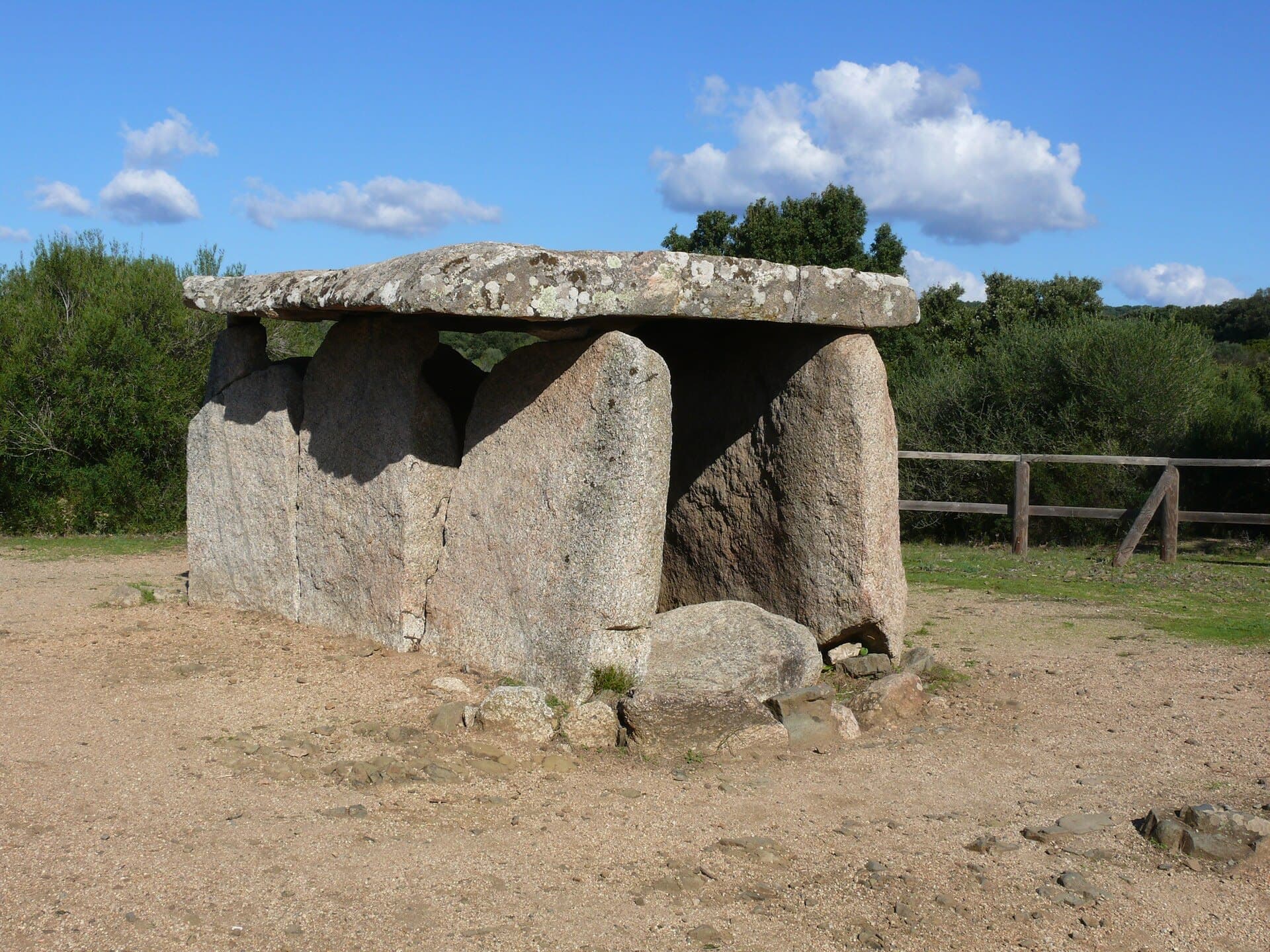
The original megaliths likely served purposes common to Neolithic cultures: ancestor veneration, territorial marking, astronomical observation, or combinations of these. The later statue-menhirs suggest more specific functions. Their weapons and human features imply commemoration of warriors, perhaps fallen heroes or protective ancestors. Some interpretations suggest a fertility cult, noting the phallic aspect of the standing forms. The Torrean towers that followed probably served defensive and residential purposes, though their circular form echoes ceremonial architecture elsewhere in the Mediterranean.
Filitosa's sacred use spans perhaps 6,000 years, from the earliest Neolithic habitation through Bronze Age transformation to Torrean conquest. After the Torreans, evidence suggests continued habitation until the site came under Roman control in the third century BCE. Then silence. The hillside returned to nature, its stones disappearing under vegetation, its significance forgotten.
In 1946, Charles-Antoine Cesari discovered carved stones on his family property. Systematic excavation began in 1954 under Roger Grosjean, who developed the influential Shardanes theory and established Filitosa as one of the Mediterranean's most important prehistoric sites. Today it operates as an archaeological park with museum, drawing visitors who come for both its historical significance and the strange quality of presence the carved faces convey.
Traditions And Practice
No traditional religious practices continue at Filitosa. The site functions as an archaeological heritage destination with museum and guided tours. However, visitors seeking meaningful engagement find that the carved faces and layered history create opportunities for contemplation that transcend standard tourism.
The original practices at Filitosa can only be inferred from archaeological evidence. The plain megaliths suggest ceremonies common to Neolithic cultures: ancestor veneration, seasonal observances, community gatherings marked by the raising of permanent stones. The statue-menhirs with their warrior imagery suggest more specific functions, perhaps commemoration of the dead, protective rituals, or ceremonies related to warfare and heroism.
The Torrean towers may have served both defensive and ceremonial purposes. Their circular form echoes religious architecture elsewhere in the Mediterranean, though at Filitosa they seem primarily residential or military. The destruction and reuse of menhirs suggests the Torreans understood the stones' sacred significance even as they violated it.
Filitosa today functions as an archaeological site with museum. Standard visits include self-guided or guided tours of the menhirs, towers, and stone houses, followed by exploration of the museum collection. The site charges admission and maintains regular hours.
No formal spiritual or ceremonial practices occur. However, the site's character invites contemplation beyond archaeology. The carved faces create a sense of encounter that visitors often describe as spiritual, though the terminology varies. Some approach the menhirs as they would ancestor figures in other traditions: with respect, attention, and silent acknowledgment.
For visitors seeking more than archaeological tourism, consider approaching Filitosa as a place of encounter across time. Allow substantial time with individual statue-menhirs rather than photographing quickly and moving on. Notice how the faces change with viewing angle, how the eyes seem to follow, how the presence of these carved figures affects you.
Sit with the complexity of the site. The Torrean walls where broken menhirs are embedded invite reflection on cultural conflict, on what is destroyed and what persists, on the relationship between the sacred and power. These are not comfortable themes, but they are themes the site makes visible.
If you wish, bring a question to the carved warriors. Not seeking an answer but using their presence as a focus for contemplation. The practice is personal rather than traditional, but the faces seem to invite it.
Corsican Statue-Menhir Tradition
HistoricalFilitosa contains approximately twenty menhirs, including sixteen sculpted statue-menhirs representing about half of all such monuments in Corsica. The stones feature carved human faces, shoulders, arms, and weapons including swords, daggers, and helmets. Originally plain megaliths dating to around 4000 BCE, many received carved transformations around 1200 BCE, becoming the warrior figures visible today. This tradition produced works unique in European prehistory.
Original practices are unknown. The carved warriors may have received offerings, prayers, or ceremonies. The phallic aspect of the standing forms suggests possible fertility cult dimensions. Warrior commemoration or ancestor veneration seem likely given the human features and weapons. Specific rituals cannot be reconstructed.
Torrean Culture
HistoricalAround 1300 BCE, the Torreans conquered Filitosa and built circular stone towers called torri. They deliberately destroyed the existing statue-menhirs and incorporated the fragments into their construction. This deliberate desecration preserved evidence of the conflict while erasing the conquered culture's sacred monuments. The Torrean relationship to broader Mediterranean cultures, possibly including Sardinia, remains debated.
The Torreans built distinctive circular towers that may have served defensive, residential, and ceremonial purposes. Their destruction and reuse of menhirs appears deliberate rather than practical, suggesting understanding of the stones' significance even as they violated it. Specific Torrean beliefs and practices at Filitosa are unknown.
Experience And Perspectives
Visitors to Filitosa consistently describe the carved faces as eerily alive, creating a sense of being watched across millennia. The combination of anthropomorphic statues, visible destruction, and the beautiful Taravo valley setting produces experiences ranging from archaeological fascination to something more difficult to name.
The first encounter with the statue-menhirs creates a response visitors struggle to articulate. These are not abstract monuments but faces, weathered but recognizable, staring from granite with expressions that seem to shift with the light. Many report the disorienting sense that the stones are looking back.
This quality intensifies with time on site. As you move among the menhirs, their gazes seem to follow. The faces appear in profile from one angle, frontally from another, their features carved with enough specificity to suggest individuals rather than types. These were not generic symbols but portraits of someone, and that someone feels present.
The weapons add another dimension. Swords carved in detail, helmets with distinct styles, the accoutrements of warriors frozen in stone for three thousand years. The effect is of encountering sentinels still at their posts, still watching over a valley whose dangers have changed beyond recognition.
Then there are the Torrean walls, where broken menhirs are visible in the construction. The shift from sacred monument to building material is stark and unsettling. Visitors describe a sense of witnessing violence, cultural conflict made permanent in architecture. The desecration is not abstract history but visible fact.
The setting intensifies these responses. Filitosa overlooks the Taravo valley, green and peaceful, mountains rising beyond. The beauty contrasts with the site's themes of conflict and destruction. Many visitors find themselves sitting in silence, letting the place work at its own pace, finding that the initial archaeological interest has deepened into something harder to categorize.
Approach Filitosa as more than a collection of artifacts. The museum provides essential context, but the power of the site lies in direct encounter with the stones. Allow time to sit with individual menhirs, observing how their features change with viewing angle and light. Notice your response to being watched.
The Torrean walls reward close attention. Look for the fragments of destroyed menhirs embedded in the construction. Consider what it meant to the conquerors to build with their enemies' sacred stones, and what it means to us to witness that act preserved.
If seeking something beyond archaeology, arrive early or late when the light is atmospheric and the site less populated. The carved faces are most compelling in the slanting light of morning or evening. Bring questions about your own relationship to ancestors, to the past, to what persists and what is destroyed. The site will not answer, but it may deepen the questioning.
Filitosa invites multiple interpretations, from archaeological reconstruction to spiritual encounter. The site preserves genuine mystery alongside documented fact. Honest engagement requires holding what we know alongside what remains unknown.
Archaeological consensus confirms Filitosa's occupation from the ninth millennium BCE through Roman times. The statue-menhirs are accepted as unique in European prehistory, representing a distinctive Corsican tradition. Dating places the carved figures around 1200 BCE, with the Torrean conquest occurring around 1300 BCE.
Roger Grosjean's Shardanes theory, connecting the warrior figures to the Sea Peoples who troubled the Mediterranean in the late Bronze Age, remains influential but debated. The weapons and features on the menhirs might represent local warriors, ancestral figures, or protective deities rather than foreign fighters. The perpendicular relationship between Filitosa and other Corsican megalithic sites suggests planned sacred landscapes, though the planning principles remain unclear.
What scholars agree on is Filitosa's importance. The site has been listed among the one hundred Mediterranean historical sites of common concern, recognizing its significance for understanding prehistoric cultures across the region.
No traditional religious interpretation of Filitosa survives from indigenous Corsican culture. The rupture caused by Torrean conquest and subsequent cultural changes severed any continuous tradition. Folk memory preserved awareness that the stones were significant, but specific meaning was lost.
Contemporary Corsican identity sometimes embraces the statue-menhirs as symbols of island heritage, though this represents cultural rather than religious significance. The carved warriors appear in tourism imagery and cultural contexts, claimed as ancestors even though the direct lineage was broken millennia ago.
Some interpret the statue-menhirs as evidence of an advanced prehistoric Mediterranean civilization, part of networks connecting Corsica with Egypt, the Near East, and beyond. The weapons are sometimes read as evidence of sophisticated metallurgy and warfare reaching back further than conventional history allows.
Earth-energy practitioners identify Filitosa as a power center, noting the concentrated presence of standing stones and the site's relationship to landscape features. The statue-menhirs are sometimes understood as guardian figures marking or protecting energetic nodes.
These interpretations lack archaeological support but often emerge from genuine encounters visitors have with the carved faces. The sense of being watched, of presence, of something persisting in the stones, invites explanation even when explanation exceeds evidence.
Genuine mysteries remain at Filitosa. The identity of the people represented by the statue-menhirs is unknown. Whether they depict ancestors, warriors, deities, or some other category remains debated. The meaning of the carved weapons and features, specific enough to suggest individual identity, has not been recovered.
The relationship to the Sea Peoples, if any, remains speculative. Why the Torreans specifically destroyed and reused the sacred stones rather than simply abandoning them is unclear. What beliefs and practices animated the site for its thousands of years of active use has been lost.
These uncertainties are worth preserving. They keep the site open to encounter rather than closing it into final interpretation. The carved faces continue to watch, and what they witnessed remains their secret.
Visit Planning
Filitosa is located in southern Corsica, near Propriano. The site includes an open-air archaeological park and museum, typically visited in one to two hours. Admission is charged. The best light for experiencing the carved faces comes in early morning or late afternoon.
Filitosa is located on road D57, near the hamlet of Filitosa, approximately 5 km west of Sollacaro and north of Propriano. The site is accessible by car. Admission is charged.
Hotels are available in Propriano and Porto-Pollo, coastal towns within easy driving distance. The area offers typical Corsican hospitality ranging from modest guesthouses to resort properties.
Filitosa is a protected archaeological site. Do not touch the stones or enter restricted areas. Photography is permitted. The site accommodates visitors seeking both archaeological understanding and contemplative experience.
The primary etiquette at Filitosa concerns preservation. These stones have survived three thousand years of weather, conquest, neglect, and rediscovery. The oils from human hands accelerate erosion, and the desire to touch the carved faces must be resisted. Maintain physical distance from the menhirs and respect all barriers.
Stay on marked paths. Off-trail exploration threatens both the site and your safety. Archaeological work continues, and unexcavated areas contain evidence that could be disturbed.
The site's atmosphere encourages quiet contemplation. While Filitosa is not a religious site in the conventional sense, many visitors respond to the carved faces with reverence. Loud conversation and performative behavior diminish the experience for those seeking something deeper.
Respect other visitors' experiences. The site can be crowded in high season, and the most significant locations draw attention. Allow others time with the menhirs rather than claiming space for extended photography.
Comfortable walking attire is appropriate. The site involves moderate walking on sometimes uneven terrain. No formal dress requirements exist.
Photography is permitted throughout the site. The carved faces are particularly compelling in directional light, favoring early morning or late afternoon visits. Consider photographing thoughtfully rather than compulsively, allowing time to see before capturing.
Offerings are not traditional and should not be left. The site is archaeological rather than religious, and objects left at stones would be removed as litter.
Do not touch or climb on stones. Stay on marked paths. The site has admission fees and set opening hours that may vary seasonally. Check before visiting, particularly in winter months.
Sacred Cluster
Nearby sacred places create the location cluster described in the growth plan. This block is intentionally crawlable and links into the wider regional graph.