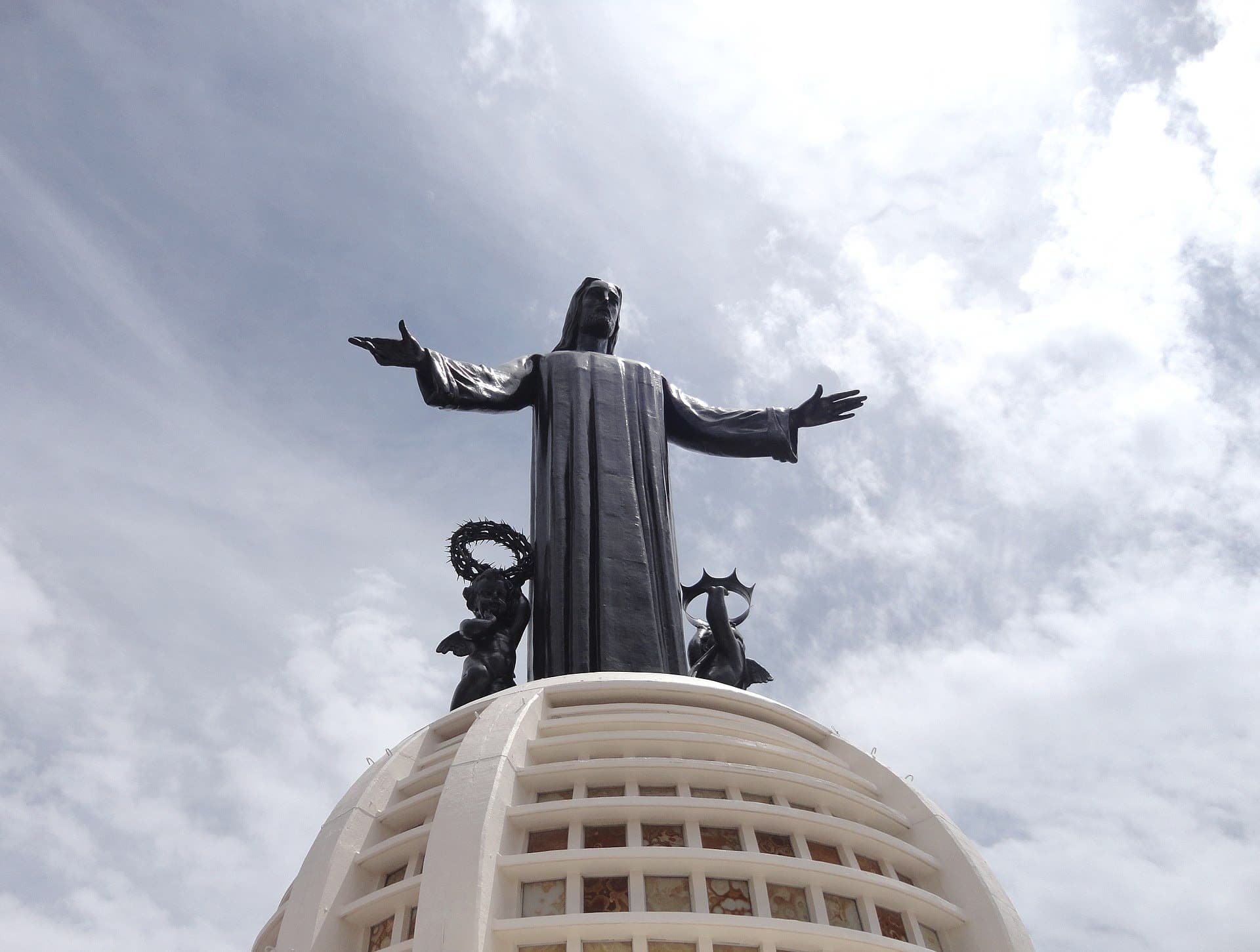
Cristo Rey, Cerro del Cubilete
Where Mexican Catholicism rose from destruction, and Christ's outstretched arms embrace the heart of a nation
Silao, Guanajuato, Mexico
At A Glance
- Coordinates
- 21.0118, -101.3689
- Suggested Duration
- A standard visit takes two to four hours, allowing time for the sanctuary, views, and museum. Those attending Mass or engaging in devotional practice may stay longer. The museums at the base of the mountain can add additional hours. Participation in the January pilgrimage requires multiple days.
- Access
- Cristo Rey is located on Cerro del Cubilete in Silao Municipality, Guanajuato, approximately 15 kilometers west of Guanajuato City. Buses marked 'Cubilete' or 'Cristo Rey' depart from near Alhondiga in Guanajuato approximately hourly. Autobuses Vasallo de Cristo operates nine routes daily from the Guanajuato bus station between 6am and 6pm on weekdays, with increased service on weekends. By taxi, the journey from Guanajuato City takes approximately 45 minutes. By private car, expect about an hour and forty minutes of driving on narrow, winding mountain roads. Parking with attendants is available at the summit. A hiking trail covers 9.6 miles with 2,473 feet of elevation gain, rated as difficult, taking approximately five to six hours. Admission is free.
Pilgrim Tips
- Cristo Rey is located on Cerro del Cubilete in Silao Municipality, Guanajuato, approximately 15 kilometers west of Guanajuato City. Buses marked 'Cubilete' or 'Cristo Rey' depart from near Alhondiga in Guanajuato approximately hourly. Autobuses Vasallo de Cristo operates nine routes daily from the Guanajuato bus station between 6am and 6pm on weekdays, with increased service on weekends. By taxi, the journey from Guanajuato City takes approximately 45 minutes. By private car, expect about an hour and forty minutes of driving on narrow, winding mountain roads. Parking with attendants is available at the summit. A hiking trail covers 9.6 miles with 2,473 feet of elevation gain, rated as difficult, taking approximately five to six hours. Admission is free.
- Modest dress is expected. Shoulders and knees should be covered, particularly when entering the sanctuary. Comfortable closed-toe shoes are strongly recommended for the mountain terrain, which can be rocky and uneven. During the January pilgrimage, traditional Mexican cowboy attire is common among participants.
- Photography appears to be permitted in most areas of the site. Flash photography may be restricted inside the sanctuary. Do not photograph during the consecration or other sacred moments of Mass. The pilgrims engaged in penitential climbing deserve privacy. Professional equipment and drones would likely require advance permission.
- Cristo Rey is an active Catholic sanctuary, not a museum. Behavior appropriate to a place of worship is expected throughout. The horseback pilgrimage in January and the Feast of Christ the King in November bring massive crowds. For casual visitors, these may be overwhelming. For those seeking the experience of pilgrimage, however, they offer immersion in living tradition. The altitude of 2,580 meters and the intensity of high-elevation sun require preparation. Heat exposure is a genuine risk, especially for those making penitential climbs. Be aware that this site carries political as well as spiritual significance. The Cristero War remains a sensitive subject in Mexico. Approaching with respect for the complexity of this history serves everyone.
Overview
Rising 2,580 meters above central Mexico, Cristo Rey stands where believers placed Christ at the geographic heart of their nation. Destroyed once by government forces, rebuilt with bronze and devotion, this monument to the Cristero martyrs draws pilgrims who climb on their knees and cowboys who ride three days across the desert. The Art Deco sanctuary beneath holds Mass where bullets once flew.
The statue's arms stretch forty meters into the sky, open in embrace or surrender or both. From the summit of Cerro del Cubilete, those arms are visible for dozens of kilometers across the Bajio plains, a bronze greeting to anyone approaching the geographic center of Mexico.
This is where Mexican Catholics chose to place their king. Not in the capital, not in the colonial cathedrals of the coasts, but here on this mountain at the nation's heart. The choice was theological and defiant. When the revolutionary government banned public worship and murdered priests, the faithful climbed this mountain and built a monument. When federal forces bombed it to rubble, they built it again. The second statue is larger.
What persists here goes beyond architecture. Pilgrims still climb the final stretch on their knees, wearing paths smooth in the stone. Each January, thousands of riders on horseback cross the desert following what they call the hoofprints of martyrs. The Art Deco sanctuary below the statue hosts daily Mass in a circular space where the crown of thorns forms the ceiling and a golden crown hangs above the altar. Those who died crying 'Viva Cristo Rey!' are remembered here not as history but as present companions.
You do not need to share the faith to feel what this place holds. The weight of a century of defiance, devotion, and resurrection has settled into the mountain itself.
Context And Lineage
Cristo Rey emerged from one of the most turbulent periods in Mexican history. The anti-clerical policies of the 1917 Constitution and the Calles Law of 1926 led to the Cristero War, when Catholic peasants took up arms against the government. The monument was first built in 1920, destroyed in 1928, and rebuilt between 1944 and 1950. Its history is inseparable from Mexican Catholic identity and the memory of martyrdom.
The vision began with Bishop Jose Guadalupe Albino Emeterio Valverde y Tellez of Leon. In November 1919, visiting Silao for pastoral work, he gazed up at Cerro del Cubilete and felt called to climb it, to celebrate Mass at its summit. The local nocturnal adoration society organized the expedition. What the bishop found there, at what was believed to be Mexico's geographic center, convinced him that Christ must have a permanent presence on this mountain.
The first monument rose quickly. On March 12, 1920, workers laid the first stone. By April 11, a nine-meter limestone statue stood on the summit. Twenty thousand people had climbed through the night to witness the bishop bless the mountain and declare it a holy place. The Mountain of Christ the King had been named.
But the revolutionary government watched with hostility. The 1917 Constitution had stripped the Church of property rights and banned public worship. The presence of a towering Christ at the nation's center was a provocation. In 1923, an expanded monument began construction. By 1928, the government had had enough. On January 30, a military biplane bombed the statue while ground troops dynamited what remained. Witnesses saw the Christ's face and heart fall intact from the rubble. These fragments are preserved today in the sanctuary museum.
The destruction came at the height of the Cristero War, when Catholic peasants across central Mexico fought the federal government in defense of their faith. The war's martyrs would become central to the site's meaning. But even with the monument destroyed and the war eventually ended through negotiation, the faithful kept climbing the mountain. They had consecrated it, and no government could undo that.
The lineage of Cristo Rey runs through blood. From Bishop Valverde y Tellez's vision in 1919, through the thousands who built and rebuilt the monument, through the martyrs who died with Christ's name on their lips, to the pilgrims who climb today, there is an unbroken chain of devotion.
The horseback riders who cross the desert each January see themselves as following in the hoofprints of Cristero fighters who rode these same routes. The youth who gather by the tens of thousands for annual pilgrimage are inheriting a faith their great-grandparents had to practice in secret. The priests who celebrate daily Mass in the Art Deco sanctuary are continuing what their predecessors risked death to perform.
This is not merely historical remembrance. For Mexican Catholics, Cristo Rey represents a living connection to a struggle that, while no longer requiring armed resistance, remains spiritually present. The martyrs are not dead in any final sense. They have joined a cloud of witnesses who intercede from the mountain at Mexico's heart.
Bishop Emeterio Valverde y Tellez
founder
Bishop of Leon from 1909 to 1948, he conceived and initiated the monument after climbing Cerro del Cubilete in 1919. He laid the first stone of both the original and rebuilt monuments, dying in 1948 before seeing the second statue completed.
Fidias Elizondo
sculptor
Born in Monterrey in 1891, trained at Mexico City's Academia de San Carlos, Elizondo became one of Latin America's greatest sculptors. He spent from 1945 to 1949 creating the bronze Christ that now stands on Cubilete. The statue was his masterwork.
Blessed Anacleto Gonzalez Flores
martyr
A leader of peaceful Catholic resistance during the Cristero War, he was tortured and executed on April 1, 1927. He organized boycotts and underground prayer meetings, refusing violence even as others took up arms. Beatified by the Church, he is venerated at Cristo Rey.
Blessed Miguel Pro, S.J.
martyr
A Jesuit priest who ministered secretly during the persecution, Father Pro was captured and executed by firing squad on November 23, 1927. Photographs show him facing death with arms outstretched, crying 'Viva Cristo Rey!' He was beatified in 1988.
Nicolas Garcia
miracle recipient
A terminally ill teenager in 1954, Garcia wished to ride his horse one last time. He rode to Cristo Rey and prayed. According to tradition, he was healed and lived into his eighties. His story inspired the annual horseback pilgrimage that began in 1956.
Why This Place Is Sacred
Cristo Rey's power emerges from the convergence of geography, history, and accumulated devotion. The belief that Cerro del Cubilete marks Mexico's geographic center places Christ symbolically at the nation's heart. The site's destruction and rebuilding mirror the core Christian narrative of death and resurrection. A century of pilgrims climbing on bloodied knees has saturated the mountain with intention.
The mountain itself precedes any monument. Cerro del Cubilete rises 2,580 meters above sea level, dominating the Bajio region of Guanajuato. Whether it truly marks Mexico's geographic center is scientifically disputed, but the belief has proven more durable than cartographic precision. For the faithful, Christ stands at the heart of their nation because they placed him there.
The first monument lasted only eight years. On January 30, 1928, a military biplane appeared over the mountain. Federal forces bombed the limestone Christ, then dynamited what remained. Thousands of pilgrims watched their nine-meter statue reduced to rubble. Only the face and heart of the original Christ survived, now preserved in the sanctuary museum. The destruction was meant to be final.
It was not. While the revolutionary government still held power, planning began for a new monument. The bronze statue that now stands is three times the size of the original, its arms spread wider, its presence more commanding. The cycle of destruction and resurrection inscribed the Christian narrative into the landscape itself.
What visitors encounter today is saturated with this history. The path worn smooth by knees tells its own story. The bronze surface has been touched by millions of hands. The Art Deco sanctuary, designed in 1942 and completed in 1953, holds services in a space specifically built for survivors of persecution. When Pope Benedict XVI celebrated Mass here in 2012 for over 300,000 people, he was not inaugurating something new. He was acknowledging something that had proven it could survive anything.
The panoramic views from the summit contribute their own quality. On clear days, the Bajio stretches to every horizon. Standing at what believers hold to be their nation's center, with Christ's arms spread above, creates a particular kind of spatial experience, a sense of being at a fixed point while everything else revolves.
When Bishop Emeterio Valverde y Tellez first climbed Cerro del Cubilete in November 1919, he came for pastoral duties in Silao. But standing on the summit, he felt something that would consume the rest of his life: the desire to place a monument to Christ at the heart of Mexico. Working with the local Adoracion Nocturna group, he organized a nighttime vigil followed by dawn Mass on the mountain. On April 10, 1920, some 20,000 people climbed through the night, their bonfires visible across the plain. At sunrise, the bishop blessed the mountain, declared it holy ground, and invited Mexico to consecrate itself to the Sacred Heart of Jesus.
The site has evolved through three distinct phases. The first monument, a nine-meter limestone statue on a pedestal, stood from 1920 to 1928, destroyed by the government during the Cristero War. The years of persecution that followed only deepened devotion. Construction on the current monument began in 1944, with Bishop Valverde y Tellez laying the first stone at age eighty. He died before its completion, but his vision was realized when the new Christ was inaugurated on December 11, 1950.
The sanctuary opened for worship in 1953, and in 1956, the annual horseback pilgrimage began after a terminally ill teenager named Nicolas Garcia was healed following his pilgrimage to the site. Today, Cristo Rey receives more visitors than any Mexican religious site except the Basilica of Our Lady of Guadalupe and the Cathedral of San Juan de los Lagos. What began as one bishop's vision has become a defining symbol of Mexican Catholic identity.
Traditions And Practice
Cristo Rey hosts daily Mass, major feast day celebrations, and distinctive pilgrimage traditions including penitential climbing and the January horseback procession. The site welcomes visitors of all backgrounds while maintaining its character as an active Catholic sanctuary.
The founding tradition of Cristo Rey centers on the night vigil followed by dawn Mass that Bishop Valverde y Tellez organized in 1920. Twenty thousand pilgrims climbed through the night, their bonfires dotting the mountain, to reach the summit before sunrise. This pattern of ascent through darkness toward light, of physical effort as spiritual preparation, established the template for devotion here.
The Cristero fighters who died for their faith added another dimension. Their battle cry, 'Viva Cristo Rey!', is not merely historical slogan but liturgical acclamation. Their willingness to die rather than abandon public worship sanctified the site with their blood. Contemporary practice at Cristo Rey necessarily involves their memory.
Daily Mass is celebrated in the Art Deco sanctuary beneath the statue. The space holds several hundred worshippers in circular arrangement around the central altar. Visiting at a time when Mass is offered allows participation in the primary reason this site exists.
The Feast of Christ the King, celebrated on the last Sunday before Advent, draws the largest crowds of the year. This feast, instituted by Pope Pius XI during the Cristero War itself, has particular resonance here where the connection between that feast and this monument is direct.
The January horseback pilgrimage, or Cabalgata, has become one of Mexico's most distinctive religious traditions. For three days, typically January 5 through 11, between 2,500 and 4,000 riders cross the desert on horseback to reach Cerro del Cubilete. Cowboys in traditional dress ride through terrain their Cristero predecessors knew, culminating in Mass celebrated outdoors with the Archbishop present. The Cabalgata commemorates both the martyrs and the healing of Nicolas Garcia in 1954.
A youth pilgrimage organized by Movimiento Testimonio y Esperanza has gathered approximately 50,000 young Catholics annually for nearly four decades. This continuity of transmission, passing the faith to new generations at this specific site, is central to what Cristo Rey represents.
Penitential climbing continues daily. Pilgrims who have received answered prayers, or who are seeking divine intervention, often complete the final approach on their knees. The stone is worn smooth by this practice.
If you come seeking spiritual engagement rather than tourism alone, consider these approaches.
Attend Mass in the sanctuary. The circular space, the crown of thorns ceiling, the oculus opening to the Christ above, these elements create an environment specifically designed for worship. Even if you are not Catholic, sitting in silence during the liturgy offers a quality of attention the site rewards.
Climb the final stretch on foot rather than arriving by vehicle. The physical effort creates receptivity. Those who report the deepest experiences here often describe the ascent as preparation.
Spend time in the sanctuary museum where fragments of the original destroyed Christ are preserved. The face and heart that survived the bombing carry particular power. Seeing what was destroyed and what persisted gives context for the monument above.
If you encounter pilgrims climbing on their knees, do not photograph them like attractions. Either pass in respectful silence or, if you feel called, make your own gesture of devotion. The path of knees is not a spectacle but a practice.
Roman Catholicism
ActiveCristo Rey is one of the most important Catholic pilgrimage sites in Mexico, second only to the Basilica of Our Lady of Guadalupe and the Cathedral of San Juan de los Lagos in visitor numbers. The site symbolizes the resilience of Mexican Catholicism during the anti-clerical persecutions of the early 20th century. The monument honors the martyrs of the Cristero War who died defending their faith with the battle cry 'Viva Cristo Rey!' The Feast of Christ the King, instituted by Pope Pius XI in 1925 during the Mexican persecution, has particular resonance at this site bearing Christ the King's name.
Daily Mass is celebrated in the Art Deco sanctuary. The Feast of Christ the King on the last Sunday before Advent draws the largest annual crowds. The January horseback pilgrimage commemorates both the Cristero martyrs and the healing of Nicolas Garcia in 1954. A youth pilgrimage organized by Movimiento Testimonio y Esperanza gathers approximately 50,000 young Catholics annually. Pilgrims regularly climb the final approach on their knees as acts of penance, thanksgiving, or petition. Candles are lit and prayers offered at the altar throughout the day.
Experience And Perspectives
Visitors to Cristo Rey report a distinctive intersection of national identity and spiritual devotion. The scale of the monument, the history of martyrdom and resurrection, and the sight of pilgrims climbing on their knees create an atmosphere of serious faith that affects even secular visitors. The Art Deco sanctuary offers a contemplative interior beneath the crown of thorns ceiling.
The first thing most visitors register is scale. The bronze Christ stands over twenty meters tall, arms spread wide enough to embrace the entire Bajio. From below, looking up through the circular oculus of the sanctuary, those arms seem to hold the sky itself. The effect is overwhelming in a way that photographs cannot convey.
The second thing visitors notice is devotion in action. On any given day, pilgrims may be seen climbing the final approach on their knees. Some complete this penitential practice as thanksgiving for prayers answered. Others are asking for something. The path is worn smooth, the stones polished by decades of knees. Watching this practice, even from a distance, has an effect on observers. Something serious is happening here.
Inside the Art Deco sanctuary, the atmosphere shifts. The circular space creates a sense of being held. Above the altar hangs a golden crown. The ceiling is shaped as a crown of thorns. Light enters from the circular opening, creating a vertical axis connecting the altar below to Christ above. Mass is celebrated here daily, the liturgy continuing unbroken from the years when such worship was punishable by death.
For Mexican Catholics, the experience carries particular resonance. This is where their grandparents or great-grandparents kept faith alive when the government tried to kill it. The martyrs whose names are remembered here, Blessed Anacleto Gonzalez Flores, Blessed Miguel Pro, and others, died with 'Viva Cristo Rey!' on their lips. Their presence feels near.
Non-Catholic visitors often report being moved despite themselves. The combination of dramatic landscape, monumental art, and visible devotion creates something that transcends any single tradition. Whether interpreted as historical memory, collective intention, or something harder to name, the site carries a charge that most visitors feel.
Approach Cristo Rey as you would any place shaped by suffering and defiance. The history here is not quaint. People died for the right to worship at this mountain. People watched their sacred monument destroyed. People rebuilt it larger.
If you arrive seeking something beyond tourism, consider the final approach on foot rather than by vehicle. The physical effort of ascent mirrors the effort of the original builders. At the sanctuary, sit in silence. The space is designed for contemplation, and those who rush through miss what it offers.
The pilgrims climbing on their knees are not performing for tourists. If you encounter them, give them space. If you feel moved to make your own gesture of devotion, whether prayer or simply quiet gratitude, the site has room for that too.
Cristo Rey exists at the intersection of faith, politics, and Mexican national identity. Academic historians, faithful Catholics, and cultural observers each bring distinct frameworks to understanding what this monument means. These perspectives do not easily reconcile, but honest engagement requires holding them together.
Academic scholarship situates Cristo Rey within the broader history of church-state conflict in revolutionary Mexico. The monument emerged from the anti-clerical policies of the 1917 Constitution and the Calles Law of 1926, which severely restricted Catholic practice. Historian Matthew Butler and others have examined how popular religiosity clashed with state secularism, producing the Cristero War of 1926-1929.
Scholars note that the monument's destruction in 1928 was intended to be a definitive statement of state power over religious expression. Its reconstruction, larger than the original, represented a reversal of that power dynamic as church-state relations gradually normalized. The geographic center claim, while scientifically questionable, holds symbolic power that scholars recognize as politically potent.
Academic analysis also examines the monument's Art Deco design, placing it within Mexican architectural modernism of the mid-20th century. The circular sanctuary, the crown of thorns ceiling, and the integration of traditional Catholic symbolism with contemporary form represent a particular moment in Mexican religious art.
For Mexican Catholics, Cristo Rey embodies victory over persecution. The martyrs of the Cristero War, particularly Blessed Anacleto Gonzalez Flores and Blessed Miguel Pro, are venerated as saints who died with 'Viva Cristo Rey!' on their lips. Their intercession is sought in prayer.
The monument itself is understood as testimony that 'Dios no muere!', God does not die, the cry of the Cristeros. The destruction and rebuilding enacted the Paschal mystery in stone and bronze. Pope Benedict XVI affirmed this interpretation during his 2012 visit, describing the site as demonstrating 'the deep roots of Catholic faith among Mexicans.'
For practitioners, Cristo Rey is not merely historical memorial but active sacred space where the communion of saints is experienced. The pilgrims climbing on their knees, the horseback riders crossing the desert, the youth gathering by the tens of thousands, all participate in a living tradition that connects present devotion to past sacrifice.
Genuine mysteries remain. The pre-Columbian history of Cerro del Cubilete, if any exists, has not been documented. Whether the mountain held significance before 1919 is unknown.
The healing of Nicolas Garcia in 1954, which inspired the horseback pilgrimage tradition, was never formally investigated by the Church. The mechanism and medical details of his reported recovery remain undocumented.
Whether Bishop Valverde y Tellez chose this specific mountain solely for its geographic symbolism, or whether other factors influenced the selection, is unclear from historical records. The combination of practical accessibility and symbolic centrality suggests intentional choice, but the bishop's personal writings on the matter have not been widely published.
Visit Planning
Cristo Rey is located 15 kilometers west of Guanajuato City in the state of Guanajuato, Mexico. Public buses run regularly from Guanajuato. The site is free to enter. Early morning visits avoid heat and crowds. The January Cabalgata and November Feast of Christ the King bring massive pilgrimage crowds.
Cristo Rey is located on Cerro del Cubilete in Silao Municipality, Guanajuato, approximately 15 kilometers west of Guanajuato City. Buses marked 'Cubilete' or 'Cristo Rey' depart from near Alhondiga in Guanajuato approximately hourly. Autobuses Vasallo de Cristo operates nine routes daily from the Guanajuato bus station between 6am and 6pm on weekdays, with increased service on weekends. By taxi, the journey from Guanajuato City takes approximately 45 minutes. By private car, expect about an hour and forty minutes of driving on narrow, winding mountain roads. Parking with attendants is available at the summit. A hiking trail covers 9.6 miles with 2,473 feet of elevation gain, rated as difficult, taking approximately five to six hours. Admission is free.
The summit facilities include restaurants, food vendors, and religious souvenir shops. The base of the mountain hosts the Parador Turistico Sangre de Cristo visitor complex with museums including the Museum of Travelling Mummies, Catrinas Museum covering Day of the Dead traditions, and a Mining Museum exploring regional silver history. Guanajuato City, 15 kilometers away, offers the full range of accommodation from hostels to boutique hotels in its UNESCO-designated colonial center. The nearby city of Silao also provides lodging options.
As an active Catholic sanctuary, Cristo Rey expects modest dress and respectful behavior. Photography is generally permitted but should not interrupt worship or devotional practice. The site welcomes visitors of all backgrounds who approach with appropriate reverence.
Cristo Rey is first and foremost a place of worship. Mass is celebrated daily. Pilgrims may be engaged in prayer at any moment. Your presence as a visitor is welcomed, but worship takes precedence.
Maintain silence or quiet conversation within the sanctuary. If Mass is in progress, either join reverently or wait outside. Do not treat the altar area as a photo backdrop.
The pilgrims climbing on their knees are engaged in serious devotion. They are not performers. Do not photograph them without permission. Do not block their path. If you wish to speak with them, wait until they have completed their practice.
Remove hats when entering the sanctuary. This is standard Catholic practice but sometimes forgotten by visitors.
The bronze statue invites touch, and millions of hands have touched it. But the interior sanctuary and museum contain artifacts requiring preservation. Follow any posted restrictions.
Respect the site regardless of your personal beliefs. People died for the right to worship here. That history deserves acknowledgment even from those who do not share the faith.
Modest dress is expected. Shoulders and knees should be covered, particularly when entering the sanctuary. Comfortable closed-toe shoes are strongly recommended for the mountain terrain, which can be rocky and uneven. During the January pilgrimage, traditional Mexican cowboy attire is common among participants.
Photography appears to be permitted in most areas of the site. Flash photography may be restricted inside the sanctuary. Do not photograph during the consecration or other sacred moments of Mass. The pilgrims engaged in penitential climbing deserve privacy. Professional equipment and drones would likely require advance permission.
Candles can be lit at the altar as is customary in Catholic practice. Monetary offerings are accepted. Some pilgrims bring religious items to be blessed. Physical offerings should be limited to what is appropriate within a Catholic sanctuary.
No specific access restrictions are documented. The site is open to all visitors and charges no admission. Standard Catholic sanctuary expectations apply. During major festivals, crowd management measures may limit access to certain areas.
Sacred Cluster
Nearby sacred places create the location cluster described in the growth plan. This block is intentionally crawlable and links into the wider regional graph.
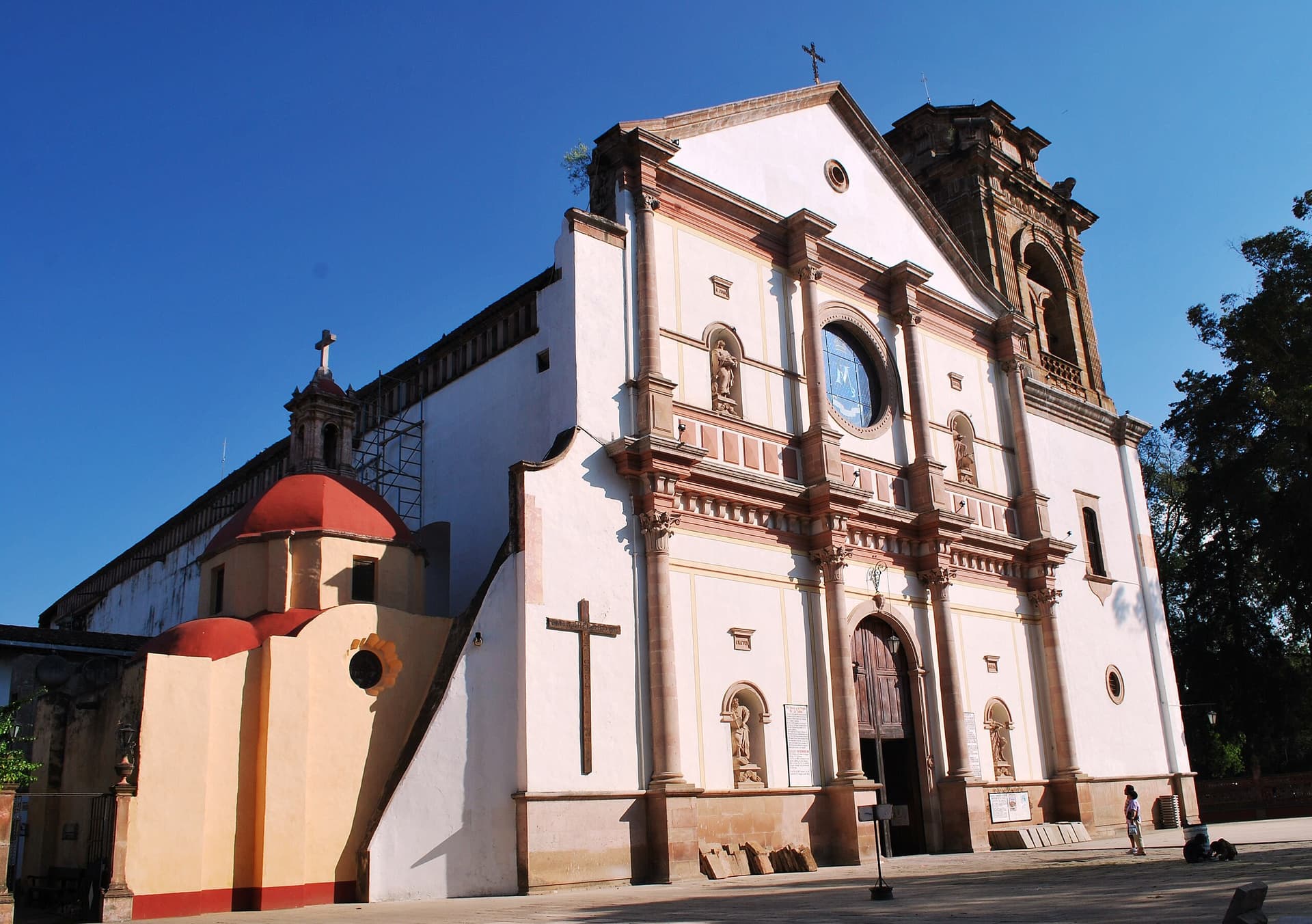
Basilica of Nuestra Señora de la Salud, Patzcuaro
Pátzcuaro, Michoacán, Mexico
168.3 km away
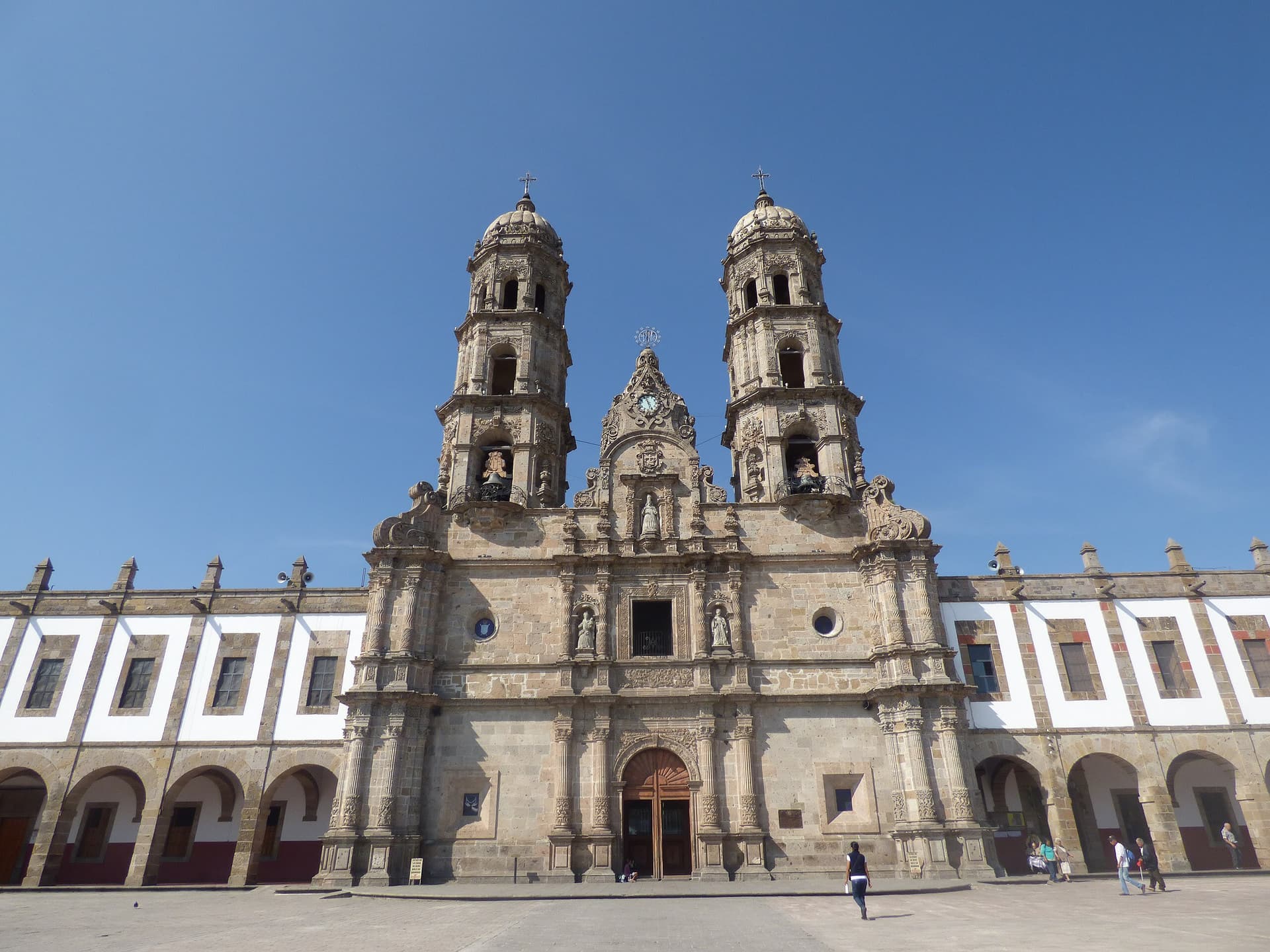
Basilica of Our Lady of Zapopan, Guadalajara
Zapopan, Jalisco, Mexico
212.4 km away
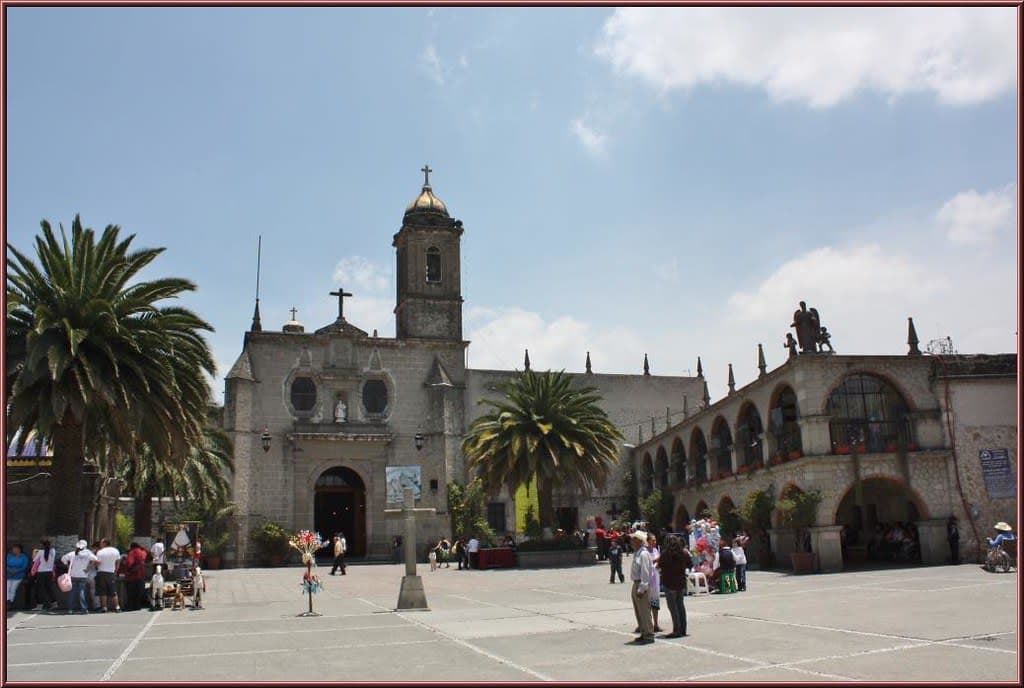
Basilica of Our Lady of Remedies, Naucalpan de Juarez
Naucalpan de Juárez, State of Mexico, Mexico
281.1 km away
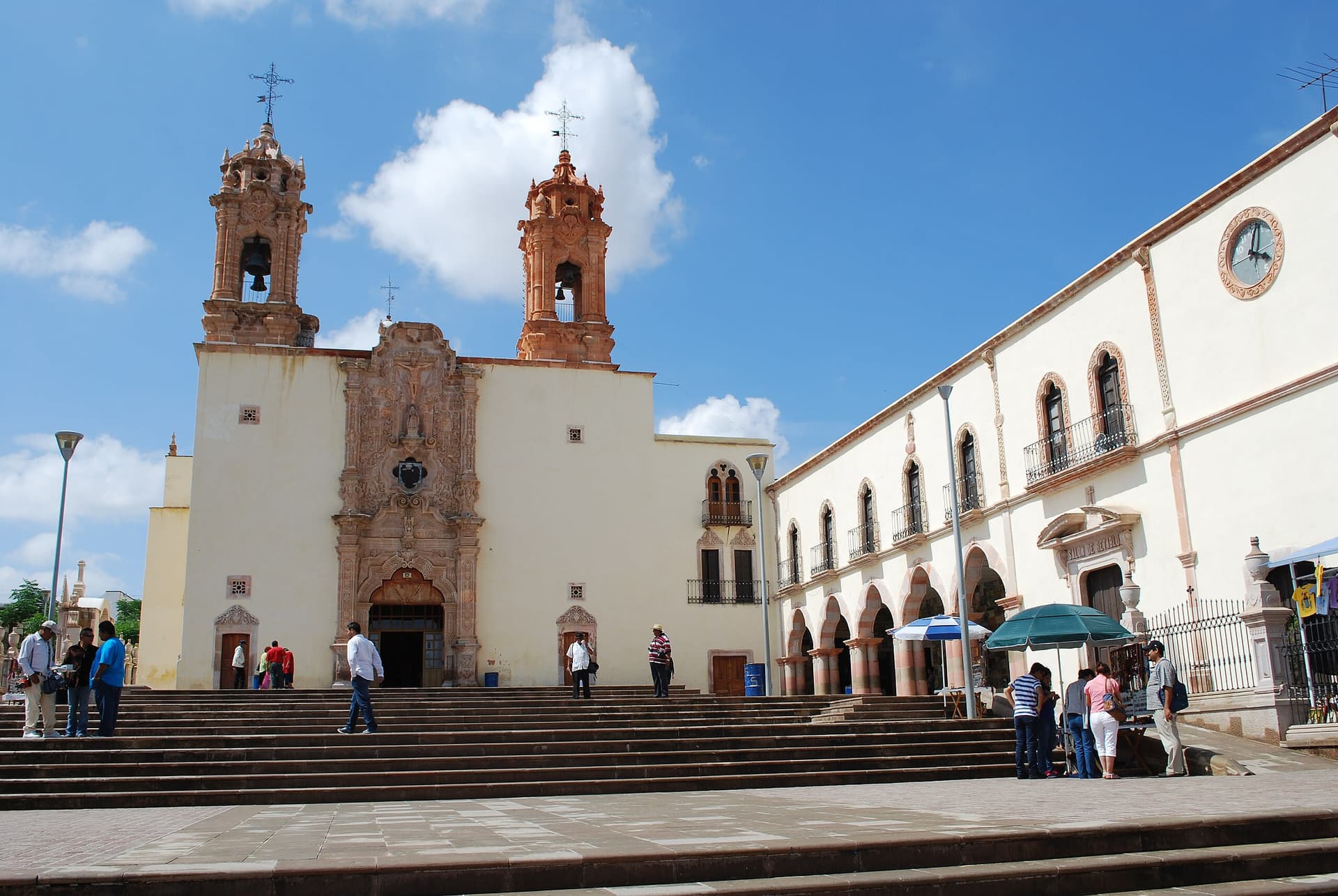
Sanctuary of the Holy Child of Atocha in Plateros
Plateros, Zacatecas, Mexico
285.5 km away