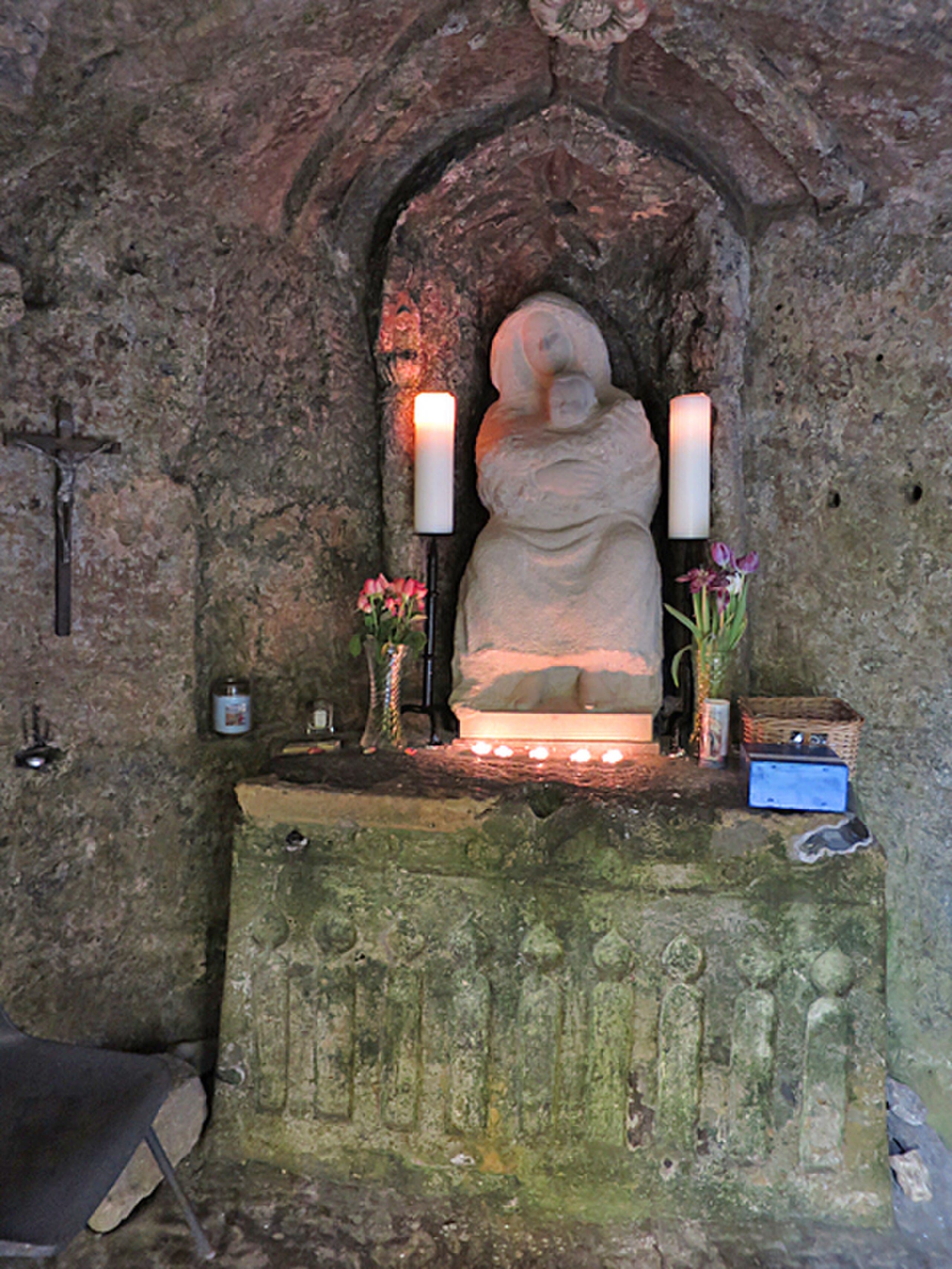
Chapel of Our Lady of the Crag, Knaresborough, England
A medieval chapel carved from living rock in thanksgiving for a miracle
Knaresborough, England, United Kingdom
At A Glance
- Coordinates
- 54.0089, -1.4668
- Suggested Duration
- A visit to the chapel itself takes 15-30 minutes, though the intimate space rewards unhurried presence. Allow additional time to explore the garden maintained by volunteers around the chapel entrance. St Robert's Cave and Chapel of the Holy Cross, 200 yards further along Abbey Road, merits its own visit. A thorough exploration of both sites and their surroundings can occupy an hour or more.
Pilgrim Tips
- No formal requirements exist, but modest dress appropriate for a place of worship shows respect for the site's sacred function. Sturdy footwear is recommended due to steep, potentially slippery steps leading to the chapel.
- Photography is permitted. Please be respectful of others at prayer and avoid flash in the enclosed space. Consider whether photographing is what you actually want to do here, or whether presence might serve you better.
- The chapel's intimate scale means that lingering too long prevents others from entering. Be mindful of those waiting. The experience deepens with brevity and return rather than extended occupation. Do not touch or damage the medieval carvings. The pillars, capitals, and other features have survived since 1408 and deserve protection for future centuries. The steps to the chapel can be slippery when wet. Sturdy footwear is advisable. Those with mobility limitations should know that wheelchair access is not possible, though the chapel can be viewed from Abbey Road even when closed.
Overview
Hewn from sandstone cliffs above the River Nidd in 1408, the Chapel of Our Lady of the Crag stands as one of Britain's oldest wayside shrines. Reconsecrated in 1916 after surviving the Reformation, this intimate Marian sanctuary continues to welcome pilgrims seeking quiet encounter with six centuries of devotion carved into stone.
Some places of worship are built upon the earth. Others are carved into it. The Chapel of Our Lady of the Crag belongs to the second, rarer category—a sanctuary not constructed but excavated, hollowed from the cliff face by a medieval mason whose son, according to tradition, was saved by the Virgin Mary's intervention when a rockfall miraculously changed direction.
The chapel measures roughly twelve feet long, eight feet wide, and seven feet high. One household at a time can enter. This intimacy is not a limitation but the essence of the place—a rock-cut room where devotion becomes personal, unavoidable, unhurried.
For over six hundred years, pilgrims have descended these steep steps. Medieval travelers paused here on their way to the now-vanished Knaresborough Priory. Quarry workers offered prayers before breaking stone. When the Reformation silenced most such shrines, this one persisted—hidden perhaps, or simply enduring through local loyalty. The traveler Celia Fiennes, visiting around 1700, recorded that Catholic devotions continued here despite official suppression.
Today, the chapel operates as an active Marian shrine within the Diocese of Leeds. Mass is celebrated on feast days. Pilgrims arrive along St Wilfrid's Way. And seekers of any tradition—or none—find their way down the garden path to stand where John the Mason once stood, carving gratitude into rock.
Context And Lineage
The chapel was carved in 1408 by John the Mason, who received royal license from King Henry IV after—according to tradition—the Virgin Mary saved his son from a deadly rockfall. The site served medieval pilgrims traveling to Knaresborough Priory and quarry workers extracting stone from the adjacent cliff. It survived the Reformation through means that remain unclear and was reconsecrated as a Catholic shrine in 1916.
The founding story carries the simplicity of folk narrative. John the Mason was working at the quarry above the River Nidd—the same quarry that supplied stone for Knaresborough Castle and the medieval parish church. His young son played nearby, as children of workers often did. Without warning, rock began to fall from the cliff face, and the boy stood directly in its path.
John was too far away to reach him. In desperation, he cried out to the Virgin Mary. And then—according to the tradition that has traveled six centuries—the rockfall changed direction. Stone that should have crushed the child fell harmlessly aside. The boy lived.
In gratitude, John carved a chapel from the very rock that had threatened and then spared his son. This is the story the site carries, regardless of whether historical evidence confirms or complicates it. King Henry IV's license of 1408 establishes the legal fact of the chapel's creation. The miracle tradition gives it meaning beyond bureaucratic record.
The historical John was likely no ordinary worker but a master craftsman—the same mason whose skills shaped significant buildings in the area. His chapel demonstrates this expertise. The interior features vaulting with bosses, pillars with floriate capitals, a piscina, and an altar with canopied niche. This is not crude excavation but sophisticated ecclesiastical architecture rendered in negative space, carved from rather than built with stone.
The chapel's lineage passes through several phases. Medieval devotion gave way to Reformation suppression, though the site appears to have retained some continuity of use—Celia Fiennes' late-seventeenth-century account suggests Catholic practices persisted. The nineteenth century brought antiquarian interest and preservation awareness. In 1916, reconsecration by Ampleforth Abbey restored the chapel's formal Catholic status.
The Diocese of Leeds now recognizes the chapel as a pilgrimage destination. It lies along St Wilfrid's Way, the pilgrimage route connecting Leeds Cathedral and Ripon. The Chapel of Our Lady of the Crag Trust, constituted in 2017, manages the site through volunteer effort, maintaining the garden, staffing open hours, and arranging services.
Two hundred yards along Abbey Road stands St Robert's Cave, another rock-cut sacred space where the medieval hermit Robert of Knaresborough lived and prayed. These two sites create a concentrated sacred landscape along the river gorge—a lineage of rock-cut devotion that visitors can walk between.
John the Mason
founder
The medieval mason who received royal license in 1408 to carve the chapel, reportedly in thanksgiving for his son's miraculous rescue from a rockfall. Likely the master craftsman responsible for work on Knaresborough Castle and St Mary's Church.
The Virgin Mary (Our Lady)
deity/saint
The Mother of Christ, to whom the chapel is dedicated. According to tradition, her intercession saved John's son and inspired the chapel's creation. The modern statue by Ian Judd represents her holding the Christ Child.
King Henry IV
historical
The English king who granted John the Mason license to excavate and maintain a chapel in 1408, providing the legal foundation for the site's existence.
Ian Judd
artist
Yorkshire sculptor who created the modern granite Madonna and Child statue installed in 2000, providing the current devotional focal point.
Why This Place Is Sacred
The Chapel of Our Lady of the Crag draws its sacred quality from the interweaving of miraculous legend, the physical threshold between cliff and carved space, over six centuries of continuous or near-continuous devotion, and the chapel's survival through religious upheaval when countless shrines were destroyed.
There is something about being inside rock rather than inside walls. The distinction matters. Walls are built—assembled from parts, capable of disassembly. A rock-cut chamber is subtracted from what already exists, revealing space that was always there, waiting.
The chapel's thinness begins with this physical fact. You do not enter a building; you enter the cliff itself, stepping across a threshold where natural formation gives way to human intention. The vaulted ceiling above you is not supported by construction but by the integrity of sandstone that has held this shape since John the Mason revealed it.
The founding legend amplifies this quality. A child in the path of falling rock. A father too far away to help. A prayer to the Virgin Mary. And then—according to tradition—the rockfall changed direction. Whether historical event or devotional narrative matters less than what the story establishes: this is a place where the ordinary rules were suspended, where intervention occurred, where stone itself became a witness to the sacred.
Six centuries of accumulated devotion have added their weight. Not every pilgrim who came here came in faith—some were curious, some were skeptical, some were merely passing. But enough came with genuine seeking, enough offered prayers and lit candles, enough knelt in this narrow space with their griefs and gratitudes, that something has sedimented. The chapel carries the residue of these encounters.
Perhaps most significant is what the chapel survived. Henry VIII's Reformation destroyed countless shrines across England. The dissolution of monasteries, the whitewashing of churches, the smashing of saints' images—all this aimed to sever the English from their Catholic past. Yet this small chapel endured. How? The historical record is unclear. Perhaps it was overlooked. Perhaps local people protected it. Perhaps the very fact of its recession into the cliff made it easy to forget or conceal. Whatever the reason, the survival itself speaks to persistence that refuses easy explanation.
John the Mason received a license from King Henry IV in 1408 to excavate and hold a chapel on waste land below the quarry. The historical John was likely the master craftsman responsible for repairs to Knaresborough Castle and construction at the medieval parish church of St Mary. The chapel served multiple purposes: a wayside shrine where travelers could pray for safe passage, a place of worship for quarry workers extracting stone from the adjacent cliff face, and a pilgrims' waystation on the route to Knaresborough Priory. In medieval understanding, these functions were unified rather than separate—work and worship, journey and devotion, intertwined.
The chapel's history divides into periods of visibility and obscurity. Through the medieval period, it served its intended functions—wayside devotion, worker's chapel, pilgrim's rest. The Reformation should have ended it. Many similar shrines were destroyed or converted. Yet devotion continued here, though the extent remains unclear. By the late sixteenth century, records refer to it as the Chapel of Our Lady of the Quarry, suggesting continued local awareness. Celia Fiennes' diary entry around 1700 confirms ongoing Catholic practices despite their official suppression.
The nineteenth century brought antiquarian interest. The twentieth brought restoration. In 1916, the chapel was reconsecrated as a Catholic place of worship and became property of Ampleforth Abbey. A modern statue of the Madonna and Child, sculpted by Yorkshire artist Ian Judd in 2000, now occupies the central niche. In 2017, the Chapel of Our Lady of the Crag Trust was established to ensure its continued care. Bishop Marcus Stock of Leeds designated it a pilgrimage site for the Jubilee Year 2025.
What began as one mason's thanksgiving has become a node on contemporary pilgrimage routes, its meaning expanding to include seekers far beyond its original Catholic context.
Traditions And Practice
As an active Catholic shrine, the chapel hosts Mass celebrations on feast days and welcomes individual prayer throughout its opening hours. Visitors may light votive candles, bring flowers, and spend time in silent reflection. The site accommodates ecumenical use, with services arrangeable for all denominations.
Medieval practices at the chapel would have included regular worship for quarry workers and devotions by pilgrims pausing on their way to Knaresborough Priory. The piscina indicates that Mass was celebrated—priests would have cleansed liturgical vessels in the carved basin. Candles would have burned before whatever image then occupied the central niche. Prayers for protection during travel, for safe labor in the quarry, and for intercession in personal matters would have been offered.
During the centuries between Reformation and reconsecration, practice likely continued in attenuated or covert form. Celia Fiennes' account suggests ongoing Catholic devotions around 1700, though details are sparse. Local memory and quiet persistence rather than institutional structure seem to have carried the tradition through.
Mass is now celebrated at the chapel on various feast days throughout the year, particularly the Feast of the Assumption (August 15) and Our Lady of Sorrows. Visiting priests from the Diocese of Leeds conduct these services. The Rosary is prayed for specific feasts. Catholic pilgrimage groups, including school pilgrimages featured on BBC One, visit throughout the season.
For individual visitors, the chapel welcomes personal prayer and meditation regardless of religious background. Votive candles can be lit and flowers brought. The carved rock seat provides a place for silent contemplation. Though the space is Catholic consecrated, the trust explicitly welcomes visitors of all faiths and none seeking quiet reflection.
Services can be arranged for groups of any denomination by contacting the trust in advance. This ecumenical openness reflects contemporary practice while honoring the site's specifically Marian dedication.
Enter the chapel with intention. Before descending the steps, pause to consider what you bring—a question, a gratitude, a simple willingness to be present. The space is small enough that it will notice your approach.
Once inside, take a moment before doing anything. Let your eyes adjust. Feel the quality of the rock around you—the way it holds temperature and sound differently than constructed walls. Notice the carvings that have survived six centuries: the bosses on the ceiling, the capitals of the pillars, the piscina that priests once used.
If lighting a candle feels appropriate to you, do so. The gesture carries weight here regardless of your tradition. If sitting in silence is your practice, the carved rock seat holds you. If you have come with something to release or request, this is a place where such offerings have been made for six hundred years.
Before leaving, acknowledge whatever you have received—even if that is simply a few minutes of quiet in a world that offers too few.
Roman Catholicism
ActiveThe chapel is a consecrated Catholic place of worship and Marian shrine within the Diocese of Leeds. Reconsecrated in 1916 after becoming property of Ampleforth Abbey, it continues to host Mass celebrations and is recognized as an official pilgrimage site. Bishop Marcus Stock designated it for the Jubilee Year 2025, affirming its place within contemporary Catholic pilgrimage practice.
Mass celebrations by visiting priests on feast days including the Feast of the Assumption (August 15) and Our Lady of Sorrows. Rosary prayers for Marian feasts. Catholic school pilgrimages. Individual prayer and veneration of the Madonna. Lighting of votive candles.
Marian Devotion
ActiveThe chapel is dedicated to the Virgin Mary (Our Lady) and has served as a site of Marian veneration since its founding. The legend of John the Mason's gratitude for Mary's intervention in saving his son establishes it as a shrine to maternal protection and divine intercession. The modern granite Madonna and Child by Ian Judd provides the current devotional focal point.
Veneration of the Madonna and Child. Bringing flowers as offerings. Personal prayers seeking Mary's intercession. Lighting votive candles. Contemplation of the mystery of divine motherhood.
Medieval Wayside Shrine Tradition
HistoricalThe chapel is one of Britain's oldest surviving wayside shrines—places where medieval travelers stopped to pray for safe journey before continuing. It served pilgrims traveling to Knaresborough Priory (now demolished) and quarry workers seeking blessing on their dangerous labor. This function has passed with the medieval pilgrimage infrastructure it served.
Historical practices included prayers for protection during travel, devotions by workers before beginning labor, and waystation prayers by pilgrims en route to the Priory. The piscina indicates Mass was celebrated regularly.
Anglican/Ecumenical
ActiveWhile the chapel is Catholic, the trust explicitly welcomes visitors and services of all denominations. The site operates with ecumenical openness, offering the space for services that can be arranged for any faith tradition. This reflects contemporary practice while honoring the specifically Marian dedication.
Services can be arranged for all denominations by contacting the trust. Ecumenical pilgrimage visits occur along St Wilfrid's Way. Visitors of all faiths and none are welcomed for quiet reflection.
Experience And Perspectives
Visitors to the Chapel of Our Lady of the Crag consistently describe a sense of stepping backward in time, encountering medieval faith in tangible form. The chapel's intimate scale—permitting only one household at a time—creates conditions for personal encounter rather than passive observation. Many report unexpected peace in the rock-cut silence.
The approach prepares you. You descend steps that can be slippery when wet, past a garden that volunteers have cultivated around the chapel's entrance. The knight carved in relief beside the doorway—his dating disputed, his identity unknown—watches your arrival. Then you duck through the rounded arch and enter.
The adjustment takes a moment. Light diminishes. Sound changes quality—not muffled exactly, but held differently. The rock walls do not echo so much as absorb. You are standing in a space barely larger than some closets, yet it does not feel cramped. Something about its proportions, or about having been carved rather than constructed, gives it a quality of sufficiency. This is exactly as much space as is needed.
Visitors commonly report feeling that they have stepped back in time. The medieval carvings remain: the piscina where priests once cleansed liturgical vessels, the pillars with floriate capitals, the vaulted ceiling with its bosses, the altar with its canopied niche. The modern statue of the Madonna and Child occupies the central position, yet the contemporary presence does not disrupt the sense of antiquity. Instead, the two times layer—the fifteenth century and the twenty-first joined in continuous devotion.
Those who come seeking more than curiosity often describe an unexpected weight to their time inside. Not heaviness in the oppressive sense, but substance—as if the minutes here count for more than minutes elsewhere. The rock-cut seat provides a place to sit in silence, and many find themselves remaining longer than intended, caught by a quality of stillness that asks nothing of them.
Frustration is also reported, but it concerns logistics rather than experience. The limited opening hours—Sundays from 2pm to 4pm, April through September—require careful planning. Those who arrive to find the gate locked peer through at what they cannot enter. This restriction, while practically necessary, intensifies the sense of the chapel as something set apart, not casually accessible.
The Chapel of Our Lady of the Crag asks for slowness. The small space does not permit groups or crowded viewing. One household enters at a time—a natural limit that prevents rushing and creates conditions for genuine encounter.
Consider what you bring. For some, this is an active pilgrimage site where prayer and veneration are the purpose. For others, it is a historical curiosity. For still others, it represents something between—a chance to sit where six centuries of seekers have sat and notice what arises.
The Madonna and Child, though modern, provides a focal point. The votive candles that visitors light accumulate in silent testimony. The rock seat carved into the wall offers a place to simply be present. Whether you come with specific intentions or open receptivity, the chapel will accommodate.
Be aware of others waiting. Your time inside is yours, but the intimate space means each visitor must yield for the next. This creates a rhythm of entry and departure, occupation and release, that becomes part of the experience.
The Chapel of Our Lady of the Crag holds different meanings for different observers. Historic England documents it as an early fifteenth-century rock-cut chapel of architectural significance. Catholic tradition venerates it as a Marian shrine born from miraculous intervention. For pilgrims and seekers, it represents an encounter with centuries of devotion physically carved into stone. These perspectives overlap without fully coinciding.
Historic England classifies the chapel as an early fifteenth-century structure carved from the cliff face, with Grade I listed status since 1952. The interior features—piscina, pillars with floriate capitals, vaulting with bosses, altar with canopied niche—are documented as original medieval elements. The knight figure carved in relief beside the entrance is dated by Historic England to 1695-1739, though some local sources suggest an earlier date, possibly contemporary with the chapel itself.
Archaeological survey in the late 1990s confirmed evidence of rough dwellings along the crag over centuries, suggesting the chapel existed within a broader landscape of human habitation along the river gorge. The site's relationship to the adjacent quarry—which supplied stone for Knaresborough Castle and local churches—provides context for why a skilled mason would have been working here.
The chapel's survival through the Reformation remains incompletely explained by documentary evidence. Whether it was overlooked, concealed, or protected through local loyalty cannot be determined from existing records.
Within Catholic tradition, the chapel represents an unbroken thread of Marian devotion extending from medieval England through the present day. The founding legend—John the Mason's prayer to the Virgin Mary and his son's miraculous rescue—places the site within the tradition of Marian shrines established in thanksgiving for intercession. The chapel's survival through religious persecution becomes, in this reading, itself a form of continued protection.
The reconsecration in 1916 and subsequent recognition by the Diocese of Leeds restore formal continuity with medieval practice. Bishop Marcus Stock's designation of the chapel as a Jubilee Year 2025 pilgrimage site affirms its place within contemporary Catholic pilgrimage infrastructure.
For Marian devotees, the modern statue by Ian Judd and the votive candles lit by visitors continue a practice of veneration that began when John first carved his chapel of thanksgiving.
Some popular accounts describe the knight figure as a "Knight Templar," connecting the site to esoteric narratives about the medieval military order. This attribution appears to be romantic rather than historical—no documentary evidence links the chapel to the Templars, and the figure's dating to the late seventeenth or early eighteenth century places it centuries after the order's dissolution.
The chapel's rock-cut nature connects it to broader traditions of sacred caves and grotto shrines found across Christian practice, from the catacombs of early Christianity to the cave churches of Cappadocia. Whether this represents architectural convenience, symbolic intention, or both invites reflection.
Genuine mysteries persist. The exact identity and biography of John the Mason remain uncertain beyond his 1408 license. Whether the miracle legend preserves historical memory or represents later devotional elaboration cannot be determined. The extent of Catholic worship during the Reformation period remains fragmentary in the documentary record.
The knight figure's original appearance is unclear—the head may have been recarved in Victorian times, altering whatever identity or symbolism it originally conveyed. Three carved heads removed in 1916 during restoration have disappeared, their current location unknown.
What the chapel looked like in its medieval prime—what images or objects occupied the central niche before the modern statue, what devotional items pilgrims brought, how the space was lit and used—remains a matter of inference rather than documentation.
Visit Planning
The chapel opens Sundays 2pm-4pm from April through September. Located on Abbey Road in Knaresborough, it is accessible from Waterside Car Park and by public transport. The steep steps can be slippery when wet. A visit takes 15-30 minutes, with additional time for the garden and nearby St Robert's Cave.
Knaresborough itself offers various accommodation options including inns, B&Bs, and guesthouses. The nearby spa town of Harrogate, approximately 3 miles away, provides extensive hotel options at all price points. Those making the chapel part of the St Wilfrid's Way pilgrimage will find accommodation along the route between Leeds and Ripon.
As an active place of worship, the chapel asks for respectful behavior. One household enters at a time due to limited space. Modest dress appropriate for a place of worship is suggested. Photography is permitted but should be practiced with awareness of others at prayer.
The Chapel of Our Lady of the Crag operates as both heritage site and active sanctuary. These dual functions require visitors to hold both in mind. You are entering a listed Grade I building of historical significance, and you are entering a consecrated space where people come to pray.
The fundamental etiquette follows from limited space: only one household at a time can enter the chapel. This is not a rule imposed by management but a physical fact of the chamber's dimensions. Be aware of others waiting their turn. Your time inside should be sufficient for genuine encounter but respectful of those who have come seeking the same.
Maintain an atmosphere appropriate to a place of worship. Loud conversation, mobile phone use, and performative behavior for social media diminish the experience for everyone—including yourself. The chapel rewards quiet attention. It does not reward distraction.
If you arrive during a service or find others at prayer, wait or withdraw rather than interrupting. The chapel's purpose as sanctuary takes precedence over its interest as curiosity.
No formal requirements exist, but modest dress appropriate for a place of worship shows respect for the site's sacred function. Sturdy footwear is recommended due to steep, potentially slippery steps leading to the chapel.
Photography is permitted. Please be respectful of others at prayer and avoid flash in the enclosed space. Consider whether photographing is what you actually want to do here, or whether presence might serve you better.
Votive candles may be lit. Flowers are welcome. Donations are appreciated for chapel maintenance and can be made through the trust. Internal offerings—prayers, intentions, gratitudes—require no physical expression but have been made here for six centuries.
The chapel is open to the public on Sundays from 2pm to 4pm, April through September. Advance booking is recommended for group visits or special services. The medieval carvings must not be touched or damaged. Only one household may enter the chapel at a time.
Sacred Cluster
Nearby sacred places create the location cluster described in the growth plan. This block is intentionally crawlable and links into the wider regional graph.
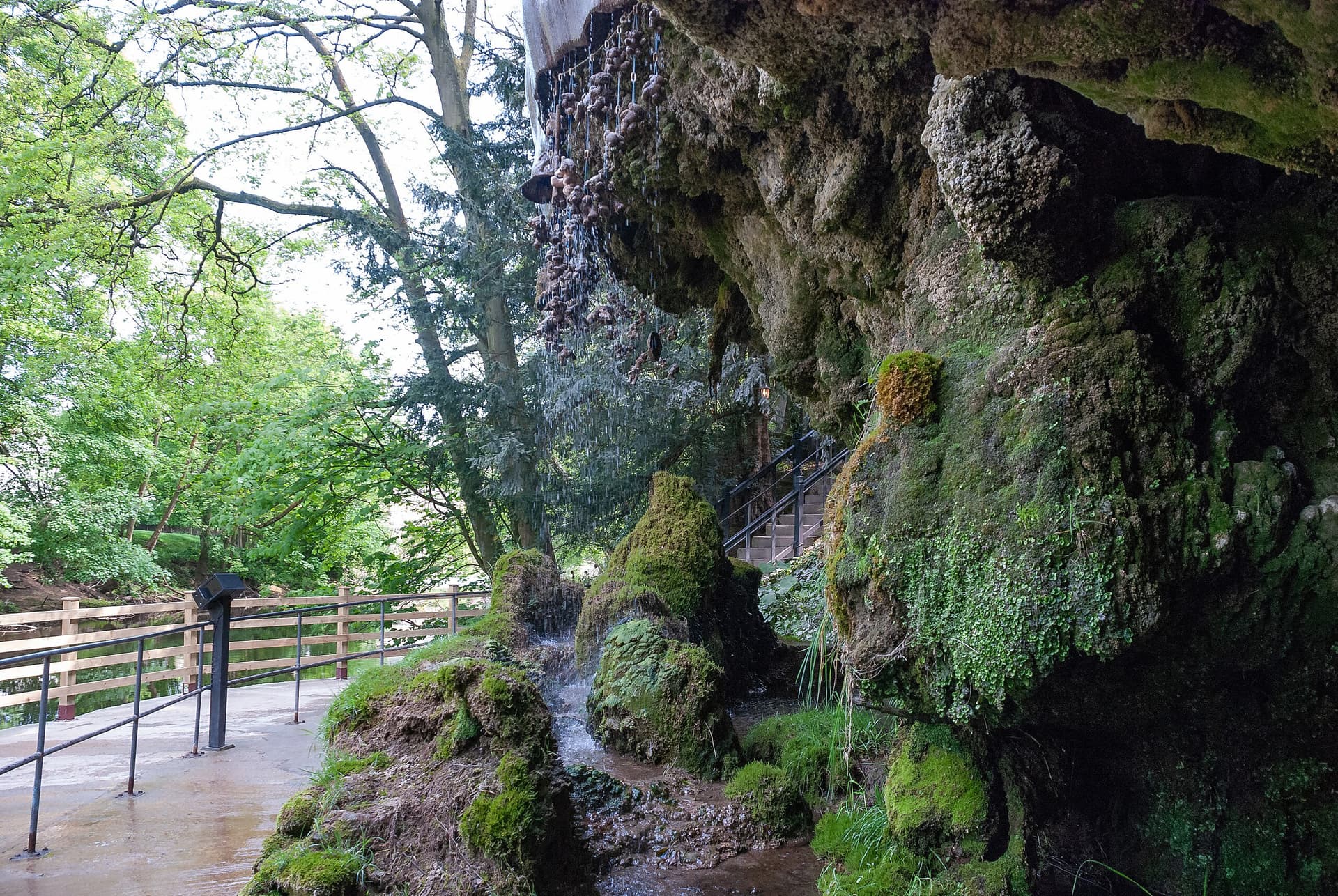
Mother Shipton’s Cave, Knaresborough, England
Knaresborough, England, United Kingdom
0.5 km away
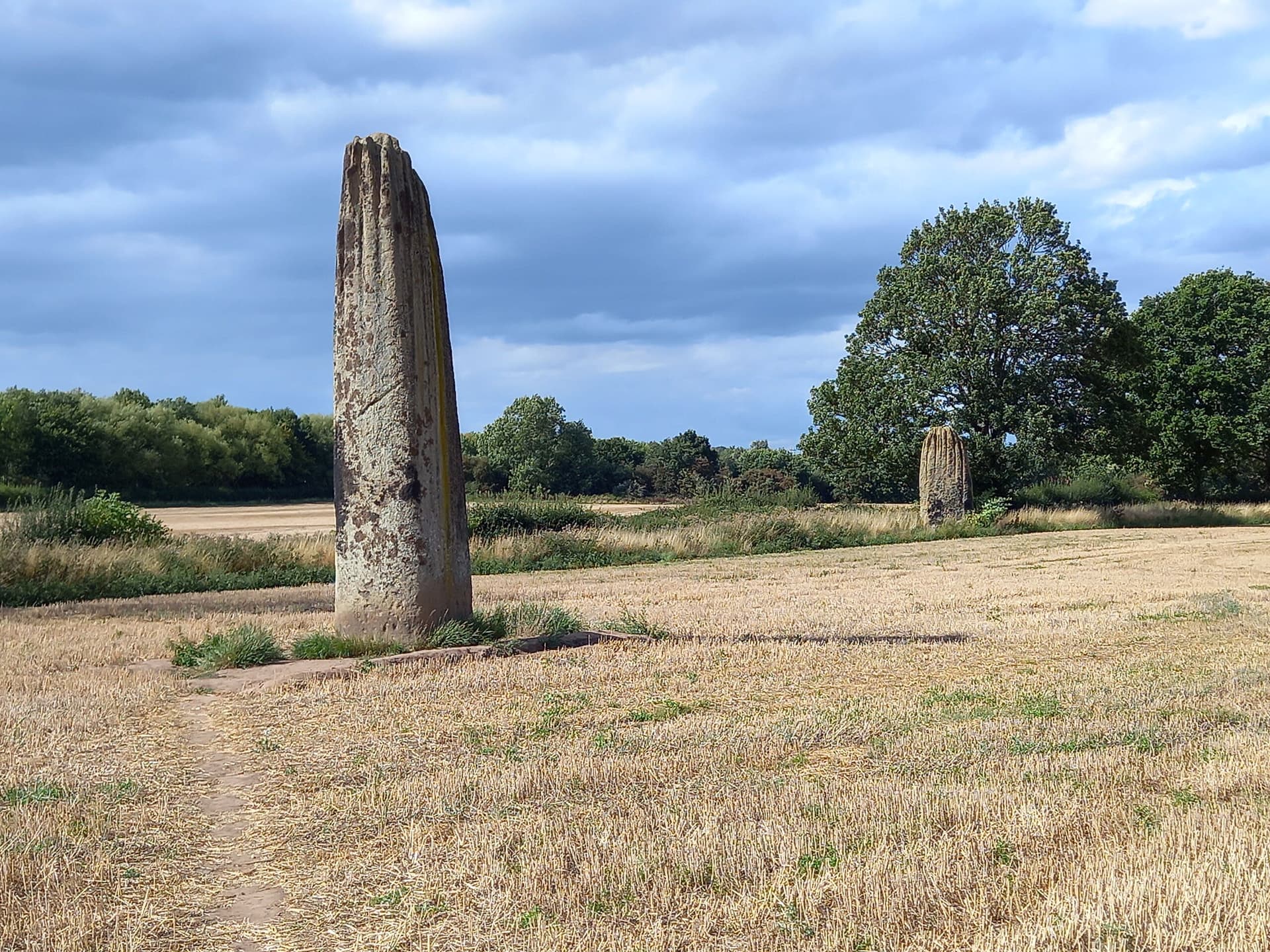
The Devils Arrows
Boroughbridge, England, United Kingdom
9.8 km away
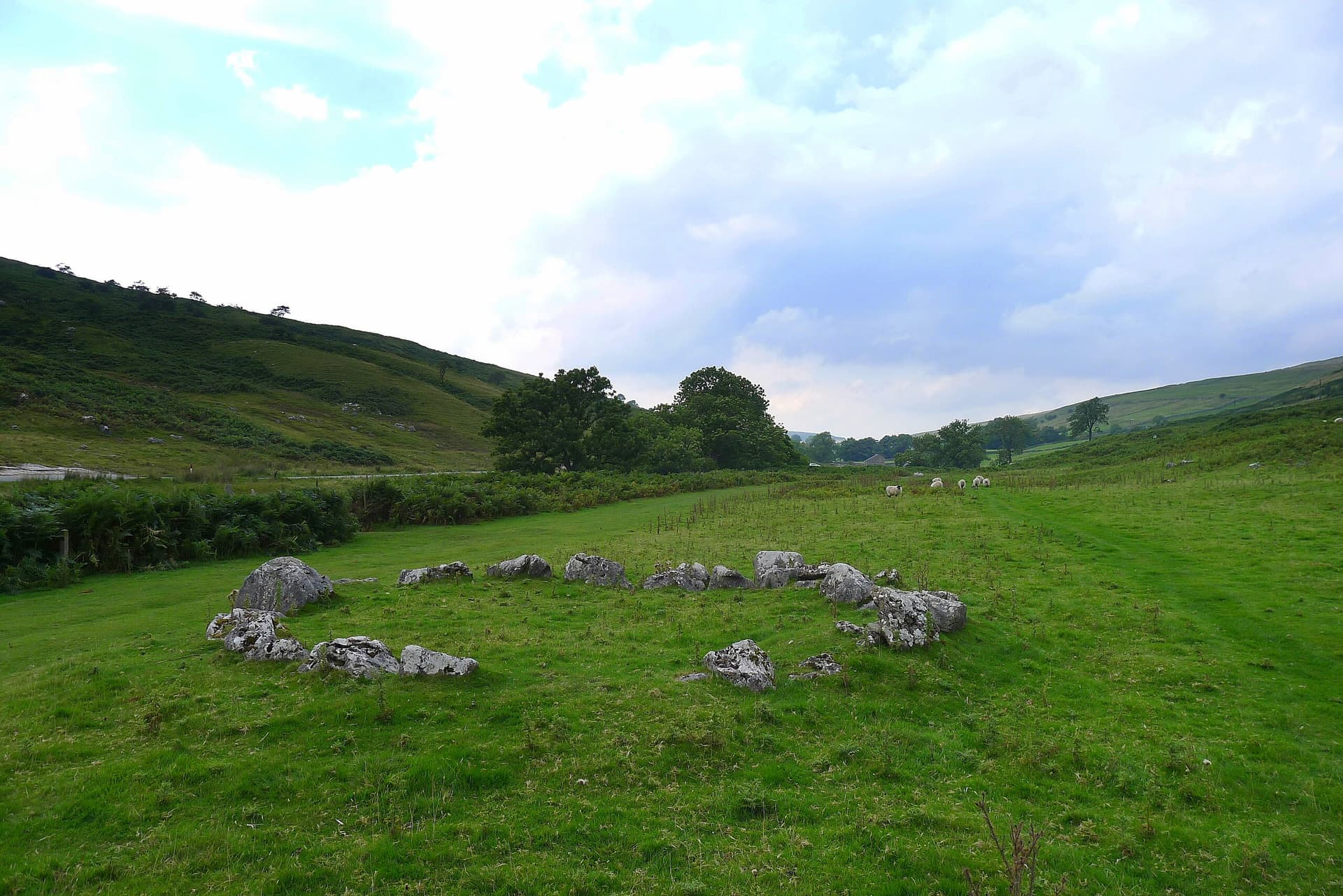
Yockenthwaite stone circle
Buckden, England, United Kingdom
49.0 km away
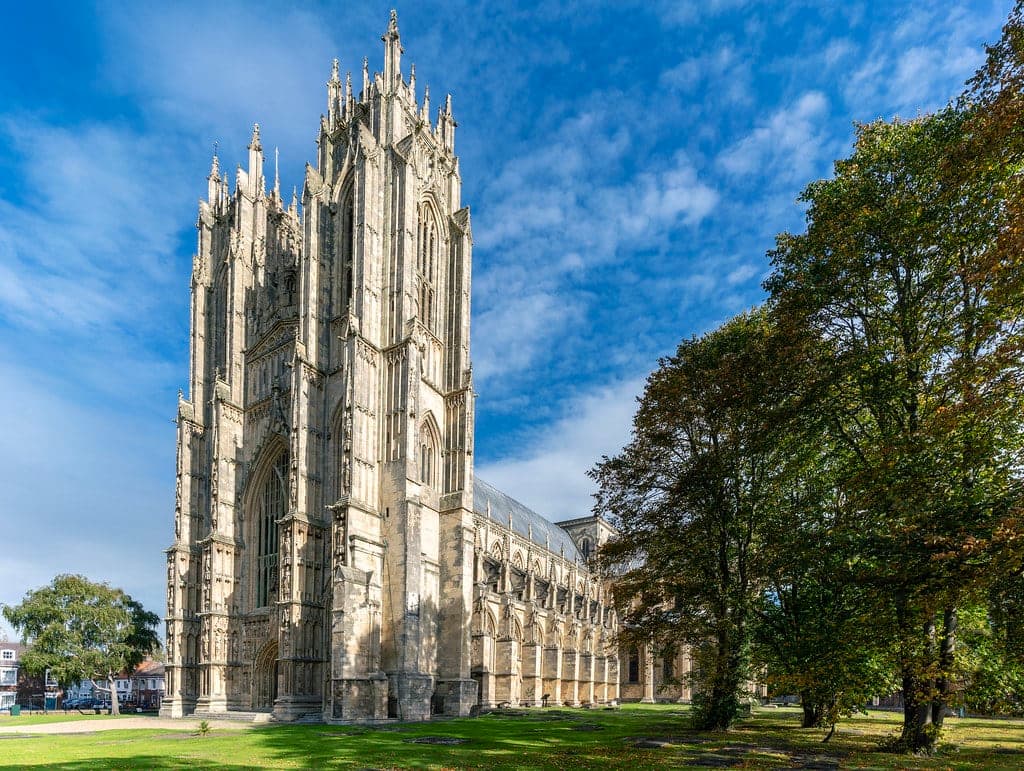
Beverley Minster
Beverley, East Riding of Yorkshire, United Kingdom
70.7 km away