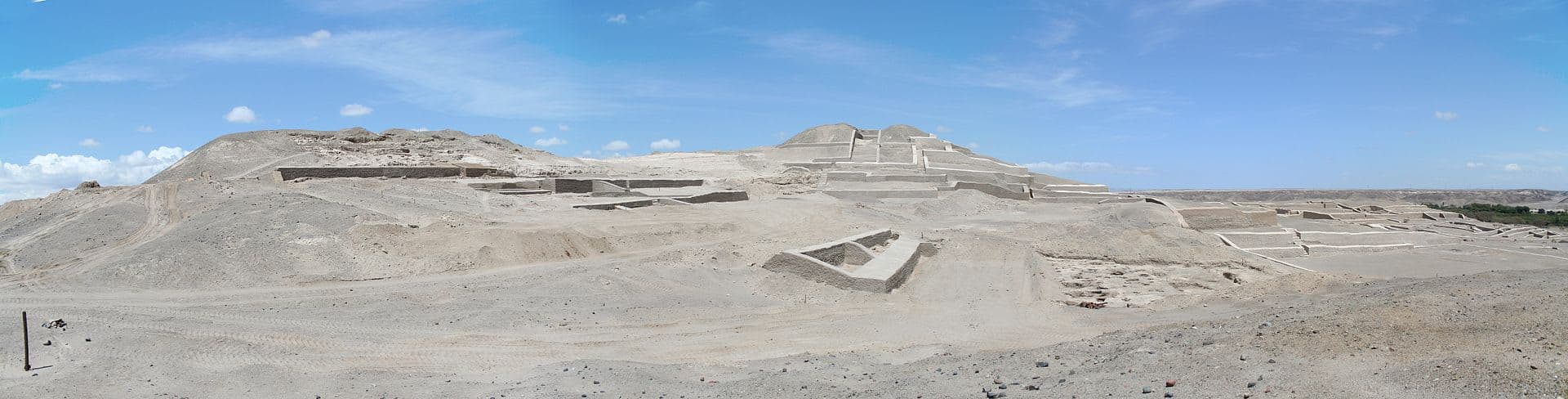
Cahuachi Nazca site
The pilgrimage capital of the Nazca—where desert pyramids may hold the key to the Lines
Nazca, Ica, Peru
At A Glance
- Coordinates
- -14.8186, -75.1167
- Suggested Duration
- Two to four hours including travel from Nazca city.
Pilgrim Tips
- Sun protection essential in the desert environment. Comfortable shoes for uneven terrain.
- Photography permitted. Follow guide instructions regarding restricted areas.
- The site is remote; arrange transportation in advance. Prepare for desert conditions including sun exposure. Looting remains a problem; report any suspicious activity.
Overview
For five hundred years, pilgrims journeyed across the desert to Cahuachi—not to live but to worship, to bury their dead, and perhaps to participate in the creation of the Nazca Lines themselves. This was no city but a ceremonial center: over 40 adobe pyramids spread across 1.5 square kilometers, three times larger than Machu Picchu, yet home to only a small permanent population. The connection between Cahuachi and the Lines remains archaeology's great puzzle, the relationship between pilgrimage center and desert geoglyphs waiting to be understood.
Cahuachi sprawls across the Nazca Valley, 28 kilometers from the modern city of Nazca, a vast complex of adobe pyramids that once served as the ceremonial heart of a culture famous for something else entirely: the Lines etched into the desert plateau above. Built between 1 CE and 500 CE, Cahuachi represents the religious capital of the Nazca—a pilgrimage destination rather than a populated city.
The scale confounds expectation. Over 40 mounds topped with adobe structures cover 1.5 square kilometers, making Cahuachi one of the largest pre-Inca sites in Peru. The Great Pyramid alone measures 110 meters long, 90 meters wide, and 28 meters high, composed of seven stepped platforms. Yet the permanent population was small. People came here to worship, then returned to their communities. Cahuachi was destination, not dwelling.
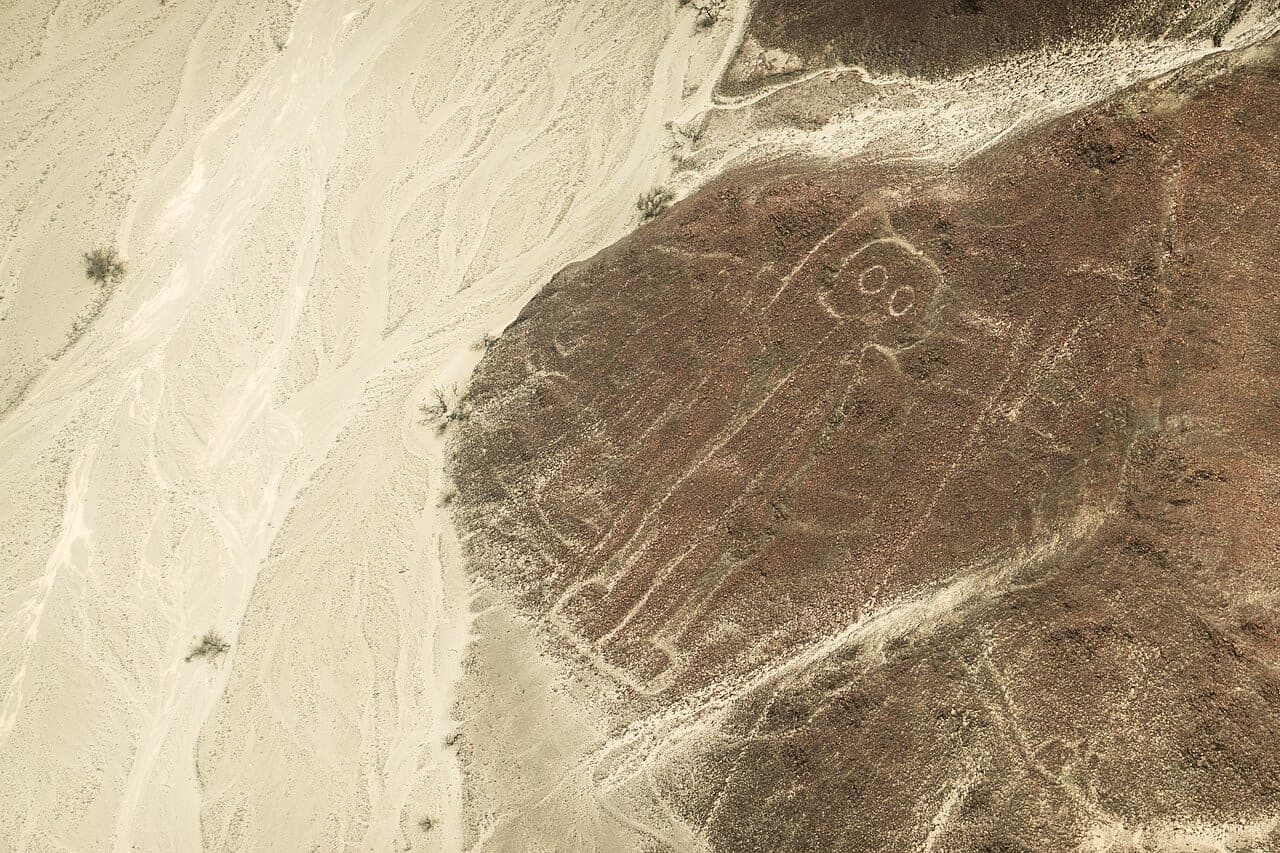
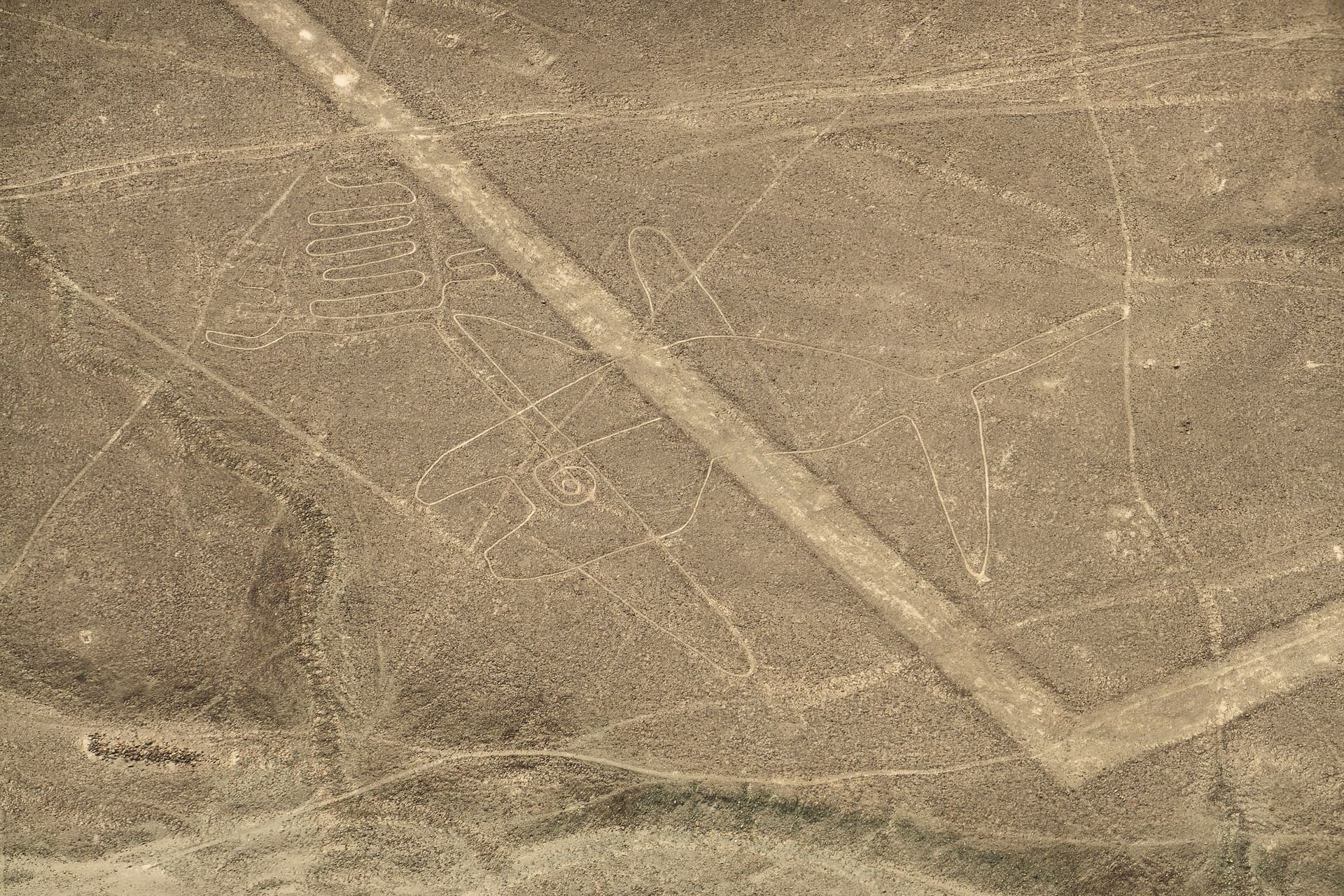
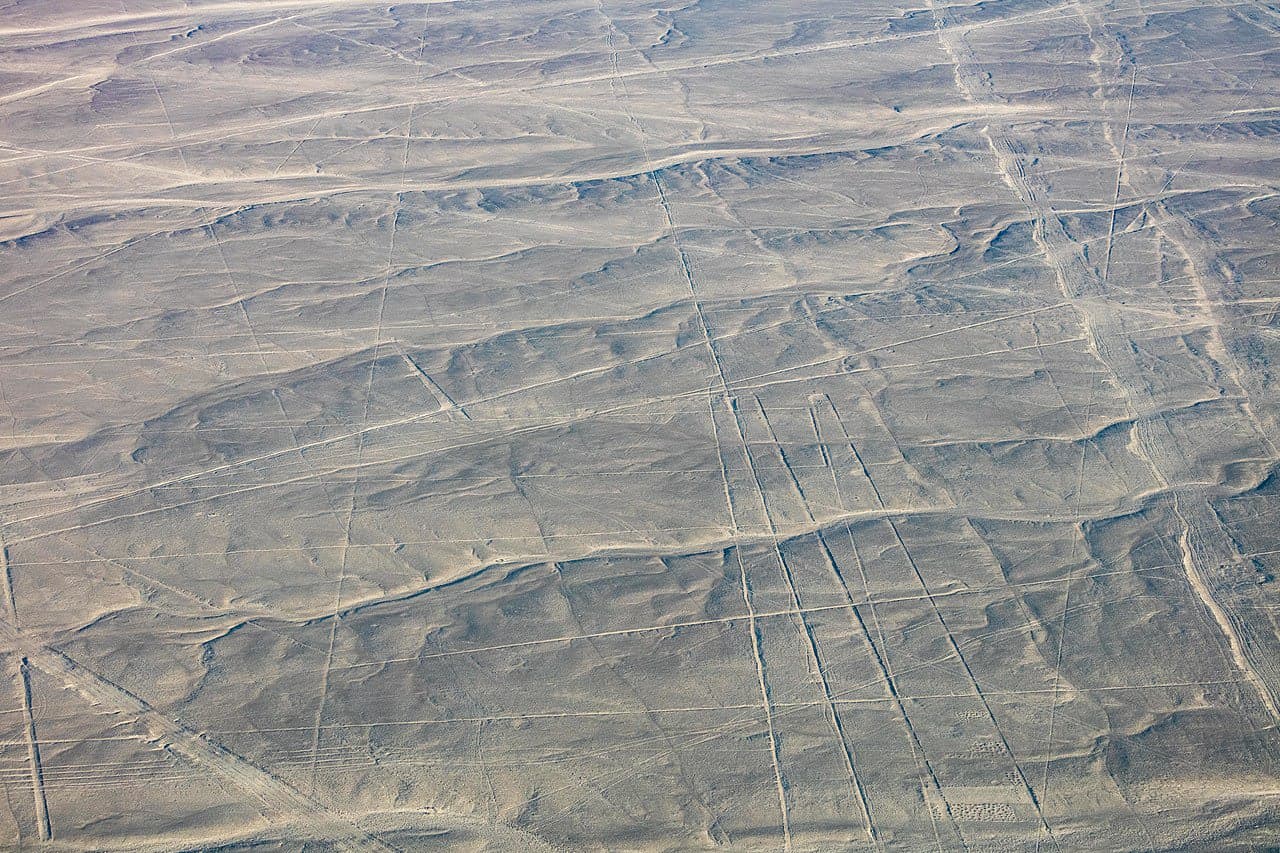
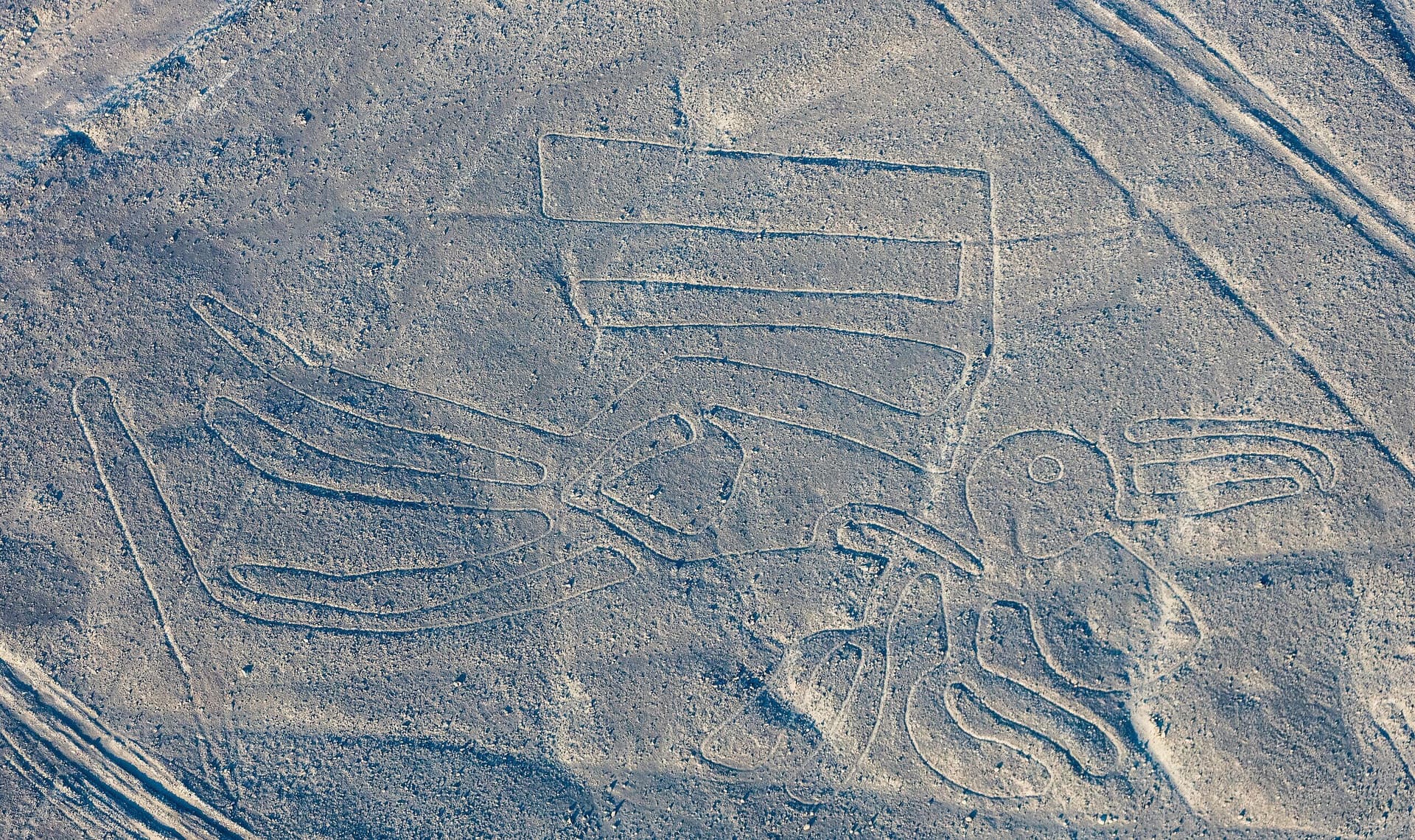
The connection to the famous Nazca Lines, visible on the desert plateau above, remains one of archaeology's great mysteries. Did pilgrims walk the Lines on their way to Cahuachi? Were the geoglyphs created as part of ceremonies conducted at the pyramids? Some researchers believe Cahuachi holds the key to understanding the Lines—that the two phenomena cannot be separated, that together they formed a religious landscape of unprecedented scale.
Water and fertility dominated Cahuachi's concerns. In this desert environment, rain was rare and precious. The rituals conducted here likely aimed to influence the forces that brought water to the arid landscape. Textiles found within the Great Pyramid—200 pieces, some hand-painted—suggest the importance of fabric offerings in Nazca ceremony.
Around 450-500 CE, Cahuachi was deliberately abandoned. The site was used largely for burials during its final phase, then left to the desert. Today, only about 30-40% has been excavated; the rest awaits the attention that Giuseppe Orefici and his team have been providing for over 40 years.
Context And Lineage
Cahuachi served as the pilgrimage capital of the Nazca culture from approximately 1-500 CE. The site's relationship to the Nazca Lines remains an archaeological mystery. Deliberate abandonment around 450-500 CE preserved the site for later discovery.
The Nazca culture flourished in the coastal area of Peru's central Andes from approximately 1-500 CE. Their capital was not where they lived but where they worshipped. Cahuachi emerged as the ceremonial heart of this culture—a pilgrimage destination rather than a residential city.
Construction began in the Early Intermediate Period, with adobe pyramids rising from the desert floor. Over 40 mounds eventually topped with structures covered 1.5 square kilometers. The Great Pyramid reached 28 meters in height, its seven platforms hosting ceremonies that addressed the desert's most urgent need: water.
Frabee first excavated the site in 1922, but the significance of Cahuachi was not fully recognized until William Duncan Strong's excavations in 1952-1953 revealed its ceremonial rather than residential character. In the early 1980s, Helaine Silverman and Giuseppe Orefici began intensive archaeological work that has continued for over 40 years.
The relationship between Cahuachi and the Nazca Lines—the famous geoglyphs on the plateau above—remains central to understanding both phenomena. Some researchers believe the Lines served as ritual pathways leading pilgrims to Cahuachi. Others suggest ceremonies at the pyramids directed or celebrated Line creation. The connection seems evident; the specifics remain elusive.
Around 450-500 CE, the Nazca deliberately abandoned Cahuachi. The site had been used increasingly for elite burials in its later phases. Whatever prompted the departure—earthquake damage, religious change, political transformation—the abandonment preserved the accumulated devotion for future discovery.
Nazca culture, flourishing approximately 1-500 CE. No direct continuity to historical peoples, but the site and the Lines remain central to Peruvian heritage.
Giuseppe Orefici
Lead archaeologist
Helaine Silverman
Archaeologist
Why This Place Is Sacred
Cahuachi's thin quality emerges from its function as a pilgrimage destination—a place people journeyed to for worship rather than residence—combined with its possible connection to the Nazca Lines and its role as a site where water and fertility rituals addressed the desert's most urgent need.
Pilgrimage sites accumulate sacred power differently than inhabited places. At Cahuachi, the thin quality was created not by permanent residence but by repeated arrival—centuries of pilgrims crossing desert terrain to reach the pyramids, perform ceremonies, and return home. Each journey added to the site's accumulated power; each departure left that power in place.
The connection to the Nazca Lines intensifies the thinness. The geoglyphs on the plateau above may have served as ritual pathways leading to Cahuachi, or the pyramids may have been where Line creation was directed. Either way, the relationship binds Cahuachi to one of the ancient world's great mysteries. The Lines' purpose remains unknown, but whatever they were, Cahuachi was likely involved.
Water worship in a desert environment creates particular thin places. When survival depends on infrequent and unpredictable rainfall, the powers that control water become supremely important. The rituals at Cahuachi addressed this existential need—appealing to forces that could mean the difference between life and death. Such high-stakes worship concentrates sacred power.
The textile offerings found in the Great Pyramid add material dimension to the thinness. These 200 pieces, some hand-painted with sacred imagery, represent accumulated devotion made visible. Each textile was someone's offering, someone's prayer encoded in fiber. Together, they created a treasury of devotion that amplified the site's sacred character.
The deliberate abandonment around 450-500 CE marks a transition rather than an ending. The Nazca chose to leave Cahuachi, shifting ceremonial activity elsewhere. The reasons remain unknown—perhaps earthquake damage, perhaps religious change. But the departure concentrated power in a specific historical moment, sealing the accumulated devotion within the pyramids for future discovery.
Major ceremonial and pilgrimage center of the Nazca culture, where water and fertility rituals were conducted. Not a residential city but a destination for periodic worship. Possibly connected to the creation or use of the Nazca Lines.
From active ceremonial center (1-450 CE) through increasing use as burial site to deliberate abandonment around 450-500 CE. Archaeological excavation since 1980s revealing the site's significance.
Traditions And Practice
Water and fertility rituals dominated ceremonial practice at Cahuachi, where pilgrims gathered periodically for worship. Textile offerings, elite burials, and ceremonies possibly connected to the Nazca Lines characterized the site's religious life.
Pilgrimage ceremonies, water and fertility rituals, textile offerings (200 found in Great Pyramid), elite burials in later phases, possible rituals connected to Nazca Line creation or use.
The site functions as an archaeological destination offering encounter with Nazca ceremonial culture. Ongoing excavation continues to reveal new information about ancient practices.
Arrange a tour from Nazca city. Combine with visits to the Nazca Lines viewing areas to contemplate the relationship between geoglyphs and ceremonial center. Take time with the Great Pyramid and consider the textile offerings discovered within.
Nazca Ceremonial Tradition
HistoricalCahuachi represents the ceremonial capital of the Nazca culture, where pilgrimage, water worship, and possibly Line-related rituals created a sacred landscape of unprecedented scale.
Pilgrimage ceremonies, water and fertility rituals, textile offerings, elite burials, possible connection to Nazca Line creation or use.
Experience And Perspectives
Explore adobe pyramids that served as the pilgrimage capital of the Nazca, contemplate the connection to the famous Lines visible above, and witness an archaeological site where discoveries continue to reshape understanding.
Cahuachi lies 28 kilometers from the city of Nazca, accessible by arranged tour. The journey crosses desert terrain that Nazca pilgrims would have recognized—the arid landscape that made water worship so urgent.
Approach with awareness of scale. The site covers 1.5 square kilometers, larger than Machu Picchu, yet only 30-40% has been excavated. What you see represents a fraction of what exists. Adobe pyramids rise from the desert floor, their stepped platforms climbing toward a sky that rarely clouds with rain.
Find the Great Pyramid—the site's most imposing structure at 110 meters long, 90 meters wide, and 28 meters high. Seven stepped platforms rise in succession. Within this pyramid, archaeologists found 200 textiles, some hand-painted with sacred imagery. Imagine the ceremonies conducted here, the offerings deposited, the prayers for water in a land of thirst.
Consider the relationship to the Nazca Lines. The famous geoglyphs stretch across the plateau above the valley. Were they pathways leading pilgrims to Cahuachi? Were they created as part of ceremonies conducted at the pyramids? The relationship remains one of archaeology's great mysteries—visible and invisible, Cahuachi and Lines together forming a sacred landscape.
Acknowledge what remains unknown. Giuseppe Orefici's excavations have continued for over 40 years, yet most of the site awaits investigation. Looting has damaged many burial areas surrounding the ceremonial center. What you see is partial truth, a beginning rather than a conclusion.
The desert itself becomes part of the experience. The same environment that made water precious to the Nazca makes the site dramatic to modern visitors. The pyramids rise from aridity, monuments to devotion in a landscape of scarcity.
Located 28 km from the city of Nazca in the Ica Region, at 360-365 meters elevation. Arrange tours from Nazca city. The site overlooks the plateau where the Nazca Lines are located.
Cahuachi can be understood as the pilgrimage capital of the Nazca culture, as a possible key to understanding the famous Lines, as a site of water worship in a desert environment, or as an archaeological puzzle where discoveries continue to reshape understanding.
Archaeological research has established Cahuachi as a ceremonial rather than residential center, but the relationship to the Nazca Lines and the specific practices conducted remain subjects of ongoing investigation.
The Nazca understood water as sacred in their desert environment. Cahuachi was where that sacredness was addressed through pilgrimage, ceremony, and offering.
The scale of Cahuachi and its possible connection to the Lines invites speculation about the sophistication of Nazca religious organization and the purposes behind some of antiquity's most enigmatic monuments.
The specific relationship between Cahuachi and the Nazca Lines. The reasons for deliberate abandonment around 450-500 CE. The ceremonies conducted in the various pyramids.
Visit Planning
Located 28 km from Nazca city at approximately 365 meters elevation. Tours arranged from Nazca. Combine with Nazca Lines viewing for comprehensive understanding of Nazca sacred landscape.
Full range of accommodations in Nazca city.
Approach as an active archaeological site where research continues and preservation remains paramount. Do not disturb any features or collect any artifacts.
Cahuachi is an archaeological site of major significance where excavation continues and looting has been problematic. Treat the site with the care it requires for future research and preservation.
Sun protection essential in the desert environment. Comfortable shoes for uneven terrain.
Photography permitted. Follow guide instructions regarding restricted areas.
No offerings at archaeological structures.
Do not touch, climb on, or disturb any structures. Do not collect artifacts. Report looting activity.
Sacred Cluster
Nearby sacred places create the location cluster described in the growth plan. This block is intentionally crawlable and links into the wider regional graph.