
The acropolis of Baalbek
Where Rome built its largest temples on stones so massive their moving remains unexplained
Baalbek, Baalbek-Hermel Governorate, Lebanon
At A Glance
- Coordinates
- 34.0067, 36.2055
- Suggested Duration
- 2-4 hours for thorough exploration of the temple complex, quarry, and museum.
Pilgrim Tips
- Comfortable outdoor clothing and walking shoes appropriate for an archaeological site. No religious dress requirements.
- Generally permitted. Some restrictions may apply during special events or in specific areas.
- Verify current security conditions in Lebanon before travel. The site is well-maintained but some areas require climbing. Bring water and sun protection in summer. Entry fees apply.
Overview
Baalbek stands in Lebanon's Beqaa Valley, where Phoenicians worshipped Baal, Greeks honored the sun, and Romans built temples on a scale they attempted nowhere else in their empire. Six columns still rise twenty meters into the air—remnants of the Temple of Jupiter. But beneath and behind the Roman work lie the trilithon stones: three blocks weighing over eight hundred tonnes each, whose moving and placing remain unexplained.
The Romans called it Heliopolis, City of the Sun, though the sacredness here predates Rome by millennia. In the Beqaa Valley, where springs feed two major rivers, the Phoenicians recognized the presence of Baal—storm god, sky lord, bringer of rain. The Greeks identified the power as solar. When Rome took possession, it built temples worthy of an empire at its height: the Temple of Jupiter, largest Roman temple outside Rome itself, with columns twenty meters high; the Temple of Bacchus, among the best-preserved Roman temples in existence, its carved stonework still sharp after two thousand years. Pilgrims came from across the empire. Emperors consulted the oracle. For over two centuries the construction continued, generation after generation of workers shaping stone into sacred space. But beneath the Roman platform lie the trilithon stones—three blocks each over nineteen meters long, weighing over eight hundred tonnes. In the quarry waits the Stone of the Pregnant Woman, a thousand tonnes unfinished. How were these masses moved? Roman engineering is impressive, but even specialists debate whether Roman techniques could account for these weights. Baalbek poses the question: what drew civilization after civilization to build here at the limit of their capabilities? The answer lies beneath the construction, in the springs that water the valley, in the accumulated devotion that makes a place sacred through millennia of recognition.
Context And Lineage
Baalbek was sacred before Rome existed. Phoenicians, Greeks, and Romans each recognized the site's power and expressed their recognition through construction that pushed the limits of their technology.
The Beqaa Valley was fertile before civilization—two major springs water the land, making agriculture possible where the surrounding terrain is dry. The Phoenicians, those master traders and navigators, recognized in this fertility the presence of Baal, the storm god who brought rain, the sky lord who commanded the weather. The name Baalbek means 'Lord of the Valley' or 'Lord of the Beqaa'—the god claimed by the place he blessed. When Alexander conquered the region, his successors renamed the city Heliopolis, identifying Baal with the Greek sun god Helios. The Romans, arriving later, saw in Baal their own Jupiter and built accordingly. Construction began in the first century BCE and continued for over two hundred years. Why here? Why at such scale? The answer seems to be that Rome recognized what Phoenicia and Greece had recognized: the site was already sacred, already powerful. The Roman construction did not create the sacredness but amplified what was already present. The pilgrims who came from across the empire were joining a tradition already ancient.
Phoenician Baal worship (second millennium BCE). Hellenistic sun worship (after 334 BCE). Roman imperial religion (first century BCE to fourth century CE). Byzantine Christianity (fourth to seventh century). Arab rule (after 637 CE). Modern archaeological heritage.
The Heliopolitan Triad
The gods of Baalbek across traditions
Emperor Antoninus Pius
Patron of the Temple of Bacchus
Emperor Theodosius
Christian emperor who converted the site
Why This Place Is Sacred
Baalbek's thinness lies in the accumulated effort of civilizations building at the edge of their abilities, recognizing in this valley something worthy of their greatest work.
What makes Baalbek thin is effort accumulated across millennia. The Phoenicians did not casually honor Baal here—they made this valley the god's seat. The Greeks did not rename it carelessly—Heliopolis meant a sacred city of the sun, worthy of identification with the cosmic fire. The Romans did not build moderately—they constructed temples larger than any others in their vast empire, worked on them for over two centuries, and drew pilgrims from across the Mediterranean. Each civilization recognized something already present and amplified it with devotion expressed as construction. The trilithon stones represent effort at the edge of the possible: three blocks whose movement required techniques we do not fully understand, whose placement into a retaining wall suggests purpose beyond utility. The Stone of the Pregnant Woman, waiting unfinished in the quarry, shows the ambition that drove the builders—a thousand tonnes cut from the earth, intended for something grand enough to require such mass. Whatever power was recognized at Baalbek compelled civilizations to respond with their maximum capability. The thinness is in this compulsion: why here? What drew the effort? The springs that water the valley suggest natural abundance, but the scale of construction suggests something perceived beyond the practical.
Phoenician sanctuary of Baal, fertility and storm god. Hellenistic solar sanctuary. Roman pilgrimage center and oracle.
Phoenician sacred site from the second millennium BCE. Hellenistic Heliopolis after Alexander. Roman construction beginning first century BCE and continuing for over two centuries. Christian conversion and partial destruction under Theodosius. Arab conquest 637 CE. Earthquake damage 1759. Archaeological excavation and UNESCO inscription 1984.
Traditions And Practice
Ancient Baalbek was a major pilgrimage destination where emperors consulted oracles and the faithful honored Jupiter, Venus, and Bacchus. Today it functions as an archaeological site and cultural venue.
Phoenician festivals celebrating agricultural cycles and Baal's dominion over weather and fertility. Hellenistic solar worship. Roman pilgrimage to the sanctuary, oracle consultation, sacrifice at the great altar, and festivals honoring the triad. Ritual purification at water basins in the forecourt.
No active religious practice. The Baalbek International Festival, held in summer months, uses the temple ruins as a spectacular stage for music and performing arts. The juxtaposition of ancient architecture and contemporary performance creates a distinctive experience.
Approach Baalbek with attention to scale. Let the dimensions speak: the height of the columns, the mass of the trilithon, the width of the doorways. These measurements are not statistics but the record of effort—the labor of generations who believed this place worthy of their maximum. In the Temple of Bacchus, examine the carved detail that survives after two thousand years. At the quarry, stand beside the Stone of the Pregnant Woman and consider what kind of building would require such a stone. The experience is of confronting ancient ambition and asking what inspired it.
Phoenician/Canaanite Baal Worship
HistoricalThe Phoenicians recognized Baalbek as the seat of Baal, storm god and sky lord who brought rain and fertility to the valley. The name itself means 'Lord of the Valley.' The Heliopolitan Triad—Baal, Astarte (fertility goddess), and Adon (their son)—was worshipped here from at least the second millennium BCE. The site's sacred character predates the monumental construction visible today.
Seasonal festivals celebrating agricultural cycles. Worship at shrines. Offerings for fertility and harvest. The specific rituals are not fully documented.
Hellenistic Sun Worship
HistoricalAfter Alexander's conquest, the Greeks identified Baal with their sun god Helios and renamed the city Heliopolis. The Ptolemaic rulers connected the local deity with Egyptian Ra as well, creating religious syncretism across their territories.
Greek-style temple worship with solar identification. The transition from Semitic to Hellenistic religious forms.
Roman Imperial Religion
HistoricalRome built the largest temples of its empire at Baalbek, identifying Baal with Jupiter, Astarte with Venus, and Adon with Bacchus or Mercury. The construction took over two centuries and drew pilgrims from across the Mediterranean. Emperors consulted the oracle. The scale of construction expressed the importance Rome placed on this sanctuary.
Pilgrimage, oracle consultation, sacrifice at the great altar, festivals honoring the triad, and imperial cult worship.
Experience And Perspectives
Visitors to Baalbek encounter Roman temples on a scale that defies casual construction, and beneath them the megalithic platform whose creation poses unanswered questions.
Enter through the propylaeum, the monumental gateway, and feel scale shift. The hexagonal court opens before you—once the forecourt where pilgrims prepared, where ritual ablutions occurred at water basins. Beyond rises the great court, and at its western end the Temple of Jupiter. Six columns remain of the original fifty-four, each twenty meters high. Standing at their base, looking up at the capitals that once supported a roof, the ambition of the builders becomes visceral. This was the largest Roman temple outside Rome, and even imperial Rome built nothing larger. Walk to the western wall and examine the trilithon. Three blocks, each over nineteen meters long, fitted precisely into the retaining wall. Touch them if permitted. Consider their weight: over eight hundred tonnes each. Then consider how they arrived here, how they were positioned, how they were fitted. The Temple of Bacchus stands more complete—its walls and colonnade largely intact, its carved ornamentation still visible in detail after two thousand years. The doorway, thirteen meters high, is among the largest in ancient architecture. Inside, the cella where the god's image once stood remains enclosed, the coffered ceiling suggested by remaining fragments. Visit the quarry, a short distance from the complex, and see the Stone of the Pregnant Woman—a thousand tonnes, still attached to the bedrock, awaiting movement that never came. Wonder what building required such a stone. The experience of Baalbek is the experience of encountering effort at the limit of the possible, and asking why.
The complex proceeds from propylaeum to hexagonal court to great court to temples. The Temple of Jupiter's six columns dominate the western end. The Temple of Bacchus stands to the south, remarkably preserved. The small circular Temple of Venus is nearby. The quarry with the Stone of the Pregnant Woman is outside the main complex. Allow 2-4 hours for thorough exploration.
Baalbek invites engagement with questions of scale, effort, and the nature of sacred recognition across cultures.
Archaeologists recognize Baalbek as containing some of the largest and best-preserved Roman temples in the world. The scale of construction and the quality of preservation make it invaluable for understanding Roman religious architecture. UNESCO inscription acknowledges outstanding universal value. Regarding the trilithon stones, mainstream archaeology attributes their quarrying and movement to Roman engineering, though the exact methods are debated. The site demonstrates the integration of eastern religious traditions with Roman imperial religion.
No living tradition claims Baalbek as a sacred site. The religious function ended in late antiquity. Modern Lebanese may take cultural pride in the site, but this is heritage rather than religious connection.
Alternative researchers propose that the trilithon stones and megalithic platform predate Roman construction and were created by unknown earlier civilizations using technologies now lost. Some connect Baalbek to giants, ancient astronauts, or pre-Flood cultures. These theories are not supported by mainstream archaeology but reflect genuine mystery about the megalithic construction methods.
How were the trilithon stones moved and placed? Does the megalithic platform predate Roman construction, or is it Roman work using specialized techniques? What specific rituals occurred at the sanctuary? Why did multiple civilizations recognize this specific site as worthy of their greatest effort? Why were even larger stones quarried but never used?
Visit Planning
Baalbek is located in Lebanon's Beqaa Valley, approximately 1.5-2 hours by car from Beirut. Verify security conditions before travel.
Baalbek town has limited accommodation. Many visitors stay in Beirut and make a day trip. If attending the festival, book well in advance.
Standard archaeological site protocols apply. The site has no active religious function, but respect for the ancient remains is essential.
Baalbek is an archaeological site without active religious practice. Visitor behavior should focus on preservation of the ancient remains. Do not climb on, touch, or remove anything. Stay on designated paths. Do not litter. Photography is generally permitted but verify current regulations. During the international festival, additional rules may apply.
Comfortable outdoor clothing and walking shoes appropriate for an archaeological site. No religious dress requirements.
Generally permitted. Some restrictions may apply during special events or in specific areas.
Not applicable—archaeological site without active tradition.
Do not climb on or touch ancient structures. Stay on designated paths. Follow all posted guidelines.
Sacred Cluster
Nearby sacred places create the location cluster described in the growth plan. This block is intentionally crawlable and links into the wider regional graph.
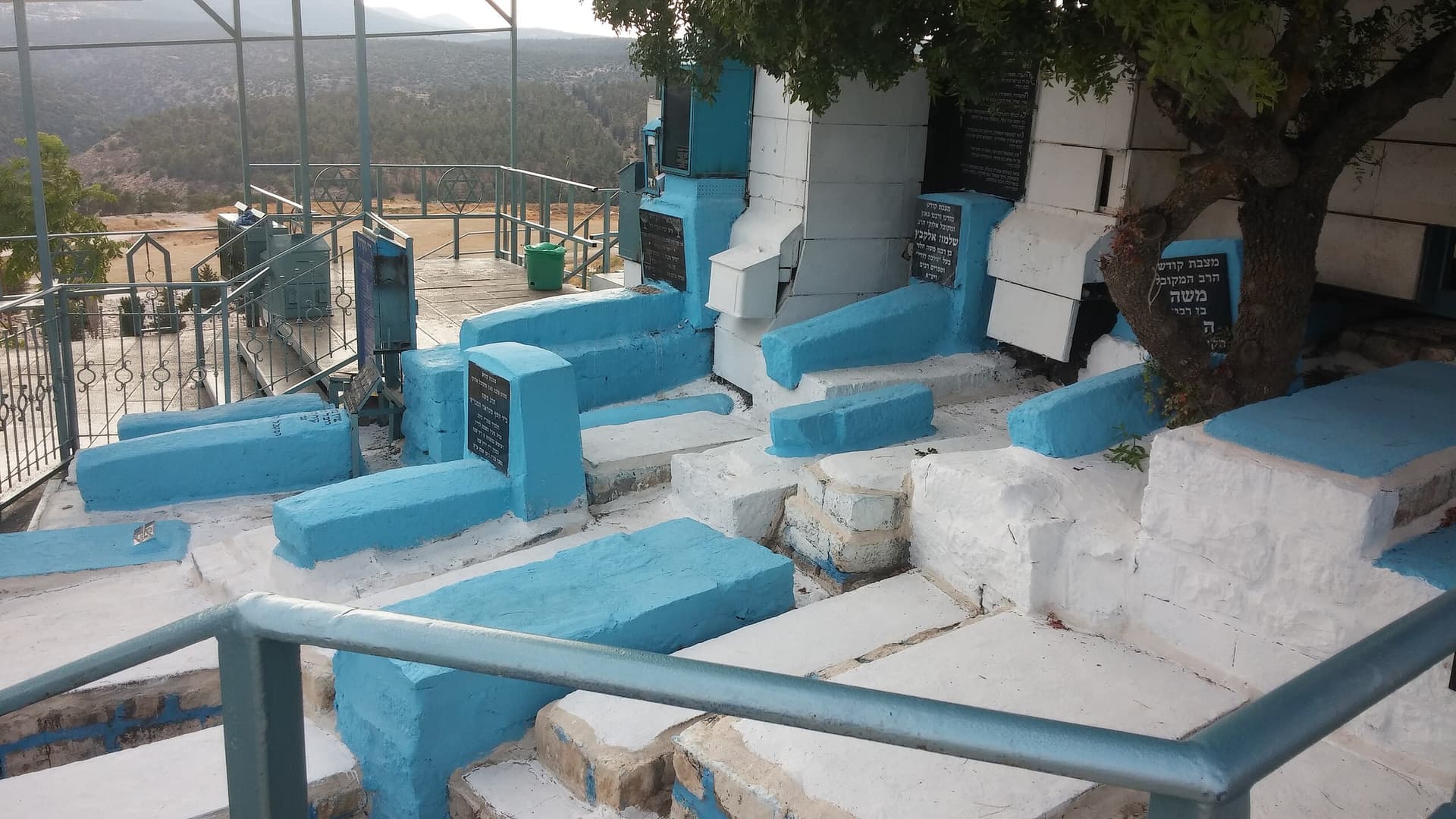
Old Cemetery, Safed
Safed, North District, Israel
133.2 km away
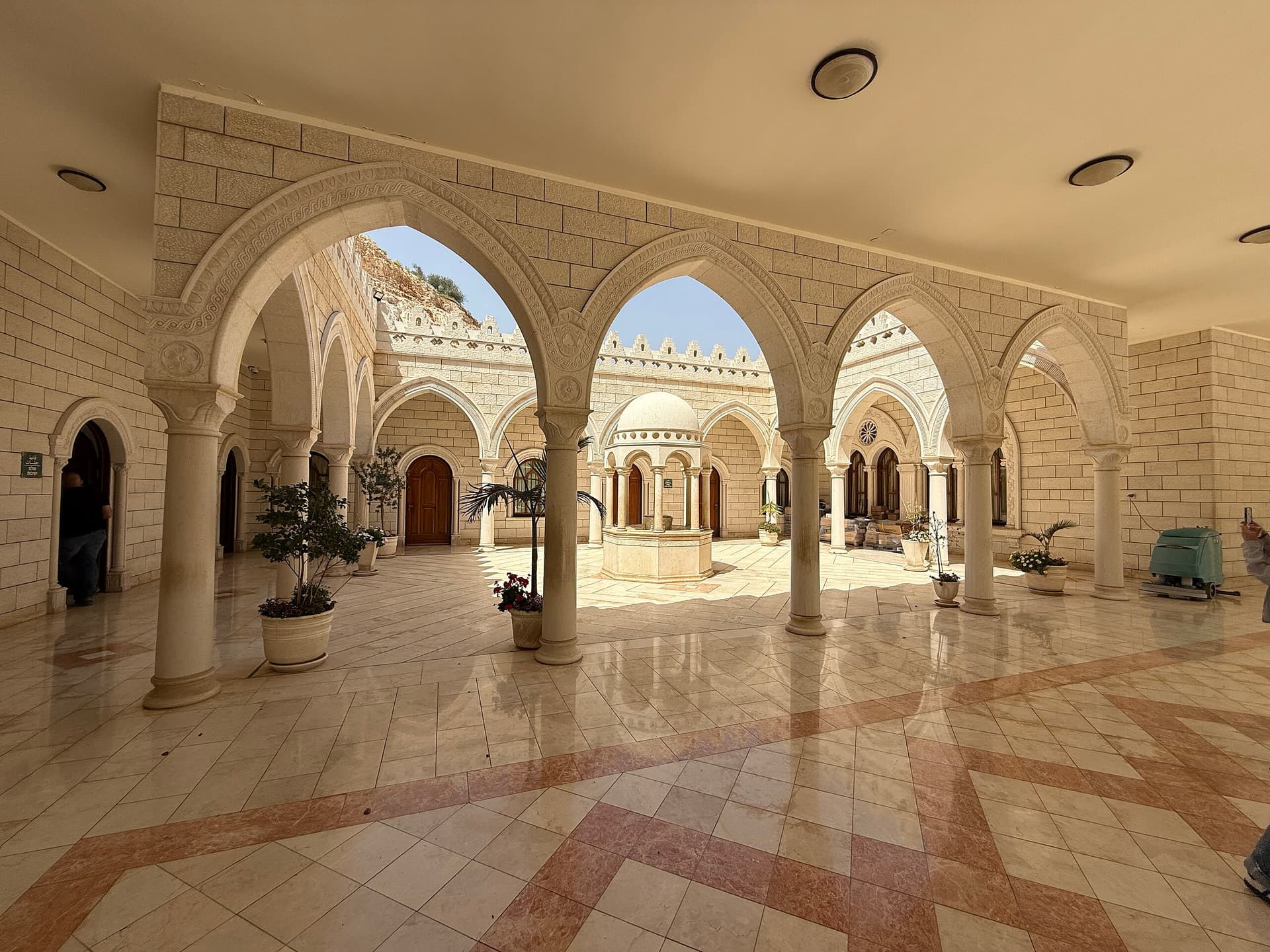
Shrine of Nabi Shuʿayb, near Kfar Zeitim, not far from Tiberias, Israel
Galil Tachton Regional Council, North District, Israel
150.9 km away
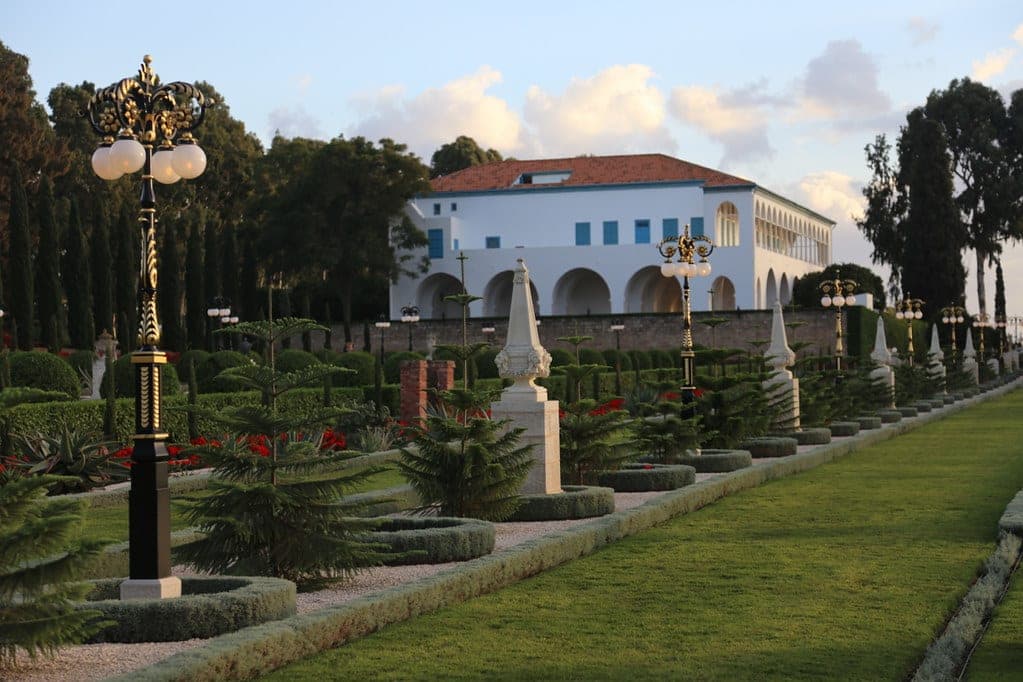
Shrine of Bahá’ú’lláh, Acre
Bustan HaGalil, North District, Israel
157.0 km away
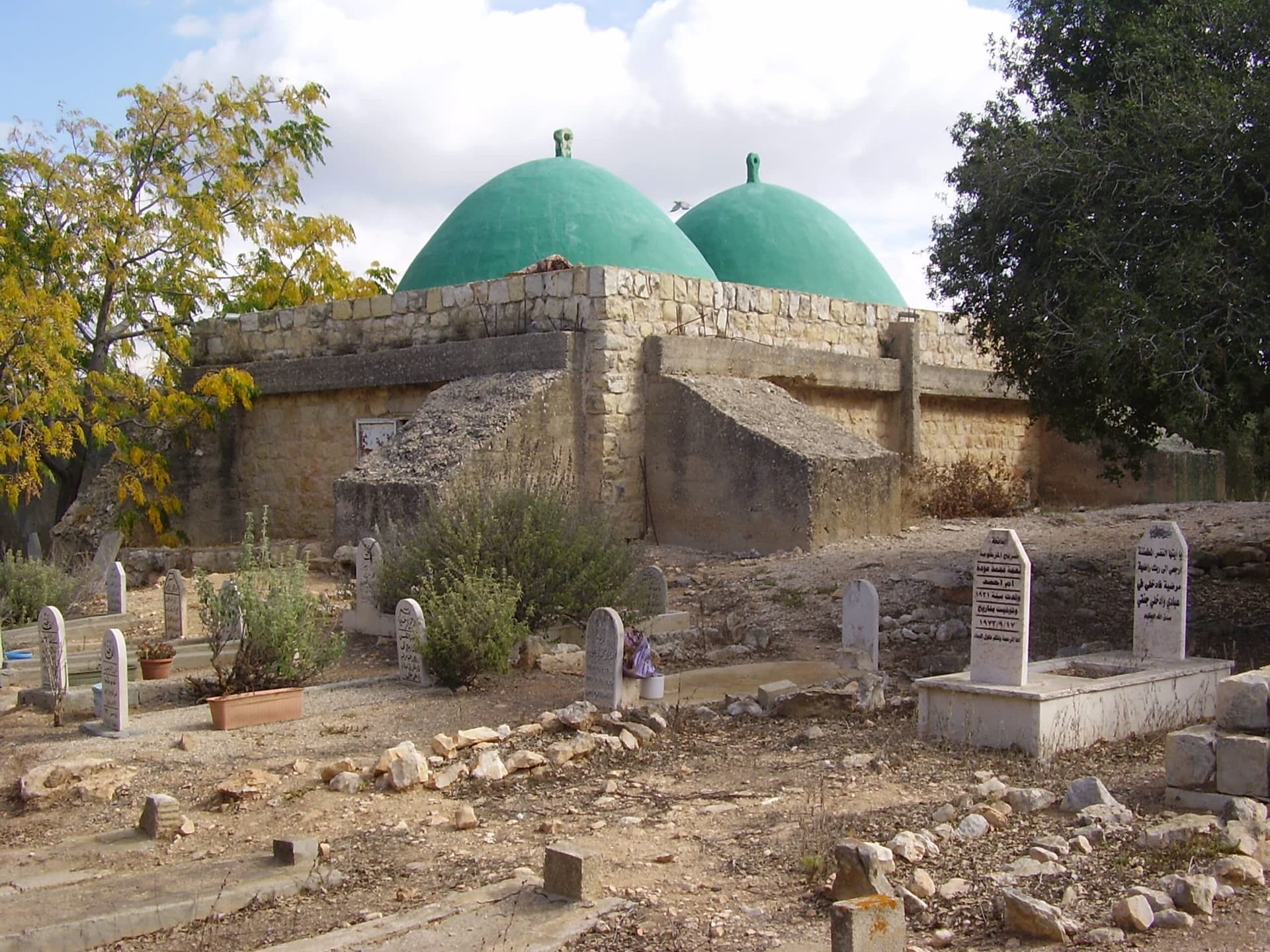
The tomb of Sheikh Abu Al-Hija, Israel
Misgav Regional Council, North District, Israel
157.3 km away