Site type guide
Historical
Crawlable taxonomy page generated from the current site detail schema and used in the internal linking graph.
Countries to explore next
Traditions represented here
4 sites
Browse this type across countries, traditions, and sacred landscapes.
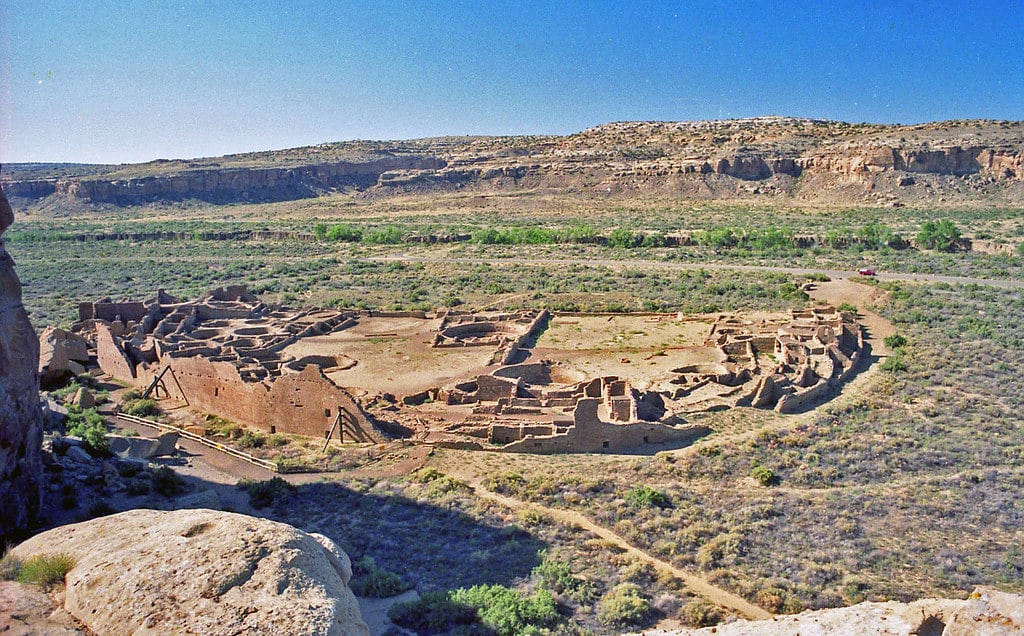
Chaco Canyon, New Mexico
San Juan County, New Mexico, United States
Chaco Canyon, New Mexico is a historical park of sacred significance. Approximate coordinates: 36.05909, -107.95784. Attributes: built, cultural, archaeological, ceremonial. Tradition: Anasazi Indian. Recognized as a UNESCO World Heritage Site. Located in New Mexico, United States.
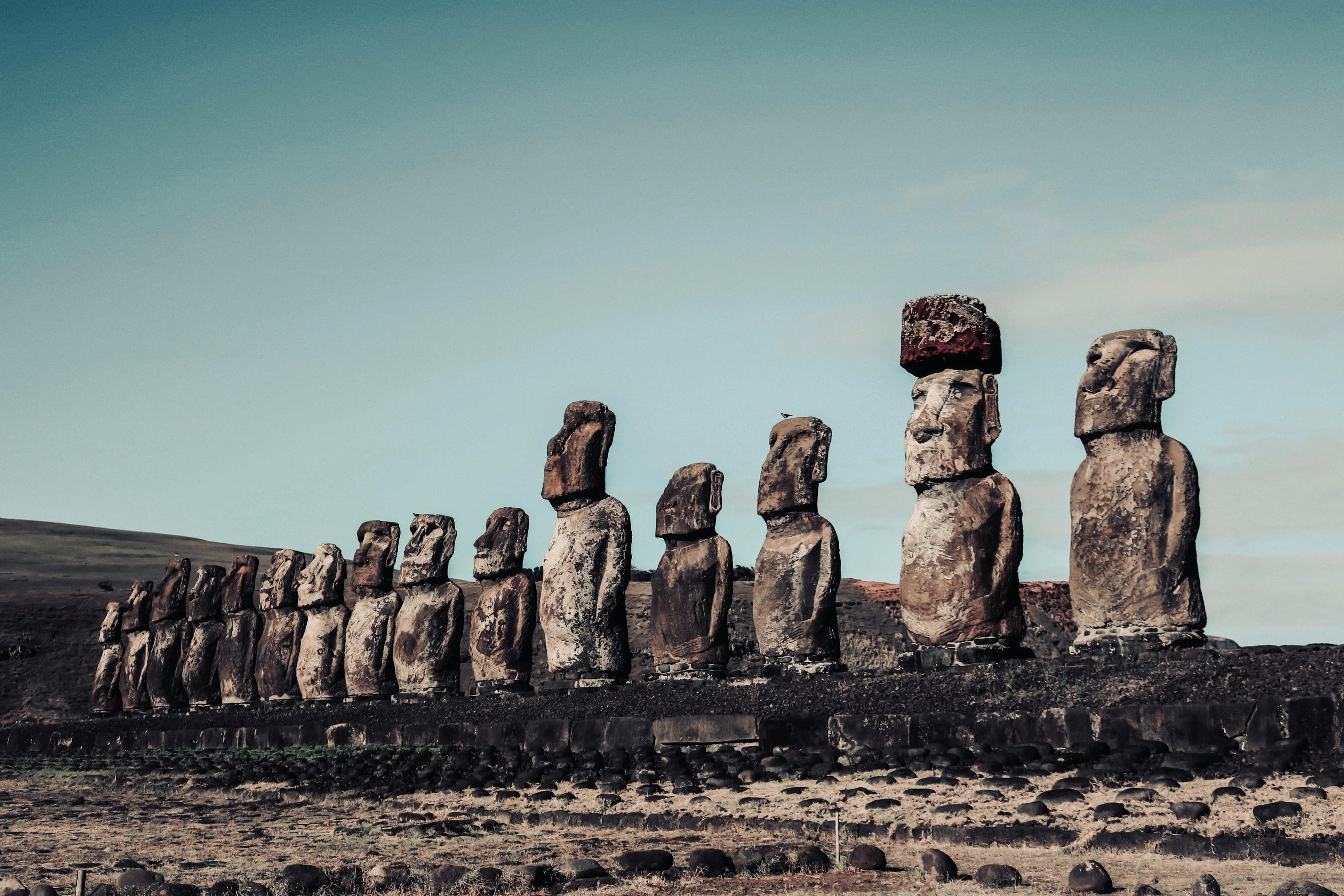
Easter Island
Easter Island, Valparaiso Region, Chile
Easter Island is a historical of sacred significance. Approximate coordinates: -27.10375, -109.36478. Attributes: built, natural, cultural, archaeological, ceremonial. Tradition: Polynesian. Mythological context: Rapa Nui. Recognized as a UNESCO World Heritage Site. Easter Island (Spanish: Isla de Pascua, [ˈisla ðe ˈpaskwa]; Rapa Nui: Rapa Nui, [ˈɾapa ˈnu.i]) is an island and special territory of Chile in the southeastern Pacific Ocean, at the southeasternmost point of the Polynesian Triangle in Oceania. The island is renowned for its nearly 1,000 extant monumental statues, called moai, which were created by the early Rapa Nui people. In 1995, UNESCO named Easter Island a World Heritage Site, with much of the island protected within Rapa Nui National Park. Experts differ on when the island s Polynesian inhabitants first reached the island. While many in the research community cited evidence that they arrived around the year 800, a 2007 study provided compelling evidence suggesting their arrival was closer to 1200. The inhabitants created a thriving and industrious culture, as evidenced by the island s numerous enormous stone moai and other artifacts. But land clearing for cultivation and the introduction of the Polynesian rat led to gradual deforestation. By the time of European arrival in 1722, the island s population was estimated to be 2,000 to 3,000. European diseases, Peruvian slave raiding expeditions in the 1860s, and emigration to other islands such as Tahiti further depleted the population, reducing it to a low of 111 native inhabitants in 1877. Chile annexed Easter Island in 1888. In 1966, the Rapa Nui were granted Chilean citizenship. In 2007, the island gained the constitutional status of special territory (Spanish: territorio especial). Administratively, it belongs to the Valparaíso Region, constituting a single commune (Isla de Pascua) of the Province of Isla de Pascua. The 2017 Chilean census registered 7,750 people on the island, of which 3,512 (45%) identified as Rapa Nui. Easter Island is one of the world s most remote inhabited islands. The nearest inhabited land (around 50 residents in 2013) is Pitcairn Island, 2,075 kilometres (1,289 mi) away; the nearest town with a population over 500 is Rikitea, on the island of Mangareva, 2,606 km (1,619 mi) away; the nearest continental point lies in central Chile, 3,512 km (2,182 mi) away. Located in Isla de Pascua, Región de Valparaíso, Chile.

Evora, Roman Temple
Évora, Évora, Portugal
Evora, Roman Temple is a historical of sacred significance. Approximate coordinates: 38.57259, -7.90729. Attributes: built, cultural, archaeological. Tradition: Roman. Located in Évora, Évora, Portugal.

Haedong
Busan, 기장군, South Korea
Haedong is a historical region of sacred significance. Approximate coordinates: 35.18833, 129.22315. Attributes: cultural. Tradition: Buddhism. Haedong (also Haidong, traditional Chinese: 海東; simplified Chinese: 海东; pinyin: Hǎidōng; Korean: 海東; lit. east of the sea ) may refer to: Haidong Prefecture (in the sense of east of the Qinghai Lake. ) a historical term for Korea (viz., from a Chinese perspective) Haedong Seongguk Balhae, a medieval kingdom in northern Korea and southern Manchuria Buddhism in Korea Haedong Goseungjeon lives of eminent Korean monks Haedong Gumdo Korean swordsmanship Located in 부산광역시, 기장군, 대한민국.