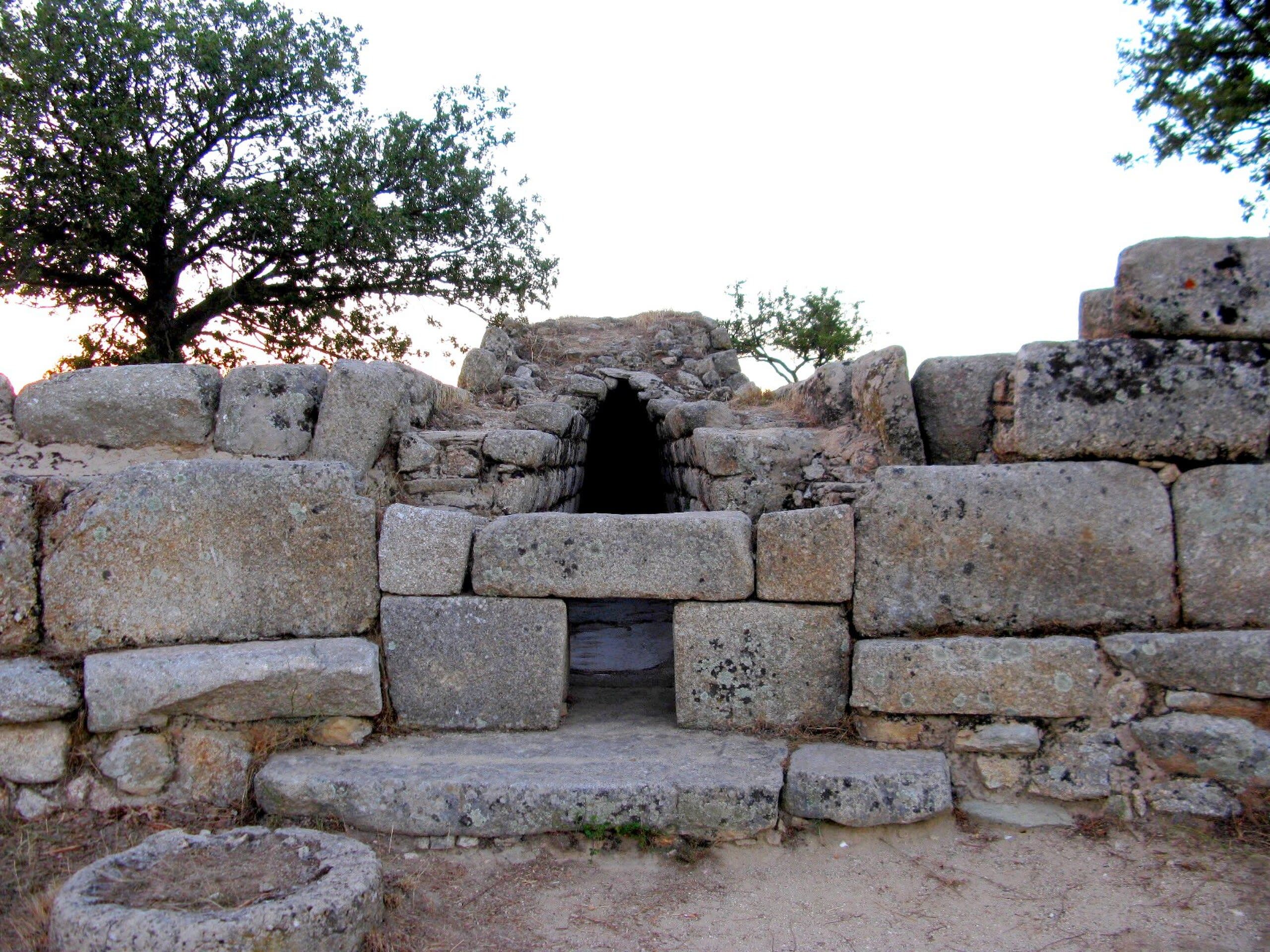
The Giants' Tomb of Madau
A city of the dead rises in the mountain valley, its stelae carved with symbols that may map the stars
Orgòsolo/Orgosolo, Sardinia, Italy
At A Glance
- Coordinates
- 40.1207, 9.3313
- Suggested Duration
- 1-2 hours for necropolis; longer if combined with Gremanu sanctuary.
Pilgrim Tips
- No specific requirements. Comfortable walking shoes recommended for mountain terrain.
- Photography permitted.
- Mountain terrain; may present challenges for mobility-impaired visitors. Check locally for current visiting arrangements.
Overview
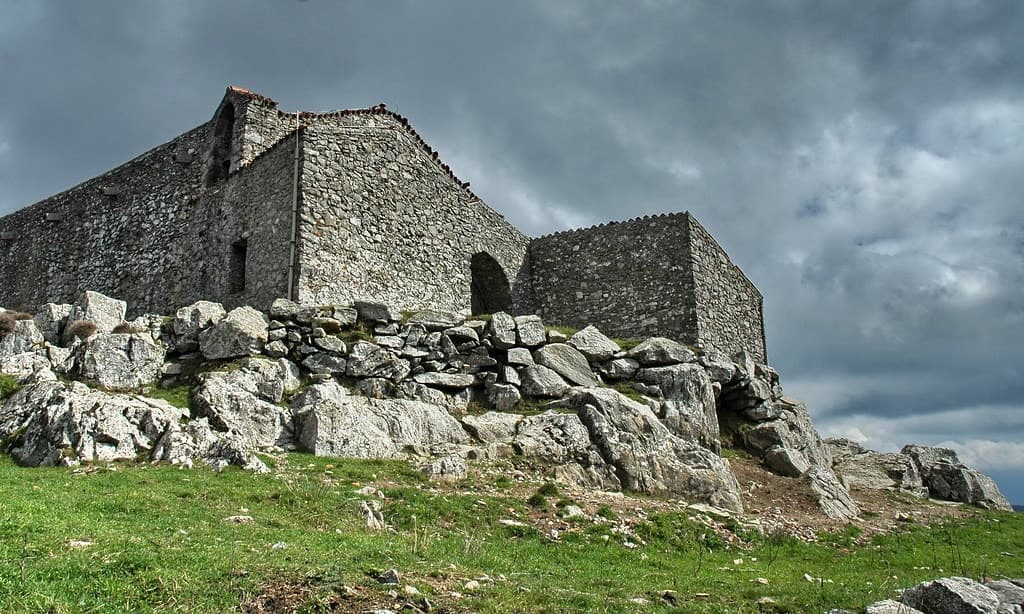
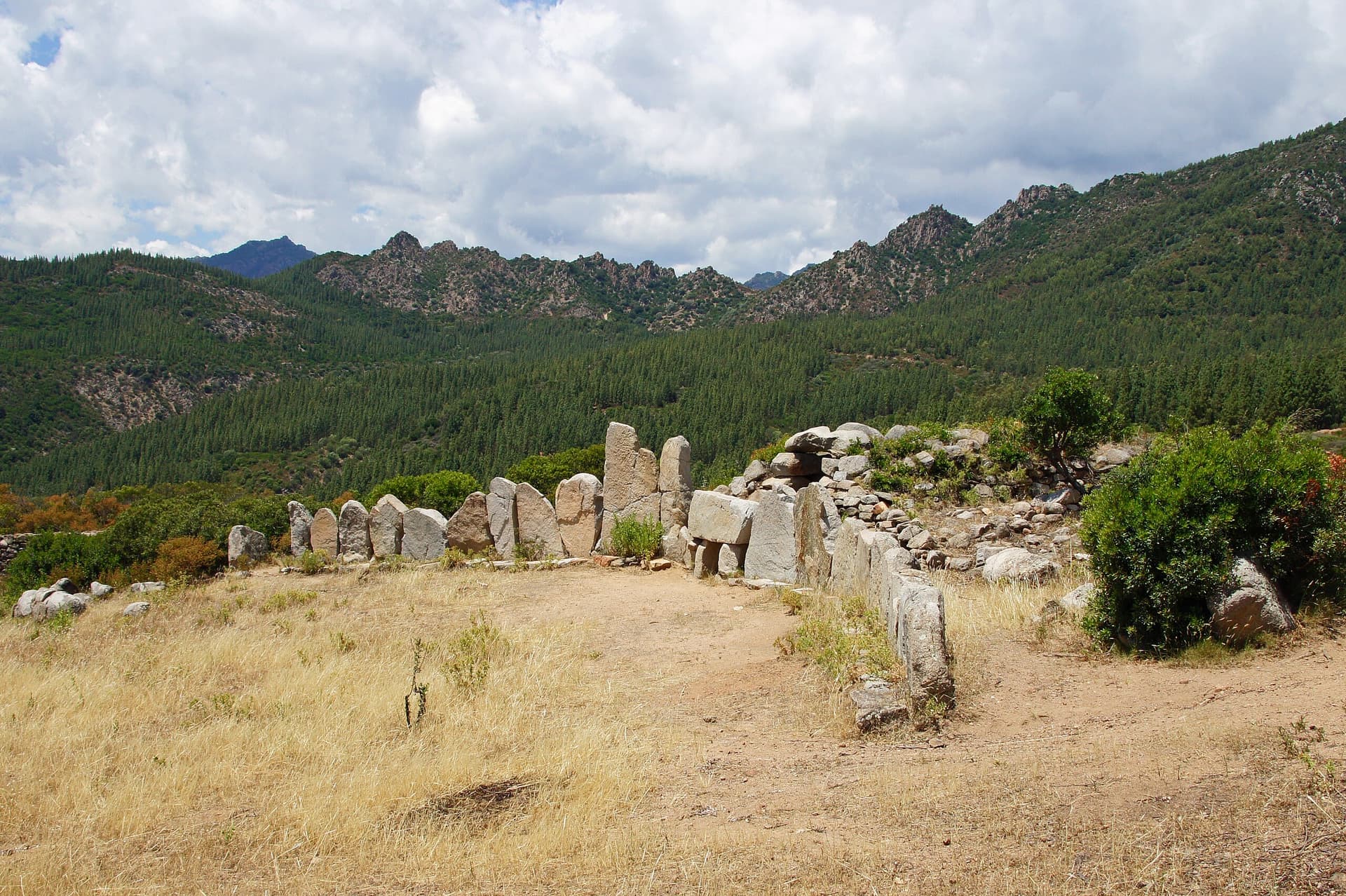
In the mountain valley of Madau near Fonni—Sardinia's highest town—four Giants' Tombs create a necropolis that approaches the scale of a city for the dead. What makes Madau exceptional is not merely the multiple tombs but the symbols carved upon them. The 'Stela di Madau' presents imagery that scholars have connected to the Pleiades, suggesting the Nuragic people tracked celestial cycles as part of their burial practice. Here, death met astronomy in Bronze Age thought.
The Madau valley preserves something rare: not a single Giants' Tomb but four, creating a necropolis that reveals Nuragic attitudes toward death at community scale. Each tomb could hold hundreds of dead; together, they suggest a population that gathered its deceased in this mountain valley over generations.
But what distinguishes Madau from other multiple-tomb sites is what was carved upon the stones. The stelae bear magical-religious motifs and cup marks that indicate complex spiritual beliefs. Most intriguing is the imagery on one stele that scholars have connected to the constellation of the Pleiades—the star cluster whose rising and setting has guided agricultural calendars across ancient cultures.
The connection, if accurate, transforms understanding of what happened here. The Nuragic people may have timed their burial ceremonies to celestial events, integrating death into cosmic cycles. The tombs face southeast toward the rising sun, adding solar dimension to possible stellar symbolism. Death was understood not as random cessation but as participation in the same patterns that governed the stars.
Giovanni Lilliu—the 'father of Sardinian archaeology'—excavated Madau between 1982 and 1986, recognizing its exceptional significance. The site is now among 31 monuments proposed for UNESCO World Heritage status as representatives of Nuragic civilization.
The first tomb was built over an older dolmen structure, showing that sacred use of this valley predates even the Giants' Tomb tradition. Generation after generation chose to place their dead here, creating accumulated presence that the multiple tombs now display. The exedra of the largest tomb extends 24 meters—monumental forecourt for ceremonies that may have been timed to the Pleiades' appearance in the night sky.
Nearby stands the Sanctuary of Gremanu, approximately 1.5 kilometers away, connecting this city of the dead to a living sacred site. The valley held significance that death alone does not explain.
Context And Lineage
Madau represents the largest Giants' Tomb necropolis, with four tombs bearing symbolic carvings that may connect to astronomical observation. Excavated by Giovanni Lilliu and selected for UNESCO nomination.
The Giants' Tombs of Madau were built during the Bronze Age, creating a necropolis in the mountain valley near Fonni—Sardinia's highest town. Four tombs, each capable of holding hundreds of deceased, transformed this valley into a landscape dedicated to the dead.
The first tomb was built over an older dolmen structure, indicating that sacred use of this location predates the Giants' Tomb tradition itself. Generation after generation recognized the valley's appropriateness for burial, adding tombs until the current four marked the landscape.
What makes Madau exceptional is the symbolic carvings on the stelae. Magical-religious motifs, cup marks, and imagery possibly representing the Pleiades indicate sophisticated spiritual beliefs that may have included astronomical observation. The tombs face southeast toward the rising sun, adding solar orientation to possible stellar symbolism.
Giovanni Lilliu, the 'father of Sardinian archaeology,' excavated Madau between 1982 and 1986. His work established the site's significance for understanding Nuragic funerary practices and religious beliefs.
The nearby Sanctuary of Gremanu, approximately 1.5 kilometers away, connects the necropolis to living sacred practice. The valley held concentration of religious activity that included both burial and worship.
Madau is now among 31 monuments proposed for UNESCO World Heritage status as representatives of Nuragic civilization—recognition of its exceptional importance for understanding Bronze Age Sardinian culture.
Built by Nuragic civilization (Bronze Age). First tomb over older dolmen showing earlier sacred use. Excavated 1982-1986 by Giovanni Lilliu. Selected for UNESCO nomination as one of 31 representative monuments.
Giovanni Lilliu
Archaeologist
Why This Place Is Sacred
Madau's thin quality emerges from the necropolis scale of four tombs, from the possible Pleiades symbolism connecting death to stars, and from the accumulated sacred presence across multiple burial generations.
The thinness at Madau manifests in multiplication. One Giants' Tomb creates focal point for community burial; four create a landscape of the dead. The Madau valley was understood as appropriate place for the accumulated deceased of the region, generation after generation gathered into stone containers facing the rising sun.
The symbolic carvings on the stelae add dimension that transforms architectural thinness into cosmic thinness. If the imagery does indeed represent the Pleiades, then the Nuragic people understood their dead within celestial context. The star cluster rises in the east as the seasons turn; the tombs face southeast toward sunrise; death participates in patterns that govern the heavens.
This is thin place as intersection—where death meets astronomy, where human ending connects to eternal cycles. The Nuragic builders did not merely bury their dead; they placed them within cosmological framework that required astronomical knowledge to perceive and ritual timing to honor.
The cup marks on the stelae add further mystery. These small carved depressions appear at sacred sites across prehistoric Europe, their meaning debated but their persistence suggesting shared significance. At Madau, cup marks join possible stellar imagery to create a symbolic vocabulary that we can see but cannot fully read.
Giovanni Lilliu's excavation established Madau's importance, but the site's power preceded and exceeds scholarly recognition. The first tomb was built over an older dolmen, indicating that this valley held sacred significance before the Giants' Tomb tradition developed. Something about this place drew burial activity that predates and includes the four tombs now visible.
The nearby Sanctuary of Gremanu connects the city of the dead to living sacred practice. This was not isolated burial ground but part of sacred geography that included both interment and ceremony. The valley's thinness emerges from this concentration—death, worship, celestial observation converging in mountain landscape.
Visitors who stand before the Stela di Madau and contemplate its carvings participate in three-thousand-year-old question: what was the Nuragic understanding of death's relationship to the stars?
Built during Bronze Age (Early or Late) as collective burial necropolis. Four tombs facing southeast toward the rising sun. Magical-religious symbols including possible Pleiades imagery suggest ceremonies timed to celestial events.
First tomb built over older dolmen structure, showing earlier sacred use. Excavated by Giovanni Lilliu 1982-1986. Selected for UNESCO nomination as one of 31 representative Nuragic monuments.
Traditions And Practice
No active religious practices continue. Visitors engage through exploration of the four-tomb necropolis and contemplation of the symbolic carvings and possible astronomical connections.
Collective burial with possibly hundreds of deceased per tomb. Funerary ceremonies in large exedra (up to 24 meters). Symbols on stelae suggesting ceremonies timed to celestial events. Tombs oriented southeast toward the rising sun.
Archaeological appreciation and cultural tourism. Both Madau and nearby Gremanu sanctuary are open to visitors. Guided tours may be available.
Visit all four tombs to appreciate the necropolis scale. Seek out the Stela di Madau with its symbolic carvings. Contemplate the possible Pleiades connection and what it implies about Nuragic cosmology. Visit Gremanu sanctuary to understand the valley's broader sacred significance.
Nuragic Collective Burial with Astronomical Symbolism
HistoricalMadau represents Nuragic collective burial at unprecedented necropolis scale, with symbolic carvings suggesting astronomical knowledge. The possible Pleiades imagery indicates sophisticated understanding of celestial cycles integrated with funerary practice.
Collective burial with possibly hundreds of deceased per tomb. Ceremonies in large exedra (up to 24 meters). Symbols carved on stelae possibly representing the Pleiades. Southeast orientation toward the rising sun.
Experience And Perspectives
Visitors encounter four Giants' Tombs creating a necropolis in the mountain valley, with symbolic carvings that may connect to the Pleiades. The nearby Sanctuary of Gremanu adds living sacred dimension.
The road from Fonni toward Pratobello leads into mountain landscape where the necropolis of Madau awaits. Follow SP 2 toward Lanusei to kilometer 7.2; the tombs stand a short distance from the road on the right.
First impression is scale. Four Giants' Tombs occupy the valley, creating not a single burial site but a landscape dedicated to the dead. Each tomb follows familiar form—curved exedra, corridor burial, stone construction—but together they compose something unprecedented: a city where the living came to honor hundreds of accumulated deceased.
Approach the largest tomb first, with its 24-meter exedra creating monumental forecourt for ceremonies. Imagine this space filled with mourners, with offerings, with whatever rituals the Nuragic people performed when death required acknowledgment. The scale suggests community-wide participation.
Seek out the Stela di Madau with its symbolic carvings. The imagery has been interpreted as connected to the Pleiades—the star cluster whose rising marked agricultural seasons across the ancient world. Stand before these carvings and consider what it would mean to integrate death into celestial cycles, to time burial ceremonies to the stars' appearance.
Notice that the tombs face southeast, toward the rising sun. Solar and possibly stellar orientation combined to place the dead within cosmic order. This was not random burial ground but precisely positioned necropolis.
The cup marks on various stelae add mysterious dimension. These small carved depressions appear at prehistoric sacred sites across Europe, their meaning uncertain but their presence deliberate. At Madau, cup marks join astronomical symbolism in vocabulary we can see but cannot completely decipher.
If time permits, visit the Sanctuary of Gremanu approximately 1.5 kilometers away. This living sacred site connects to the necropolis, suggesting the Madau valley held significance that included but exceeded burial. Death and worship occupied the same mountain landscape.
From Nuoro, take SS 389 toward Mamoiada, then road to Fonni. Turn left toward Pratobello. After hamlet, continue on SP 2 toward Lanusei to km 7.2. Tombs on right, short distance from road. Check locally for current visiting arrangements.
Madau can be understood as unprecedented necropolis scale, as evidence of Nuragic astronomical knowledge, as the work of Giovanni Lilliu, or as UNESCO-nominated testimony to Bronze Age Sardinian civilization.
Giovanni Lilliu's excavation established Madau as one of the most important Giants' Tomb sites. The presence of multiple tombs and symbolic carvings makes it exceptional for understanding Nuragic funerary practices and religious beliefs. The possible astronomical symbolism is active area of research.
The site's selection for UNESCO nomination reflects its importance to Sardinian cultural heritage. Connection to Giovanni Lilliu, who dedicated his life to Sardinian archaeology, adds cultural significance.
The possible Pleiades symbolism attracts researchers interested in ancient astronomical knowledge. The multiple tombs and their orientation generate interest in sacred geometry and landscape alignments.
The full meaning of the symbols on the Stela di Madau remains uncertain. Whether the Pleiades interpretation is correct requires further research. The contents of the fourth unexplored tomb are undocumented. The relationship between the necropolis and Gremanu sanctuary invites further study.
Visit Planning
Located in mountain valley near Fonni. Check locally for current fees and tour arrangements. Allow 1-2 hours; longer if visiting Gremanu sanctuary.
Accommodation available in Fonni and surrounding area.
Respect the necropolis as both archaeological site and accumulated burial ground for hundreds of Bronze Age dead.
Madau holds the accumulated dead of the Nuragic community across generations. The four tombs together contained hundreds of burials. Approach with respect appropriate to such concentration of human remains.
No specific requirements. Comfortable walking shoes recommended for mountain terrain.
Photography permitted.
Not appropriate at archaeological sites.
Respect the ancient structures and carvings. Stay on designated paths. Do not touch the symbolic carvings.
Sacred Cluster
Nearby sacred places create the location cluster described in the growth plan. This block is intentionally crawlable and links into the wider regional graph.