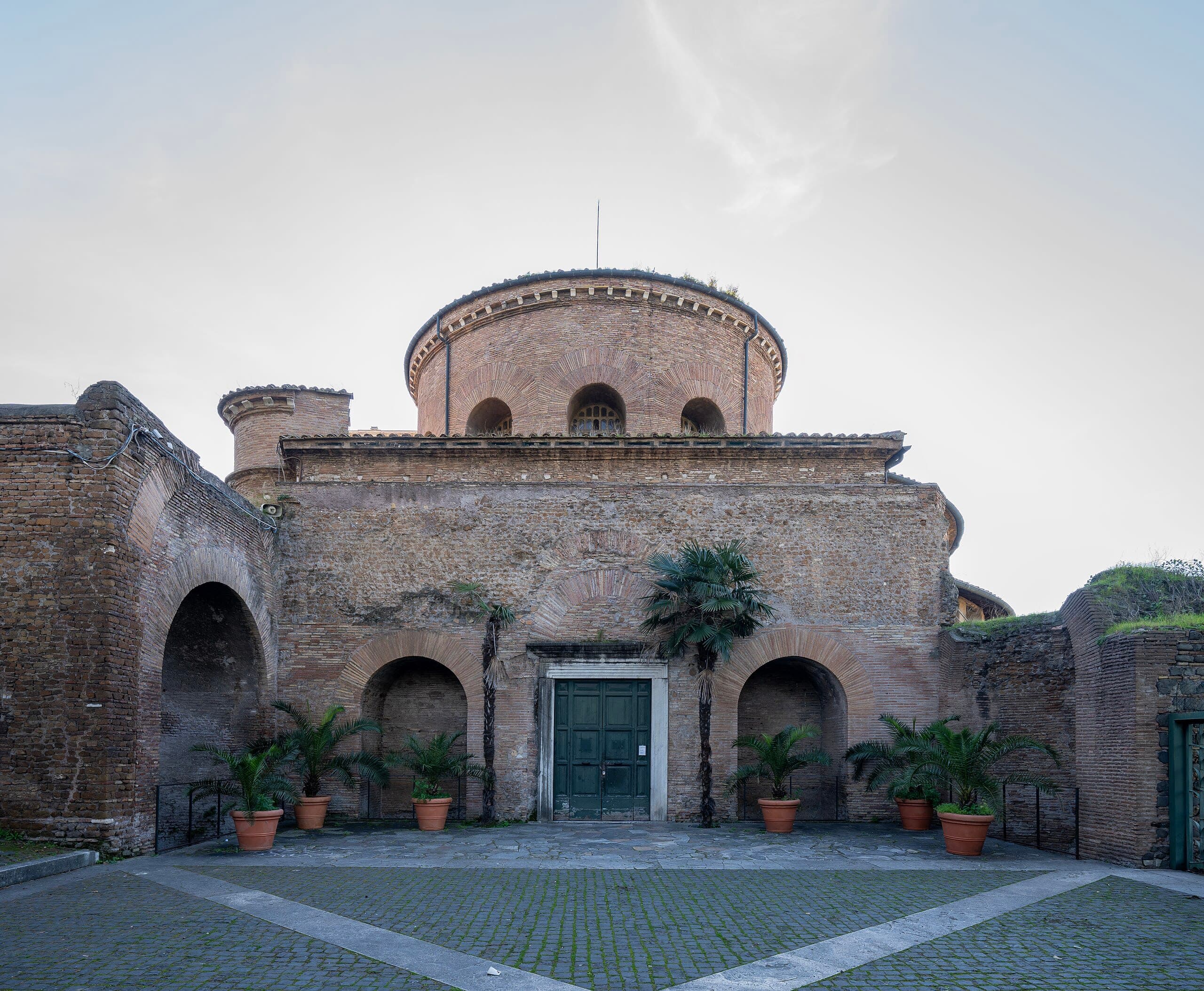
Mausoleo di Santa Costanza, Rome, Italy
Where Rome's imperial dead met Christianity's rising light
Rome, Lazio, Italy
At A Glance
- Coordinates
- 41.9228, 12.5186
- Suggested Duration
- 30-45 minutes for mausoleum. Add 1 hour for catacomb tour and basilica.
- Access
- Metro Line B to Bologna station, then 10-minute walk. Various buses to Via Nomentana.
Pilgrim Tips
- Metro Line B to Bologna station, then 10-minute walk. Various buses to Via Nomentana.
- Modest dress appropriate.
- Photography without flash is permitted.
- Hours are limited; check before visiting. Closed Sunday mornings. Catacomb tours require tickets and are guided.
Overview
Santa Costanza preserves the moment when Roman art became Christian. Built around 345 CE as a mausoleum for Constantine's daughter, this circular rotunda holds 4th-century mosaics that could be either Bacchic or Eucharistic—grape harvests, peacocks, doves—evidence of a culture finding new meaning in inherited forms. The space itself, transforming an imperial tomb into a church, embodies Christianity's emergence from Rome's dying paganism.
On the Via Nomentana, beyond the ancient walls, a circular building preserves Rome in transformation. Constantina, daughter of the first Christian emperor, built her mausoleum here in the 340s, near the tomb of Saint Agnes to whom she was devoted. The building itself represents a moment between worlds—imperial Roman in plan, emerging Christian in purpose.
The ambulatory mosaics that encircle the interior could belong to a temple of Bacchus: grape vines heavy with fruit, putti harvesting, peacocks and doves, geometric patterns that Roman craftsmen had laid for centuries. Yet the same images could be read as Christian: the vine of Christ, the Eucharistic vintage, the souls of the faithful. Scholars debate whether the ambiguity was intentional; what is certain is that Christianity emerged not by erasing Rome but by transforming it.
Twelve pairs of granite columns, salvaged from earlier Roman buildings, support the structure. Twelve high windows fill the space with light. The dome rises 19.5 meters overhead—once covered with mosaics now lost, known only from 16th-century watercolors. Constantina's magnificent porphyry sarcophagus, decorated with the same grape-harvest motifs as the ceiling, now rests in the Vatican Museums; a replica marks where the original stood.
Context And Lineage
Built in the 340s CE as a mausoleum for Constantine's daughter Constantina, near the tomb of Saint Agnes. Converted to a church in the 13th century. The 4th-century mosaics preserve the transition from pagan to Christian art.
Constantina, daughter of Emperor Constantine I, was devoted to Saint Agnes, the young Roman martyr whose tomb lay on the Via Nomentana. She built her mausoleum here to be near the saint she venerated. The building followed Roman imperial mausoleum traditions—circular plan, domed space, burial in a magnificent sarcophagus—while incorporating Christian elements. The mosaics that cover the ambulatory vault use imagery that could be read as either pagan (Bacchic harvest scenes) or Christian (Eucharistic symbolism). Whether the ambiguity was intentional or simply reflected the artistic vocabulary available in the 340s, the result documents Christianity's emergence from Roman visual culture.
Santa Costanza functions as part of the Sant'Agnese fuori le mura complex. The mausoleum, basilica, and catacombs together form one of Rome's most important early Christian sites. The circular architecture influenced Christian building for centuries—the rotunda form appearing in baptisteries, martyria, and funerary chapels across the medieval world.
Constantina
Emperor Constantine I
Saint Agnes
Pope Alexander IV
Why This Place Is Sacred
Santa Costanza's thinness derives from its location at Christianity's emergence from Roman culture—mosaics that could be pagan or Christian, a mausoleum becoming a church, an emperor's daughter buried near a martyr.
Few buildings so perfectly embody a cultural transition. The 4th-century mosaics preserve the visual vocabulary that Roman artists had used for centuries: geometric patterns, naturalistic scenes, harvest imagery, sacred animals. In a temple to Bacchus, these images would invoke the wine god and the mysteries of intoxication. In a Christian context, they speak of Christ the true vine, the blood of the Eucharist, the souls of the blessed.
The ambiguity is the point. Christianity did not arrive in Rome with wholly new artistic forms; it appropriated what existed, filling old images with new meaning. Santa Costanza documents this process in mosaic tesserae laid seventeen centuries ago. The peacocks that represented immortality for Romans came to represent the resurrection; the grape harvest that honored Dionysus came to celebrate the Eucharist.
The architecture itself enacts the same transformation. The circular plan with ambulatory derives from Roman imperial mausoleums—the tombs of Augustus, of Hadrian. Constantina's building followed this tradition while creating space for Christian worship. The columns salvaged from earlier structures physically incorporated Rome's past into Christianity's future. The dome overhead, now blank but once covered with biblical scenes (including, according to 16th-century records, Christ handing the keys to Peter), completed the transition skyward.
Constantina's devotion to Saint Agnes placed her mausoleum within an emerging sacred geography. The martyr's tomb, just steps away, had already become a pilgrimage site. By building here, Constantina connected imperial power to Christian sanctity. Her father had made Christianity legal; her building helped make Rome Christian.
Built c. 340-345 CE as a mausoleum for Constantina, daughter of Emperor Constantine I, near the tomb of Saint Agnes, to whom she was devoted. Some scholars believe it was originally intended for her sister Helena.
Masses were celebrated in the mausoleum from the 9th century. Pope Alexander IV officially converted it to a church dedicated to 'Saint Costanza' in the 13th century. The central dome mosaics were lost at an unknown date; 16th-century watercolors record their appearance. The original porphyry sarcophagus was moved to the Vatican Museums; a replica now marks its place.
Traditions And Practice
Occasional Mass is celebrated in this historic space. Visitors come primarily for the 4th-century mosaics. The adjacent catacombs offer guided tours.
The mausoleum served as Constantina's burial site from her death in 354. Masses were celebrated from the 9th century. Medieval veneration honored the apocryphal 'Saint Costanza.'
Occasional Mass. Pilgrimage and study visits to the 4th-century mosaics. Guided catacomb tours in the adjacent complex. The site primarily functions as a heritage monument while retaining its consecrated status.
Enter the mausoleum and allow your eyes to adjust to the interior light. Walk the ambulatory slowly, studying the 4th-century mosaics overhead. Note the grape harvest imagery and consider whether it speaks of Bacchus or Christ—or both. View the apse mosaics with their clearly Christian themes. Visit the adjacent Basilica of Sant'Agnese. If time permits, take the catacomb tour.
Roman Catholicism
ActiveOne of the finest surviving examples of 4th-century Christian architecture and mosaic art. Built as mausoleum for Constantine's daughter; later converted to church. The mosaics document Christianity's emergence from Roman artistic tradition. Part of the Sant'Agnese fuori le mura complex.
Occasional Mass, pilgrimage to early Christian art, catacomb tours.
Experience And Perspectives
Visitors enter a circular space defined by 12 pairs of columns. The ambulatory vault preserves 4th-century mosaics. Light streams from high windows. The atmosphere evokes Christianity's emergence from Roman culture.
The approach along Via Nomentana passes through a Rome distant from tourist crowds—the Porta Pia area, the old consular road leading north. The complex of Sant'Agnese fuori le mura appears: the basilica above, catacombs below, and to the side, the circular form of Santa Costanza.
Entering the mausoleum, the space organizes itself immediately. A circular ambulatory, its vault covered with 4th-century mosaics, encircles a central area defined by 12 pairs of granite columns. Above, 12 high windows admit light that plays across the ancient surfaces. The dome rises overhead—now plain white, but once covered with mosaics depicting biblical scenes.
The ambulatory mosaics demand slow attention. Grape vines wind across the vault, heavy with fruit. Putti harvest and crush grapes. Peacocks display their tails; doves rest on branches. Geometric patterns frame the naturalistic scenes. The colors—greens, golds, whites, terracotta—have survived seventeen centuries. Whether these images speak of Bacchus or Christ, they speak with Roman artistic mastery.
In niches around the circular wall, apse mosaics preserve different imagery: Christ seated on a globe (the Traditio Clavium, handing the keys to Peter); Christ in purple robes handing a scroll (the Traditio Legis). These are clearly Christian, probably added or modified in later centuries.
The replica of Constantina's porphyry sarcophagus stands where the original once rested. The same grape-harvest motifs that cover the ceiling appear on its surface. The emperor's daughter was buried among the vines that could be Dionysiac or Eucharistic—the ambiguity preserved in purple-red stone.
Santa Costanza is part of the Sant'Agnese fuori le mura complex on Via Nomentana, about 3 kilometers north of Rome's ancient walls. The basilica dedicated to Saint Agnes, and the catacombs beneath, complete the pilgrimage site.
Santa Costanza offers encounter with Christianity at its emergence from Roman culture—mosaics that could be pagan or Christian, a mausoleum becoming a church, imperial art serving new purposes.
Art historians recognize the mausoleum as one of the finest surviving examples of 4th-century architecture and mosaic art. The ambulatory mosaics are rare examples of Late Roman secular ceiling decoration. The pagan/Christian ambiguity of the imagery documents how Christianity appropriated Roman artistic vocabulary. Scholars debate whether the mausoleum was originally built for Constantina or her sister Helena.
Catholic tradition honored 'Saint Costanza' as a virgin martyr, conflating the historical Constantina with an apocryphal figure. The grape harvest mosaics are interpreted as Eucharistic symbolism. Constantina's devotion to Saint Agnes established the site's sacred character.
The combination of Dionysiac/Bacchic harvest imagery with Christian forms has attracted interpretation as deliberate syncretism. The circular plan with ambulatory has been compared to initiatory architecture across traditions. The transformation of imperial mausoleum to Christian church embodies religion's appropriation of political power.
The original appearance of the central dome mosaic, lost at an unknown date and known only from 16th-century watercolors. Whether the mausoleum was originally built for Constantina or Helena. The full meaning of the ambiguous imagery. The identity of the mosaic workshop.
Visit Planning
Located on Via Nomentana, outside the ancient walls. Free admission to mausoleum; catacomb tours require tickets. Limited hours. Part of the Sant'Agnese fuori le mura complex.
Metro Line B to Bologna station, then 10-minute walk. Various buses to Via Nomentana.
The Nomentana area is residential; most visitors base themselves in central Rome and travel here by Metro or bus.
Modest dress appropriate. Photography without flash permitted. The site functions primarily as heritage monument but maintains sacred character.
Santa Costanza primarily serves as a heritage monument rather than an active place of worship, though Masses are occasionally celebrated. Visitors should maintain respectful behavior and dress modestly. The mosaics are ancient and irreplaceable; photography without flash helps preserve them.
Modest dress appropriate.
Photography without flash is permitted.
Donations appreciated.
Limited hours; closed Sunday mornings | Catacomb tours require tickets | No flash photography
Sacred Cluster
Nearby sacred places create the location cluster described in the growth plan. This block is intentionally crawlable and links into the wider regional graph.
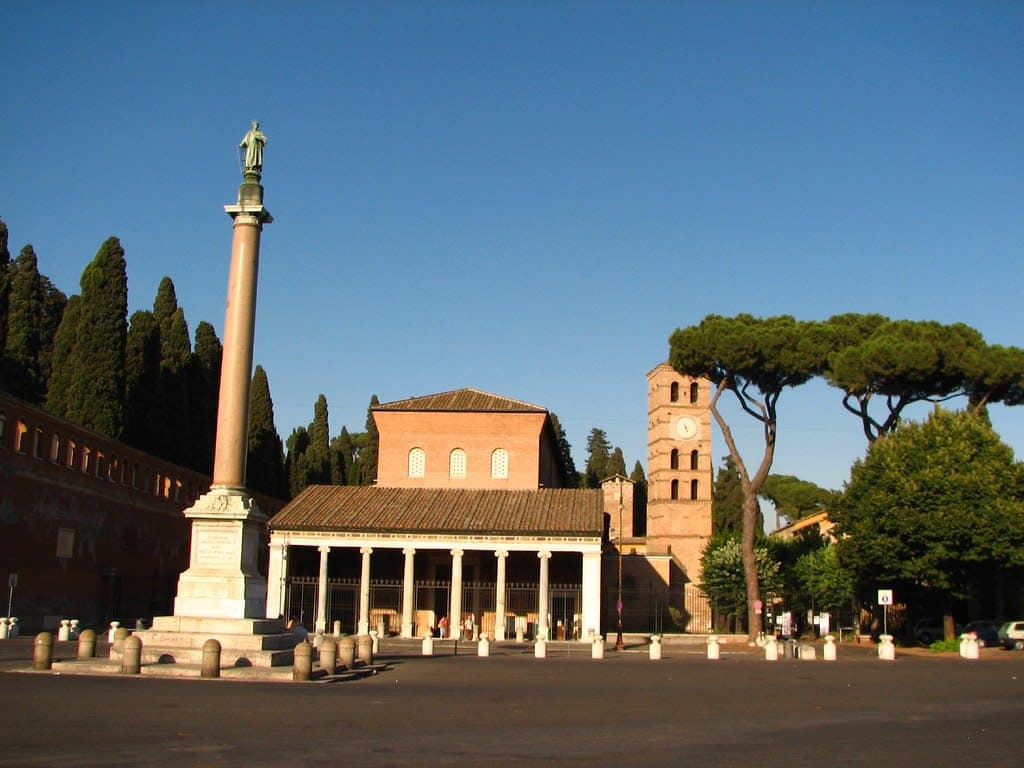
Basilica of St. Lawrence Outside the Walls, Rome, Italy
Rome, Lazio, Italy
2.3 km away
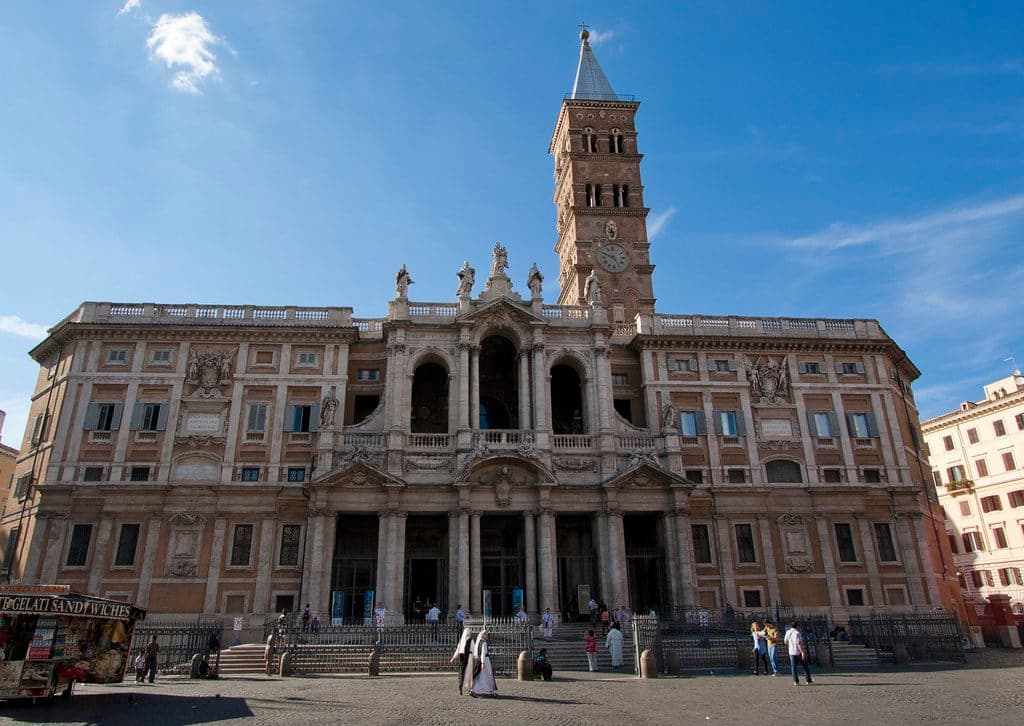
Basilica of Saint Mary Major, Rome, Italy
Rome, Lazio, Italy
3.3 km away
Basilica Parrocchiale di Santa Maria del Popolo, Rome, Italy
Rome, Lazio, Italy
3.7 km away
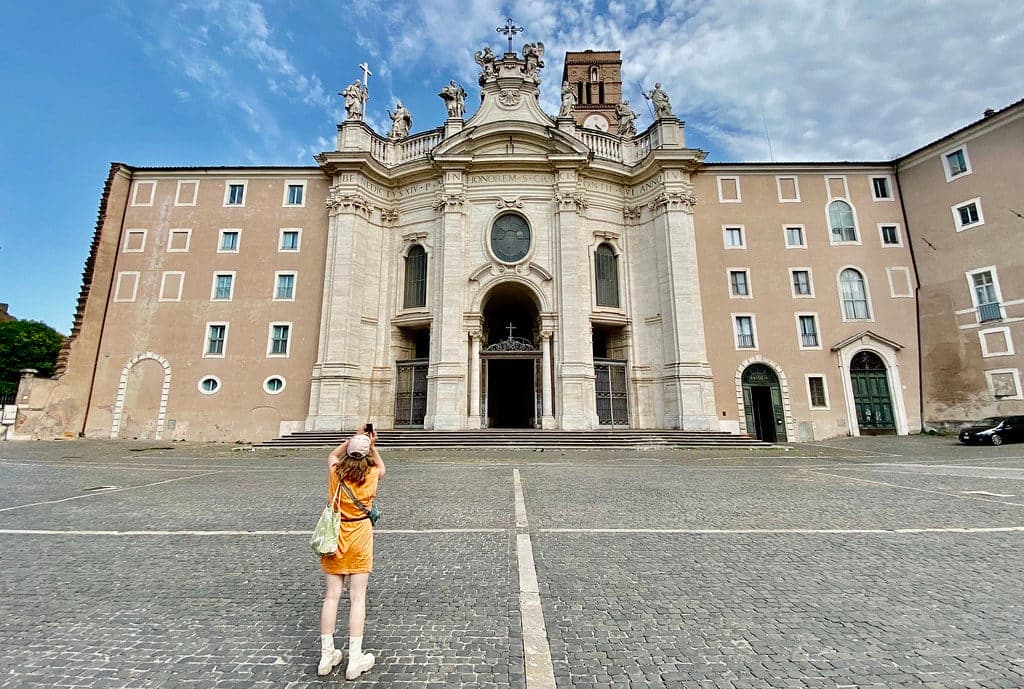
Basilica of the Holy Cross in Jerusalem, Rome, Italy
Rome, Lazio, Italy
3.9 km away